The High Desert Museum; A Southern Oregon Cultural Treasure

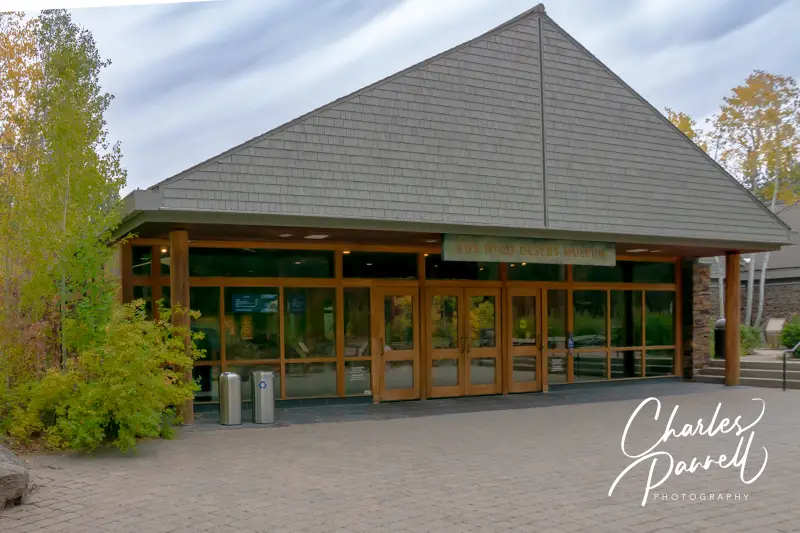
Located along Highway 97 just south of Bend, the High Desert Museum (highdesertmuseum.org/) doesn’t look like much from the lone sign that graces the entrance. That said, as you wind your way up the driveway through the surrounding forest, things begin to come into focus as you spot the main museum building. And by the time you enter the complex, and check out the surrounding enclosures and exhibits, it becomes apparent that this off-the beaten-path find is much more than initially anticipated.
Defined as the highland area on the eastern side of the Cascades, the high desert is the ancestral home to native peoples, as well as a land that supports an abundant wildlife population. The High Desert Museum explores — and even celebrates — the combined history and zoology of the area. This 135-acre campus, which is nicely hidden from the adjacent highway, includes a 100,000-foot indoor museum space, as well as expansive outdoor exhibits. And although the complex was constructed in a rugged natural environment, great thought was given to inclusion, so today wheelchair-users and slow walkers can also enjoy this beautiful space.
A High Desert Primer
There’s plenty of accessible parking in the front lot, with level access over to the High Desert Museum entrance. And if you can’t walk far, there’s also a large drop-off area near the door. Inside there’s good pathway access to all the exhibits, accessible restrooms and a good number of benches to sit and take a break. A loaner wheelchair is also available.
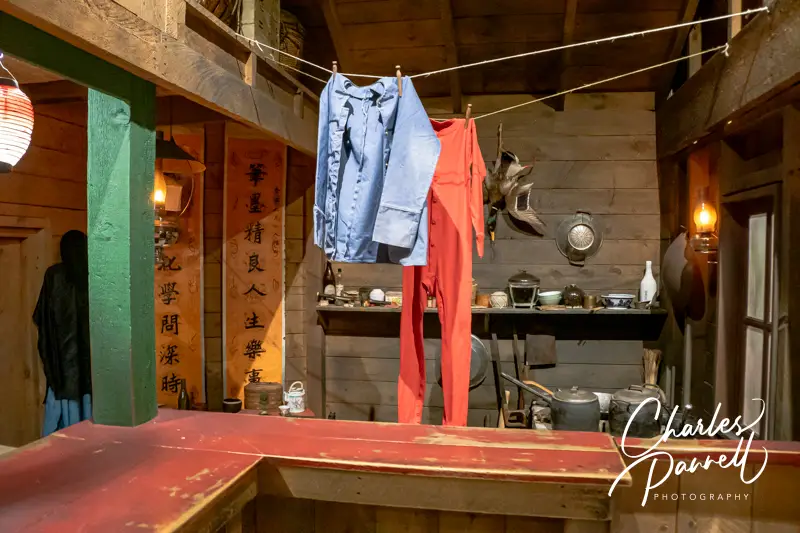
The bulk of the inside galleries focus on the resistance and resilience of the native people, and highlight the changes in the area over the past 100 years. And then there’s the Desertarium, which has an impressive collection of reptiles and amphibians that reside in the high desert. And don’t miss Juniper, the porcupine who lives in a natural habitat in the Schnitzer Entrance Hall. She and her brother Tumbleweed were born in captivity and imprinted on humans, and as a result they cannot be released in the wild.
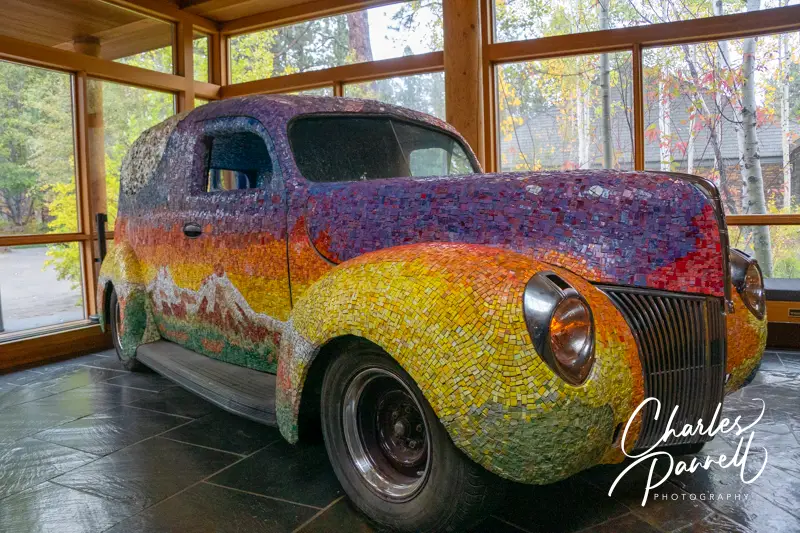
There are also a number of rotating exhibits in the other galleries, and if you get hungry the Rimrock Cafe has some nice lunch or snack options. And don’t forget to stop in the gift shop to pick up a souvenir of your visit, before you head outside to explore the rest of the campus.
Discover the Forest
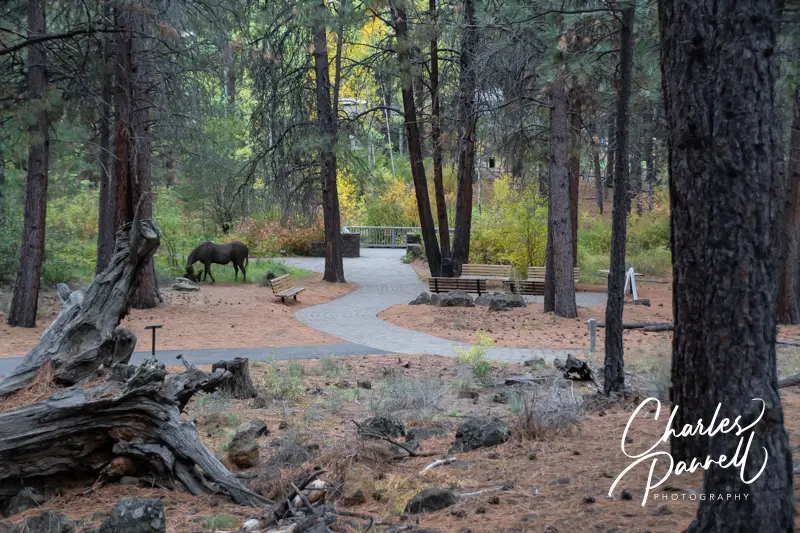
Outside, a series of trails wind around the exhibits and enclosures; and although not all of the trails are accessible, the museum map clearly highlights the routes that have steep grades. From the main building head over to the popular Donald M Kerr Birds of Prey Center, which features a courtyard with some rehabilitated residents, as well as inside exhibits. Outside, you can get up-close-and-personal with a few owls, hawks and eagles; while the inside exhibits focus on the habitat and behavior of the raptors. And don’t miss the pitch black enclosure with the barred owl.
After you’ve had your fill of raptors, head over to the Forest at Night exhibit, with a quick stop at the pond viewing area along the way. There’s barrier-free access to the Changing Forest pavilion, which includes some interpretive signs and wayside exhibits. Inside there’s equally good access to the Forest at Night interactive installation. This exhibit features the constellations above and highlights the nocturnal forest creatures. And there’s also a touchscreen that allows visitors to learn about the adaptations of the nocturnal forest creatures. It’s a fun and educational exhibit for all ages.
Step Back in Time
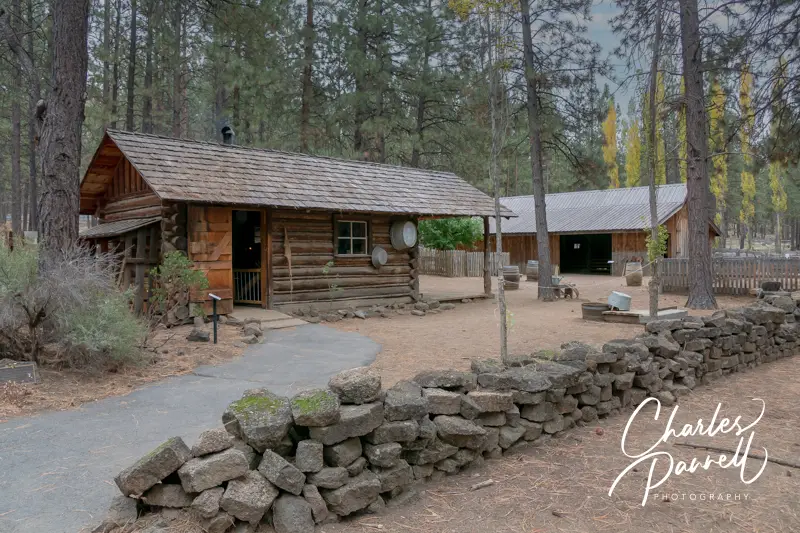
Another outside exhibit with good wheelchair access is the High Desert Ranch and Sawmill. And this area is truly a step back in time, as it tells the story of the early Central Oregon homesteaders. It includes a 1904 vintage cabin and barn (complete with chickens), a corral, bunkhouse, root cellar and old schoolhouse. Docents are on hand to answer questions, and there’s always a demonstration or two in the area. There’s ramped or level access to most of the buildings, as well as the old sawmill. Kids love this area, but it’s also nostalgic step back in time for adults.
After you’ve has a taste of farm life, continue on along the paved trail through the forest to the Autzen Otter Exhibit. There’s level access to the outdoor viewing area, where you can view the antics of the Brook, Pitch and Wesley, the resident otters. And for a good underwater look at them. there are also some wheelchair-height viewing windows as well as an indoor viewing area.
Of course you can always double back to any of the outdoor exhibits, but to conclude your High Desert Museum visit continue along the paved the trail. The pathway passes a playground and a large open meadow before it ends back at the main museum buildings. All in all, it’s just a half-mile trail, with good signage along the way.
And combined with the indoor exhibits this expansive outdoor area gives visitors a comprehensive – and wheelchair-accessible – look at the residents of the high desert.

Barrier-Free Travel
Washington National Parks
for Wheelers and Slow Walkers