As a travel writer since 1977, Candy Harrington has been writing about accessible travel exclusively since 1996. She’s the founding editor of Emerging Horizons, and the author of the popular Barrier-Free Travel national park series. With thousands of bylines to her credit, Candy hits the road often, in search of new accessible travel finds. Candy and her travel photographer husband Charles Pannell reside in NE Washington, where they tend to their chicken flock and enjoy a rural lifestyle.
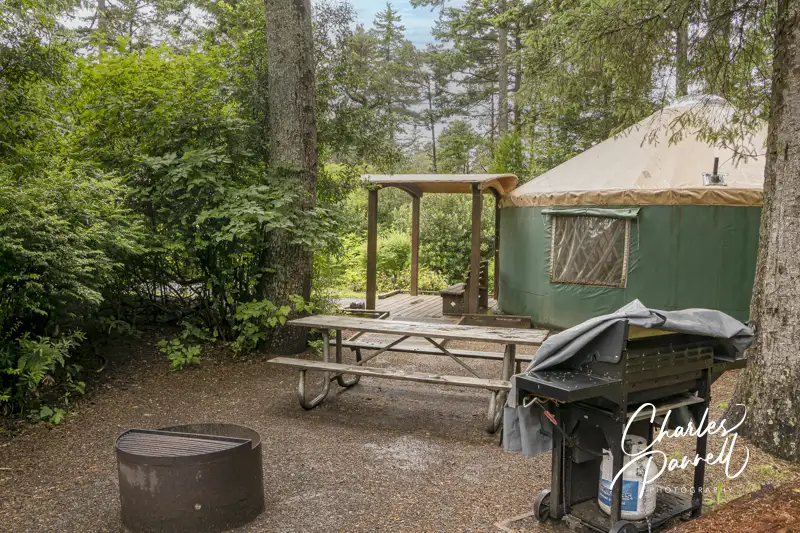
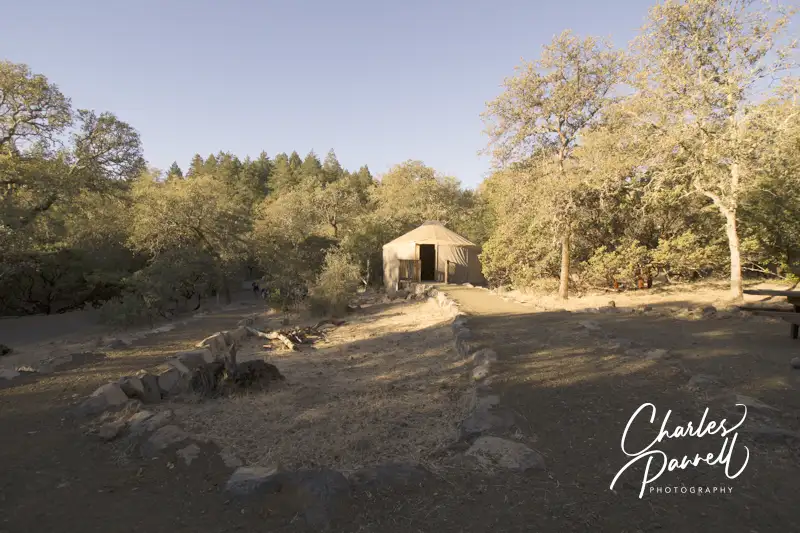
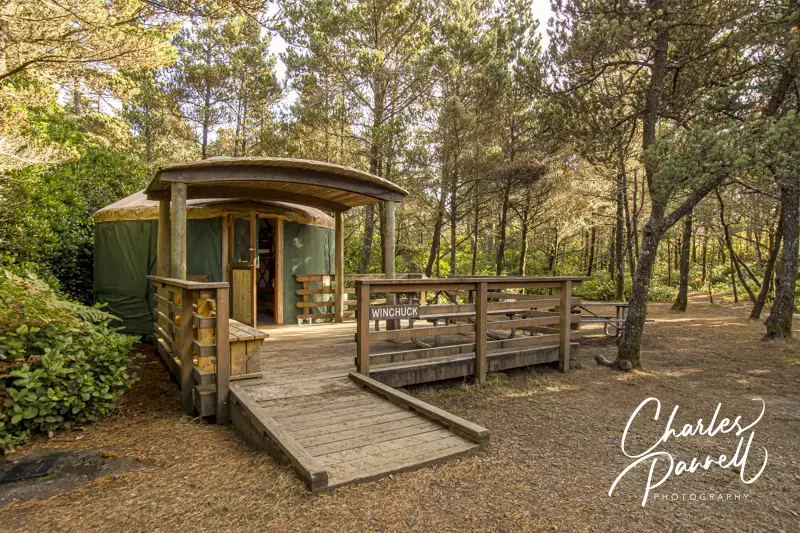
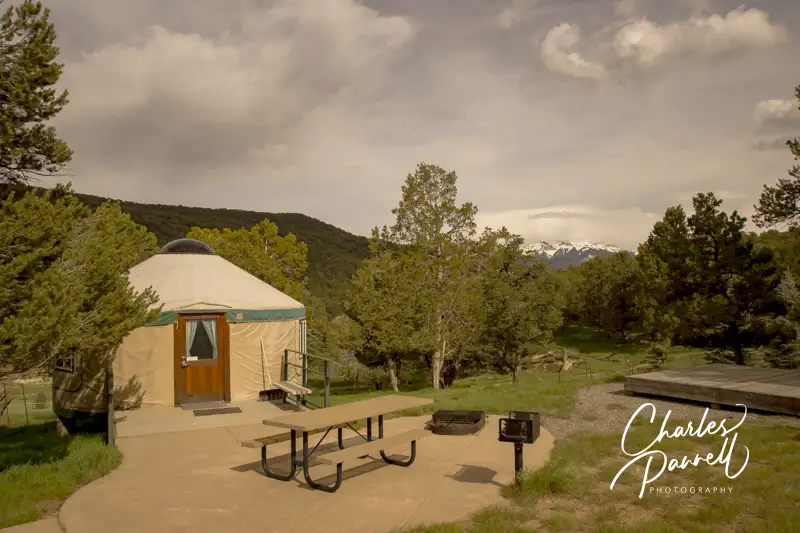
Yurts are all the rage these days. An alternative to pitching a tent, they come in all shapes and sizes. Some are pretty basic, while others offer all the comforts of home. They are all set in stunning locations, and since you just have to take along bedding and towels, it’s easy to pack for a yurting vacation. And the good news is, wheelchair-accessible yurts are popping up at campgrounds across America.
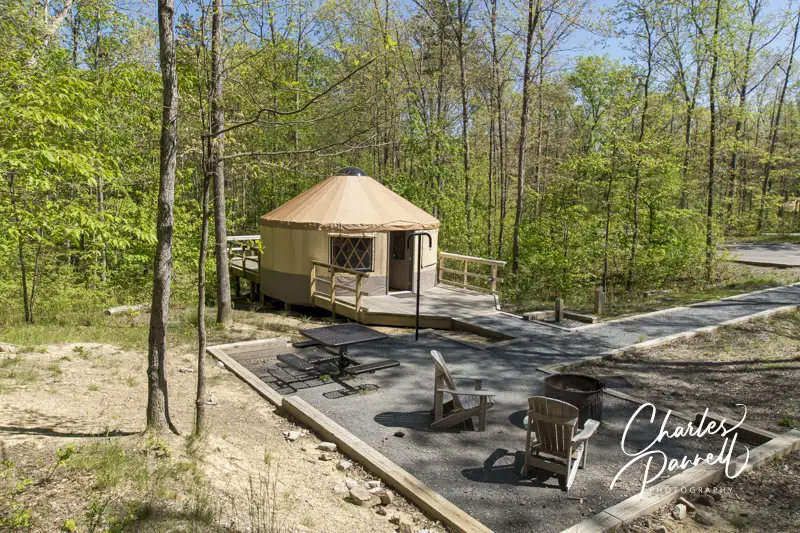
This accessible yurt is located in a popular state park in Northwestern Georgia. Spend a night or two and enjoy some of the views from the accessible Overlook Trail.
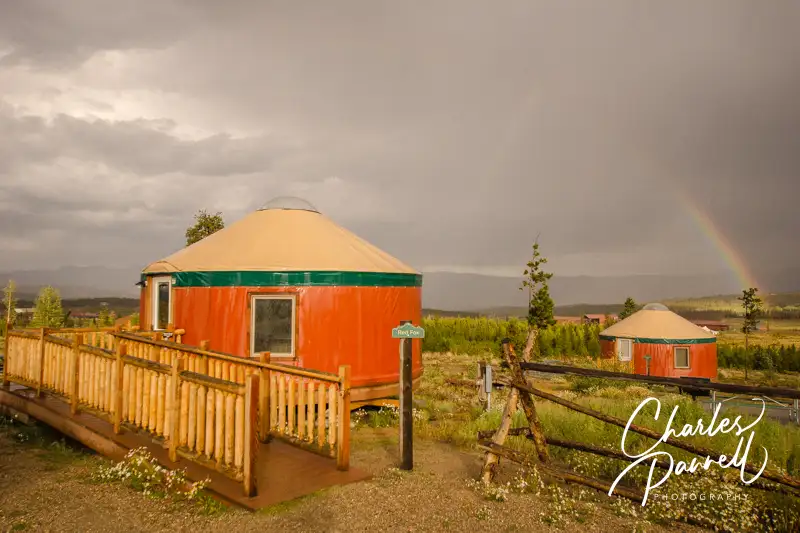
These two wheelchair-accessible yurts are surrounded by Colorado’s scenic beauty. One is located in Golden Gate Canyon, while the other is near Rocky Mountain National Park.
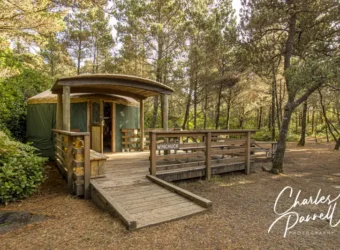
Located south of highly visited Sequoia National Park, this secluded yurt is in a campground with only 11 other sites. And it’s just a stones throw away from a wheelchair-accessible trail through the Sequoias.
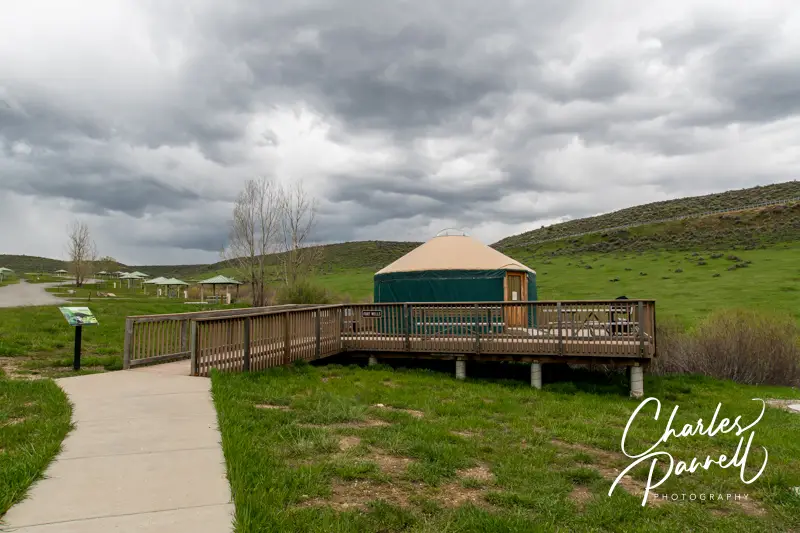
This simple yurt is perched on a hillside overlooking a scenic Utah lake. Add in a spacious deck with a gas BBQ and you have a perfectly accessible retreat.
If you want to dodge the tourist crowds in popular Napa Valley, then head over to Boothe Napa State Park and spend the night in this wheelchair-accessible yurt. And then enjoy some of the wheelchair-accessible trails in the park.
South Beach State Park, which is located on the Oregon coast, features 23 wheelchair-accessible yurts. Add in some accessible trails and you have the perfect spot to stay for a few days.
Last but certainly not least, this wheelchair-accessible yurt is located in Ridgeway State Park, nestled at the base of the San Juan Mountains in Southwestern Colorado. And it’s just a short drive from Black Canyon of the Gunnison National Park.
Barrier-Free Travel
California National Park Road Trips
for Wheelchair-Users and Slow Walkers
Most people don’t really think about wheelchair access, but to be honest it’s in the back of my mind everywhere I go. I’ve seen the good, the bad and the ugly when it comes to accessibility. I’d like to say that bad access doesn’t even faze me any more, but it does. Sometimes I just can’t believe folks can’t get it right in this day and age. And then there are the unexpected good surprises, like Mitchell Point Tunnel.
A Little History
Located down in Northern Oregon, the original Mitchell Point Tunnel dates back to 1915, when John Arthur Elliott built it along the Historic Columbia River Highway. The highway was subsequently re-routed when larger cars wouldn’t fit through the tunnel; and then it was then closed and later demolished when the interstate was constructed in the 1960s. But lo and behold the Oregon Department of Transportation decided to reconstruct a pedestrian version this highway landmark in 2021.
Suffice it to say it was a huge project, and it took many years to complete. Finally in 2025 the new – and improved – Mitchell Point Tunnel was opened, and much to my surprise, it offers excellent wheelchair access. Granted, it’s not that difficult to include access when you are constructing something from the ground up, but it’s amazing how often simple access features are overlooked.
So here are a few access details that they got right at the new Mitchell Point Tunnel.
Parking
Accessible parking is easy, right? Well perhaps it is, but you’d be amazed at how many folks get it wrong. There are only about 16 spaces in the tiny Mitchell Point Tunnel parking lot, but they did manage to include an accessible parking space with adequate room for ramp deployment. And it’s located right next to the trailhead and the picnic area. It’s not rocket science, but I’m thrilled they got it right.
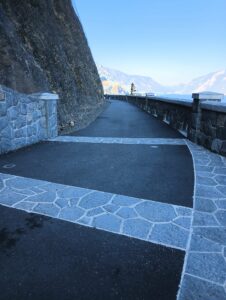
Good pathway access at Mitchell Point Tunnel
Pathway Access
There’s a paved accessible pathway that runs from the accessible parking area, past the picnic tables and over to the tunnel. Once inside the tunnel, the pathway is also paved and wheelchair-accessible. No gaps, no bumps, no access shortfalls. It’s a pleasant half-mile round-trip stroll.
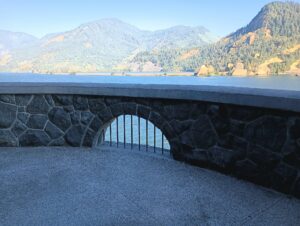
Cutouts so everyone can enjoy the view below
The View From Above
Now here is where this project really shines – in the view department. To say that this short trail offers a scenic view of the Columbia River below is an understatement. That said, I totally understand that the powers-that-be had to “idiot-proof” things and make a wall high enough so that some bozo doesn’t hop up on it for a selfie (trust me it happens). Their solution was to make archway cutouts in the rock wall below, so that you can get a good view from a seated position. Not only does it help keep the idiots in line, but it’s also an attractive and accessible solution.
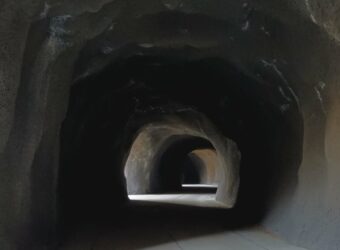
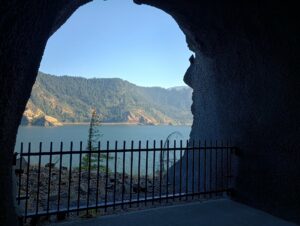
The view from inside Mitchell Point Tunnel
Inside the Tunnel
I was equally impressed with the full sized cutout windows that they have inside the tunnel. Granted they had to put up railing because of “stupid people”, but they still look good and are also quite functional. These five openings let natural light in the tunnel so it’s easier for everyone to navigate and see possible tripping hazards. Without these openings it would be pitch black in the tunnel, and people would be grabbing for their phones to safely navigate. I’ve been in tunnels like that before, and this one is so much safer.
Accessible Vault Toilets
Granted, vault toilets are not my favorite amenity; however they are necessary. These models are on a cement slab with good access from the accessible parking space. Many times vault toilets are just placed on the dirt, and over time erosion creates a large step up to them. These are done right. And of course, there’s plenty of room for even the largest wheelchair or scooter inside.
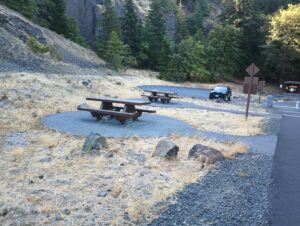
And they didn’t forget truly accessible picnic tables at Mitchell Point Tunnel
Picnic Tables
Last but certainly not least, they remembered the accessible picnic tables. And they are close to the accessible parking space. They are on a nice new level asphalt surface, and they are the true accessible models – with room on the ends for wheelchairs. Add that all up and the Mitchell Point Tunnel makes a great accessible stop to enjoy the view, stretch your legs, use the facilities or have a picnic lunch.
So stop in and check out the Mitchell Point Tunnel for yourself, on your next Oregon road trip, It’s easy to find – just take exit 58 off of Interstate 84 near Hood River, follow the signs, and enjoy!
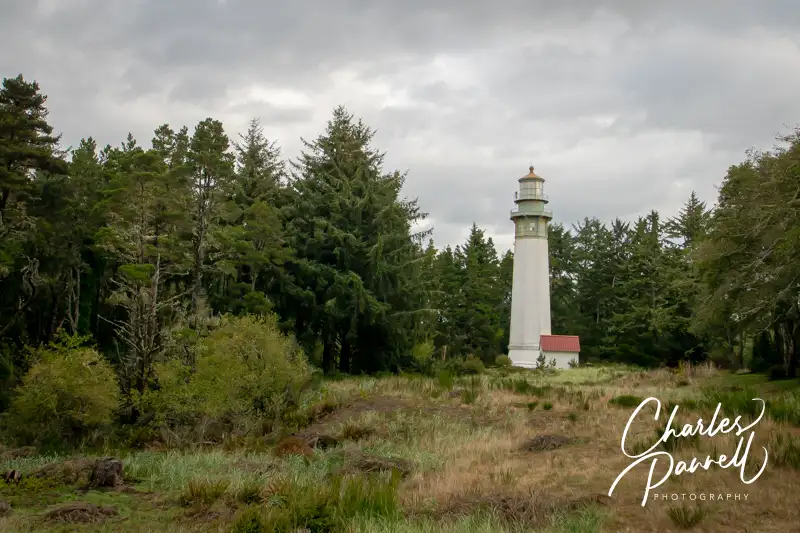
If you’d like to explore the grounds of Grays Harbor Lighthouse in Washington, then make plans to reserve this Westport track chair. It’s available from David’s Chair, and it’s housed in the Westport by the Sea Condos, which are about a .4-mile roll from the lighthouse. There are level sidewalks with curb cuts along the way, but once you get to the lighthouse you’ll need the track chair to traverse the bumpy — and sometimes muddy — dirt trail.
This track chair needs to be reserved at least seven days in advance. Transfer assistance cannot be provided, so if you can’t transfer independently you’ll need to bring along some help. This track chair has a maximum capacity of 350 pounds. For more information, or to request the Westport track chair, visit davidschair.org/request-fixed-location-chair. And for details on some wheelchair-accessible trails and lodging suggestions in the area, visit emerginghorizons.com/westport-a-wheelchair-accessible-pacific-northwest-gem
Barrier-Free Travel
Washington National Parks
for Wheelchair-Users and Slow Walkers
If a trip to Slovenia is in your future, then check out these two helpful wheelchair-accessible Slovenia Resources.
The Roll with a Smile blog has an informative entry about travel to Slovenia at https://rollwithasmile.com/slovenia/. It includes information about transportation, wheelchair-accessible lodging and sightseeing in the country. It’s a helpful site with lots of first-hand information and tips.
Visit Ljubljana (www.visitljubljana.com/en/visitors/travel-information/essentials/accessibility-of-ljubljana-by-wheelchair) also has some helpful resources, including details on local wheelchair-accessible taxis and how to get to and from the airport. This site also includes information on where to borrow a “SPEED3X trailer” (a electric handbike attachment with a range of 40 km), to make navigating the downtown area a little easier in a wheelchair.
Barrier-Free Travel the Grand Canyon for Wheelchair-users and Slow Walkers
Nicknamed Thunder Road because bootleggers once roared along it in their hot rods, this one-time moonshine running route just east of Knoxville is also the birthplace of stock car racing. Today the bootleggers are gone, and this Northeastern Tennessee route is now aptly named the White Lightening Trail. The 200-mile route begins and ends in Knoxville and features historic towns, a slice or two of Appalachian history and some absolutely gorgeous scenery. And although access varies along the route, many of the stops along the way are doable for wheelchair-users and slow walkers.
Main Street USA
Although you can drive this circle route in either direction, if you head east on Highway 25W the first stop in Dandridge is about 30 miles away. Dandridge is a historic small town, and as such there are a few bumps in the sidewalks, but for the most part the pavement is level and there are curb-cuts at most corners. Be sure and stop at the Visitors Center on Main Street to pick up a town map that points out the historic buildings.
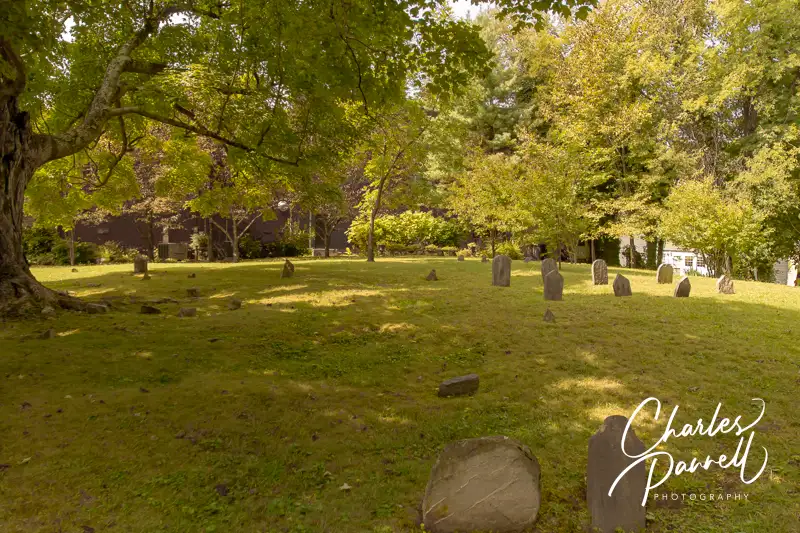
Revolutionary Cemetery in Dandridge, Tennessee
There’s also a revolutionary cemetery across the street from the Visitor Center, and although there are six steps up to it, you can still get a pretty good view from the sidewalk. Be sure and stop in at Tinsley Bible Drug (www.tinsleybibledrugs.com) for a look at their old lunch counter. And although there’s no shortage of places to chow down along the White Lightening Trail, you just can’t beat the daily lunch specials at this stop. Alternatively, if you don’t have time for lunch, you can always have a scoop or two of ice cream. Even if you don’t partake, it’s still worth a look inside, as it’s a classic blast from the past.
Beans and More
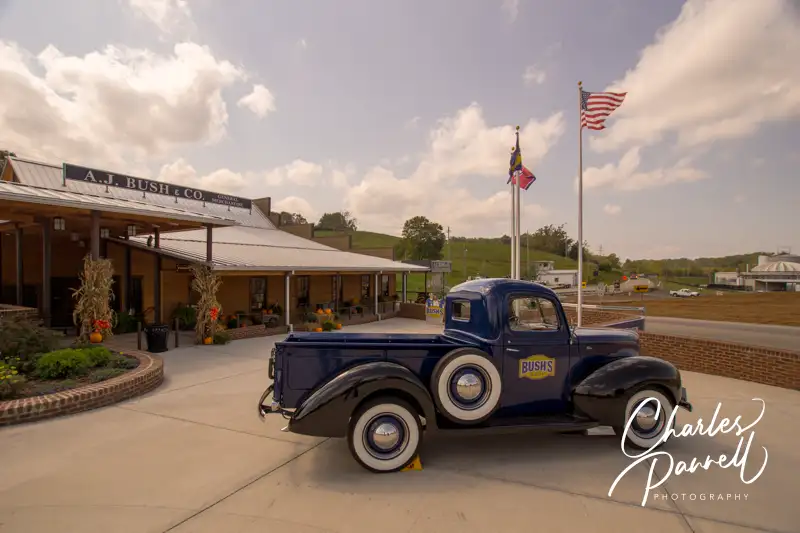
Bush’s Beans Visitor Center
Once you leave Dandridge head south on Highway 92, then go east on Highway 411. Soon you’ll come upon Bush’s Visitor Center (www.bushbeans.com/en_US), which is a fun stop. Bush’s Beans was originally opened as a tomato cannery in 1904 by A.J. Bush, and it slowly morphed into the baked bean giant. Today the brand is synonymous with cookouts, campfires and home-style meals.
There’s plenty of accessible parking in the large lot, with ramped access to the general store and museum. The exhibits inside take you on a virtual tour through the canning plant, and you’ll learn a few fun facts about beans and the company. And at the end, you can get your photo taken with owner Jay Bush and his dog Duke.
Don’t miss Bush’s Family Café, which is located next door to the general store. There is good pathway access inside the restaurant, which serves up everything from hamburgers to ham dinners, with more bean choices than you can ever imagine. And don’t forget to try the pinto bean pecan pie – it’s delicious.
Enjoy the Scenery
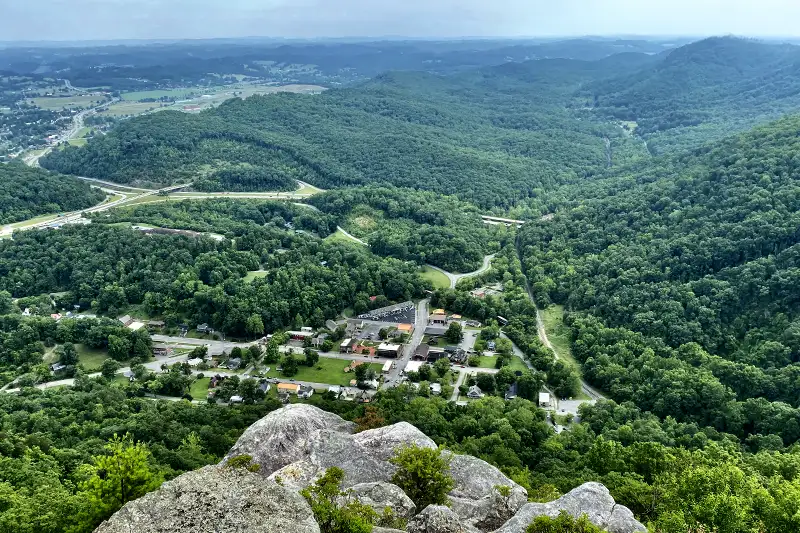
Pinnacle Overlook
After you’ve had your fill of beans, continue east on highway 411, and then follow Highway 25E (also known as the Cumberland Gap Parkway) to the Kentucky border, where you’ll find Cumberland Gap National Historical Park (www.nps.gov/cuga/). Long used by Native Americans, this natural passage through the Cumberland Mountains was widened by Daniel Boone and a team of loggers, and later used by pioneers who explored western Kentucky and Tennessee.
Accessible parking is located outside the Visitor Center with level access to the entrance. Inside there’s a museum, a theater and accessible restrooms on the first floor. After you’ve watched the movie and browsed through the interpretive exhibits, pick up a park map and head out to Pinnacle Overlook. It’s just a short drive, and you’ll be able to see Virginia, Kentucky and Tennessee from the viewpoint. And although the view is beautiful, the drive to and from the park is equally scenic.
A Taste of Appalachia
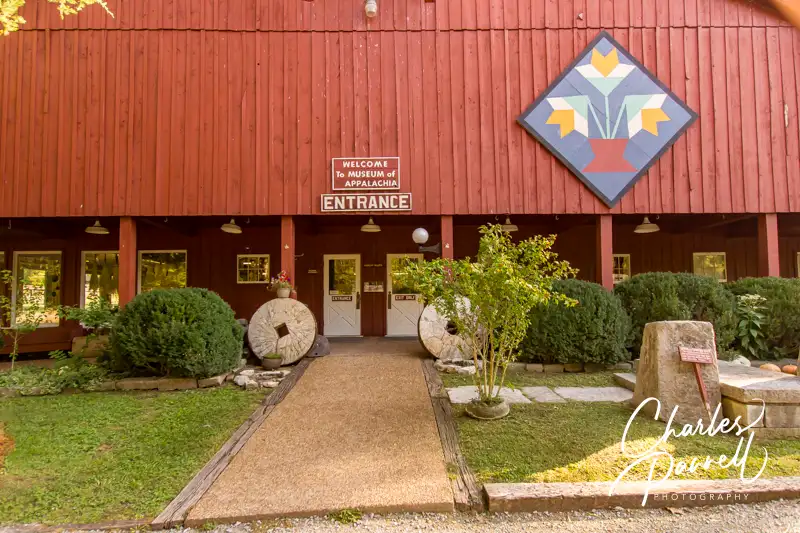
Museum of Appalachia
After you’ve enjoyed the Cumberland Gap scenery, backtrack south on the Cumberland Gap Parkway and then head west on Highway 63W. At Caryville take Highway 116 south to Highway 441 and make a stop in Norris. The big attraction in this little berg is the impressive Museum of Appalachia (www.museumofappalachia.org), which is known for depicting an authentic replica of Appalachian pioneer life.
Accessible parking is available in front of the museum, with ramped access to the gift shop. Accessible restrooms are also available in this building. Some buildings on the museum grounds have level access, while others have one or two steps at the entrance. The good news is, many of the inaccessible buildings are small, so it’s easy to take a peek inside of them.
There’s level access to the Appalachian Hall of Fame which is filled with historic photos and artifacts, and a large collection of Cherokee baskets, pottery and arrowheads. “What better way to know a people than to study the everyday objects they made with their own hands?”, reads the sign above the exhibit. Outside, there is level access to an old jail cell and the adjacent barn room, which is filled with old farming implements.
The rest of the complex is dotted with old farm houses and cottages, with costumed docents on hand to demonstrate crafts and old time daily living skills. Many of the paths are level and easily accessible. And don’t forget to stop by the restaurant before you leave, as it offers some tasty daily specials as well as home made desserts.
A Tasty Finale
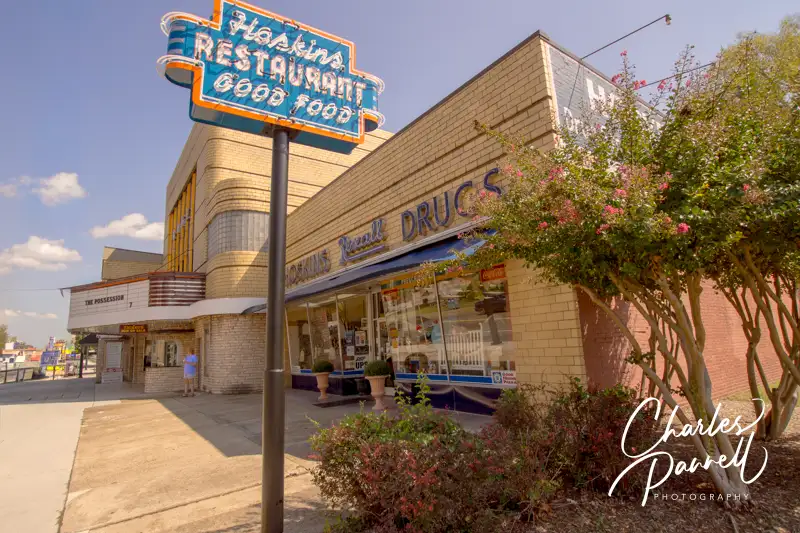
Hoskins Drug Store & Soda Fountain
And although there’s certainly no shortage of nibbles along the White Lightening Trail, take Highway 61W eight miles to Clinton for the grand finale at Hoskins Drug Store & Soda Fountain (hoskinsdrugstoreandsodafountain.com).
Established in 1930 to serve the Tennessee Valley Authority and textile mill workers, this store was the first of what grew to be an eight-store chain. It still retains much of its old time flavor, and includes a small lunch counter and a soda fountain. There’s accessible street parking available on Main Street, with level access to the drug store. Inside there’s plenty of room to roll around between the aisles. There is counter and booth seating in the restaurant, and there’s room enough to sit at the end of the booth if you can’t transfer.
Although there are a good number of lunch selections on the menu, the best thing to get at Hoskins Drug Store is a good old fashioned milkshake. Just sit back, slurp down the delicious concoction and take a short trip back to yesteryear. Then, pack up your memories and head back to civilization in downtown Knoxville. Although you can take the interstate back, the last part of the White Lightening Trail takes the backroads through Maynardville, Luttrell and Halls Crossroads, before it returns to Knoxville. It’s a fitting way to wrap up this scenic and historic road trip.
Barrier-Free Travel
22 Accessible Road Trips Driving Vacations
for Wheelchair-users and Slow Walkers
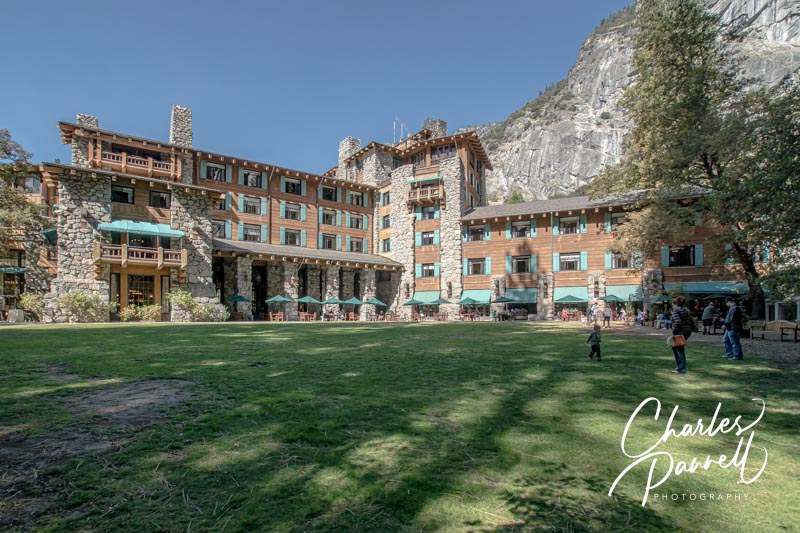
Located in Yosemite National Park, The Ahwahnee is the most luxurious property in the park. The site of fairy tale weddings and grand holiday celebrations, this historic structure boasts a subtle mix of Art Deco, Native American and Middle Eastern architectural styles. Not only is it a cornerstone in Yosemite history, but according to many accounts it’s also haunted. The good news is, in spite of its ghostly residents, numerous renovations have made to this historic property over the years; and today it’s an excellent choice for wheelchair-users and slow walkers.
An Accessible Suite to Remember
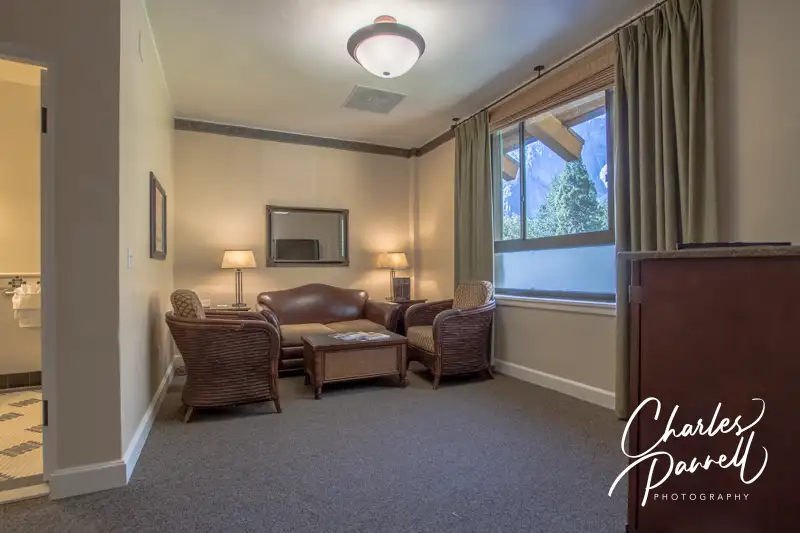
Sitting Room in Suite 206 at the Ahwahnee Hotel
Although the Ahwahnee boasts a nice variety of accessible rooms, the accessible junior suite — room 206 — is the perfect choice for any national park getaway. Access features include wide doorways, barrier-free pathways, and plenty of room in this spacious suite which occupies the space of two standard hotel rooms.
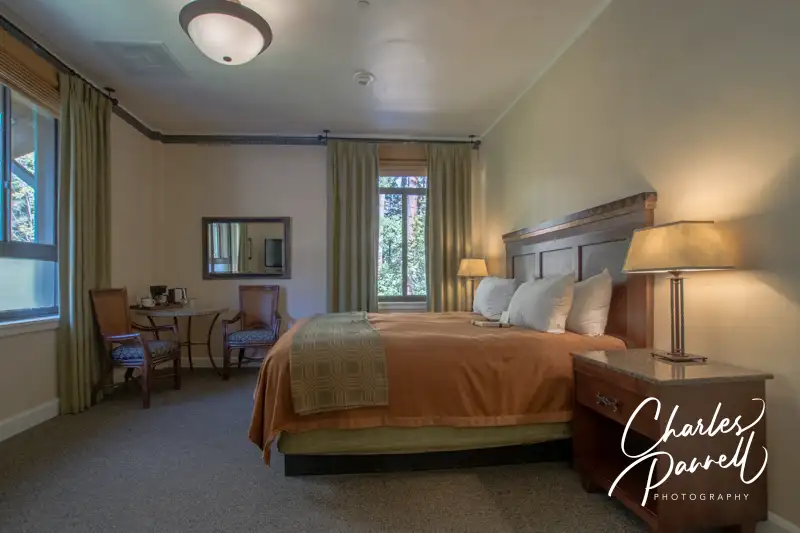
The sitting room has a 12-inch high single sofa bed, two end tables, a coffee table, two side chairs, an armoire and a mini refrigerator. There’s level access to the adjacent bedroom, which features equally good access, and is furnished with a 30-inch high king-sized bed with wheelchair-access on both sides, two bedside tables, a small table with two chairs, an armoire and a mini refrigerator.
Bedroom in Suite 206 at the Ahwahnee Hotel
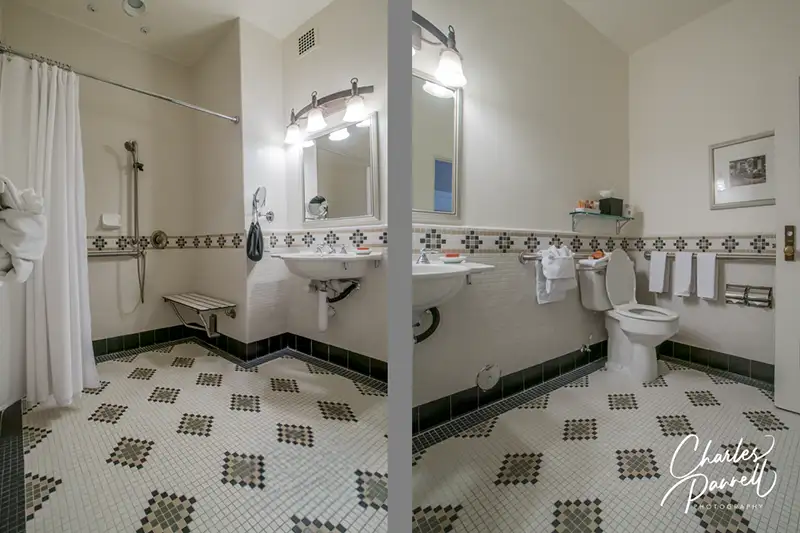
The bathroom has a full five-foot turning radius, and is equipped with a roll-in shower with grab bars, a hand-held showerhead and a fold-down shower bench. The toilet grab bars are located on the left and back walls (as seated), and the bathroom also has a roll-under sink.
Bathroom in Suite 206 at the Ahwahnee Hotel
Top it off with a lowered peephole, lever handles and a lowered clothing rod, and you have a very well designed and functional accessible room. It’s really one of the nicest accessible rooms on the property.
A Little Haunted?
The public areas of the hotel are equally accessible. As you stroll through the lobby and adjacent rooms you can’t help but notice the towering ceilings, stained glass windows and the massive fireplace in this historic property. And while we’re talking historic, lets also talk haunted.
The spirit of Mary Curry Tresidder, who once operated the hotel, is said to frequent the sixth floor. Many guests have reported feeling her presence there, and a few folks have even witnessed her dancing in the common areas. And then there’s the spirit of Mary’s husband Donald Tressider, whose footsteps are sometimes heard on the stairway. Some guests have also reported seeing figures of soldiers in the hallways; a throwback to the time when the hotel served as a convalescent hospital during World War II.
And then there’s the mysterious JFK “haunting”. The former U.S. president stayed at the hotel in 1962. He reportedly requested a rocking chair for his suite during his visit. The chair was subsequently removed after the president departed; however it’s been known to magically reappear in the suite from time to time. Ghostly shenanigans or spring cleaning furniture rearrangement? You be the judge. In the end, even if the hotel isn’t really haunted, it’s a popular stop for diehard horror movie fans, as the property served as the inspiration for the grand interior shots of the fictional Overlook Hotel in The Shining. Haunted or not, The Ahwahnee makes a great wheelchair-accessible home base for any Yosemite visit.
Barrier-Free Travel Yosemite, Sequoia and Kings Canyon National Parks for Wheelchair-users and Slow Walkers
Located along scenic Highway 97, just north of Bend, Lava Lands Visitor Center (www.fs.usda.gov/r06/deschutes/recreation/lava-lands-visitor-center) is worth a stop on any Crater Lake road trip. Unfortunately many visitors zip right on by this volcanic site on the way to the more popular national park. Beside the visitor center, this site offers several trails that wind through the eerie remnants of an ancient eruption. And despite its foreboding name, this remote Oregon stop is actually a good choice for wheelchair-users and slow walkers.
Lava Lands Visitor Center
There’s accessible parking near the Lava Lands Visitor Center, with curb-cut access to a paved pathway that leads to the front door. Inside there’s plenty of room to maneuver a wheelchair through the galleries. The visitor center serves as the interpretive hub for the Newberry National Volcanic Monument, which includes over 54,000 acres of lava flows. Exhibits focus on the geology and cultural history of the area, and rangers are available to field questions. There’s also a bookstore, a theater and accessible restrooms inside the visitor center.
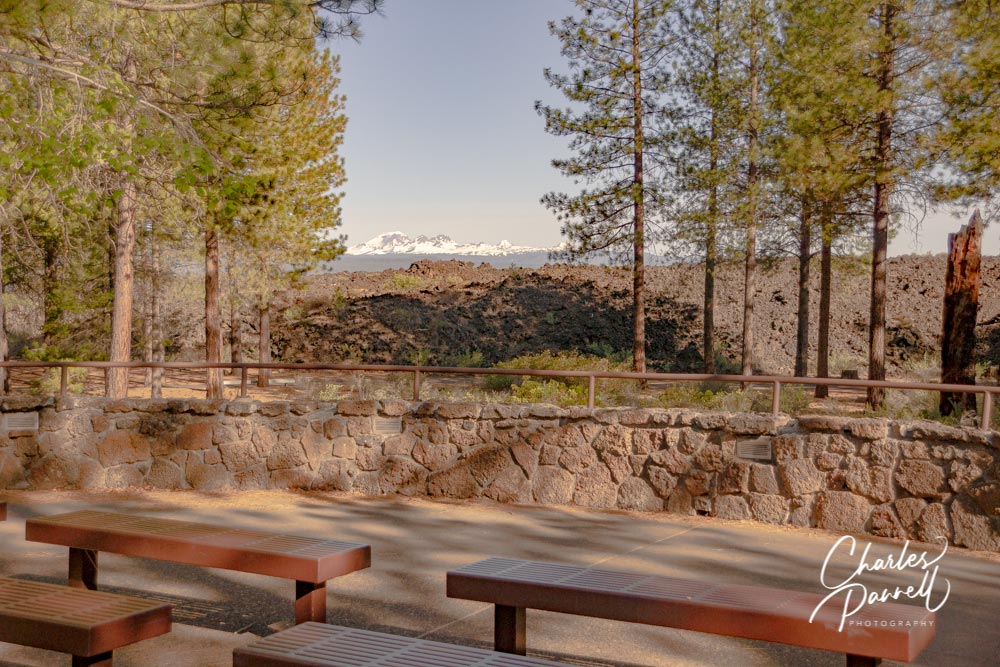
Outside on the back patio there are several benches to sit and enjoy the mountain views. It’s also the site for ranger programs and presentations. It should be noted that the visitor center is only open seasonally, usually from late May until winter.
Explore the Lava Flow
Trail of Molten Land
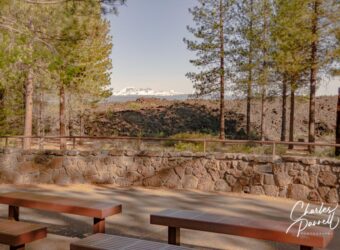
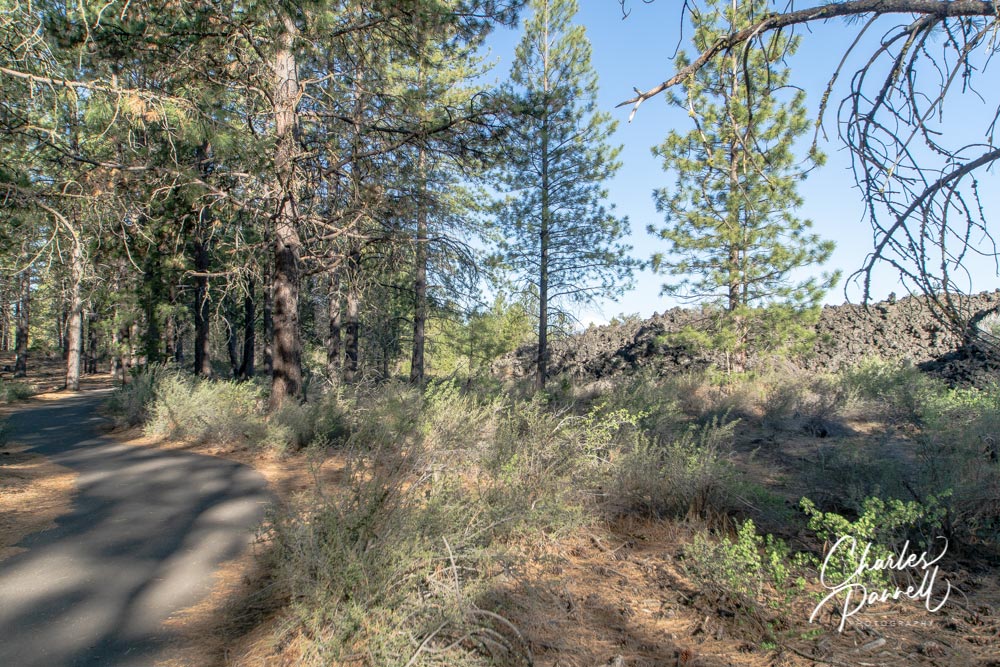
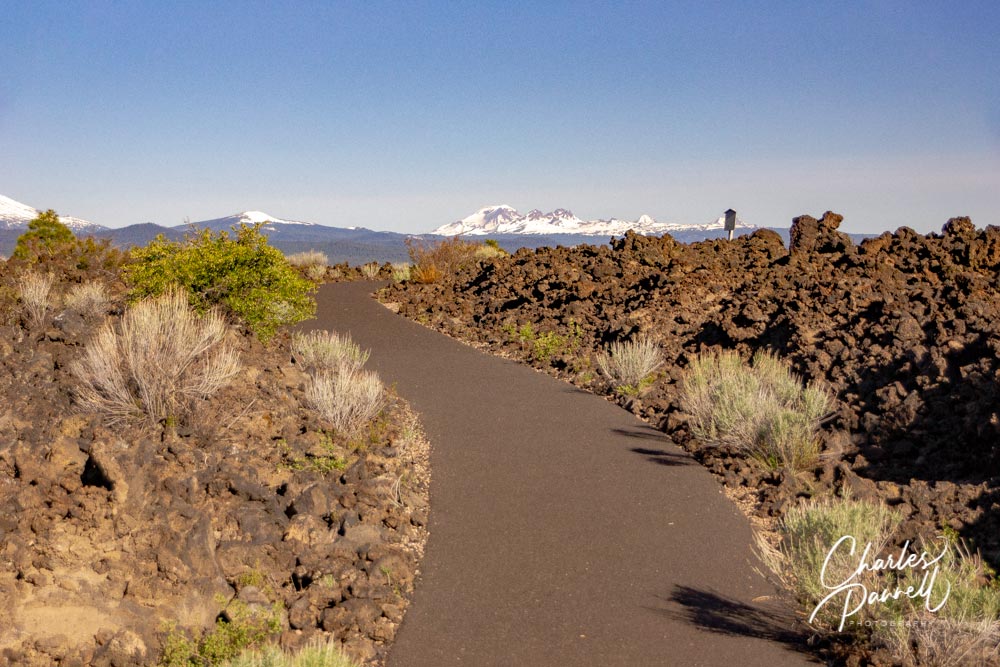
Save some time to explore the unusual landscape near the visitor center, on one or more of the accessible trails. At the top of the list is the Trail of Molten Land, which begins just to the right of the visitor center patio. The first part of the trail is shaded by pines, but once you turn the corner the stark reality of the eruption that happened some 7,000 years ago really hits home. The Lava Butte cinder cone is clearly visible in the background, as the trail winds around the basalt lava flow. To say it’s stark is an understatement.
The paved trail has a slight elevation gain in the beginning, but there are level spots to stop and rest. At about the .3-mile mark there’s a nice viewpoint which offers a stunning Cascade panorama. Unfortunately the wheelchair-access ends at this point, as the trail continues on with a steep uphill climb. Still it’s a nice .6-mile round-trip stroll.
In contrast, the nearby Trail of the Whispering Pines offers a pleasant walk through a pine forest, on the edge of the lava flow. The trailhead is located to the left of the visitor center patio. This quarter-mile trail is paved and includes a nice shaded bench to rest and take in the the snow-capped mountain view. The trail winds around the Ponderosa Pines and skirts the parking lot, before it circles back to the visitor center.
Enjoy a Longer Stroll
Sun-Lava Paved Path
Finally, if you’d fancy a longer hike, the Sun-Lava Paved Path begins at the far side of the parking lot, near the accessible porta-potty. This wide paved trail runs through the forest, gradually descends to the Deschutes River, then continues on to Sunriver Resort. Although the grade never exceeds 5%, and there are level places to rest along the way, remember it’s an uphill trek on the return trip, so plan accordingly. It’s a beautiful trail, and you can do as little or as much of it as you like.
Once you’ve concluded your hikes, you can hop back on Highway 97 and continue on to Crater Lake. All in all, it’s a pleasant detour, and there are also a few accessible picnic tables near the parking lot if you happen to visit around lunch time.
Barrier-Free Travel
Washington National Parks
for Wheelchair-Users and Slow Walkers
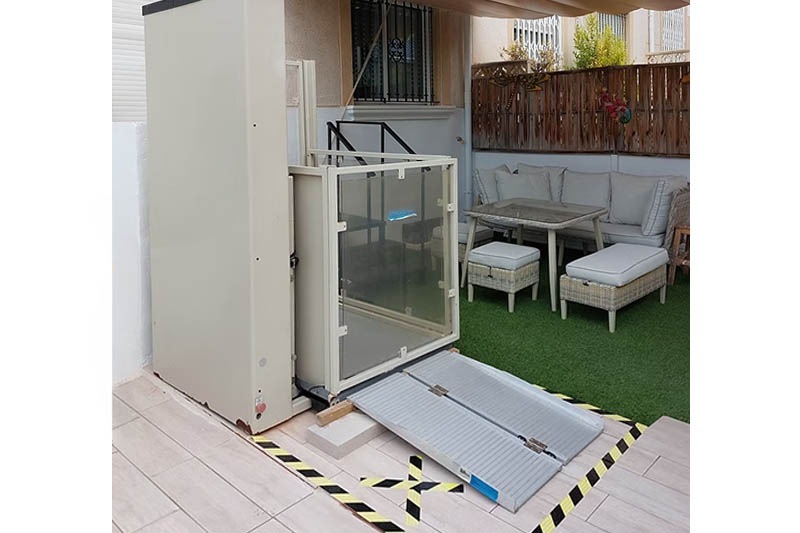
Located on the Orihuela Costa in Spain, this wheelchair-accessible Costa Blanca villa can sleep up to nine people. This Villamartin unit features ramp access, wide doorways and an open floor plan. The accessible bedroom is furnished with a single hospital bed and a portable lift (visitors must provide their own sling). The accessible bathroom is equipped with a roll-in shower with a hand-held showerhead and a rolling shower-commode chair. The toilet grab bars are attached to the toilet, and there’s plenty of room to maneuver a wheelchair around the bathroom.
Outside there’s a large private swimming pool that’s equipped with a ramp. Accessible airport transfers to and from Alicante and Murcia airports are included with each Costa Blanca villa rental. Additionally, an accessible van is available for day trips to beaches, markets, Spanish towns and Zenia Boulevard. For more information visit www.costablancawheelchairfriendly.com.
Barrier-Free Travel
California National Park Road Trips
for Wheelchair-Users and Slow Walkers
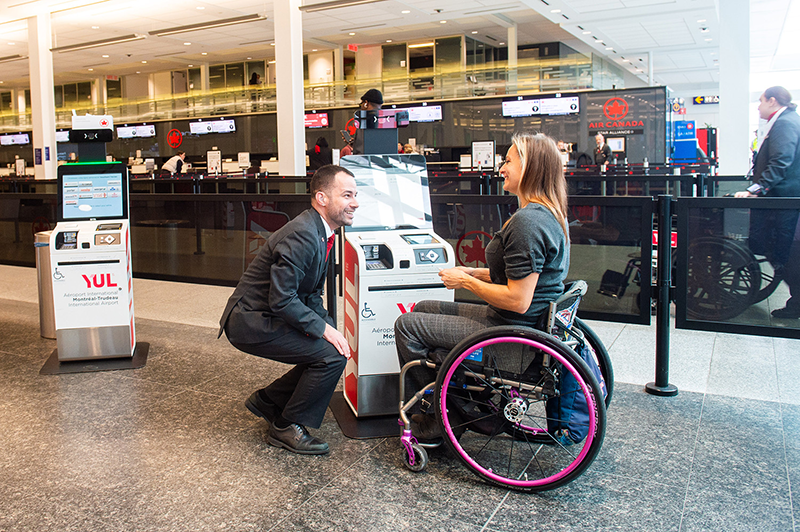
Air Canada recently updated its wheelchair policy, which will make travel easier for many wheelchair-users and slow walkers. The new Air Canada wheelchair policy gives customers more flexibility, as it allows a wider range of mobility aids and includes the ability for passengers to track them while in transit.
The new policy allows customers to bring along up to three mobility aids at no charge. These can include:
Wheelchairs, walkers and other mobility aids
Adaptive sports equipment, such as adaptive skis or handcycles
Patient lifts
Other transfer devices
Additionally, if a mobility aid is too large to travel on the same aircraft as the customer, Air Canada Cargo will complimentarily transport it within Canada.
“Travelling with a mobility aid can involve significant planning, and we recognize the uncertainty customers may feel when they are separated from equipment that is essential to their independence,” said Kerianne Wilson, Director, Customer Accessibility at Air Canada. “This new policy is about giving customers more consistent choices, clearer expectations and greater confidence when they travel with us.”
There’s been a lot of misinformation on the internet lately about the US Department of Transportation (DOT) rolling back or not enforcing wheelchair-access rules under the Air Carrier Access Act (ACAA). First and foremost, this is not true, and all protections that are in place under the ACAA will continue to be recognized by US air carriers and foreign air carriers on flights to and from the US. The misunderstanding stems from a misinterpretation of the process of updating the current ACAA.
The ACAA Update Process
The ACAA dates back to 1986, and over the years as technology and travel have evolved so have the regulations. But because they are government regulations it’s not like they can be easily updated. It’s a process. And it usually takes years.
It begins when the need for a change is recognized by the DOT. Then there are usually a series of public meetings to gather feedback on the proposed changes, and to determine the exact needs of the public. Then the proposed regulations are crafted by a committee, which usually takes years. Sometimes it takes longer, as there is a lot of input from the disabled community, airlines and other businesses.
After the proposed changes are finally agreed upon, they are published in the Federal Register. Then there is a public comment period, which can take six months or more. Then the Access Board reconvenes and considers the public comments from both consumers and the airlines. And then they may make changes if appropriate. But we’re not done yet!
The final rule is then published in the Federal Register, along with an implementation date. Depending on the complexity of the regulation that implementation date may be six months or six years in the the future.
The “Current” Proposed Changes
Which brings us to our current situation, and the most recent changes to the ACAA. They have been “in the works” for many years and they were finally released in 2024.
Most of these changes were originally scheduled to go into effect in 2025, but were subsequently delayed until December 31, 2026. The DOT recently further delayed that implementation date on four of those changes until April 30, 2027. The delayed changes are those that pertain to:
Mishandled wheelchairs
Refresher training frequency
Pre-departure notifications
Fare difference reimbursements
Additionally the DOT also extended implementation of the refreshed training frequency in the Accessible Lavatories on Single Aisle Aircraft Rule, to April 30, 2027.
But remember this delay only applies to the training. That rule will still take decades to be fully implemented.
So why did the DOT delay the implementation of the changes? Well basically some of the airlines initiated legal proceedings against the changes and that prompted the DOT to give things a closer look.
And to be honest, just about anything can happen between now and April 30, 2027, the new scheduled implementation date. The rules may go into effect as written, they may be updated, or there could be another delay. Only time will tell. After all, it is a government process.
The important thing to remember is that the current ACAA remains in full effect. Nothing has changed. These new regulations have not even been implemented yet, and only a portion of them will be delayed. And when you consider the protections that the ACAA already offers, those changes are minor.
Bottom line – slow walkers and wheelchair-users are still fully protected under the ACAA.
Know Your Rights
Of course it’s still important to know your rights under the ACAA. Here are the basics.
And remember, the DOT is NOT rolling back wheelchair access rules on airplanes, as reported by some media. It’s merely going through the routine process of updating those rules. In other words – business as usual.