Population 5,123
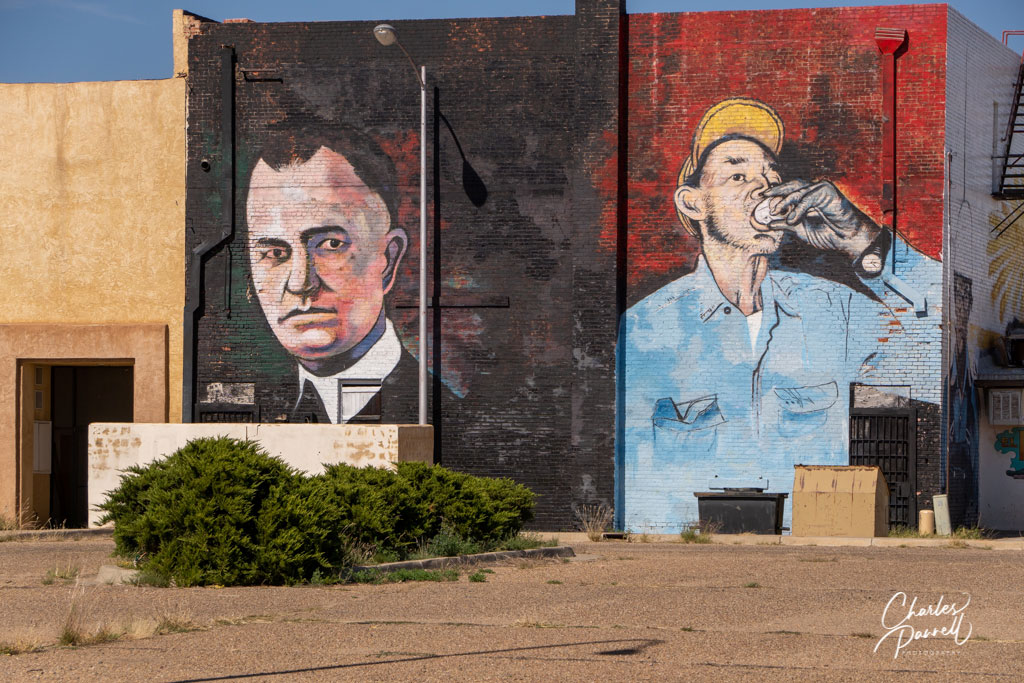
No Route 66 road trip would be complete without a stop in Tucumcari. From a drive along the original stretch of the Mother Road, to an interesting collection of murals painted on the sides of buildings throughout town, and you’ve got a true remembrance of yesteryear. And if you’d like to spend the night in a modern hotel, the Best Western has a nice wheelchair-accessible room with a tub/shower combination.
Population 443
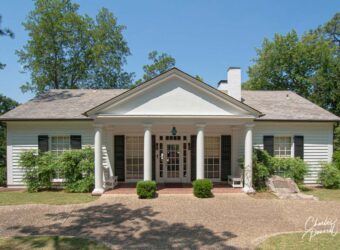
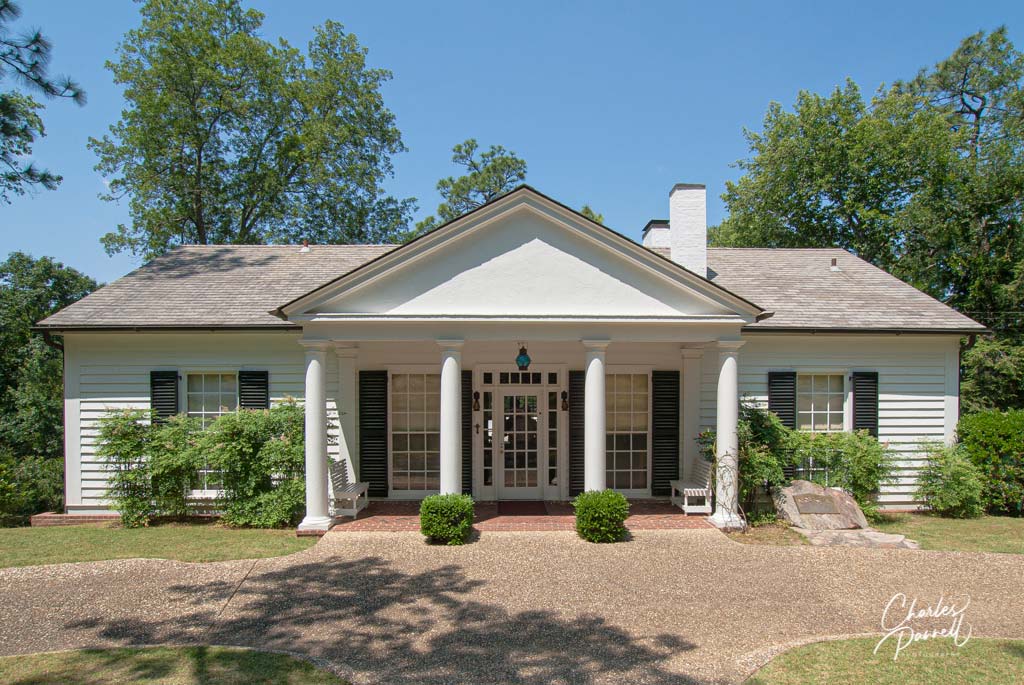
If your travels take you through Central Georgia, make sure and stop in Warm Springs — a sleepy little town made famous by President Roosevelt. The president originally sought out the healing waters of the town as a cure for his polio, but he later formed a strong connection to the community, and subsequently established a program to bring affordable electricity to the area. Today visitors can tour Roosevelt’s Little White House (gastateparks.org/LittleWhiteHouse), which includes some personal possessions, a few pieces from the original house, and even a set of hand controls designed by the president. The site also features a museum that includes information on family members, events that occurred during Roosevelt’s presidency, and gifts sent to him by an adoring public. And as you might guess — considering Roosevelt’s disability — most of the site is wheelchair-accessible.
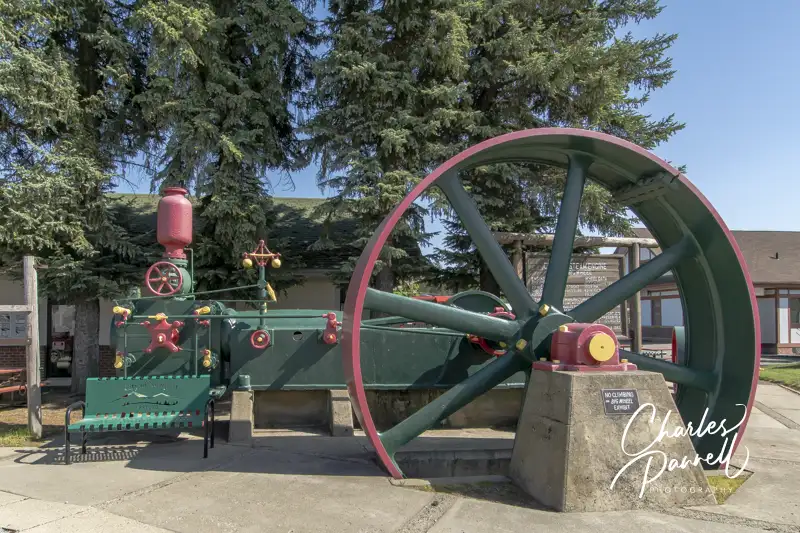
Located in Newport, near the end of the International Selkirk Loop (emerginghorizons.com/the-international-selkirk-loop-for-wheelchair-users-and-slow-walkers/), the Pend Oreille County Historical Museum offers a fun glance into the past. Look for it on the right just as you enter Newport on Highway 2, right next to the Newport Visitor Center, There’s accessible parking in the lot, with level access to the museum. Although the first building is filled to the brim with everything from vintage rodeo gear, an old printing press and even some dental tools from a bygone era, that’s only the beginning. There’s ramp access to the other building that houses even more inside exhibits; and level access around the outside exhibits which include everything from an old schoolhouse to a pioneer church. And if you want to learn about the history of the area, there are knowledgeable volunteers on duty. After you’re done, be sure and slip across the street to Owens (facebook.com/owensgro), for a tasty scoop of homemade huckleberry ice cream.
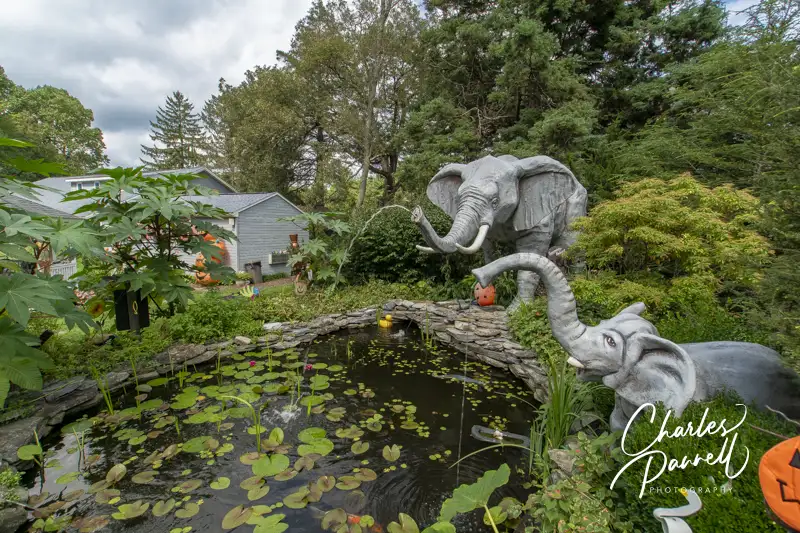
If you happen to be on the way to see the historic Gettysburg Battlefield, plan on a short side trip to Orrtanna for a stop at Mr. Ed’s Elephant Museum & Candy Emporium. The museum started after Ed Gotwalt received an “elephant-themed wedding gift”, and as he freely admits, “Things kind of got out of hand from there.” Today the collection has grown and his grandaughter Nicole has taken over the museum and candy store.
Located just off Highway 30 W, Mr. Ed’s offers an accessible parking place on a cement pad near the front door; and level access to the front entrance. Inside, there’s plenty of room to navigate a wheelchair through the candy store, and over to the museum proper.
There’s good access to the display area, which is literally lined with elephants. From wicker to ceramic, metal, glass and stuffed incarnations; the museum boasts more inanimate pachyderms than most folks have seen in a lifetime. Notable artifacts include an elephant hair dryer, a Dumbo riding model (a photo op for youngsters), and an unusual sculpture of a head with elephants protruding from the top. Add in the requisite Jim Beam collector bottles, a few elephant clocks and even a lamp, and you have a pretty comprehensive collection.
The candy shop is worth a visit too, as it’s filled with lots of sweets from yesteryear, and includes a large selection of mix-and-match wrapped goodies. Add in a Jelly Belly self-service bar, and an odd selection of edible insects and you’ll find something for just about everyone on your gift list. And don’t forget to sample the home-made fudge — the selection is impressive and the quality is second-to-none.
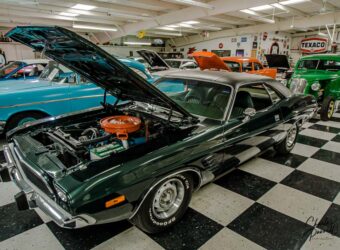
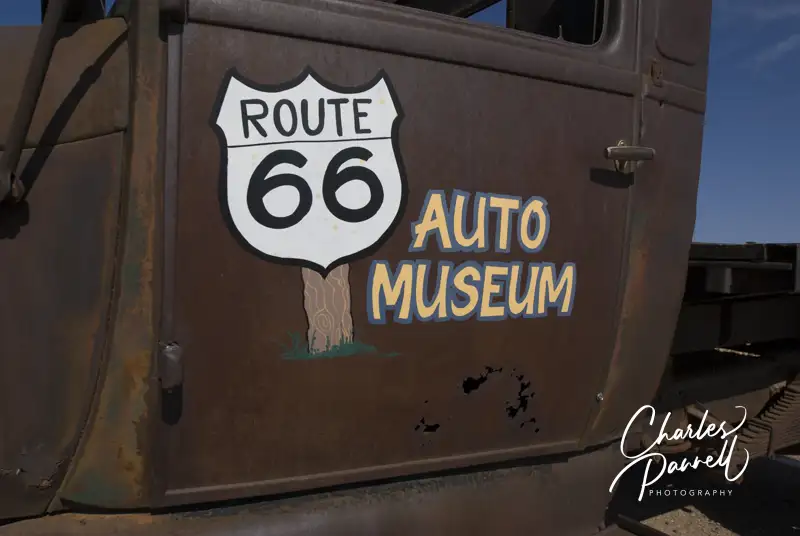
Located along the post-1937 incarnation of Route 66, Santa Rosa, the Route 66 Auto Museum is a must-stop for car buffs on any Interstate 40 road trip. This brainchild of Bozo and Anna Cordova — who also own Bozo’s Garage & Wrecker Service — is the result of Bozo’s lifelong love affair with automobiles. He built his first car when he was just 12, and subsequently Bozo and his crew have custom built over 150 different vehicles. These restorations, many of which required some “out of the box thinking” have been subsequently displayed in the museum.
There’s accessible parking in front, with level access to the museum, and plenty of room for even the largest wheelchair to navigate around the displays. The cars range from 1920 to 2005, and there’s also a good collection of old signs, Route 66 memorabilia, photos and vintage vending machines on display. It’s a great blast from the past.
.
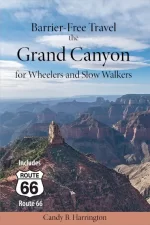
Barrier-Free Travel the Grand Canyon for Wheelers and Slow Walkers
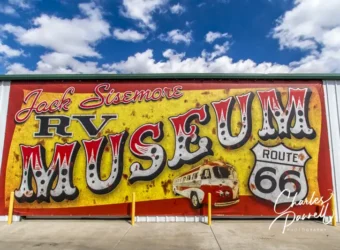
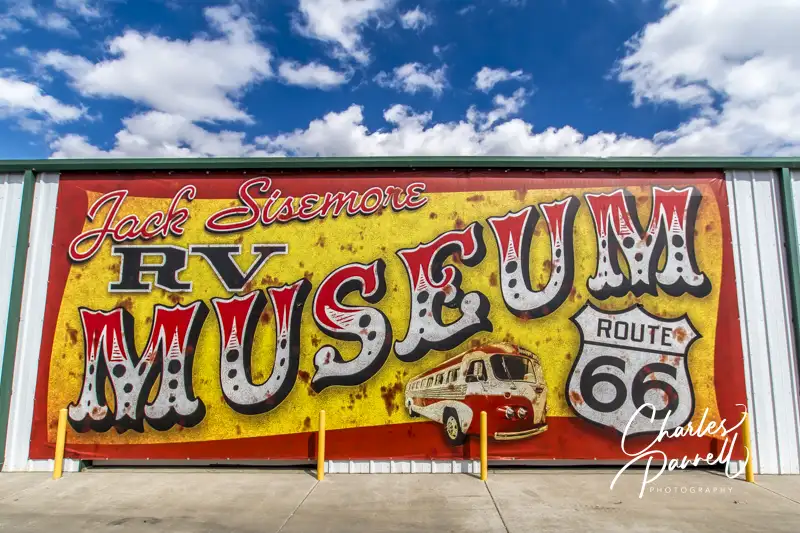
Jack Sisemor RV Museum
14501 Interstate 27
Amarillo, TX www.rvmuseum.net
For a fun trip down Memory Lane, be sure to stop in at The Jack Sisemor RV Museum on your next trip through Amarillo. Even if you’ve never been in a RV in your life, you’ll still love the nostalgic touches to the rigs and the accompanying displays. From that ever-so-familiar 70s shag carpeting, to a collection of vintage cameras, and even some old Coca Cola coolers, there’s bound to be some object that tugs at your heartstrings and evokes fond memories of yesteryear. And chances are high that you’ll also blurt out, “Hey, I had one of those!” at some point during your visit.
Open seasonally, the museum consists of an army of vintage RVs that have been lovingly restored. And that’s something that makes Jack Sisemore incredibly proud. There’s barrier-free access around the exhibits inside the museum. Highlights include a 1921 Ford Lamsteed Kampkar (one of only five made), the 1948 Flxible Bus used in the Robin Williams movie RV, and a 1976 FMC that was owned by Max Factor, Jr. Avid RVers will also love the 1975 Itasca (the first one ever built – serial number 1) and the cute little 1962 Bambi Airstream, which is in pristine condition. And don’t miss the large dirt and street bike collection scattered throughout the museum.
Best of all, there’s no admission charge to the museum. As an added bonus, more pieces are continually added to the collection, so you never know what you’ll find at this offbeat museum.
118 Smokey Bear Boulevard
Capitan, NM
Located along Billy the Kid National Scenic Byway (nsbfoundation.com/nb/billy-the-kid-national-scenic-byway/) in Southwestern New Mexico, Smokey Bear Historical Park pays tribute to the popular fire prevention icon. Smokey was found in the nearby Capitan Mountains with burned paws, after a 17,000-acre wildfire destroyed his home in 1950. He quickly became a national poster child for the US Forest Service, and touted the catch phrase, “Only You Can Prevent Forest fires.” This park and museum was completed in 1979, and it’s conveniently located along the Capitan stretch of Highway 380 — also known as Smokey Bear Boulevard.
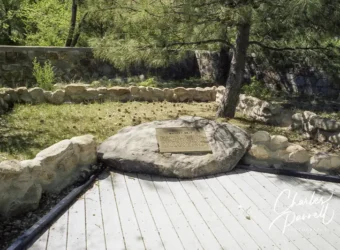
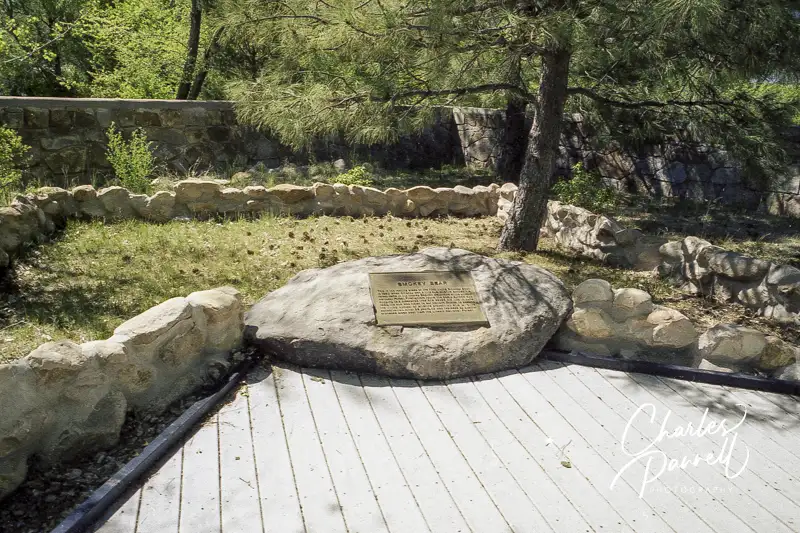
There’s good wheelchair access to the Visitors Center, which features exhibits about the history of Smokey Bear, fire prevention, ecology and forest health. Out back there’s level access to a nature trail that winds through native vegetation from six different climate zones. And of course, Smokey’s grave is prominently located along the trail. It’s a fun stop, especially if you have kids in tow.
Located just outside Omaha, Boys Town was the dream-come-true of Father Flanagan. He began his home for orphaned and neglected boys with just $90 of borrowed capital in 1917. Today the Omaha campus is just one of many across America.
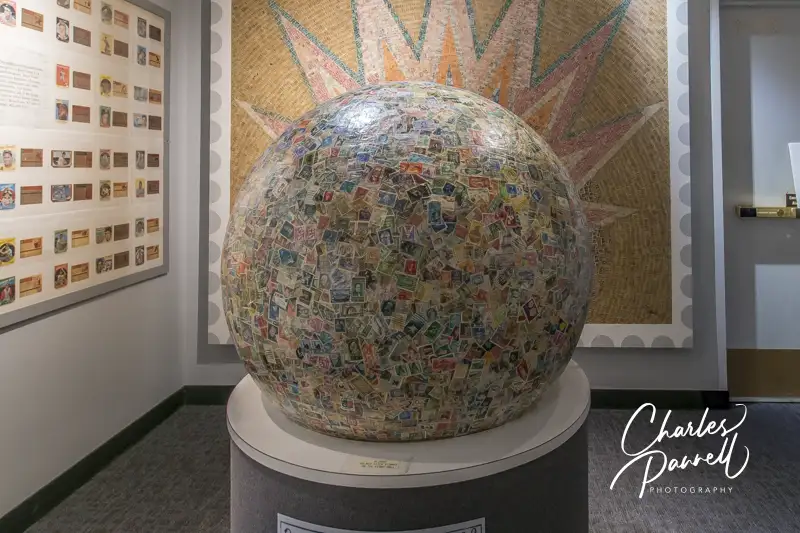
The campus itself is open for self-guided tours, but the real roadside attraction draw at this stop is located in the Visitor Center. That’s where you’ll find the World’s Largest Ball of Stamps in the Leon Myers Stamp Center.
There’s accessible parking in the Visitor Center lot, with ramp access up to the building. Inside, there’s barrier-free access to the information desk, and the sizable gift shop. The small stamp museum is located inside the gift shop, but if you can’t find it, just ask, as the employees are very helpful.
The stamp museum contains a number of themed displays that highlight stamps depicting children from around the world; but the piece de resistance is located in a small alcove in the back of the museum. The 600-pound stamp ball, which was crafted by students, is composed of over 4 million stamps and is recognized by Guinnessas the World’s Largest Stamp Ball. The stamp collage in the background is an impressive piece on its own, but the stamp ball definitely takes center stage.
As an added bonus, if you are collector you can pick up foreign and domestic stamps for just a penny a piece at a small table near the stamp ball. Of course there is one caveat – “Please don’t add stamps to the stamp ball.”
Not to be confused with the Cawker City Twine Ball (https://emerginghorizons.com/cawker-city-twine-ball/) the Darwin Twine Ball is the largest ball of twine made by one person. While the Cawker City Twine Ball has visitors continually adding twine, the Darwin Twine Ball was made entirely by Francis Johnson. Johnson began work on the twine ball in 1950, and worked on it for the next 39 years. After his death in 1989 the twine ball was moved to a Plexiglas kiosk on the corner of William and I Streets. The finished product weighs 17,400 pounds and stands 13 feet tall. You can’t miss it — just look for the water tower.
There’s no parking lot, but it’s not a busy town so you can usually snag a parallel spot on the street. There’s curb-cut access up to the sidewalk which leads to the twine ball. A small museum in the former railroad station is located right behind the twine ball. There’s ramp access up to the building, which features information about Francis Johnson, and includes some of his prized possessions. It also houses some old town artifacts, railroad timetables and photos. And don’t forget to pick up a twine ball hoodie in the gift shop.
130 NW Main Street
Blackfoot, Idaho
www.idahopotatomuseum.comMost folks know that potatoes are the number one crop in Idaho; however many visitors completely pass up an unusual museum that celebrates the origin and versatility of this ubiquitous cash crop. Located in a 1912 railroad station off Interstate 15, this roadside attraction makes a nice diversion on the route between Pocatello and Idaho Falls. You can’t miss it — it’s the only building on Main Street with a giant potato in the front.
There’s accessible parking near the front door, and level access over to the main entrance of the Idaho Potato Museum. Inside there’s plenty room to maneuver a wheelchair around the exhibits, and ample space for wheelchair seating in the adjacent restaurant.
The exhibits present an excellent history of the spud, tracing its origins back to South America, and illustrating the factors that make Idaho an excellent place to cultivate the crop. Interestingly enough, the timeline also notes that it took western cultures 450 years to realize the advantage of dehydrated potatoes — something that the Incas knew all along. The museum is also filled with display cases that contain collections of potato peelers, potato mashers and even potato sack clothing. And if you’d like a little more education about taters, there’s room for a wheelchair in the small theater where you can view an interesting selection of potato themed videos.
There’s ramped access — although some folks may need a bit of assistance because of the steep pitch — to the second gallery, which includes a collection of machinery, including a potato sorter, a tractor, a potato sack sewing machine and a number of scales. There is also a small children’s hands-on area, but there are five steps up to it. And don’t miss the world’s largest potato crisp, which is 25 inches long and weighs in at 5.4 ounces.
The Idaho Potato Museum also makes a good lunch stop as the cafe serves up a baked potatoes with a variety of toppings, and sandwiches on potato rolls. And if that’s not enough to lure you in, the restored railroad depot is a hidden gem, and certainly worth more than a cursory a drive-by glance.