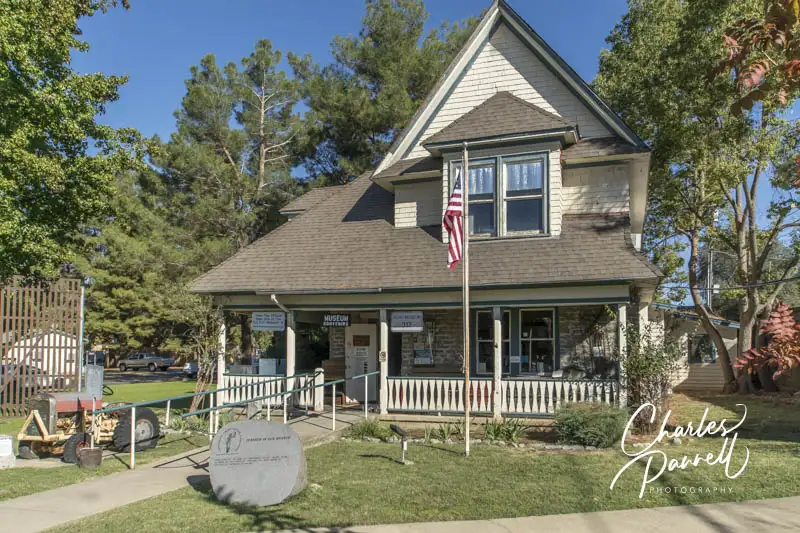
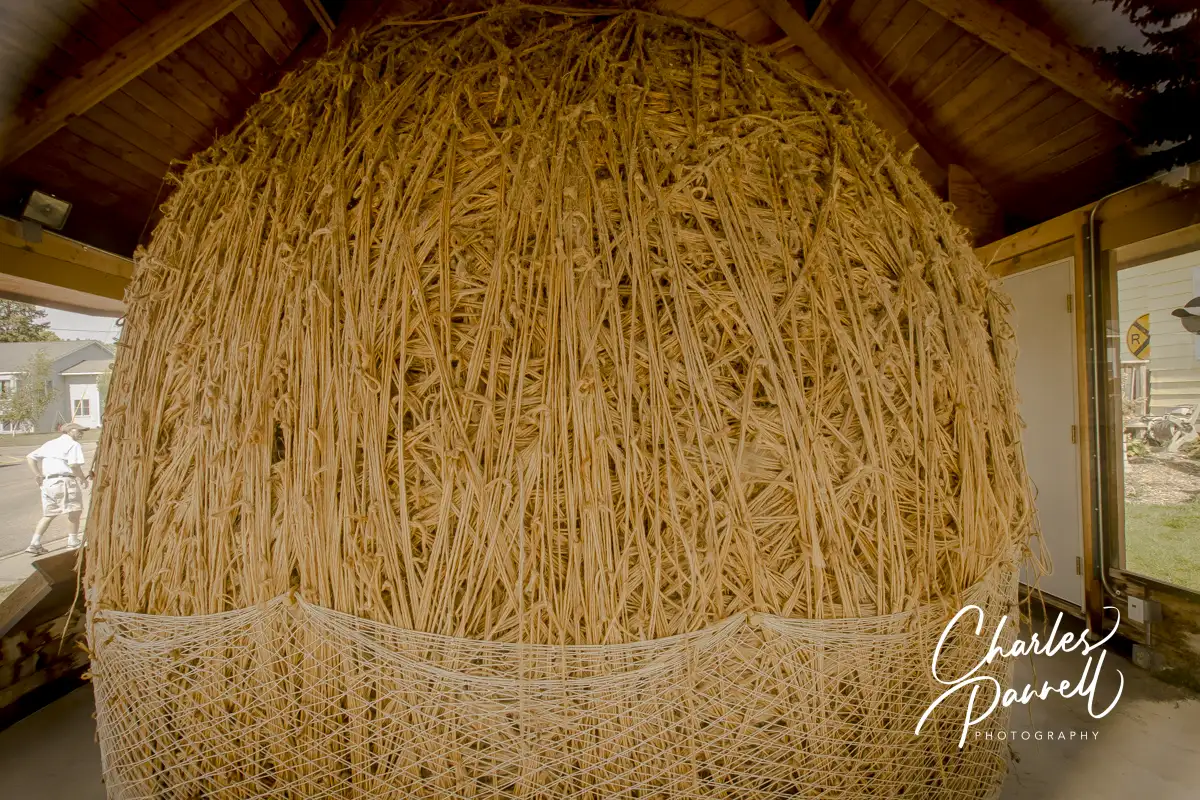
Not to be confused with the Cawker City Twine Ball (https://emerginghorizons.com/cawker-city-twine-ball/) the Darwin Twine Ball is the largest ball of twine made by one person. While the Cawker City Twine Ball has visitors continually adding twine, the Darwin Twine Ball was made entirely by Francis Johnson. Johnson began work on the twine ball in 1950, and worked on it for the next 39 years. After his death in 1989 the twine ball was moved to a Plexiglas kiosk on the corner of William and I Streets. The finished product weighs 17,400 pounds and stands 13 feet tall. You can’t miss it — just look for the water tower.
There’s no parking lot, but it’s not a busy town so you can usually snag a parallel spot on the street. There’s curb-cut access up to the sidewalk which leads to the twine ball. A small museum in the former railroad station is located right behind the twine ball. There’s ramp access up to the building, which features information about Francis Johnson, and includes some of his prized possessions. It also houses some old town artifacts, railroad timetables and photos. And don’t forget to pick up a twine ball hoodie in the gift shop.
130 NW Main Street
Blackfoot, Idaho
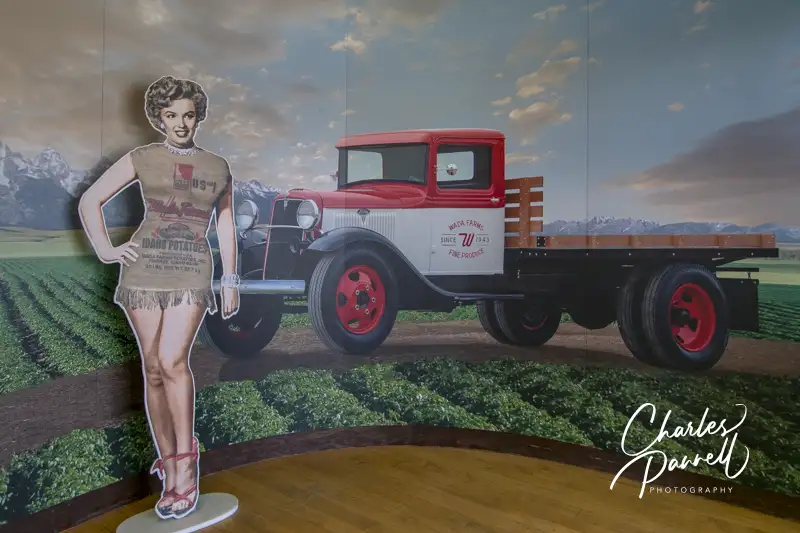
www.idahopotatomuseum.comMost folks know that potatoes are the number one crop in Idaho; however many visitors completely pass up an unusual museum that celebrates the origin and versatility of this ubiquitous cash crop. Located in a 1912 railroad station off Interstate 15, this roadside attraction makes a nice diversion on the route between Pocatello and Idaho Falls. You can’t miss it — it’s the only building on Main Street with a giant potato in the front.
There’s accessible parking near the front door, and level access over to the main entrance of the Idaho Potato Museum. Inside there’s plenty room to maneuver a wheelchair around the exhibits, and ample space for wheelchair seating in the adjacent restaurant.
The exhibits present an excellent history of the spud, tracing its origins back to South America, and illustrating the factors that make Idaho an excellent place to cultivate the crop. Interestingly enough, the timeline also notes that it took western cultures 450 years to realize the advantage of dehydrated potatoes — something that the Incas knew all along. The museum is also filled with display cases that contain collections of potato peelers, potato mashers and even potato sack clothing. And if you’d like a little more education about taters, there’s room for a wheelchair in the small theater where you can view an interesting selection of potato themed videos.
There’s ramped access — although some folks may need a bit of assistance because of the steep pitch — to the second gallery, which includes a collection of machinery, including a potato sorter, a tractor, a potato sack sewing machine and a number of scales. There is also a small children’s hands-on area, but there are five steps up to it. And don’t miss the world’s largest potato crisp, which is 25 inches long and weighs in at 5.4 ounces.
The Idaho Potato Museum also makes a good lunch stop as the cafe serves up a baked potatoes with a variety of toppings, and sandwiches on potato rolls. And if that’s not enough to lure you in, the restored railroad depot is a hidden gem, and certainly worth more than a cursory a drive-by glance.
Population 27,008
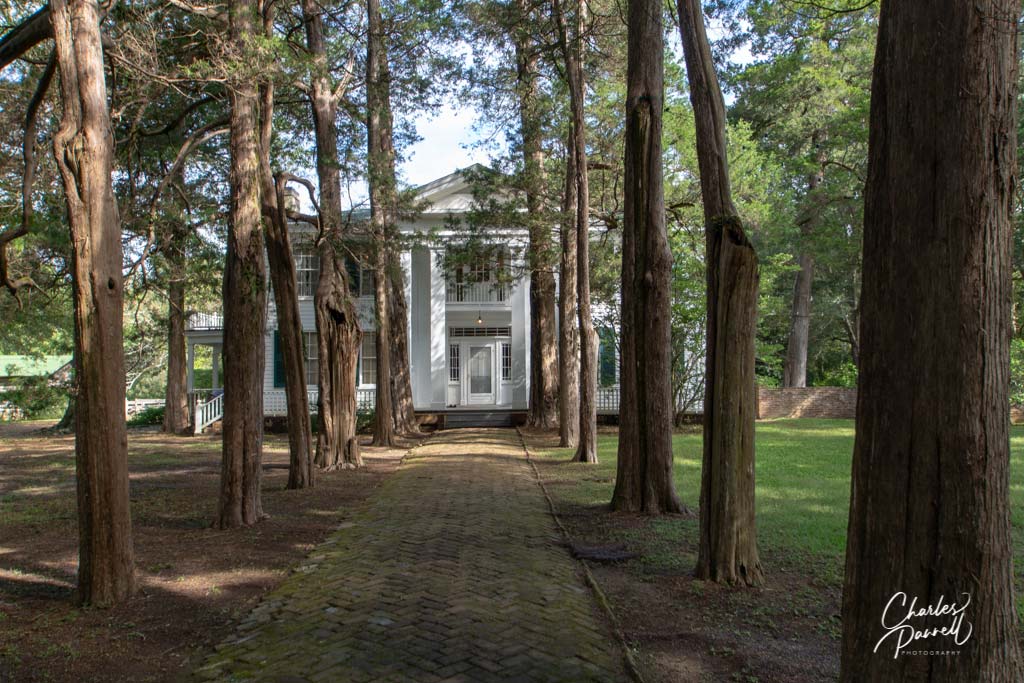
Located just off Highway 55 in Northern Mississippi, Oxford is an excellent place to get a little dose of art and culture. As the former home of William Faulkner, the author’s Rowan Oak (www.rowanoak.com) mansion tops the list of Oxford, Mississippi must-sees. Although parking is usually not allowed on the grounds, an exception is made for wheelchair-users and slow walkers. And the house itself features barrier-free access on the first floor. Next up is the University of Mississippi Museum which also offers barrier-free access, and is home to the David M. Robinson Collection of Greek and Roman Antiquities. Last but not least, plan to stop at the L.Q.C. Lamar House — the former home of the famous congressman who is known for his post Civil War reconciliation efforts. There’s ramp access to the restored home, which includes exhibits about the statesman and his politics. It’s a good way to top off any Oxford cultural visit.
The annual return of the bald eagles to Carson Valley is once again upon us; and with it comes the four-day extravaganza known as Eagles and Agriculture (www.carsonvalleynv.org/eagles-ag). Hosted by the Carson Valley Chamber of Commerce, the 2025 festival will run from February 6 to February 9. During this time attendees can get a closer look at the raptors, enjoy some great nature photography, and learn a little be more about our national bird.
Bald Eagle Festivities
The festival kicks off with the Opening Reception on Thursday evening. Held in the CVIC Hall in Minden, this event features barrier-free access throughout the venue. The reception includes a display of images shot by local wildlife photographers, and also features a number of falconers with their birds. It’s a good opportunity to get a close look at these elusive raptors. Heavy Hors d’oeuvres are served during the reception, and a cash bar is also available.
The Friday evening Falconers Dinner is another popular event. It’s held at the Carson Valley Inn, which has good access for wheelchair-users and slow walkers. This fun evening includes a sit-down dinner and a keynote agriculture-related speaker. And the falconers also make a return appearance with their birds, only this time they’ll be on stage. A variety of conservation exhibits are also featured at this educational and enjoyable event.
Bald Eagles in the Wild
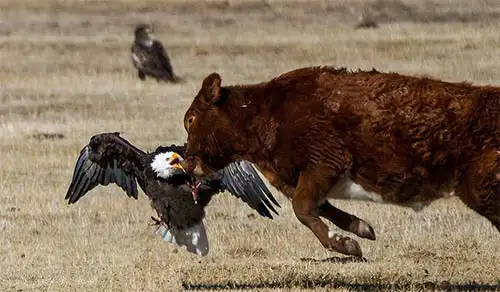
Don’t forget to save some time to check out the eagles in the wild while you’re in the area. State Route 88 is a popular eagle viewing location for wheelchair-users and slow walkers, as you can just pull over and see the birds from your own vehicle. Cattle placentas are the big attractant — and food source — for the eagles in this area. And since the bovine there give birth from December to February, this rural stretch of highway is a “can’t miss” winter eagle viewing location.
Another good place for wheelchair-users and slow walkers to spot bald eagles is at River Fork Ranch (www.nature.org/en-us/get-involved/how-to-help/places-we-protect/river-fork-ranch) — a combination nature preserve and working cattle ranch. Located off Highway 206 in Genoa, this 800 acre parcel boasts a patchwork of pastures, meadows and wetlands.
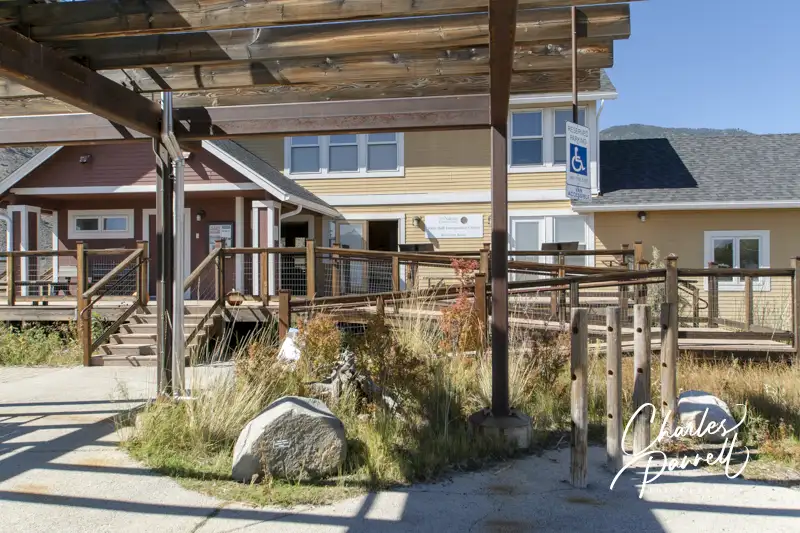
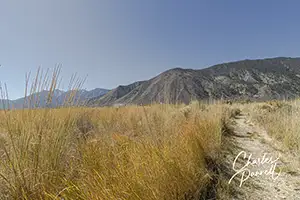
Whit Hill Interpretive Center at River Fork RanchThe trail near the Whit Hill Interpretive Center
There’s accessible parking next to the Whit Hill Interpretive Center, and ramp access up to the porch. Even if the interpretive center is closed, the large wrap-around porch is an excellent vantage point for spotting the eagles in the nearby pastures. Alternatively, the .75-mile trail that begins near the back deck may work for some folks. The trail is fairly level, but there are more than a few bumps along the way; and at times it’s only two-feet wide. Still it may work for some slow walkers, and you can always turn around if it’s too much for you.
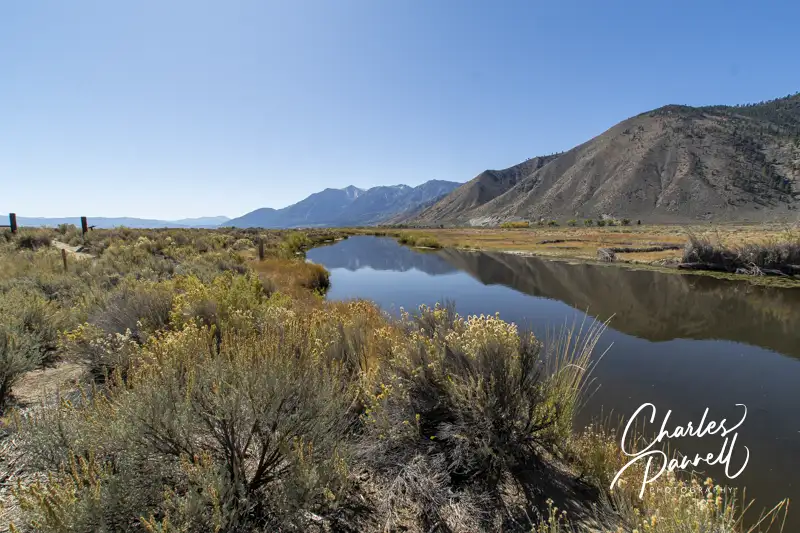
View along the trail near the Whit Hill Interpretive Center
A Little Local History
Of course, bald eagle watching is only the tip of the iceberg in Carson Valley, so take some time to learn a bit about the local history during your visit. And the best place to do that is at the Carson Valley Museum and Cultural Center (www.historicnv.org) in Genoa. Housed in the 1915 former high school, the museum features accessible parking, a level back entrance and elevator access to the second floor.
Exhibits include a mock-up of a typical Basque sheepherder camp, complete with the tools of the trade and the ever present sheep dog. Other installations highlight the wild mustangs found in the area, Kit Carson — the valley’s namesake — and the native Washoe tribe. Top it off with a stroll down a Main Street of yesteryear, complete with an old time barbershop, mercantile and dress shop, and you’ll come away with a real appreciation for the history of the area.
For another taste of history, as well as a substantial meal, head on down the street to the J.T. Basque Bar & Dining Room (jtbasquenv.com). There’s accessible parking on the right side of the building — which was moved from Virginia City in 1896 — and ramp access up to the front door.
Over the years this classic Victorian building has served as a bar, a hotel and a dining room; and in keeping with tradition, today it offers up the same family-style meals that were once a staple of the local sheepherders and farm hands. Be sure and bring your appetite though, as a typical lunch or dinner includes an entrée with all you can eat soup, salad, stew, beans, French fries, and even a bottle of red wine. And if you have room for it, ice cream is available for dessert.
Spend the Night
Located along the main drag in Minden the Carson Valley Inn (carsonvalleyinn.com) is an excellent — and accessible — place to overnight. There’s accessible parking near the door, with ramp access up to this 149-room casino property through automatic doors. Inside there’s barrier-free access around the lobby, and over to the lowered front desk.
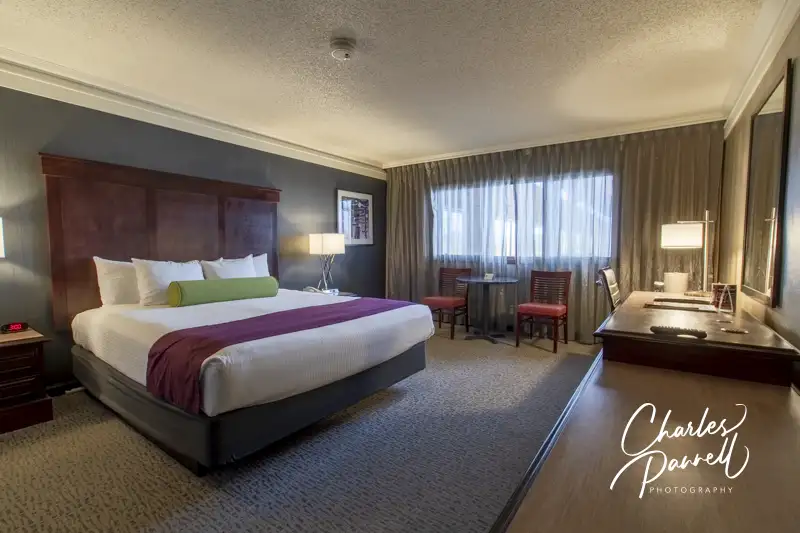
Room 131 features wide doorways, a lowered peephole, lever handles, low-pile carpet and good pathway access. It’s furnished with a 25-inch high open-frame king-sized bed with wheelchair access on both sides, two night stands, a chest of drawers, a desk with a chair, a refrigerator, and a table with two chairs.
Room 131 at the Carson Valley Inn
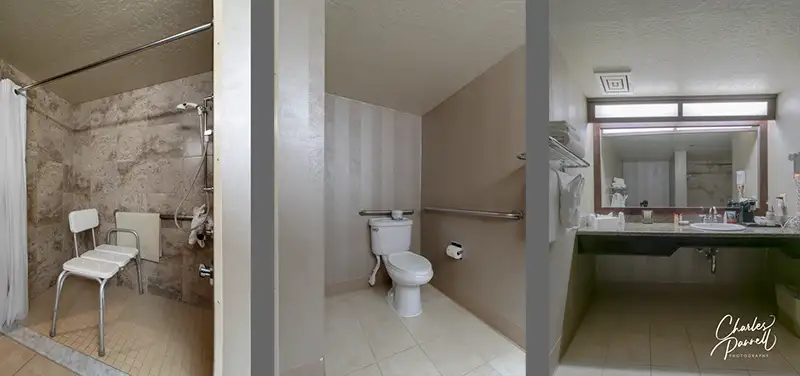
The bathroom has a full five-foot turning radius and is equipped with a roll-in shower with grab bars, a hand-held showerhead and a portable shower chair. The toilet grab bars are located on the back and left walls (as seated), and the bathroom also has a roll-under sink.
Bathroom in Room 131 at the Carson Valley Inn
The Carson Valley Inn also has wheelchair-accessible rooms with tub/shower combinations. Additionally, toilet risers and tub chairs are available for any room.
There’s good access to all the public areas of the property including the business center, CV Steak and Katie’s Country Kitchen. Best of all, it’s located right next door to the casino, which also features ramp access. It’s the perfect place to stay for a Carson Valley eagle watching adventure.
Barrier-Free Travel Yosemite, Sequoia and Kings Canyon National Parks for Wheelers and Slow Walkers
Located 100 miles southwest of Boston, Mystic, Connecticut was a major shipbuilding center during the 1600s. Today the streets of this quintessential New England village are dotted with an eclectic mix of boutiques, galleries, souvenir shops and eateries. But Mystic is more than just a spot to load up on tourist tchotchkes. This coastal village is also home to two top attractions — both of which focus on the ocean. The Mystic Seaport Museum highlights the maritime and shipbuilding history of the area, while the Mystic Aquarium focuses on creatures and ecology of the sea. And the good news is, both of these popular attractions offer good access for slow walkers and wheelchair-users.
The Historic Seaport
Historic Buildings at the Mystic Seaport Museum
The Mystic Seaport Museum (www.mysticseaport.org) is a required stop on any Mystic visit. This 19-acre open-air museum focuses on maritime history and is filled with shipyard exhibits, historic vessels and maritime galleries. And it’s all built around a replica of a 19th century seafaring village.
Accessible parking is available in the south lot, with ramped access to the Sanger Visitor Reception Center across the street. Wheelchairs are available for loan at the front desk, and a large accessible restroom is located in this building. And the good news is, disabled guests and one companion receive a 50 percent discount on admission.
The seafaring village is filled with over 40 historic and reconstructed buildings. The roads through the village are mostly unpaved but level. The one exception is the area around the Children’s Museum and the Treworgy Planetarium, which has a slight incline. About a third of the village buildings feature level access but many have a step or two at the entrance, narrow doorways and very tight quarters inside. That said, there’s still lots to see for wheelchair-users and slow walkers.
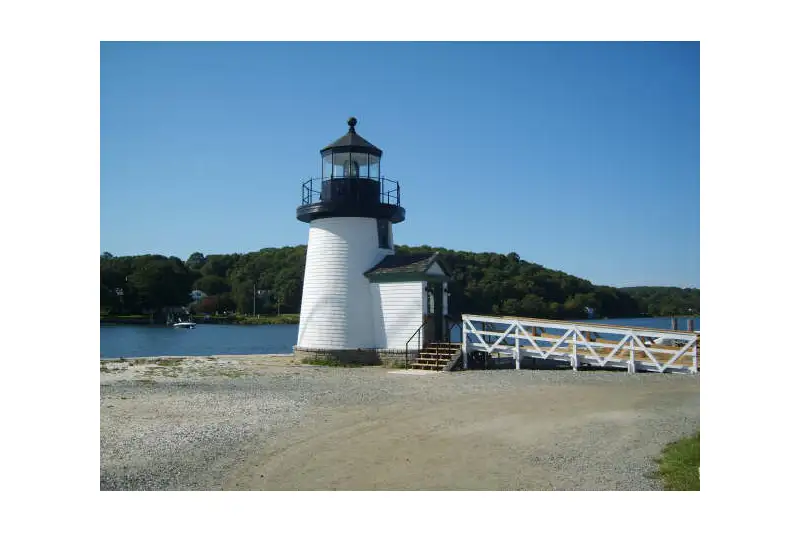
Take some time to roll through the shipyard, and have a look at the drug store, chapel and shipsmith shop, all of which are accessible. There’s also an accessible path out to the replica of the Brant Point Lighthouse at Lighthouse Point. And don’t miss the Charles W. Morgan Whaleship. Although there’s only stairway access to the vessel, you can still get a good look at it from the dock.
There’s also barrier-free access to most of the inside exhibits, which feature everything from ship carvings and folk art to silver trophies, shop figures and even a rare carousel hippocampus. There’s plenty to see and do — for everyone — in Mystic Seaport.
Under the Sea
Beluga Whale at the Mystic Aquarium
For a slightly different perspective of the sea, head on over to the Mystic Aquarium (www.mysticaquarium.org), where you’ll find everything from sharks and manta rays, to seals, sea lions and even Beluga whales.
There’s barrier-free access to the aquarium, with level access over to the Gift Store and the Saltwater Cafe. Accessible family restroom are located next to the Saltwater Cafe, and loaner wheelchairs are available at the front gate. And, if you are visiting with a personal care assistant, there’s no charge for their admission. Contact the admissions office for more information.
There is good access throughout the campus, with accessible pathways outside, and barrier-free access to the inside exhibits. The spacious indoor gallery features a 35,000-gallon tank filled with eels, pufferfish, sharks and rays. There’s also a ray touch pool, an interesting Amazon exhibit and a large collection of jellyfish. Best of all, you can wheel right up to the glass tank in the main gallery for an up-close-and-personal look at the inhabitants.
Outside, there’s also an impressive collection of marine exhibits. At the top of the list is the Beluga whale exhibit. You can roll right over and get an eye level look at these giants. And don’t miss the incredibly cute African penguins. The excellent Roger Tory Peterson Penguin Pavilion offers visitors an up-close-and-personal look at these comical creatures, both above and below the water.
Finally, check out the 200-foot Marsh Trek accessible boardwalk, for a close look at a variety of freshwater species including mallards, herons, bullfrogs and turtles. And make sure and stop at the seal pup play space on your way out. They are almost as entertaining as the African penguins, and it’s the perfect way to top off any Mystic Aquarium visit.
Barrier-Free Travel 22 Accessible Road Trips for Wheelers and Slow Walkers
I’ve been covering accessible travel for nearly 30 years, and in that time I have most certainly seen a lot of changes. Travel really is more accessible today for wheelchair-users and slow walkers. Granted, if you are in your 30s, you probably don’t remember what things were like decades ago with the archaic attitudes about disability — before the ADA and other laws made access possible. If that’s the case I totally understand why you feel things are still not accessible enough, as that’s a fair assessment from your perspective.
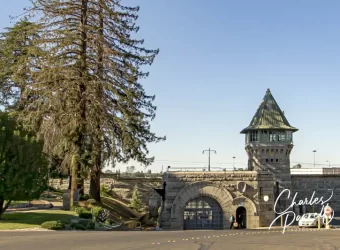
Driving along Prison Road the sight of the massive granite walls of Folsom State Prison are unmistakable, as you approach the nation’s first maximum-security prison. Interestingly enough, the granite for the walls was quarried by the prisoners, and the imposing structure was later built by inmates back in the early 1900s. That’s just one of the fun facts you’ll learn on a visit to the Folsom Prison Museum (www.bighouseprisonmuseum.org).
To be honest, visiting the museum is a tad bit intimidating, as it’s located just inside the prison grounds. That said, I timidly approached the guard after following the “museum” signs that led to the prison entrance, and hesitantly stammered, “I’m looking for the museum”. I heaved a giant sigh of relief when the guard cracked a smile and enthusiastically directed me to the museum entrance, located just beyond the checkpoint.
Accessible parking is located across the street from the checkpoint, and there’s a level pathway over to the ramped museum. Inside, quarters are a bit tight in the historic structure, however there’s still room enough to maneuver a wheelchair around the exhibits. The tiny restroom is not accessible — so plan ahead — and there’s about a half-inch step down to the Johnny Cash room, but again it’s all quite manageable.
The Folsom Prison Museum
Folsom Prison Museum
Operated by retired correctional officers, the museum features an impressive collection of weapons, shackles and confiscated items. Highlights include a hand-crank Gatling gun, a substantial number of inmate-crafted firearms, and even a homemade bomb. Add in some old gas masks, an operating table and Rick James’ guitar, and you have a very eclectic collection. There’s also a sizable display of things made from everyday items by the inmates, including a purse made from potato chip bags, a Ferris wheel crafted from a quarter-million toothpicks, a hangman’s noose made from toilet tissue and a number of creative soap bar carvings. A large collection of California license plates also adorn one wall in this room, just to remind folks where they are all manufactured today.
There’s also a room devoted to Johnny Cash, who visited the prison and recorded a live album there in 1968. There’s a load of photographs of Cash and his wife at the prison, along with his own “gag” mug shot and even some stationary from the Sacramento hotel where he stayed. It’s definitely a must-see for any Cash fan.
Granted this small museum doesn’t warrant a dedicated trip to Folsom; however if you’re heading to South Lake Tahoe on Highway 50, it’s definitely worth a stop. Just take the Folsom Boulevard exit, turn left and then make a right on Natoma Street. From there turn left on Prison Road which dead-ends in the visitor parking lot. And when you’re back on your way to Lake Tahoe, take note of the granite mileage markers along the road, as those were also crafted by Folsom Prison inmates.
Barrier-Free Travel Yosemite, Sequoia and Kings Canyon National Parks for Wheelers and Slow Walkers
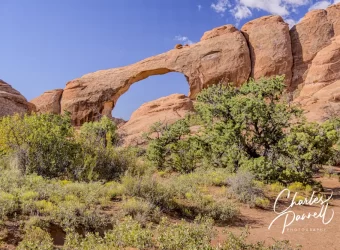
Skyline Arch viewed from the Devil’s Garden campground in Arches National Park
Arches National Park is filled to the brim with red rocks, arches and scenic beauty. So it comes as no surprise that it’s a top pick as a Hollywood filming location. The results are some stunning backdrops and jaw-dropping views added to the big screen. And the good news is, many of these sites are pretty easy to find. So take some time to scout out these Hollywood filming locations in Arches National Park on your next visit.
A Little Primer
Moab Museum of Film and Western Heritage
Before you visit the park, plan a stop at the Moab Museum of Film and Western Heritage (moabmfwh.com), which is just a short scenic drive down Highway 128 at Red Cliffs Lodge. Not only will it help you appreciate the complexities of filming on location, but it will also give you some fun inside stories on the productions filmed in the area.
There’s accessible parking in front of the lodge, and although the museum is located down a flight of stairs, there’s an alternate accessible entrance. From the accessible parking space, follow the sidewalk on the left, down around the building to the level back entrance. Inside you’ll find a hallway lined with movie posters, with the museum at the end of the hall on the right. There’s level access to the museum, with good pathway access to all the exhibits.
Take some time to watch the introductory video that details the history of filming in the area and includes some fun facts, stories and recollections about the flicks. The museum is jam packed with memorabilia from the over 120 movies shot in the area, including City Slickers II, Back to the Future III, Thelma and Louise and Indiana Jones and the Last Crusade. Don’t miss the Geena Davis stunt dummy that survived the final crash in Thelma and Louise, or the license plate from the Shaguar in Austin Powers Goldmember. Add in a large collection of photographs, movie posters and memorabilia and you have a complete picture of the filming history in the area. And the best part is – there’s no admission charge to this fun and funky museum.
Filming Locations in Arches
Park Avenue Viewpoint
Park Avenue Viewpoint in Arches National Park
Located about two miles from the park entrance, Park Avenue Viewpoint is the first stop on this filming locations in Arches scenic drive. The opening scenes of Indiana Jones and the Last Crusade were filmed here. Just picture a group of boy scouts — including a youthful Indy –riding their horses through the desert against this magnificent backdrop. There’s accessible parking near the paved 200-foot trail out to the upper viewpoint, where you’ll get a good view of the towering formations that resemble the skyscrapers of Manhattan.
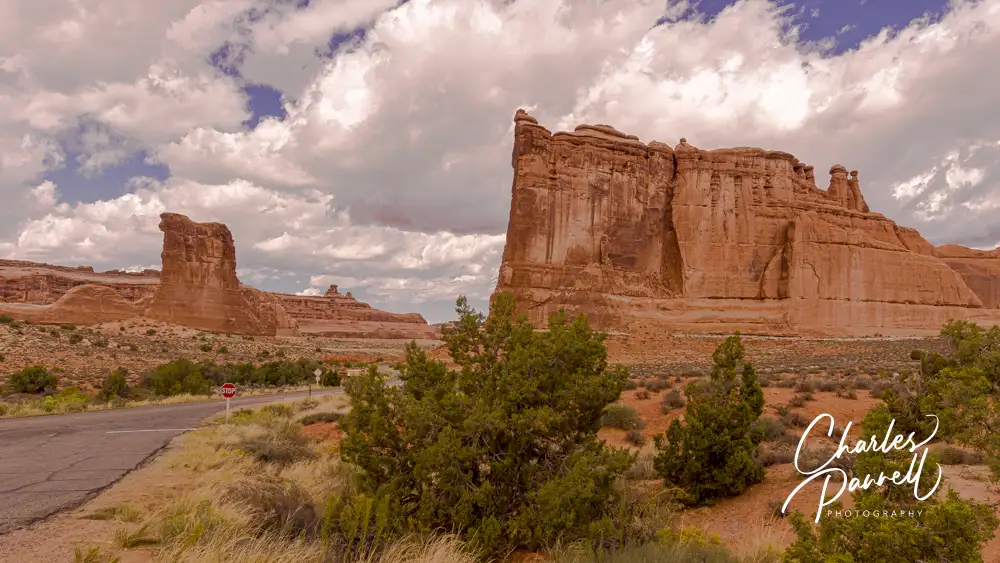
Courthouse Towers
Courthouse Towers in Arches National Park
Just down the road you’ll find Courthouse Towers, the next stop on this Arches filming locations tour. A memorable scene from Thelma & Louse was filmed nearby. It begins as the pair is stopped by a police officer in the middle of nowhere, and concludes when the gals get the officer’s gun and later lock him in the trunk of his car. Just look down the road and try to imagine it all unfolding. There’s accessible parking in the small lot with level access to viewpoints on both sides, so you’ll have a variety of vantage points for a good view.
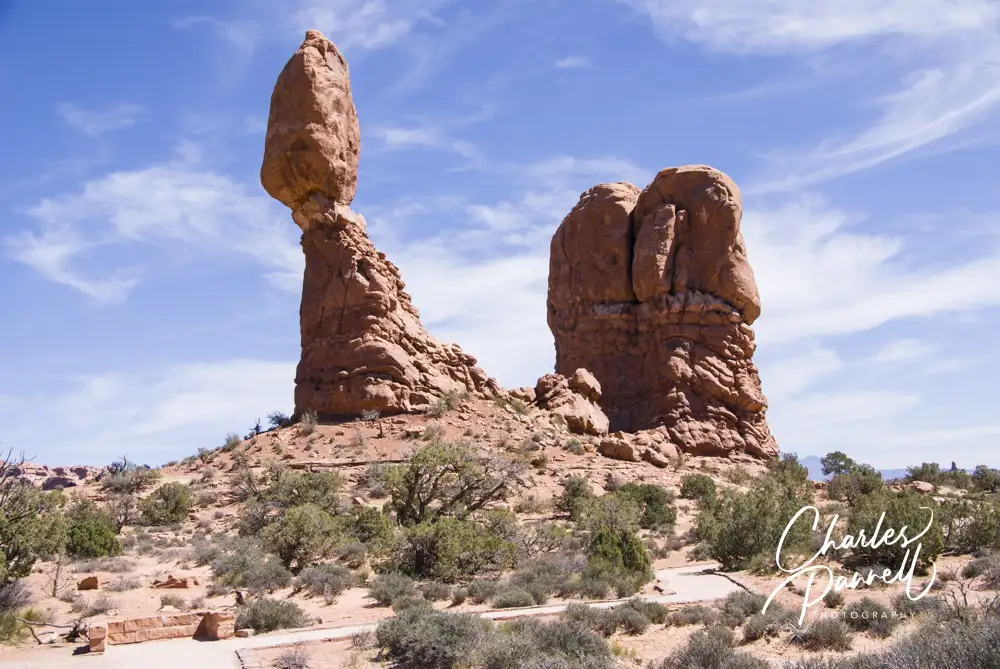
Balanced Rock
Balanced Rock in Arches National Park
Balanced Rock, which is located just south of the intersection of Arches National Park Road and The Windows Road, is one of the most popular stops in the park. It was also a filming site for Rio Conchos starring Stuart Whitman and Richard Boone in 1964. The infamous rock can be seen in the background in several scenes, but is most prominent in the camping scene. There’s accessible parking in the small lot near Balanced Rock, with curb-cut access up to the interpretive plaque. From there you’ll get an excellent view of this Arches favorite.
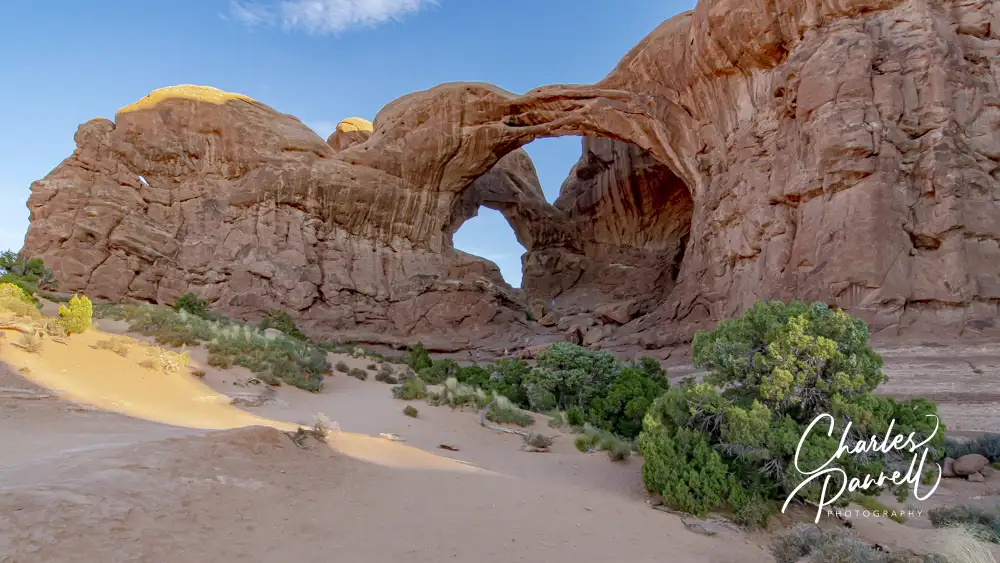
Double Arch
Double Arch in Arches National Park
Located in the Windows Section of the park, Double Arch was another filming site for Indiana Jones and the Last Crusade. Again in the beginning of the movie, River Phoenix runs down the hill in front of the arch, after encountering some grave robbers. There’s accessible parking near the trailhead, and the .3-mile trail leads out to this unique arch. It may be doable for some slow walkers and power wheelchair-users, but manual wheelchair-users may require assistance with the first steep grade. And even if you can’t do the trail, you’ll still get a good view of Double Arch from the trailhead.
Devils Garden Trail
Devil’s Garden Trail in Arches National Park
Last but no least on our list of filming locations in Arches is the Devils Garden Trail, which is located at the end of the Arches National Park Road. Although the entire length of this tail is not accessible, the first 100 yards offers some dramatic views for wheelchair-users and slow walkers. It was also the filming site for Taza Son of Cochise. More specifically the scene where the US Calvary was ambushed by the Indians was shot here. Just imagine the troops advancing through the fin, only to be cut down in the attack. The first part of this trail is a must-see, as you don’t often find wheelchair-accessible canyon walks.
Insider Tip
In an effort to better manage the crowds at Arches National Park, entrance reservations are required during the peak visitation season. These reservations are not available for purchase at the park entrance. They must be purchased in advance at www.recreation.gov. And even if you have a national park pass you still need an entrance reservation to enter the park between 7AM and 4PM.
That said, the park is absolutely gorgeous in the early morning hours; so if you don’t happen to score an entrance reservation get there before 7AM. As an added bonus, you’re find fewer people there at that hour, and you won’t have to search in vain for parking at the popular stops. For more information about the required entrance reservations, visit emerginghorizons.com/national-park-entrance-reservations-required-in-2024/.
Barrier-Free Travel
Utah National Parks for Wheelchair-users and Slow Walkers
Located in Southwestern Colorado, Canyons of the Ancients National Monument (www.blm.gov/programs/national-conservation-lands/colorado/canyons-of-the-ancients) is home to a high density of archeological sites filled with well preserved Native American artifacts. Although many sites on the 170,000 acre preserve lack wheelchair access and are located along dirt and gravel roads, it’s still possible for wheelchair-users and slow walkers to explore part of this national treasure.
In fact the Canyons of the Ancients Visitor Center and Museum (https://www.blm.gov/visit/canyons-ancients-national-monument-visitor-center-and-museum) is home to a substantial collection of artifacts and interpretive exhibits, as well as two excavated pueblos. And not only is it reachable without a four-wheel drive vehicle, but it also boasts excellent wheelchair access. So pack a picnic lunch, hit the road and enjoy a day immersed in the Ancestral Puebloan culture.
Learn About the Ancestral Puebloans
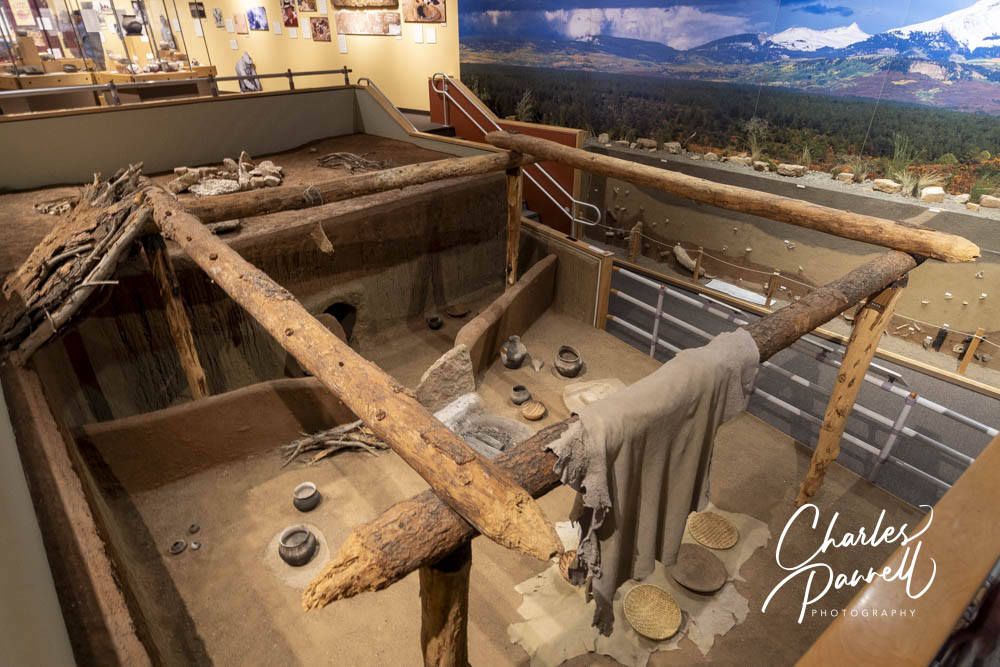
Pit House exhibit in the Canyons of the Ancients Visitor Center and Museum
The Canyons of the Ancients Visitor Center and Museum is located on Highway 184 in Dolores, which is about 10 miles northeast of Cortez. There’s accessible parking in the large lot, with ramp access up to the museum. A wheelchair is available for loan at the front desk, and there are also wheelchair-accessible restrooms in the building. And although there’s a small admission fee, there’s no charge for folks with an America the Beautiful Access Pass.
There’s level access to the theater, with plenty of room for wheelchairs on the sides. Two films are shown throughout the day. One presents two perspectives of the Four Corners area — from both archaeologists and Native Americans; while the other focuses on how to visit the sites with respect.
The bulk of the exhibits in this excellent archaeological museum focus on the Ancestral Puebloans and the historic cultures of the Four Corners Area. Once called the Anasazi, their civilization flourished for about 700 years and then mysteriously disappeared around the late 1200s. Exhibits include a large collection of baskets, pottery, weapons and knife blades, along with a large model of a two story pithouse. There’s barrier-free access throughout the galleries, and lift access to both levels of the pithouse.
A good chunk of the exhibits are devoted to archeological digs done in the area, and they include descriptions of the work at the sites, and artifacts excavated from them. There are lots of hands-on exhibits about the general work of archaeologists, and displays about how sites are excavated. And there are even real artifacts excavated from Ancestral Puebloan sites that you can pick up and touch. It’s a very comprehensive museum, with excellent wheelchair access.
Visit the Pueblos
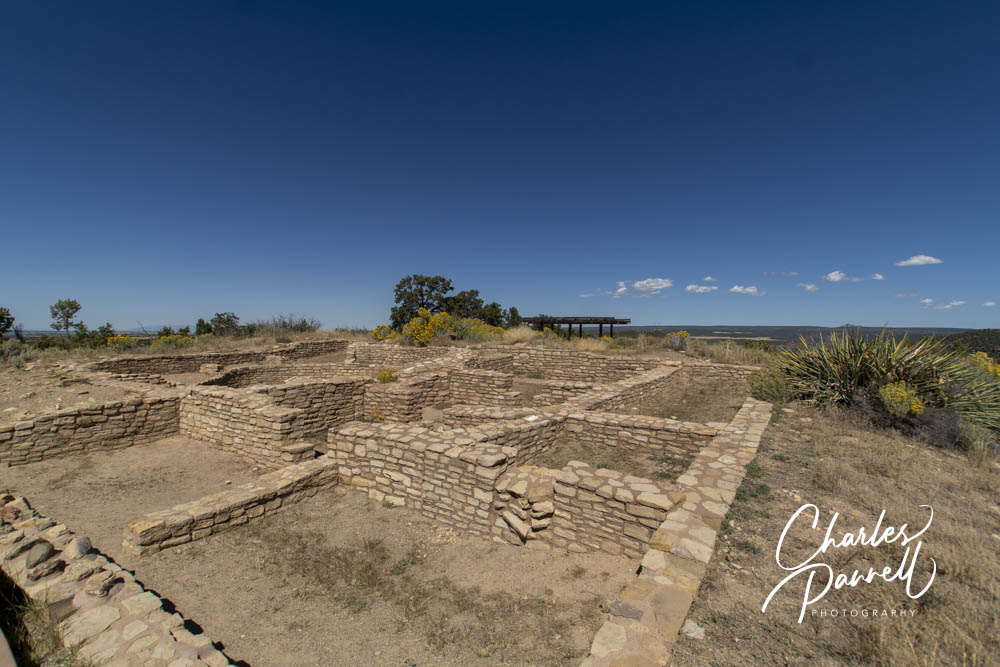
The Escalante Pueblo Ruins
In addition to the museum, there are also two pueblos to explore at this site. These multi-room units sometimes had more than one story, and included a subterranean ceremonial chamber, or kiva.
The Dominguez Pueblo is located along an accessible level path, right outside the museum. Although it dates back to 1123, it wasn’t excavated until the 1970s. It’s named for one of a pair of Spanish explorers who discovered other Puebloan ruins in the area. This four-room structure is believed to have been home to two families. A kiva was also discovered during the excavation, however it was later backfilled in order to protect the integrity of that fragile structure.
The Escalante Pueblo is located about a half-mile from the museum, along a paved trail. Although the trail was built to ADA standards, it’s uphill with level stretches to rest along the way. Benches and interpretive plaques dot the trail, and there’s level access to several ramadas which have standard picnic tables near the beginning of the trail. The trail is quite doable for power wheelchair-users, but manual wheelchair-users may need some assistance in a few places. The trail gradually climbs to the top of the hill, and offers some nice views of the countryside along the way.
There are level trails around the Escalante Pueblo, and a number of interpretive plaques offer insight to the former residents. This larger communal dwelling was also excavated in the 1970s, and it contains at least 20 rooms and a kiva. It’s believed to have been constructed in 1129, but it was subsequently occupied by two other groups in 1150 and 1200. There’s level access over to a nearby shade structure, and there’s also an excellent view of the reservoir from this hilltop perch. It’s a great way to end a Canyons of the Ancients visit!
Barrier-Free Travel
Utah National Parks for Wheelchair-users and Slow Walkers
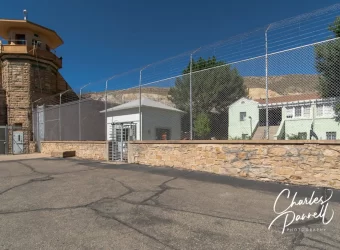
There’s something more than a bit unsettling about visiting a museum that’s located within spitting distance of a territorial prison. Be it the razor wire, the guard towers or the overly secure gates, it just doesn’t make you feel all warm and fuzzy. Add in some of the grizzly artifacts in the Museum of Colorado Prisons (https://www.facebook.com/pages/Museum%20of%20Colorado%20Prisons/255235554627336/), and you’ll get a definite chill up your spine. That said this Canon City favorite is definitely worth a visit, as not only does it present a comprehensive history of the Colorado prison system, but it also manages to inject a bit of humanity into the mix.
The Museum of Colorado Prisons
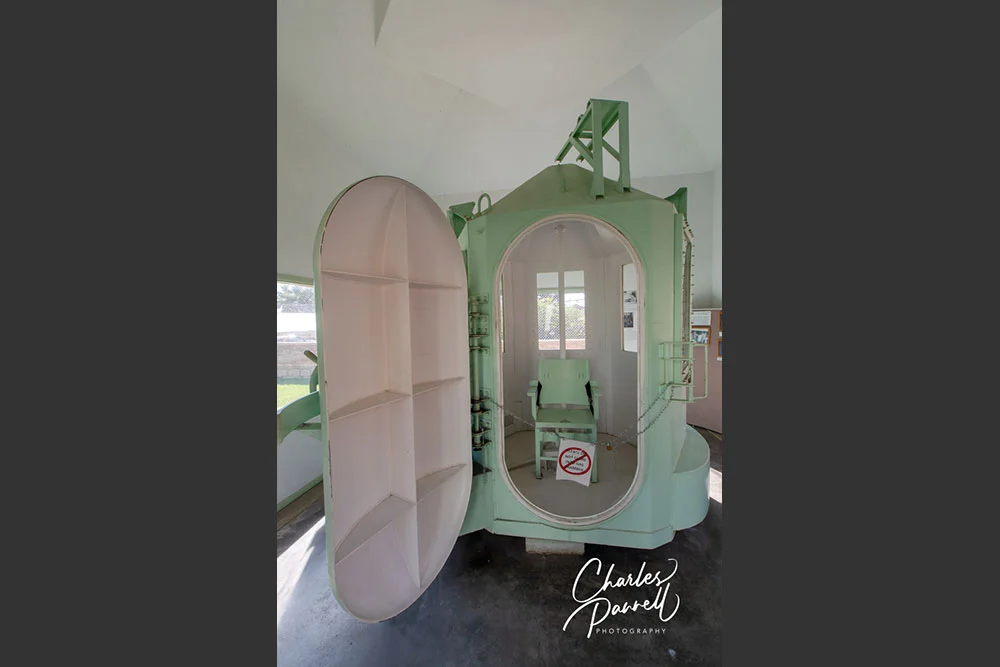
Located in historic Cell House 4, the museum building once housed female inmates. And although it’s a historic building that dates back to 1935, they’ve done a pretty good job with access. There’s stairway access in front, but there’s a ramped entrance and accessible parking in back. Just ring the buzzer and someone will open the door. To view the downstairs gallery, go out the back entrance and roll around the building on the level sidewalk to the accessible lower front entrance. And while you’re in front, don’t forget to have a look at the vintage gas chamber exhibit.
Gas Chamber at the Museum of Colorado Prisons
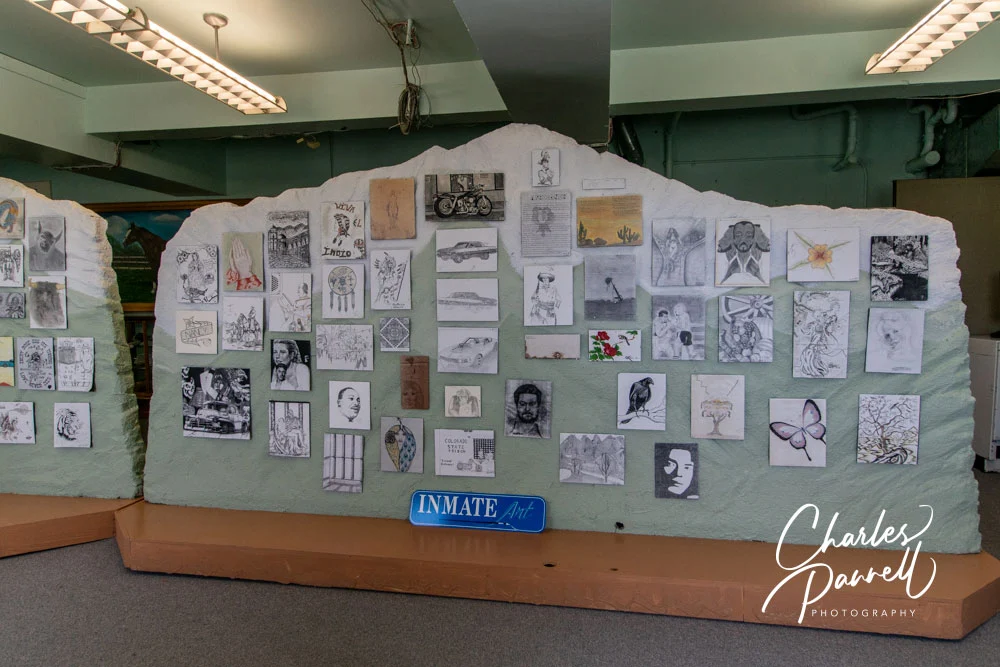
Upstairs there’s level access down the cellblock corridor, where there are artifacts from the old prison system, vintage prison garb, inmate art, and lots of photos. Some of the cells also contain themed exhibits, and although they may be a bit tight for power wheelchair-users, you can still get a pretty good overview of the exhibits from the hallway. Some of the themed exhibits feature details about escape attempts, behavioral control, executions, and the prison section of the public cemetery known as Woodpecker Hill. There’s also a large collection of contraband, skillfully crafted prison weapons, and more than a few creepy prisoner creations.
Inmate Artwork on display at the Museum of Colorado Prisons
Downstairs there’s barrier-free access to most of the former kitchen and dining hall, which is filled with more exhibits. The exception is the small laundry area which has a few steps up; although you can still peer into it. Perhaps the most memorable artifact is the jumpsuit worn by an inmate in the Labor Day 2018 escape, that took place while people were visiting the museum. Imagine looking at a collection of prison weapons, then glancing up to see a prisoner scaling the adjoining prison wall. Fortunately the escapees were caught a few hours later.
Haunted or Haunting?
To be honest, it’s hard to go through this museum without having a chill or two run up your spine. And if you think you may be overreacting or perhaps the victim of an overactive imagination, then think again. The Museum of Colorado Prisons has been singled out as one of the most haunted sites in the state by many paranormal organizations. And in fact ghost hunts and haunted tours are held there throughout the year.
So why is it haunted? Well first off, it’s in close proximity to an active prison that dates back to 1871, where torture, floggings and other brutal practices were commonplace. And then there were the executions, which were far from humane. Take the automatic hangman for example. This tool was designed to relieve the guards of guilt from pulling the trap door lever at hangings. Instead, the device was activated when the prisoner stepped on the platform, and a weight slowly triggered the mechanism that controlled the trap door.
And of course there’s no shortage of weapons on display in the museum, many of which were possibly used to brutally end a person’s life – be it an inmate or a guard.
Is the Museum of Colorado Prisons haunted or just haunting? Who knows; but as one museum employee shared, “I’m sure there are some spirits here. I often hear noises, footsteps and sometimes whistling when I’m here alone. And I know I’m not imagining that.“ Either way, this often overlooked attraction is definitely worth a stop. Is it really haunted? Judge for yourself on your next Canon City visit.
Barrier-Free Travel
Utah National Parks for Wheelchair-users and Slow Walkers

 Darwin, MN