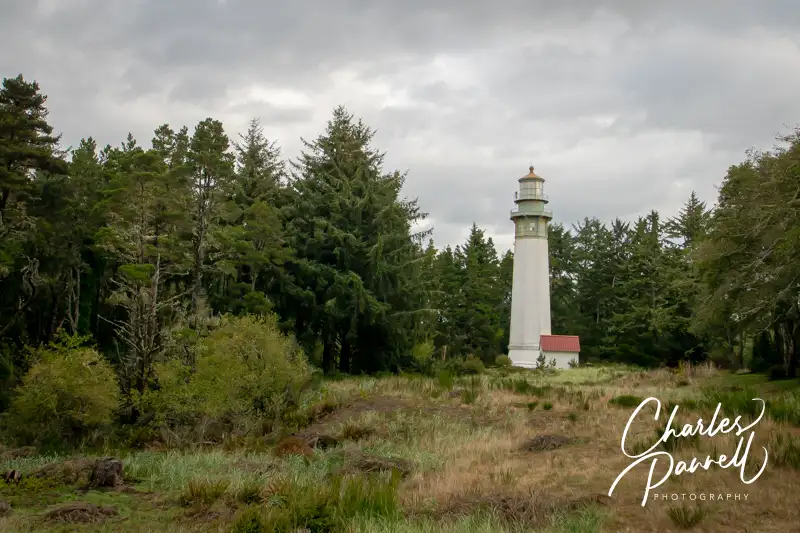
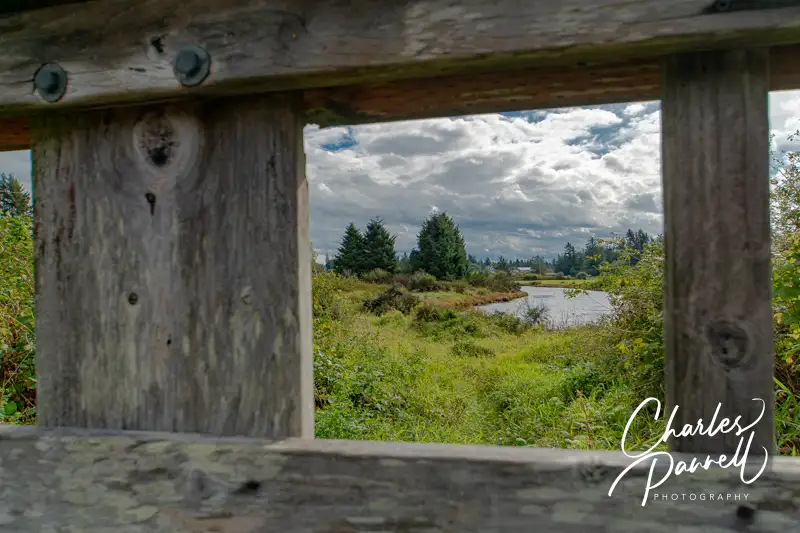
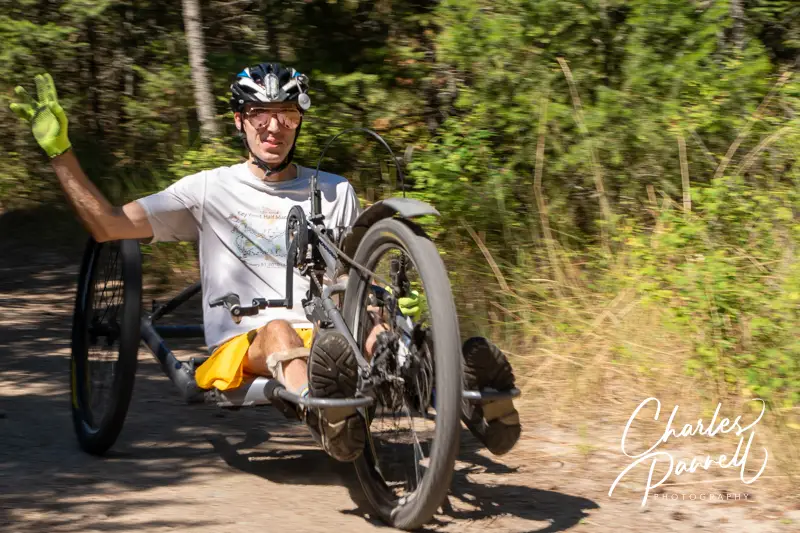
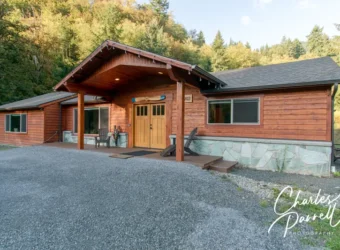
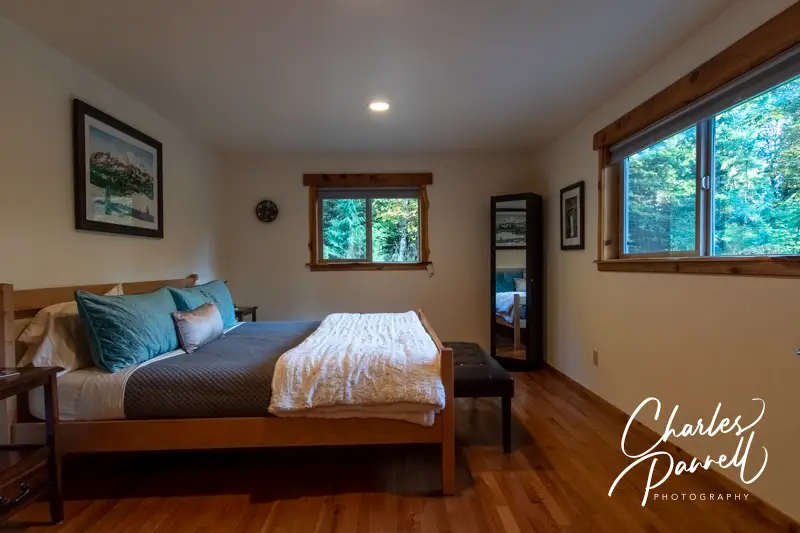
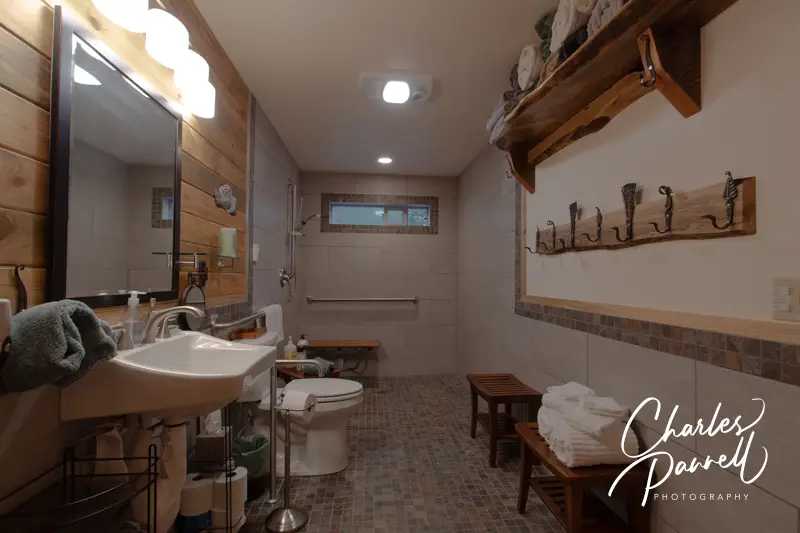
If you’d like to explore the grounds of Grays Harbor Lighthouse in Washington, then make plans to reserve this Westport track chair. It’s available from David’s Chair, and it’s housed in the Westport by the Sea Condos, which are about a .4-mile roll from the lighthouse. There are level sidewalks with curb cuts along the way, but once you get to the lighthouse you’ll need the track chair to traverse the bumpy — and sometimes muddy — dirt trail.
This track chair needs to be reserved at least seven days in advance. Transfer assistance cannot be provided, so if you can’t transfer independently you’ll need to bring along some help. This track chair has a maximum capacity of 350 pounds. For more information, or to request the Westport track chair, visit davidschair.org/request-fixed-location-chair. And for details on some wheelchair-accessible trails and lodging suggestions in the area, visit emerginghorizons.com/westport-a-wheelchair-accessible-pacific-northwest-gem
Barrier-Free Travel
Washington National Parks
for Wheelchair-Users and Slow Walkers
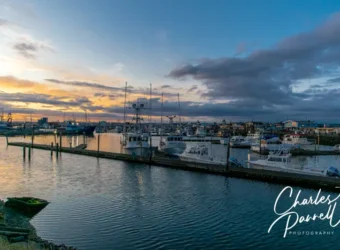
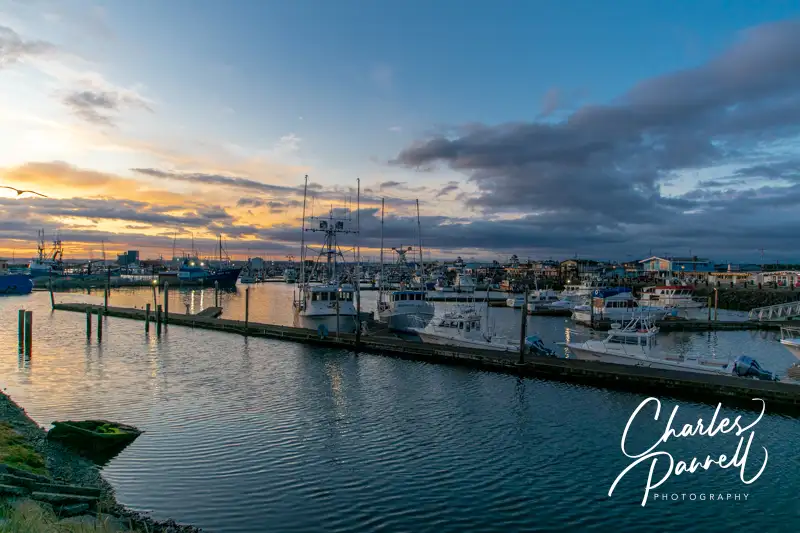
Marina Sunrise viewed from Westport Marina Cottages
Westport is the quintessential Pacific Northwest fishing village. Located 130 miles southwest of Seattle, it sports a one-lane main drag that’s dominated by the marina and dotted with a chowder house, a donut shack, a few souvenir shops, several fishing charter companies and the requisite local pub. With a population of only 2,300 it’s a laid back spot to escape, recharge and relax.
Of course, this quaint fishing village also has its fair share of must-see attractions, including some scenic trails, a historic lighthouse and a gaggle of picturesque ocean views. And although at first glance this out-of-the-way locale may not appear to be an ideal choice for wheelchair-users and slow walkers, a deeper dig reveals a number of accessible haunts. So pack the car and head over to the coast for a relaxing wheelchair-accessible Westport getaway.
Stroll along the Shore
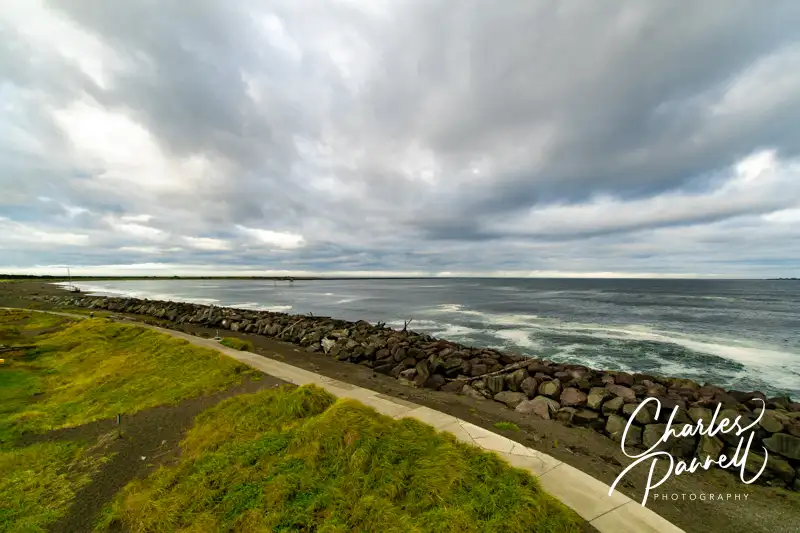
View from the Lower Level of the Westport Viewing Platform
The Westport Light Trail and Viewing Station, which borders on Half Moon Bay and the Pacific Ocean, is a good first stop. There are several spots to access the 2.4-mile wheelchair accessible oceanside trail, but the viewing station is located at the intersection of Westhaven Drive and Neddie Rose Drive near the marina.
Part of Westport Light State Park (parks.wa.gov/find-parks/state-parks/westport-light-state-park), the viewing area offers accessible parking in front, with barrier-free access to the lighthouse-like viewing platform. There’s ramped access up to the first level of the viewing station, but only stairs to the upper levels. Still you can get a nice ocean view from the first level. And if you’d like to stop for lunch, there are some picnic tables on a level grassy area near the viewing station that also have a good ocean view.
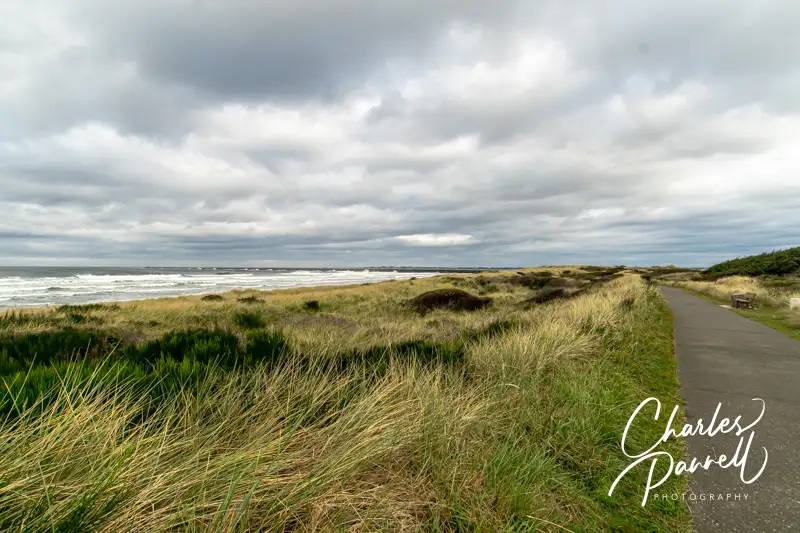
The viewing station also marks the north end of the Westport Light Trail, which winds along the beach and offers some more great views. This paved trail is wide and level, and it’s sheltered from the waves, but you can still see the breakers crash into the rocks. The whole length of the trail is wheelchair-accessible, but you can do as little or as much of it as you like.
You can also access the Westport Light Trail from two places along Jetty Haul Road. The Half Moon Bay Parking Area is located about .6 mile down the trail. There’s an accessible parking space there, with level access to the trail. Down the road another .6 miles in the Westhaven Parking Area, which is slightly more developed. There’s accessible parking with level access over to the accessible restrooms, and an accessible picnic table on a cement pad nearby. And of course, there’s level access to the Westport Light Trail.
The Historic Lighthouse
Grays Harbor Lighthouse
No trip to Westport is complete without a stop at the historic Grays Harbor Lighthouse. If you’re up for a hike, you can continue on along the Westport Light Trail for another 1.2 miles until you hit the terminus at the parking lot on Ocean Avenue. From there, just follow Ocean Avenue for another .4 mile to the lighthouse — you can’t miss it.
If, on the other hand, you’d prefer to drive, there are numerous parallel parking spots near the lighthouse along Ocean Avenue. From there it’s just a short roll to the lighthouse viewing platform. There’s a level cement pathway, with barrier-free access over to the platform, which offers an excellent view of the lighthouse.
If you’d like to get closer there’s a short dirt pathway over to the lighthouse, however it’s got a few ruts and bumps and after a rain it’s a muddy mess. Alternatively you can borrow a track chair from David’s Chair (davidschair.org/request-fixed-location-chair/). These heavy duty chairs have tank tracks for tires, and will easily navigate around the lighthouse area. Plan ahead though, as reservations must be made at least seven days in advance and the track chairs are not available every day.
Westport Light Trail ffrom the South Trailhead
And of course you can also access the south trailhead of the Westport Light Trail from the parking lot at the end of Ocean Avenue. There’s accessible parking near the accessible restrooms, with trail access just to the left of the parking area. Even if you already took a stroll on the north section of the trail, it’s still worth look here for more great ocean views.
Another Ocean Stroll
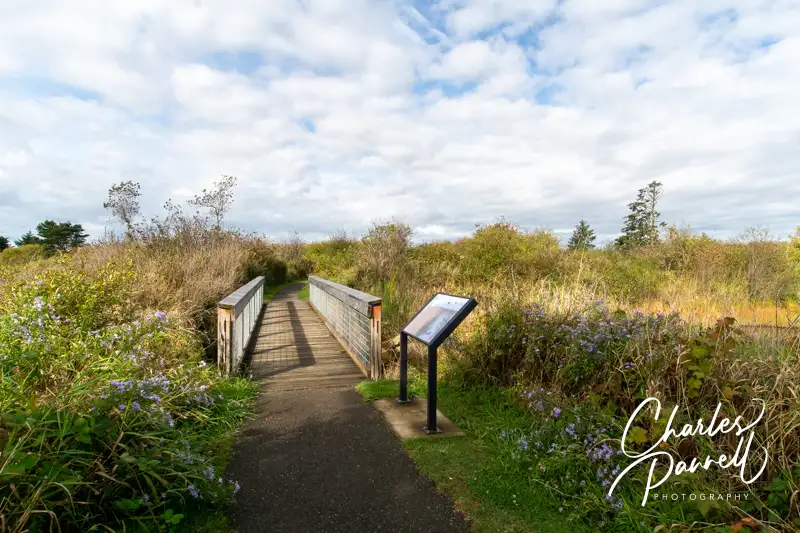
Trail at Bottle Beach State Park
Bottle Beach State Park (parks.wa.gov/find-parks/state-parks/bottle-beach-state-park) is also worth a stop while you are in the Westport area. It’s just a short drive down Highway 105, about eight miles east of Westport. And it’s easy to find too, as it located right off the highway.
There’s accessible parking near the accessible vault toilet, and level access over to the .7-mile trail. The trail begins as a boardwalk through the wetlands, which was formerly the site of the boomtown of Ocosto. Originally the railroad terminus, the town later failed and subsequently became known as Bottle Beach, because of the trash left behind by the residents. Today, there’s nary a trace of the old town; however this site is an excellent birding venue. Be on the lookout for chickadees, warblers, wrens, woodpeckers and finches as you make your way along the trail.
After the boardwalk ends, make a right turn and continue on the paved trail to the beach. The trail crosses a bridge, which is also a good place to spot the avian residents. When you reach the beach, make another right to continue on the hard-packed dirt trail through the wetlands. Along the way, you’ll find benches and interpretive plaques, as well as an accessible viewing blind over the marsh.
There’s also a nice ocean view along the way. At the end of the trail is another blind, with benches to sit and take a break. There’s a good view of the beach from the blind, so be on the look for peregrine falcons who like to hunt along the shoreline. This short trail makes for a pleasant stroll, and it’s a must-do for birders.
Viewing Blind at the End of the Trail
Camping Cabins at the Beach
Located about four miles south of Westport, Twin Harbors State Park (parks.wa.gov/find-parks/state-parks/twin-harbors-state-park) offers a nice picnic area as well as some wheelchair-accessible camping cabins and a yurt. It’s a nice spot for an alfresco lunch, or the perfect place to bed down for a few nights.
If you’d like to enjoy a picnic there is a small picnic area off of Schafer Road. There’s accessible parking in the lot and level access over to several accessible picnic tables on cement pads. And there’s also an accessible restroom nearby.
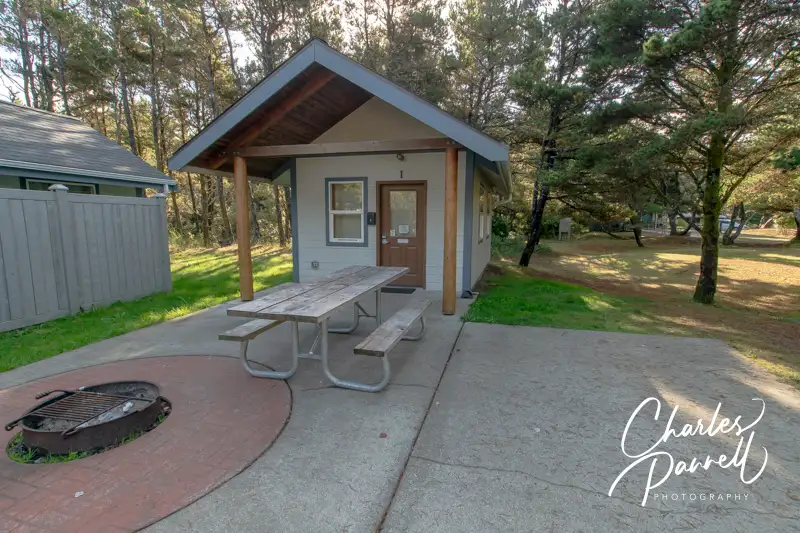
Loop A of the campground, which is located off of Highway 105, offers a few accessible overnight options that don’t involve pitching a tent. At the top of the list are five wheelchair-accessible camping cabins. Each cabin includes a level entrance and good maneuvering space, and is furnished with a queen-sized futon, a bunk bed with a single on top and a double on the the bottom, a table with four chairs and and end table. The cabins also include a heater, and outside they each have an accessible picnic table and a fire grill. They also all have a nice front porch.
Cabin 1 at Twin Harbors State Park
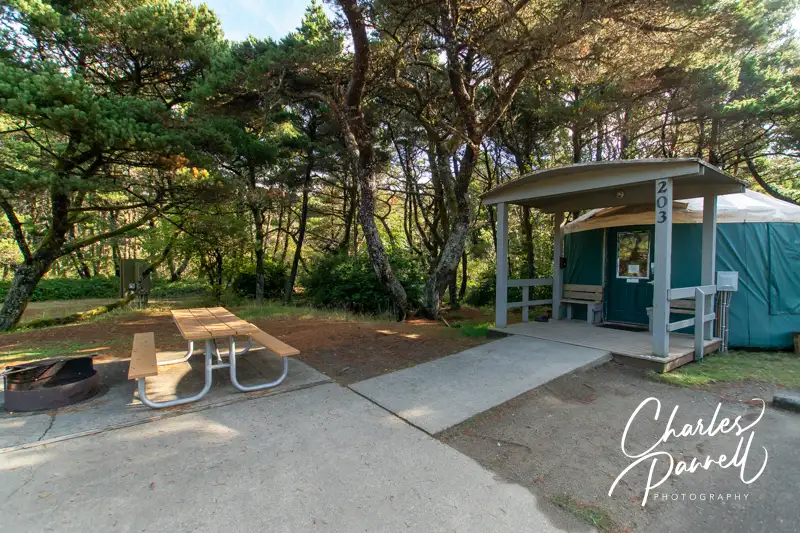
Yurt 203 is also a wheelchair-accessible choice. It has level access and is furnished with a queen-sized futon, and a bunk with a double on top and a twin on the bottom. And like the cabins it also has an accessible table and grill in front. Additionally, there’s a nearby concrete pad with a hookup for a RV that can be reserved for an extra fee.
Yurt 203 at Twin Harbors State Park
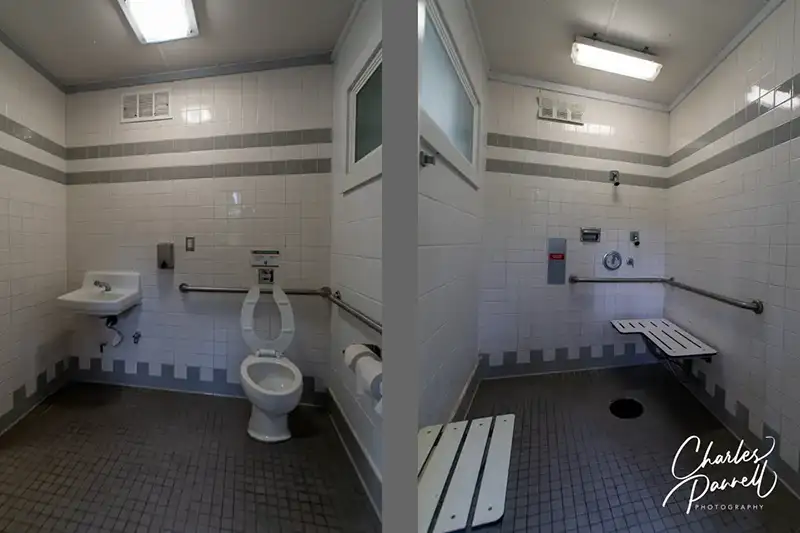
Top it off with an accessible shower house with a toilet with grab bars and a roll-in shower with a fold-down shower bench, a lowered showerhead and grab bars, and you have all the comforts of home.
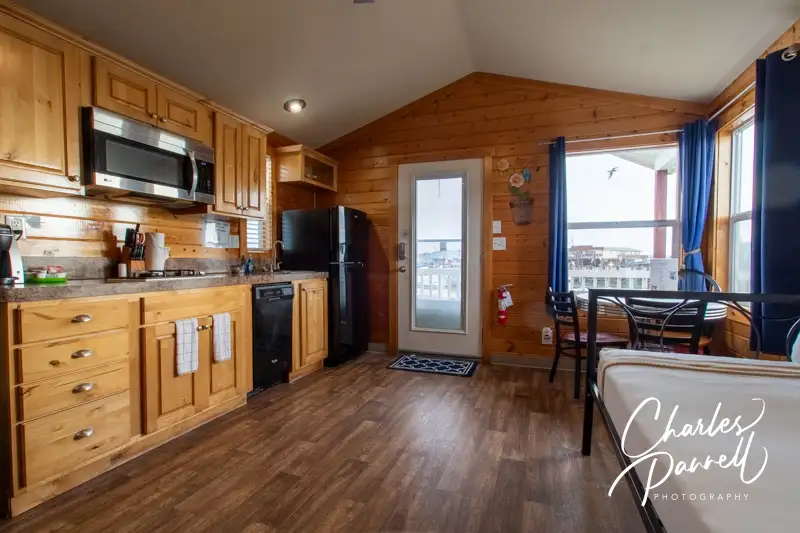
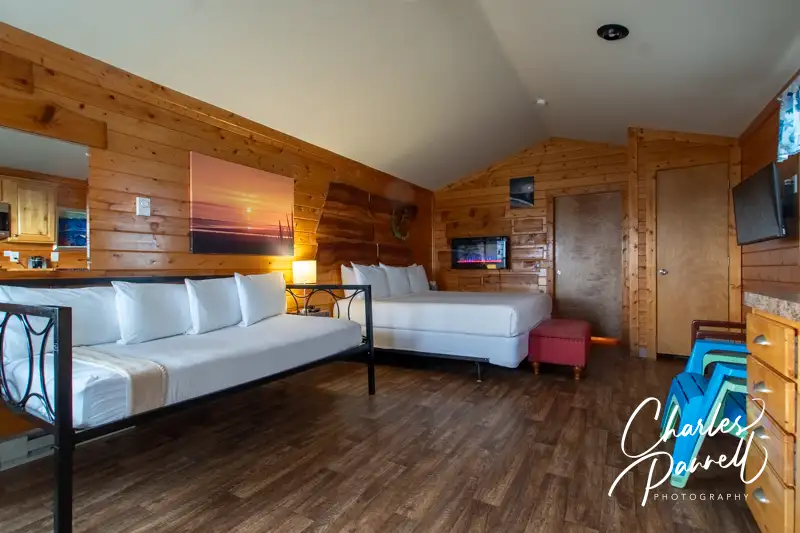
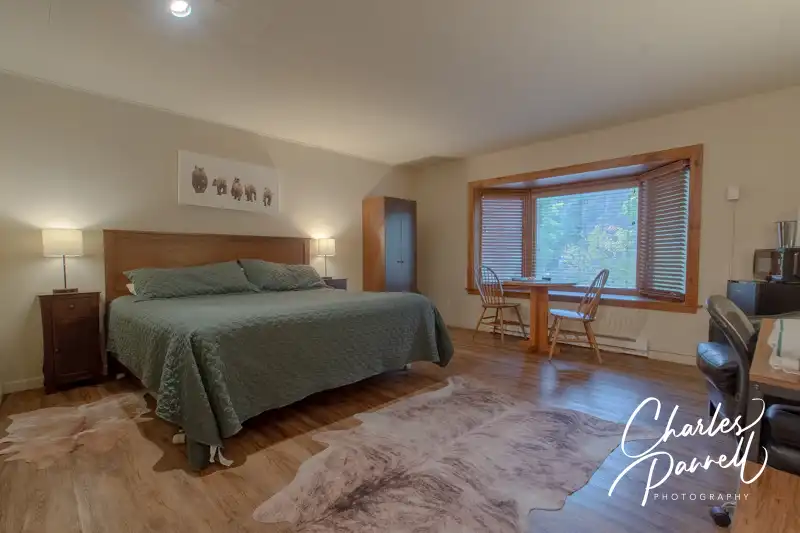
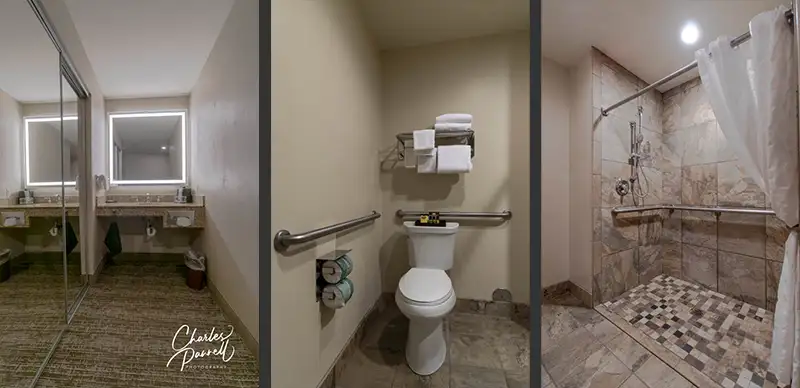
This comfy cottage (#1) features ramp access, wide doorways and good maneuvering space. The main room is furnished with a 25-inch high open-frame bed with wheelchair access on the right side (which can be moved a tad for left side access), a 20-inch high twin daybed, two side tables, and a comfy electric fireplace. There’s a dining table by the front window with a perfect marina view, and a full kitchen including a stove microwave, refrigerator and a dishwasher. Add in all the dishes and utensils you could possibly need, and you’re all set.
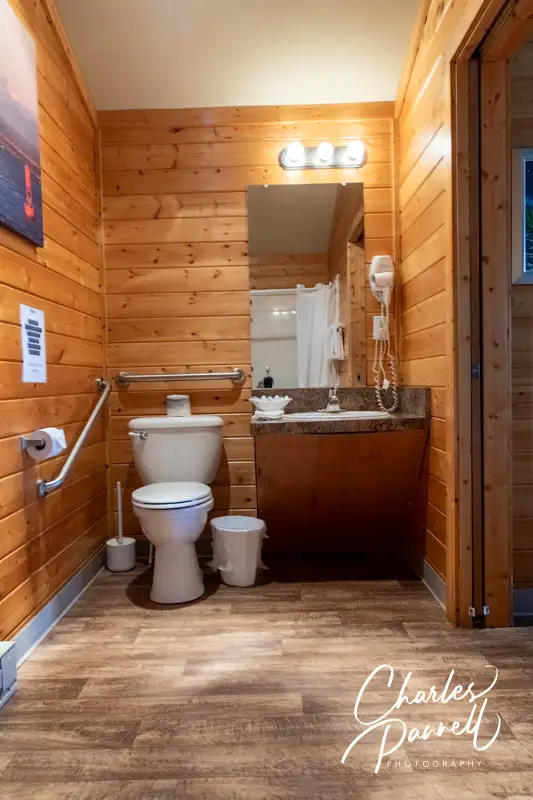
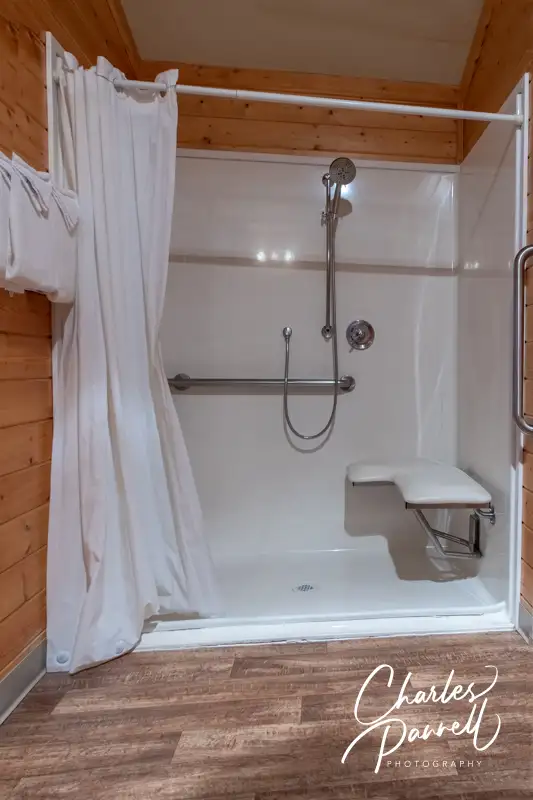
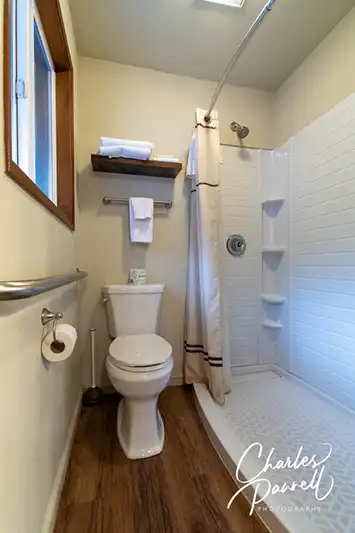
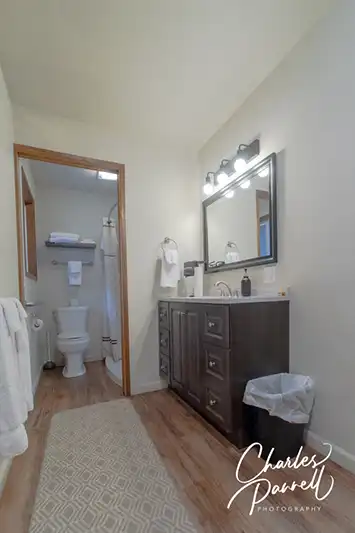
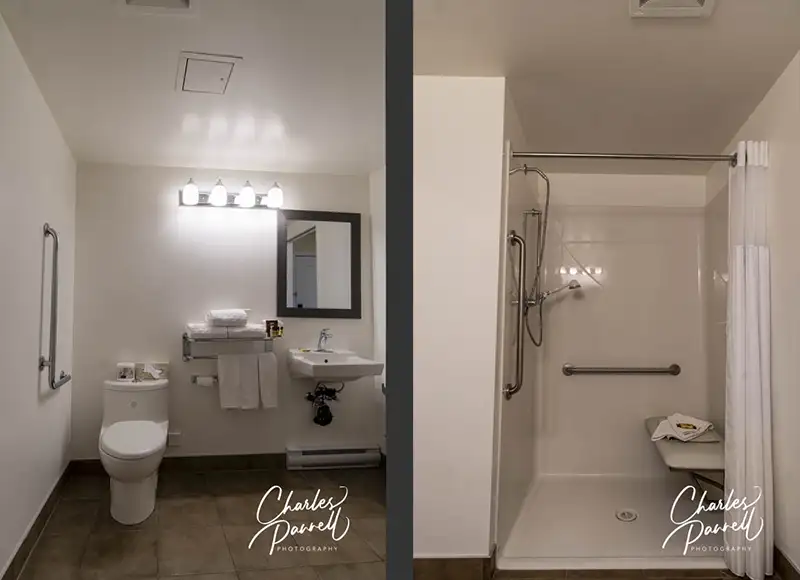
There’s a wide sliding door to the roomy bathroom, which has a full five-foot turning radius. It’s outfitted with a large roll-in shower with grab bars, a hand-held showerhead and a fold-down shower bench. Add in a toilet with grab bars on the the back and right walls (as seated) and also a roll-under sink with a lowered mirror, and you have a nicely accessible bathroom.
There are also two deck chairs that you can take outside to enjoy the marina view. And it’s a fabulous view, with fisherman filing in every morning, and then returning in the late afternoon. Add in a dog or two to assist them, and a few fish jumping out of the water and you have the quintessential waterfront view. It’s the perfect spot to relax at the end of the day, or to enjoy your coffee in the morning. With all the comforts of home, this wheelchair-accessible cottage is an ideal choice for a comfortable and accessible Westport getaway.
Westport Marina Cottages (#1)
Kitchen Area in Cottage 1
Kitchen Area in Cottage 1
Living Space and Bedroom in Cottage 1
Living Space and Bedroom in Cottage 1
Sink and Toilet in Cottage 1
Sink and Toilet in Cottage 1
Shower in Cottage 1
Shower in Cottage 1
Barrier-Free Travel Washington National Parks for Wheelers and Slow Walkers
National Parks are a popular vacation choice. Unfortunately that means some of the more popular ones are now more crowded than ever. So how do you beat the crowds? Well you can always get an early start or visit in the off season, but to be honest that’s not always possible. Alternatively you might want to visit one of these lesser known national parks for a more relaxed experience. Not only do they all offer some scenic natural beauty, but they are also good choices for wheelchair-users and slow walkers.
Isle Royale National Park
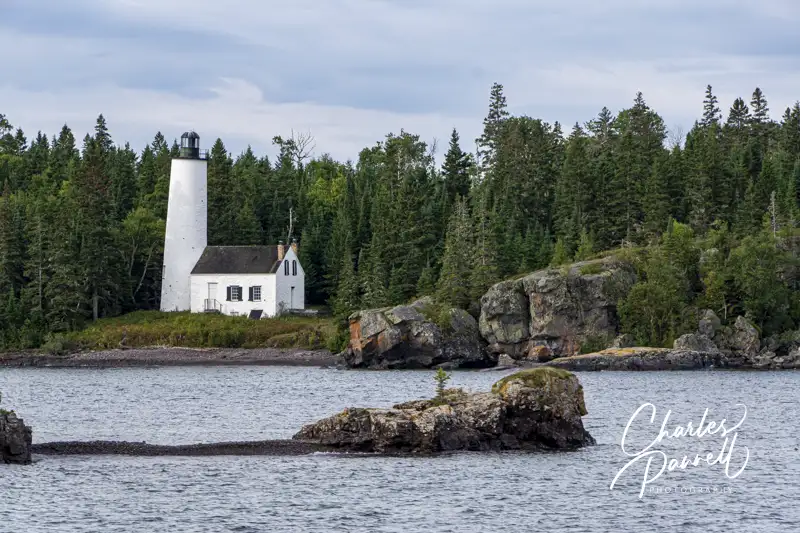
Rock Harbor Lighthouse in Isle Royale National Park
emerginghorizons.com/an-isle-royale-wheelchair-accessible-retreat At the top of the list of lesser known national parks for wheelchair-users is Isle Royale National Park. Located in the middle of Lake Superior, there’s a wheelchair-accessible ferry that takes visitors to this remote national park. And once you get to Isle Royale National Park there’s even a cozy lodge with a wheelchair-accessible room.
North Cascades National Park
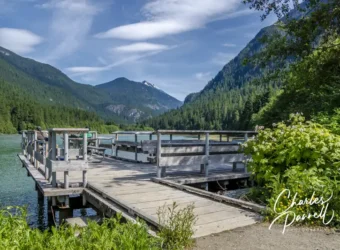
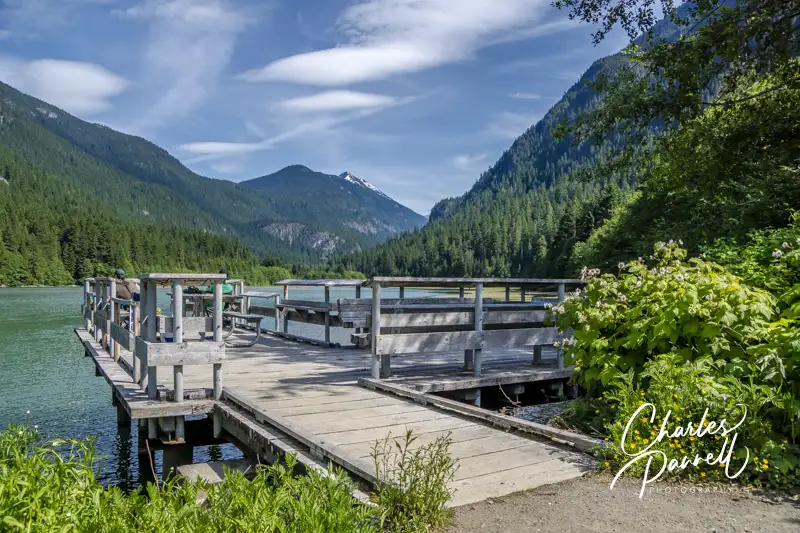
Accessible Pier on Diablo Lake in North Cascades National Park
emerginghorizons.com/the-freestone-inn-a-wheelchair-accessible-north-cascades-retreat Located in far Northern Washington, North Cascades National Park offers some scenic drives, a couple of accessible trails and even a campground with an accessible campsite. And although there’s no lodging in the park, there’s an upscale lodge with a spacious wheelchair-accessible room located near the eastern gateway.
Great Basin National Park
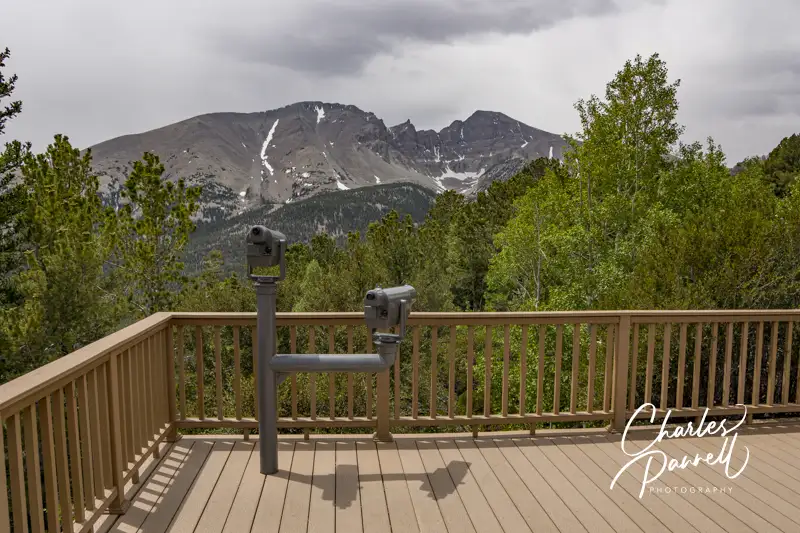
Wheeler Peak Overlook in Big Basin National Park
emerginghorizons.com/escape-the-crowds-in-great-basin-national-park Definitely one of the lesser known national parks, Great Basin National Park is located just off the “loneliest road in America” in Eastern Nevada. Enjoy the scenic drive with accessible overlooks, take a hike on a forest boardwalk or explore Lehman Caves on an accessible tour.
Pinnacles National Park
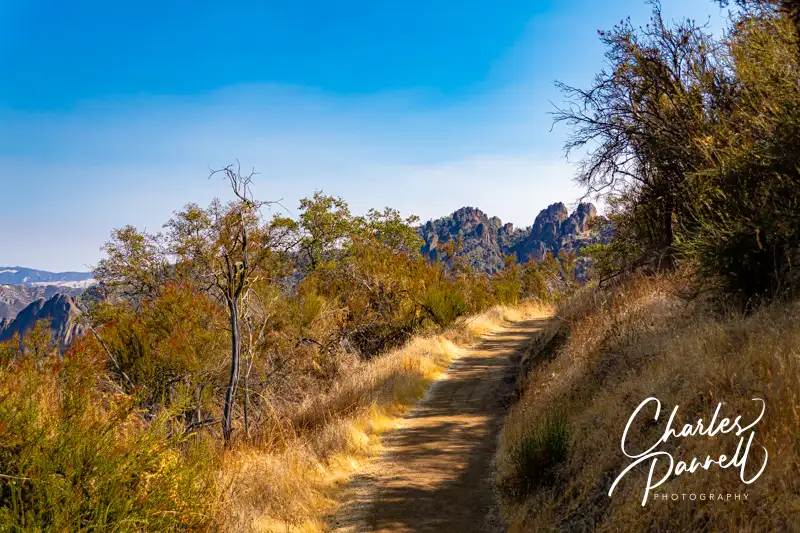
Prewett Point Trail in Pinnacles National Park
emerginghorizons.com/pinnacles-national-park/ Pinnacles National Park is a great place to spot the endangered California Condor. There are also a few accessible trails, scenic drives and some comfortable accessible tent cabins at this California national park.
Guadalupe Mountains National Park
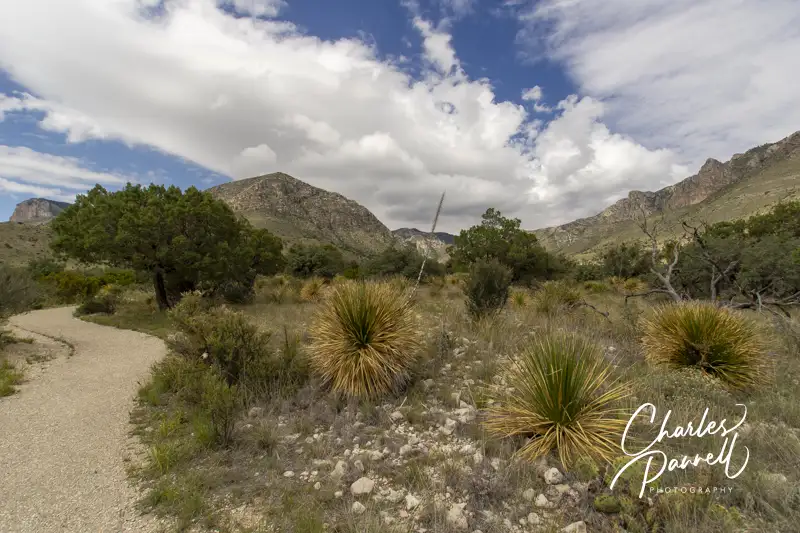
The Pinery Trail in Guadalupe Mountains National Park
emerginghorizons.com/discover-historic-guadalupe-mountains-national-park/ Located halfway between El Paso and Carlsbad Caverns, Guadalupe Mountains National Park is the site of the historic Pinery Stage Stop. There are a few accessible trails in the park, and the Frijole Ranch site is also worth a visit.
Voyageurs National Park
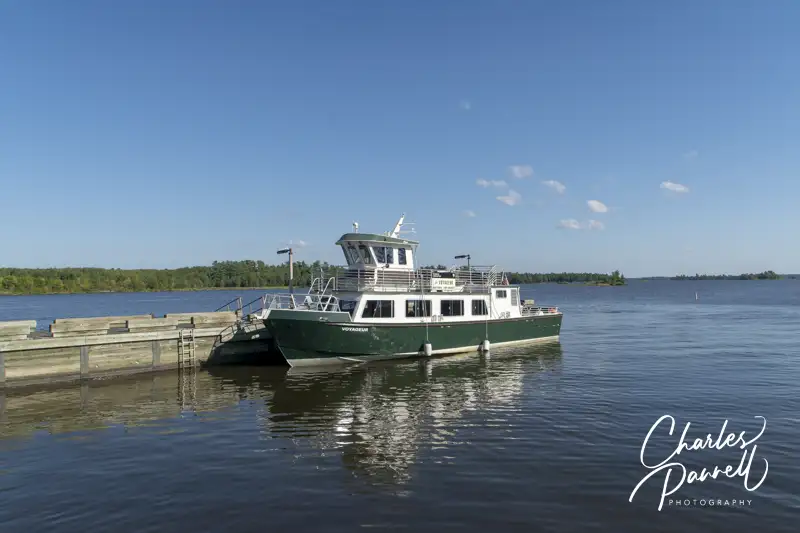
Tour Boat on Rainy Lake in Voyageurs National Park
emerginghorizons.com/wheelchair-accessible-voyageurs-national-park Voyageurs National Park is located in Northern Minnesota, just shy of the Canadian border. It’s filled with accessible trails, but one of the best ways to see the park is to take an accessible boat tour on Rainy Lake.
Black Canyon of the Gunnison National Park
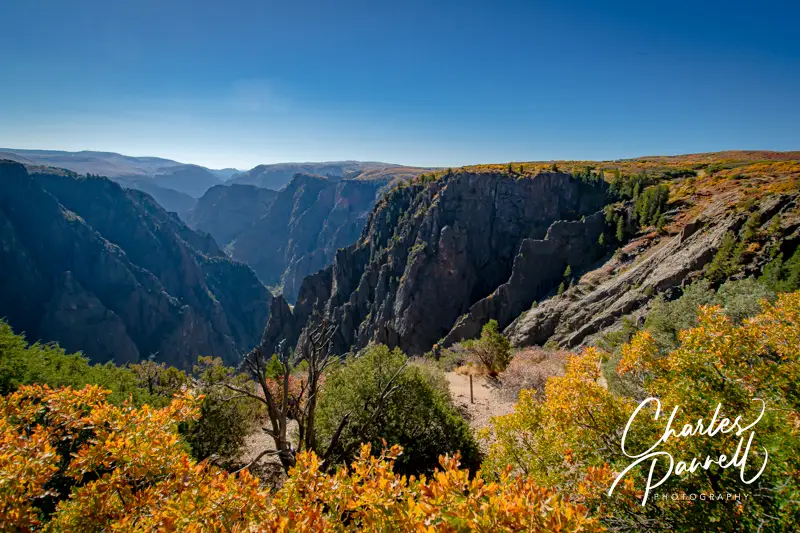
Tomichi Point in Black Canyon of the Gunnison National Park
emerginghorizons.com/wheelchair-accessible-black-canyon-of-the-gunnison/ Known as America’s Other Grand Canyon, Black Canyon of the Gunnison National Park has far fewer visitors than its Arizona counterpart. It offers a scenic drive with some gorgeous views, and a campground with a wheelchair-accessible campsite.
Big Bend National Park
The Rio Grande in Big Bend National Park
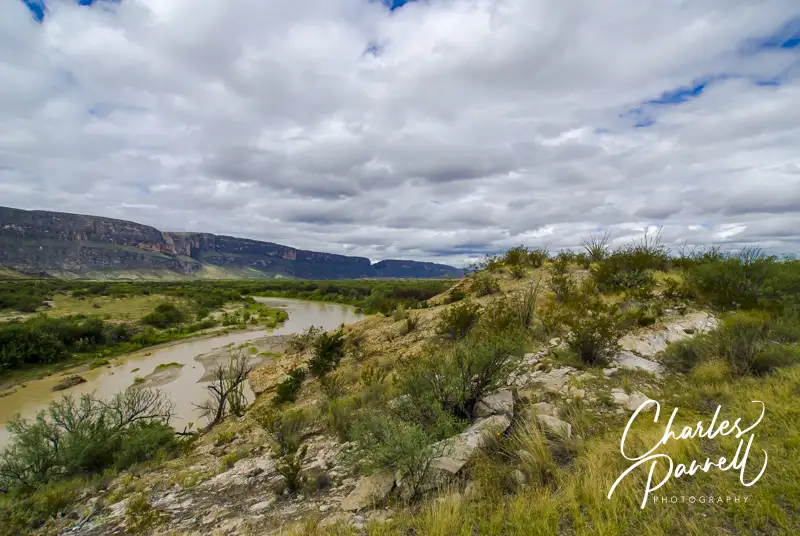
emerginghorizons.com/enjoy-a-spring-road-trip-to-big-bend-national-park/ Billed as being more than 100 miles from the nearest freeway, shopping center or hospital, Big Bend National Park is bordered by the Rio Grande on the south. This expansive park features scenic drives, accessible desert trails, drop dead gorgeous views and an accessible in-park lodge.
Redwood National and State Parks
The Lost Man Creek Trail in Redwood National Park, California
emerginghorizons.com/redwood-national-and-state-parks/ This California national park also includes three state parks. Its easy to spend a week exploring trails lined with giant redwoods.. Additionally, there’s a loaner track chair available at Kuchel Visitor Center for use on Freshwater Beach. They also have accessible campsites and cabins in several of the parks, so it’s easy to sleep under the redwoods.
Lassen National Park
Lilly Lake in Mount Lassen National Park
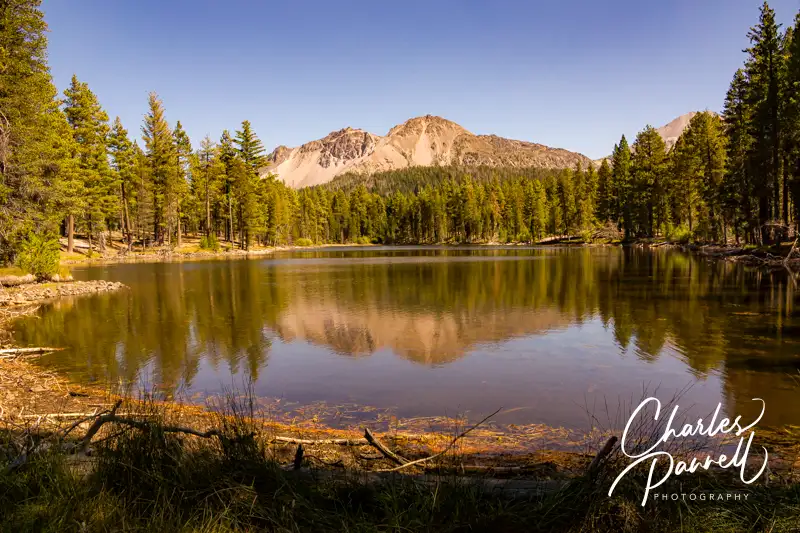
emerginghorizons.com/lassen-volcanic-national-park/ Last but not least on our list of lesser known national parks for wheelchair-users is Lassen Volcanic National Park. Located in Northern California, this remote gem offers a variety of accessible trails and thermal features, as well as some accessible camping cabins. It’s a great place to get away from the city and truly enjoy Mother Nature.
Barrier-Free Travel National Park Lodges for Wheelchair-users and Slow Walkers
Summer is a great time to hit the road. The days are long, the weather is good and the roads are clear. Add in some gorgeous windshield views along the way, and a scenic drive is the perfect summertime activity. With that in mind, here are some favorite scenic summer drives to add to your vacation list.
Pikes Peak Highway
Pikes Peak Highway
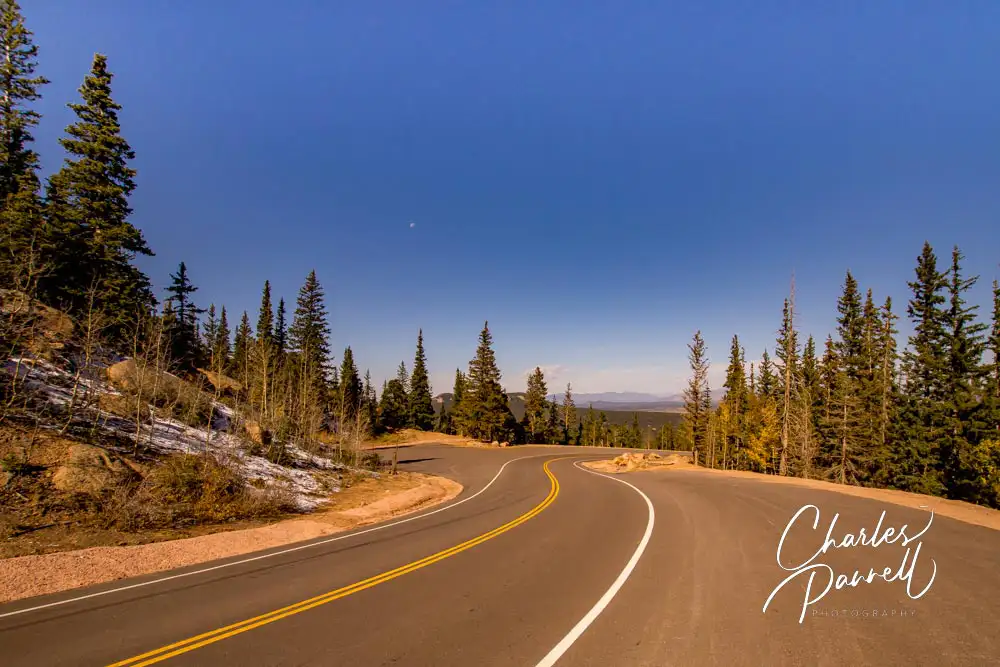
Located just west of Colorado Springs, Pikes Peak Highway (emerginghorizons.com/drive-the-pikes-peak-highway/) tops the list of scenic summer drives. The tollgate is located just off Highway 24 in Cascade; but be forewarned that advance reservations are required to drive this scenic route. The 20-mile drive winds up to the 14,115-foot summit, with some drop-dead gorgeous views along the way. Some good wheelchair-accessible stops include Crystal Reservoir, Halfway Picnic Area and Glen Cove. Up at the top there’s another impressive view, along with a cafeteria, gift shop and some interpretive exhibits. A must-see on any Colorado trip.
North Cascades Scenic Highway
Happy Creek Forest Walk
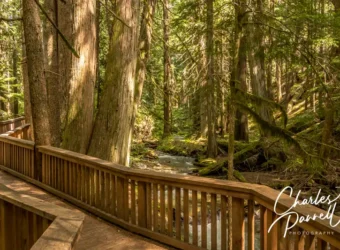
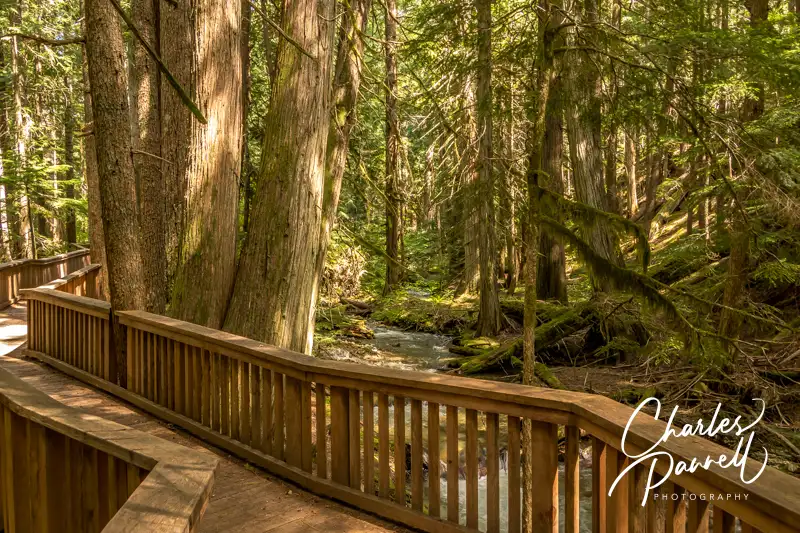
This scenic drive traverses part of North Cascades National Park (emerginghorizons.com/barrier-free-travel-washington-national-parks-for-wheelers-and-slow-walkers/) in Northern Washington. Closed during the winter, the route runs from Winthrop to Rockport, crosses Washington Pass and continues past glacier-fed lakes and old growth forests. There’s no shortage of great windshield views along the way, but suggested wheelchair-accessible stops include the the Happy Creek Forest Walk, Sterling Munro Boardwalk and the Trail of the Cedars. And don’t forget to stop at the Skagit General Store in Newhalem for some delicious homemade Skagit fudge.
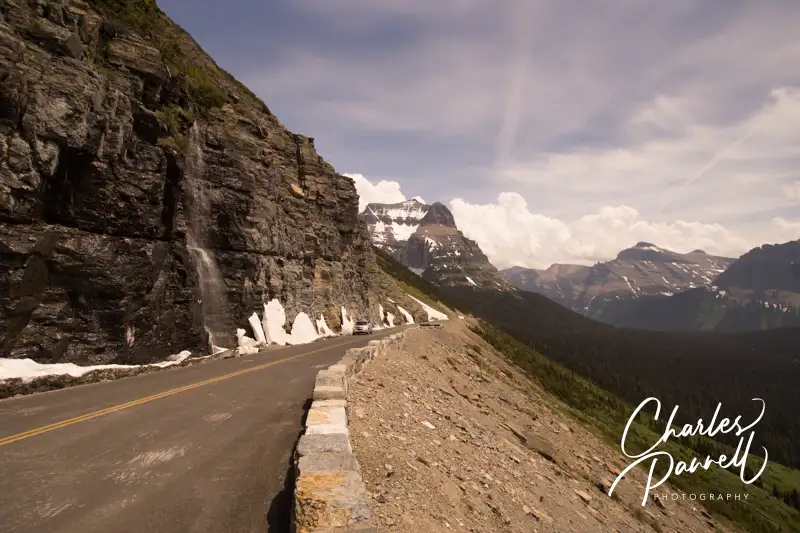
acier-yellowstone-and-grand-teton-national-parks-for-wheelchair-users-and-slow-walkers/), scenic Going-to-the-Sun Road is not for the faint of heart. It climbs up a winding mountain route to scenic Logan Pass, with beautiful views along the way. That said, this two-lane road is filled with hair-pin turns, dramatic drop-offs and expansive views of the glacier carved valley. Wheelchair-accessible stops along the way include the Trail of the Cedars, Lake Mc Donald and Logan Pass. And there’s no shortage of scenic pullouts to stop and enjoy the views.
Chinook Scenic Byway
Whispering Hemlocks Loop Trail in Federation Forest State Park
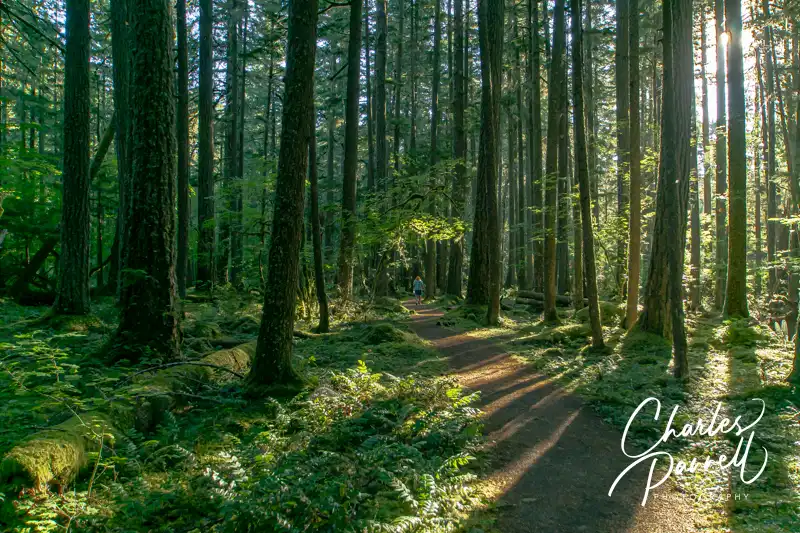
Another mountain route, the Chinook Scenic Byway (emerginghorizons.com/drive-the-chinook-scenic-byway/) traverses the Mt. Baker-Snoqualmie National Forest and crosses Chinook pass. This route also winds in to the eastern portion of Mount Rainier National Park and offers some spectacular ridgetop views. Notable wheelchair-accessible highlights along the way include Federation Forest State Park, Sunrise Point and Tipsoo Lake. And don’t miss a stop at Whistlin’ Jack’s Outpost and the Naches Trading Post on the east side.
The International Selkirk Loop
Chickadee Trail in the Kootenai Wildlife Refuge
A classic drive, the International Selkirk Loop (emerginghorizons.com/the-international-selkirk-loop-for-wheelchair-users-and-slow-walkers/) winds through two states and two countries. It begins in Northeastern Washington, and heads through Northern Idaho, then up to British Columbia, before it returns to Washington. This 280-mile loop is definitely a multi-day trip, with many scenic stops along the way. Highlights of the route include Kootenai Wildlife Refuge, Creston Wildlife Management Area, the Mill Pond Historic Site and Sweet Creek Falls. And don’t forget the Kalispel Tribe’s buffalo herd. Enjoy this scenic jaunt through the Selkirk Range.
Mount Hood Infinity Loop
Bridge of the Gods on the Hood River
As its name implies, the Mount Hood Infinity Loop (emerginghorizons.com/drive-the-scenic-mount-hood-infinity-loop/), snakes around the namesake mountain. This Northern Oregon drive runs along the Columbia River and travels south through the Dalles orchards, before it climbs up Mount Hood and circles back up north. Along the way there’s a Bigfoot exhibit, a few wheelchair-accessible hikes, some beautiful Mount Hood views and several fun museums. And if you’d like to take your time, you can even overnight in a wheelchair-accessible treehouse.
Columbia River Waterfall Corridor
Latourell Falls
Bridal Veil Falls
Multnomath Falls
Horsetail Falls
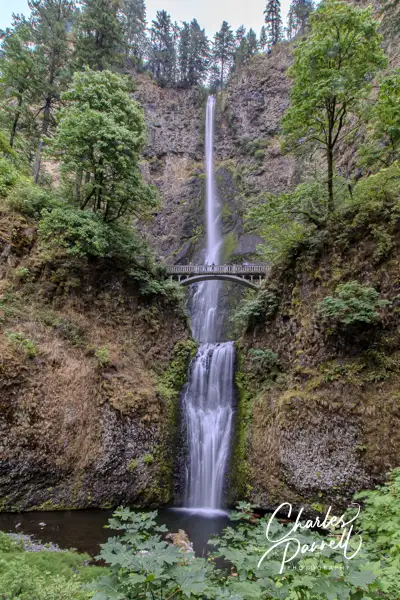
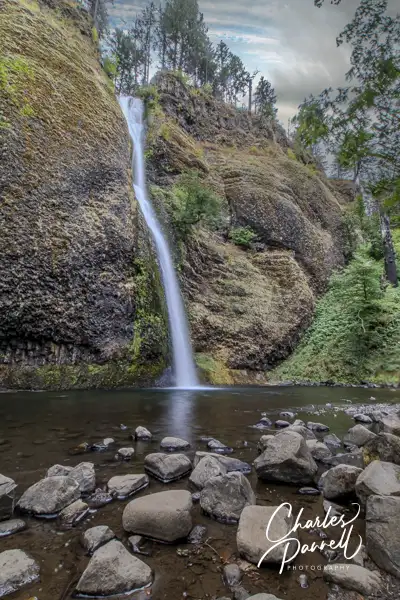
A classic drive, the Columbia River Waterfall Corridor (emerginghorizons.com/explore-the-historic-columbia-river-highway-waterfall-corridor/) winds along a two-lane road in Northern Oregon and passes a number of scenic waterfalls. It can be easily completed in one day and it’s also a favorite for bicyclists. Although the scenery is great along the route, several wheelchair-accessible waterfalls are worth a stop. These include Latourell Falls, Bridal Veil Falls, Wahkeena Falls, Multnomah Falls and Horsetail Falls. Pack a picnic lunch and enjoy your meal alfresco at one of the picnic areas along the way.
Barrier-Free Travel Glacier, Yellowstone and Grand Teton National Parks for Wheelers and Slow Walkers
Located in Northwestern Washington, the Chinook Scenic Byway runs from the mountain community of Enumclaw to the fertile Naches Valley. This picturesque slice of Highway 410 winds through the Mt. Baker-Snoqualmie National Forest, snags the northeast corner of Mount Rainier National Park, and crosses over Chinook Pass, before it winds down to Naches. Dense forests line this mountain route; and if the cloud cover lifts, you’ll also get a magnificent Mount Rainier view. You can drive the route straight through in just two hours, but it’s best to budget a whole day, so you can fully enjoy the scenic wheelchair-accessible stops along the way. The Chinook Scenic Byway is much more than just a mountain highway — it’s a destination by itself.
Mount Rainier Gateway
Located about an hour southeast of Seattle, the mountain community of Enumclaw marks the beginning of the Chinook Scenic Byway. Known as the gateway to Mount Rainier National Park, Enumclaw is a good place to base yourself to explore the Sunrise section of the park, or to overnight before a Chinook Scenic Byway jaunt.
The GuestHouse Enumclaw (www.stayinns.com), which is located in the Enumclaw historic district, is a good choice for wheelchair-users and slow walkers. There’s an accessible drop-off area in front, with barrier-free access over to the front desk. Accessible room 1001 is located on the ground floor, just a short roll from the lobby.
Access features include, wide doorways, lever handles, laminate flooring for easy rolling and good pathway access. It’s furnished with two 27-inch high open-frame queen-sized beds with an access aisle in the middle. Other furnishings include a nightstand, an easy chair, a desk with a chair and a chest of drawers. The room also has a refrigerator and a microwave.
The bathroom has a tub/shower combination with grab bars and a hand-held showerhead. There’s also a portable shower bench in the bathroom. The toilet grab bars are located on the back and right walls (as seated), and there’s a roll-under sink just outside the bathroom.
A Continental breakfast is included with each stay, and it includes waffles, bread, cereal, fruit and beverages. Additionally, guests receive a 10% discount at Ranchitos Mexican Restaurant, which is located near the lobby. It’s a comfortable road trip property.
Room 1001 at the GuestHouse Enumclaw
Room 1001 at the GuestHouse Enumclaw (view 2)
Vanity in Room 1001 at the GuestHouse Enumclaw
Toilet in Room 1001 at the GuestHouse Enumclaw
Shower in Room 1001 at the GuestHouse Enumclaw
Hit the Road
Whispering Hemlocks Loop Trail in Federation Forest State Park
From Enumclaw, head east on the Chinook Scenic Byway (Highway 410). Although it’s a beautiful route, with more than a fair share of windshield views, there are a few places worth a stop along this first stretch of the road. At the top of that list is Federation Forest State Park (parks.wa.gov/find-parks/state-parks/federation-forest-state-park), which is located about 15 miles east of downtown Enumclaw.
There’s accessible parking in the large lot, with level access over to the visitor center and the trailhead. The Whispering Hemlocks Loop Trail, which is the most accessible trail in the park, begins just to the left of the visitor center. This wide level hard-packed dirt trail is covered in crushed gravel, and winds through a shady slice of the forest. There are interpretive plaques along the way and a few benches tucked in secluded nooks here and there. This .3-mile loop trail offers a pleasant stroll through the forest, and it’s an excellent choice for wheelchair-users and slow walkers.
And if you’d like to stop for lunch, there’s also a nice picnic area in the park. The main park road loops through the picnic area, and about midway along there’s an accessible family restroom with accessible parking nearby. From there it’s just a short level walk to a shaded accessible picnic table.
As you continue east on the byway, be on the lookout for Skookum Falls Viewpoint on the right. It’s easy to miss as the signs aren’t always visible from the road, but it’s located about eight miles east of Greenwater. There’s a small paved parking lot at the viewpoint, with room for an adapted van to parallel park. To be honest, this is more of a river view; however you can usually spot the falls in the distance. Take your binoculars!
Mount Rainier Visit
View from the Visitor Center at Paradise
The byway continues south through the forest; and just after it passes the turnoff to Crystal Mountain Resort, it enters Mount Rainier National Park. At this point, keep your eyes peeled to the west for some impressive views of Mount Rainier. There’s a small turnout between mileage markers 63 and 64 that’s worth a stop. There’s no paved parking, but it’s easy to parallel park and get a great view of the mountain from your vehicle. But to be honest, you’ll catch some great views all along this leg of the trip.
Although it’s a slight detour off the byway, a stop at Mount Rainier National Park is highly recommend. Just take the The White River Entrance south of Crystal Creek, and follow the 11.5-mile road to Sunrise — the highest point in the park navigable by vehicle.
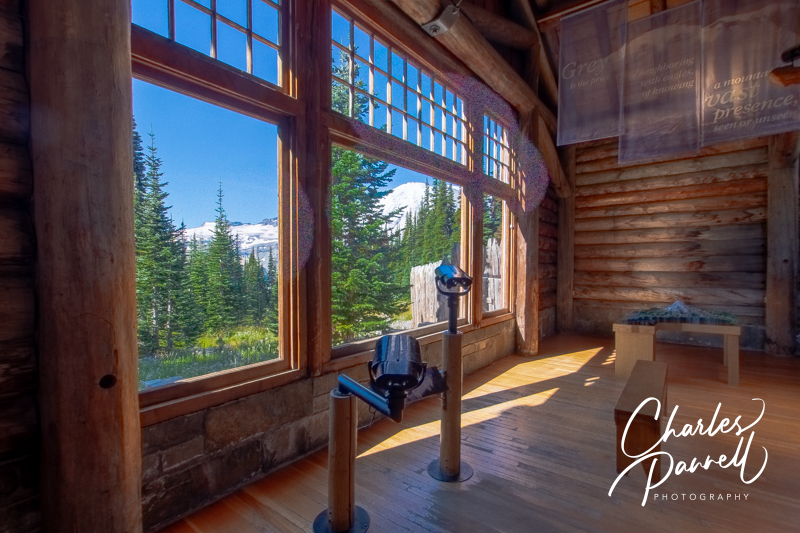
At the top of the road, you’ll find the visitor center on the far side of the parking lot. The accessible entrance is on the side, and there’s barrier-free access throughout the building which is filled with exhibits on the surrounding area. The highlight of the visitor center is the Mount Rainier view, which can be had from the far window. And if you’d like a closer look, there’s an accessible scope set up near the window. There’s an equally good view outside, near the picnic tables to the left of the building.
On the way back down the hill be sure and stop at Sunrise Point, which is located on the last switchback before the top. There’s a paved lot in the middle of the switchback, or you can pull over on the side of the road. Either way, you’ll get a beautiful view.
More Mount Rainier Views
Wildflowers at Tipsoo Lake
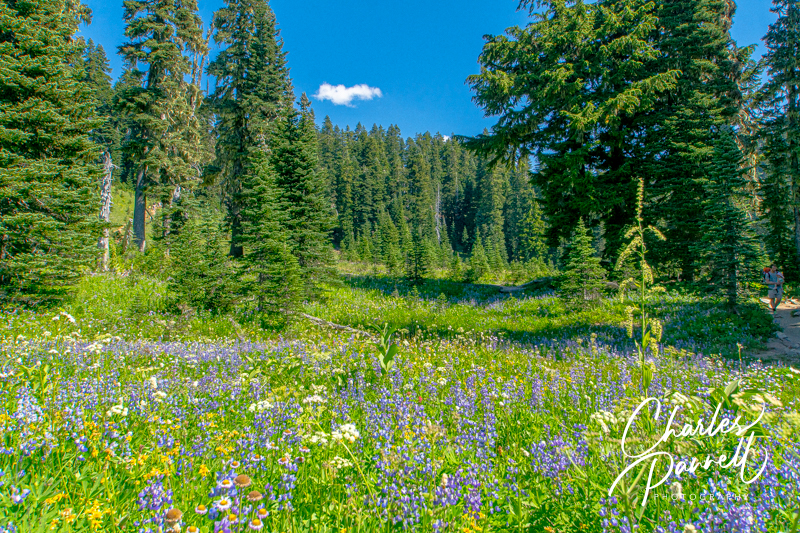
After you’ve explored the Sunrise area, head back down the mountain and rejoin Highway 410. Continue south through the park and be on the lookout for more gorgeous Mount Rainier views on the west side of the road. When you come to the junction oh Highway 410 and Highway 123, continue east on Highway 410 towards Chinook Pass. There’s no shortage of windshield views along this stretch of the byway, but make sure and stop at Tipsoo Lake for a closer look at the landscape.
Located near the summit, this stop boasts a large picnic area and trailhead. There’s accessible parking near the accessible vault toilet, and near a few usable tables in the picnic area. There’s no view of the namesake lake from the parking area; however there are some great mountain views. Even if you don’t park the car, it’s worth a quick drive-through.
As you approach Chinook Pass (5,432 feet), you’ll pass under a pedestrian bridge that crosses the byway; and just up ahead there’ a pullout on the right. There are spots to parallel park in the lot, and there’s a lowered wall nearby to afford wheelchair-users a better view. And if you need to use the facilities, there’s an accessible vault toilet in the parking lot across the street.
A Scenic Drive
Mather Memorial Parkway
After Chinook Pass, the byway winds down the mountain, past the turnoff to Bumping Lake and through the evergreen forest. As it descends to a lower altitude, you’ll spot deciduous trees and the Naches River flowing alongside the road. It’s an especially scenic drive in the fall, with the changing colors.
There’s no shortage of pullouts along the route, so feel free to pull over and take in the scenery. It’s also a great route for photographers. Additionally, there’s a nice rest stop about 24 miles from Chinook Pass on the east side of the road. Technically it’s the trailhead for the Mather Memorial Parkway Nature Trail; however there are also accessible vault toilets near the accessible parking area at this site. It’s a nice spot to take a break, but keep in mind that it may be closed near the end of the season.
A Historic Lodge
Just down the road in Cliffdell, Whistlin’ Jack’s Outpost and Lodge (www.whistlinjacks.com), is also worth a stop. A Washington state icon since 1957, the lodge was named for the the whistling warning sounds made by marmots, which later became associated with the local lumberjacks. There’s accessible parking in front of the office with level access over to the gift shop and restaurant. It makes a nice lunch stop, or even a spot for a short break. There’s a pleasant river view from the restaurant, and a few picnic tables outside on a level grassy area.
And although the lodge doesn’t have any wheelchair-accessible rooms, Room 1 may work for some slow walkers. There’s standard parking in front of the room; however there’s some additional space on one side. The room has a one-inch lip at the threshold but it has a wide door, lever handles and laminate flooring. It’s furnished with a 26-inch high open-frame king-sized bed with plenty of room on both sides, two night stands, a wardrobe, an easy chair and a desk with a chair. There’s also a microwave, a refrigerator, a coffee maker and a table with two chairs.
The bathroom has a sliding pocket door with a 29-inch clearance, but there’s not enough room for a wheelchair inside the bathroom. It includes a large low-step shower (three inch lip) that measures 58 inches by 28 inches. There are no grab bars in the shower, but the toilet has a grab bar on the right side (as seated). And there’s a standard sink and mirror just outside of the bathroom. Again, the room is not wheelchair-accessible, but it may work for some slow walkers.
Room 1 at Whistlin’ Jack’s
Toilet and Shower in Room 1 at Whistlin’ Jack’s
Vanity in Room 1 at Whistlin’ Jack’s
Naches and Beyond
Autumn View at the Oak Creek Big Horn Sheep Feeding Station
Although the Chinook Scenic Byway technically ends when Highway 410 transitions into Highway 12, there are still a few worthwhile stops past the official end point. The Oak Creek Big Horn Feeding Station is located on Old Naches Road, about a half-mile from the intersection of Highway 410 and Highway 12. Although they only put food out for the bighorn sheep in the winter months, you can sometimes catch a gander of them in the nearby hills. Plus the scenery is beautiful, so it’s worth the short detour even if you don’t spot any wildlife.
Natches Trading Post
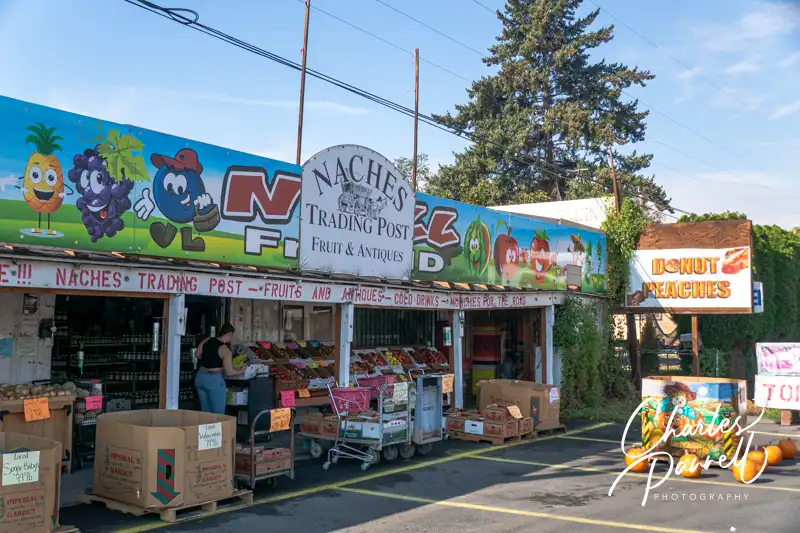
Just down the Road in Naches, the Naches Trading Post (www.facebook.com/nachestradingpost/) makes a good stop for some fresh produce, a collection of antiques and some yummy huckleberry fudge. There’s accessible parking in front, and level access to this huge fruit stand. Even if you don’t buy anything, it’s a fun place to stop and look at the antiques and collectables.
Be sure to take some time to enjoy the scenery on this stretch of the road, as orchards line both sides of the highway on this final part of the drive. And after you complete the route, you can continue on to the end of Highway 12 in Yakima, linger on and enjoy Washington wine country or continue along your way. Either way, the Chinook Scenic Byway is a must-drive route on any Northwestern Washington road trip.
Barrier-Free Travel Washington National Parks for Wheelers and Slow Walkers
Billed as America’s only multi-national scenic drive, the International Selkirk Loop (selkirkloop.org) traverses Northeastern Idaho and Washington, and dips into a swath of Southern British Columbia. This 280-mile loop is known for its spectacular scenery, big skies, crystal clear waterways and of course the namesake Selkirk Range.
Although it can be easily done as a stand alone trip, because of its proximity to Interstate 90, it can also be incorporated into a longer road trip. The scenery along the route is beautiful year-round; however summer is prime time for this drive, as many business and attractions are closed in the other seasons. Wheelchair-users and slow walkers are in luck too, as there are numerous accessible stops along the way. With that in mind, here’s a three-day wheelchair-accessible itinerary for this Pacific Northwest scenic drive.
Day 1 — Post Falls, ID to Bonners Ferry, ID
To get to the International Selkirk Loop from Interstate 90, take exit 5 in Post Falls, Idaho. From there, follow Highway 41 north through Rathdrum, Spirit Lake, and Blanchard to Highway 2 in Oldtown. To go directly to the Selkirk Loop, make a right on Highway 2; however if you’d like a fun little detour just a mile off the route, continue straight and follow the signs to Pioneer Park
An Accessible Forest Hike
The Kalispel Heritage Trail in Pioneer Park
One of the great things about Pioneer Park is that since it’s a US Forest Service area, there’s no charge to enter if you have an America the Beautiful Access Pass. The other great thing about the park is the accessible Kalispel Heritage Trail. It’s easy to find — just take the first left after you enter the park, and look for the trailhead on the left, across from the campground.
The hard-packed dirt loop is about .3 miles long, and although there are elevation changes here and there, it’s still within the access guidelines. The shaded trail winds through the forest, with interpretive plaques about the the language and culture of the native Kalispel people along the way. Important native vegetation is also identified. An accessible boardwalk that offers some great views of the Pend Oreille River is located halfway along the trail. And if you’d like to stop and enjoy the peaceful view, there are benches near the overlook.
A Great Dam Lunch on the International Selkirk Loop
Albeni Falls Dam
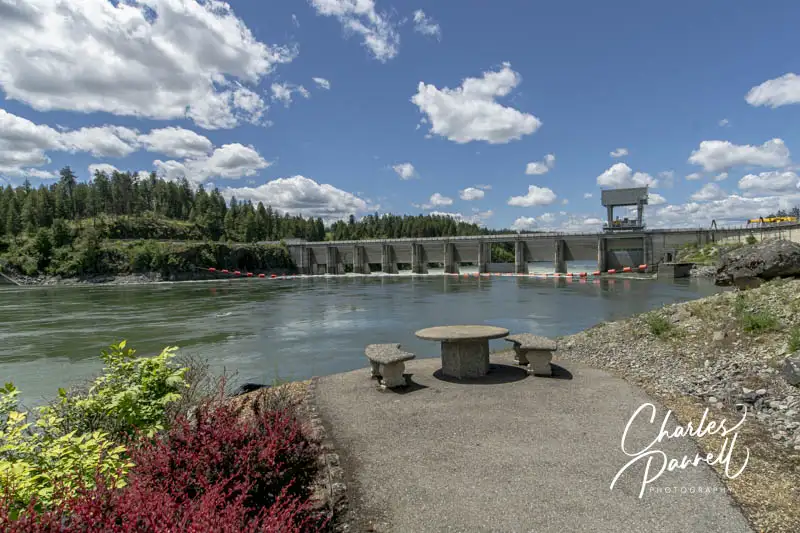
After your hike, head back out to Highway 2, then make a left to begin your journey on the International Selkirk Loop. About 15 minutes up the road, you’ll find Albeni Falls Dam (facebook.com/AlbeniFallsDam) on your right. Not only does it make a nice scenic stop, but it’s also a great place to enjoy a picnic lunch.
There’s level access to a shaded picnic area from the upper parking lot; however most folks completely miss the lower picnic choice down by the dam. The trail to the right of the upper picnic area is too steep for wheelchair-users and slow walkers to descend; however you don’t have to walk down as there is an accessible road to the left of the visitor center. Just follow the sign to the powerhouse.
At the bottom of the road there’s level access to a picnic area that offers an expansive view of the Pend Oreille River, Albeni Falls Dam, and of course the powerhouse. It’s a pleasant place to stop, even if you don’t plan to picnic. And if you need to use the facilities, accessible restrooms are located inside the visitor center near the upper parking area.
A Little History and Horticulture
Exhibits in the Bonner County History Museum
Continue along Highway 2, through the pine and fir forest for about 40 minutes to get to your next stop — the Bonner County History Museum (bonnercountyhistory.org) and the North Idaho Native Plant Arboretum. Located in Lakeview Park in Sandpoint, both of these sites can be accessed from the parking lot on South Ella Avenue.
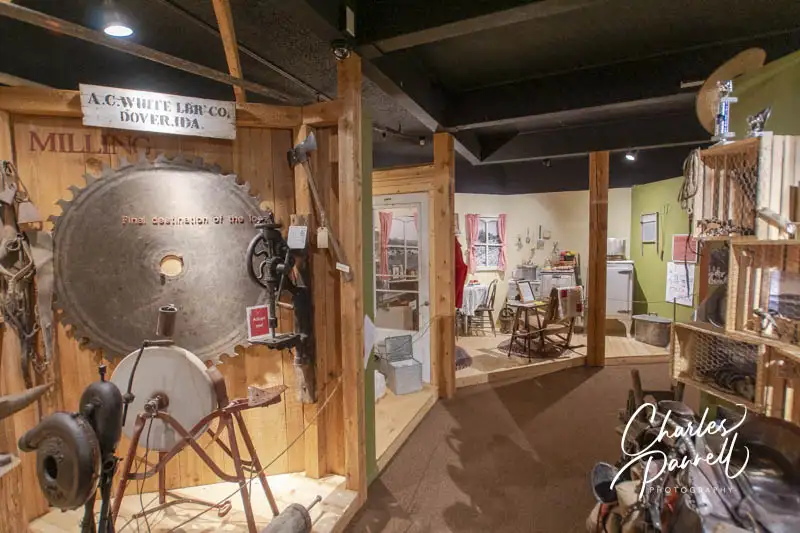
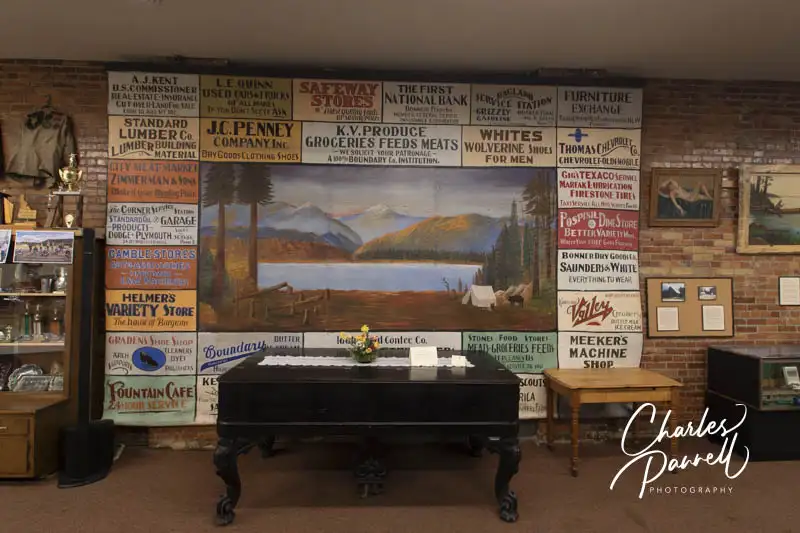
There’s a paved pathway from the accessible parking spot to the accessible entrance of the Bonner County History Museum. Inside there’s plenty of room to roll around the first-floor galleries; however the small second floor exhibit can only be accessed by stairs. There’s also a wheelchair-accessible family restroom downstairs.
The first floor contains a mix of permanent and rotating exhibits; but perhaps the most interesting installation is “Digging into the Past”. When a nearby highway was widened in 2006, archeologists set to work to unearth treasures from the past. Their finds are showcased in this exhibit, which is arranged by the different geographical areas in town. Highlights include a Dr. Scholl’s Foot-Ezer, a collection of opium pipes discovered near the former Chinese laundry, and some interesting objects unearthed in the brothel district.
Add in some permanent installations about the work of the forest service, a little watercraft and railroad history, and a a primer on logging in North Idaho, for a comprehensive look at the history of the area.
Outside there are level pathways through the mostly shaded arboretum,. There are a few dips and ruts in the dirt pathways, but for the most part they are easy to dodge. The historic cabin is not accessible, but it’s usually locked. The five-acre arboretum features North Idaho native and medicinal plants, and also includes herbs, fruit trees and edibles. And there are lots of benches if you’d just like to sit and relax.
Walk on the Wild Side
Chickadee Trail in the Kootenai Wildlife Refuge
The next stop on the International Selkirk Loop — the Kootenai Wildlife Refuge (www.fws.gov/refuge/kootenai) — is just a 45-minute drive up the road. Continue east on Highway 2 for about 35 minutes, until you get to Bonners Ferry; then make a left on Pine Island Road (just past the ranger station). To be honest this turn is easy to miss, so it’s best to turn into the ranger station for easier access to the road. From there, make a right on Mirror Lake Road and and left on Riverside Drive. The refuge headquarters is about four miles up the road on the right.
There’s accessible parking near the refuge office and accessible restrooms next door. A sheltered accessible spotting scope is also located on the far side of the parking lot. The accessible Chickadee Trail begins just to the left of the refuge office. This 1,000-foot paved cement loop winds through the pines and around the pond, with interpretive plaques along the way.
The Myrtle Falls Trail is located across the street. This wide paved trail winds through the forest and out to a bridge that offers a great view of roaring Myrtle Creek below. The trail loses its access on the other side of the bridge, but it’s a nice .25-mile round-trip jaunt out to the roaring rapids.
Finally, make sure and drive the 4.5-mile auto loop before your leave the refuge. There are a number of interpretive plaques at pullouts along the way, and some great windshield views. Be on the lookout for Northern harriers, red-tailed hawks and American kestrels hunting over the wide open fields. And keep your eye out for the resident bald eagle pair that nests there in the spring.
A Blast From the Past
Exhibit in the Boundary County Museum
Finally, for a taste of local history on the International Selkirk Loop, make a stop at the Boundary County Museum (boundarycountymuseum.org) before you call it a day. Just backtrack on Riverside Drive along the levee for about 30 minutes until you get to town. Make a right on Main Street, and take the next left on Bonner Street. Although the museum is located on Main Street, the best accessible parking is behind the museum, next to the visitor center.
There’s barrier-free access throughout the museum, and accessible restrooms inside. This local mainstay includes a little bit of everything, from a large exhibit about the Kootenai Tribe and a collection of hand made clocks by Ned Dyer, to a still discovered nearby, lots of vintage furniture, appliances and dishes, and even some seats from the old Bonner County High School Auditorium. And don’t miss the recreation of the Historic White Caribou Saloon, which includes a variety of taxidermy, including the namesake white caribou.
Be aware that the museum has limited hours — usually Thursday through Saturday — so make sure and time your visit accordingly. Even if it’s not open, there is level access from the accessible parking in back to some outside exhibits that focus on early railroads and farming methods. There’s also level access to a covered picnic table on a cement pad. It’s just a fun — and educational — stop.
And if you’d like more maps and information on North Idaho and British Columbia, then pop in to the visitor center just across the parking lot from the museum. There’s level access to the lobby and accessible restrooms around the corner. To complete your first day 125-mile drive, hop back on Highway 2 and continue around the curve, to the Kootenai River Inn on your left.
Spend the Night
The Kootenai River Inn (kootenairiverinn.com) is a great place to overnight. Not only does it offer good access, but it also includes a few restaurants and a casino. Accessible parking is located near the lobby door, with barrier-free access over to the front desk. And although there’s a barrier-free pathway to accessible room 125 from the lobby, there’s also additional accessible parking closer to the room.
Room 125 at the Kootenai River Inn
Access features in room 125 include wide doorways, lever handles, low-pile carpet for easy rolling, a lowered closet rod and good pathway access. It’s furnished with a 28-inch high king-sized bed with wheelchair access on both sides, a chest of drawers and an easy chair with an ottoman. The spacious room also includes a table with two chairs, a microwave and a refrigerator.
There’s level access out to a private balcony that’s furnished with a table and two chairs. And although there’s room enough for a wheelchair out there, you’ll probably have to move the patio furniture around a bit. Best of all, the balcony boasts a peaceful river view.
The oversized bathroom includes a full five-foot turning radius and is equipped with a large roll-in shower with grab bars and a hand-held showerhead. A shower chair is also available upon request. The toilet grab bars are located on the back and right walls (as seated), and a roll-under sink is located right outside the bathroom.
Vanity area and Bathroom in Room 125
There’s good access to all the public areas of the property, including the Springs Restaurant, the Riverside Deli and the casino. Breakfast is also included with your stay. The staff is attentive, and the Kootenai River Inn is a comfortable and accessible place to spend the night.
Day 2 — Bonners Ferry, ID to Balfour, BC
After a good nights rest, continue along Highway 2 on the International Selkirk Loop. The route only covers 90 miles today; however it also involves a border crossing so it doesn’t hurt to get an early start.
Crossing the Border
From Bonners Ferry continue on Highway 2, cross the Kootenay River, then head east on Highway 95. About 75 miles up the road, take Highway 1 to the Porthill-Rykerts border crossing. It’s just under a two-hour drive.
Although Canadian entry requirements may vary due to COVID outbreaks, currently there are no restrictions, extra paperwork or health screenings required to enter Canada by car. All vehicle occupants are required to have a passport, and you will also be asked questions about alcohol, firearms, and other items you may be carrying.
Border crossing times can vary, depending on traffic and staffing. A list of wait times and delays at Canadian ports of entry can be found at cbsa-asfc.gc.ca/bwt-taf/menu-eng.html. And it’s also a good idea to keep updated on the latest border crossing requirements. More information can be found at cbsa-asfc.gc.ca/travel-voyage/menu-eng.html. The good news is that the once you arrive at the Porthill-Rykerts border crossing it’s a fairly expeditious process, as there’s not a lot of traffic there.
Creston Wildlife Management Area
Boardwalk at the Creston Discovery Center
After you enter Canada, US Highway 1 transitions into Canadian Highway 21. From the border it’s a short 20 minute hop up to the Corn Creek section of the Creston Wildlife Management Area (crestonwildlife.ca). It’s located off of Highway 3, just northeast of Creston.
There’s no striped parking in the paved lot next to the Discovery Center at Corn Creek, but there’s usually plenty of room to parallel park an adapted vehicle. The Discovery Center — which has exhibits and information — is ramped, and there’s an accessible porta-potty in the parking lot. The boardwalk trail is right behind the Discovery Center.
Theoretically the whole boardwalk loop is accessible, as it’s relatively flat; however a large patch of tall grass at the midway point makes it impassable for most wheelchair-users and slow walkers. That said, you can do this trail as two out-and-back sections.
To do the first section, make a left turn after you cross the bridge behind the Discovery Center. The short hard-packed dirt trail is level but narrow, and it soon transitions to a boardwalk over the marsh. The accessible part of this half-mile round trip jaunt ends at the end of the boardwalk, when you hit the tall grass, near the viewing tower. It’s a half-mile round-trip hike.
To access the second section of the boardwalk loop, turn right after you cross the bridge behind the Discovery Center. A .3-mile dirt and boardwalk trail leads to the viewing tower near the tall grass. From there you can continue on the .4-mile hard-packed dirt Songbird Stroll out to West Creston Road. If you do the whole length it’s a nice 1.4-mile out-and-back hike. And when you’re done, stop for lunch at the shaded picnic table near the Discovery Center.
Hop on a Ferry
To continue on the International Selkirk Loop, head east on Highway 3, then go north on Highway 3A. It’s about a 1.5-hour drive to Kootenay Bay, where you can catch the longest free ferry in the world. The drive along the way is nothing to sneeze at though, as the road winds through a lush forest and offers a peek at Kootenay Lake every now and again.
The Kootenay Lake Ferry www2.gov.bc.ca/gov/content/transportation/passenger-travel/water-travel/inland-ferries/kootenay-lake-ferry) runs from Kootenay Bay to Balfour year-round; however it operates on a reduced schedule in the winter. In the summer the ferry operates on a hourly schedule from 7:10 AM to 10:20 PM; however since this is the peak season there may be a wait for the next ferry, so allow some extra time. The summer schedule begins the third week of June, and ends after Labor Day.
The crossing itself takes just 35 minutes, and as indicated earlier, it’s free. Access isn’t really an issue as most folks just stay in their vehicles, roll down their car windows and enjoy the ride; in fact in some cases the cars are parked so close together that you can’t open your car door. Still it’s a pleasant crossing, and you just can’t beat the price.
Overnight in Canada on the International Selkirk Loop
View from room 206 at the Kootenay Lake Resort
Once you arrive in Balfour, it’s just a short drive to your home for the night — the Kootenay Lakeview Resort (kootenaylakeviewresort.com). Not only does it boast a nice accessible room, but as the name implies, it also has an impressive view of Kootenay Lake.
There are no stripes in the lower lobby parking lot, but there’s room enough to parallel park an adapted vehicle, and there’s level access over to the front door. Inside there’s plenty of room to maneuver a wheelchair over to the front desk and the adjacent breakfast area.
Room 206 — an accessible king — is located a short drive away, with accessible parking near the building. There’s ramp access up to the building, and a slight lip at the room door. Access features include wide doorways, lever handles, low-pile carpet for easy rolling and good pathway access.
Room 206 at the Kootenay Lake Resort
The room is furnished with a 26-inch high king-sized bed with wheelchair-access on the right side (as you face it). Other furnishings include a table, an easy chair, a desk with a chair and a chest of drawers. There’s also a microwave and a refrigerator in the room. A threshold ramp leads out to the balcony which includes two plastic chairs and a small table, and offers plenty of room for a wheelchair. And you just can’t beat that lake view!
The bathroom has a wide pocket door and a full five-foot turning radius. It’s equipped with a roll-in shower with grab bars, a hand-held showerhead and a fold-down shower bench. Other access features include toilet grab bars on the right wall (as seated), a lowered towel rod and a roll-under sink.
Bathroom in room 206 at the Kootenay Lake Resort
Top it all off with a light breakfast in the morning, and you have a very comfy place to rest your head.
Day 3 — Balfour, BC to Newport, WA
Get an early start on the final day of your International Selkirk Loop drive, as it’s the longest leg of the drive — 135 miles — with lots to see and do along the way.
Take a Hike
The Pond Flume Trail at the Mill Pond Historic Site
From Balfour, head west on Highway 3A to Nelson, then take Highway 6 south to the Nelway-Metaline border crossing. The drive takes about an hour and twenty minutes, and again, the lush forest lines the road for most of the trip.
The border crossing back into the US is pretty straightforward. No extra paperwork is required — you just need your passport or drivers license. There’s usually not much of a line at this outpost, but you can check wait times and operating hours at cbp.gov. It’s always a good idea to check the website before you travel, as entry requirements can change.
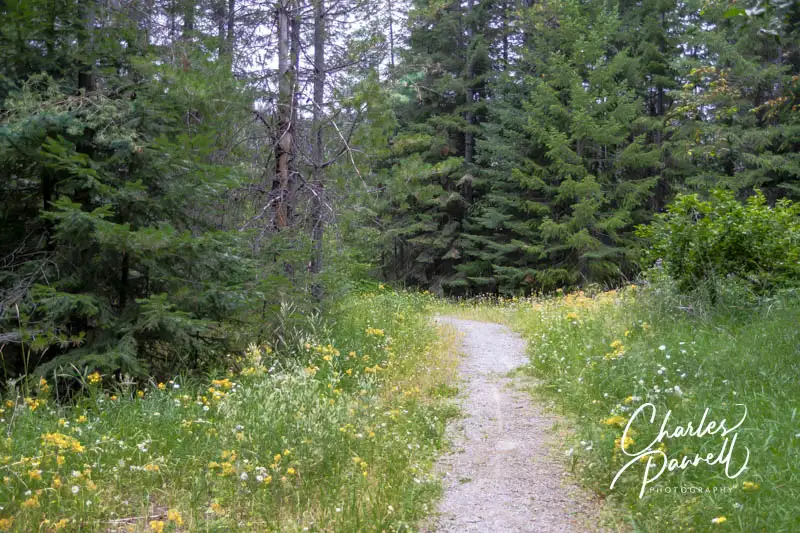
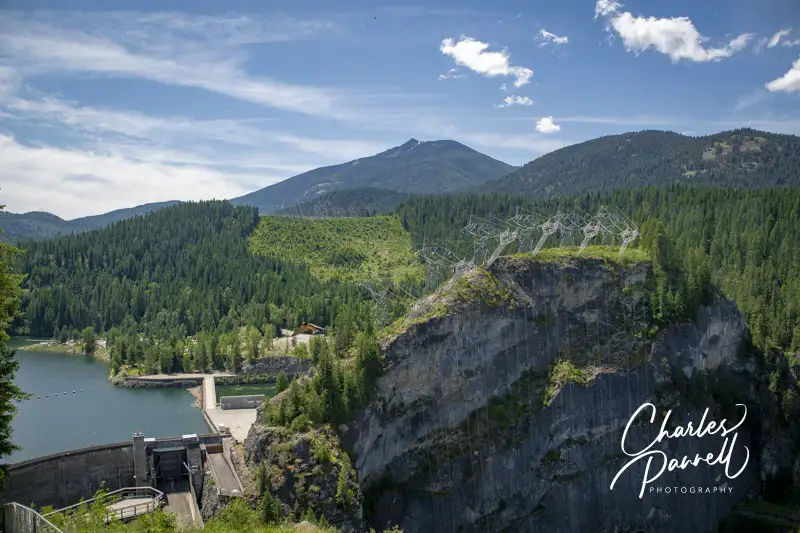
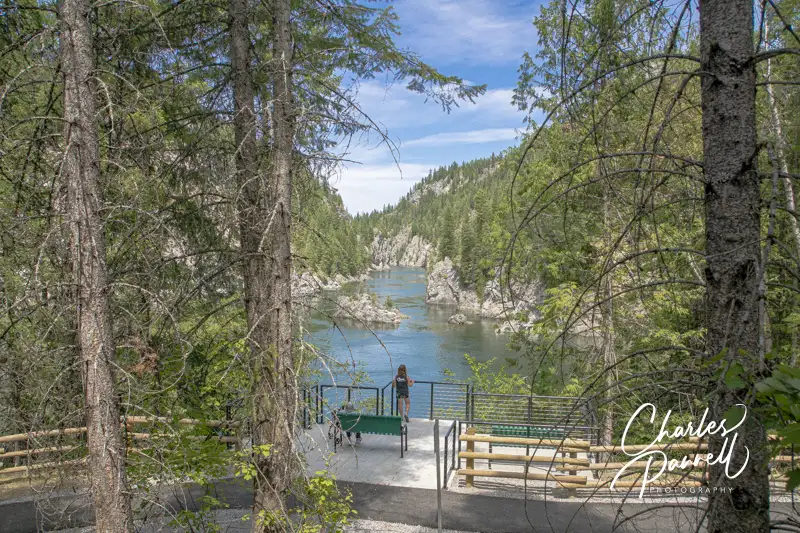
For a short — but scenic — side trip, make a right on East Side Road (about 2 miles from the border), and continue on to Vista House for a sweeping view of Boundary Dam on the Pend Oreille River. After you’ve enjoyed the view, head on back to Highway 31.
Boundary Dam on the Pend Oreille River Viewed From Vista House
Continue south on Highway 31 for about 8 miles, make a left on Sullivan Lake Road, then continue on for about three miles. The Mill Pond Historic Site (www.fs.usda.gov/r06/colville/recreation/mill-pond-historic-site) will be on your right. Go all the way down to the lower parking lot, where you will find accessible parking next to two trailheads.
The most accessible trail — the Mill Pond Flume Loop — begins just across the bridge, about a quarter-mile from the parking lot. This level hard-packed dirt loop winds through the former work camp of the old mill. Interpretive plaques that describe the flume construction and maintenance procedures are located along the way. It’s a pleasant .6-mile loop through the forest, but be sure to apply insect repellent before you set out, as the mosquitoes are thick in the shady sections.
Additionally, if you’d like to dine alfresco there’s also a nice covered picnic area with accessible tables in the upper parking lot. An accessible vault toilet is also located nearby.
A Peaceful River View
Pend Oreille River View at Portage Park
Located on the east side of Metaline Falls in the village area, Portage Park is worth a quick stop for the lovely river view, and wheelchair-accessible walkways. Take Larsen Boulevard off of Highway 31, then bear left at the fork and continue on down to the water.
There’s accessible parking next to the accessible vault toilets, and barrier-free access to the riverside trail. The short trail leads to two accessible viewing platforms and a gaggle of picnic tables. It’s a pleasant spot to sit and enjoy the river view and a nice space for a picnic lunch. This is one of the newer developments in the area, and great thought was put into the access.
Metaline Falls
If, on the other hand, you’d like to have someone else do the cooking, then head on down the road to the quaint hamlet of Metaline Falls. For the best access, parallel park on Washington Street, near the visitor center in Busta Park. From there, it’s a short level walk to the Farmhouse Cafe (facebook.com/farmhousecafe221), which is located across the street on 5th Avenue.
There’s ramp access to this local eatery, with plenty of room to maneuver a wheelchair inside. Menu choices range from burgers and hot or cold sandwiches, to plated dishes served with soup or salad. The servers are friendly and the portions are substantial. Make sure and save room for a slice of home made pie for dessert.
After lunch, save some time to browse through the visitor center in the park. There’s ramp access up to the old rail car that houses the visitor center, and room enough to maneuver a wheelchair around the exhibits. There’s lots of visitor information, maps, historic photos of the area, and some old relics. And if you are in need of reading material, there’s also a nice collection of books that are free for the taking.
Sweet Creek Falls
Picnic Table on the Trail to Sweet Creek Falls
After you’ve had a chance to explore Metaline Falls, continue south on Highway 31 for about three miles to the Sweet Creek Falls Rest Area. Although it’s designated as a rest area, there’s a bit more to see there than just toilets.
There’s accessible parking near the accessible vault toilets, with a paved pathway over to an accessible picnic table. There are also two short trails nearby that offer views of the falls. The most accessible option is located to the left of the vault toilets.
This short quarter-mile round-trip trail crosses over a bridge, then skirts the river until it ends at a viewpoint. The hard-packed dirt trail has a slight uphill grade for about 25 feet but other than that it’s fairly level. There’s a bench at the end of the trail with a decent view of Sweet Creek Falls. Wheelchair users will probably need assistance over a two-foot uneven patch of dirt near the end, but it’s still a pleasant stroll through the shaded forest. The quiet bench also makes a nice secluded picnic spot. Additionally, there’s a standard picnic table on a level patch of ground near the river, just after you cross the bridge.
The trail to the right of the vault toilets leads past several shaded picnic tables to an observation point above the falls. The first part of the trail is asphalt, but it transitions to dirt and gravel near the top. After the transition there’s about a 100-foot steep section before you get to the viewpoint. It’s not a realistic option for wheelchair-users, and many slow walkers may find it difficult. Still the standard picnic tables on this side of the rest area are shaded and secluded, and are doable for most wheelchair-users. Enjoy the view from the other side, and have a picnic on this side.
Tiger Store
The Tiger Store on Highway 20
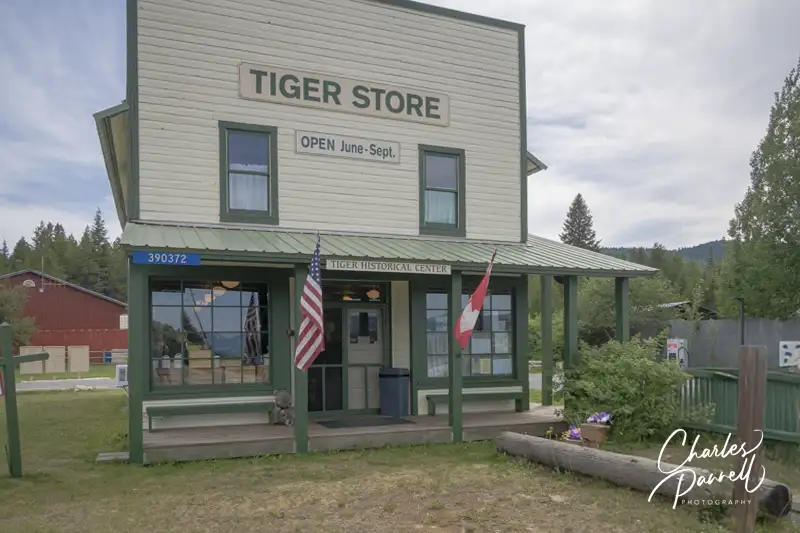
From the Sweet Creek Falls Rest Area, continue south on Highway 31 for about 11 miles until you get to the Tiger Store, at the intersection of Highway 20. Constructed in 1912, this building once housed the general store and post office. Today it includes a mini museum operated by the Tiger Historical Society, as well a small store, information center and gift shop.
There’s accessible parking next to the store, with ramp access up to the front door. Inside there’s a collection of artifacts from the old post office, school and general store. They have a little bit of everything, from antique school desks, photos and old post office boxes filled with vintage letters, to assorted tools, kitchen items and even a mimeograph machine. And the folks that volunteer there are quite helpful with information about other things to see in the area. They also have a nice selection of local maps and brochures. Top it off with an ice cream bar or a soda and you’ve got more than enough reasons to make the Tiger Store a required stop on the International Selkirk Loop.
A Pend Oreille River View
Cusick Wetland Educational Trail
From the Tiger Store, continue south on Highway 31, then bear left when the road transitions to Highway 20. For a short walk and a nice view of the Pend Oreille River, make a left on Monument Way in Cusick. Continue down the road and bear left as you reach the water. There’s accessible parking next to the accessible restrooms, and level access over to the Cusick Wetland Educational Trail, near the boat ramp.
The best way to access this grassy trail is to go through the gate to the shaded shelter, then follow the pathway up to the arch which marks the beginning of the wetlands trail. The trail is wide, and relatively flat in the beginning, and it’s a combination of hard-packed dirt with some gravel and grassy areas. Later it transitions to mostly mowed grass, as it winds along the river, with interpretive signs and benches along the way. At about the .15-mile mark the trail forks off to left, but for the river views stay to the right. It’s a pleasant stroll, and if you’re lucky you’ll catch a glance of the bald eagles and osprey that frequent this area. Unfortunately the wheelchair-access ends at about the .45-mile point, where there’s a steep section followed by some uneven terrain. Still it’s worth the stroll for the river view.
If you’d like a longer walk, then head back to the fork in the trail and follow the left branch through the grassland forest for another quarter-mile. This is an excellent spot for birders and there are some shaded benches along the way to sit and take a break. The trail winds around and joins the original pathway to form a loop; however it loses it’s access after the last viewing meadow. Still it’s a nice out-and back walk, and it’s definitely a must-do for birders.
Where the Buffalo Roam
Kalispel Buffalo Herd
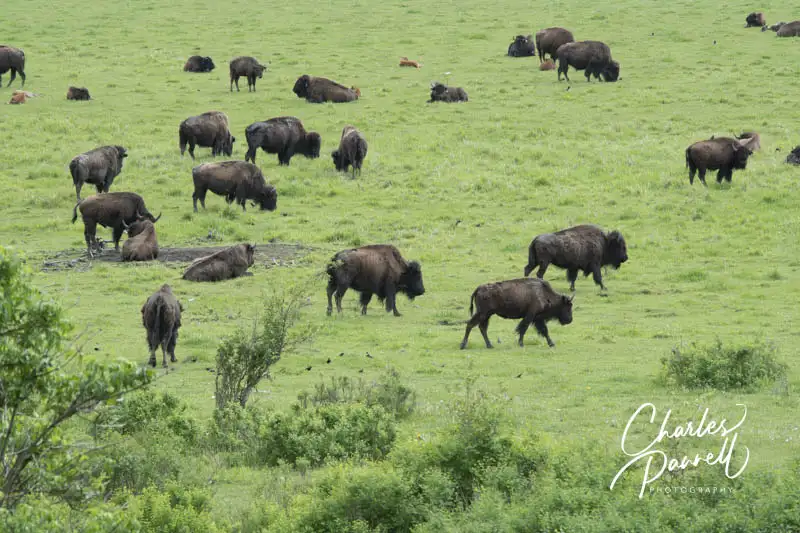
From the Cusick Wetland Educational Trail, head back to Highway 20 and continue south. For a gander at the Kalispel Tribe’s buffalo herd, make a left on Kings Lake Road in Usk, which is about three miles from Cusick. From there, cross the Pend Oreille River and make the first left on Le Clerc Road. It’s about 1.5 miles to Camas Center, which is near the area where the herd is located. The heard began with just 12 buffalo that were presented to the tribe by the National Park Service in 1974. Today it has grown to over 100 head, which roam throughout the reservation.
Of course, since the buffalo are mobile, they’re not in the same place every day. Sometimes you can spot them from the Camas Center parking lot, while other times you’ll get a better view a little further up the road. There’s a level place to pull over just north of Camas Center, which sometimes offers a close look at the massive beasts. And if they wander further south, there’s a nice wide level spot to pull out near the mailboxes.
Truth be told you never know where they will be grazing on any particular day. So just consider it a treasure hunt on the International Selkirk Loop. Actually, tracking them down is half the fun. And if you visit in spring, bring your binoculars and keep an eye out for the newborn calves.
A Little History and a Scoop
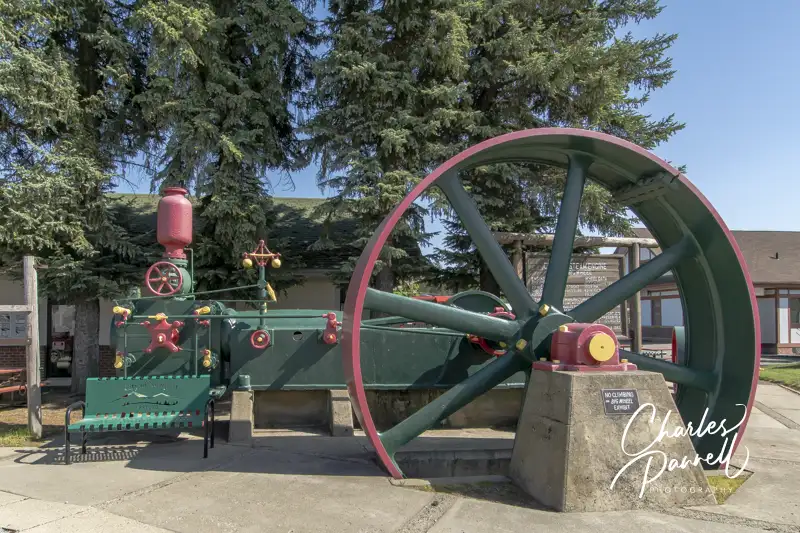
Corliss Steam Engine (The Big Wheel) at the Pend Oreille County Historical Museum
Newport, which is just 20 miles away, marks the official end to the International Selkirk Loop. That said, take some time to explore the history museum and have a sweet treat, before you head on your way.
Located next to the Newport Visitor Center on Highway 2 and Washington Street, the Pend Oreille County Historical Museum (pochsmuseum.org) offers visitors a peek into the past of Northeastern Washington. Accessible parking is located in front of the museum, at the far end of the parking lot across from the train depot.
There’s level access to the front door, with plenty of room to navigate around the first-floor and outdoor exhibits. Inside you’ll find everything from rodeo gear, vintage toys and cooking tools, to an old dentist office and even a Newport Miner printing press. Outside there are a variety of vintage buildings, including three log cabins, the Claire Howe Schoolhouse and a pioneer church. The ground around the exhibits is level, but there are a few rocks here and there. Vintage artifacts are tucked into every nook and cranny, and if you get tired there are plenty of places to sit and rest.
When you’re done browsing through the museum, be sure and stop in at Owen’s (facebook.com/owensgro), which is located across the street. There’s level access to this deli and grocery store, but the main attraction is the soda fountain, which offers a wide variety of ice cream treats. From a huckleberry ice cream cone to a hot fudge sundae or even a banana split, there’s something to please just about everyone. And it’s the perfect way to top off any International Selkirk Loop adventure.
Barrier-Free Travel Glacier, Yellowstone and Grand Teton National Parks for Wheelchair-Users and Slow Walkers
Many US National Parks offer a variety of wheelchair-accessible lodging options within their borders. That said, sometimes it’s just not possible to snag a reservation at some of those popular properties. And then there are those remote national parks that don’t offer any in-park lodgings. The solution? Consider booking a property in a national park gateway city. With that in mind, here are some wheelchair-accessible lodging picks located close to some favorite US national parks.
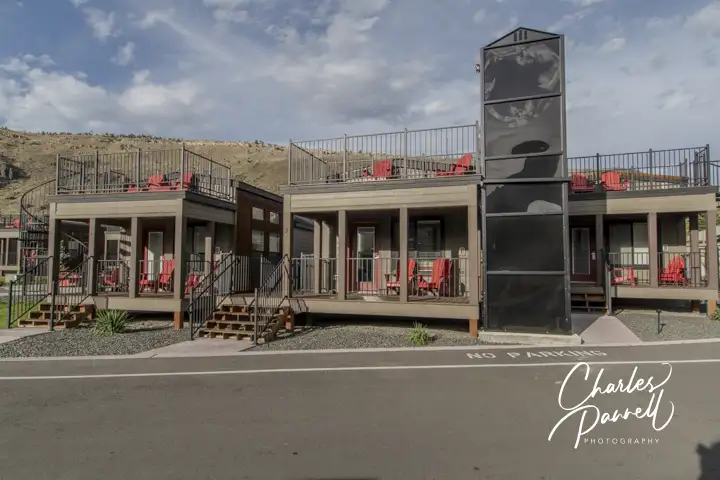
The Jim Bridger Cabins in Gardiner is at the top of our wheelchair-accessible lodging list. Located near the North Entrance to Yellowstone National Park, this complex features a wheelchair-accessible two-bedroom cabin. It includes a compact kitchen, a living room with a fireplace and large bathroom with a roll-in shower. And there’s even elevator access to the top deck, which offers some great star gazing opportunities.
The Explorer Cabins at Yellowstone are located in West Yellowstone, just a short drive from the West Entrance to the park. They have two accessible one-bedroom cabins which each have a small kitchen, a living room with a fireplace, and a bathroom with a roll-in shower. They also include a spacious front porch and several public fire rings where guests can whip up some s’mores.
Located across from the railroad station in West Yellowstone, this historic property was built in 1910 by the Great Northern Railroad. Today it still boasts an old world ambiance but it also includes a nice accessible room with a roll-in shower. It’s a great property for railroad buffs, and it’s just a few minutes from the park entrance.
West Glacier Village has two wheelchair-accessible cabins, which each have a full kitchen, a large living room and a bathroom with a roll-in shower. And if you’d like to let someone else do the cooking, the complex is just a short walk away from West Glacier Village, where you’ll find a few eateries and shops.
Zion National Park
AutoCamp Zion
emerginghorizons.com/autocamp-zion-excels-in-accessibility/ This unique lodging complex, which offers a collection of upscale Airstream camping trailers, is located about 20 miles from the South Entrance to Zion National Park. The accessible cabins feature a small kitchen and living area and a bathroom with a large roll-in shower. Add in some nice public spaces, a few fire rings and a swimming pool with a lift, and you have all the essential vacation elements.
This charming little complex is located along Highway 12 about 15 miles from Bryce Canyon National Park. It includes an accessible cabin with a small kitchen, and a nicely equipped bathroom with a roll-in shower. It’s also got a roomy front porch and a nearby picnic table.
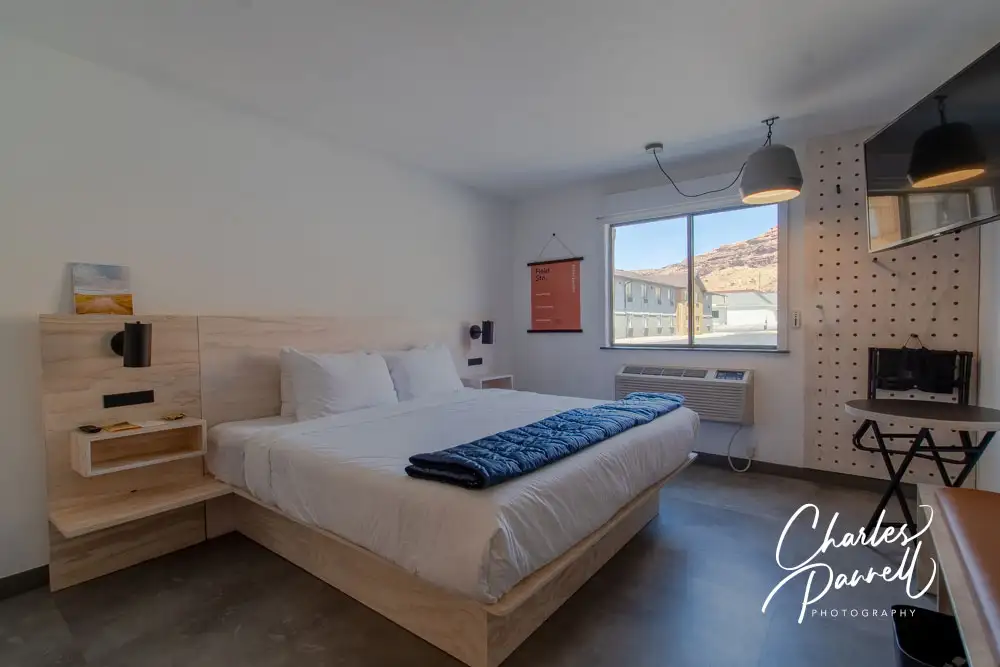
There are no lodges inside of Arches National Park, but Slackline Moab is located in its namesake town, about four miles away from the national park entrance. It has a variety of accessible rooms. Some rooms have roll-in showers, while others have tub/shower combinations. Add in a gear shop, a café, and a nice fire circle, and you have a comfortable and accessible property.
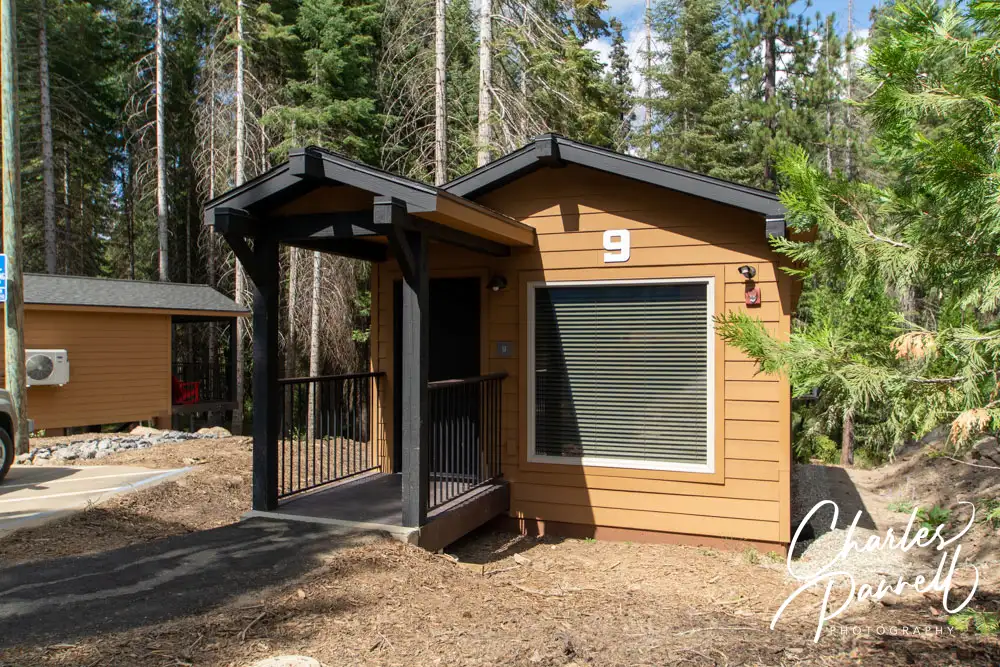
Located near the South Entrance of Yosemite National Park on Highway 41, Waybound Yosemite includes a number of top-drawer wheelchair-accessible cabins, called “havens”. They are nestled in a sugar pine forest next to Tenaya Lodge, and they are available in a variety of bed configurations. The havens also include a kitchen, living area and a small deck. Add in the clubhouse and a few firepits and you have everything you need in an accessible cabin. And guests have access to all the facilities at Tenaya Lodge.
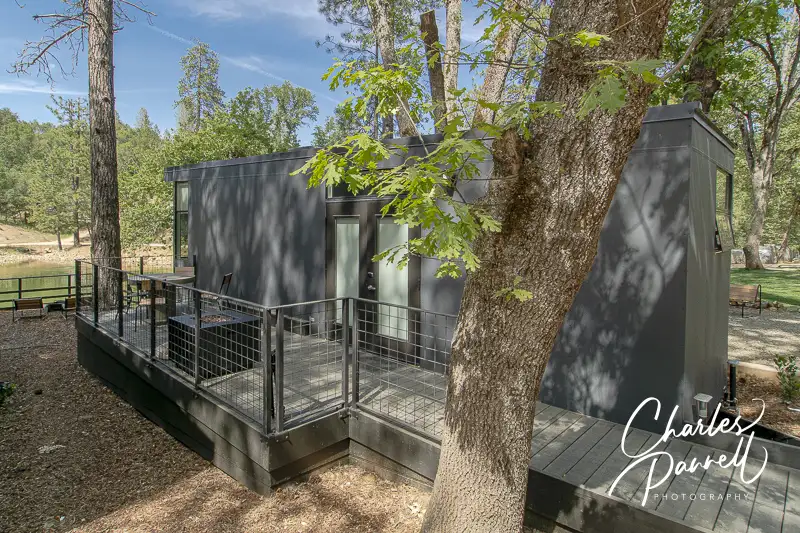
Like its sister property in Zion, AutoCamp Yosemite features comfortable accommodations in upscale travel trailers. It’s located near the Arch Rock Entrance to the park, on Highway 140. The complex includes several accessible units that have a kitchen, living area and a bathroom with a roll-in shower. Add in a spacious deck to enjoy the sunset and you have a very relaxing lodging choice.
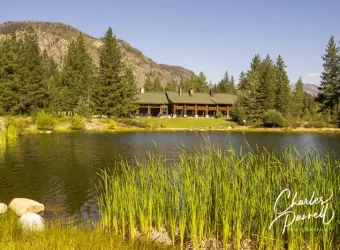
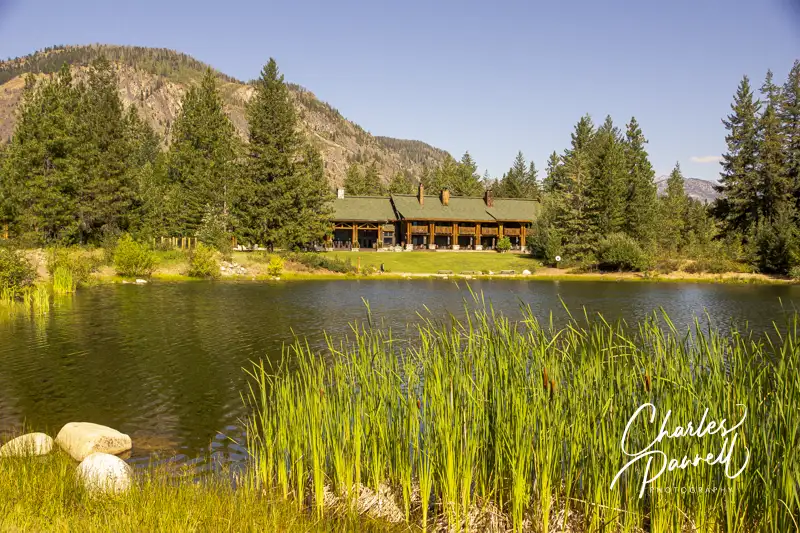
This North Cascades retreat features an accessible guestroom with a roll-in shower and a porch with a view. It’s located in the hamlet of Mazama on the eastern side of the park. Along with the creature comforts, the lodge borders a small scenic lake. And if you get a hankering for a pizza, there’s a parlor within walking distance.
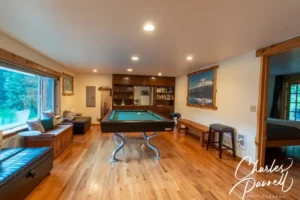
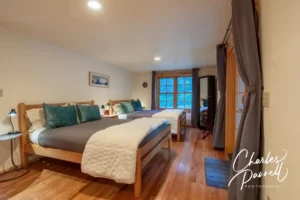
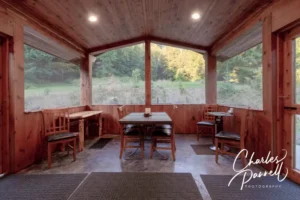
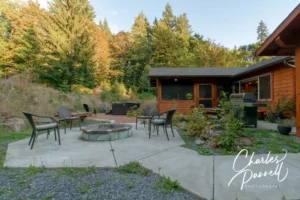
Named after a local bush pilot this two-bedroom home features excellent access and has one bathroom with an oversized roll-in shower. It’s located just five miles from the Nisqually Entrance to Mount Rainier National Park, and it has some pleasant outdoor spaces, a fully stocked kitchen and even a pool table in the game room. A comfortable and accessible find.
Operated by the YMCA of the Rockies, this complex includes hotel-style accommodations nestled in a Ponderosa Pine forest, about three miles from the Beaver Meadows Entrance to Rocky Mountain National Park. The larger accessible rooms are a great option for families as they have multiple beds, plenty of space and large bathrooms with roll-in showers. Add in some accessible public areas, and a nice cafeteria and you have everything you need for a comfortable – and accessible – stay.
Last but certainly not least on our list of wheelchair-accessible lodging picks, is this collection of Alaska properties located near Denali National Park. Although there are no lodges within the park these three nearby properties have a nice selection of accessible rooms. And as an added bonus, some properties even have a wheelchair-accessible shuttle to and from the park. They all make a great home-base for a Denali visit.
Barrier-Free Travel Glacier, Yellowstone and Grand Teton National Parks for Wheelers and Slow Walkers
Located in Northwestern Washington, Lake Sammamish State Park (parks.wa.gov/find-parks/state-parks/lake-sammamish-state-park) not only boasts some scenic trails, but it’s also home to an adaptive cycling center. And along with a wide selection of adapted bicycles, the Adaptive Cycling Center also has a loaner Action Trackchair, for folks who want to explore some of the more rugged areas of the park.
The Adaptive Cycling Center is located at the east end of of the Sunset Beach Bathhouse, which is on the opposite end from the concession stand. The center is staffed by Outdoors for All volunteers, who are experts at adapting trikes, handcycles and tandems so that people with limited arm or leg function can enjoy the ride. There’s no charge for this service, and it’s open to anybody with a disability, ages seven and up. The goal of Outdoors for All is to enrich the quality of life for children and adults with disabilities through outdoor recreation, so be sure and stop by and learn about their adaptive bicycles on your next Lake Sammamish visit. The Adaptive Cycling Center is open seven days a week from May to September. And with over 250 adapted bicycles in stock, they have something for just about everyone.
Lake Sammamish State Park offers a number of wheelchair-accessible trails, including the Native Plant Interpretive Trail and a section of the East Lake Sammamish Trail. If, on the other hand, you’d like to try some of the more rugged trails in the park, a loaner Action Trackchair is available at the Adaptive Cycling Center. This rugged power wheelchair has tank tracks instead of wheels, and it helps wheelchair-users and slow walkers negotiate some of the inaccessible trails in the park.
Advance reservations are required to borrow the track chair. They can be made by calling 206-838-6030 ext. 291 or (425) 455-7010. Staff members cannot help with transfers to the track chair, so track chair-users must bring a companion if they require transfer assistance. A valid ID is also required to borrow the track chair, and all users must sign a liability waiver.
So get out and enjoy Lake Sammamish State Park on an adapted bicycle or an Action Trackchair. It’s fun, it’s free and it’s accessible.
Barrier-Free Travel Washington National Parks for Wheelers and Slow Walkers
Although not originally built to be wheelchair-accessible, access upgrades were added during the Gardiner’s multi-year renovation project. As Jana puts it, “Since there weren’t any wheelchair-accessible rental homes in Ashford, we just decided to embrace access and make the Jimmy Beech House a welcoming place for everybody.” And with a wheelchair-user friend who acted as their access advisor, they even managed to incorporate the little things — things that are often missed — into the final design.
A Comfortable Retreat
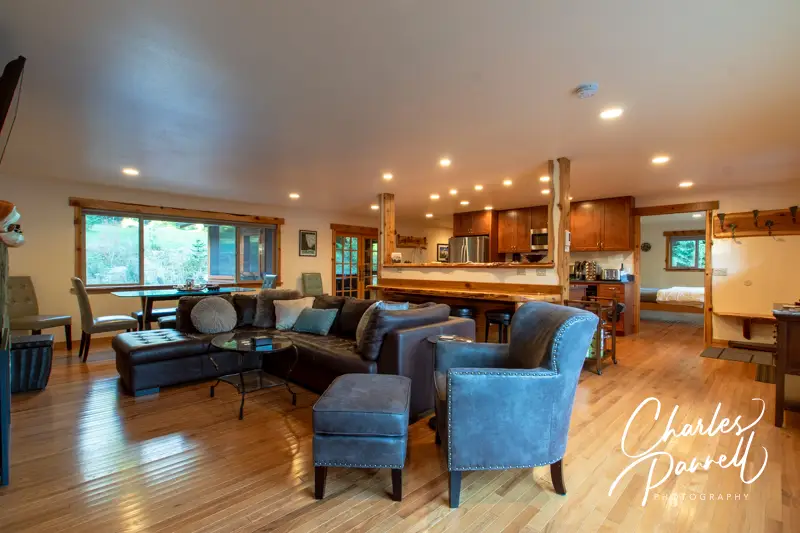
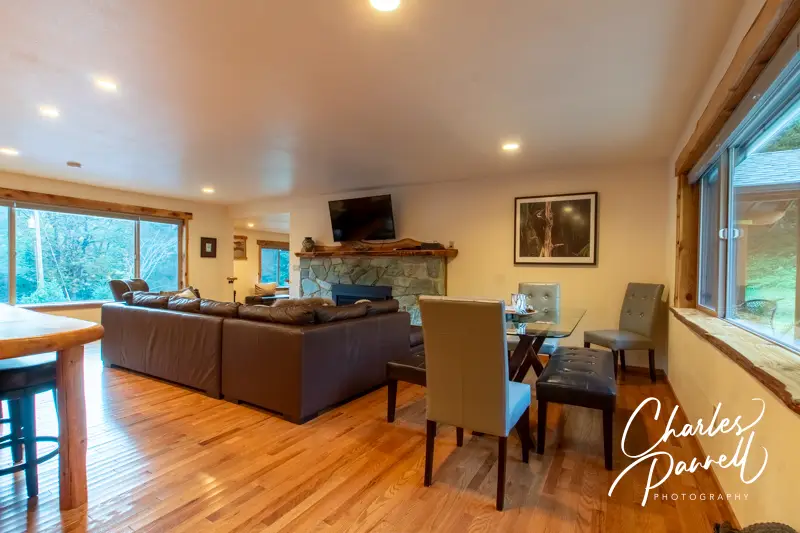
There’s plenty of room to park an adapted van in the driveway at the Jimmy Beech House, with level access to the front door. Inside there’s excellent pathway access throughout the spacious unit, which is decorated with art that highlights the natural beauty of the Mount Rainier National Park area. Access features include wide doorways, lever handles and wood floors for easy rolling. Add in some large picture windows, a bevy of wood accents, and a fireplace with an artistic rock hearth, and you have a very homey — and accessible — place to hang your hat.
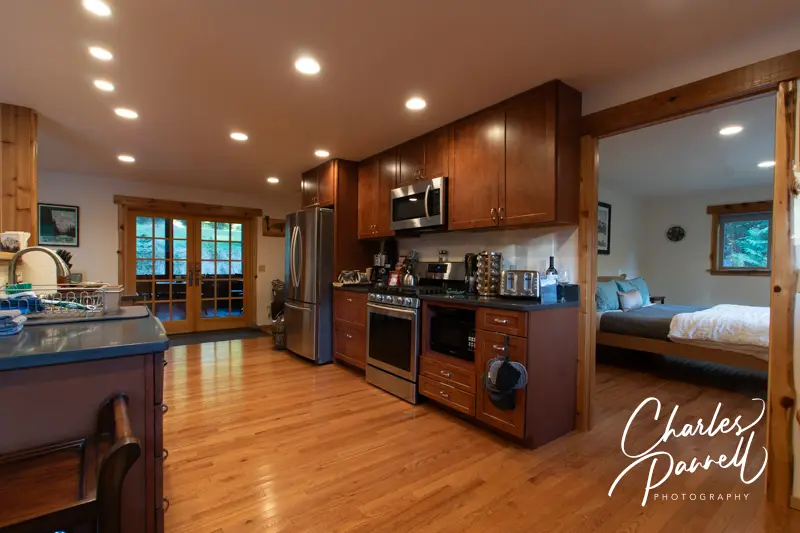
The great room is furnished with a large sectional and an easy chair grouped around the fireplace, a dining table with chair and bench seating, and a lowered bar with four bar stools. The adjacent kitchen includes a refrigerator, stove, dishwasher, two microwaves (including one that’s lowered) and a roll-under sink. It’s equipped with all the basics, and includes just about every utensil and small appliance — from a crock pot to a waffle maker — that you could possible need. Truly it’s a chef’s delight. And there’s also a washer and dryer tucked into a nook around the corner.
The master bedroom is furnished with a 23-inch high open-frame king-sized bed with wheelchair-access on both sides. The adjacent bathroom — which was dubbed “the car wash” by Jana’s contractor — was custom designed and includes a large roll-in shower with a fold-down shower bench (located near the controls), grab bars and a hand-held showerhead. Other access features include a toilet with grab bars on the back and right sides (as seated), a lowered make-up mirror and a roll-under sink. There’s also a standard hall bathroom that includes a tub with a hand-held showerhead, a toilet and a sink.
The Little Extras
The second bedroom is furnished with two 23-inch high open-framed queen sized beds, with wheelchair-access between them. Wide French doors lead out to the comfortable back patio, which is furnished with some Adirondack chairs. Thoughtful touches like a threshold ramp make the outdoor space as welcoming as the indoor space.
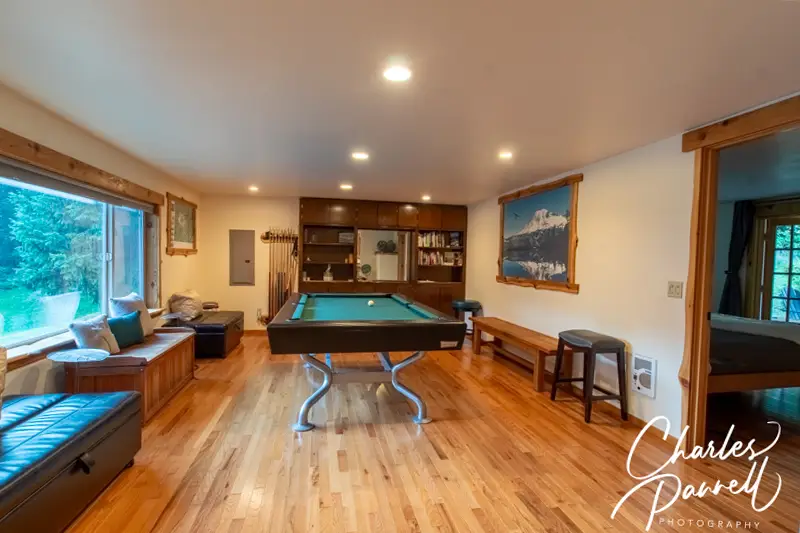
And there are more extras. The former garage has been converted to a game room that’s furnished with a wheelchair-accessible pool table. And even though there’s a five-inch step down to the room, there’s also a portable ramp for wheelchair-access. If you’re not in the mood for pool, there’s also a large selection of games and books available.
The home is also equipped with a large screen porch that has a dining table and four chairs, as well as some casual seating. There’s also level access to the back patio from the screen porch. Access throughout the outside area is excellent, and it’s furnished with a hot tub with steps and a railing, a fire circle and a gas BBQ. Jana even incorporated some of her own access ideas into the design — like the 21-inch high transfer tables for sunning or star-gazing.
Says Jana, “I realize that people with disabilities have a variety of different needs, so I tried to make the home as versatile as possible.” And to say that she did a good job would be a huge understatement. Top it off with the little extras like the makings for s’mores, and you have the perfect home base for a Mount Rainier National Park visit.
Accessible Bedroom at the Jimmy Beech House
Bathroom at the Jimmy Beech House
Living Area at the Jimmy Beech House
Living Area and Fireplace at the Jimmy Beech House
Kitchen at the Jimmy Beech House
Game Room at the Jimmy Beech House
Second Bedroom at the Jimmy Beech House
Enclosed, Screened Patio at the Jimmy Beech House
Fire Circle at the Jimmy Beech House
Barrier-Free Travel Washington National Parks for Wheelers and Slow Walkers
Rasar State Park (https://parks.wa.gov/find-parks/state-parks/rasar-state-park) offers a peaceful taste of the forest with some great Skagit River views, a few barrier-free hikes, and several wheelchair-accessible deluxe camping cabins. This lush state park is located about 40 miles west of the North Cascades National Park Visitor Center in Newhalem, just off Highway 20. And with a second-growth forest filled with big-leaf maples, Douglas firs and western red cedars, it’s the perfect place to sit back, relax and enjoy all that Mother Nature has to offer.
Stay in Style
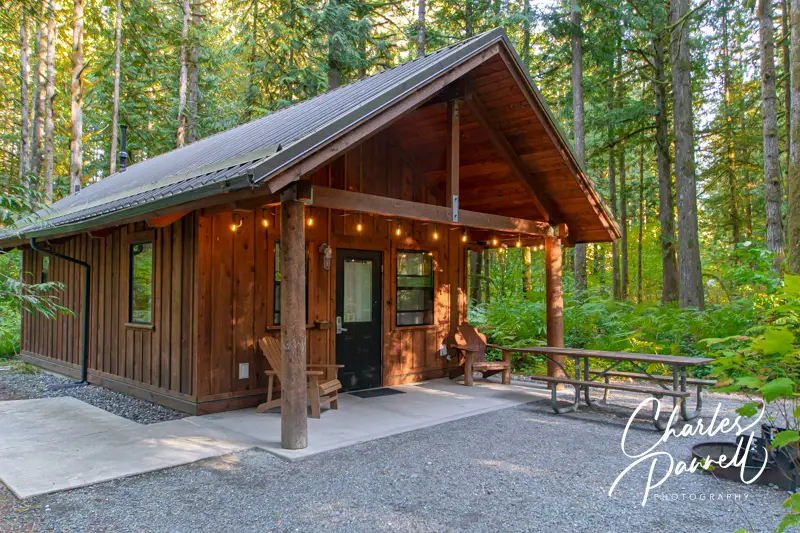
If you’d like to spend the night in Rasar State Park, but don’t want to pitch a tent, then check out one of their three wheelchair-accessible deluxe camping cabins. There’s accessible parking in front of the accessible Chinook Cabin, with paved access over to the front porch. Outside there’s an accessible picnic table and a raised grill, and two oversized Adirondack chairs.
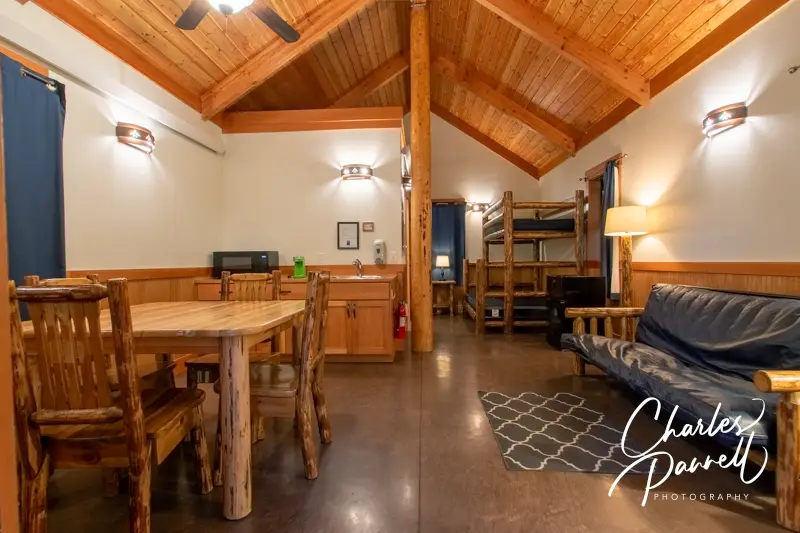
The cabin features a level threshold, wide doorways, lever handles, good pathway access and laminate floors for easy rolling. There’s a small kitchen counter area, with a few cabinets and a sink, with a dinning table and four chairs next to it. The kitchen includes a microwave, a small refrigerator and a K Cup coffee maker (bring your own K Cups).
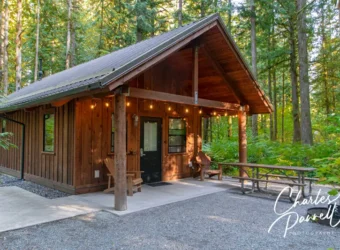
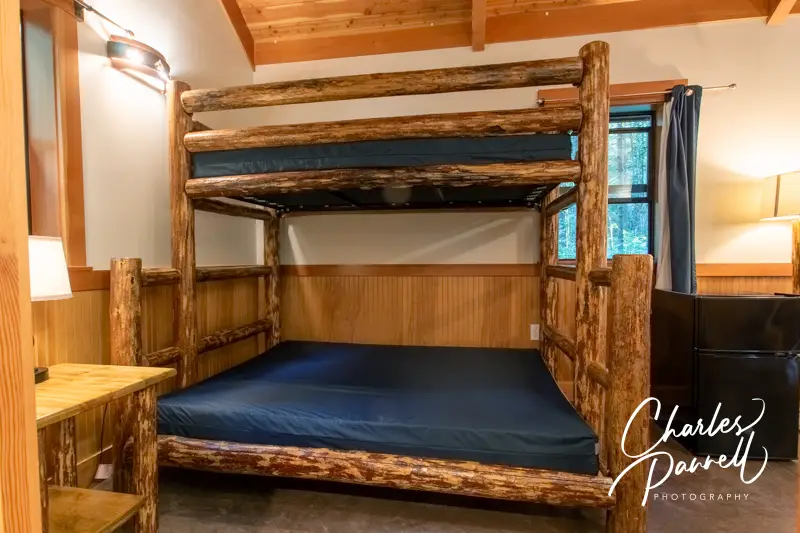
This rustic cabin features exposed beams and natural wood, and includes hand crafted log furniture. For sleeping, there’s a 16-inch high futon in the living area and a bunk bed near the bathroom. The bunk bed includes a 16-inch high double on the bottom and a single on the top. There’s a night table next to the bunk beds, and a floor lamp in the living area. Top it off with a roomy closet, overhead lights, heating and a ceiling fan, and you have a pretty comfortable setup.
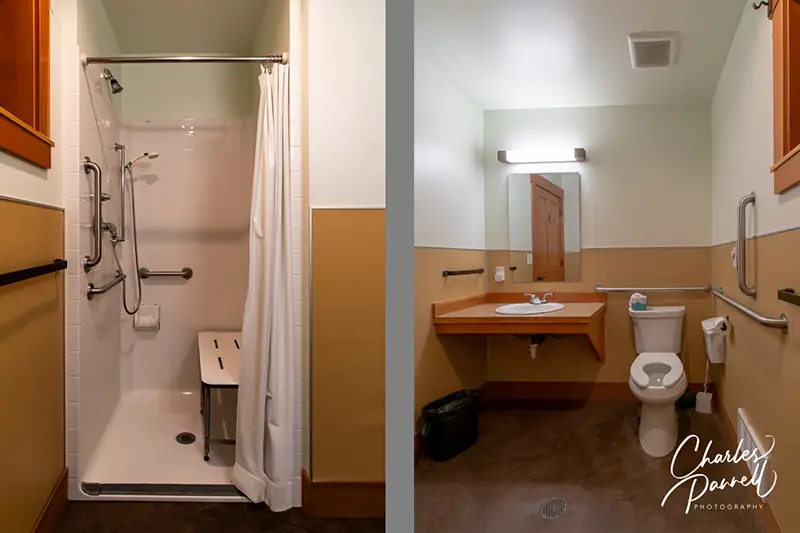
The bathroom features a full five-foot turning radius and includes a 36-inch-square transfer-type shower, with a fold-down shower bench, a hand-held showerhead and grab bars. The toilet grab bars are located on the back and left walls (as seated) and the bathroom also has a roll-under sink.
The Coho Cabin, which is located next door has the same access features, but if you want more privacy, choose the Skagit Cabin across the road. On the plus side, all of the cabins are surrounded by the lush forest.
Living Area in the Chinook Cabin at Rasar State Park
Bathroom in the Chinook Cabin at Rasar State Park
Bedroom in the Chinook Cabin at Rasar State Park
Take a Hike
Even though it’s fairly small, Rasar State Park offers a varied landscape with several accessible trails. Most of the trails are located in the south area of the park, near the Skagit River. There’s accessible parking near the picnic area, and level access over to the trailheads. There are also accessible picnic tables on the grass, if you’d like to stop for a short lunch break.
The paved Skagit River Access begins near the picnic area, and winds through the meadow out to the river. It’s about a .3-mile jaunt down to the river, and although you can walk a little further on the hard-packed sand beach, the wheelchair-access ends at that point. After that you’ll encounter steps, bumps, rocks, and a significant uphill climb. Still, it’s a nice accessible out-and-back trail to the river.
Skagit River Trail at Rasar State Park
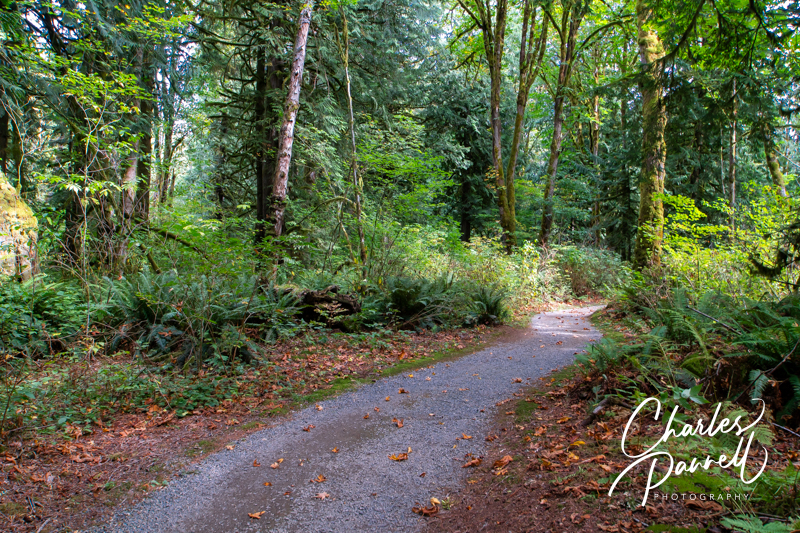
The Cedar Trail also starts in the picnic area. This hard-packed dirt trail leads through a canopy of trees, before the access ends at the .25-mile point. Still it’s another nice out-and-back walk, and there are a few shaded picnic tables along the way.
Cedar Trail at Rasar State Park
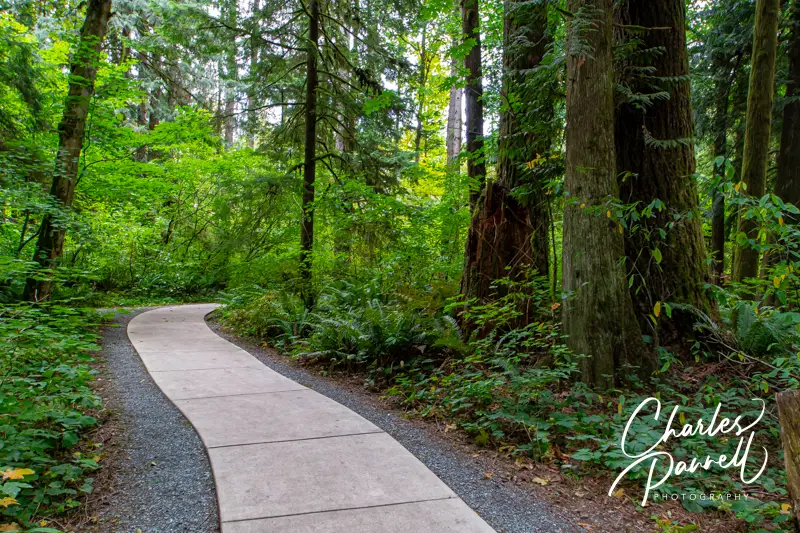
Another accessible trail option is located on the north side of the park. This hard-packed dirt trail loops through the second-growth forest, past the cabins and group campsites. This 1.5-mile trail begins across the road from the Chinook Cabin and to the right of the Skagit Cabin, and continues past the group camps and the private lands that border the park. And if you’d like a shorter hike, it’s easy to exit the trail at the halfway point.
Finally, if you’d like to hike through some old growth forest nearby, be sure to check out Rockport State Park and Baker Lake for some accessible options. It’s a great way to extend a Rasar State Park Visit.
Barrier-Free Travel Washington National Parks for Wheelers and Slow Walkers