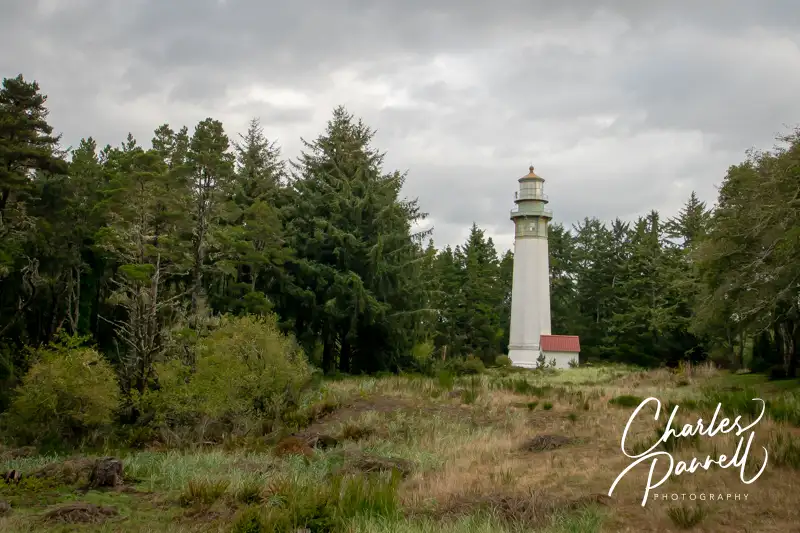
If you’d like to explore the grounds of Grays Harbor Lighthouse in Washington, then make plans to reserve this Westport track chair. It’s available from David’s Chair, and it’s housed in the Westport by the Sea Condos, which are about a .4-mile roll from the lighthouse. There are level sidewalks with curb cuts along the way, but once you get to the lighthouse you’ll need the track chair to traverse the bumpy — and sometimes muddy — dirt trail.
This track chair needs to be reserved at least seven days in advance. Transfer assistance cannot be provided, so if you can’t transfer independently you’ll need to bring along some help. This track chair has a maximum capacity of 350 pounds. For more information, or to request the Westport track chair, visit davidschair.org/request-fixed-location-chair. And for details on some wheelchair-accessible trails and lodging suggestions in the area, visit emerginghorizons.com/westport-a-wheelchair-accessible-pacific-northwest-gem
Barrier-Free Travel
Washington National Parks
for Wheelchair-Users and Slow Walkers
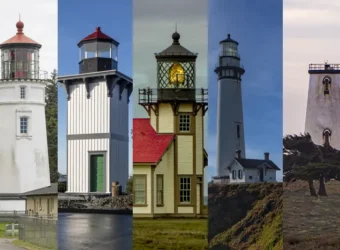
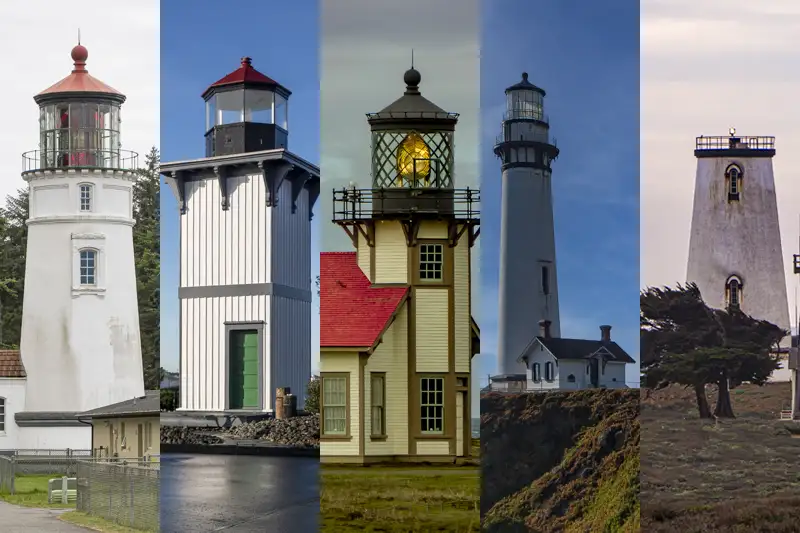
Lighthouses, by their very design, aren’t exactly wheelchair accessible. Most of these historic structures were constructed well before the Americans with Disabilities Act, and many even have steps up to their lower levels. Add in some long winding inside staircases, and you have an access nightmare. The good news is, many of these maritime treasures can be admired from the outside, which makes them an excellent addition to any road trip. So add these historic Pacific Coast lighthouses to your next coastal road trip.
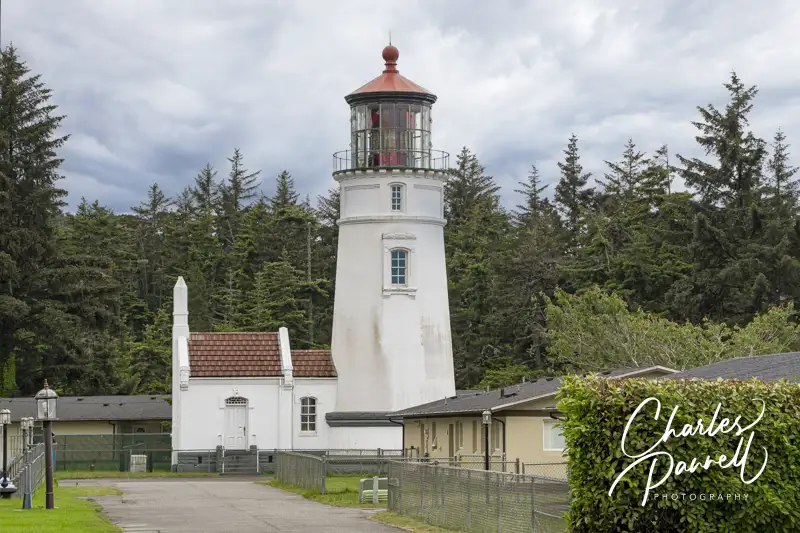
First up on our Pacific Coast lighthouses list is Umpqua River Lighthouse, which overlooks Winchester Bay just south of Reedsport, Oregon. For a close look at this 1857 beauty, take the Salmon Harbor Drive exit from Highway 101, make a left on Lighthouse Road, and keep your eyes peeled for this Oregon coast landmark on the right.
Accessible parking is located near the lighthouse, and there’s plenty of room to roll around and get a gander at this historic gem. There’s also a nice wheelchair-accessible overlook across the street, which offers a panoramic view of the Umpqua River and the Pacific Ocean. As an added bonus, it’s also a great spot to catch a glimpse of migrating gray whales in the distance. Granted, whale watching is a matter of timing and luck, so plan a visit for January during the peak migration to increase your odds. And don’t forget to pack along your binoculars. Additionally there’s a wheelchair-accessible deluxe yurt available nearby if you’d like to spend the night. (emerginghorizons.com/wheelchair-accessible-umpqua-yurt-offers-deluxe-accommodations/).
Table Bluff Lighthouse Eureka, CA
Table Bluff Lighthouse
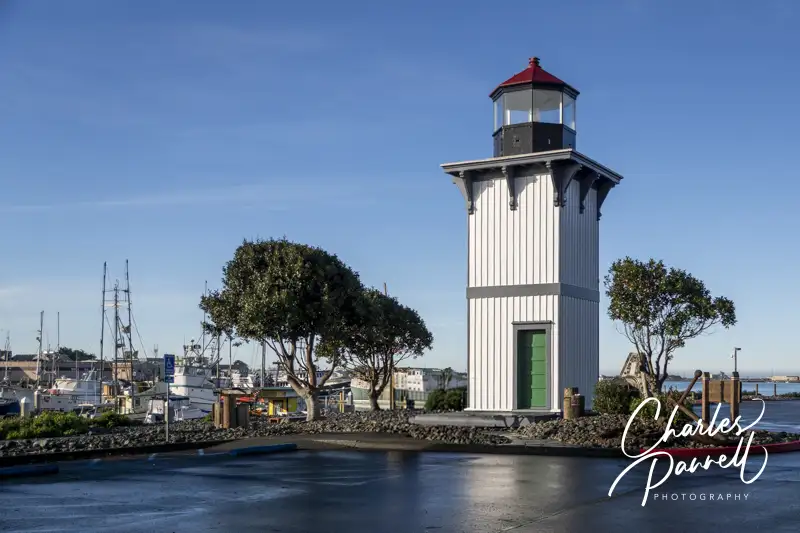
Although the Table Bluff Lighthouse originally stood at the north entrance to Humboldt Bay in Northern California, that proved to be an inappropriate location. Unfortunately that venue was prone to flooding, and this historic lighthouse was also often obscured by heavy fog. The Table Bluff Lighthouse was subsequently moved four miles south in 1892, where it guided mariners until 1975. It was moved to its present location on Woodley Island in 1987, and although it’s a few miles off Highway 101, it’s pretty easy to find.
From Highway 101, head west on R Street, then follow the signs to the marina. The lighthouse is located at the far southwestern tip of the island, at the end of the road. There’s accessible parking next to the lighthouse and level access over to the structure. Although the Table Bluff Lighthouse is just 35 feet tall, it’s light was said to be visible 20 miles out at sea. There’s also a nice memorial for fisherman lost at sea on the far side of the lighthouse, and a few standard picnic tables on a level grassy area where you can enjoy a noontime meal.
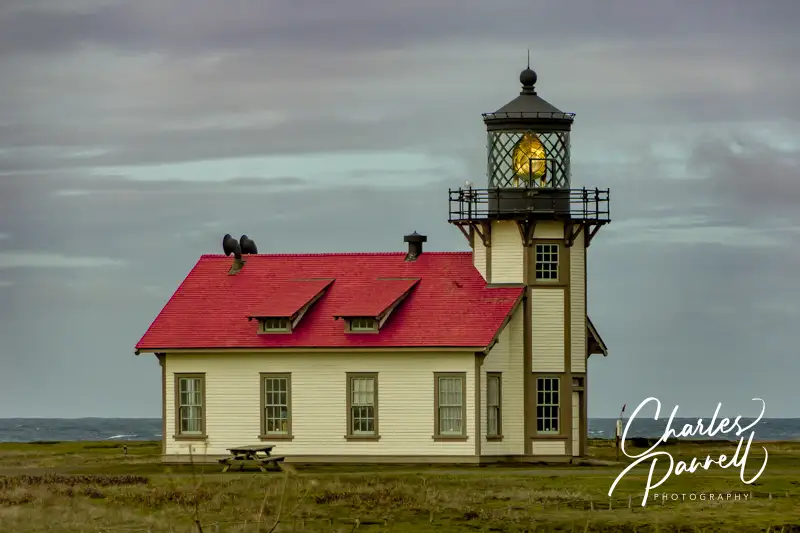
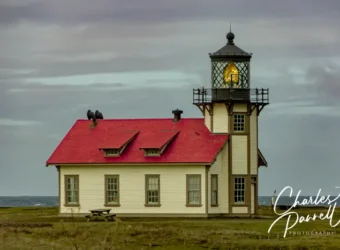
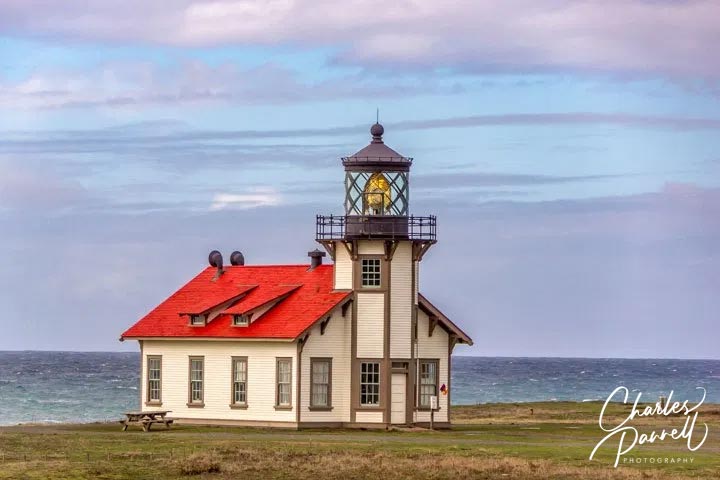
Constructed in response to the numerous shipwrecks along the Mendocino coast, the Point Cabrillo Light Station began operation in 1909. Today the lighthouse and some related structures have been restored. From Highway 1 in Mendocino, follow Point Cabrillo Drive for a little over a mile, then turn left on Lighthouse Road. Although standard parking is about a half-mile away from the historic lighthouse, people with an accessible parking placard can drive down the dirt pedestrian path and park in the accessible parking area right next to the lighthouse.
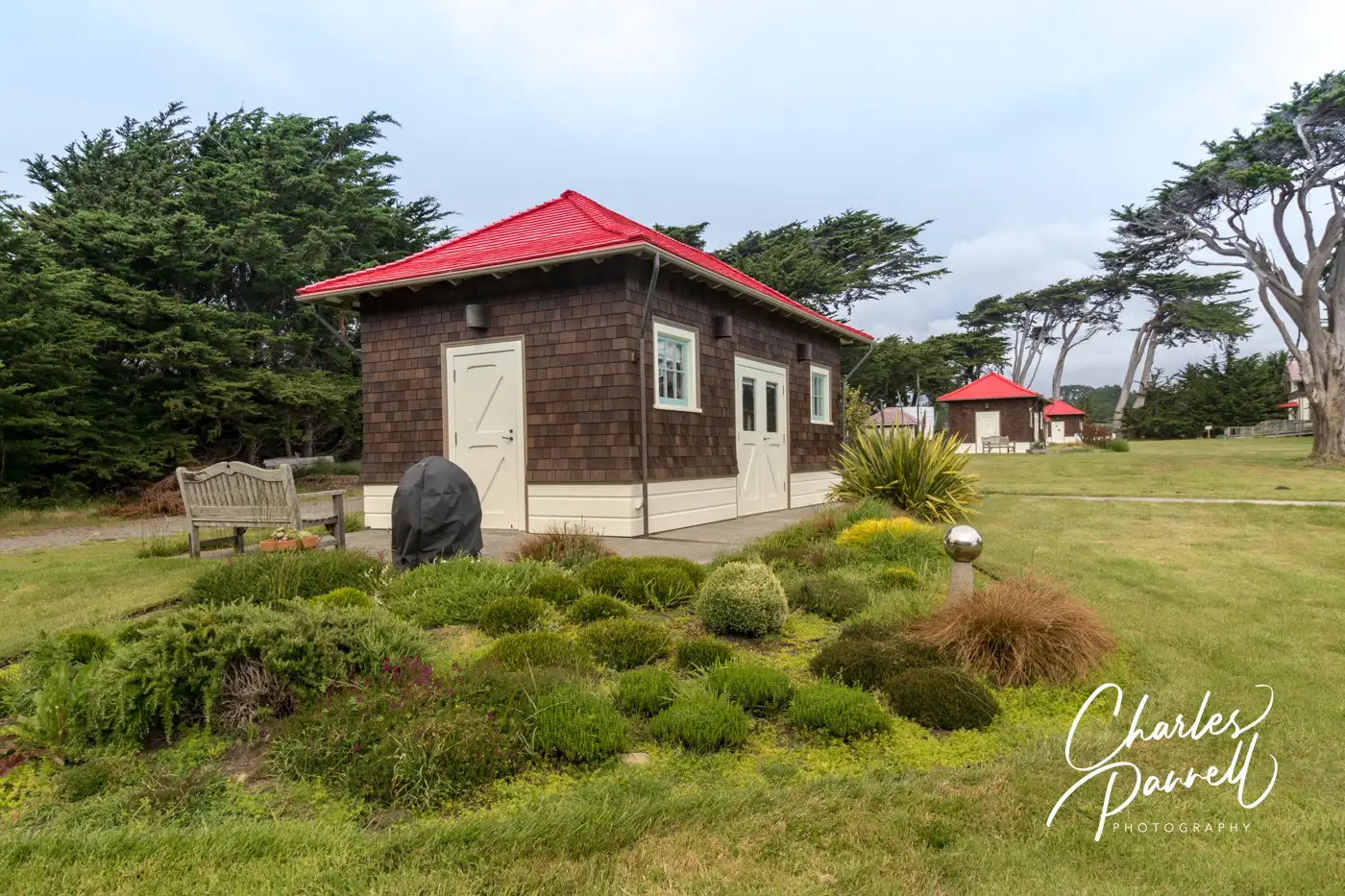
Although the Point Cabrillo Lighthouse is ramped, it’s also a gem to admire from the outside. Additionally the blacksmith and carpentry shop and the 1st Assistant Lightkeeper’s residence are also restored and accessible. Take some time to enjoy the beautiful coastal views as you roll around the light station. Point Cabrillo Light Station also makes a great picnic stop, as there are several accessible ocean view tables on the grassy area near the accessible parking spots. And if you’d like to spend the night, wheelchair-accessible overnight accommodations are available in the restored lightkeeper’s cottages ( emerginghorizons.com/spend-the-night-at-point-cabrillo-light-station).
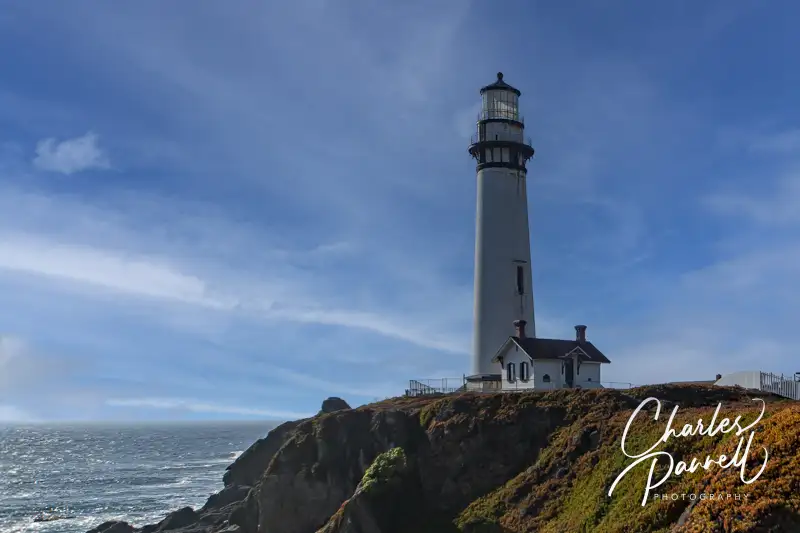
Although Pigeon Point Light Station is clearly visible from Highway 101, it’s worth a quick stop for a closer look. Located midway between San Francisco and Santa Cruz, the turnoff to this historic Pescadero landmark is clearly marked. Accessible parking is located next to a level dirt path that leads over to a small picnic area near to this 115-foot tall 1872 lighthouse.
From the picnic area, an asphalt driveway leads straight ahead, past the hostel to the park store. There’s ramp access up to the level boardwalk in front of the store, which leads over to a viewpoint that offers a good view of the light station and the ocean. It’s just a 300 foot walk or roll from the picnic area to the viewpoint. There’s also level access to the Fog Signal Building, which includes a number of interpretive exhibits. And as an added bonus, if you visit in the right season you might also spot some migrating whales in the ocean.
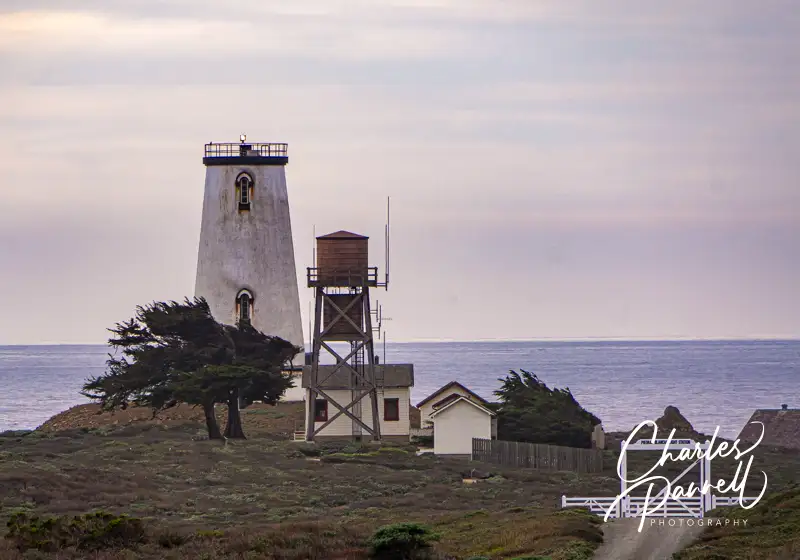
Last but not least our list of Pacific Coast lighthouses is Piedras Blancas Light Station, which is located along Highway 1 near San Simeon. Built in 1875 this historic lighthouse was originally 100 feet tall; however after significant earthquake damage the upper levels were removed, so it stands at just 70 feet today. The light station’s grounds are only open to guided tours – when they are available. That said, it’s still possible to admire this beauty from afar from the nearby Piedras Blancas Northern Elephant Seal Rookery (elephantseal.org).
Located about 4 miles north of Hearst Castle on scenic Highway 1, this stop also offers a seasonal look at the elephant seals. Accessible parking is located at each end of the parking lot, next to accessible boardwalk trails that overlook the beach. That said, the best view of the lighthouse is from the overlook between the two boardwalks, which is just a short roll from the south accessible parking area. And although this stop is a pleasant diversion any time of the year, it’s more entertaining from December through March, when the elephant seal population peaks.
Barrier-Free Travel Yosemite, Sequoia and Kings Canyon National Parks for Wheelchair-users and Slow Walkers
Located on the scenic Mendocino coast, halfway between Russian Gulch State Park and Caspar Beach, Point Cabrillo Light Station (www.parks.ca.gov/?page_id=22276) has long been a beacon to sailors. It was first illuminated on June 10, 1909, and today this active light station offers an interesting glimpse into maritime history. As an added bonus, you can also spend the night in a wheelchair-accessible cottage, and enjoy some coastal peace and quiet after the day visitors depart.
Explore the Light Station
Although there’s no standard parking at the light station, accessible parking is available in the main lot near the Kearn Farmhouse, which is about a half-mile away. The pedestrian path to the light station is wide and paved, however it’s a downhill walk to the light station. That said, if you have an accessible parking placard you can drive down the road and park in front of the 2nd Assistant Lightkeeper’s residence, which is just a short level walk from the lighthouse.
The restored blacksmith and carpentry shop, which is located across from the accessible parking area, is worth a stop on the way to the light station. There is a two-inch cement lip at the entrance, but if you can manage that obstacle, there’s enough room for a wheelchair inside the small building.
The lighthouse itself is located next door. There’s a ramped entry in front, and plenty of room to navigate a wheelchair around the interpretive exhibits and through the small gift shop. Artifacts include old photos, instruments, ship models and even the canon which was salvaged from the Frolic, which crashed into the rocky shore before the Point Cabrillo Light Station was built.
Save some time for a peek inside the 1st Assistant Lightkeeper’s residence, which is located near the accessible parking area. There’s ramp access to the building, and barrier-free access around the first floor. Built in 1909, the residence is furnished as it would have been in 1935, after electricity was added to the building. There are also accessible restrooms in the small building behind the residence.
The Point Cabrillo Light Station is also a lovely spot for a picnic lunch, and there are several accessible picnic tables on a grassy spot near the accessible parking area.
Spend the Night
West Cottage at Point Cabrillo Light Station
Although a day visit to the light station is great, nothing beats spending the night there. There are four restored buildings available for rent, two of which are accessible. West Cottage (www.mendocinovacations.com/houses/point-cabrillo-lighthouse-west-cottage), which is closest to the lighthouse, is a great choice for wheelchair-users and slow walkers.
There’s no on-site lodging manager at the light station, and to be honest that’s part of the beauty of it all. Instead, guests pick up their keys at the Mendocino Coast Reservations Office, just a few miles away in downtown Mendocino. There’s ramp access to the office, with level parking in front, and an accessible parking space across the street.
It’s about a five-minute drive out to the light station from town. Unlike day visitors, overnight guests are permitted to drive their vehicles all the way down the path to the light station. West Cottage is located behind the 2nd Assistant Lightkeeper’s residence, and although there’s no striped parking, there’s plenty of space to park an accessible van near the cottage.
Wheelchair-Accessible West Cottage
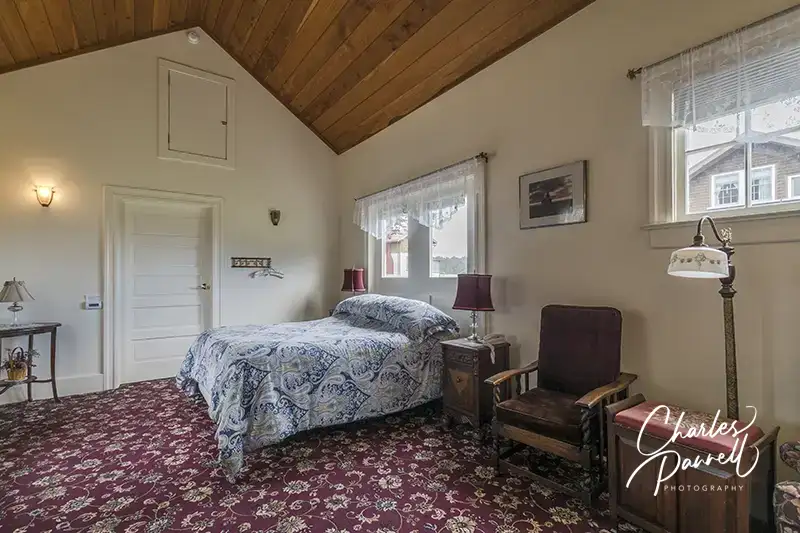
There’s level access over to the wide front door of West Cottage, and plenty of room to navigate a wheelchair through the spacious suite. The cottage is nicely decorated and filled with period furnishings including two chairs and a small table, a vanity, and a 28-inch high queen-sized bed with wheelchair access on both sides. It’s also outfitted with a few modern conveniences such as a small refrigerator, a microwave, a coffee maker, a DVD player and four TV trays.
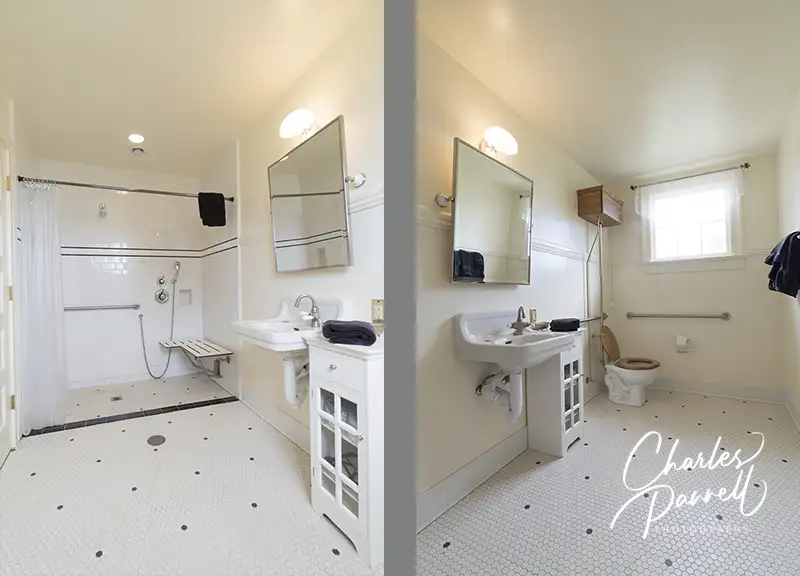
The bathroom has a full five-foot turning radius and is equipped with a roll-in shower with grab bars, a hand-held showerhead and a fold-down shower seat. There’s a nice angled mirror above the roll-under sink, and the toilet grab bars are located on the back and left walls (as seated). And in keeping with the 1930s decorating theme, the floor is covered in black and white chicken wire tile, and the toilet is a vintage water closet with a pull-chain.
Outside there’s a small cement patio with a bench. It’s the perfect place to enjoy the sunset The cottage isn’t fancy, but it’s certainly very comfortable, and includes a lot of often overlooked access features such as low-pile carpet. Plus, you just can’t beat the secluded location. As an added bonus, there’s no cell phone reception or cable TV, so you can really get away from the hubbub of modern life.
West Cottage can be rented alone or along with any of the other three buildings on the premises. And if you need another accessible unit, East Cottage has the same features as West Cottage, but it’s a little farther from the ocean. No matter what your choice though, you definitely won’t be disappointed.
Inside West CottageBathroom in West Cottage
Barrier-Free Travel 22 Accessible Road Trips Driving Vacations for Wheelers and Slow Walkers
Located in Lake Superior, just off the Bayfield Peninsula, Apostle Islands National Lakeshore (www.nps.gov/apis/) is composed of 21 islands. Early settlers only found 12 of the islands though, so they named the site for the 12 apostles. The only way to explore the lakeshore is by boat – your own or a tour boat – and although there are a number of choices, Apostle Islands Cruises (www.apostleisland.com) is the best wheelchair-accessible Apostle Islands cruise option.
Anchors Aweigh
Based in Bayfield, Wisconsin, Apostle Islands Cruises offers several tours, including the comprehensive Grand Tour. This 55 mile scenic cruise departs from the Bayfield City Dock, aboard the accessible catamaran, Archipelago.
Accessible parking is available on Front Street near Rittenhouse, in front of the Keeper of the Light Gift Shop. There’s ramp access to the Apostle Islands Cruises ticket office, which is located on the corner of Front and Rittenhouse. From there it’s a short level walk out to the dock; however a loaner wheelchair is available for folks who can’t manage the distance.
There is level access to the Archipelago, and wheelchair-users and slow walkers are preboarded upon request (just ask at the ticket office). There’s plenty of room to maneuver a wheelchair around the spacious main deck, which is lined with large windows for panoramic views. There’s also a head on the the main deck that may work for some slow walkers. It has a two-inch coaming and a 28-inch wide doorway, and it’s equipped with one grab bar. On the plus side, the cruise is only 2.5 hours long so it’s easy to plan ahead if this setup won’t work for you.
Best bet is to buy your tickets online, as this is a popular summer tour. That said, feel free to call Apostle Islands Cruises if you have any access related questions or concerns (800-323-7619), as the staff is quite helpful.
The Wheelchair-Accessible Apostle Islands Cruise
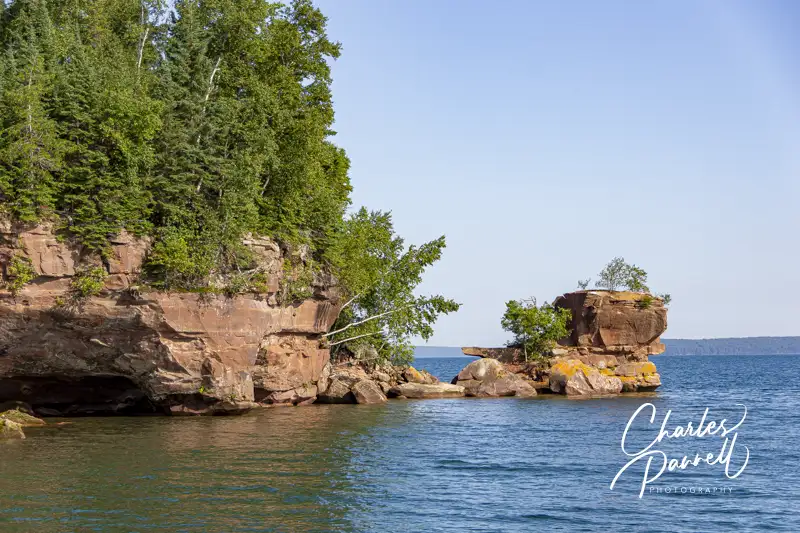
The wheelchair-accessible Apostle Islands Grand Tour features a good overview of the history and natural features of the area, and includes an on-board guide. From the harbor the cruise heads past Basswood Island, which is know for it’s “sea stack” rock formation on the north shore. After that the cruise continues north past the sandstone carved formations on Hermit Island and then passes the tallest of the Apostle Islands — Oak Island.
Raspberry Island in Apostle Islands National Lakeshore
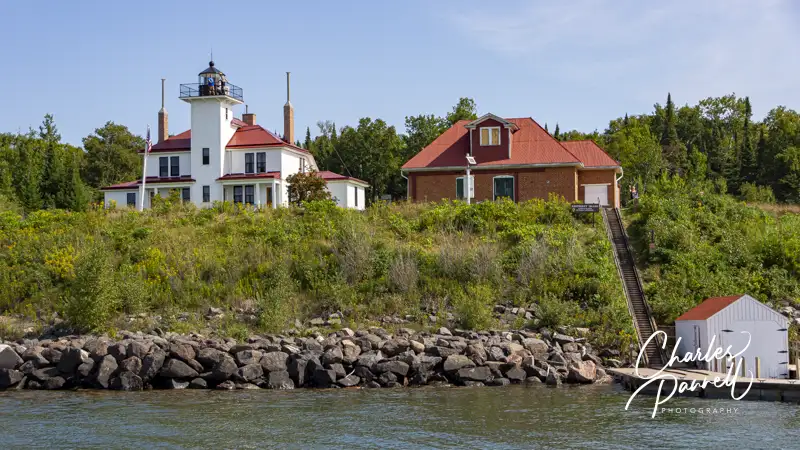
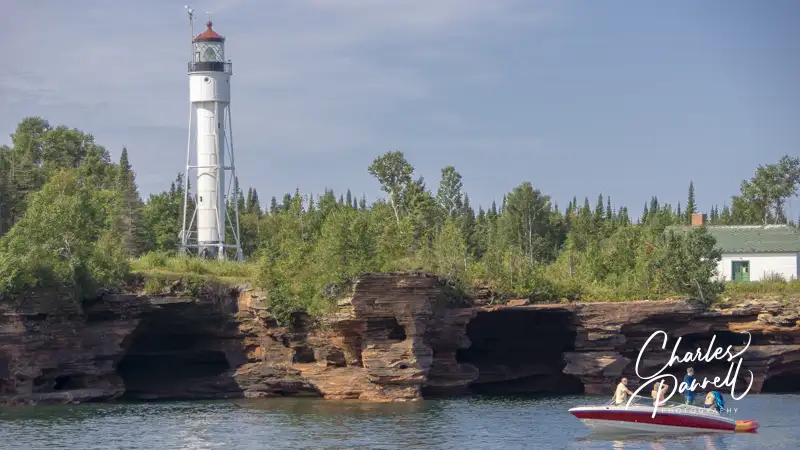
Next the captain pulls in to give passengers a close look at the Raspberry Island Lighthouse. Built in 1862 this duplex building features the light tower in the middle with living quarters on both sides. The lighthouse keeper lived in one side, while the assistant lighthouse keeper lived in the other.
Devil’s Island in Apostle Islands National Lakeshore
After that the cruise continues north past Bear Island before it circles Devils Island for a look at another lighthouse and the rocky southern shore. Native Americans believed the island was haunted — hence the name — because the waves that crashed against the rocks sounded like a woman screaming. Today the shore is a popular spot for sea kayakers. The highlight of the island — Devils Island Light Tower — dates back to 1898, and it’s still in service today.
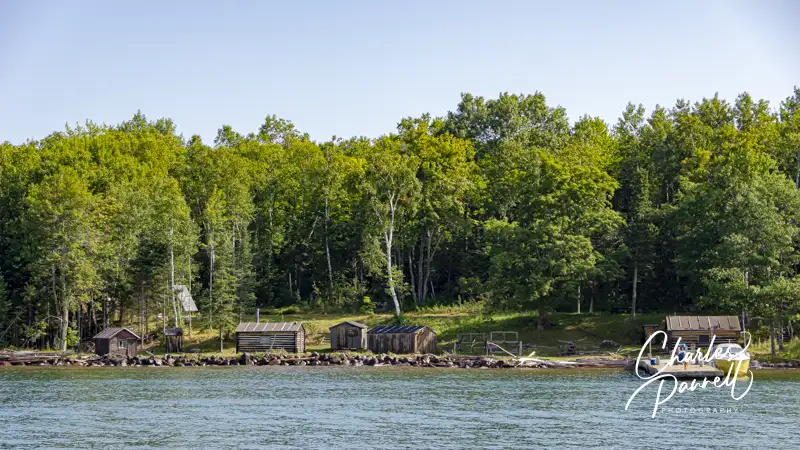
Finally, the cruise heads south past the fish camp on Manitou Island, then skirts Stockton Island, before it returns to the Bayfield City Dock. It’s a pleasant and educational cruise, and a nice accessible way for wheelchair-users and slow walkers to explore this remote national lakeshore.
Fish Camp on Manitou Island in Apostle Islands National Lakeshore
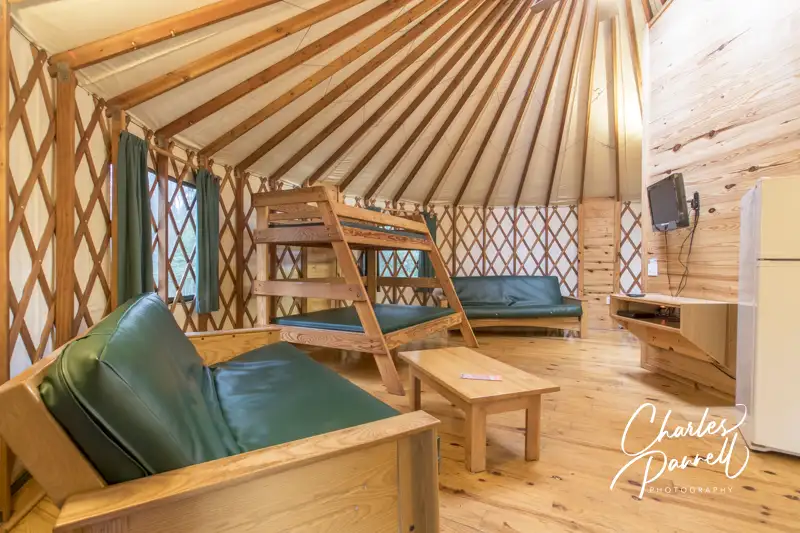
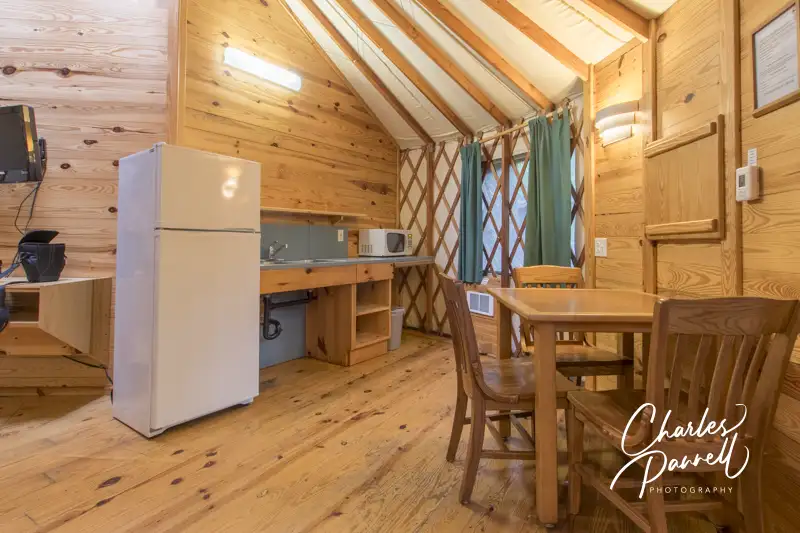
Let’s face it, all yurts are not created equal. These round canvas structures with wooden floors are popping up at state parks and campgrounds across America; and let’s just say some offer more creature comforts than others. Some are pretty basic, with just the roof over your head and a pair of bunk beds. Others, such as this wheelchair-accessible Umpqua yurt, offer a bevy of deluxe features, including a private bathroom, a kitchen and electricity. And you just can’t beat the location — in the heart of Umpqua Lighthouse State Park (oregonstateparks.org/index.cfm?do=parkPage.dsp_parkPage&parkId=83). So pack you car and hit the road to the Oregon coast, and spend the night in this deluxe wheelchair-accessible Umpqua yurt.
Sleeping in Style
Located in a secluded enclave just north of the campground, the Yurt Village includes six yurts, including the wheelchair-accessible model (yurt 16). Accessible parking is located in a small parking lot near the yurt village, which is a short level roll to the wheelchair-accessible Umpqua yurt. The yurt is is surrounded by vegetation for maximum privacy, and there’s level access to the covered front porch.
Great room in Yurt 16 at Umpqua Lighthouse State Park
There’s plenty of room to maneuver a wheelchair around the great room, which is furnished with two 18-inch high futons and a 21-inch high bunk bed (bring your own linens), with a double on the bottom and a single on the top. There’s also a DVD player and a TV in the unit, and although there’s no TV reception, it’s a good entertainment option if you bring along your own DVDs. As an added bonus the yurt also comes equipped with lights, electric outlets and even a heater.
Kitchen in Yurt 16 at Umpqua Lighthouse State Park
The adjacent kitchen is equipped with full size refrigerator, a microwave, and a sink. There’s also a table with four chairs next to the kitchen. It’s a simple set-up, but quite functional, although you do need to pack along dishes, cookware and utensils.
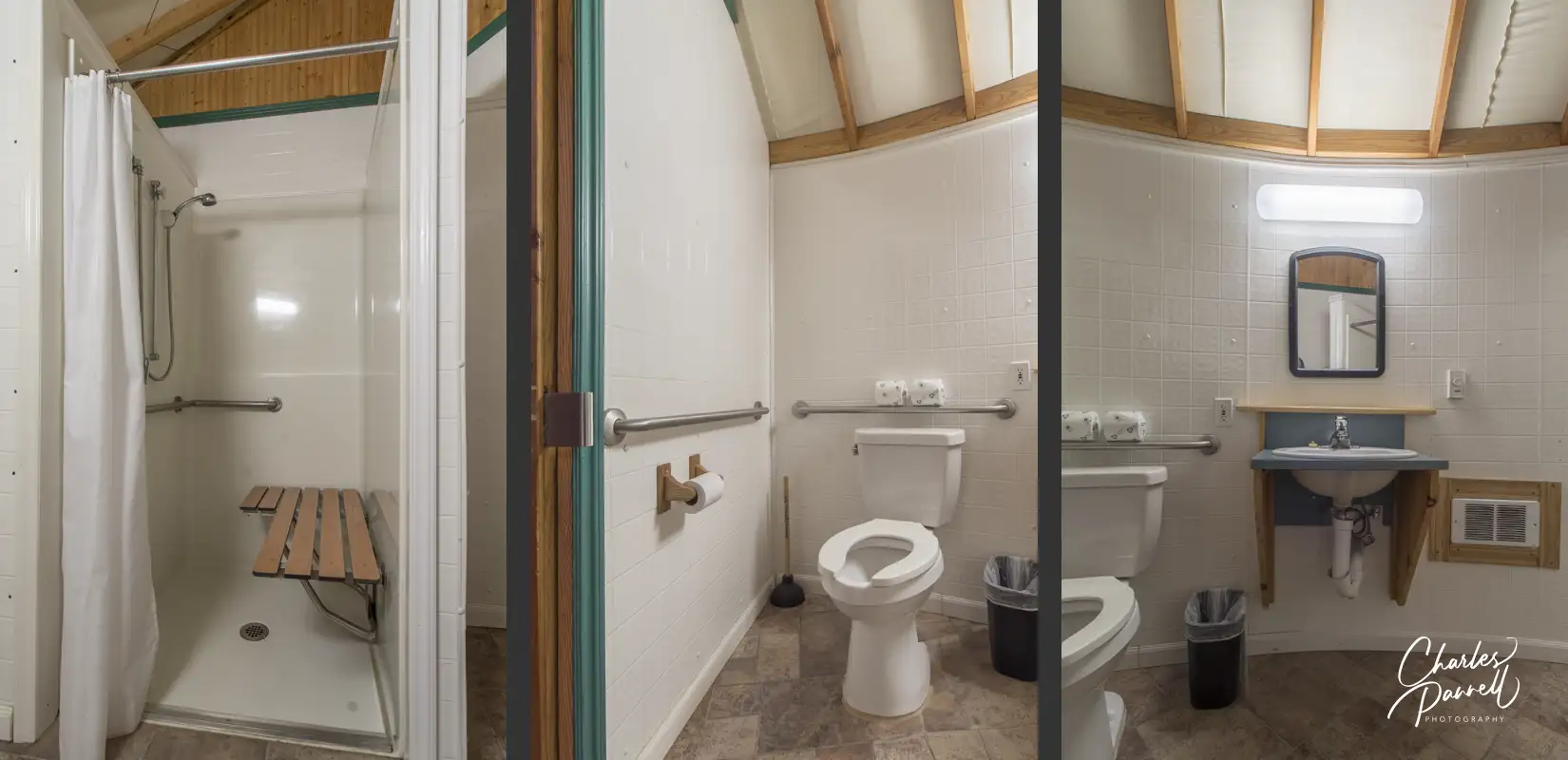
The bathroom has a wide sliding door, and it features a full five-foot turning radius. It’s equipped with a roll-in shower with grab bars, a hand-held showerhead and a fold-down shower bench. Other access features include toilet grab bars on the back and right walls (as seated), and a roll-under sink.
Bathroom in Yurt 16 at Umpqua Lighthouse State Park
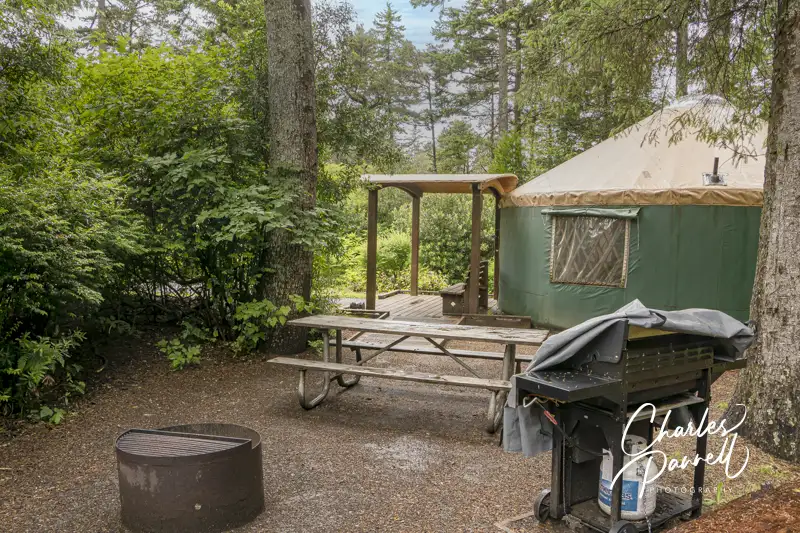
And if you’d like to grill your dinner, there’s also a propane BBQ near the front porch. Top it off with an accessible picnic table and a fire ring, and you have everything you need.
Reservations for this wheelchair-accessible Umpqua yurt can be made up to nine months in advance at www.reserveamerica.com.
Whale Watching and More
While you’re in the area, be sure to take a short drive over to the Umpqua River Lighthouse. Built in 1857, this 65-foot tall tower sits at the entrance to Winchester Bay. There’s accessible parking near the lighthouse, with level access over to the adjacent museum. Even though the museum is accessible, admission is only offered as part of the lighthouse tour, which is not accessible. Still it’s worth a stop just to get a look at the outside of the historic lighthouse. And if you have a picnic lunch, there’s also a few accessible picnic tables in front of the museum.
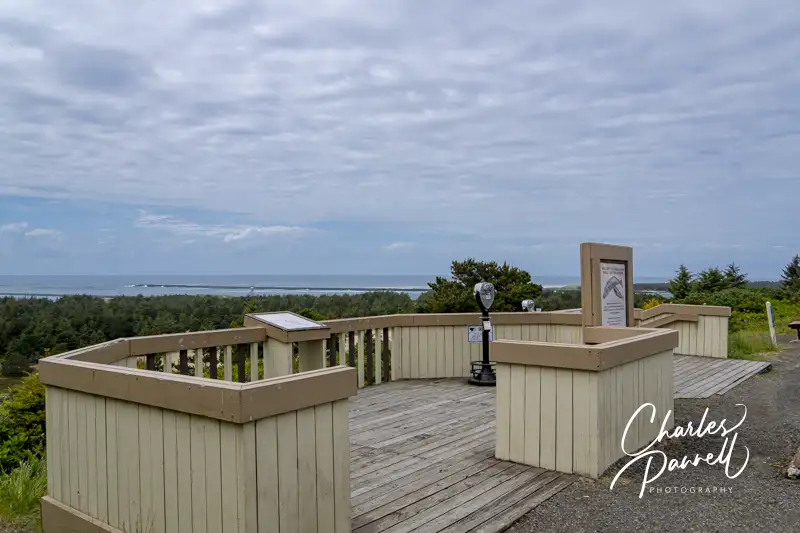
Save some time to stroll across the street, where you’ll find an accessible overlook which offers a nice view of the Umpqua River and the Pacific Ocean. And although the scenery by itself is splendid, during the winter months it’s also possible to spot migrating gray whales in the distance. Be on the lookout for these massive giants from late November to early January, when the pregnant females head south from Alaska, to give birth in the warm waters off of Baja California. Of course whale watching is a matter of luck and timing, but to increase your odds, visit during the peak migration in early January. And don’t forget to bring along your binoculars.
Whale watching platform at Umpqua Lighthouse State Park
Dean Creek Detour
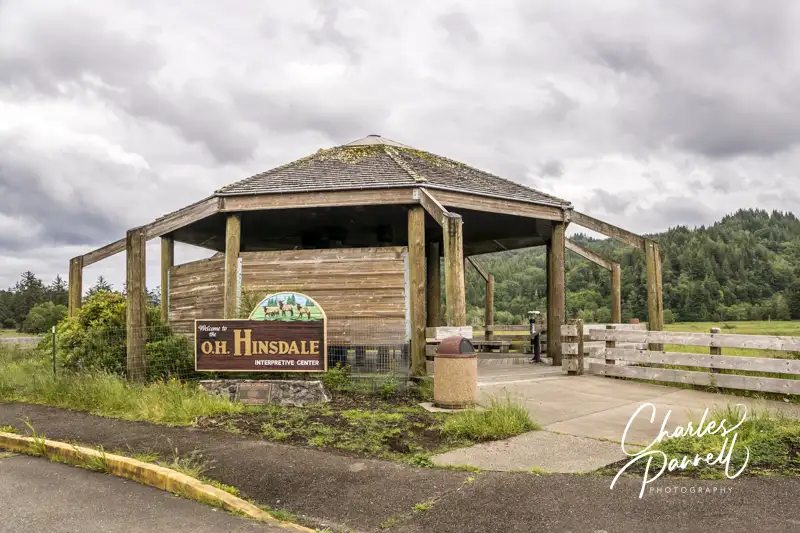
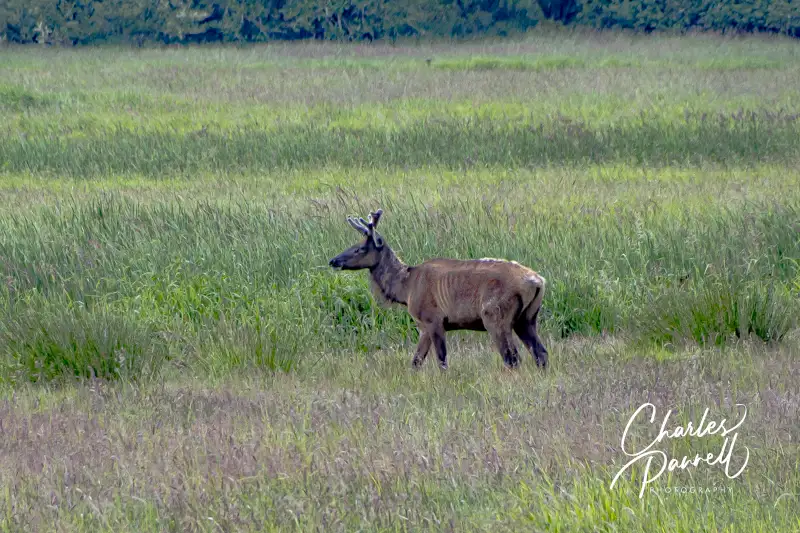
For more wildlife viewing, take a short detour to Dean Creek Elk Viewing Area (www.blm.gov/visit/dean-creek-elk-viewing-area). Just follow highway 38 east from Reedsport for about three miles, and keep your eyes peeled for Roosevelt Elk on the right side of the road.
Interpretive display at Dean Creek Elk Viewing Area
There are several spots along the road that have accessible viewpoints and overlooks, and there’s even a small interpretive display near one popular viewing area. Access is good at all the viewing areas, with accessible parking, level access out to the overlooks, and accessible restrooms. There’s also a pullout on the right side of the road at about the 4.5-mile mark that offers some incredible windshield views.
The good news is that because of mild winter temperatures and abundant food supplies, the elk remain in the area year-round. The not so good news is that, like most wildlife viewing opportunities, spotting these animals depends a lot on luck. That said, you can increase your odds by visiting in the early morning, or just before dusk. On the plus side, the Dean Creek Elk Viewing Area is close to Umpqua Lighthouse State Park, so it’s possible to make several return visits during your stay.
Elk at Dean Creek Elk Viewing Area
Barrier-Free Travel California National Park Road Trips for Wheelchair-Users and Slow Walkers