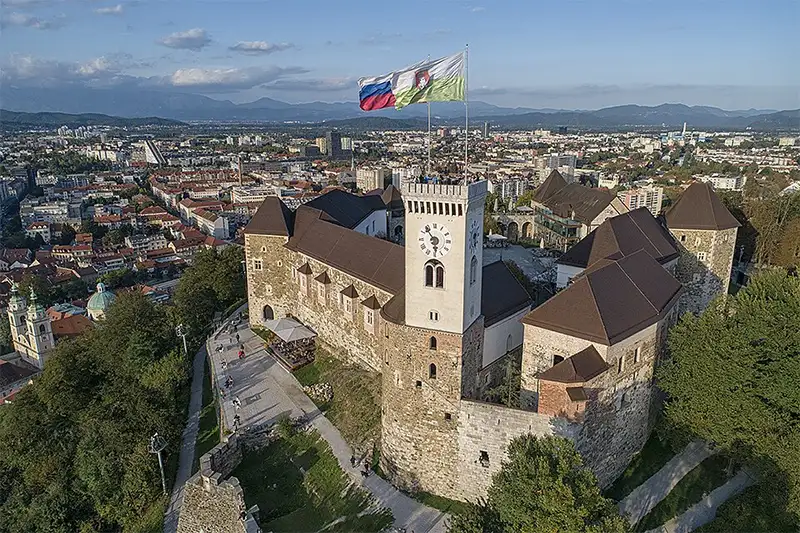
If a trip to Slovenia is in your future, then check out these two helpful wheelchair-accessible Slovenia Resources.
The Roll with a Smile blog has an informative entry about travel to Slovenia at https://rollwithasmile.com/slovenia/. It includes information about transportation, wheelchair-accessible lodging and sightseeing in the country. It’s a helpful site with lots of first-hand information and tips.
Visit Ljubljana (www.visitljubljana.com/en/visitors/travel-information/essentials/accessibility-of-ljubljana-by-wheelchair) also has some helpful resources, including details on local wheelchair-accessible taxis and how to get to and from the airport. This site also includes information on where to borrow a “SPEED3X trailer” (a electric handbike attachment with a range of 40 km), to make navigating the downtown area a little easier in a wheelchair.
Barrier-Free Travel the Grand Canyon for Wheelchair-users and Slow Walkers
Road trips are an excellent vacation choice for wheelchair-users and slow walkers. They offer the freedom to motor through the countryside at your own pace, and stop whenever you want. There’s no tour group to keep up with, no mandatory stops at oddball attractions, and no worries about personality conflicts with other tour participants. You can go wherever you want, and do whatever you choose on a road trip. Additionally, road trips are a great way to explore small towns that are often overlooked on large group tours. Of course road tips require some serious planning and advance research, so here are some tips to help you plan a wheelchair accessible road trip (emerginghorizons.com/wheelchair-accessible-road-trip-tips/)
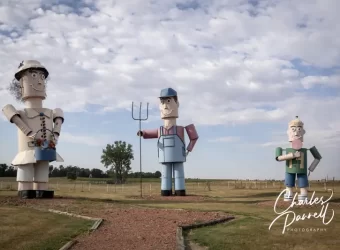
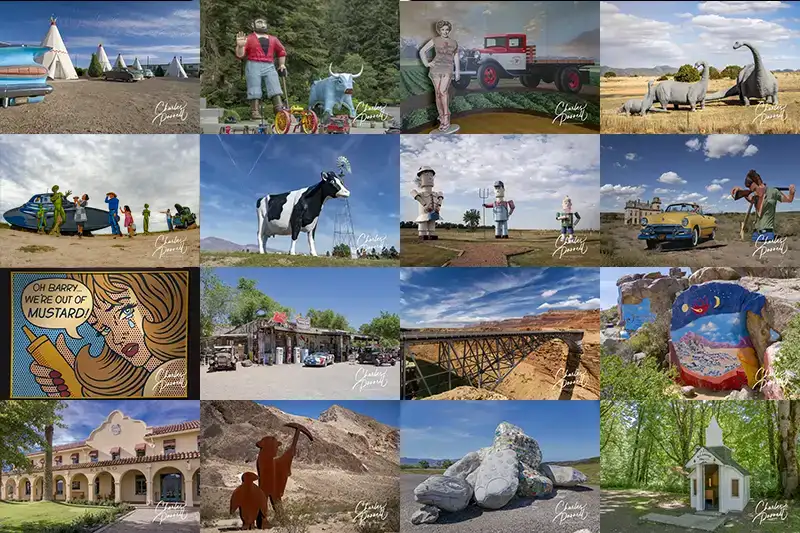
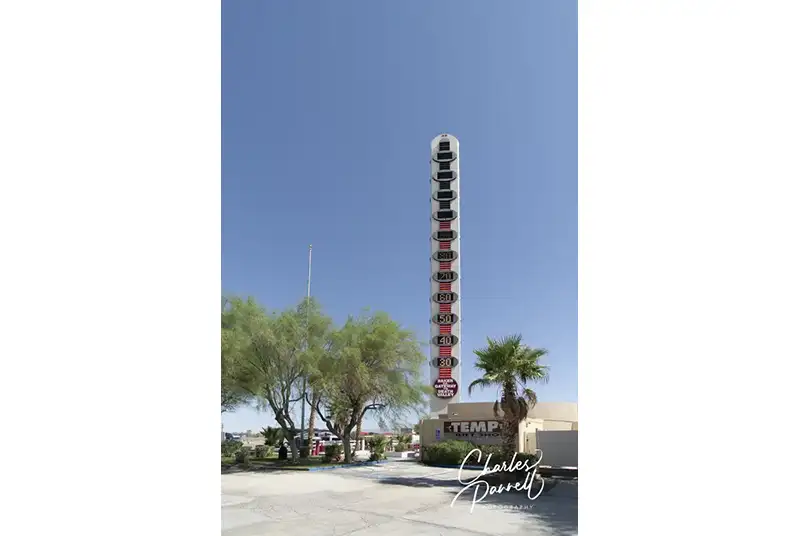
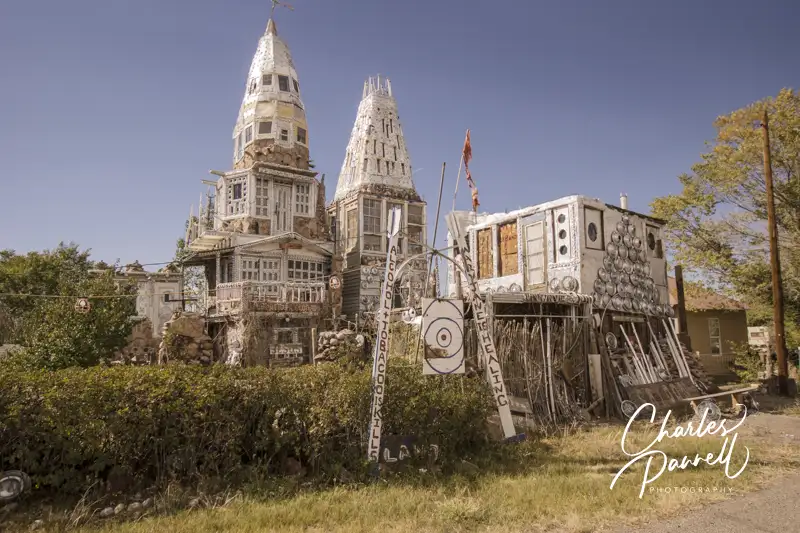
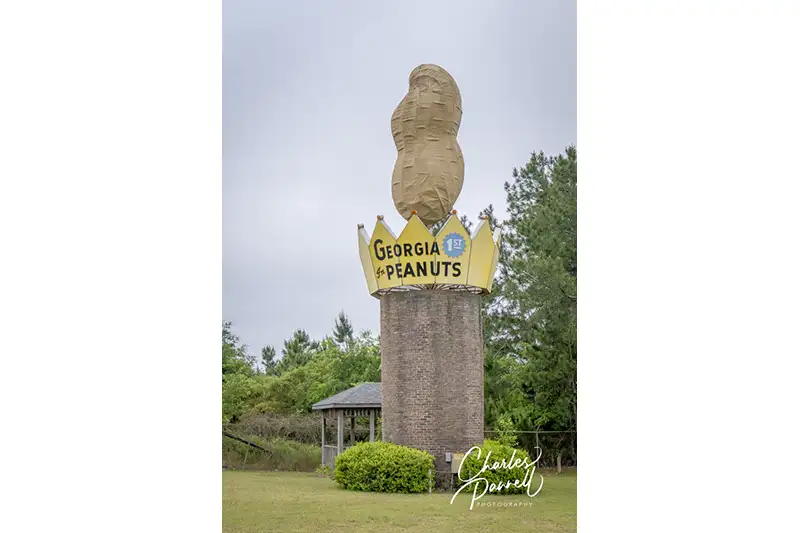
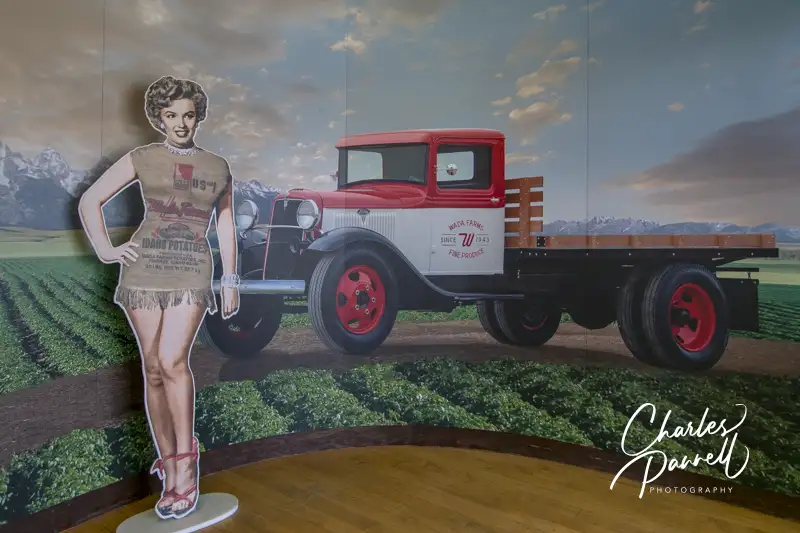
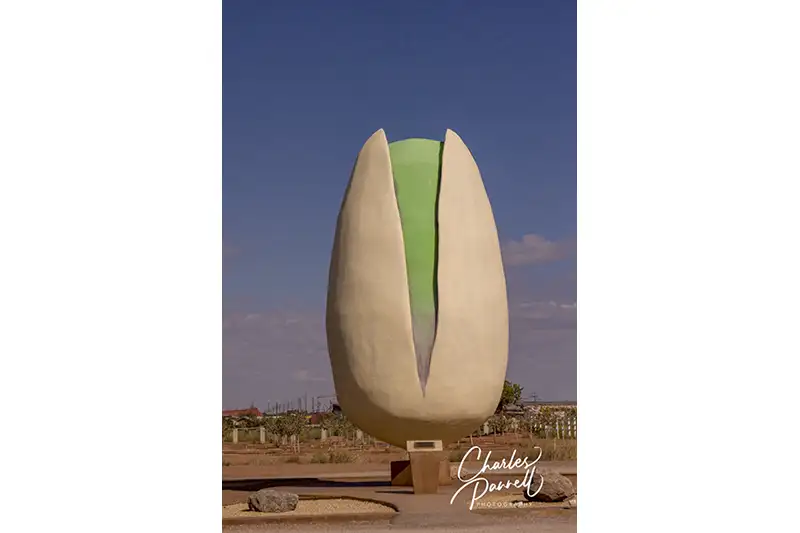
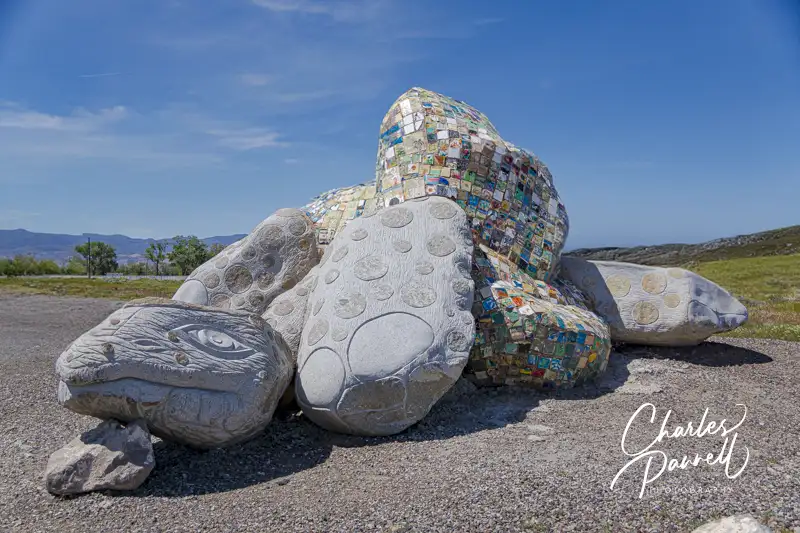
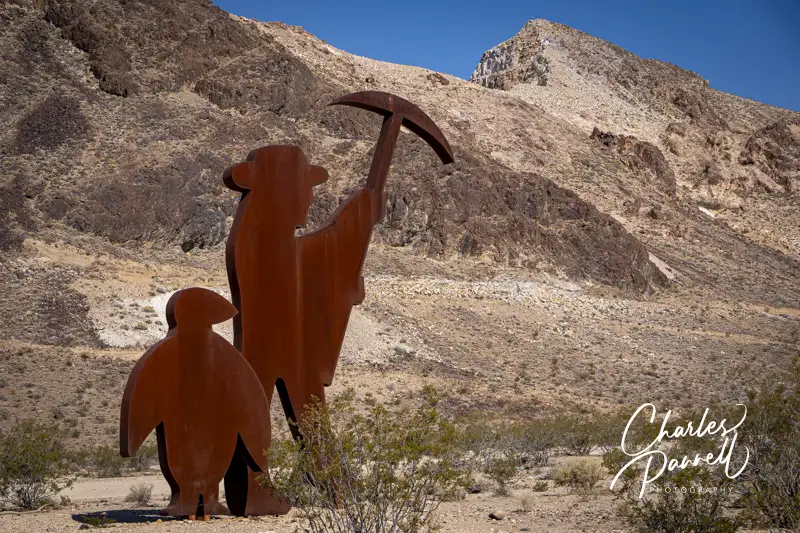
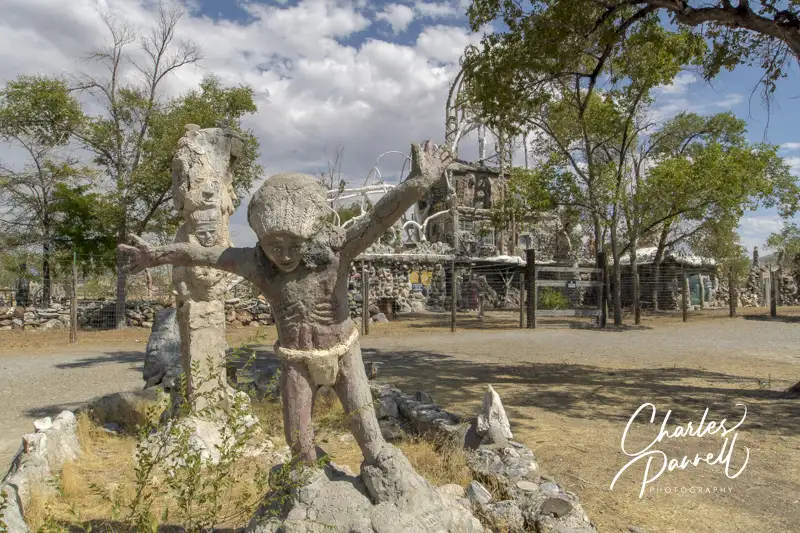
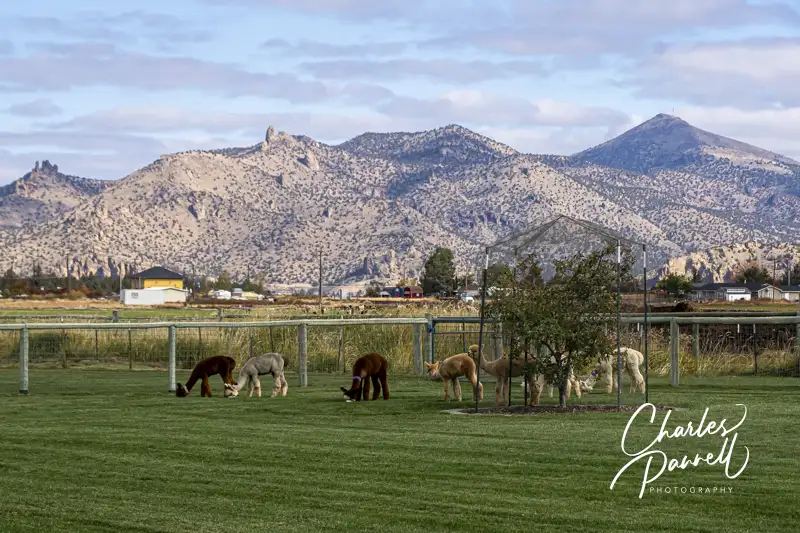
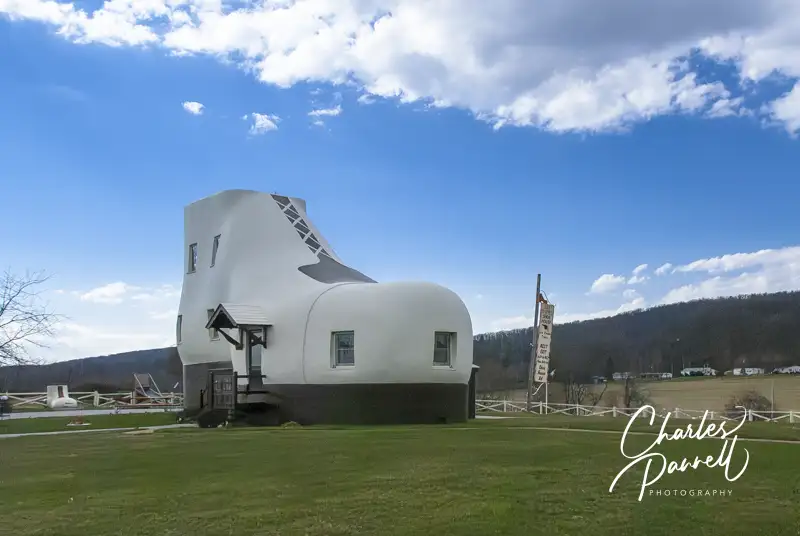
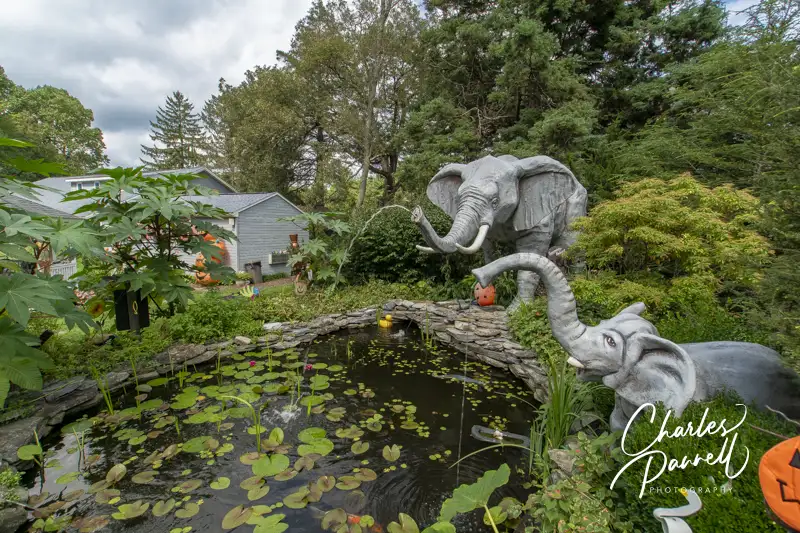
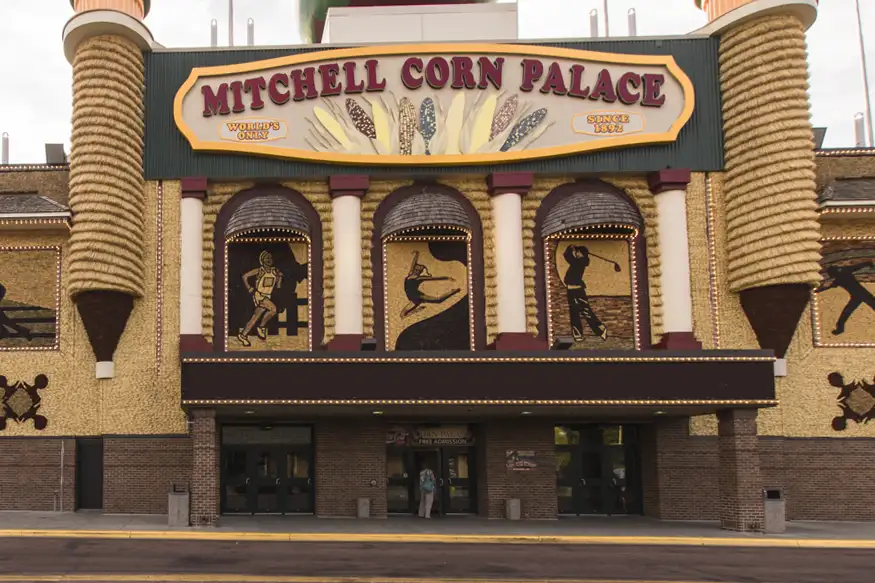
Half the fun of a road trip is stopping at quirky roadside attractions along the way. It’s a great way to take a break, get off the highway and get some fresh air. And although you’ll probably not find these fun and funky stops splattered across the pages of high end travel magazines, they are all great spots to take a break and enjoy the local color. So here’s a fun assortment of wheelchair-accessible roadside attractions to consider for your next getaway.
Located across the country, presidential museums and libraries (https://www.archives.gov/presidential-libraries) not only contain an archive of presidential photos and documents, but they also offer exhibits about the former presidents and the eras of their presidency. In most cases they are funded by private foundations and donations; and they are located in the former presidents’ home state or in a state where they had close ties or spent the majority of their life. And the good news is, since these museums serve as visible faces of the former presidents, most of them go well beyond the letter of the law as far as wheelchair access is concerned. So check out these favorites in your future travels.
Dwight D. Eisenhower Presidential Museum
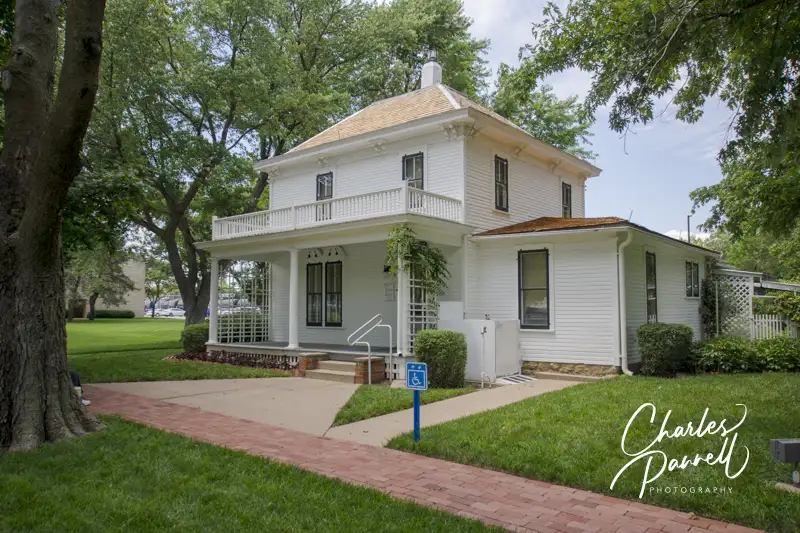
President Eisenhower’s boyhood home at the Eisenhower Presidential Library, Museum & Boyhood Home
eisenhowerlibrary.gov Located in Abilene, Kansas the Eisenhower museum complex includes a visitors center, the Place of Meditation, Ike’s boyhood home, the museum and the library. There is level access to the visitors center, where you can pick up a loaner wheelchair. Just to the left of the visitors center you’ll find Ike’s boyhood home. Although there are three steps at the front, there is also a wheelchair lift on the side. The first floor of the house is open to the public and it features original furnishings, photographs and personal items of the Eisenhower family.
The museum itself is just a short walk from the home and it features barrier-free access and a wheelchair-lift at the front entrance. It’s really a must-see for anyone interested in World War II history, as the excellent Military Gallery features documents, photographs and artifacts from the war. It also includes a gallery devoted to Mamie Eisenhower, and one that presents a comprehensive overview of President Eisenhower’s life and achievements.
Last but not least, save some time to visit the Place of Meditation, where President Eisenhower was buried on April 2, 1969. There is level access to the chapel and good pathway access inside. The stained glass windows, which were designed by Odell Prather, are particularly striking.
The LBJ Library
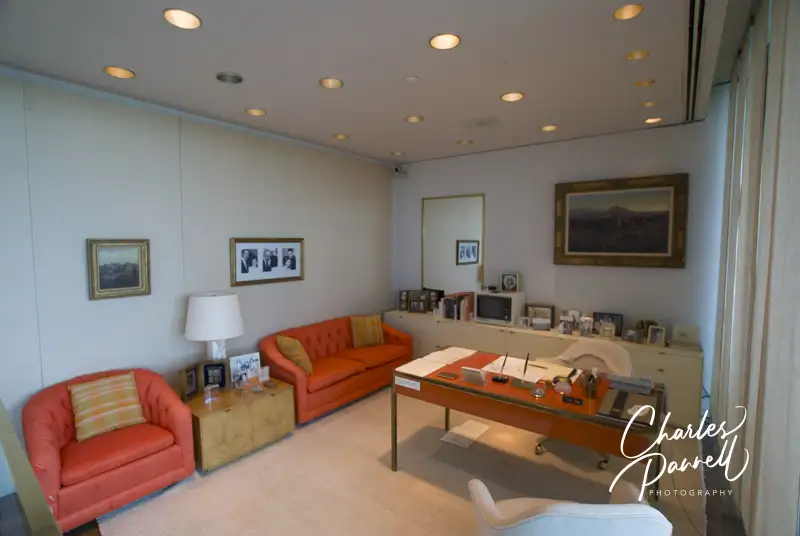
Replica of Lady Bird’s office at the LBJ Presidential Library
lbjlibrary.org This presidential museum is located on the campus of the University of Texas at Austin. Free accessible parking is available in lot 38, which is just a short walk from the museum entrance. Access is excellent throughout the museum too, with elevator access to all floors, accessible restrooms, loaner wheelchairs and plenty of space to wheel around the galleries.
As with all presidential museums, a good chunk of the exhibits chronicle the lives of the first family. And along the way you’ll learn some interesting tidbits. For example, Lady Bird got her nickname from a nurse who declared that she was “as pretty as a lady bird”. Add in a reproduction of the Oval Office, as well as Lady Bird’s office, and the official presidential limousine and you have a well-rounded representation of presidential life.
Like the other presidential museums this one also focuses on the events of the times — in this case the 1960s and the 1970s — so if you happened to grow up in those decades it will be especially interesting to you.
Richard Nixon Presidential Library and Museum
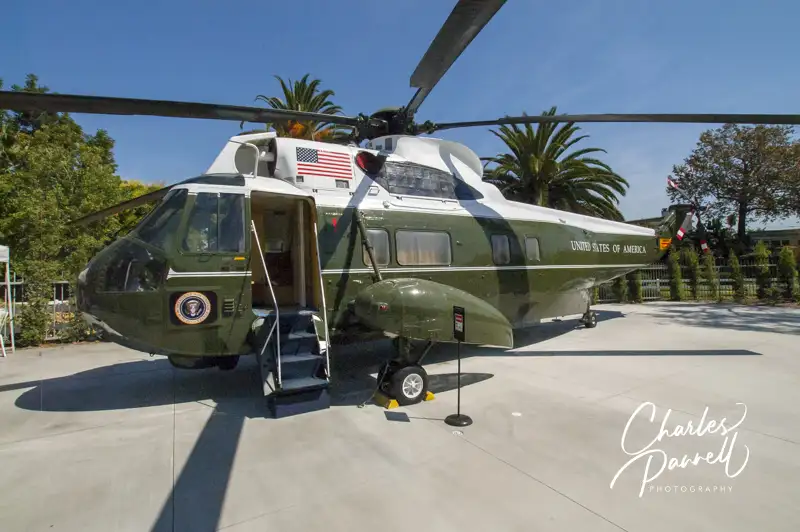
Sikorsky VH-3A “Sea King” helicopter Richard Nixon used for his final departure from the White House after resigning in 1974 at the Richard Nixon Presidential Library and Museum
nixonlibrary.gov Although the Richard M. Nixon Presidential Library and Museum tends to focus more on Mr. Nixon’s long political career, this Yorba Linda museum also includes some small exhibits on Watergate, the Middle East and Nixon’s farewell speech. The Vietnam Gallery also offers some interesting insights on the conflict, as well as an exhibit of items collected by the POWs. Outside, there’s the Richard Nixon birthplace and the presidential helicopter, which was used by presidents Kennedy, Johnson, Nixon and Ford.
Access is good throughout the museum with plenty of accessible parking, ramped access to the front entrance and barrier-free access throughout all the galleries. There is an accessible path from the museum to the birthplace, and a ramped entrance at the back door of the birthplace. There are several steps up to the helicopter; however there is a wide level space around it, with plenty of room to navigate a wheelchair. And it’s an excellent photo op.
Gerald R. Ford Presidential Museum
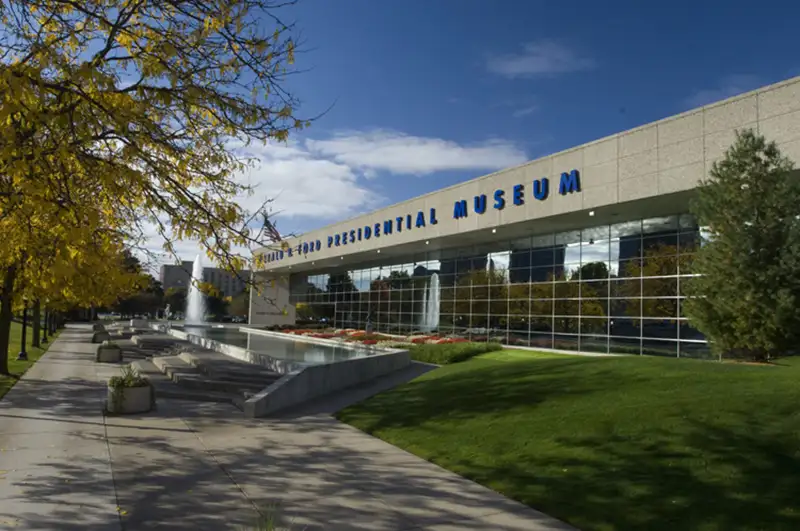
Gerald R. Ford Presidential Library and Museum
fordlibrarymuseum.gov Located in Grand Rapids, Michigan, this presidential museum gives visitors a good dose of 1970s history. No matter what your political party affiliation, if you lived through the Watergate years, you’ll love this museum. That’s because the former president wanted the museum to be more about history and less about him.
There is level access to the front entrance of the museum, elevator access to all floors and ample room to wheel around in all of the galleries. Part of the museum focuses on the 38th President’s career, family and military life; however the bulk of it is dedicated to events that occurred just prior to and during his presidency, or those that were influenced by his presidency. Must-sees include the tools used in the Watergate break in and a fascinating exhibit about the Nixon pardon.
Jimmy Carter Library and Museum
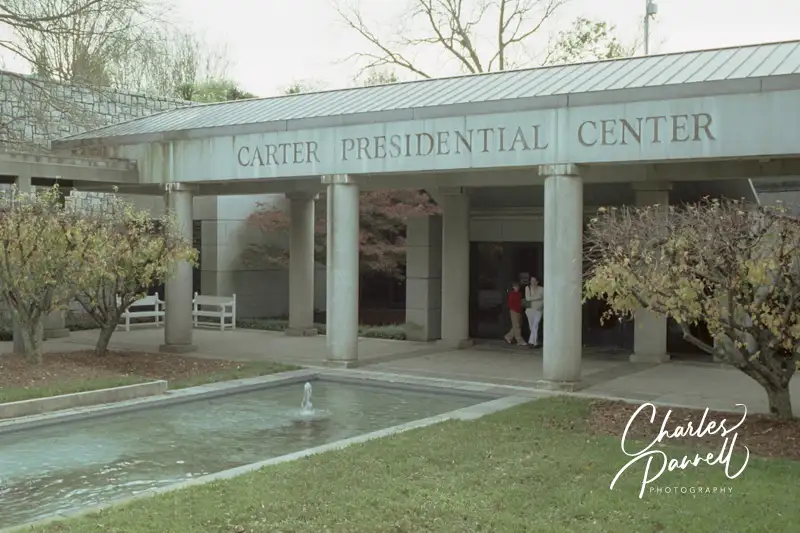
Jimmy Carter Presidential Library and Museum
jimmycarterlibrary.gov The Jimmy Carter Library and Museum is located about five minutes from downtown Atlanta, on a 35-acre wooded parcel dotted with ponds. Highlights of this museum include a replica of the Oval Office, photographs and memorabilia from the Carter Presidency, and an interesting Camp David exhibit. And of course, don’t miss the gallery filled with Head of State gifts.
Accessible parking is located near the museum, with ramp access to the entrance. Inside there’s plenty of room to wheel around the spacious galleries, with ramp access to some exhibits. Outside, paved pathways lead around the spacious grounds, with wheelchair access to most areas.
Ronald Regan Library & Museum
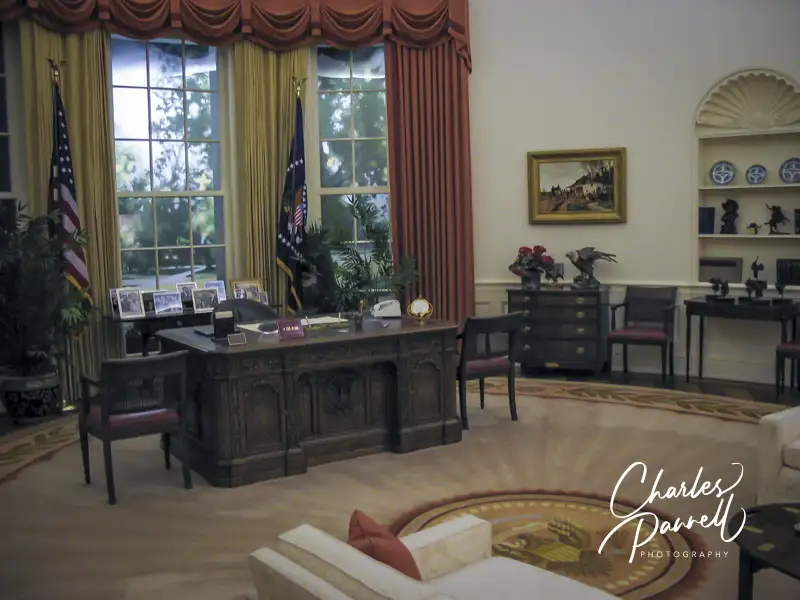
Replica of the Oval Office at the Ronald Regan Presidential Foundation & Institute
reaganlibrary.com Located in Simi Valley, California, the Ronald Regan Library & Museum features hundreds of artifacts that chronicle the former-president’s life, career and political accomplishments. There’s a drop-off area for wheelchair-users and slow walkers in front of the museum, with barrier-free access to the entrance and good pathway access inside. A loaner wheelchair is also available at the front desk.
The museum features 125,000 square-feet of gallery space that highlights Regan’s family life, movie career and life in the White House. It also includes a replica of the Oval Office and a section of the Berlin Wall. As an added bonus, many of the exhibits are interactive, so visitors can act in a movie with Ronald Regan or set a table for a White House dinner.
One of the highlights of the museum is Air Force One. There is elevator access down to the tarmac in the Air Force One Pavilion, where you can walk and roll around the plane. Although stairs lead up to the plane, there is also a lift available. That said the airplane aisle is only 28-inches wide, so it may be too narrow for some wheelchair-users. Still it’s fun to great a peek inside.
George H.W. Bush Presidential Library and Museum
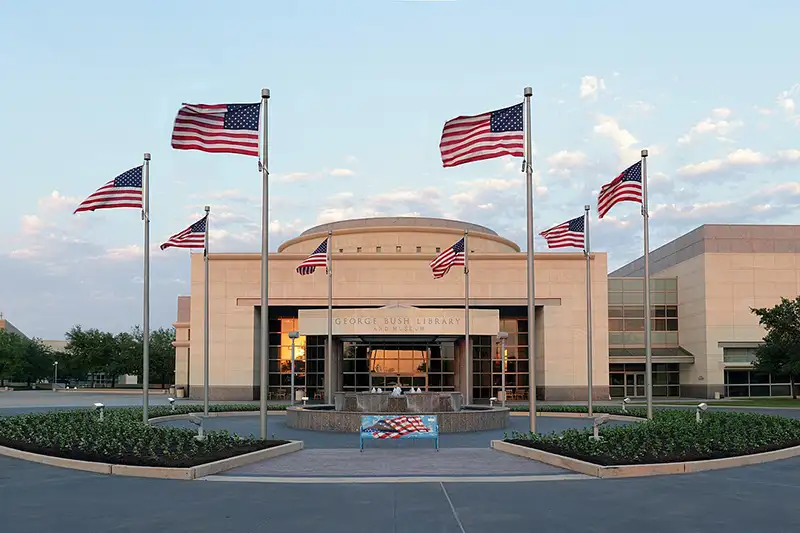
George H.W. Bush Presidential Library and Museum
bush41.org Located about 100 miles east of Austin, College Station is the site of the George H. W. Bush Presidential Library and Museum. More specifically, the museum is located on the Texas A&M University Campus.
There’s plenty of accessible parking near the museum, with level access through the plaza to the front lobby. Wheelchairs are available for loan at the front desk, and there’s elevator access to all floors, with barrier-free pathways though the galleries.
Exhibits focus on the life of the former president, and include some reflections of Mr. Bush’s time in the Navy. As one of the Navy’s youngest pilots, he was shot down in the Pacific, and his rescue was recorded on a hand-held movie camera. Today that film clip is on display in the museum. Other exhibits focus on Mr. Bush’s presidential campaigns, his oil business and his stint as a United Nations Ambassador.
Several exhibits focus on events that had an impact on the Bush presidency, with video screens playing back snippets of history. Then there’s the replica of the Oval Office, the collection of state gifts and even the president’s reaction to Watergate. And of course there is a gallery dedicated to the First Lady, as well as one which focuses on the life of President and Mrs. Bush after leaving the White House.
Clinton Presidential Center
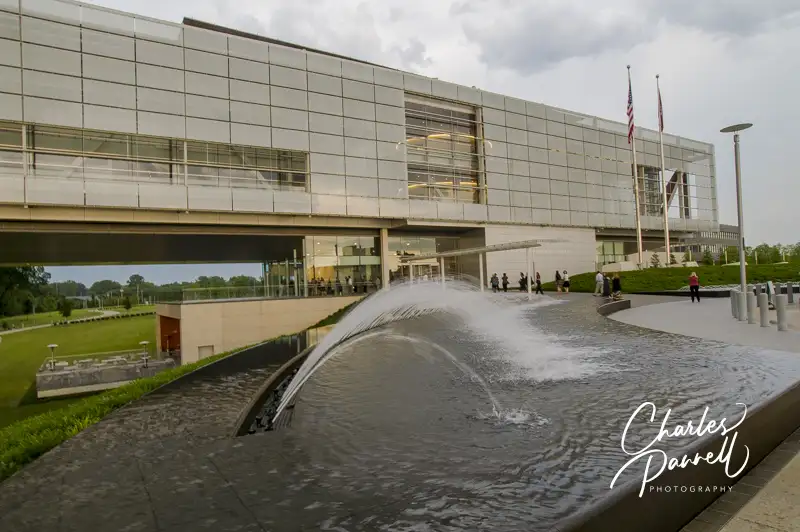
Clinton Presidential Center
clintonfoundation.org/clinton-presidential-center Last but certainly not least in our roundup of presidential museums is the Clinton Presidential Center, located in the River Market District in Little Rock, Arkansas. The 20,000 square-foot exhibit space features excellent access to all galleries, sleek wood floors and level access to the front entrance. And if you don’t think you can manage this massive space on foot, loaner wheelchairs are available.
The exhibits chronicle the Clinton presidency, and include a replica of the Oval Office (complete with a moon rock), items from Bill’s childhood, and even a collection of Saturday Night Live clips featuring Clinton impersonations. There’s also a wing that features the splendor of the White House during the holidays and shows how the Clinton’s gave the presidential residence special touches to really make it their home.
All in all the Clinton Presidential Center houses one of the best presidential collections, and it’s definitely worth a visit. Plan to spend the whole day there though, as there’s definitely a lot to see.
Barrier-Free Travel 22 Accessible Road Trips Driving Vacations for Wheelers and Slow Walkers
The best way to see old town Santa Fe is on foot. That said, there are more than a few access obstacles in the historic heart of the city near the Plaza — an area that dates back some 400 years. On the other hand, with a little advance planning and careful route selection, it’s still possible to see the cultural highlights of this area with minimal walking. With that in mind, here’s a barrier-free Santa Fe walking — or rolling — tour, with stops at a number of accessible cultural attractions along the way.
St. Francis Cathedral
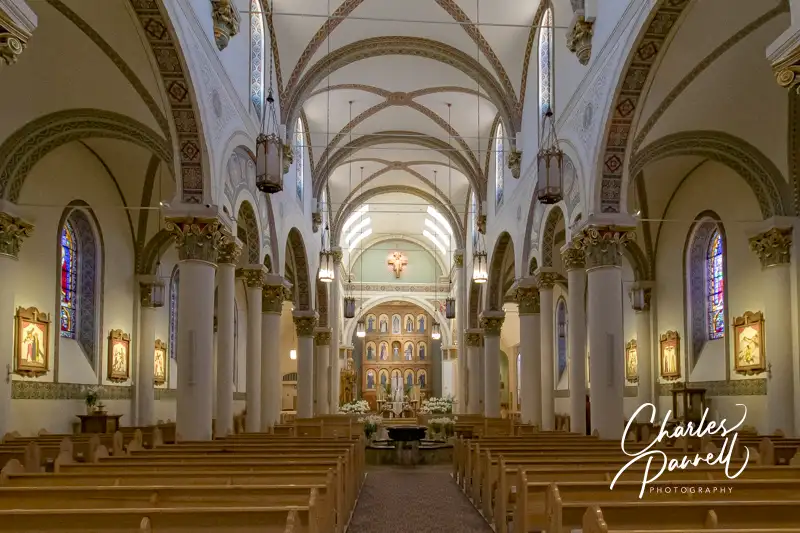
Inside The Cathedral Basilica of St. Francis of Assisi
First up on the wheelchair-accessible Santa Fe walking tour is St. Francis Cathedral (cbsfa.org/), which is just a block from the Plaza. Just head east on Palace Avenue, then turn south on Cathedral Place. St. Francis Cathedral is on the left — you can’t miss it.
Built by Archbishop Jean Baptiste Lamy between 1869 and 1886, this Santa Fe landmark is the mother church of the Archdiocese of Santa Fe. And although there are steps up at the front of this Romanesque Revival building, there’s also ramp access on the left side. Inside, there’s barrier-free access throughout the church, with accessible seating in the chapel.
The center aisle is lined with Corinthian columns, and accented with graceful arches. A massive baptismal fountain sits near the center of the church, and the intricately carved main altar is a sight to behold. Top it off with the stations of the cross, an impressive collection of historic paintings, and stained glass windows that were imported from France, and you have a truly magnificent sanctuary.
Museum of Contemporary Native Arts
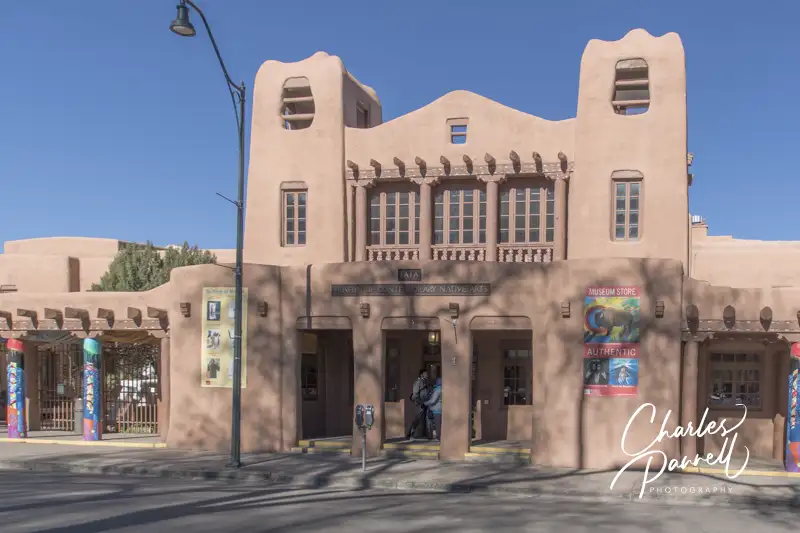
The Museum of Contemporary Native Arts
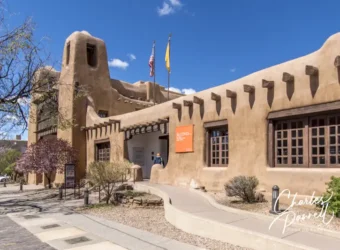
The Museum of Contemporary Native Arts (iaia.edu/mocna/), which is located across the Street from St. Francis Cathedral, is often overlooked by visitors, but it’s truly a must-see on any Santa Fe visit. And there’s a discounted admission for disabled visitors, and no charge for caregivers.
Although there are steps up to the front entrance, there’s curb-cut access and a barrier-free pathway to that same entrance from San Francisco Street. Inside, there’s plenty of room to maneuver a wheelchair through the spacious galleries which display select works from a 7,500-object collection of contemporary native art. From paintings, textiles and cultural arts, to sculptures, ceramics and jewelry, there’s something for just about everyone.
There’s also level access out to the first-floor courtyard which boasts an impressive collection of public art, and to the adjacent galleries which host a wide variety of rotating exhibits. And if you like what you see, don’t forget to stop in at the well-stocked gift shop on the way out.
Loretto Chapel
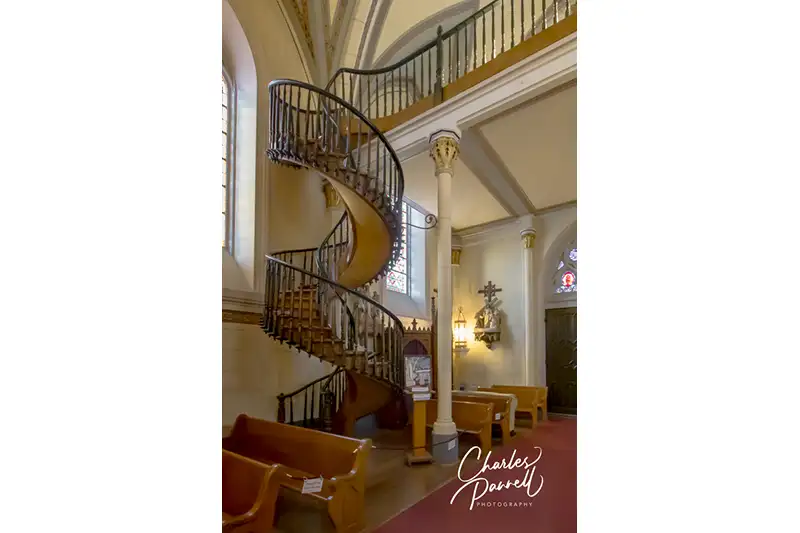
The Miraculous Staircase of the Loretto Chapel
From the Museum of Contemporary Native Arts, head south on Cathedral Place and take a right on Water Street and a left on the Old Santa Fe Trail, to what many folks consider one of the most mysterious sights in town — the Loretto Chapel (lorettochapel.com/). There’s level access to this beautiful chapel, where visitors can also admire the stained glass windows, the stations of the cross, the Italian-made altar, and of course the famous staircase to the choir loft that lacks any visible support.
The story behind the creation of the staircase is an age-old mystery. According to legend, the sisters of the chapel prayed to St Joseph — the patron saint of carpenters — for a way to access the then stair-less choir loft. Shortly thereafter an unknown carpenter appeared and constructed the spiral staircase, and left without payment. That was in 1878, and although a railing was added over the years for safety, the staircase remains as it was constructed — without any center or side support. Visitors can linger on as long as they want in the chapel, and enjoy the beauty of it all.
Palace of the Governors
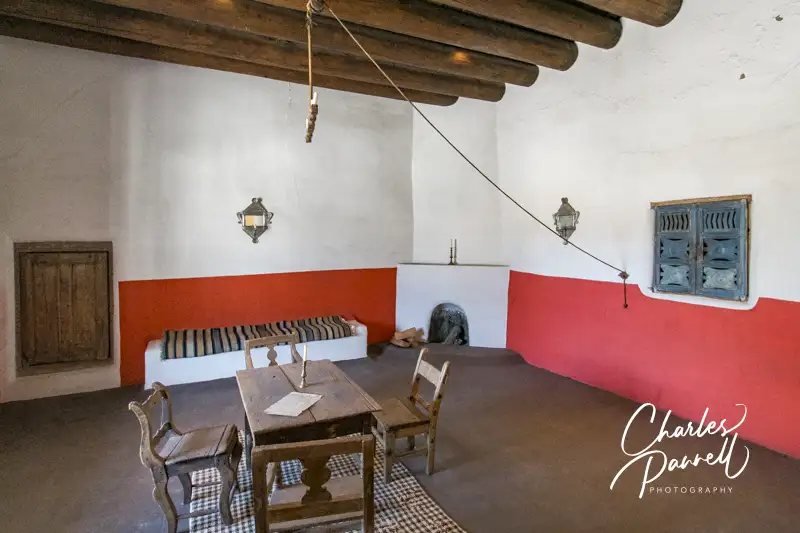
Old Governors Office in the Palace of the Governors
One of the highlights of old Santa Fe is the Palace of the Governors (palaceofthegovernors.org), which was constructed in the early 17th century as Spain’s seat of government over what’s now known as the American Southwest. Designated as a Registered National Historic Landmark in 1960, today this historic building houses part of the state’s history museum.
As an added bonus, the stroll from the Loretto Chapel is very scenic. Just follow the Old Santa Fe Trail north past San Francisco Street, along the Plaza and over to the Palace of the Governors. Alternatively, you can cut through the Plaza; however even though the Plaza pathways are wide and level, there are some uneven brick sections that may be problematic for wheelchair-users.
You can’t miss the Palace of Governors, as it’s usually lined with a gaggle of Native American vendors selling their wares. And although that’s certainly worth a stop itself, it’s also worth a look inside. Access to the interior of this historic adobe structure is through the Lincoln Street entrance to the New Mexico History Museum, which is located next door on Lincoln Street. So save some time to the peruse the inside of this historic building which is filled with objects that have been unearthed by archaeologists, including pottery, utensils and weapons. The exhibits span two floors, with elevator access to the second floor, and there’s always an interesting rotating exhibition or two in the mix.
New Mexico History Museum
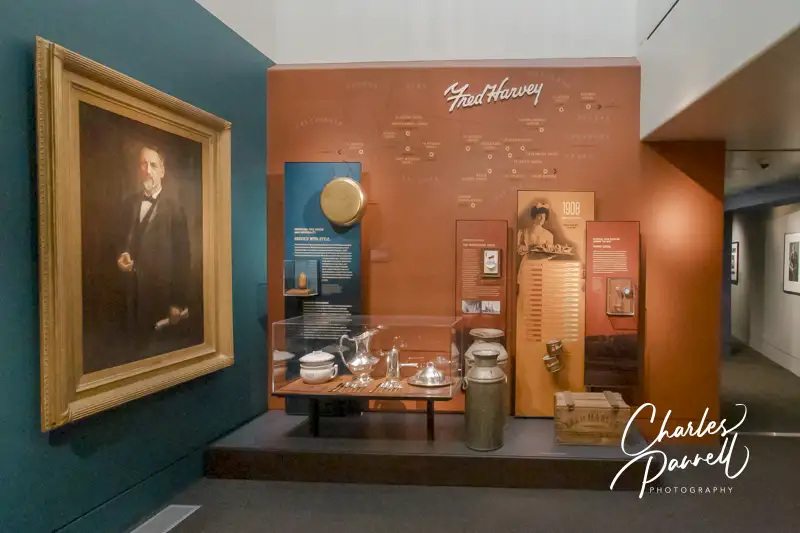
Fred Harvey exhibit in the New Mexico History Museum
The New Mexico History Museum, which is located just around the corner, offers an equally impressive historic collection. There’s level access to the front door and ramped access to the exhibits. Wheelchairs are available for loan at the front desk, and there’s plenty of room to maneuver a wheelchair through the exhibition spaces, which feature a variety of artifacts that chronicle the history of the state.
Starting with the early settlers and Coronado, and moving on to the Mew Mexico Missions, the Santa Fe Trail and even the Santa Fe Harvey House, the museum offers a comprehensive look at the history of the indigenous people, Spanish Colonization and early travel and commerce in New Mexico. And combined with the Palace of the Governors, this modern museum gives visitors a good overview of the colorful — and sometimes contentious — state history.
New Mexico Museum of Art
New Mexico Museum of Art
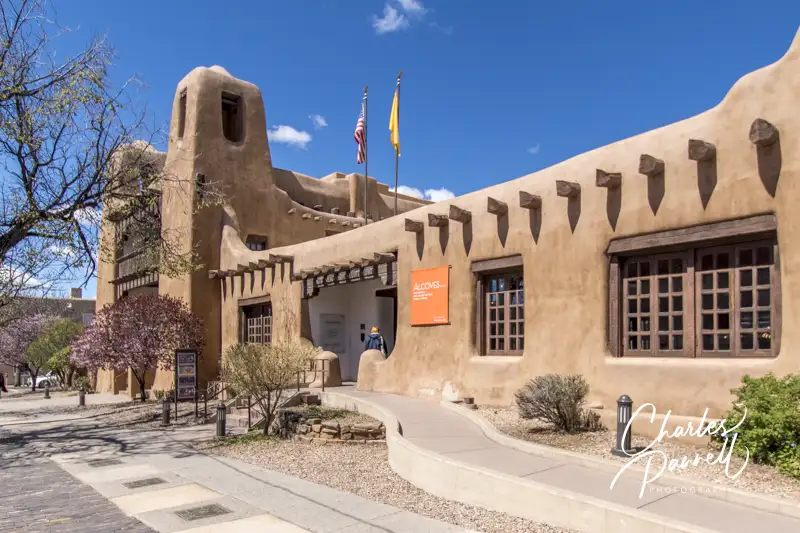
The New Mexico Museum of Art (nmartmuseum.org), which is located just a block west of the Palace of the Governors, is also worth a stop. It’s just a short level roll down the street, and there’s curb-cut access to the wide level sidewalk along Palace Avenue, and level access over to the museum’s front entrance. There’s barrier-free access to all the galleries, and elevator access to the second floor.
This museum first opened in 1917, and many of the works that were exhibited on opening day are still part of the permanent collection. A good variety of rotating exhibitions are also presented throughout the year. And don’t miss the courtyard, which is dotted with murals by William Shuster. These frescoes, which were commissioned by the Federal Emergency Relief Agency in 1934, were created to honor the Pueblo Indians. It’s quite an impressive collection.
Georgia O’Keeffe Museum
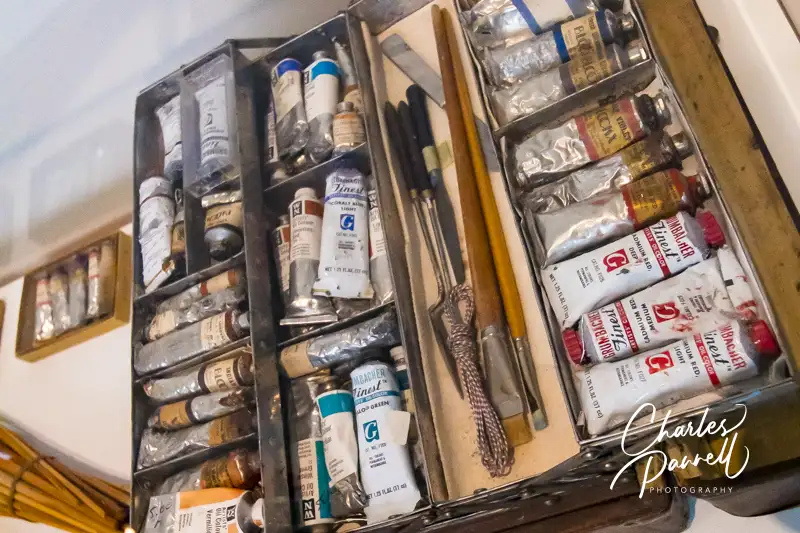
Georgia O’Keefe’s paint box in the Georgia O’Keefe Museum
Last but not least on this wheelchair-accessible Santa Fe walking Tour is the Georgia O’Keefe Museum (www.okeeffemuseum.org). From the New Mexico Museum of Art, continue west on Palace Avenue, take a right on Grant Street, and then turn left on Johnson Street. The Georgia O’Keeffe Museum is just a half-block up on the right.
Although O’Keeffe was born in Wisconsin, she fell in love with New Mexico when she visited Santa Fe in 1917. By 1934 she was spending her summers at Ghost Ranch, about an hour north of Santa Fe; and in 1949 she took up permanent residence in the state. To say she was a local favorite is an understatement. The museum was opened 11 years after her death in 1997, to honor her art and share it with the public.
Today there’s excellent wheelchair access throughout the galleries in the adobe building, which is a work of art itself. Admission is free for people with a disability, and half-price for their caregivers. There’s also a loaner wheelchair available at the front desk.
The museum’s permanent collection consists of over 3,000 O’Keeffe works which span the length of her career, from 1915 to 1984. The galleries are divided by decade and the works include everything from paintings of her beloved New Mexico, and large scale depictions of flowers, leaves and other natural forms, to New York cityscapes. Add in some rotating exhibits and you have a truly spectacular museum — and reason enough to add Santa Fe to your cultural bucket list.
Stay Near the Plaza
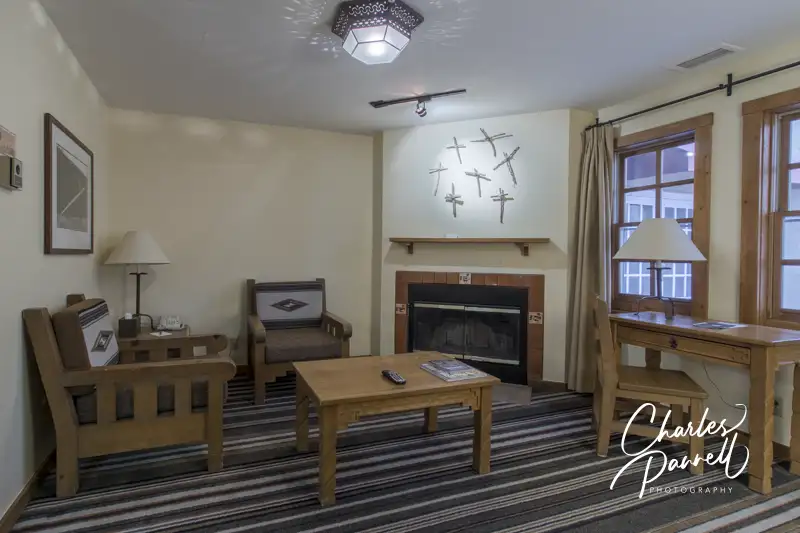
Living Area in Suite 102 at the Chimayo Hotel
If you’re looking for an accessible hotel near this wheelchair-accessible Santa Fe walking tour, then look no further than the Chimayo Hotel emerginghorizons.com/a-wheelchair-accessible-santa-fe-lodging-choice/. It’s just a two-minute walk from the Palace of the Governors, on Washington Street. This historic property boasts a comfortable accessible suite, and it’s a great place to base yourself to explore old town Santa Fe. You can start this walking tour in the morning, have lunch, then take midday break at the hotel, before continuing your tour in the afternoon. Comfort, convenience and access, the Hotel Chimayo has it all. So check it out on your next Santa Fe visit.
Barrier-Free Travel Utah National Parks for Wheelchair-users and Slow Walkers
College campuses include much more than just classrooms and dorms today. Many also boast museums, architectural gems and even historic sites. And the good news is, admission isn’t just limited to students — many college attractions are also open to the general public. Even better, most are wheelchair-accessible. So take some time to scout out the local college attractions on your next road trip. Here are a few favorites to add to your itinerary.
Mississippi Art Museum
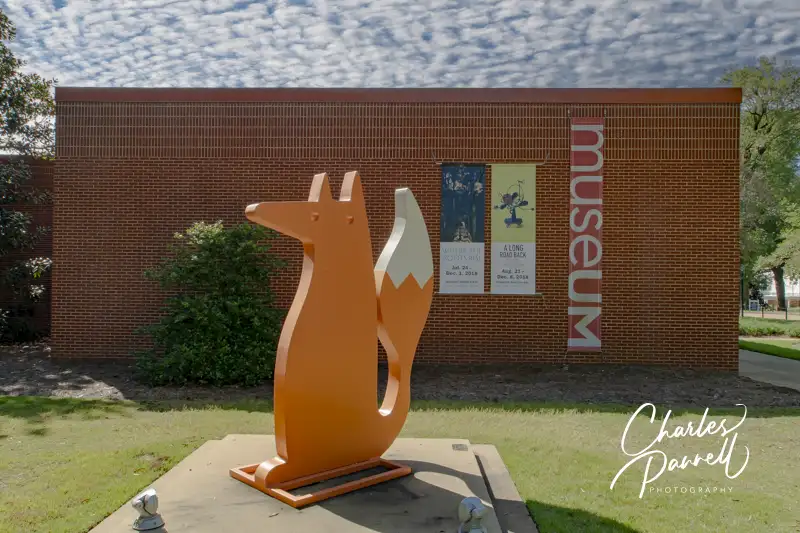
First up on our roundup of college attractions is the University of Mississippi Museum (museum.olemiss.edu/). Located in Oxford, this campus is known for its impressive collection of Greek and Roman antiquities. The museum offers accessible parking nearby, a barrier-free entrance and plenty of room to wheel through the galleries.
The David M. Robinson Collection of Greek and Roman Antiquities covers the period from 1500 BC to 300 AD and includes a nice mix of pottery, arrowheads, coins and architectural fragments. And don’t miss the marble satyr sculpture. This depiction of a male nature spirit dates back to 200 BC and is particularly striking.
Other permanent collections include the Seymour Lawrence Collection of American Art and the Millington-Barnard Collection of Scientific Instruments. The former includes works by Georgia O’Keefe, Kurt Vonnegut and Richard Brautigan; while the latter showcases an eclectic collection of scientific instruments. And then of course, there are rotating exhibitions, so there’s always something new to enjoy. Best of all — as with many college campus attractions — admission is always free.
Texas Ghost Town
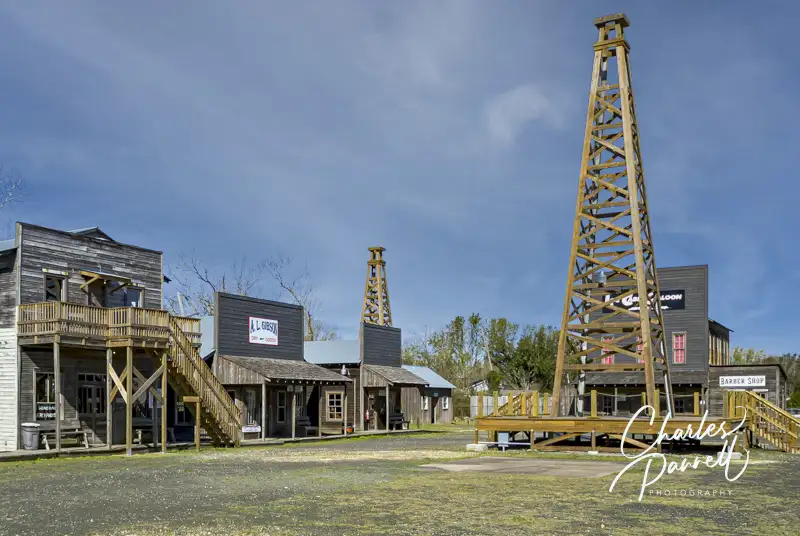
Gladys City Boomtown Museum
Not all college campus attractions are located in the middle of campus. For example the Spindletop – Gladys City Boomtown Museum (www.lamar.edu/spindletop-gladys-city/), is located at the remote intersection of University Drive and U.S. Highway 69 on the Lamar University campus in Beaumont, Texas.
This re-created oil rush town focuses on the history of the Texas oil boom and includes a saloon, a post office, a dry goods store, a barber shop and of course a livery stable. The museum is staffed by knowledgeable docents and each building features artifacts from the boom days. For example, the barber shop, (which also served as the dentist’s office) includes an old barber chair and an assortment of antique dental tools; while the dry goods store features goods typically offered for sale at the beginning of the twentieth century.
Access is excellent throughout the complex, with ramped or level access to the buildings, a level boardwalk around the town and an accessible restroom near the post office.
Western Landscapes Galore
Southern Utah Museum of Art
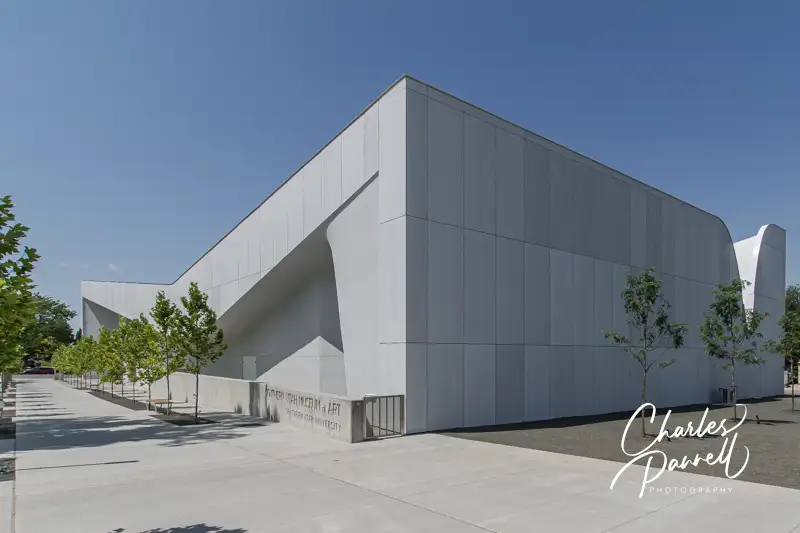
Located on the campus of Southern Utah University in Cedar City, the Southern Utah Museum of Art (www.suu.edu/suma/) is filled to the brim with landscapes of the surrounding Colorado Plateau. There’s level access to the building, accessible restrooms near the entrance, and room to maneuver even the largest wheelchair around the spacious galleries.
This museum grew out of a legacy donation by artist Jimmie Jones, and today that 15-painting bequest is part of the museum’s permanent collection. The museum also features rotating exhibitions, most of which focus on western landscapes or include the work of the school’s faculty or students. Additionally, the Stillman Sculpture Court, which is located just east of the museum, features works by Jane DeDecker and Marvin Nelson.
The museum building is a work of art itself. In keeping with the outdoor theme, it’s an interpretation of a Southern Utah slot canyon. The canyon-lined roof and the 5,000 square-foot canopy over the main entrance are designed to blur the boundaries of the indoor and outdoor spaces. Take some time to step back and admire the structure from afar. And come back as often as you want — there’s no admission charge.
Reach for the Stars
Steward Observatory at University of Arizona
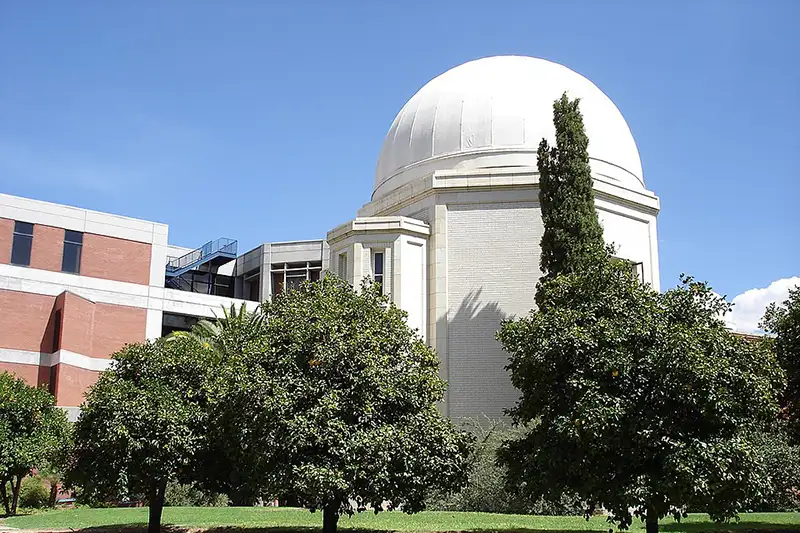
Up next on the list of college attractions is University of Arizona in Tucson. A lot of colleges have an evening lecture series, but Tucson puts a different spin on things, as it conducts its lectures in the Steward Observatory (astro.arizona.edu/outreach/public-evening-lecture-series). The lectures conclude with the opportunity to check out the night sky on a 21-inch telescope. And as with most campuses, wheelchair-access is excellent.
The lectures are held during the school year, and they cover a variety of topics. From “Hunting for Imaginary Aliens” to “How we Built the Biggest Telescope in Space” and even “Dusty Debris Disks, Galaxies and Black Holes”, there’s something for just about everyone. And yes, they are all free, and open to the general public.
A Great Missouri Combo
University of Missouri
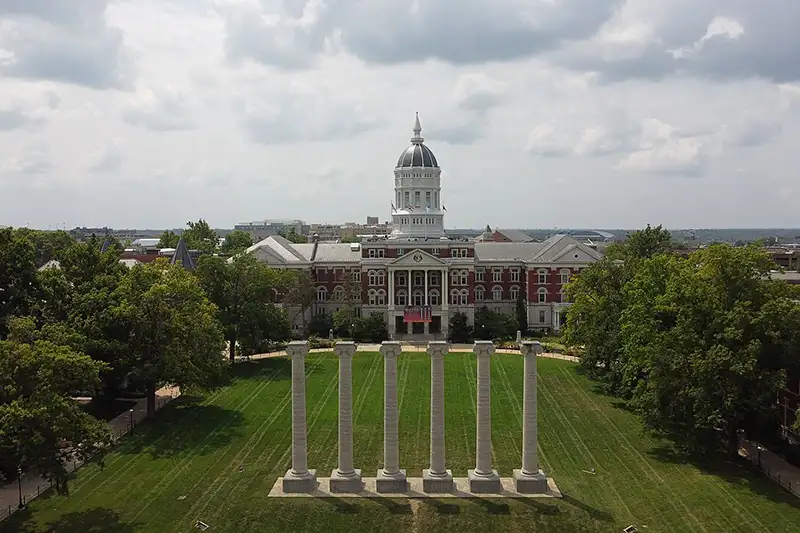
The next stop on this tour of US college attractions is Columbia Missouri. Once housed in two separate buildings, the Museum of Art and Archaeology (maa.missouri.edu/) and the Museum of Anthropology (anthromuseum.missouri.edu) now occupy the east wing of the Ellis Library at the University of Missouri. The collections are located on the ground floor, across from the Memorial Union. Accessible parking is available in the Hitt Street lot, which is near the accessible entrance. Please note that the Lowry Mall entrance to the library is not wheelchair-accessible.
The Museum of Art and Archaeology features an impressive Old Masters collection. and offers an overview of artistic trends and influences through the 19th century. The museum also includes an antiquities collection of over 8,000 objects, including Greek, Roman, Egyptian and Near Eastern pieces. Add in some rotating special exhibitions and you’ll always find something new and interesting.
The Museum of Anthropology is one of only a few in the Midwest; and it boasts a large collection of Native American artifacts. It includes over 35,000 artifacts, which date back 2.6 million years. It’s also home to the Sutton Collection of African Weaponry and the Grayson Archery Collection — one of the largest archery equipment collections in the world. Additionally, this museum offers many free events, including lectures, workshops and collaborations. This fascinating facility offers a comprehensive collection, and like most of the other college museums, it’s easy on the wallet, as there’s no admission charge.
The Ultimate Architecture Tour
Annie Pfeiffer Chapel at Florida Southern College
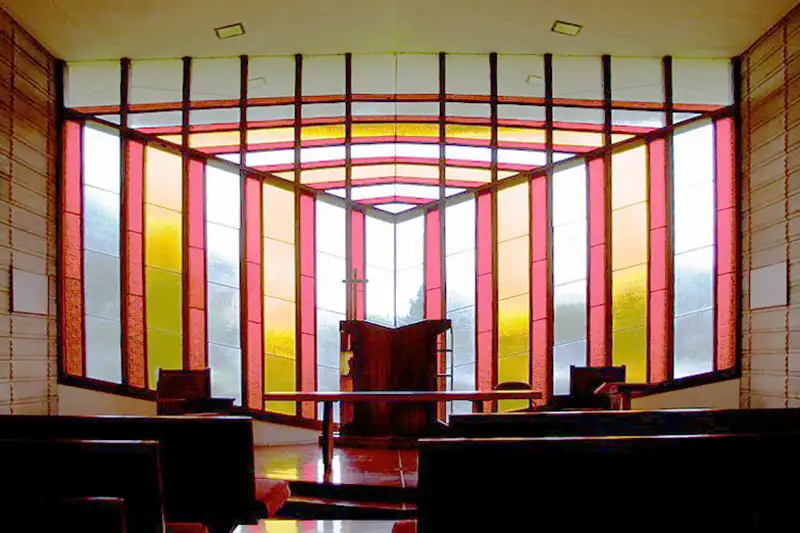
Last but not least on our list of college campus attractions is Florida Southern College (www.flsouthern.edu/frank-lloyd-wright-home), which is well known for its collection of Frank Lloyd Wright buildings. In fact, it’s a National Historic Landmark, as it boasts the largest single site collection of Frank Lloyd Wright architecture in the world.
The best place to begin your self-guided Frank Lloyd Wright architecture tour is at the Sharp Family Tourism and Education Center. Located on the corner of Frank Lloyd Wright Way and Johnson Avenue, there’s accessible parking in front of the education center, with level access to the building. Inside there’s plenty of room to maneuver a wheelchair around the display of Frank Lloyd Wright photographs, furniture and drawings. And don’t forget to pick up a walking tour map.
The walking tour begins across the street on the west section of the campus. There’s good pathway access throughout the campus, with wide sidewalks, curb-cuts and ramped or level entrances to the buildings. Wander over to the Frank Lloyd Wright administration buildings, past the Water Dome and over to the Thad Bucker Building. Then continue over to the Annie Pfeiffer Chapel (known affectionately as the bicycle rack in the sky), the William Danforth Chapel (which has some beautiful cypress woodwork) and the Polk Science Building.
Conclude your visit with a stroll up the 1.5-mile esplanade which lines the west campus. The tour offers some great photo ops and you can take it at your own pace. It’s a wonderful way to immerse yourself in some beautiful Frank Lloyd Wright architecture.
Barrier-Free Travel 22 Accessible Road Trips for Wheelers and Slow Walkers
What is a European Disability Card and How Can I Get One?
I was reading about a new European Disability Card that offers free admission to museums and other discounts for disabled people. I live in the US but plan to travel to Europe next year. Can you tell me more about this card and give me details on how I can get one?
European Disability Card History
The European Disability Card has been in the news a lot lately, as the European Commission is moving forward with a proposal to create a disability card that is valid throughout the European Union. It’s still a work in progress, but here’s a little history on the project. The European Disability Card was first introduced in 2015. This card, which serves as proof of disability, grants cardholders free or reduced fares on public transport, as well as discounted admission to select cultural events, museums, amusement parks and other attractions. It is currently available in seven European Union countries — Malta, Cyprus, Estonia, Finland, Italy, Slovenia and Romania. It is issued by national authorities and is recognized in the other countries that have a European Disability Card.
Fast forward to 2023. The European Commission introduced a proposal to create a European Disability Card that would be recognized in all European Union countries. This card will be issued by national authorities and will compliment any existing national cards or certificates. This proposal builds on the initial disability card pilot project that was introduced in 2015. A copy of the proposal can be found at:
In mid-2024 this proposal will be discussed by the European Union Council and the European Parliament. And once adopted it’s estimated that the government will call for the implementation of the national disability card within 2.5 years. So best estimate is that they will be available near the end of 2026 or the beginning of 2027. And of course if more discussion and changes are required, that time line will be extended. These cards will only be available to European Union residents, so they are not an option for Americans who travel to Europe.
Although policies vary throughout the European Union, most museums and attractions will offer their “disability discount” to people with a visible disability — meaning people who use a wheelchair, scooter or other mobility device. That said, some places are sticklers for the rules and require official proof of disability. Many folks have reported success with showing their accessible parking placard, but the US doesn’t have an official “national disability card”. Check with your state to see if they have some sort of certification available. And if they don’t, you may want to ask your doctor for a note certifying the degree of your disability for travel purposes. Keep in mind that this certification is not required for you to travel, but it may give you access to more discounts. For more information on the status of the European Disability Card project, visit ec.europa.eu/social/main.jsp?catId=1139
Have an Ask the Expert Question?
Barrier-Free Travel
Utah National Parks for Wheelchair-users and Slow Walkers