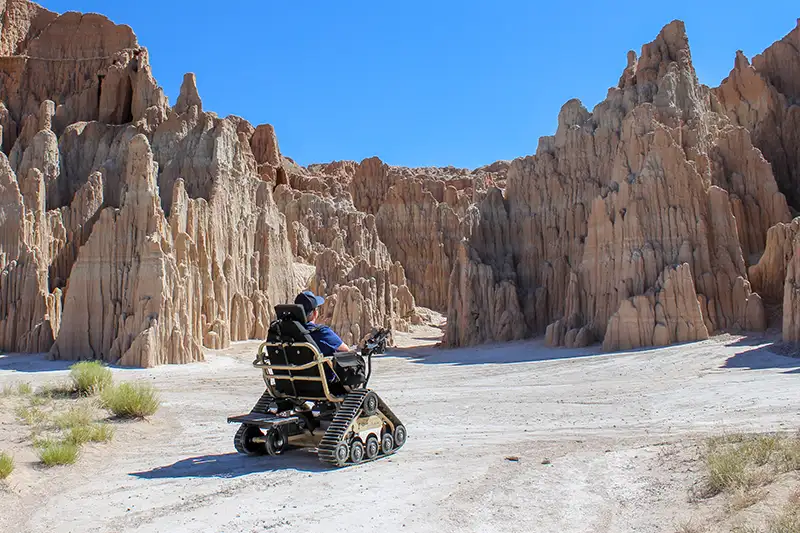
Located in Southeastern Nevada, Cathedral Gorge State Park (parks.nv.gov/parks/cathedral-gorge) is home to a long narrow valley filled with cathedral-like spire formations that were crafted by wind and rain over the years. At first glance, it’s doesn’t exactly look like a wheelchair-friendly environment. On the other hand, thanks to modern technology, wheelchair-users and slow walkers can now explore this rugged region on a loaner track chair.
The power Action Trackchair has tank tank tracks instead of wheels, and it will easily wheel over obstacles that are inaccessible in a standard wheelchair. The track chair is available for loan upon advance reservation. Once you arrive at the park, the staff will brief you on how to operate the chair and answer any questions that you may have. And after that, you are off on your own adventure in the park. For more information about the track chair or to make reservations, call (775) 728-8101. Plan ahead though, as this loaner track chair is bound to book up quickly.
Barrier-Free Travel California National Parks Road Trips Travel Ideas for Wheelchair-users and Slow Walkers
National Parks are a popular vacation choice. Unfortunately that means some of the more popular ones are now more crowded than ever. So how do you beat the crowds? Well you can always get an early start or visit in the off season, but to be honest that’s not always possible. Alternatively you might want to visit one of these lesser known national parks for a more relaxed experience. Not only do they all offer some scenic natural beauty, but they are also good choices for wheelchair-users and slow walkers.
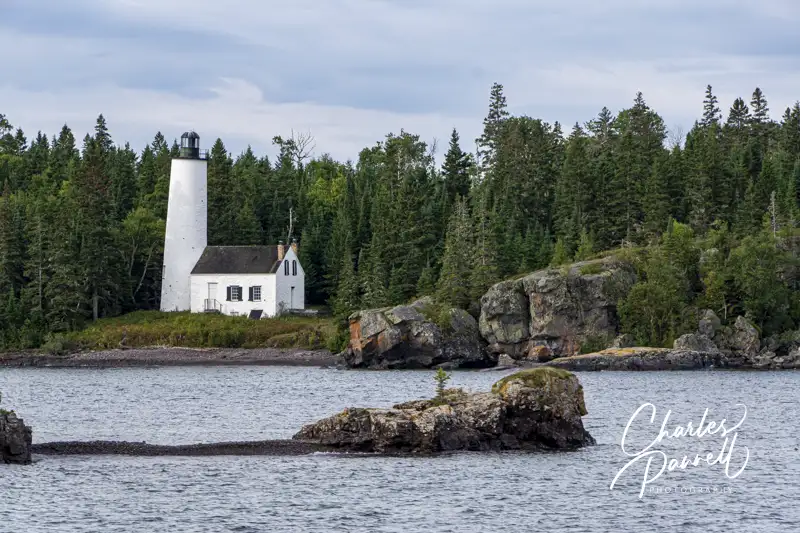
Isle Royale National Park
Rock Harbor Lighthouse in Isle Royale National Park
emerginghorizons.com/an-isle-royale-wheelchair-accessible-retreat At the top of the list of lesser known national parks for wheelchair-users is Isle Royale National Park. Located in the middle of Lake Superior, there’s a wheelchair-accessible ferry that takes visitors to this remote national park. And once you get to Isle Royale National Park there’s even a cozy lodge with a wheelchair-accessible room.
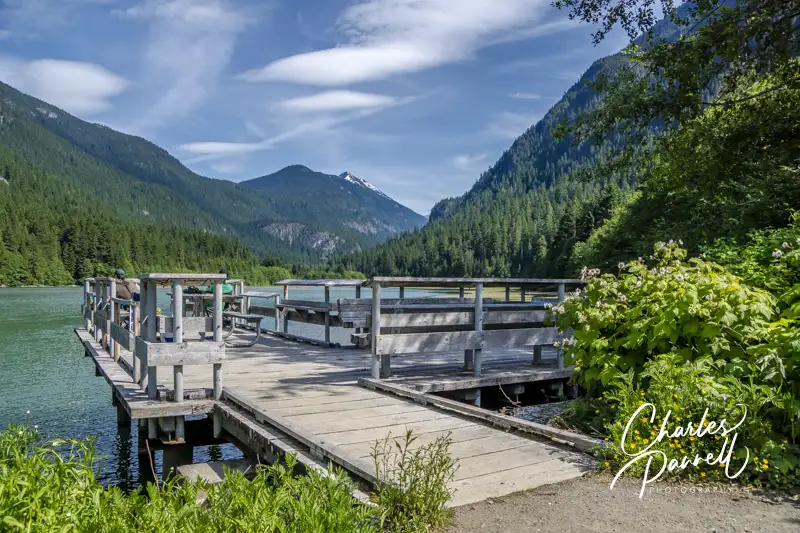
North Cascades National Park
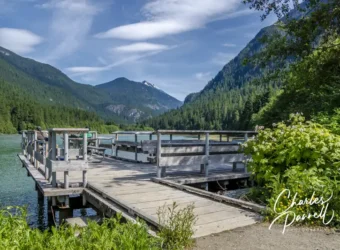
Accessible Pier on Diablo Lake in North Cascades National Park
emerginghorizons.com/the-freestone-inn-a-wheelchair-accessible-north-cascades-retreat Located in far Northern Washington, North Cascades National Park offers some scenic drives, a couple of accessible trails and even a campground with an accessible campsite. And although there’s no lodging in the park, there’s an upscale lodge with a spacious wheelchair-accessible room located near the eastern gateway.
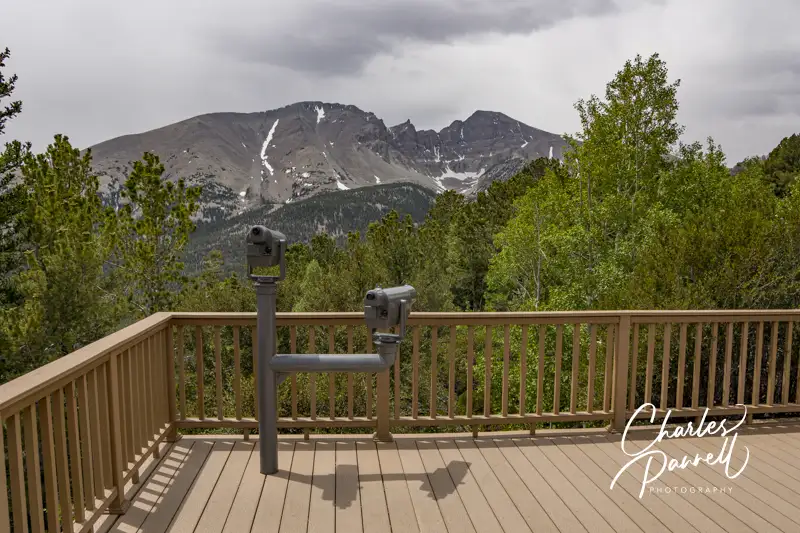
Great Basin National Park
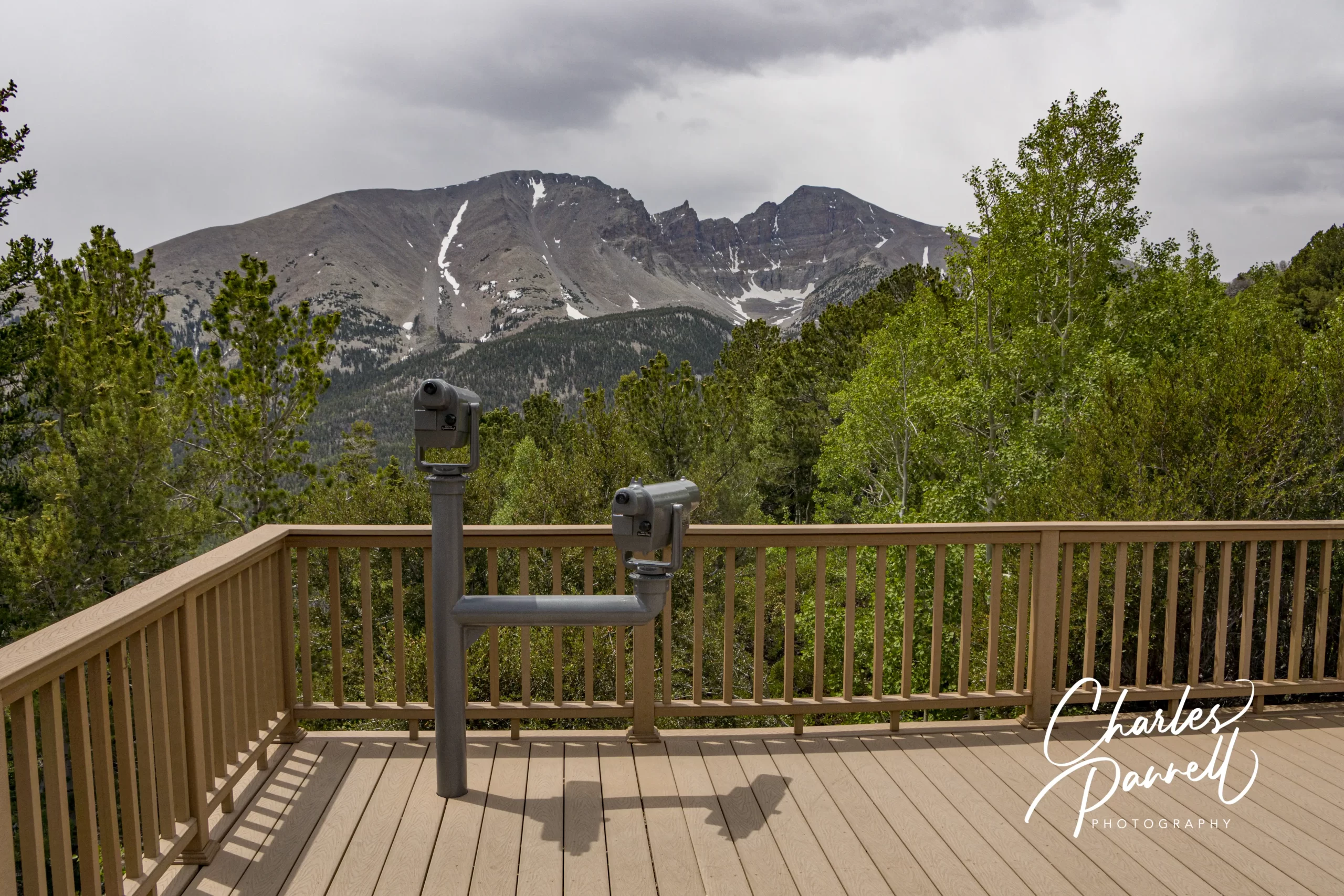
Wheeler Peak Overlook in Big Basin National Park
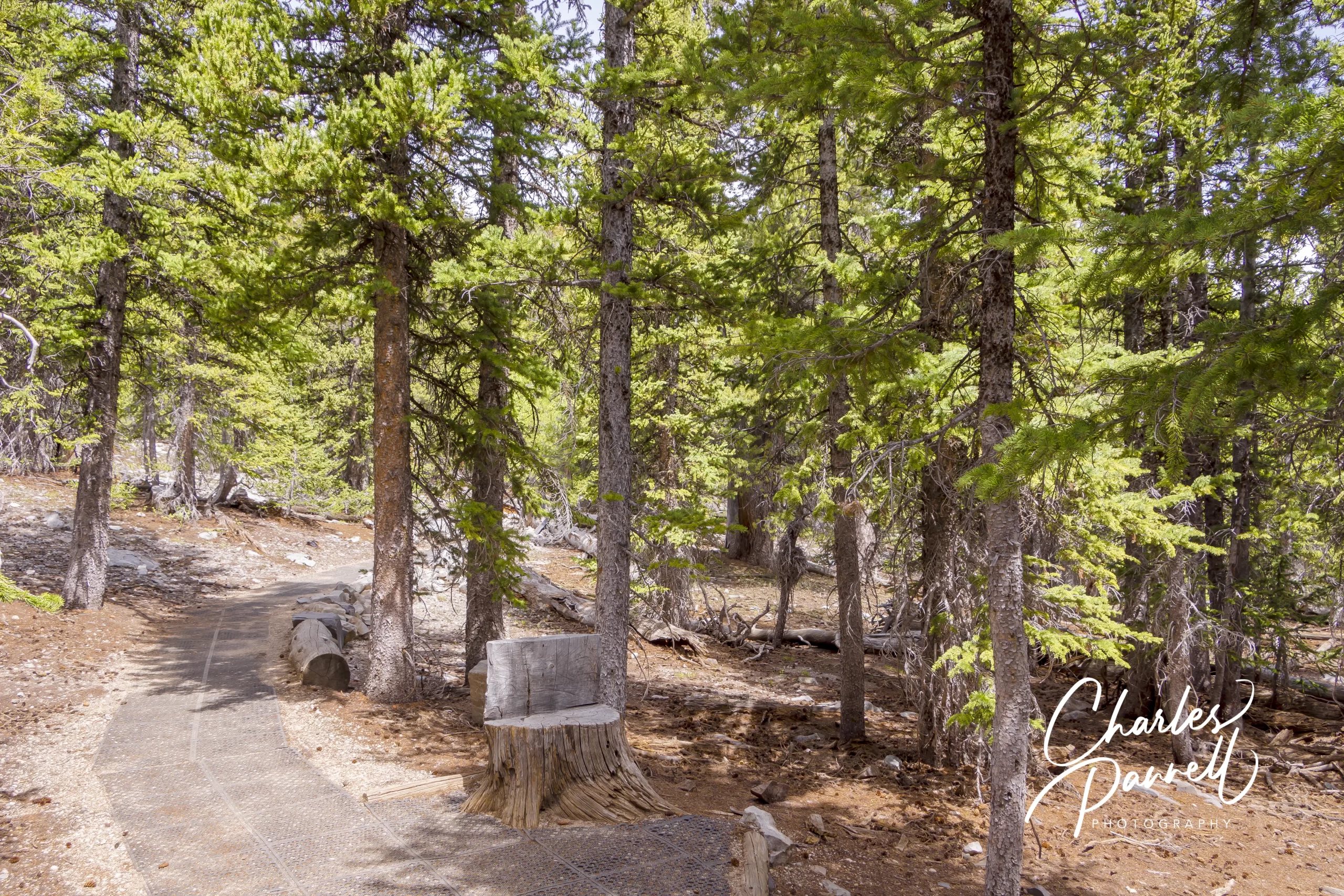
emerginghorizons.com/escape-the-crowds-in-great-basin-national-park Definitely one of the lesser known national parks, Great Basin National Park is located just off the “loneliest road in America” in Eastern Nevada. Enjoy the scenic drive with accessible overlooks, take a hike on a forest boardwalk or explore Lehman Caves on an accessible tour.
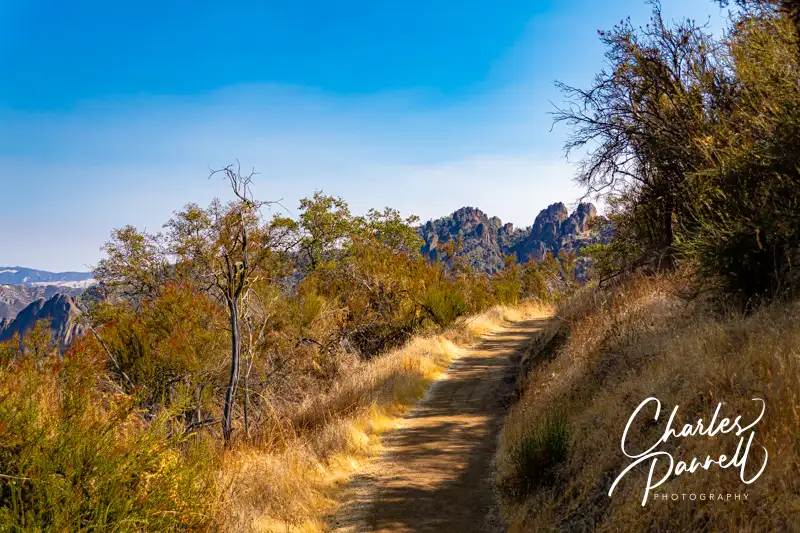
Pinnacles National Park
Prewett Point Trail in Pinnacles National Park
emerginghorizons.com/pinnacles-national-park/ Pinnacles National Park is a great place to spot the endangered California Condor. There are also a few accessible trails, scenic drives and some comfortable accessible tent cabins at this California national park.
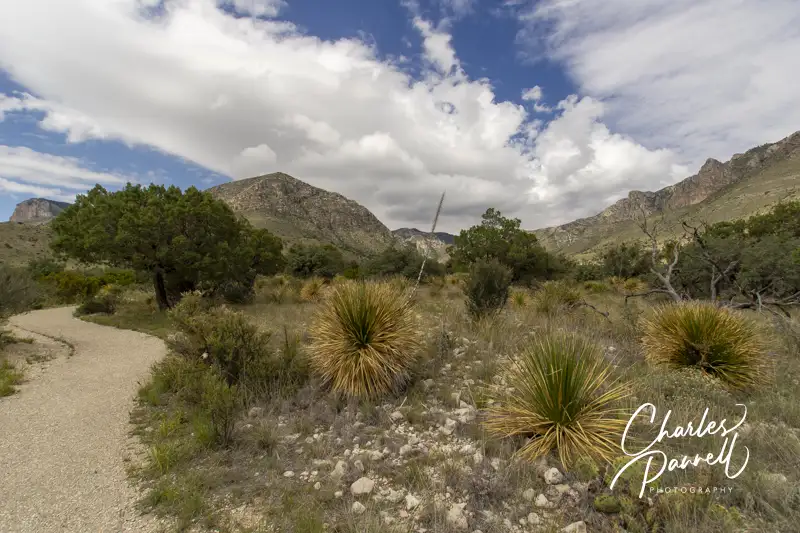
Guadalupe Mountains National Park
The Pinery Trail in Guadalupe Mountains National Park
emerginghorizons.com/discover-historic-guadalupe-mountains-national-park/ Located halfway between El Paso and Carlsbad Caverns, Guadalupe Mountains National Park is the site of the historic Pinery Stage Stop. There are a few accessible trails in the park, and the Frijole Ranch site is also worth a visit.
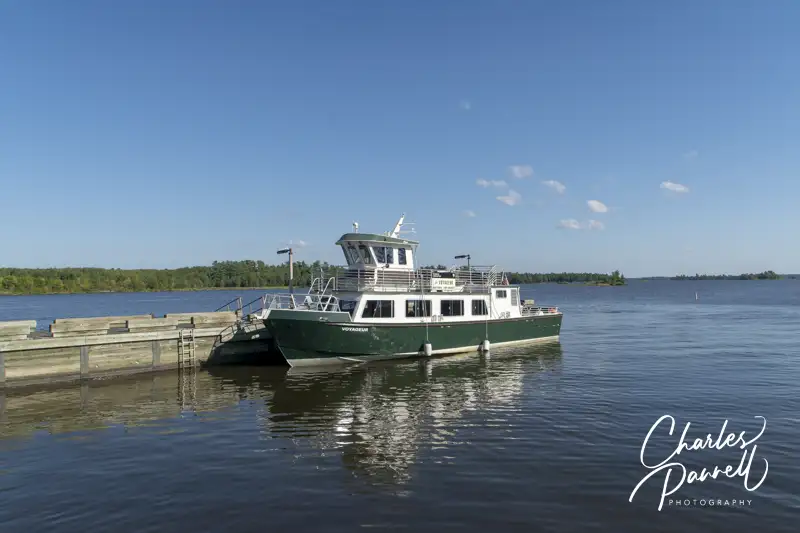
Voyageurs National Park
Tour Boat on Rainy Lake in Voyageurs National Park
emerginghorizons.com/wheelchair-accessible-voyageurs-national-park Voyageurs National Park is located in Northern Minnesota, just shy of the Canadian border. It’s filled with accessible trails, but one of the best ways to see the park is to take an accessible boat tour on Rainy Lake.
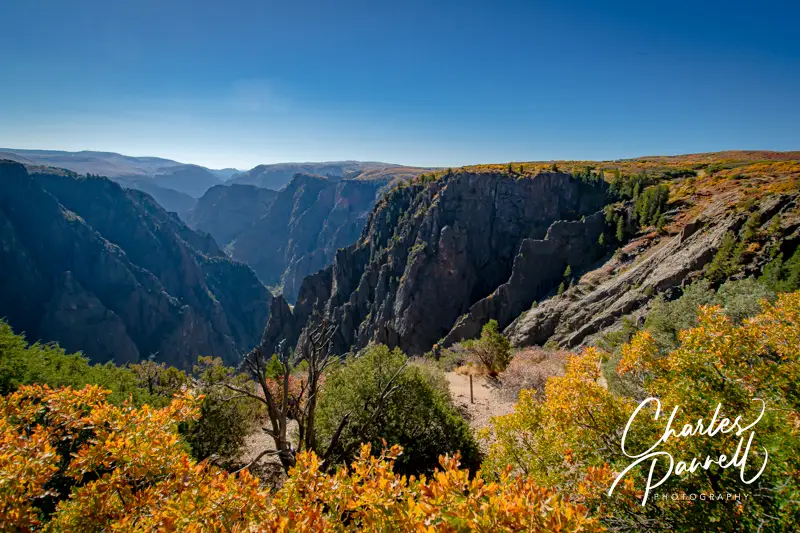
Black Canyon of the Gunnison National Park
Tomichi Point in Black Canyon of the Gunnison National Park
emerginghorizons.com/wheelchair-accessible-black-canyon-of-the-gunnison/ Known as America’s Other Grand Canyon, Black Canyon of the Gunnison National Park has far fewer visitors than its Arizona counterpart. It offers a scenic drive with some gorgeous views, and a campground with a wheelchair-accessible campsite.
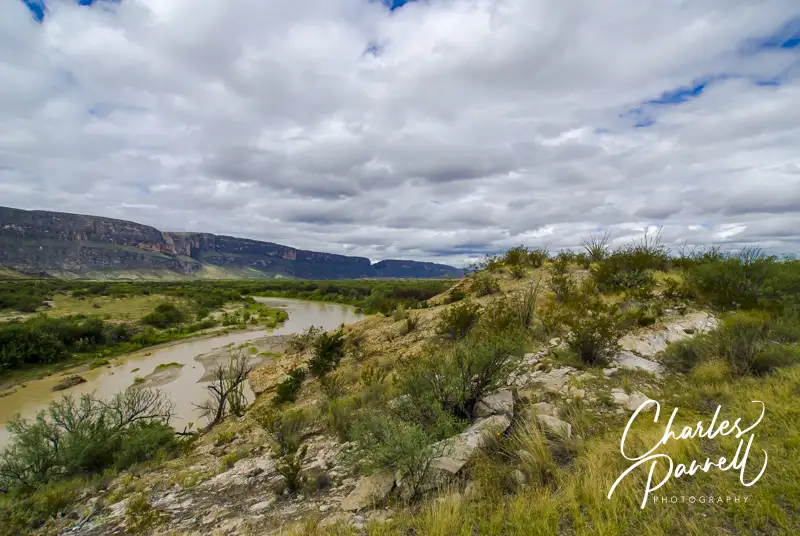
Big Bend National Park
The Rio Grande in Big Bend National Park
emerginghorizons.com/enjoy-a-spring-road-trip-to-big-bend-national-park/ Billed as being more than 100 miles from the nearest freeway, shopping center or hospital, Big Bend National Park is bordered by the Rio Grande on the south. This expansive park features scenic drives, accessible desert trails, drop dead gorgeous views and an accessible in-park lodge.
Redwood National and State Parks
The Lost Man Creek Trail in Redwood National Park, California
emerginghorizons.com/redwood-national-and-state-parks/ This California national park also includes three state parks. Its easy to spend a week exploring trails lined with giant redwoods.. Additionally, there’s a loaner track chair available at Kuchel Visitor Center for use on Freshwater Beach. They also have accessible campsites and cabins in several of the parks, so it’s easy to sleep under the redwoods.
Lassen National Park
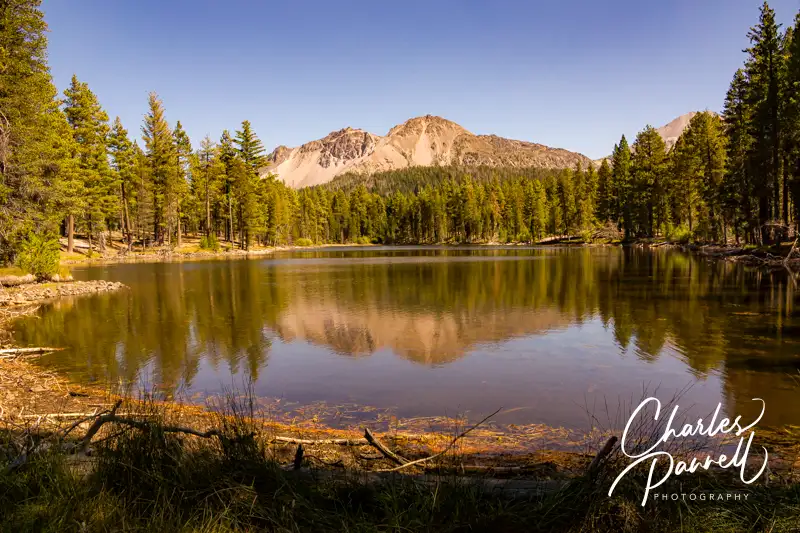
Lilly Lake in Mount Lassen National Park
emerginghorizons.com/lassen-volcanic-national-park/ Last but not least on our list of lesser known national parks for wheelchair-users is Lassen Volcanic National Park. Located in Northern California, this remote gem offers a variety of accessible trails and thermal features, as well as some accessible camping cabins. It’s a great place to get away from the city and truly enjoy Mother Nature.
Barrier-Free Travel National Park Lodges for Wheelchair-users and Slow Walkers
Once a standard feature in every downtown business district, neon signs reached their peak in the US from the 1930s to the 1950s. Although you can spot some “neon-esque” copycats today, most modern incarnations use energy-efficient LED lights to mimic the effects of the original light shows. Even though neon technology is technically a thing of the past, you can still get a feel for the history and the glitz of this gaudy signage at two US neon sign museums. One is located at the ground zero capital of gaudy signage, while the other is located in a sleepy little town on the Columbia River. Both are worth a visit, as you’ll come away with a deeper appreciation of this artistic vintage signage.
A Sin City Favorite
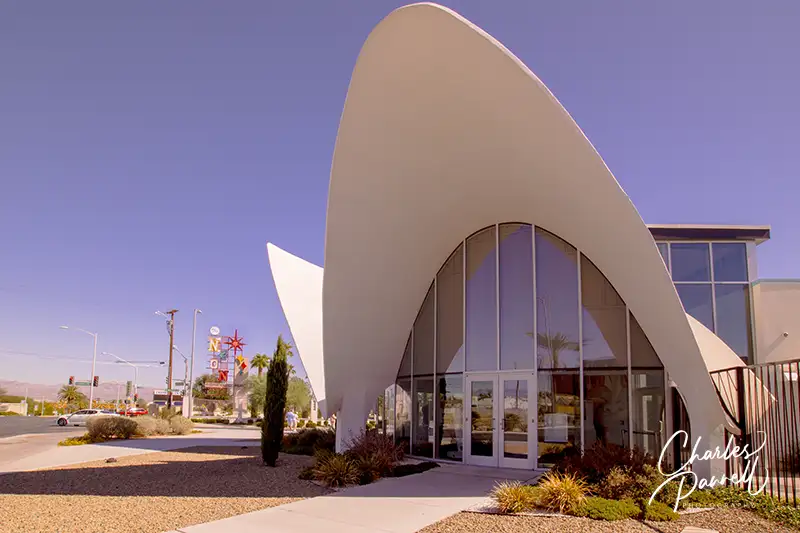
Las Vegas Neon Museum Home at the Former La Concha Hotel
First stop on this tour of neon sign museums is at the granddaddy of gaud — Las Vegas, Nevada. Founded in 2012, The Neon Museum www.neonmuseum.org offers a fun and fanciful look at Las Vegas’ past.
Located off The Strip in the lobby of the former La Concha Motel, the Neon Museum is easy to find. The former aquatic-themed hotel was built in 1961 and was designed to resemble a shell by architect Paul Revere Williams. It was originally located on the strip but it was moved to its present location in 2012, when the museum opened. Today it houses the museum office and gift shop; and even though the building is the epitome of retro, there’s a level entry, automatic doors and plenty of room to navigate a wheelchair inside.
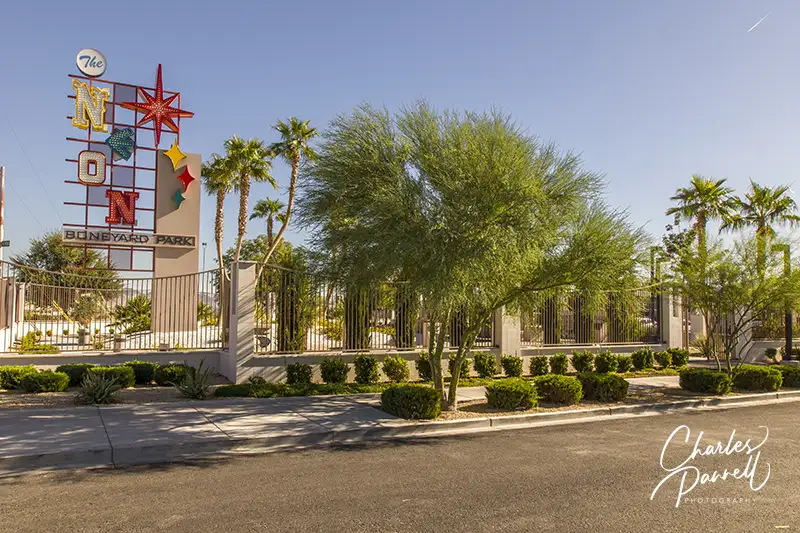
Guided tours are offered of the adjacent boneyard, which has an impressive collection of retired neon signs. There is level access throughout the hard-packed dirt paths through the boneyard, with benches to sit along the route. The tour includes tid-bits of Las Vegas history associated with select neon signs.
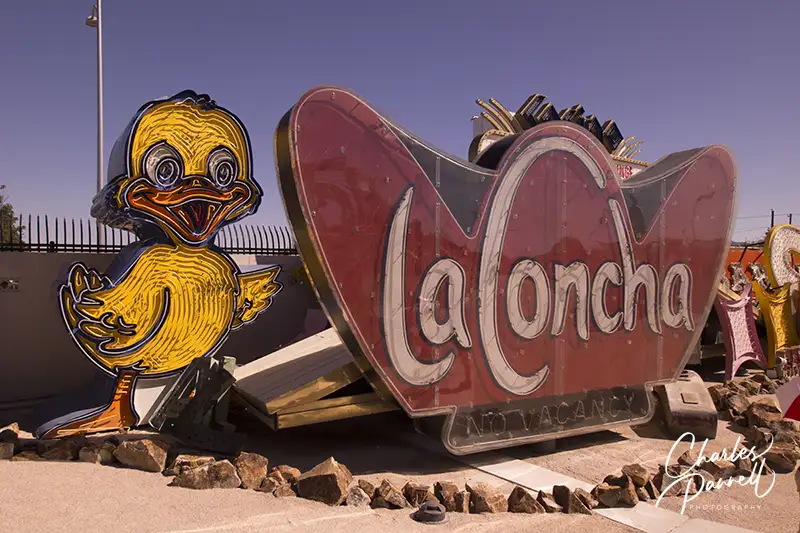
Favorite neon signs include the Moulin Rouge, the El Cortez and Lady Luck, which was featured in Vegas Vacation. Then there’s the animated happy shirt sign from Steiner’s Cleaners, and the favorite Ugly Duckling sign from a defunct car dealership. The oldest sign in the boneyard, which dates back to the 1930s, is from the Green Shack Restaurant on Fremont Street; while one of the most unusual signs was fashioned to resemble a yucca plant, for a hotel of the same name. All in all, it’s an informational, insightful and colorful tour.
The La Concha Neon Sign in the Boneyard at the Las Vegas Neon Museum
An Oregon Up-And-Comer
National Neon Museum
Over in The Dalles, Oregon, the National Neon Museum www.nationalneonsignmuseum.org, which opened in 2019, presents a comprehensive history of neon signage. Unlike the open-air Las Vegas museum, this site is located entirely inside, in the 1910 Elks Temple building. There’s parallel parking on the street, and an accessible ramped entrance around the corner on Court Street. Inside there’s good access to the first floor, with accessible restrooms near the gallery.
The visit begins with a short movie about the art on neon sign construction. There’s level access to the theater and plenty of room for wheelchairs in the front. After the film, visitors are taken on a docent-led guided tour, and then given time to explore the museum on their own.
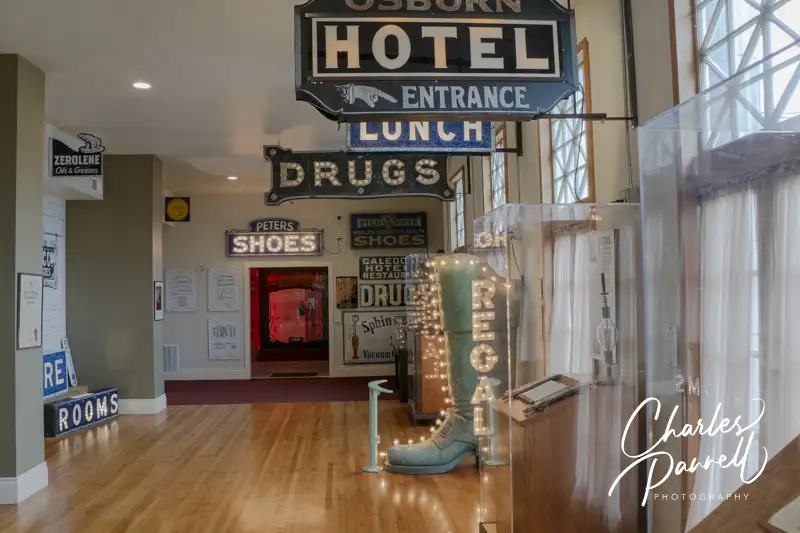
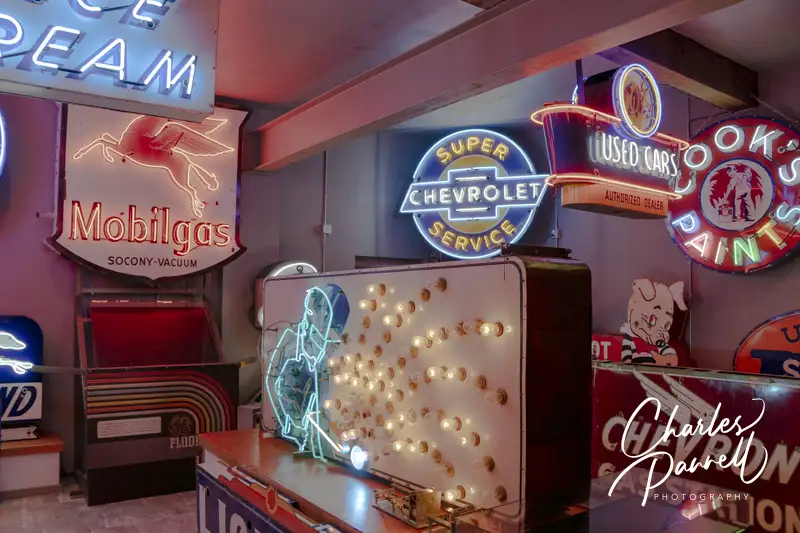
Neon Exhibit at the National Neon Museum
The galleries begin with a mix of when science meets art, with the invention on neon lighting by Ceorges Claude. This French inventor introduced neon lighting at the Paris Motor Show in 1910. And by the 1920s this art form had migrated over to the US, and it began to increase in popularity after the Great Depression. There are several examples of early neon signage, including the Regal Boot from a Boston sign, and a good overview of the history and the process of creating these artworks.
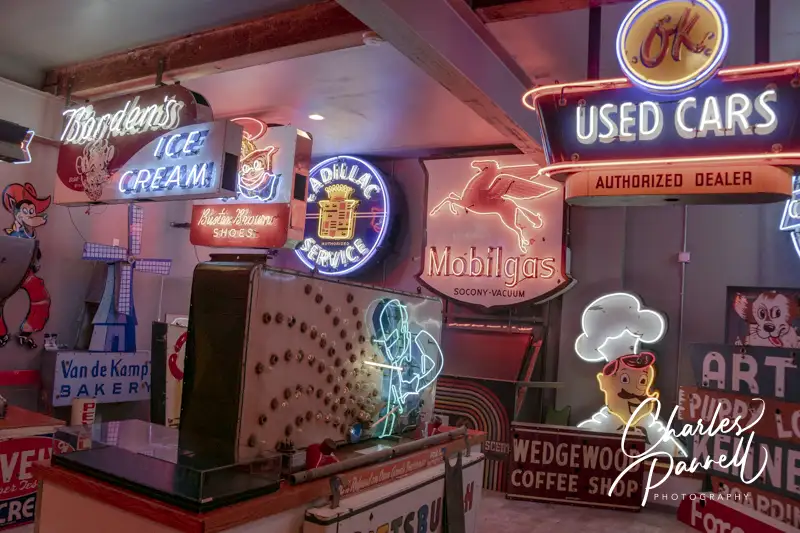
There’s also a large gallery that houses founder David Benko’s collection of neon signage, as well as displays of different sign companies . The upstairs gallery, which is only accessible by stairs, includes storefronts filled with neon signage. From the ice cream parlor and BBQ chicken joint, to the jeweler and a TV store, it’s a true blast from the past.
And looking to the future, Benko plans to add the restored Jantzen Beach Carousel in 2028. And when that addition is made, the entire upstairs section will also be accessible.
More Neon Exhibits at the National Neon Museum
Barrier-Free Travel California National Parks Road Trips Travel Ideas for Wheelchair-users and Slow Walkers
Winter is bald eagle migration time across the US. Every year these majestic birds head south, in search of viable winter food sources. And the good news is, they return to the same food sources year after year; so once you identify that food source you have a good chance of spotting eagles en masse during the winter exodus. Of course timing is everything when it come to spotting bald eagles, but to increase your odds, here are a few popular sites they return to time and time again. Even better, these sites are all doable locations for most wheelchair-users and slow walkers.
Lake Coeur d’Alene
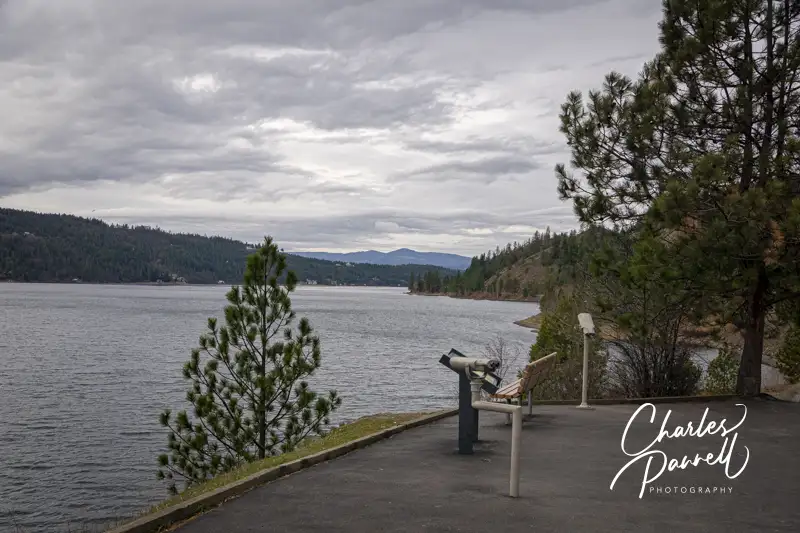
Higgens Point on Lake Coeur d’Alene, Idaho
Located about 40 miles east of Spokane off of Interstate 90, Lake Coeur d’Alene (parksandrecreation.idaho.gov/parks/coeur-d-alene-parkway/) is a popular Idaho stop for the bald eagle migrants. In fact they return yearly to feast on the spawning kokanee salmon found in Wolf Lodge Bay.
One of the best bald eagle viewing sites is Higgens Point, which is located on the north shore of the bay. Just take exit 15 off of Interstate 90 east, then follow East Coeur d’ Alene Lake Drive for about 6 miles, until it dead ends at the final parking area along the lakeshore. Although there’s no accessible parking in this lot, there’s plenty of room to parallel park near the end or on the side. Alternatively, there’s accessible parking available at the parking area before the boat launch.
From the end of the road a wide level paved trail leads a quarter-mile over to Higgens Point, which offers an excellent vantage point of Wolf Lodge Bay. There’s a wheelchair-height viewing scope and a bench to sit and rest. Keep your eye out for eagles overhead, across the bay and in the forest. And if you’ve lucky you’ll see them drop down and grab a bite to eat from the lake. Even if you can’t manage the trail, you can still get a gander at the eagles from the parking area, or even along the drive. The eagles are usually in residence from November to February, with peak populations near the end of December and the beginning of January.
Carson Valley
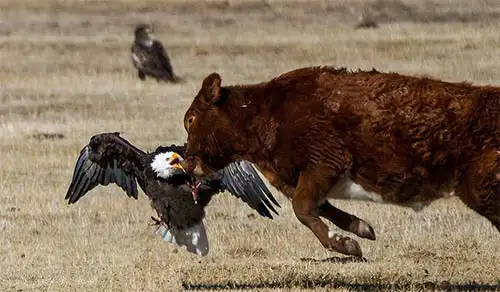
Bald Eagle and Calf in Carson Valley, Nevada
Another good bald eagle viewing site is Carson Valley, which is located southwest of Lake Tahoe, just over the Nevada state line. The food source that attracts the eagles here are cattle placentas. And since the cattle give birth from December to February, that’s when you’ll find the eagles there.
State Route 88 is lined with cattle pastures, and a good choice if you don’t want to get out of your car. The strip of road near the Dangberg Ranch in Minden is usually an active site, and it’s not unusual for the eagles to perch on fence posts or chow down on the placentas in the adjacent pastures. And since you can enjoy the show from the comfort of your own vehicle, you don’t have to worry about access.
Another good place for wheelchair-users and slow walkers to spot bald eagles is at River Fork Ranch (www.nature.org/en-us/get-involved/how-to-help/places-we-protect/river-fork-ranch) — a combination nature preserve and working cattle ranch. Located off Highway 206 in Genoa, this 800-acre parcel boasts a patchwork of pastures, meadows and wetlands.
There’s accessible parking next to the Whit Hill Interpretive Center, and ramp access up to the porch. Even if the interpretive center is closed, the large wrap-around porch is an excellent vantage point for spotting the eagles in the nearby pastures. Alternatively the .75-mile trail that begins near the back deck may work for some folks. The trail is fairly level, but there are more than a few bumps along the way; and at times it’s only two-feet wide. Still it may work for some slow walkers, and you can always turn around if it’s too much for you.
Old Chain of Rocks Bridge
Old Chain of Rocks Bridge
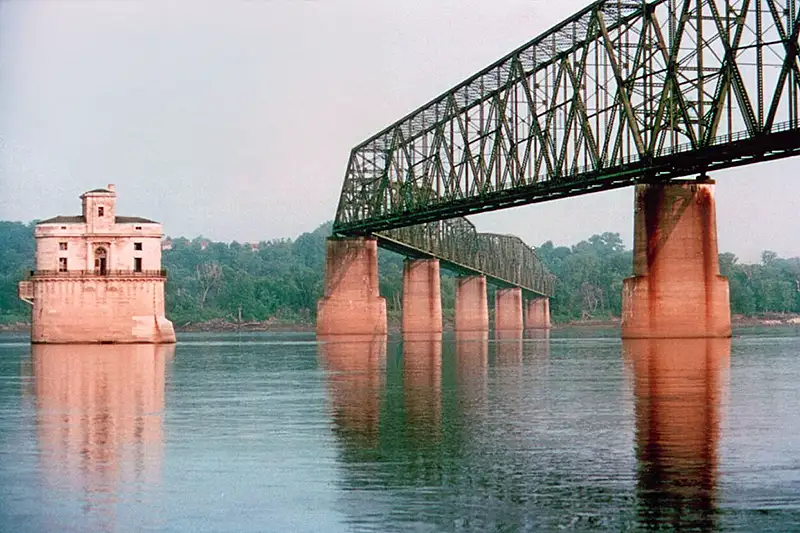
Last but certainly not least, the Old Chain of Rocks Bridge (www.nps.gov/places/chain-of-rocks-bridge.htm) , which crosses the Mississippi River and connects Granite City, IL to St. Louis, MO, is another good bald eagle viewing site. This historic bridge was once part of iconic Route 66, but after the new interstate was built, traffic dramatically decreased on the old Chain of Rocks Bridge. It was finally closed to vehicle traffic in 1968, and today it’s strictly a pedestrian bridge.
The big eagle food source at this location is the abundance of fish in the waters of the Mississippi River. The rapids, which are located just south of the bridge offer the perfect fishing waters for the eagles. And that’s why this site has one of the largest concentrations of bald eagles in North America.
Accessible parking is available on the Illinois side, with level access over to the bridge on the quarter-mile Chouteau Island Nature Trail. It’s about a half-mile roll to the center of the bridge. Keep your eyes peeled to the south for feeding eagles, and along the shore for roosting ones. The birds usually show up in December and depart in early February. As an added bonus, the bridge also offers a nice view of the St. Louis skyline.
Barrier-Free Travel Utah National Parks for Wheelchair-users and Slow Walkers
Located just off what’s often been called “the loneliest road in America”, Great Basin National Park (nps.gov/grba/) is the epitome of remote. Named for the dry and mountainous basin between the Sierra Nevada and Wasatch mountain ranges, this Eastern Nevada national park offers a diverse landscape, from subterranean caverns to high alpine peaks. And as one of America’s least visited national parks, it’s the perfect place to take a welcome break from hectic city life. The good news is, even though parts of this park are quite rugged, it still offers plenty of places for wheelchair-users and slow walkers to admire Mother Nature’s handiwork.
Get Your Bearings
Wheeler Peak Viewpoint
One of the most accessible ways to enjoy Great Basin National Park is to take the 12-mile scenic drive up to Wheeler Peak. The best place to begin your adventure is at the Great Basin Visitor Center, located on Highway 487 in Baker. There’s accessible parking in front, with level access to the visitor center. Inside there’s plenty of room to navigate a wheelchair around the interpretive exhibits. This is a good place to get your bearings, pick up a park map and get first-hand information from the rangers on duty.
From the visitor center, continue along Highway 488 until you reach the park. Just past the park entrance, make a right turn on Wheeler Peak Scenic Drive. This winding road hugs the mountain as it passes through several ecosystems on the way to the summit. The landscape is dotted with sagebrush, before it gives way to a pinion juniper woodland, and then transforms into a conifer forest. There’s no shortage of great windshield views along the way, and there are several scenic viewpoints where you can admire the sweeping vistas. And although the road is paved, the average grade is eight percent, and vehicles and trailers longer than 24 feet are prohibited. On the plus side, that means you won’t see any tour buses at the top.
Enjoy the View
Sky Island Forest Trail
There are several scenic viewpoints along Wheeler Peak Scenic Drive, that are definitely worth a stop. First up on the drive is the Osceola Ditch trailhead, which is located just past Lehman Creek campgrounds. There’s plenty of room to parallel park in the asphalt pullout, with level access over to the interpretive panel about the Osceola Ditch. This 18-mile flume dates back to 1890, when it was built to carry water to the nearby gold mining operation. Although the mines saw some success in the beginning, they shut down in 1905, but some remnants of the Osceola Ditch still stand.
Just up the road you’ll find two viewpoints which offer great views of the vast Great Basin. Mather Overlook is just a short drive off the main road, and it features level access to the viewing deck, which has a wheelchair-height scope. There is also an accessible vault toilet and a picnic table on a cement pad at this overlook. Wheeler Peak Overlook also offers level access to a viewing deck with a wheelchair-height scope, where you’ll get an excellent view of the Wheeler Peak Glacier.
Up at the top there is accessible parking in the Bristlecone Parking Lot, with level access to the Sky Island Forest Trail. This .4-mile loop is very nicely done, with rubber mats and boardwalk sections to make it accessible in all weather. The maximum grade along the 32-inch wide trail is eight percent, and there are benches along the way to stop and rest. Interpretive plaques dot the trail, which winds through a fir and pine forest. Located at 10,000 feet, this trail offers a unique opportunity for wheelchair-users and slow walkers to explore the sub-alpine forest.
The Wonder Down Under
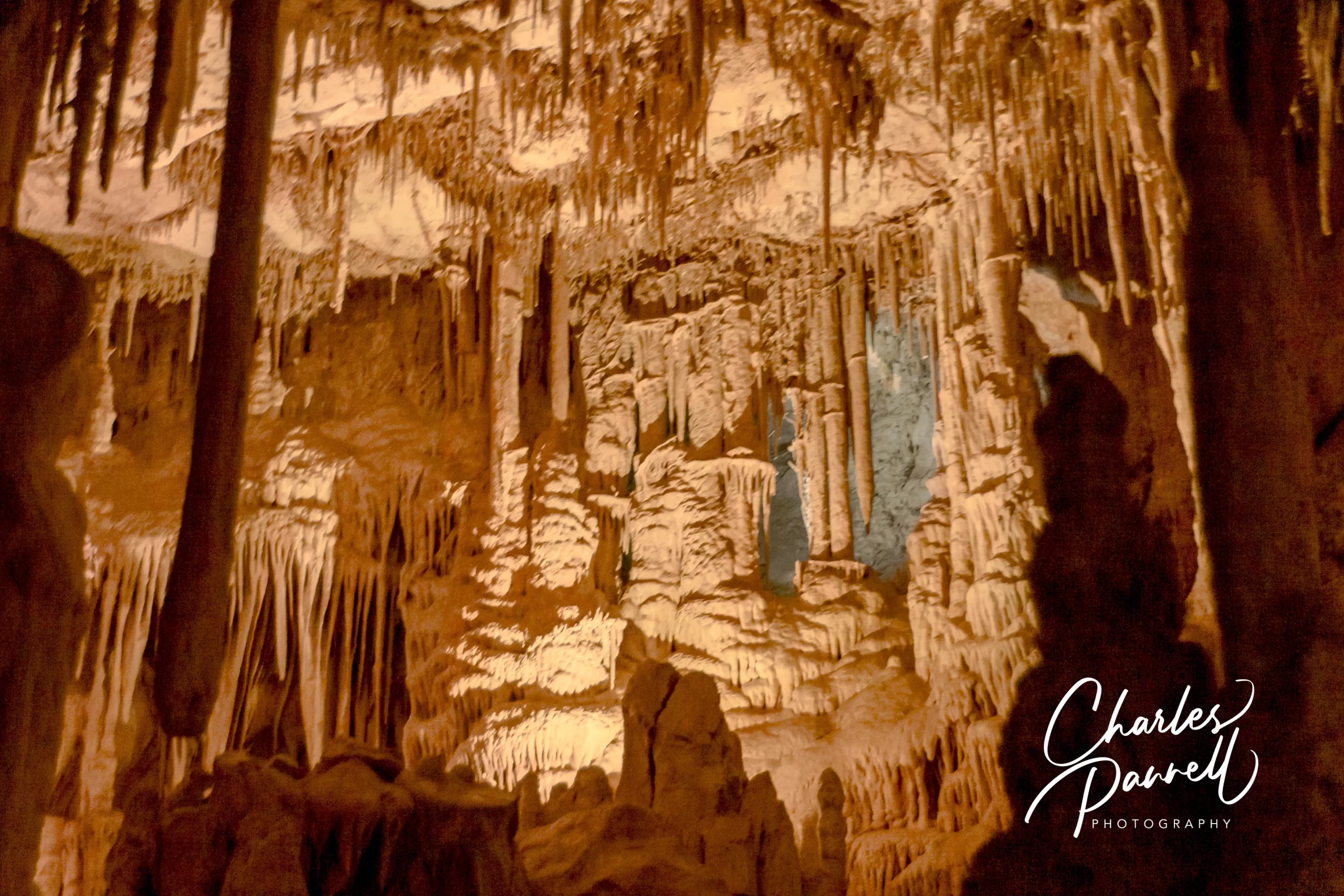
The Gothic Room at Lehman Caves in Big Basin National Park
There’s another side to Great Basin National Park – a subterranean side. After you finish the scenic drive, head down to Lehman Caves for an entirely different view of the park. Located at the end of Highway 488, the Lehman Caves Visitor Center offers accessible parking, with a ramp up to the back entrance. Inside, there’s barrier-free access to the visitor center and gift shop.
Although there are 76 steps on the regular cave tour, a special “mobility tour” is also available. Although not 100 percent accessible it may work for some wheelchair-users and slow walkers. The tour is actually a shorter version of the regular tour, and people who can’t manage the steps and grade just go to the first room — the Gothic Room — and then return to the visitor center.
There’s level access on a paved pathway to the cave entrance, but there’s a five-to-eight-percent grade to the Gothic Room. Wheelchair-users must be accompanied by a companion who can push them in and out of the cave. And although it may sound a bit restrictive, it’s a good opportunity for some wheelchair-users and slow walkers to get a look at the fabulous stalactite and stalagmite formations inside the cave.
The availability of the mobility tour is dependent on the staffing, as there has to be an extra ranger to take wheelchair-users and slow walkers back early. For more information on the mobility tour or to find out about availability, call (775) 234-7517. Tickets for this tour are not available online, but it’s definitely worth the extra effort to make arrangements for the mobility tour in advance.
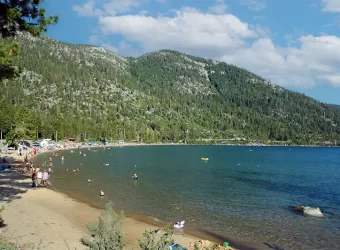
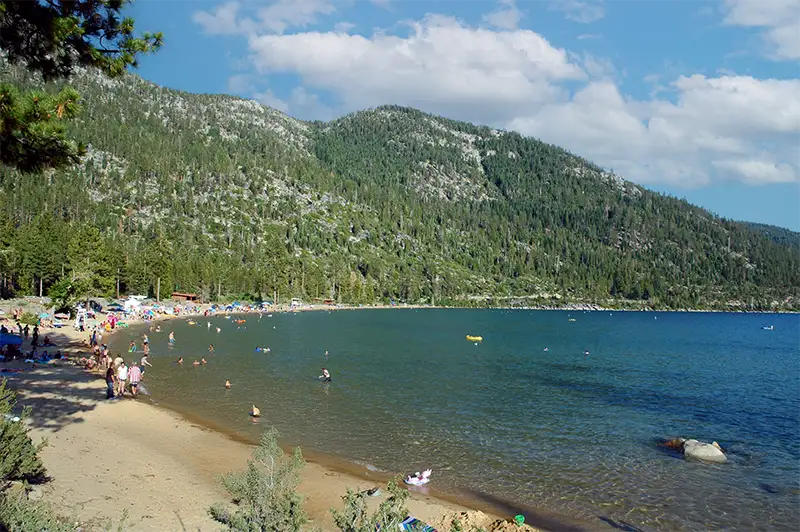
Located on the northeast shore of Lake Tahoe, Sand Harbor State Park (parks.nv.gov/parks/lake-tahoe-nevada-state-park) features a string of beaches that line the crystal clear mountain lake. Not only is it a popular spot for swimming and sunbathing, but thanks to a loaner track chair program, wheelchair-users and slow walkers can now explore this scenic Nevada state park.
The Action Trackchair (actiontrackchair.com) available for loan is billed as the “ultimate all terrain wheelchair”. Fitted with tank tracks instead of wheels, it can easily navigate the sandy or even muddy beach terrain with relative ease. And, since this power chair operates with a joystick, it can be operated independently, unlike manual beach wheelchairs.
The Action Trackchair is available for loan on a first-come basis at the park office. Three’s no fee required to use the track chair, but all users must be briefed on the appropriate use of this assistive device and sign a waiver. For more information about the trach chair loaner program, contact the park office at (775) 831-0494.
So get out and enjoy the Lake Tahoe beach independently this summer, and borrow a track chair at Sand Harbor State Park.
Barrier-Free Travel Yosemite, Sequoia and Kings Canyon National Parks for Wheelers and Slow Walkers
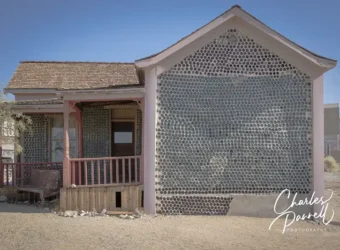
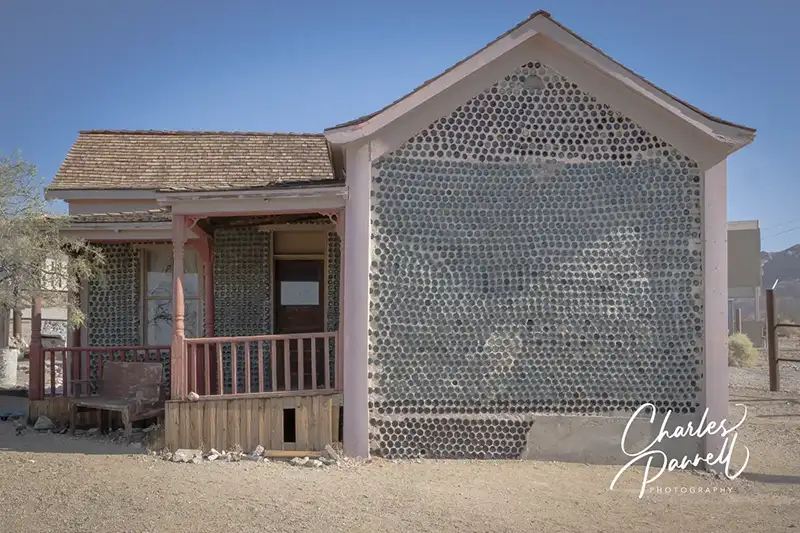
Located off Highway 374 just west of Beatty in the ghost town of Rhyolite, Tom Kelly’s Bottle House is worth a stop on the way to Death Valley. Constructed in 1906 during the gold rush, Kelly built his masterpiece from 51,000 beer bottles, adobe and mud. And since there were some 50 bars in town, there was never a shortage of building materials. As for Kelly’s motivation and reasoning for his chosen medium, he was often known to say that it was easier to build a home from beer bottles than it was to mill lumber from the native Joshua trees. Kelly’s creation is easy to find too — just follow the signs to it from Rhyolite Road. And the good news is, there’s an accessible parking pad and a level sidewalk over to the house. The bottle house sits behind a fence to protect it from vandals, but it’s sometimes opened for private tours. Still you can get an excellent gander at the house from the sidewalk near the entrance.
Located along a barren stretch of Interstate 80 in Northwestern Nevada, Thunder Mountain offers motorists a much needed — and somewhat entertaining — break between Reno and Winnemucca. It’s easy to find too — just take exit 145, turn east, and then make a left turn on the frontage road. Soon the asphalt is replaced by dirt, and then gravel, before the first remnants of Frank Van Zant’s paradise lost comes into view on the left.
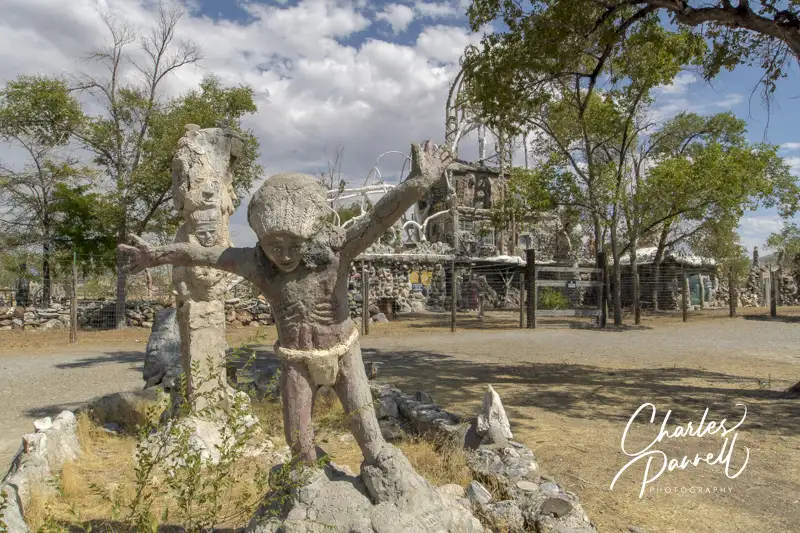
As the story goes, an old Creek medicine woman told Frank that in the final days there shall rise up a place called Thunder Mountain, and only those that lived there would survive the apocalypse. So he set out to build this mythical place of refuge after his car broke down along the interstate. Shortly thereafter he changed his name to Chief Rolling Mountain Thunder as he set to work to craft his mansion patterned after Tom Kelly’s Bottle House in Rhyolite (emerginghorizons.com/tom-kellys-bottle-house/). It all began with his travel trailer, which he parked in the sagebrush and covered in concrete. That was in 1968. Sadly Chief Rolling Mountain Thunder committed suicide in 1989, and although the elements — and sadly some vandals — have taken their toll on this creation over the years, it’s still worth a visit.
As far as access goes, it’s doable for many folks. There’s no striped parking, but there’s plenty of room to park an adapted van in the large dirt parking area next to the entrance. From there; it’s a level roll to the front gate which is 35 inches wide. Inside the compound, the pathways around the sculptures, homes and exhibits are flat, and although there’s a bit or gravel here and there, it’s easy to dodge.
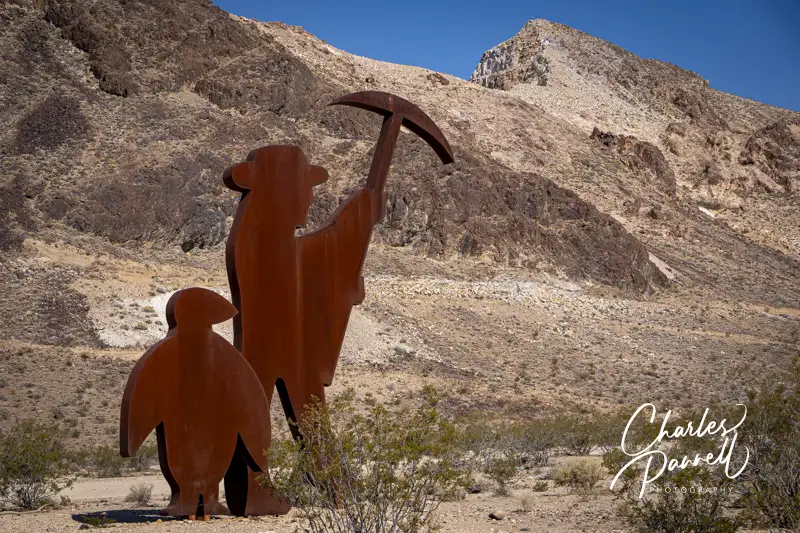
Located on the way to Rhyolite — and Tom Kelley’s Bottle House (www.emerginghorizons.com/tom-kellys-bottle-house) — this unique open-air sculpture installation is definitely worth a stop. From Beatty, head west on Highway 374 for about four miles, then turn right on Rhyolite Road. Take the first left on the road – look for a miner with a penguin – and you’ve found the museum. It’s really pretty hard to miss. There’s parking in a level dirt area, and usually there’s plenty of room for an adapted van. A small information center that’s ramped in the back is located nearby. The information center is open periodically, but even if it’s closed you can still pick up a brochure about the artwork.
The sculptures are dotted throughout the desert, with mostly level paths covered in gravel leading out and around them. That said, you can get a good look at the bulk of them from the information center, so it’s worth a stop even if you can’t negotiate the paths. The sculptures range from a ghostly interpretation of the Last Supper, to the more traditional Tribute to Shorty Harris, a legendary Rhyolite prospector. And there are even a few pieces that visitors can sit or lean on, and snap a selfie or two.
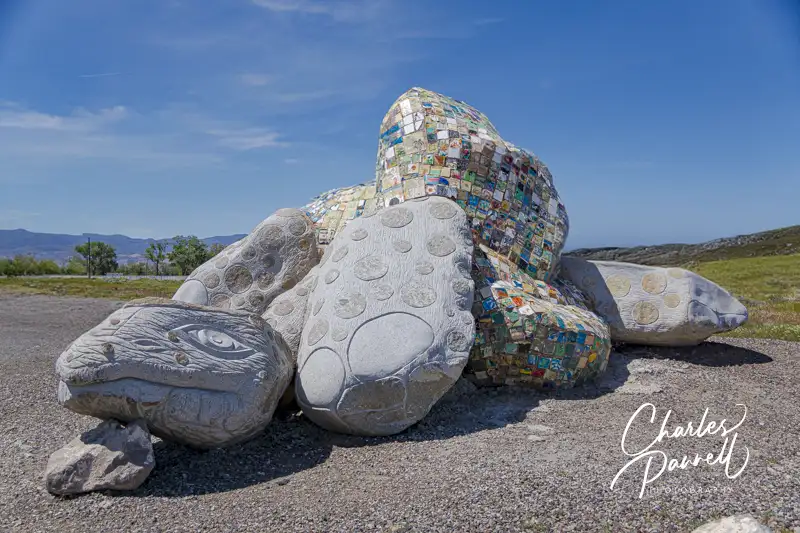
This lone sculpture sits on the side of the road just off Interstate 80 in Fernley. At one time the Bottle Cap Gazebo stood nearby, but it was permanently removed in 2024. To be fair, that piece was originally designed as a temporary structure for Burning Man in 2014; so it’s impressive that it braved the elements for as long as it did. Still the tortoise is worth a quick stop. To find it, take exit 48 off of interstate 80 and follow the signs to Fernley. Keep right on Main Street, and look for the tortoise on the right, across the street from the 76 gas station.
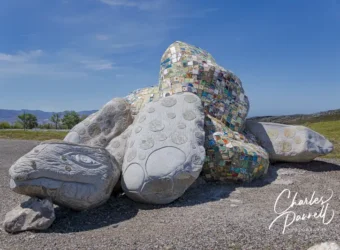
Although the parking lot is composed of gravel, there’s also an accessible parking spot on a cement pad, with a level sidewalk over the Desert Tortoise. This permanent installation was created by artist Pan Pantoja, with assistance from Fernley Elementary School’s fourth-graders.
This 25-foot long and 17-foot tall sculpture was crafted from boulders from a local quarry and decorated with hand painted ceramic tiles that reflect the culture of Fernley and the surrounding area. Although the vision and execution came from Pantoja, the fourth-graders supplied the artist with the creative tiles. There’s level access around the sculpture which weighs in at an impressive 70 tons, and there’s also a smaller slab covered with leftover tiles located next to the tortoise.
It’s a good place to stretch your legs, and a fun photo op, while tooling along Interstate 80 through the desert.