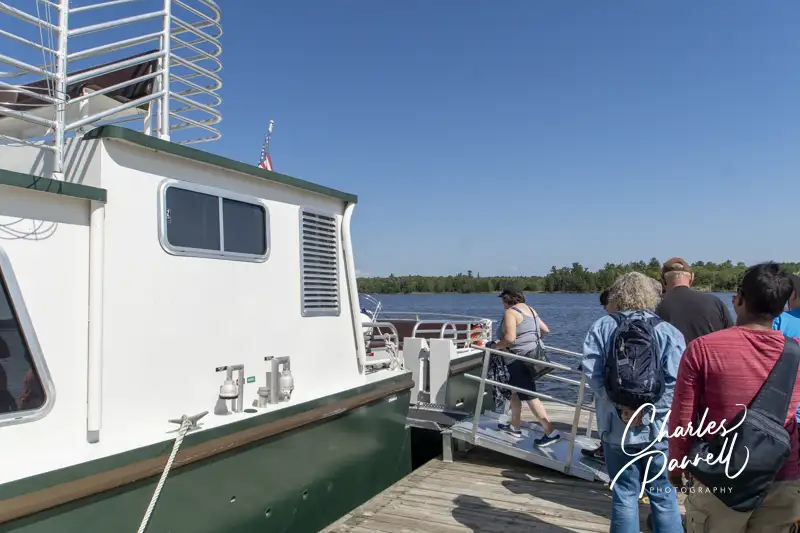
Recently I flew to Los Angeles, and although the hotel I stayed at had a free airport shuttle, it was not wheelchair-accessible. I asked the driver and he said that they didn’t have any wheelchair-accessible airport shuttles, and that I should take a taxi or an Uber. It seemed a bit unfair for me to have to pay for transfers, while others got them for free. Are airport shuttles required to be wheelchair-accessible under the Americans with Disabilities Act (ADA)? If so, what can I do if I encounter one that lacks wheelchair access?
The ADA and Wheelchair-Accessible Airport Shuttles
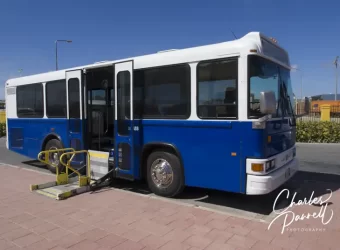
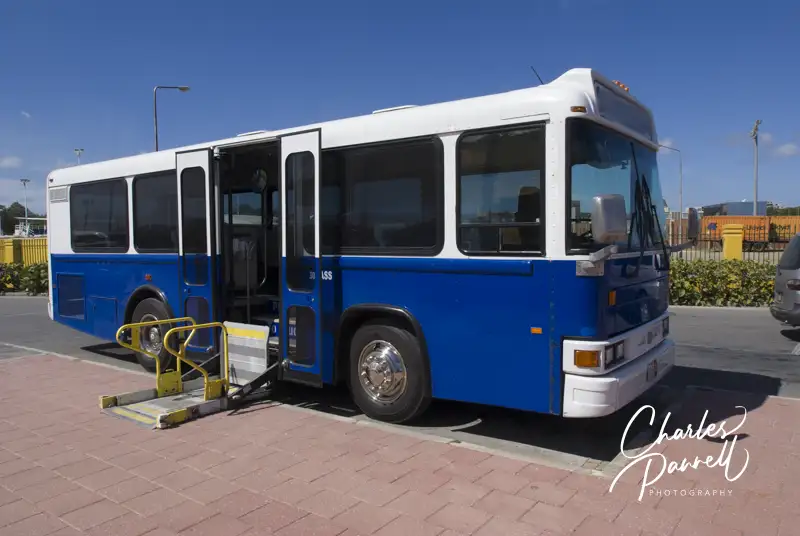
In a word, yes. If a hotel provides free shuttle service it’s also required to provide an equivalent accessible service under Title III of the ADA (ada.gov/topics/title-iii/). Equivalent is the key word here, so for example if passengers routinely wait 20 minutes for an airport shuttle, then wheelchair-accessible airport shuttles must arrive in the same time frame.
That doesn’t mean that hotels have to own their own shuttles though. They just have to provide the equivalent service. For example, a small hotel can share an accessible shuttle with other properties, but they must offer equivalent service as detailed above. Properties can also opt to send accessible taxis to pick up passengers, instead of purchasing and maintaining wheelchair-accessible airport shuttles. And finally they can alternately opt to reimburse guests for their accessible taxi or Uber fares.
When Things Go Wrong
Although equivalent service means that disabled guests will get the same service as non-disabled guests, a little advance planning can go a long way to making this a reality. First and foremost, don’t wait until you arrive at the airport to inquire about the availability of wheelchair-accessible hotel shuttles. Call the hotel in advance of your trip to confirm that they have the appropriate vehicles — and that they are actually operational.
If the hotel employee you are talking with says that they don’t have any wheelchair-accessible airport shuttles, then ask to speak to the manager. Usually managers know the law, and after you point out that wheelchair-accessible shuttle service is required under the ADA, then they will start to work to find a solution. Of course this solution may be that the hotels provides an accessible taxi or pays for your Uber, but that’s an acceptable solution under the law.
On the other hand if the manager balks at your request, it’s best to find another property. You can’t strong arm someone into adhering to the law, and you don’t want to arrive at the airport only to find out that there’s no way to get to your hotel. Give your money to a property that does follow the law and will be able to accommodate you.
Of course, don’t forget the property that didn’t accommodate you. They broke the law and they deserve to be reported to the Department of Justice (DOJ). It’s easy to do too — just complete this simple online form (civilrights.justice.gov/report) to file an ADA complaint. You won’t receive any compensation as the result of filing an ADA complaint, but it will help effect change. And that helps make everything more accessible in the long run.
Barrier-Free Travel California National Park Road Trips for Wheelchair-Users and Slow Walkers
Although the Grand Canyon is a bit off the the beaten path, it is possible to visit this national treasure without a car. Of course you can always book a package tour, but if you would like to explore on your own, then rail travel is your best bet. There are a still number of options even with Amtrak, but here’s the best way for wheelchair-users and slow walkers to explore the Grand Canyon without a car.
Ride the Rails
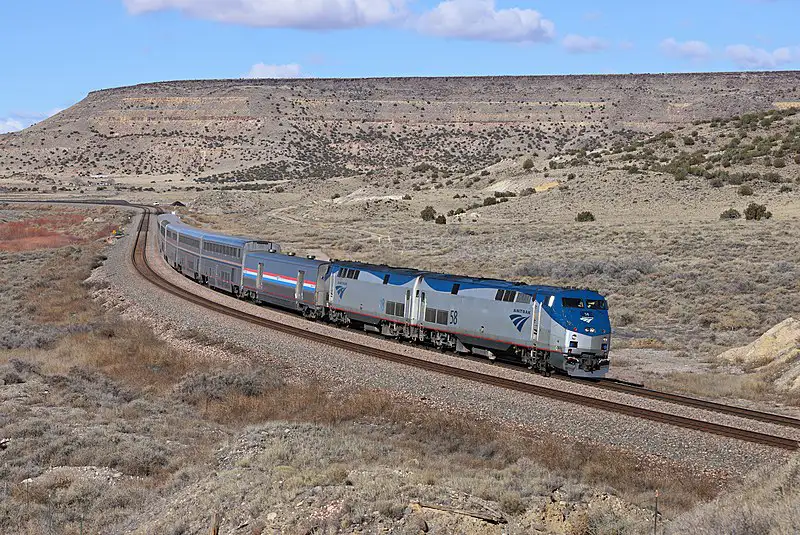
Amtrak Southwest Cheif
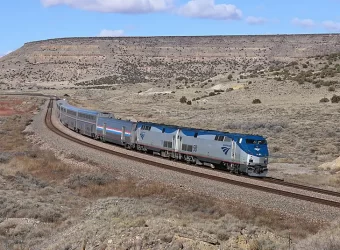
The Amtrak Southwest Chief (www.amtrak.com/southwest-chief-train), which offers daily service between Los Angeles and Chicago is the most direct way to get to the Grand Canyon by rail. Although theoretically you can depart from any station along this route, it’s best to depart from Los Angeles because of the timing of the trains. This eastbound train arrives in Flagstaff in the early morning, in plenty of time to catch the first wheelchair-accessible shuttle to the Grand Canyon. The westbound train, on the other hand, arrives in the evening, well after the last shuttle has departed.
There’s good wheelchair access at the Los Angeles and Flagstaff stations, with level access or lift boarding to the trains. Accessible restrooms are available on the train, and wheelchair-users can either transfer to a coach seat or stay in their own wheelchair for the duration of their journey. The Southwest Chief also has an accessible bedroom on the lower level of the train. Although it can be a tight fit for some large wheelchairs, this compartment has more space than a standard one. It also has an accessible toilet and sink. And the best part about traveling in the accessible bedroom is that it comes with complimentary meals and room service.
Groome Transportation (groometransportation.com/grand-canyon) offers accessible shuttle service from the Flagstaff Amtrak Depot to Maswik Lodge in the Grand Canyon. Advance reservation are required, and accessible vehicle requests must be made at least 24 hours in advance.
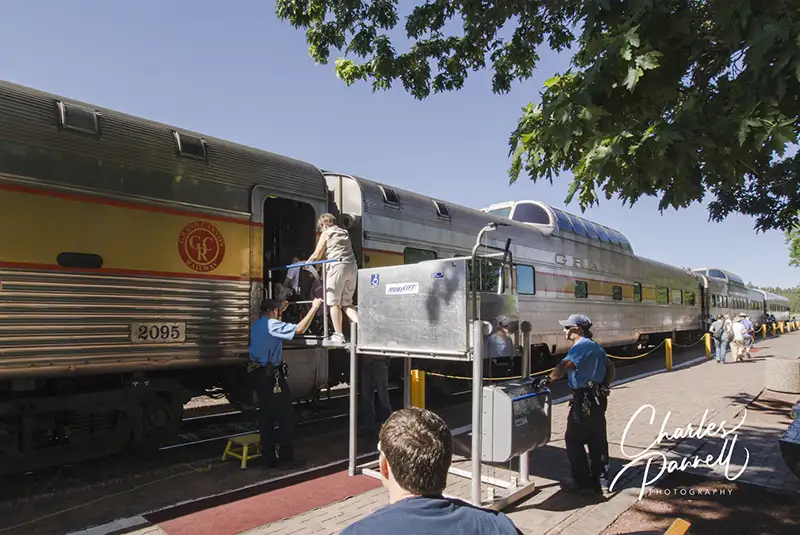
Alternatively, if you’d like to ride the rails all the way to the Grand Canyon, you can take the Grand Canyon Railway (www.thetrain.com) from Williams. This route involves an additional transfer in an Amtrak Thruway bus from the Flagstaff Amtrak Depot to the Grand Canyon Railway Depot. That said, it’s the preferred route for real rail buffs.
Accessible boarding on Grand Canyon Rail
Explore the South Rim
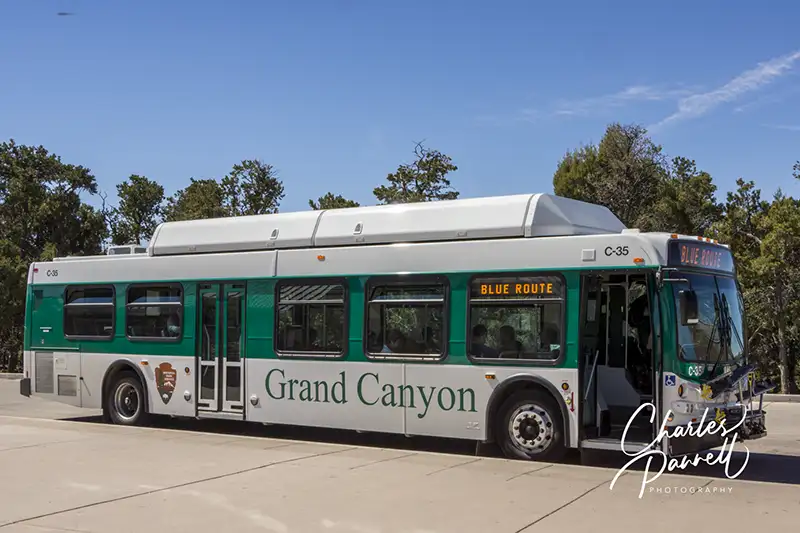
Grand Canyon shuttle
Once you get to the South Rim, it’s easy to explore the Grand Canyon without a car. After you drop off your luggage at Maswik Lodge, just hop aboard the free park shuttle bus. All shuttle buses are equipped with ramps and they can kneel to accommodate slow walkers. They can accommodate wheelchairs up to 30 inches wide and 48 inches long.
The best way to begin your visit is to take the Village Shuttle over to the Visitor Center. Pick up a map and browse through the exhibits, then take the accessible paved path out to Mather Point for a superb view of the Colorado River and the South Kaibab Trail. Then hop back on the Village Shuttle and get off at Bright Angel an enjoy more canyon views from the Rim Trail. You can do as little or as much this trail as you like, and even stop for a lunch break at one of the rim lodges.
After you’ve explored the rim take the Hermits Rest Shuttle, which stops at the west end of the Rim Trail. The bus travels down the seven mile stretch of Hermit Road to the infamous Mary Colter designed roadside rest. There are nine canyon overlooks along the way, but two must-stops are Hopi Point and Mojave Point. Hopi Point is the highest point along the route, and Mojave Point has a quarter-mile accessible trail that boasts impressive canyon views.
Last but not least, book a accessible Desert View Bus Tour (grandcanyonlodges.com/plan/interpretive-bus-tours). This four-hour tour covers the entire length of Desert View Drive and stops several viewpoints along the way. Plan ahead though, as 48 hours advance notice is required for an accessible bus.
Spend the Night
Although most of the properties inside Grand Canyon National Park have accessible rooms, the accessible shuttle from Flagstaff only stops at Maswik Lodge (grandcanyonlodges.com/lodging/maswik-lodge), so it’s the most convenient way to do the Grand Canyon without a car.
There’s barrier-free access to the lobby of this motel-style property, with level access over to the front desk. The property is spread out between buildings dotted throughout a pine forest, with parking located right outside the rooms. They have accessible rooms that are equipped with either a tub/shower combo or a roll-in shower.
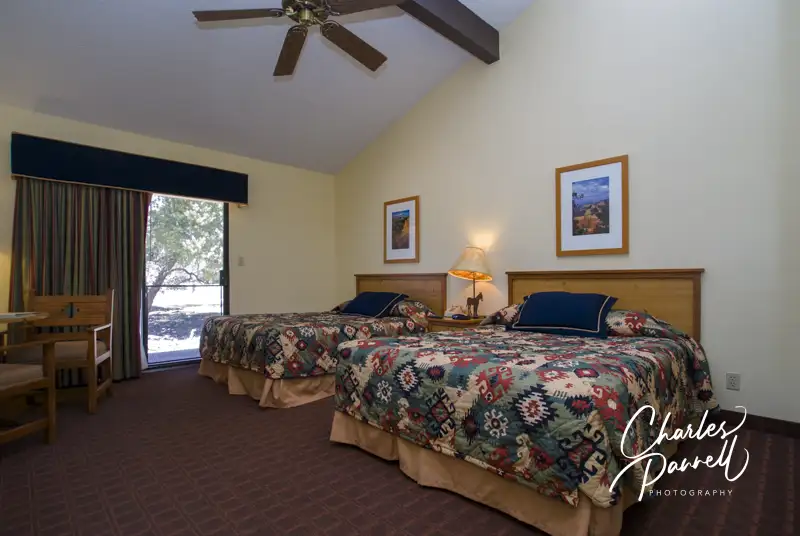
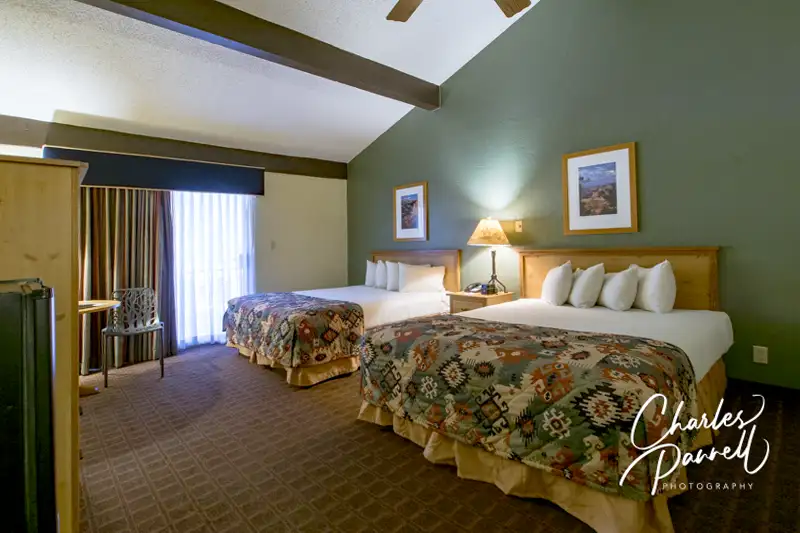
Room 6761 is located near the main lodge in the Cliffrose Building. There’s accessible parking in front, with level access to the room. Other access features include wide doorways, a lowered peephole, lever handles and a lowered closet rod. It’s furnished with two 23-inch high queen-sized beds, with wheelchair access between them, a chest of drawers, a table with two chairs, and a refrigerator. It also has a sliding glass door, with level access out to a small patio area.
Room 6761 at Maswik Lodge
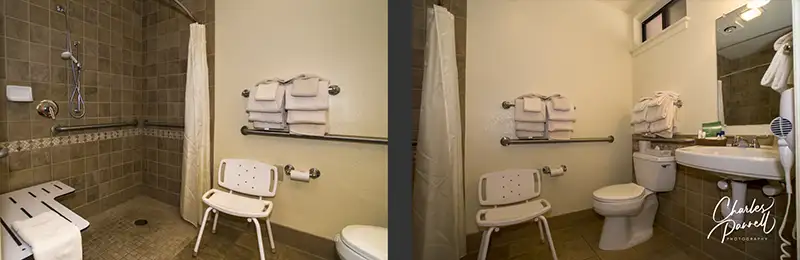
The bathroom has a roll-in shower with grab bars, a hand-held showerhead and a fold-down shower bench. The toilet grab bars are located on the back and left walls (as seated), and the bathroom also has a roll-under sink and a lowered mirror.
Bathroom in room 6761 at Maswik Lodge
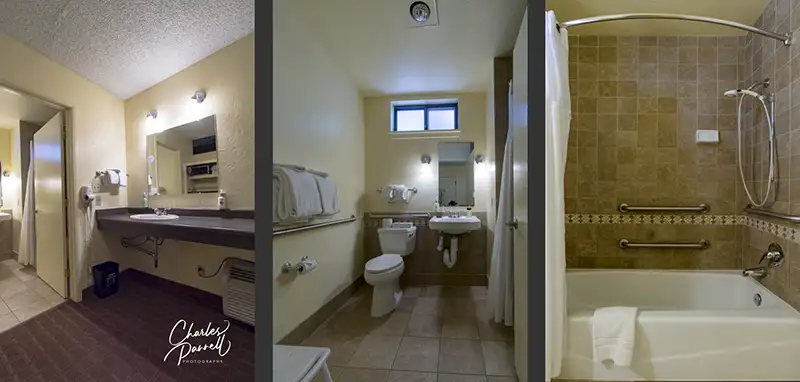
Room 6742, which is located in the Spruce Building, has the same general access features and bed configuration as room 6761, except that the bathroom is equipped with a tub/shower combination, with grab bars and a portable shower chair.
Room 6742 at Maswik Lodge
Bathroom in room 6842 at Maswik Lodge
Additionally, there’s barrier-free access to all the public areas of Maswik Lodge, including the restaurants, gift shop and lobby area. It’s a comfortable property, and a great home base for an accessible Grand Canyon without a car visit.
Barrier-Free Travel the Grand Canyon for Wheelers and Slow Walkers
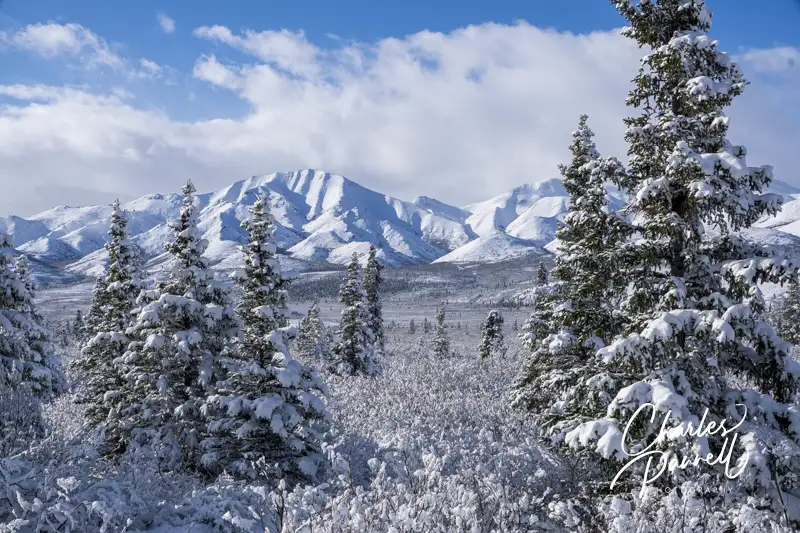
Located about 240 miles north of Anchorage and 120 miles south of Fairbanks, Denali National Park (www.nps.gov/dena/index.htm) is one of the crown jewels of the 49th State. One of Alaska’s eight national parks, Denali occupies just over six million acres of wild land bisected by a seasonal road. And if all that sounds a bit rugged for your taste, rest assured it is possible to plan a wheelchair-accessible Denali visit. Granted, scaling the 20,310 namesake mountain may not be on your to-do list; however the park also offers a nice selection of wheelchair-accessible trails, attractions and tours suitable for non-mountaineering visitors.
Getting There
A top concern about a wheelchair-accessible Denali National Park visit is actually getting to the park. Although there’s no airport there, Denali is easily accessible by rail and car. The peak visit time is from late May through early September, but that’s primarily because of the train schedules and the unpredictable weather. Still if you have a vehicle, and a bit of a sense of adventure, late spring and fall can also be beautiful times to enjoy Mother Nature’s majesty in Denali.
Alaska Railroad
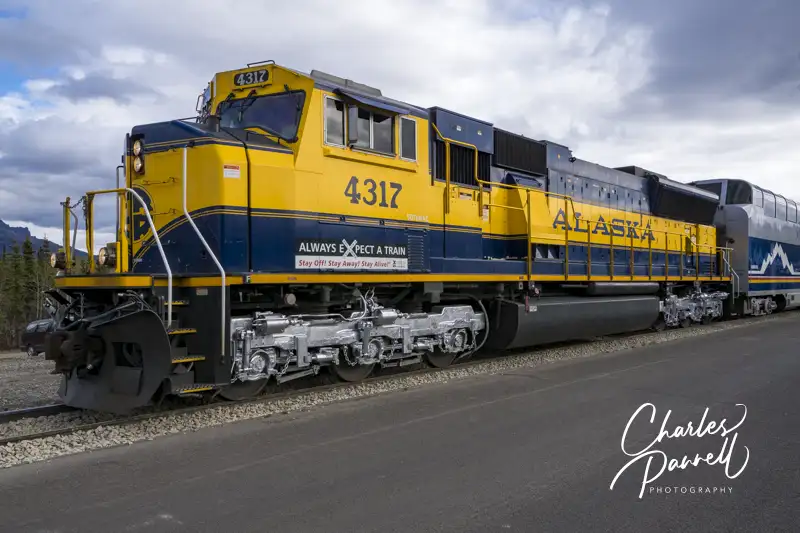
Daily train service is available from Anchorage and Fairbanks on Alaska Railroad’s (www.alaskarailroad.com) Denali Star during the summer months. The northbound train departs from Anchorage, and takes three hours to get to Denali. It stops in Wasilla and Talkeetna along the way. The southbound Fairbanks to Denali nonstop route takes four hours to get to Denali. And the good news is, all the stations include lift boarding, and the GoldStar Dome Cars feature elevator access, accessible seating and accessible lavatories downstairs. Additionally, most of the major cruise lines also offer cruise tour packages that include a Denali stop, on their own accessible railcars.
If you’d prefer to drive, accessible rental vans are available in Anchorage from Alaska Mobility (www.alaskamobility.com). After you pick up your van, just hop on The George Parks Highway (Highway 3). Also designated as a National Scenic Byway, this well traveled route runs between Fairbanks and Anchorage, and offers access to the park. The drive on this well maintained paved road is doable in a day from Anchorage; but plan for extra time as there’s no shortage of viewpoints and roadside stops along the way. And for information on places to stop en route, visit themilepost.com, an excellent Alaska road trip resource.
Wheelchair-Accessible Denali Shuttles
Accessible shuttle bus
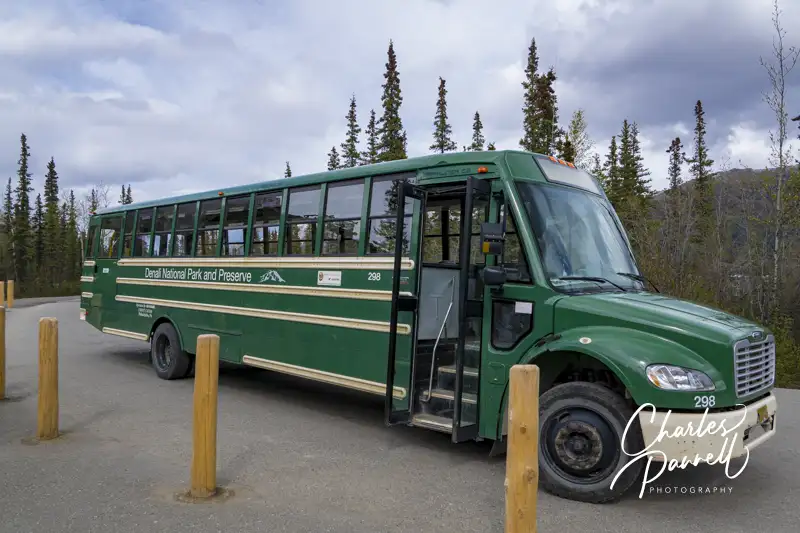
Another wheelchair-accessible Denali feature is the free accessible shuttle bus system. After the winter snow is cleared in late spring, the road into Denali National Park is open to private vehicles to the Savage River area. Transportation further into the park is only available from concessionaires, and it’s largely dependent on road conditions.
That said, the free shuttle bus system operates in the Riley River area near the park entrance, and in the Savage River area 15 miles down the road. And all of the shuttle buses and shuttle bus stops wheelchair-accessible. The Savage River Loop and the Riley Creek Loop shuttles run all day and stop at a number of trails and attractions along the way. The Sled Dog Demonstration Shuttle, which runs from the Denali Visitor Center to the sled dog kennels, departs 40 minutes prior to the demonstrations, and returns shortly after they are completed.
The shuttle bus schedule is available at www.nps.gov/dena/planyourvisit/courtesy-shuttle-buses.htm, and it’s also posted at all the shuttle stops. Printed schedules are not available in the park, and cell phone service is limited, so it’s best to save a screen shot of the schedule for planning purposes.
Riley Creek Hikes
McKinley Station Trail
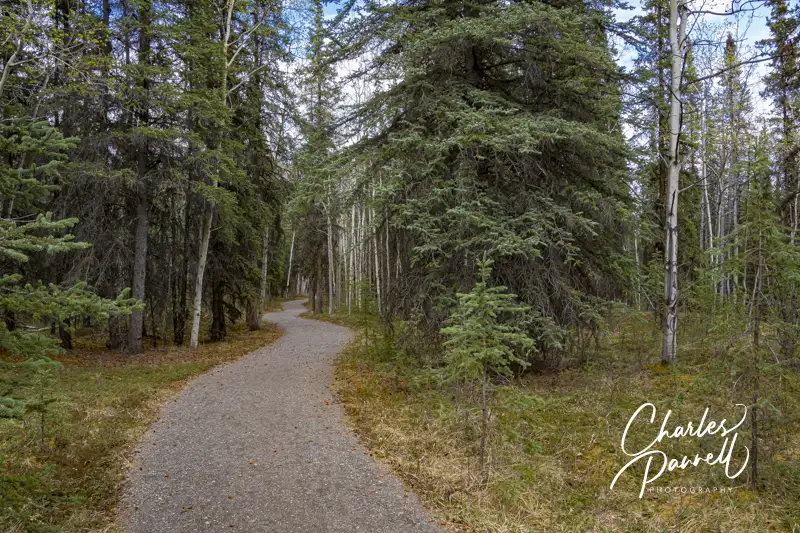
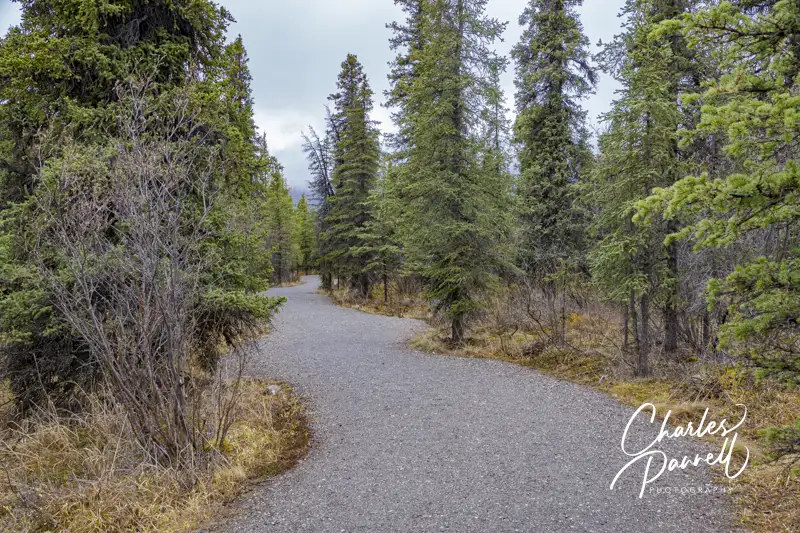
If you’d like to try a hike in the Riley Creek area, then hop on the shuttle, get off at the Riley Creek Campground and explore the McKinley Station Trail. This 1.6-mile hard-packed dirt trail runs from the campground to the visitor center. Although it’s not completely level, it offers an undulating — and accessible — route through the forest. There are also a few accessible boardwalk sections along the way. Be forewarned though — there’s a short cut to the visitor center about half-way along the route, but it goes straight uphill. Stick to the original trail for a gradual accessible path to the visitor center.
If you’d prefer a shorter walk, check out the Spruce Forest Loop, which is located right behind the visitor center. This .15-mile trail meanders through the forest, and offers visitors a good introduction to the vegetation and wildlife found in the park. It’s also very convenient, as you can just take the shuttle to the visitor center and hop on the trail from there.
Sled Dog Demonstration
Sled dog demonstration
The Sled Dog Demonstration is another wheelchair-accessible Denali must-do. Although accessible shuttle service is available from the visitor center, you can also drive over to the kennels. There’s plenty of accessible parking available at the kennels; however it’s a longer jaunt from the parking lot than it is from the bus stop, so slow walkers might want to opt for the shuttle. It should also be noted that the Roadside Trail that runs from the visitor center to the kennels has a steep grade and numerous obstructions, and it’s definitely not an accessible option to get to the kennels.
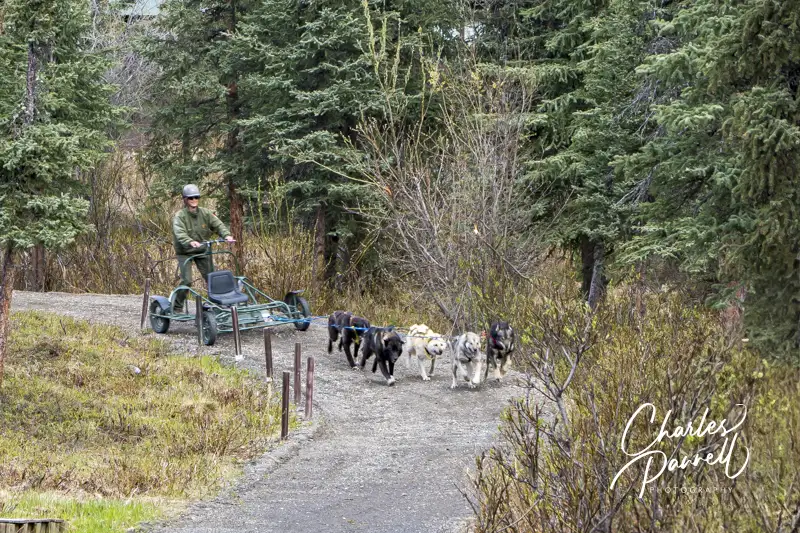
The sled dog demonstration is fun to watch, as the team is hitched to a wheeled sled that speeds around a dirt track. Accessible seating for wheelchair-users and slow walkers is available in the front, so everyone is guaranteed a good view. A ranger is on hand to answer questions about the sled dogs — which are still used in the winter in the park — and folks can walk though the sled shed and around the kennels after the demonstration. Best of all, there’s no charge for this educational demonstration.
Savage River Hikes
Mountain Vista Trail
Last but not least, save some time to explore the Savage River area of the park, which offers a few accessible trails, and some great scenery. The shuttle stops at the Mountain Vista and Savage trailheads; and if Mount Denali is “out” (not obscured by cloud cover), you’ll get a great view from several vantage points along the way.
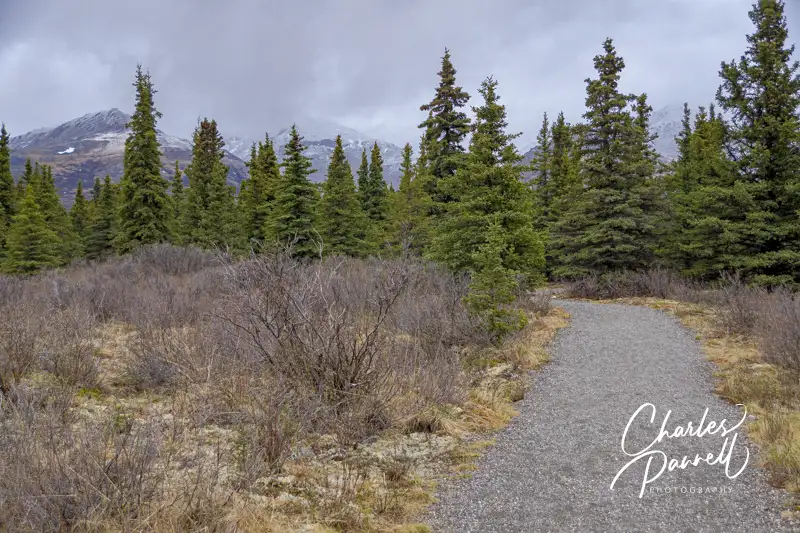
The Mountain Vista Trail is the most accessible trail in the area. This .6-mile hard-packed dirt trail begins near the shuttle stop, behind the accessible vault toilets and picnic shelter. It winds through the tundra, and offers several impressive views of the Alaska Range along the way. And you never know what wildlife you’ll run across, so keep your ryes peeled. Pack along a picnic lunch and enjoy it at one of the accessible tables at the picnic shelter, while you wait for the shuttle to Savage River.
Savage Cabin Trail
The shorter Savage Cabin Loop begins just to the left of the Savage River Campground shuttle bus stop, near the accessible vault toilet. The .3-mile loop is fairly level — with a few undulations — and is covered in compacted gravel. Midway along the route, you’ll find a historic cabin that was constructed by the Alaska Road Commission in 1924. It was originally used as a ranger cabin, but today it’s an interpretive site. Although the cabin isn’t accessible, you can still get a good glance at the inside from the doorway. And the docent programs are usually presented outside, in an accessible space. Even if there aren’t any docents at the cabin it still make a nice stop on this short jaunt.
Wheelchair-Accessible Denali Lodging Resource
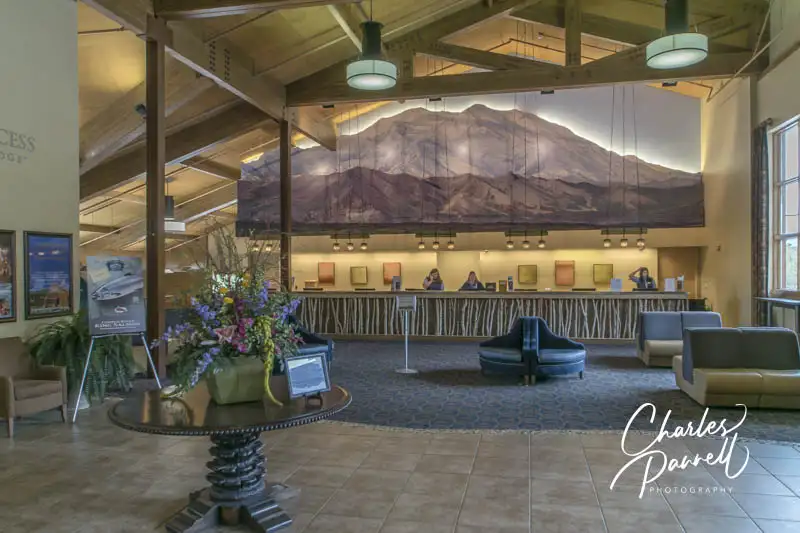
Lobby at the Denali Princess near Denali National Park
Of course, the final piece of the access puzzle in Denali National Park is lodging. There are no hotels or lodges in the park, but the campground has accessible spaces, and there are a number of accessible lodging choices nearby. Visit emerginghorizons.com/wheelchair-accessible-denali-lodging-options for more information.
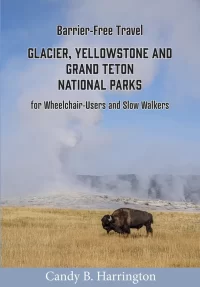
Barrier-Free Travel Glacier, Yellowstone and Grand Teton National Parks for Wheelers and Slow Walkers
Located in Southwestern Utah, Zion National Park was the Beehive State’s first national park. Although a good percentage of the park is designated as wilderness, there are many developed areas which can be visited with a minimal effort. At the top of the list is Zion Canyon, a 15-mile drive bordered by spectacular sandstone cliffs. Over on the west side of the park, Kolob Canyons offers a more bucolic view of the Colorado Plateau; while the eastern Zion-Mt. Carmel Highway connects Zion with Bryce Canyon and the Grand Canyon. No matter where you look, there’s no shortage of breathtaking scenery in this national park.
Insider Tips
Don’t miss the free Ride with a Ranger Tours that are offered twice daily on the park shuttle buses. These two-hour narrated tours include several stops along the Zion Canyon Scenic Drive. Advance reservations are required, and they can be made up to three days in advance. And the good news is, all park shuttle buses are lift-equipped, so everyone can enjoy these tours.
If you want to dodge the crowds, then explore the five-mile long Kolob Canyons Scenic Byway, located in the northwestern corner of the park. This scenic route climbs 1,000 feet in elevation and offers great views of the red Navajo sandstone canyon walls along the way. There are a number of paved pullouts on the route, and although none of them are striped, they are strategically placed so you can get good windshield views.
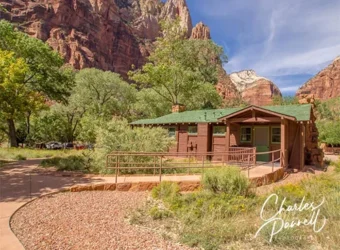
For a very accessible place to rest your head, consider staying in cabin 529 at Zion Lodge. This historic cabin dates back to the 1920s, and it includes a queen-sized bed and a bathroom with a roll-in shower. As an added bonus, this lodge is one of the most scenic national park properties around, as it’s surrounded by Zion Canyon.
Located about 240 miles north of Anchorage and 120 miles south of Fairbanks, Denali National Park (www.nps.gov/dena/index.htm) is one of the crown jewels of the 49th State. One of Alaska’s eight national parks, Denali occupies just over six million acres of wild land bisected by a seasonal road. And if all that sounds a bit rugged for your taste, rest assured it is possible to plan a wheelchair-accessible Denali visit. Granted, scaling the 20,310 namesake mountain may not be on your to-do list; however the park also offers a nice selection of wheelchair-accessible trails, attractions and tours suitable for non-mountaineering visitors.
Getting There
A top concern about a wheelchair-accessible Denali National Park visit is actually getting to the park. Although there’s no airport there, Denali is easily accessible by rail and car. The peak visit time is from late May through early September, but that’s primarily because of the train schedules and the unpredictable weather. Still if you have a vehicle, and a bit of a sense of adventure, late spring and fall can also be beautiful times to enjoy Mother Nature’s majesty in Denali.
Alaska Railroad
Daily train service is available from Anchorage and Fairbanks on Alaska Railroad’s (www.alaskarailroad.com) Denali Star during the summer months. The northbound train departs from Anchorage, and takes three hours to get to Denali. It stops in Wasilla and Talkeetna along the way. The southbound Fairbanks to Denali nonstop route takes four hours to get to Denali. And the good news is, all the stations include lift boarding, and the GoldStar Dome Cars feature elevator access, accessible seating and accessible lavatories downstairs. Additionally, most of the major cruise lines also offer cruise tour packages that include a Denali stop, on their own accessible railcars.
If you’d prefer to drive, accessible rental vans are available in Anchorage from Alaska Mobility (www.alaskamobility.com). After you pick up your van, just hop on The George Parks Highway (Highway 3). Also designated as a National Scenic Byway, this well traveled route runs between Fairbanks and Anchorage, and offers access to the park. The drive on this well maintained paved road is doable in a day from Anchorage; but plan for extra time as there’s no shortage of viewpoints and roadside stops along the way. And for information on places to stop en route, visit themilepost.com, an excellent Alaska road trip resource.
Wheelchair-Accessible Denali Shuttles
Accessible shuttle bus
Another wheelchair-accessible Denali feature is the free accessible shuttle bus system. After the winter snow is cleared in late spring, the road into Denali National Park is open to private vehicles to the Savage River area. Transportation further into the park is only available from concessionaires, and it’s largely dependent on road conditions.
That said, the free shuttle bus system operates in the Riley River area near the park entrance, and in the Savage River area 15 miles down the road. And all of the shuttle buses and shuttle bus stops wheelchair-accessible. The Savage River Loop and the Riley Creek Loop shuttles run all day and stop at a number of trails and attractions along the way. The Sled Dog Demonstration Shuttle, which runs from the Denali Visitor Center to the sled dog kennels, departs 40 minutes prior to the demonstrations, and returns shortly after they are completed.
The shuttle bus schedule is available at www.nps.gov/dena/planyourvisit/courtesy-shuttle-buses.htm, and it’s also posted at all the shuttle stops. Printed schedules are not available in the park, and cell phone service is limited, so it’s best to save a screen shot of the schedule for planning purposes.
Riley Creek Hikes
McKinley Station Trail
If you’d like to try a hike in the Riley Creek area, then hop on the shuttle, get off at the Riley Creek Campground and explore the McKinley Station Trail. This 1.6-mile hard-packed dirt trail runs from the campground to the visitor center. Although it’s not completely level, it offers an undulating — and accessible — route through the forest. There are also a few accessible boardwalk sections along the way. Be forewarned though — there’s a short cut to the visitor center about half-way along the route, but it goes straight uphill. Stick to the original trail for a gradual accessible path to the visitor center.
If you’d prefer a shorter walk, check out the Spruce Forest Loop, which is located right behind the visitor center. This .15-mile trail meanders through the forest, and offers visitors a good introduction to the vegetation and wildlife found in the park. It’s also very convenient, as you can just take the shuttle to the visitor center and hop on the trail from there.
Sled Dog Demonstration
Sled dog demonstration
The Sled Dog Demonstration is another wheelchair-accessible Denali must-do. Although accessible shuttle service is available from the visitor center, you can also drive over to the kennels. There’s plenty of accessible parking available at the kennels; however it’s a longer jaunt from the parking lot than it is from the bus stop, so slow walkers might want to opt for the shuttle. It should also be noted that the Roadside Trail that runs from the visitor center to the kennels has a steep grade and numerous obstructions, and it’s definitely not an accessible option to get to the kennels.
The sled dog demonstration is fun to watch, as the team is hitched to a wheeled sled that speeds around a dirt track. Accessible seating for wheelchair-users and slow walkers is available in the front, so everyone is guaranteed a good view. A ranger is on hand to answer questions about the sled dogs — which are still used in the winter in the park — and folks can walk though the sled shed and around the kennels after the demonstration. Best of all, there’s no charge for this educational demonstration.
Savage River Hikes
Mountain Vista Trail
Last but not least, save some time to explore the Savage River area of the park, which offers a few accessible trails, and some great scenery. The shuttle stops at the Mountain Vista and Savage trailheads; and if Mount Denali is “out” (not obscured by cloud cover), you’ll get a great view from several vantage points along the way.
The Mountain Vista Trail is the most accessible trail in the area. This .6-mile hard-packed dirt trail begins near the shuttle stop, behind the accessible vault toilets and picnic shelter. It winds through the tundra, and offers several impressive views of the Alaska Range along the way. And you never know what wildlife you’ll run across, so keep your ryes peeled. Pack along a picnic lunch and enjoy it at one of the accessible tables at the picnic shelter, while you wait for the shuttle to Savage River.
Savage Cabin Trail
The shorter Savage Cabin Loop begins just to the left of the Savage River Campground shuttle bus stop, near the accessible vault toilet. The .3-mile loop is fairly level — with a few undulations — and is covered in compacted gravel. Midway along the route, you’ll find a historic cabin that was constructed by the Alaska Road Commission in 1924. It was originally used as a ranger cabin, but today it’s an interpretive site. Although the cabin isn’t accessible, you can still get a good glance at the inside from the doorway. And the docent programs are usually presented outside, in an accessible space. Even if there aren’t any docents at the cabin it still make a nice stop on this short jaunt.
Wheelchair-Accessible Denali Lodging Resource
Lobby at the Denali Princess near Denali National Park
Of course, the final piece of the access puzzle in Denali National Park is lodging. There are no hotels or lodges in the park, but the campground has accessible spaces, and there are a number of accessible lodging choices nearby. Visit emerginghorizons.com/wheelchair-accessible-denali-lodging-options for more information.