As a travel writer since 1977, Candy Harrington has been writing about accessible travel exclusively since 1996. She’s the founding editor of Emerging Horizons, and the author of the popular Barrier-Free Travel national park series. With thousands of bylines to her credit, Candy hits the road often, in search of new accessible travel finds. Candy and her travel photographer husband Charles Pannell reside in NE Washington, where they tend to their chicken flock and enjoy a rural lifestyle.
The North Cascades Scenic Byway is much more than a utilitarian route. Sure it connects North Cascades National Park with points east and west, but it also offers a scenic drive with a few old growth forest wheelchair-accessible hikes along the way. So next time you are tooling along Highway 20 west of North Cascades National Park, be sure and stop for these two wheelchair-accessible big trees trails.
Rockport State Park
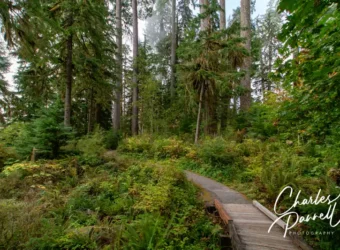
Along the West Interpretive Loop in Rockport State Park
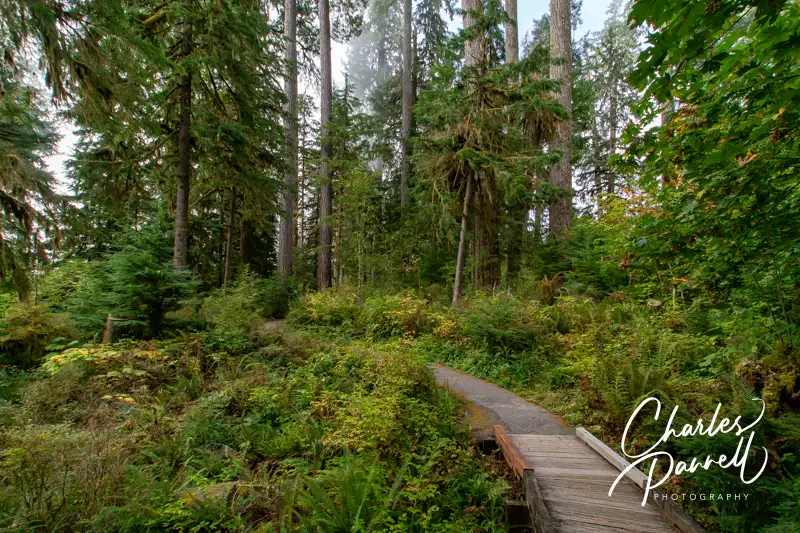
First up is the West Interpretive Loop in Rockport State Park (https://parks.wa.gov/find-parks/state-parks/rockport-state-park). It’s located along Highway 20, about 25 miles west of Newhalem. This 1.4-mile round-trip hike offers a beautiful stroll through a wheelchair-accessible slice of an old growth forest.
There’s accessible parking near the picnic area, with level access over to the accessible restroom. From the picnic area, follow the trail west for .2-mile until you get to a junction with a signpost. From there, take a right (away from the Sauk Spring Trail) and continue on the Evergreen Trail for another .2 miles until you get to the West Interpretive Loop.
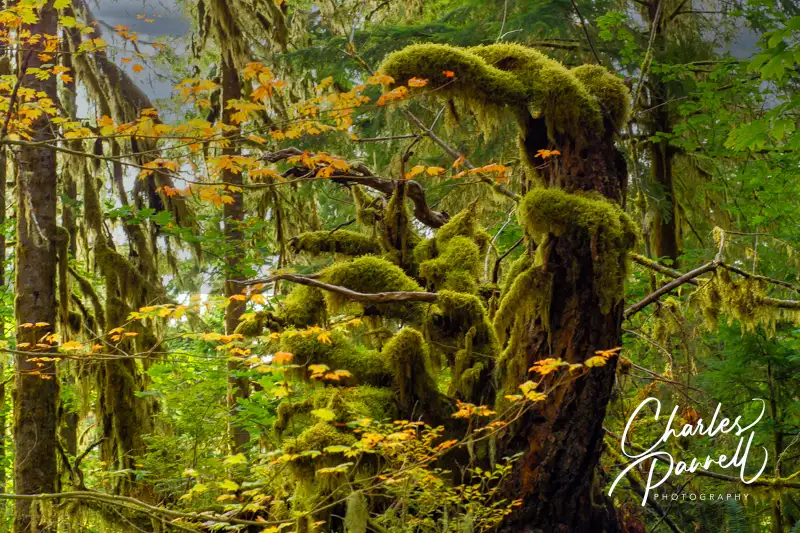
The .6-mile hard-packed dirt trail is covered in crushed rock, and is wide enough to accommodate even large wheelchairs. It’s not a flat trail, but it’s certainly within the ADA trail standards. The undulating trail leads through the lush forest filled with Douglas firs, western red cedars and western hemlocks. There are interpretive plaques along the way, and this shady forest stroll is the perfect place to cool off a hot afternoon. When you complete the loop, head back to the picnic area on the Evergreen Trail. As an added bonus, it’s not a crowded park, so you will probably have the trail to yourself.
Baker Lake
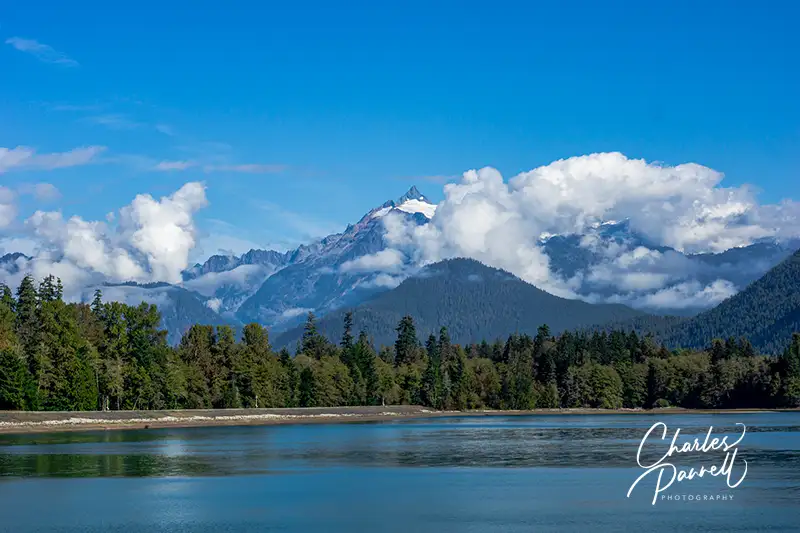
View from Panorama Point at Baker Lake
After you’ve completed the Western Interpretive Loop, continue west on Highway 20 to Concrete, then head north to the Shadow of the Sentinels at Baker Lake (https://www.fs.usda.gov/r06/mbs/recreation/baker-lake). It’s located about 15 miles off Highway 20, but it’s definitely worth the short detour. The trailhead is located in a small pullout, just before the turnoff to Horseshoe Grove Campground. You can’t miss it, as there’s a cross section of a large old growth tree in the parking lot.
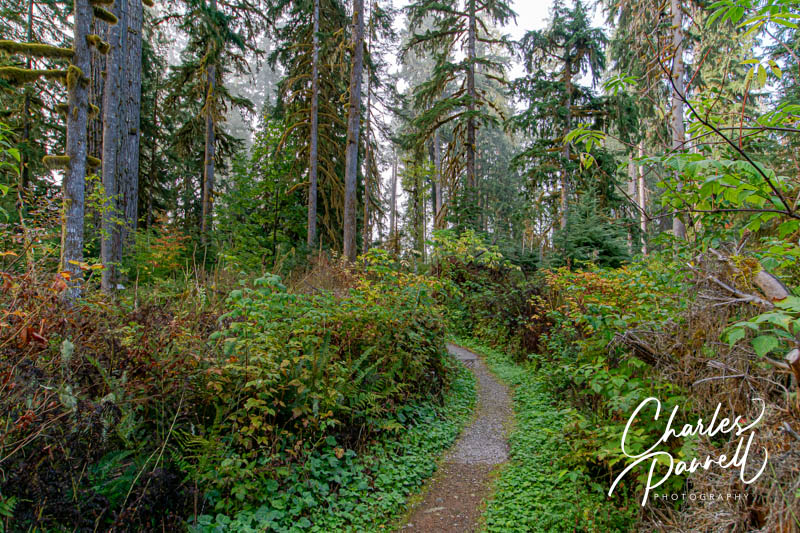
Shadow of the Sentinels Trail
There’s accessible parking near the trailhead, and at the other end of the lot near the accessible vault toilet. This .5-mile loop trail begins as a boardwalk through the old growth forest, and transitions back-and-forth between that and an asphalt trail and a hard-packed dirt trail. There’s a slight elevation gain along the way, but it’s well within the standards. The boardwalk is in excellent repair, and although there are a few frost heaves in the asphalt, they are pretty easy to dodge.
The trail is lined with Douglas firs and western hemlocks, with interpretive plaques along the way. There are a number of downed trees and snags in the adjacent forest, and if you’d like to take a break there are a few benches on the trail. There are also a few side trails to viewpoints in the forest, and one to an extra large Douglas fir tree. It’s estimated that some of the trees in this grove are nearly 700 years old.
Shadow of the Sentinels Trail
As an added bonus, the drive up to Baker Lake is beautiful. And if you’d like to sneak a peek at at Baker Lake and the Cascades, then head over to the Panorama Point boat launch or drive down to the end of Mount Baker Dam Road. It’s the perfect way to end this North Cascades scenic outing.
Barrier-Free Travel Washington National Parks for Wheelers and Slow Walkers
Located about an hour from the East Entrance to America’s first national park, Cody is an excellent addition to a Yellowstone (emerginghorizons.com/yellowstone-national-park/) road trip. With daily gunfights, western entertainment and a nightly Rodeo, this Wyoming town has a definite wild west ambiance. And why not, as it was named after Buffalo Bill Cody, who once roamed the streets of this wild west town. And despite its historic nature, this Wyoming village is also a good option for slow walkers and wheelchair-users who want to extend their Yellowstone vacation. So check out this accessible place to rest your head, as well as a few of these popular sites on your next Yellowstone visit.
Spend the Night
Cabin 365 at Buffalo Bill Village
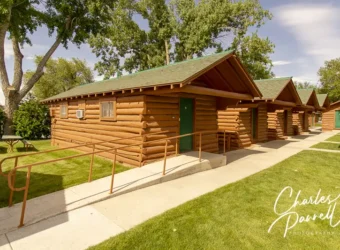
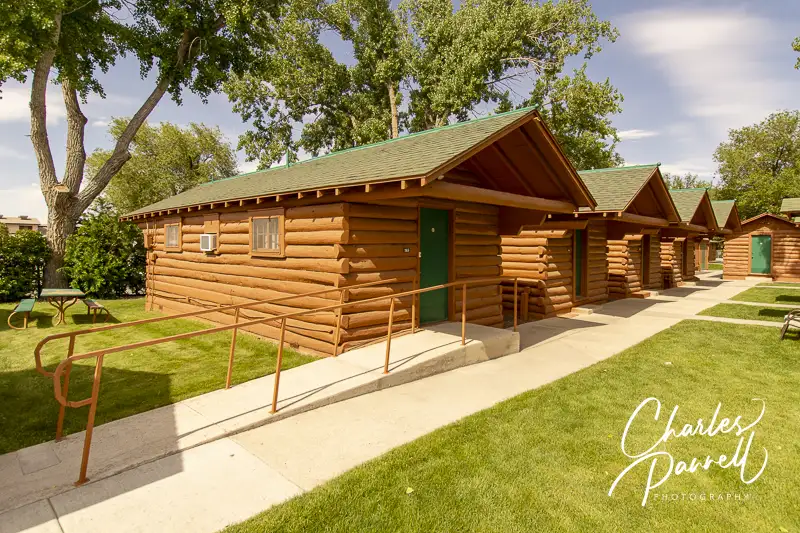
Located near the center of town, Buffalo Bill Village (www.buffalobillvillage.com/) is a good place to spend the night. Although it was originally constructed to house work crews that built the city, today this historic property boasts modern amenities and includes a wheelchair-accessible cabin.
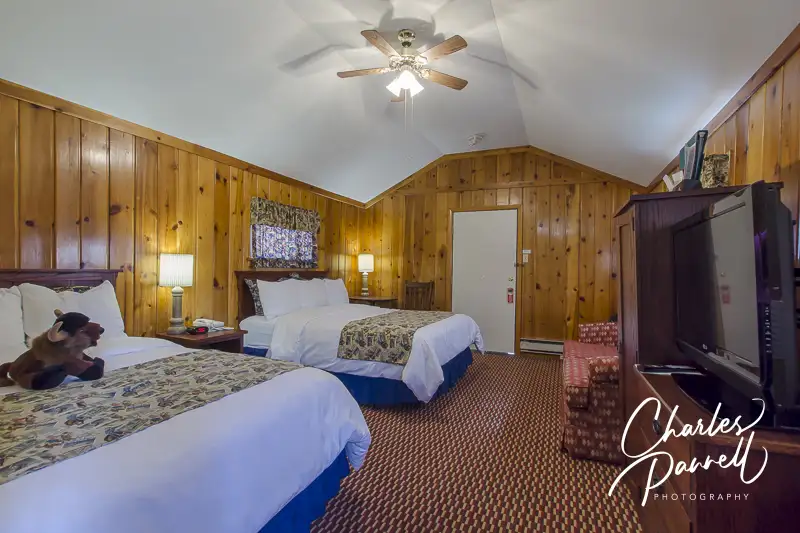
There’s accessible parking in the front lot, with level access over to the registration building and gift shop. Room 365, which is a stand-alone cabin, is located a short drive away, near the back of the complex. There’s accessible parking near the sidewalk that leads over to the cabin, and ramp access to the front door. Inside, there’s good pathway access in the spacious cabin, that’s furnished with two 26-inch high queen-sized beds, a sofa, chest of drawers and a table with two chairs.
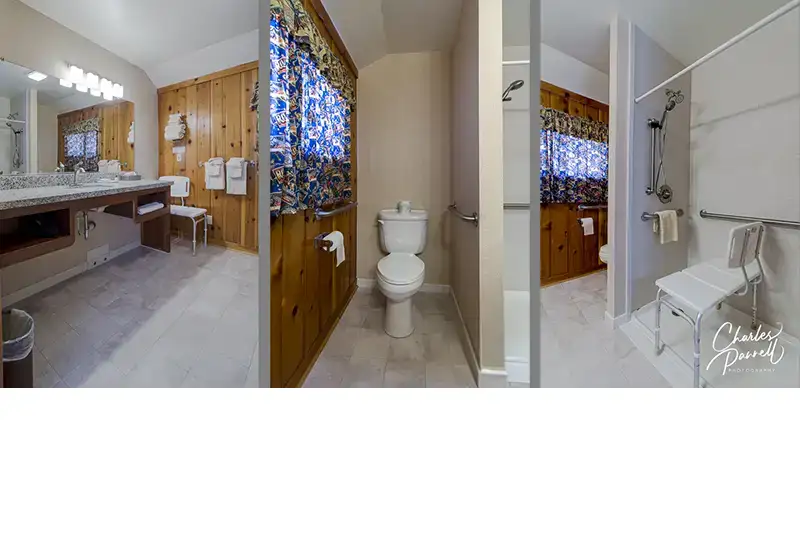
The bathroom features a full five-foot turning radius, with plenty of room for larger wheelchairs and scooters. It’s equipped with a roll-in shower with a hand-held showerhead and grab bars. The toilet is in a 36-inch wide alcove with grab bars on both sides. Other access features include a roll-under sink and a portable shower chair.
Buffalo Bill Village is not only accessible, but it’s also located well away from the street, so it’s pretty quiet. Add in a top-notch staff, and you have everything you could possible need.
Inside Cabin 365
Bathroom in Cabin 365
Explore Cody
Largest Surviving Poster from Buffalo Bill’s Wild West at the Buffalo Bill Center of the West
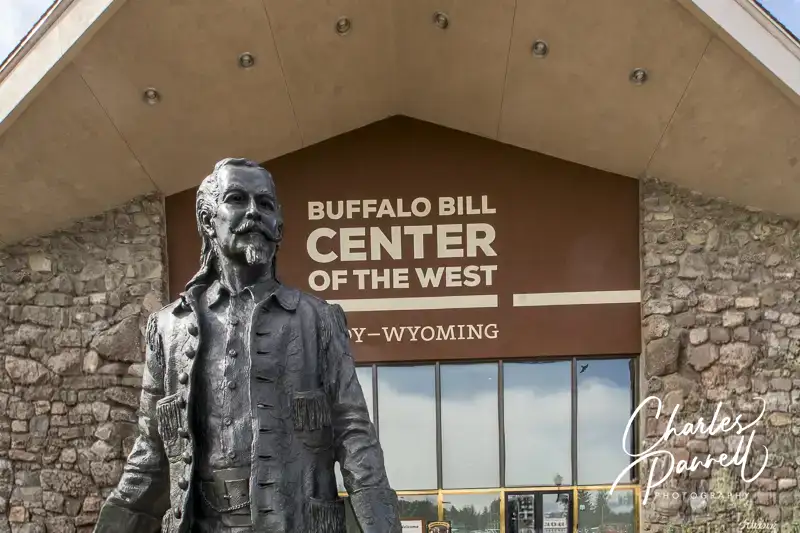
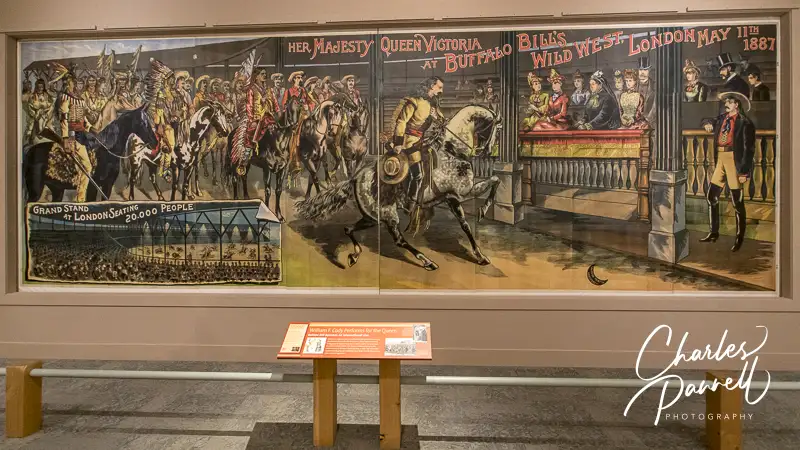
Plan to spend at least one full day in town, as there’s no shortage of fun diversions, At the top of the list is the Buffalo Bill Center of the West (centerofthewest.org/). This expansive museum has five old west galleries, including the impressive Buffalo Bill Museum. Other galleries include the Whitney Western Art Museum, the Plains Indian Museum, the Cody Firearms Museum and the Draper Natural History Museum — all of which present a comprehensive picture of the old west.
There’s accessible parking in front of the museum, with level access over to the main entrance. Inside there’s barrier-free access to all of the galleries, the gift shop and the cafe.. And if you find the distance in the museum a little daunting, manual wheelchairs are available for loan at the front desk.
Another fun attraction in town is the Cody Gunfight (www.codytrolleytours.com/cody-gunfight). This free performance is held daily (except Sundays) at 6 PM in front of the historic Irma Hotel. It’s a fun show, but get there early as it’s extremely popular. The ground is level in front of the hotel, and there’s good access for wheelchair-users in the viewing area. Alternatively, reserved seating is available for just $3.
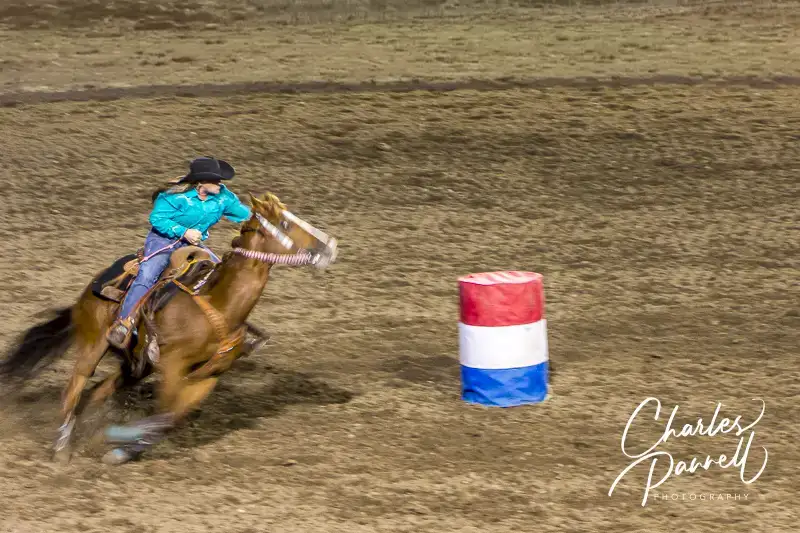
Barrel Racer at the Cody Night Rodeo
Last but certainly not least, don’t miss the Cody Night Rodeo (www.codystampederodeo.com/). There’s plenty of accessible parking at Stampede Park, with a level pathway to the accessible seating in the south grandstand. It’s a very patriotic family event, with lots of up-and-coming talent in the arena. The kids in the audience even get a shot at a little hands-on rodeo fun, so it’s a great hit for families. Presented during the summer months, this fun event is a real crowd pleaser, and it’s the perfect way to top off a Cody wild west visit.
Barrier-Free Travel Glacier, Yellowstone and Grand Teton National Parks for Wheelers and Slow Walkers
Yosemite has always been a popular destination, and in order to manage the crowds in previous years advance vehicle reservations were necessary. These were cheap and easy to get at www.recreation.gov. And once you got to the park at your appointed time, there wasn’t a wait, because the required vehicle reservations metered the traffic.
Fast forward to 2026, and vehicle reservations are no longer required (https://emerginghorizons.com/yosemite-entrance-reservations-not-required-in-2026-but-plan-ahead/). Why? Well it depends who ask, but there was a huge outcry from locals who opposed the reservations, and then apparently the park statistics showed they weren’t needed. In any case, no vehicle reservations are required in 2026, and that’s led to major traffic jams. Because traffic is no longer metered, there’s a huge back-up at the gates. Just last week there were reports of 90-minute waiting times at the gates – and it’s not even peak season.
Once you get in the park, finding parking is another issue, and of course finding accessible parking is always harder. To be honest, I’d really advise against a visit this year. And it’s not that I’m anti-Yosemite, but I’m just being pragmatic. I grew up in the mountains near Yosemite and for most of my life it was my “home national park”. And I love it. I just feel that with it’s over popularity, and non-metered traffic, it’s just really hard to enjoy this gem. Perhaps things will change next year.
That said, if you absolutely must visit Yosemite in 2026, here are a few tips for wheelchair-users, to help minimize your wait times, and more fully enjoy the park.
Spend the Night
Spending the night in the park is best way to maximize your sleep, and still get that much-needed early start in the morning. That said, lodging in Yosemite Valley can be extremely hard to get during peak season. Hard, but not impossible.
The cancellation period for Yosemite Valley hotels and lodges in seven days. That means that people can cancel their reservations with no penalty up to seven days before their visit. So, if you’re looking for Yosemite lodging in the peak months, and can do a spur-of -the-moment trip, then try searching for available properties early in the day, seven days ahead of time. It’s not guaranteed to work, but it’s the best shot at a vacancy. And yes, sometimes wheelchair-accessible rooms get cancellations too.
And my favorite wheelchair-accessible room in the park is room 421 at the Ahwahnee. It has a king bed, a roomy bathroom with a roll-in shower and an impressive view of Half Dome.
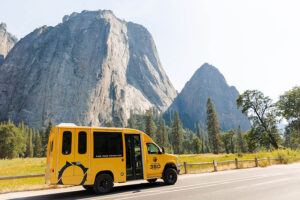
Yosemite Shuttle
Park and Walk (or Roll)
If you can’t spend the night inside the park, then you need to get an alpine start for a hassle-free wheelchair-accessible Yosemite visit in 2026. It depends on where you spend the night, but try to get to the park no later than 6 AM. Yes, you read that correctly, 6 AM.
Years ago, you could have the park to yourself at that time; but with the crowded entrance stations today, it only cuts down on the crowds. Still, that’s a good thing. Your goal after getting to Yosemite Valley is to find an accessible parking spot in the Yosemite Village parking lot. And then leave your car there for the day.
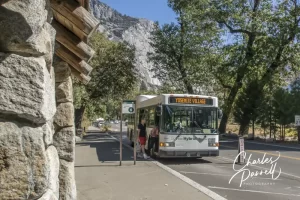
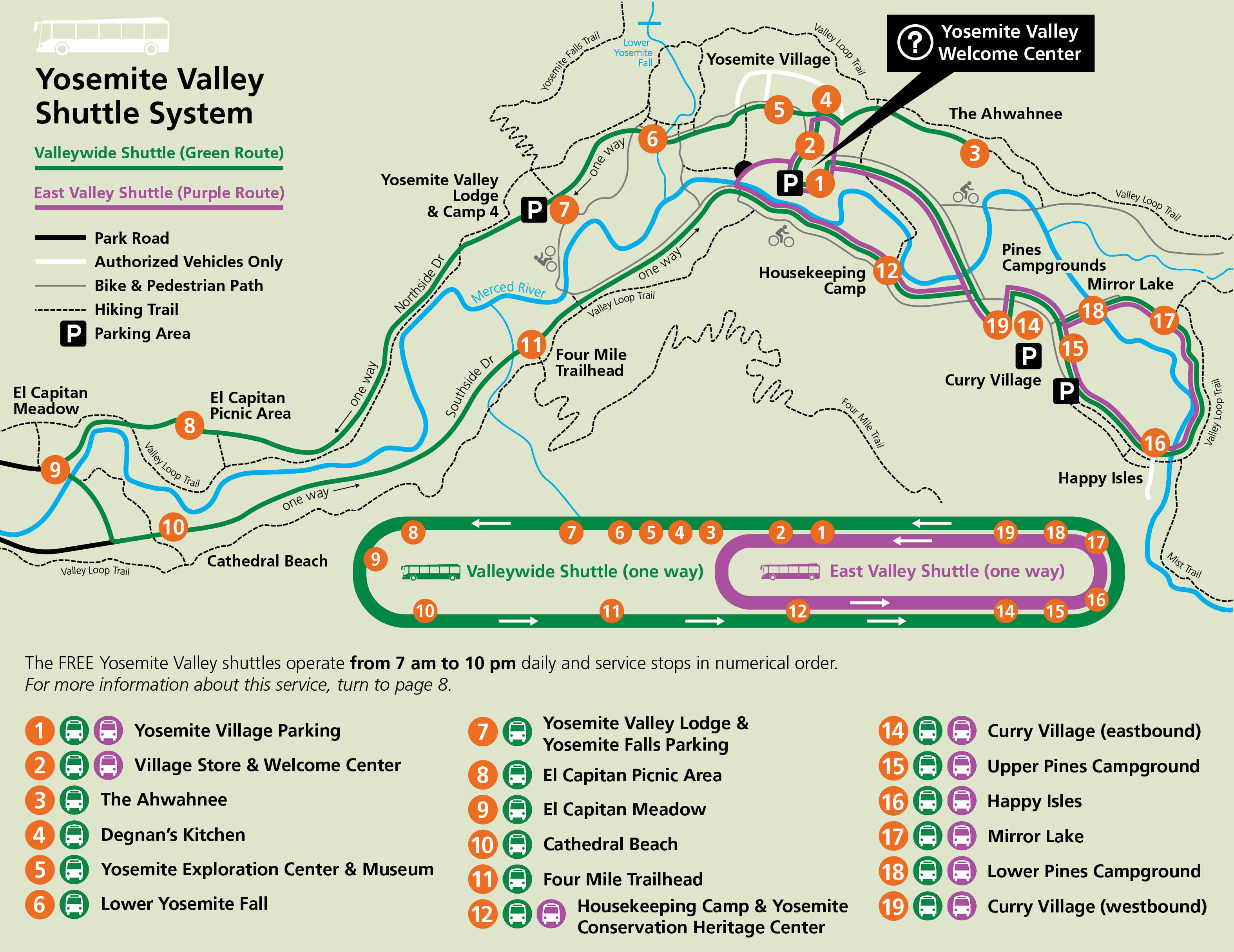
The good news is, there are a lot of sites, viewpoints, concessions and attractions in Yosemite Valley; and they are all connected on the wheelchair-accessible Yosemite Valley shuttle (https://www.nps.gov/yose/planyourvisit/images/valleyshuttle2.jpg). And there’s a shuttle stop near the parking area and in front of the Visitor Center.
The shuttles from 7 AM to 10 PM daily, and there’s usually about a 15-minute wait for a bus. There are two routes in Yosemite Valley – The Valley Shuttle, which covers the whole area, and the East Side Shuttle which stops at Yosemite Village, Curry Village and the campgrounds and trailheads on the east side of the valley
All of the shuttle buses are wheelchair-accessible, and they come equipped with wheelchair-lifts and tie-downs. They can accommodate wheelchairs up to 24 inches wide by 46 inches long, with a weight of up to 750 pounds.
Alternatively it you’d like to get a little exercise, rental handcycles are available at the Curry Village Bike Stand (209-372-8323) and the Yosemite Valley Lodge Bike Stand (209-372-1208). It’s best to reserve those in advance though, as supplies are limited and they go quickly.
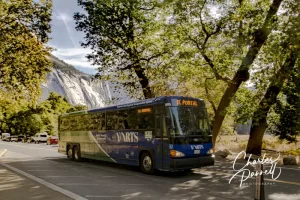
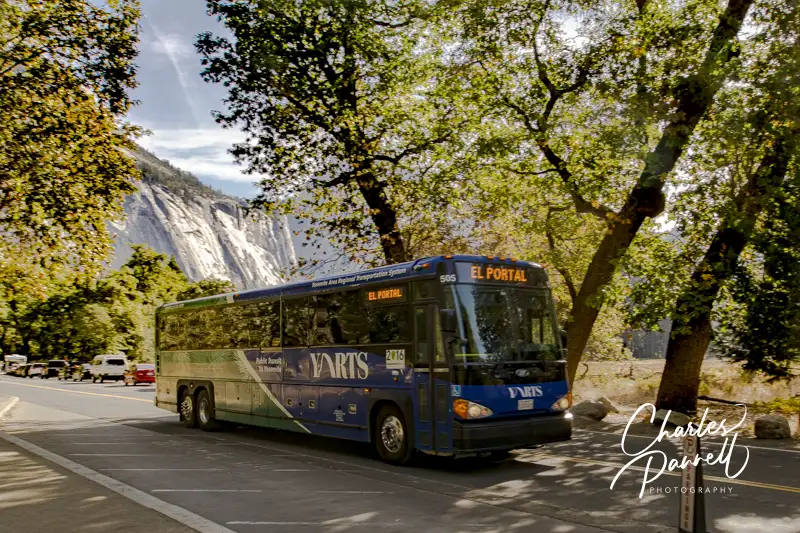
YARTS bus in Yosemite Valley
Ride YARTS!
Another way to to get the most our of your wheelchair-accessible Yosemite visit is to take public transportation to the park – more specifically YARTS (https://www.yarts.com/). Based in nearby Merced, YARTS stands for Yosemite Area Regional Transportation System, and it has four routes that lead to the park. So you can overnight in a nearby community, ride YARTS to the park, and not worry about any delays at the entrance (public transport takes an express lane) or finding an accessible parking space.
The routes run from Merced, Fresno, Sonora, and Mammoth Lakes to Yosemite Valley, and stop at mountain communities along the way. So you could overnight in a variety of places including, Mariposa, Groveland, El Portal, Oakhurst and June Lake. All YARTS buses are equipped with wheelchair lifts; however you either need to contact them 48 hours in advance, or indicate on your online reservation that you require wheelchair seating. And attendants traveling with a wheelchair-user get a 50 percent discount. So not only is riding YARTS accessible it’s also affordable.
Although the general public has to hike in to Mirror Lake, if you have an accessible parking placard or license plate, you can drive along the this road. Although you won’t have the lake to yourself, the hike in – even though it’s easy – eliminates a lot of folks. Even better – go early in the day to dodge the bulk of the visitors.
The road up to mirror lake is about a mile long, and motorists will be sharing the road with pedestrians and cyclists. You must travel with your hazard light on, and the speed limit is 15 mph along this road. And of course you need to watch out for pedestrians – especially kids – along the way.
About half way up, the roads gets steeper, and bicycles are prohibited beyond this point. Once you get to the top there’s accessible parking near the lake. There are some accessible vault toilets nearby and some picnic tables on level ground that may be doable for wheelchair-users. That said, Mirror Lake is seasonal and it usually dries up by late summer; however the granite views are spectacular from there. It’s well worth the drive.
Although they have some great wheelchair-accessible cabins (called havens) at adjacent Waybound Yosemite (operated by Tenaya Lodge) you don’t have to be a lodge guest in order to book one of their tours. The accessible tour bus has a lift and tie downs, so you can stay in your own wheelchair or transfer to a seat.
The day-long accessible tours feature stops at all the popular attractions, a picnic lunch, and time to explore Yosemite Valley on your own on the free wheelchair-accessible shuttle. Plus you don’t have to worry about parking, waiting in the entrance line or driving. Book early though, as this popular tour sells out quickly.
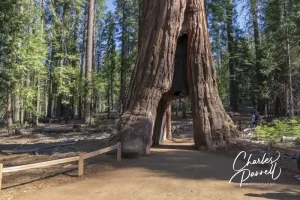
Walk-through Tree at Mariposa Grove in Yosemite National Park
Visit Mariposa Grove
Last but certainly not least, one of the best ways to enjoy a quieter slice of Yosemite is to get out of the valley and visit Mariposa Grove (https://emerginghorizons.com/escape-to-the-wheelchair-accessible-mariposa-grove/). You can access the grove on the Yosemite Shuttle Bus, but if you have a accessible parking placard, you can drive along the road that is reserved for shuttles, hiker and cyclists.
With an accessible parking placard, you can drive to the Mariposa Grove Arrival Center and check out the accessible Big Trees Loop. From there you can drive to the Grizzly Giant Trailhead and take part of the trail to the Grizzly Giant and the California Tunnel Tree. Not only are these massive trees, a must-see on any Yosemite itinerary, but you can dodge some of the crowds by driving there.
And as with any Yosemite itinerary, get an alpine start to beat some of the crowds. This is especially important in 2026, when there are no vehicle restrictions at the entrance stations. So plan ahead for a trouble-free wheelchair-accessible Yosemite visit this year.
Located just off Interstate 5, about 10 miles south of Salem, Ankeny National Wildlife Refuge (www.fws.gov/refuge/ankeny) makes a good Northwest Oregon road trip stop. A vital resting spot for migrating waterfowl, shore birds and songbirds, the refuge is located close to the confluence of the Santiam and Willamette Rivers. The restored wetlands offers year-round habitat to waterfowl, as well as a refuge for migratory birds in the spring and fall. And with a nature center and covered deck for a nice picnic, it’s the perfect spot to take a break, enjoy a snack and explore the boardwalk and blinds. It also makes a nice side trip from Silver Falls State Park (emerginghorizons.com/a-wheelchair-accessible-silver-falls-state-park-getaway/).
Visit the Nature Center
Big Loop Trail at Ankeny Hill Nature Center
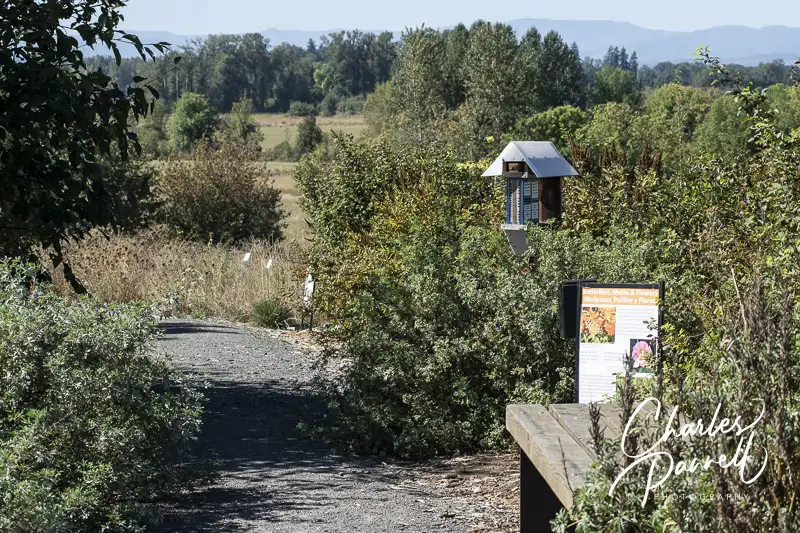
Ankeny Hill Nature Center, which is located on Ankeny Hill Road, just south of Buena Vista Road, is a good place to begin your visit. There’s accessible parking near the entrance, with level access over to the nature center trails. The Big Loop (.65 mile ) and the Little Loop (.12 mile) both have hard packed dirt surfaces. They wind around the outdoor exhibits; and although they aren’t totally level, the elevation changes are minimal.
Along the trails you’ll find exhibits about butterflies, moths, bees and flowers. And don’t miss the pollination garden, which is abuzz with activity in the spring. There’s something for everyone at this stop, and if you can’t do distances, there’s still plenty of opportunities to enjoy the garden sections closest to the entrance.
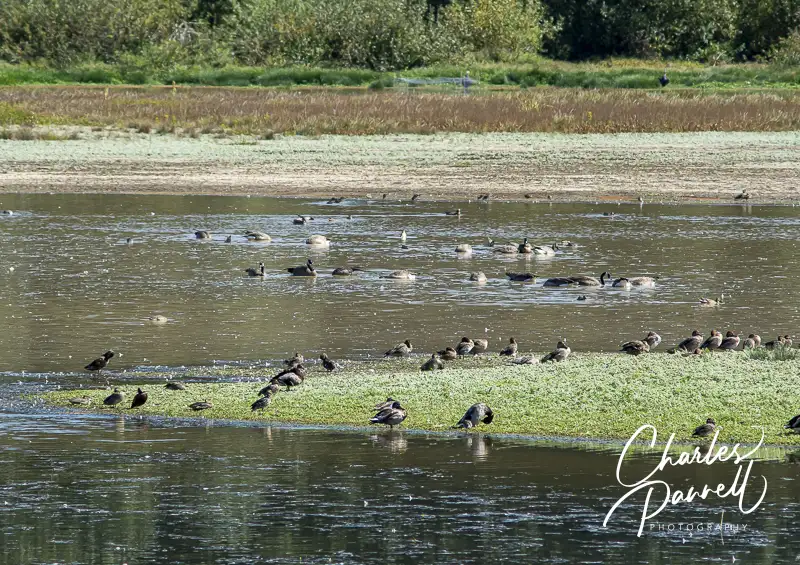
The nature center is also a good place to take a lunch break, as there’s level access to the covered pavilion next to Mark Gehlar Hall. There are several picnic tables, including an accessible model, on the cement deck. It’s also a good vantage point for bird watching as the deck overlooks Peregrine Marsh. Accessible family restrooms are located on the side of the building. Mark Gehlar Hall is usually closed unless there’s an event or program scheduled, but the deck and the rest of the grounds are open to the public.
Explore the Refuge
Eagle Marsh
From the nature center, head north and take a left on Buena Vista Road, to explore the wildlife refuge. There are several pullouts along the road, so you can just pull in and watch for some avian action. From mid-March to mid-May you’ll spot migrating waterfowl, shorebirds and songbirds; while the fall brings out more migrating waterfowl and raptors.
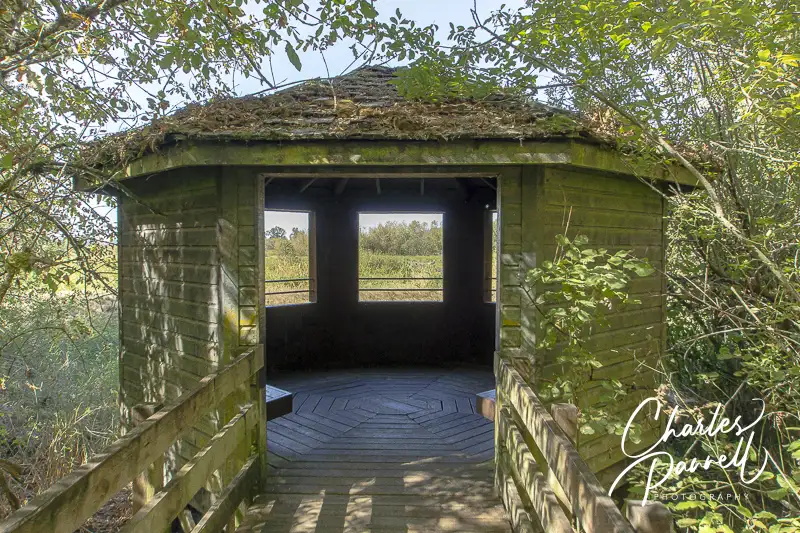
The Eagle Marsh Blind is up on the left, just before the railroad tracks. There’s accessible parking with level access to the blind, which overlooks the marsh. This is an excellent vantage point to see Northern Pintails, Great Egrets and Great Blue Herons in the fall. And in the winter, be on the lookout for Bald Eagles and Peregrine Falcons.
Eagle Marsh Bird Blind
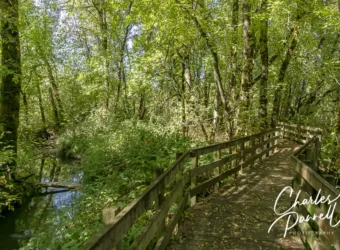
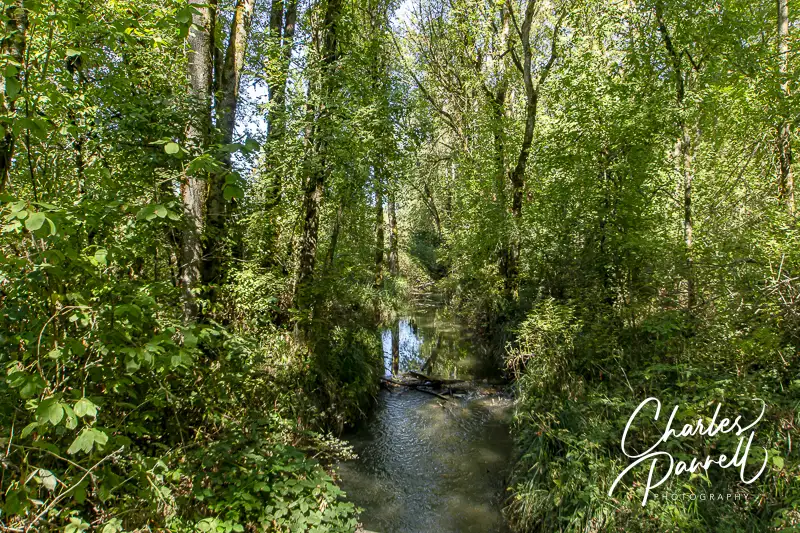
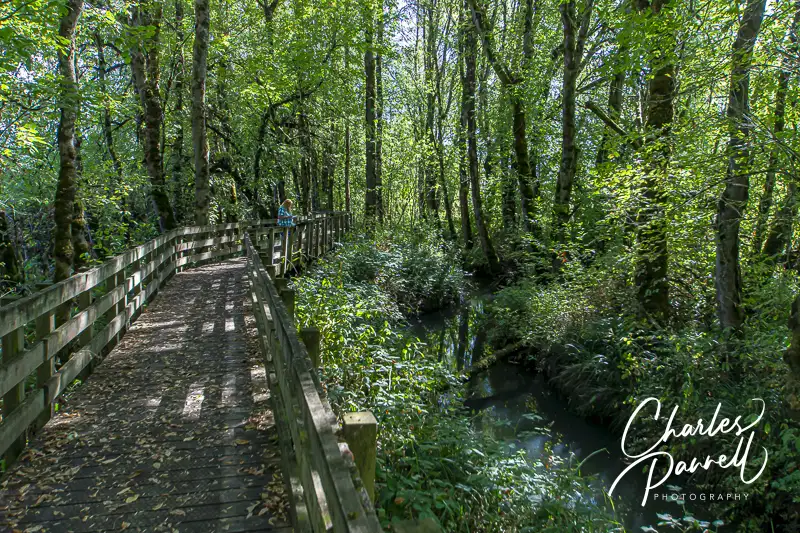
From the Eagle Marsh Blind, follow Buena Vista Road and make a left on Wintel Road. The Pintail and Egret Marsh Boardwalk, which is located on the north side of Wintel Road, is a must-stop in the refuge. There’s parking in a level dirt and gravel area, with plenty of room to parallel park an adapted van. From the parking area, there’s level access over to the .25-mile boardwalk, which follows Bashaw Creek. It’s a pleasant stroll as the trail is shaded by trees, and in the summer you can see — and hear — the red-legged frogs in the adjacent waterway. There’s a nice blind at the end of the boardwalk which overlooks Pintail and Egret Marshes. Be on the lookout for Tundra Swans in the marsh and the occasional osprey soaring overhead.
Pintail and Egret Marsh Boardwalk
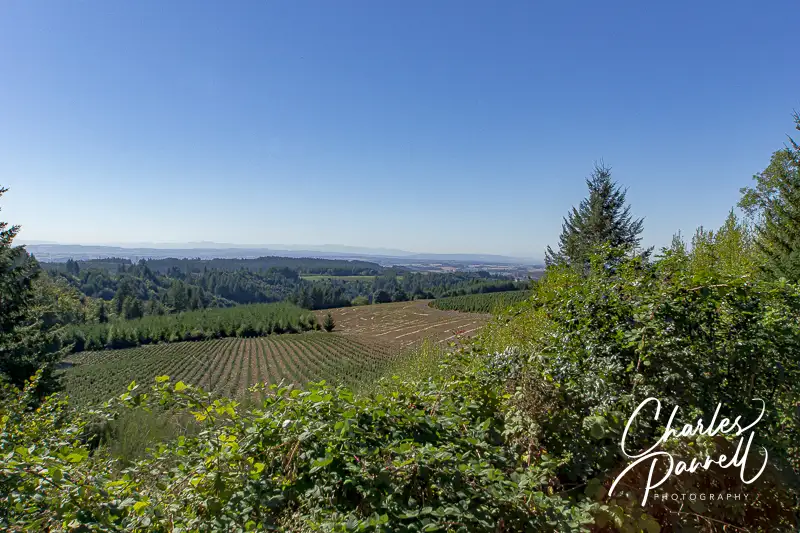
Finally, don’t forget to stop at the Willamette Valley Viewpoint on your way out of the refuge. There’s accessible parking near the viewpoint, which offers a panoramic shot of the valley filled with Christmas trees. It’s a pleasant end to any Ankeny National Wildlife Refuge visit.
Willamette Valley Viewpoint
Barrier-Free Travel Washington National Parks for Wheelers and Slow Walkers
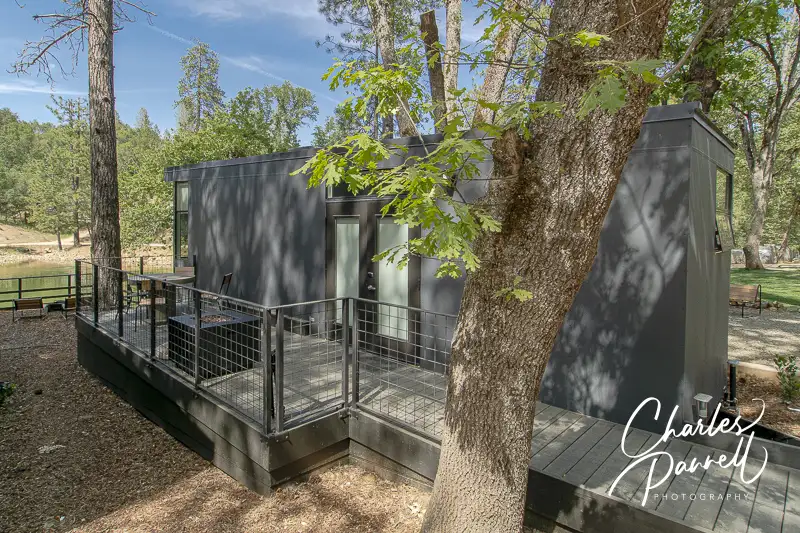
Located just east of Mariposa in Midpines, AutoCamp Yosemite is a great wheelchair-accessible lodging choice (autocamp.com/location/yosemite/) for a national park visit. Nestled on 35 wooded acres in the Sierras, this unique property features a collection of custom-built Airstream trailers, a few cozy cabins and some upscale luxury glamping tents.
And you just can’t beat the location as it’s only a 20-minute drive to the El Portal Entrance of Yosemite National Park, and another 40 minutes to Yosemite Valley. If, on the other hand, you’d prefer to leave the driving to someone else, you can take the YARTS (www.yarts.com) bus to the park, then use the free wheelchair-accessible Yosemite shuttle bus to explore the popular sites.
YARTS Bus in Yosemite Valley
AutoCamp Yosemite is a luxurious, wheelchair-accessible and convenient lodging option for the quintessential Yosemite visit.
Wheelchair-Accessible Suites
There’s accessible parking in front of the Clubhouse at AutoCamp Yosemite, with ramp access up to this mid-century modern building. Inside you can check-in and then pick up some essentials – including a s’mores kit — in the General Store. And in the evening don’t miss happy hour at the Clubhouse.
All of the accessible units are located near the Clubhouse, along a level paved pathway dotted with mature oaks and ponderosa pines. There are three accessible Premium Suites and two accessible Classic Suites. The main difference between these accessible suites is the location, as the Premium Suites overlook the pond and have more privacy.
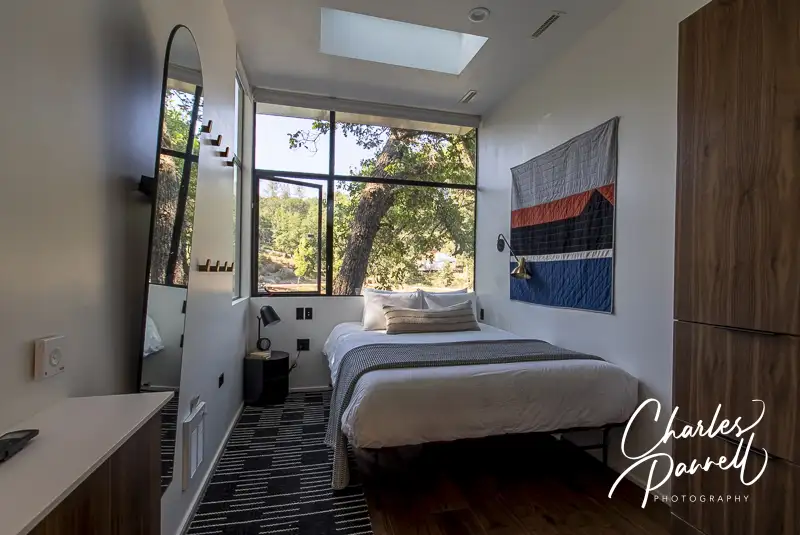
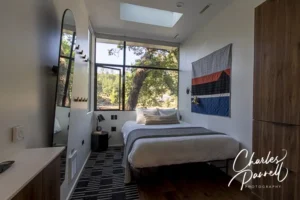
The accessible suites feature ramp access up to the spacious deck, wide doorways, wood floors, lowered environmental controls and lever handles. The bedroom includes a 25-inch high queen-sized bed with wheelchair access on the left side (as you face it), a wardrobe with a lowered clothing rod, a night table and some built-in shelving units.
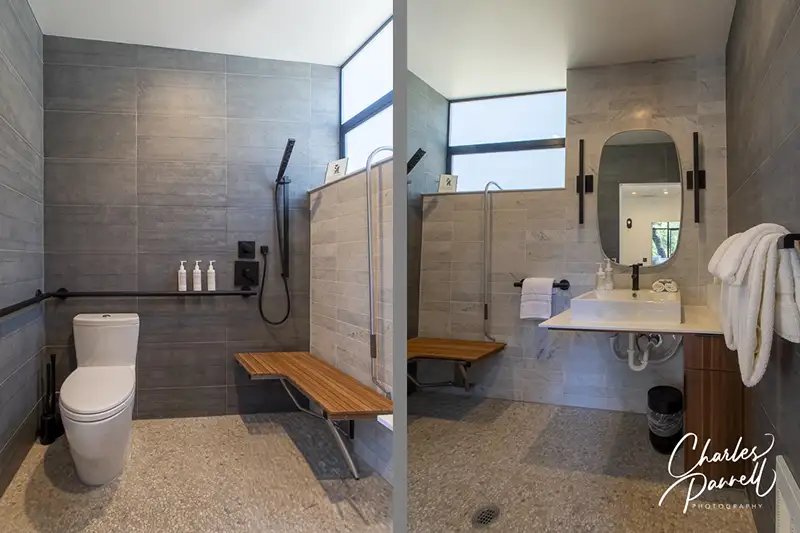
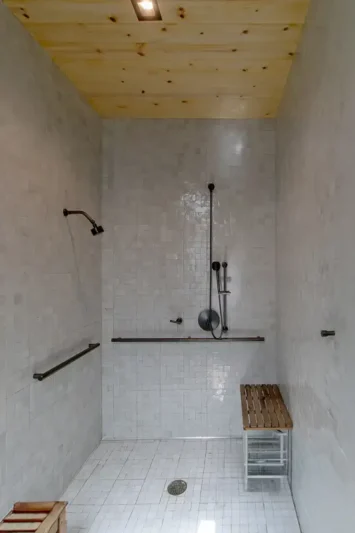
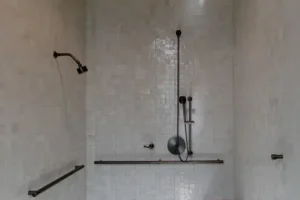
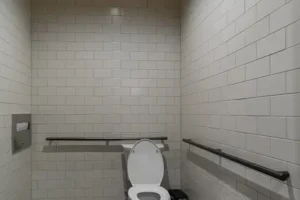
The bathroom, which is located at the other end of unit, is equipped with a Continental shower with an overhead showerhead, a hand-held showerhead, grab bars and a fold-down shower seat. The toilet grab bars are located on the back and right walls (as seated), and the bathroom also has a roll-under sink with a lowered mirror
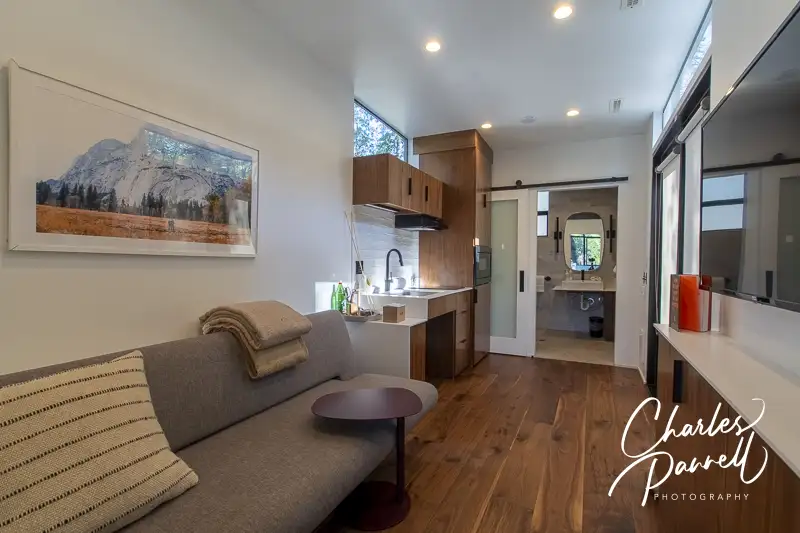
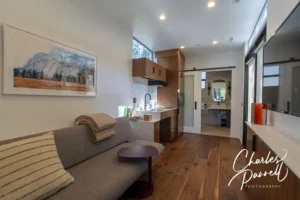
The living area is furnished with a 15-inch high futon, a small table and a television. The galley includes a roll-under sink, a two-burner cooktop, a microwave and a small refrigerator. It also includes dishes, utensils, pots, pans and wine glasses. Round out the unit with a few extras, like a coffee press and coffee, a flashlight, a lantern, a bottle of spring water and even a blue tooth sound system, and you have a very luxurious and accessible retreat.
(click image for slideshow)
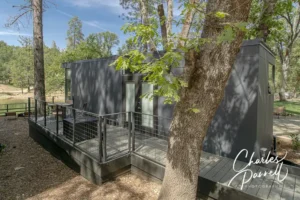
Wheelchair-Accessible Suite at AutoCamp Yosemite
Living and Kitchen Space in Wheelchair-Accessible Suite at AutoCamp Yosemite
Bedroom in Wheelchair-Accessible Suite at AutoCamp Yosemite
Bathroom in Wheelchair-Accessible Suites at AutoCamp Yosemite
Accessible Adventure Tent
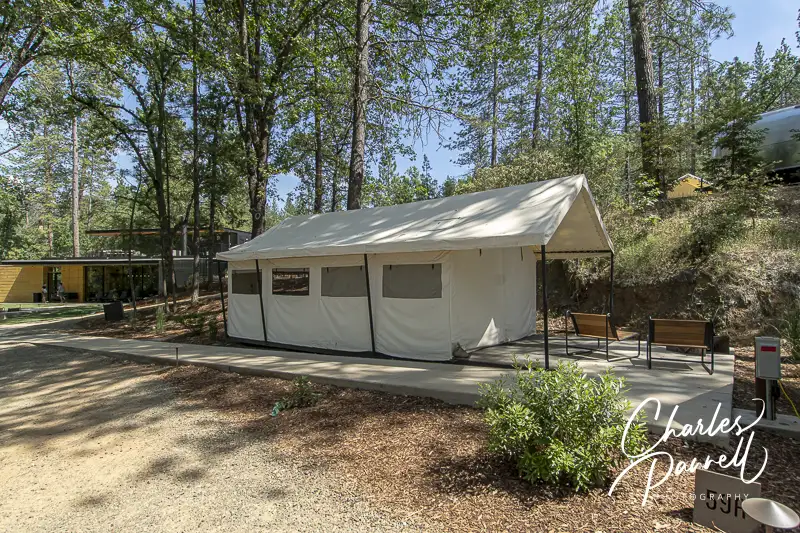
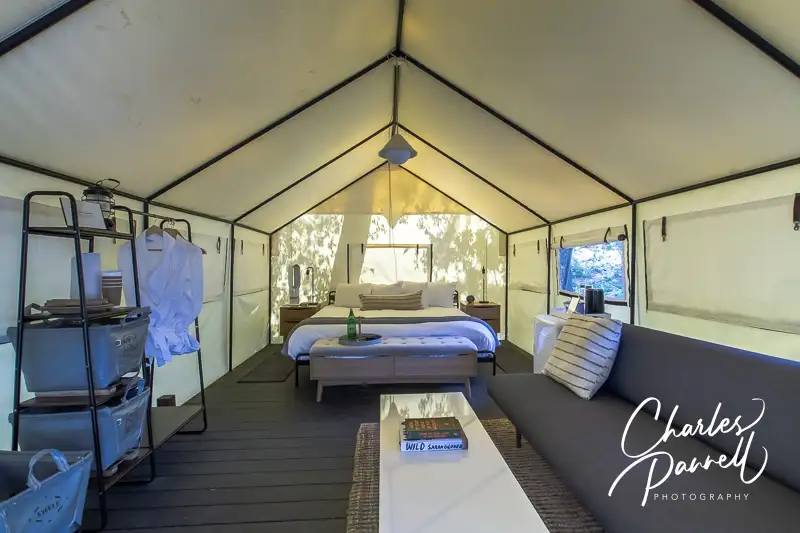
AutoCamp Yosemite also has a wheelchair-accessible Luxury Tent, which is located near the Clubhouse. There’s barrier-free access to the front porch from the sidewalk, and level access to the tent. Inside there’s wheelchair-access on both sides of the 23-inch high king-sized bed, and plenty of room to maneuver a wheelchair throughout the tent.
Other furnishings in the tent include a futon, a coffee table and a refrigerator. Towels, bath amenities, campfire cookware and utensils are also included; and the tent comes equipped with electrical outlets, a fan and a heater. Add in the requisite lantern, mineral water, plush bathrobes and an electric kettle and you’re good to go. And outside there’s level access to a pair of comfy chairs, a fire ring and a grill.
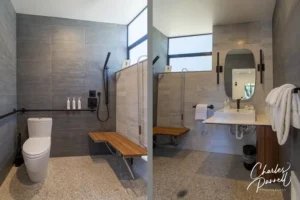
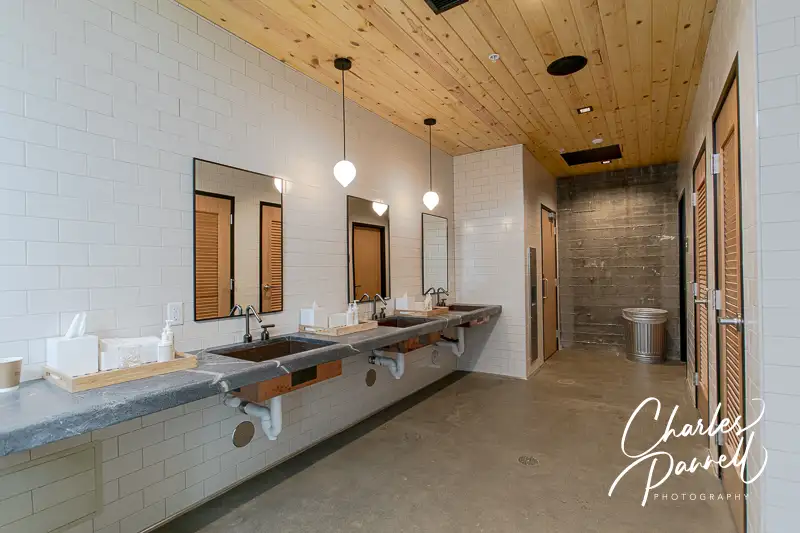
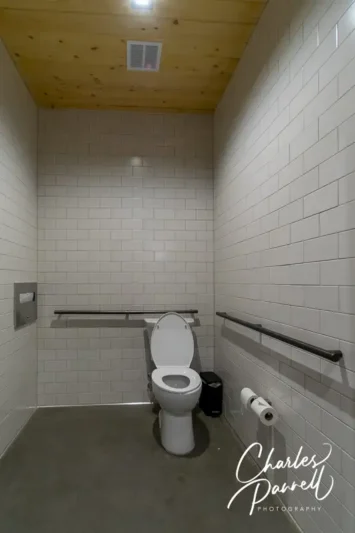
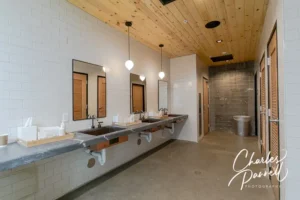
There’s no bathroom in the tent, but accessible facilities are located in the nearby Clubhouse. The men’s and women’s bathrooms both include an oversize accessible stall, and a private roll-in shower with grab bars, a hand-held showerhead and a fold down shower bench. Top it off with some roll-under sinks and lowered mirrors, and you have a very accessible setup.
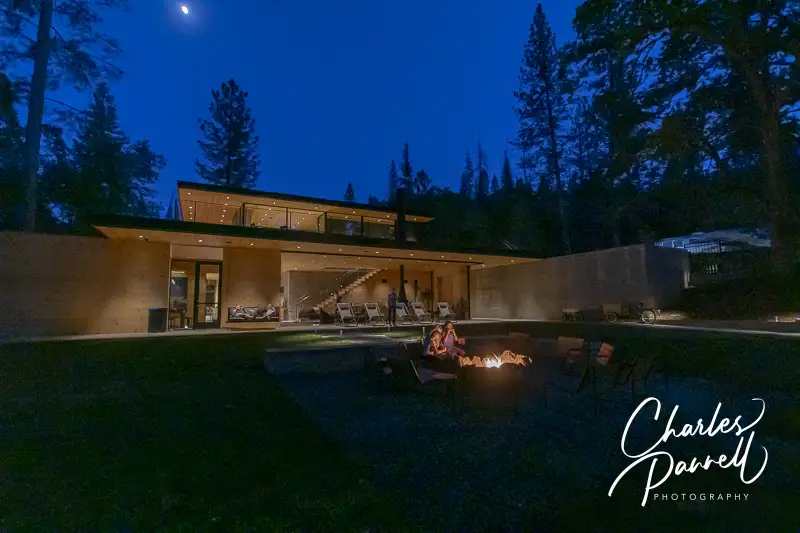
In keeping with the AutoCamp design that fosters a community experience, a communal fire ring and a number of public spaces are located near the Clubhouse. There’s also a lift-equipped freshwater pool at the Clubhouse, as well as an ample assortment of lounge chairs and a comfortable rooftop BBQ area. In the end, there’s no shortage of accessible things to do in and around AutoCamp Yosemite, which makes it an excellent choice for wheelchair-users and slow walkers who want to experience the beauty of the California Sierras.
(click image for slideshow)
Accessible Adventure Tent at AutoCamp Yosemite
Interior of an Accessible Adventure Tent at AutoCamp Yosemite
Accessible Shower in the Clubhouse at AutoCamp Yosemite
Vanities in the Clubhouse at AutoCamp Yosemite
Accessible Toilet in the Clubhouse at AutoCamp Yosemite
Barrier-Free Travel Yosemite, Sequoia and Kings Canyon National Parks for Wheelchair-users and Slow Walkers
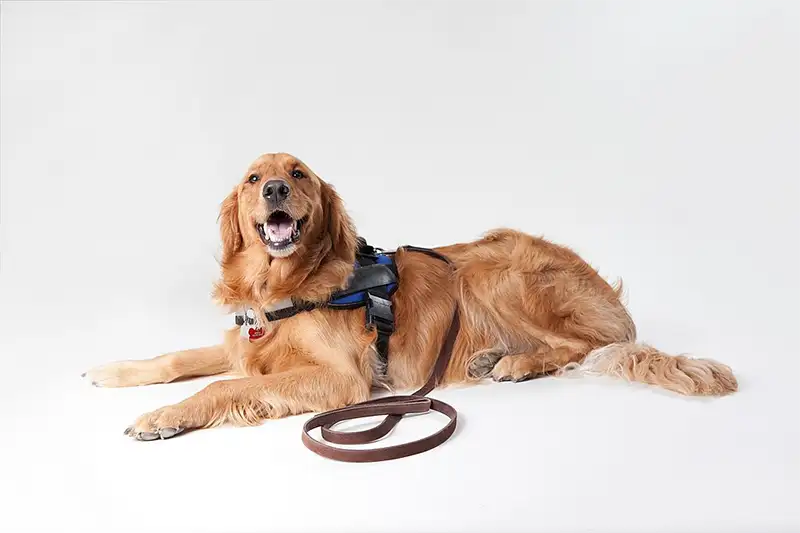
I was looking around for an Airbnb and found what I thought would be the perfect one for me. It’s a large owner-occupied house, with a private room and access to the public areas. I travel with a service animal, and the owner noted that no animals are allowed in her Airbnb. I understand a “no pets” policy, but aren’t service animals covered under the Americans with Disabilities Act (ADA)? Can this Airbnb deny my service animal under the law?
Airbnbs and Service Animals
Airbnbs are becoming more and more popular, and as such they are also becoming a doable choice for people with disabilities. With the aging of society in general, many Airbnbs have made access improvements, so now more slow walkers and wheelchair-users can also enjoy them. But you bring up a valid point about service animals. Are Airbnbs required to accept service animals under the ADA?
Title III of the ADA (www.ada.gov/resources/title-iii-manual/) covers public accommodations like places of lodging, restaurants, stores and public spaces. And these public accommodations are required to accept service animal (dogs). This includes Airbnbs and other overnight rentals; however the rules are slightly different for owner-occupied units. Under the law, owner-occupied homes that rent fewer than six rooms are exempt from the ADA, so those properties can exclude service animals.
So yes, if this property offers fewer than six rental rooms, it can legally forbid you to bring your service animal.
That said, some private rentals allow animals – all animals. So I would search around for those properties that welcome animals, so you won’t run into any problems with your service animal.
Barrier-Free Travel the Grand Canyon for Wheelchair-users and Slow Walkers
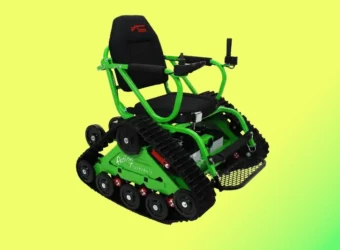
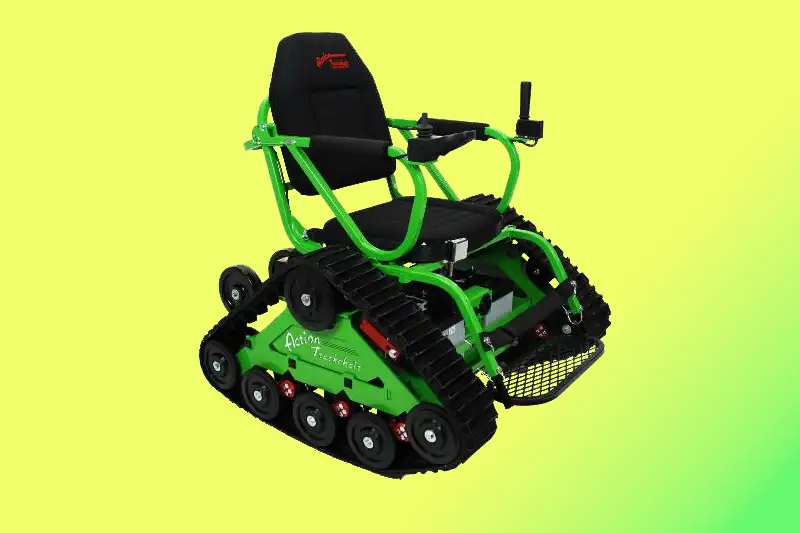
Loaner track chairs are now available at some Missouri State Parks. These off-road wheelchairs allow visitors to more fully explore some inaccessible areas and historic sites in the parks that might not accommodate a standard wheelchair. The track chairs are available to reserve two days in advance, and due to battery life they can only be reserved for a maximum of two hours. Park employees are unable to assist with transfers, and people under 18 years old must be accompanied by a parent or guardian in order to use the track chairs. And before using the track chair, all users must go through a short briefing and sign a user agreement.
Track chairs are available at the following stare parks
Battle of Lexington State Historic Site
Bennett Spring State Park
Bryant Creek State Park
Castlewood State Park
Elephant Rocks State Park
General John J. Pershing Boyhood Home State Historic Park
Details about how to reserve track chairs are listed on the individual state park websites. It’s also important to remember that the track chairs cannot be used in the rain, snow or ice, so plan accordingly. For more information about loaner track chairs at Missouri state parks, visit mostateparks.com/track-chair.
Barrier-Free Travel Washington National Parks for Wheelers and Slow Walkers
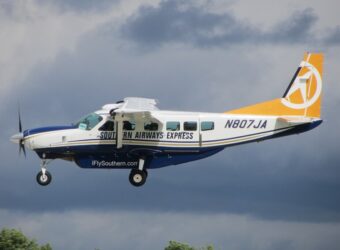
Established long before the Americans with Disabilities Act, the Air Carrier Access Act (ACAA) covers accessible air travel on all US airlines, as well as flights on all airlines to and from the US. But does it cover all types of airplanes, including those small planes which board from stairs on the tarmac? The short answer is no, and that issue was recently brought to light when actress Marissa Bode was recently denied boarding on a Southern Airways (https://www.iflysouthern.com/) commuter flight.
What the ACAA Says
According to the ACAA, lift or ramped boarding must be provided on all covered aircraft. And while most commercial aircraft are covered under the law, there are some exclusions. In fact § 382.97 of the ACAA specifically lists those exclusions. They include:
Float Planes
Aircraft with fewer than 19 seats
Fairchild Metro
Jetstream 31 and 32
Beech 1900 (C and D models)
Embraer EMB-120
It also excludes any other aircraft model determined by the Department of Transportation (DOT) to be unsuitable for boarding and deplaning assistance by lift, ramp, or other suitable device. And the DOT makes that determination if no existing boarding and deplaning assistance device on the market will accommodate the aircraft without a significant risk of serious damage to the aircraft or injury to passengers or employees; or if there are internal barriers that would prevent passengers in an aisle chair from reaching a non-exit row seat.
Southern Airlines is a small commuter airlines which flies the Cessna Grand Caravan 208, which typically seats between 8 and 14 passengers and one pilot. Standard commuter configurations generally hold 10 to 12 passengers, but tighter seat configurations can accommodate up to 14 passengers. In short, it’s less than the 19 passenger requirement under the ACAA, so yes this aircraft is exempt from the ACAA, and not required to carry wheelchair passengers.
What Happened to Marissa Bode?
According to news accounts Marissa Bode discovered this when she was booked on a Southern Airlines flight to attend a speaking engagement in Pennsylvania. Although Bode had some problems locating her virtual ticket at the airport, the real problem arose when she got to the gate and was questioned about her physical abilities. When she replied that she couldn’t stand up and walk, the staff informed he that she couldn’t fly because she needed to climb up a flight of stairs to board the small plane.
In the end, the actress drove three hours to her speaking engagement.
So is Southern Airlines at fault for this denied boarding? Although they followed the letter of the law as to whether or not wheelchairs are allowed on this small commuter plane, there is an issue about the information that was provided to Bode’s “team”.
According to Bode, her people spoke to the airline in advance of the flight and the customer service personnel “fully assured” her manager that they would be able to accommodate Bode and her wheelchair. That’s where the airline dropped the ball, because under the ACAA airlines are also required to provide accurate information to passengers regarding the carriage and stowage of all assistive devices. And according to the actress’ accounts, Southern Airlines failed in that respect. If the airline would have communicated accurate information, the Southern Airlines flight would not have been booked, and Bode would never have been denied boarding.
So yes, Southern Airlines did drop the ball, but not for not carrying wheelchairs on their commuter aircraft. They violated the ACAA for not communicating the correct information to a potential passenger. So no, you can’t fly this airline in a wheelchair, but they do need to improve their employee training and customer service.
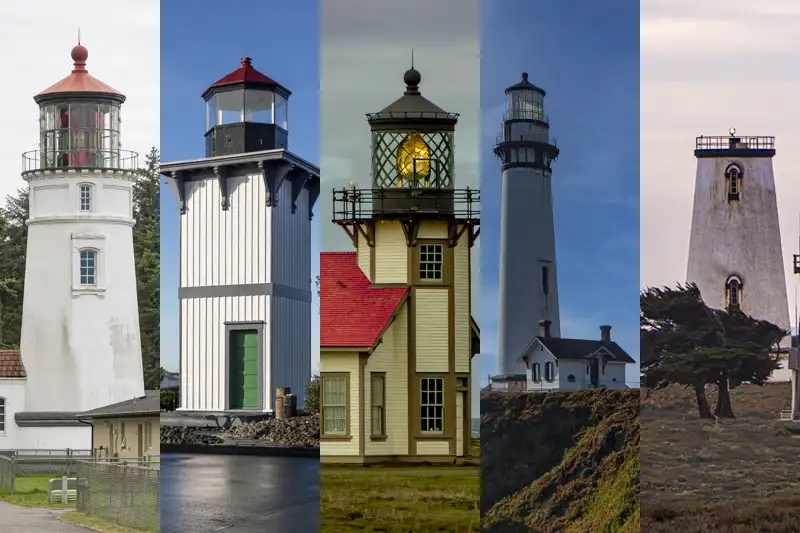
Lighthouses, by their very design, aren’t exactly wheelchair accessible. Most of these historic structures were constructed well before the Americans with Disabilities Act, and many even have steps up to their lower levels. Add in some long winding inside staircases, and you have an access nightmare. The good news is, many of these maritime treasures can be admired from the outside, which makes them an excellent addition to any road trip. So add these historic Pacific Coast lighthouses to your next coastal road trip.
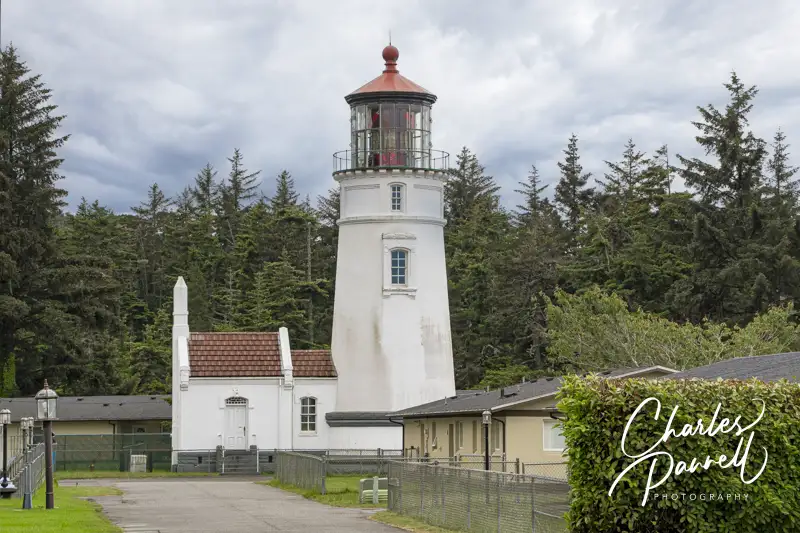
First up on our Pacific Coast lighthouses list is Umpqua River Lighthouse, which overlooks Winchester Bay just south of Reedsport, Oregon. For a close look at this 1857 beauty, take the Salmon Harbor Drive exit from Highway 101, make a left on Lighthouse Road, and keep your eyes peeled for this Oregon coast landmark on the right.
Accessible parking is located near the lighthouse, and there’s plenty of room to roll around and get a gander at this historic gem. There’s also a nice wheelchair-accessible overlook across the street, which offers a panoramic view of the Umpqua River and the Pacific Ocean. As an added bonus, it’s also a great spot to catch a glimpse of migrating gray whales in the distance. Granted, whale watching is a matter of timing and luck, so plan a visit for January during the peak migration to increase your odds. And don’t forget to pack along your binoculars. Additionally there’s a wheelchair-accessible deluxe yurt available nearby if you’d like to spend the night. (emerginghorizons.com/wheelchair-accessible-umpqua-yurt-offers-deluxe-accommodations/).
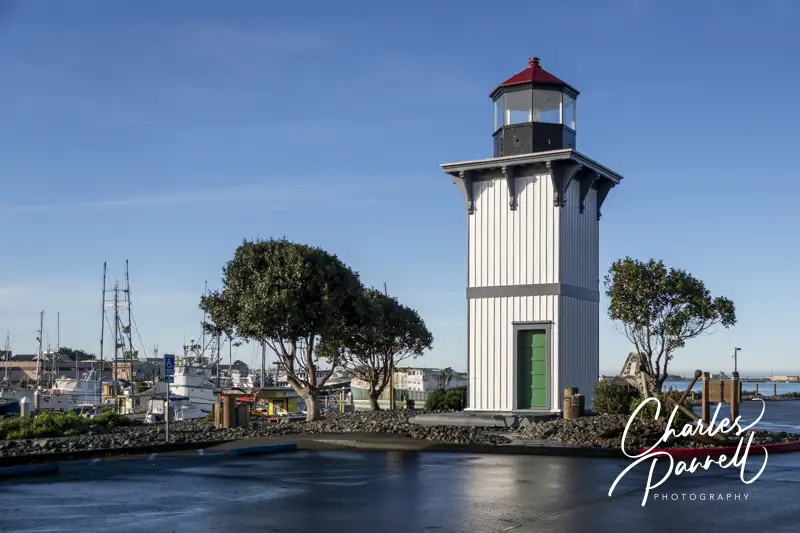
Table Bluff Lighthouse Eureka, CA
Table Bluff Lighthouse
Although the Table Bluff Lighthouse originally stood at the north entrance to Humboldt Bay in Northern California, that proved to be an inappropriate location. Unfortunately that venue was prone to flooding, and this historic lighthouse was also often obscured by heavy fog. The Table Bluff Lighthouse was subsequently moved four miles south in 1892, where it guided mariners until 1975. It was moved to its present location on Woodley Island in 1987, and although it’s a few miles off Highway 101, it’s pretty easy to find.
From Highway 101, head west on R Street, then follow the signs to the marina. The lighthouse is located at the far southwestern tip of the island, at the end of the road. There’s accessible parking next to the lighthouse and level access over to the structure. Although the Table Bluff Lighthouse is just 35 feet tall, it’s light was said to be visible 20 miles out at sea. There’s also a nice memorial for fisherman lost at sea on the far side of the lighthouse, and a few standard picnic tables on a level grassy area where you can enjoy a noontime meal.
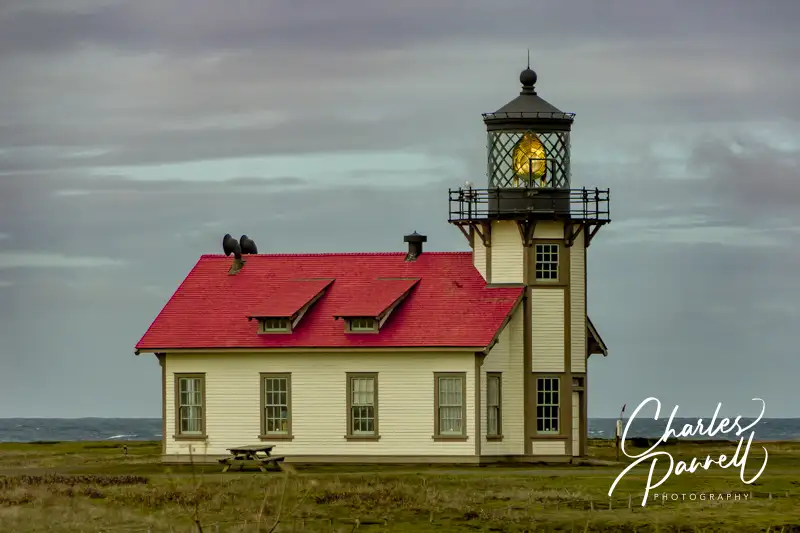
Constructed in response to the numerous shipwrecks along the Mendocino coast, the Point Cabrillo Light Station began operation in 1909. Today the lighthouse and some related structures have been restored. From Highway 1 in Mendocino, follow Point Cabrillo Drive for a little over a mile, then turn left on Lighthouse Road. Although standard parking is about a half-mile away from the historic lighthouse, people with an accessible parking placard can drive down the dirt pedestrian path and park in the accessible parking area right next to the lighthouse.
Although the Point Cabrillo Lighthouse is ramped, it’s also a gem to admire from the outside. Additionally the blacksmith and carpentry shop and the 1st Assistant Lightkeeper’s residence are also restored and accessible. Take some time to enjoy the beautiful coastal views as you roll around the light station. Point Cabrillo Light Station also makes a great picnic stop, as there are several accessible ocean view tables on the grassy area near the accessible parking spots. And if you’d like to spend the night, wheelchair-accessible overnight accommodations are available in the restored lightkeeper’s cottages ( emerginghorizons.com/spend-the-night-at-point-cabrillo-light-station).
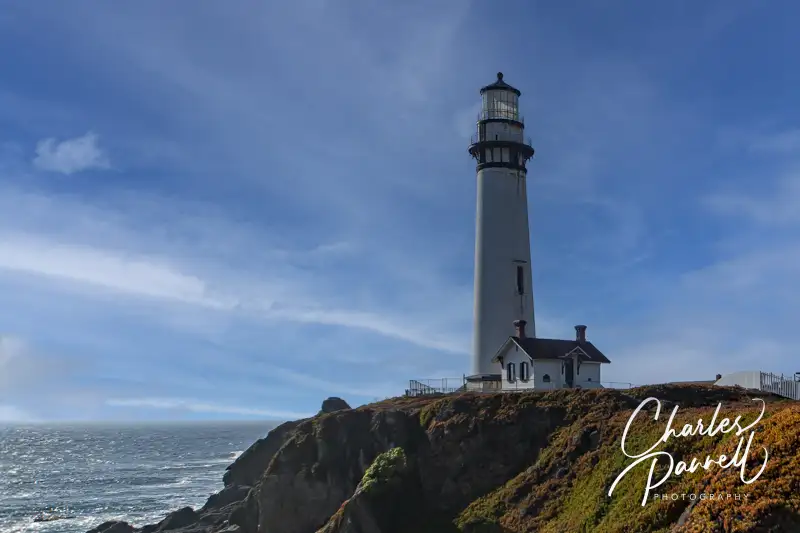
Although Pigeon Point Light Station is clearly visible from Highway 101, it’s worth a quick stop for a closer look. Located midway between San Francisco and Santa Cruz, the turnoff to this historic Pescadero landmark is clearly marked. Accessible parking is located next to a level dirt path that leads over to a small picnic area near to this 115-foot tall 1872 lighthouse.
From the picnic area, an asphalt driveway leads straight ahead, past the hostel to the park store. There’s ramp access up to the level boardwalk in front of the store, which leads over to a viewpoint that offers a good view of the light station and the ocean. It’s just a 300 foot walk or roll from the picnic area to the viewpoint. There’s also level access to the Fog Signal Building, which includes a number of interpretive exhibits. And as an added bonus, if you visit in the right season you might also spot some migrating whales in the ocean.
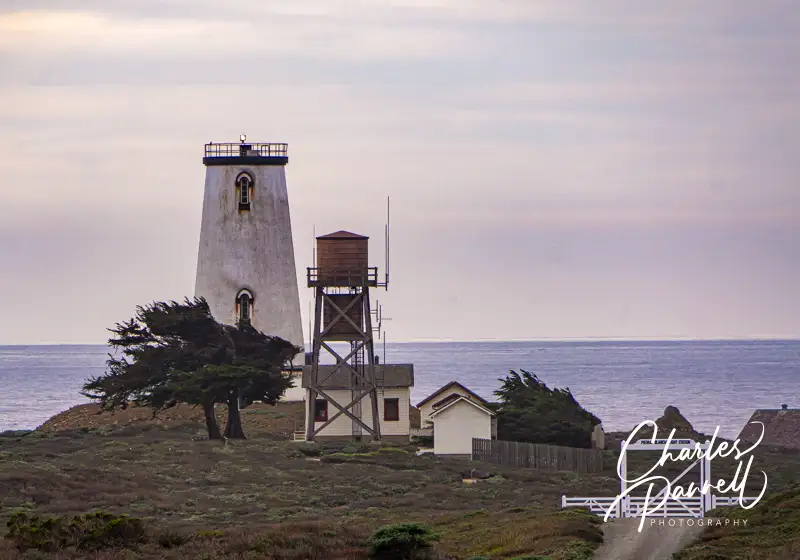
Last but not least our list of Pacific Coast lighthouses is Piedras Blancas Light Station, which is located along Highway 1 near San Simeon. Built in 1875 this historic lighthouse was originally 100 feet tall; however after significant earthquake damage the upper levels were removed, so it stands at just 70 feet today. The light station’s grounds are only open to guided tours – when they are available. That said, it’s still possible to admire this beauty from afar from the nearby Piedras Blancas Northern Elephant Seal Rookery (elephantseal.org).
Located about 4 miles north of Hearst Castle on scenic Highway 1, this stop also offers a seasonal look at the elephant seals. Accessible parking is located at each end of the parking lot, next to accessible boardwalk trails that overlook the beach. That said, the best view of the lighthouse is from the overlook between the two boardwalks, which is just a short roll from the south accessible parking area. And although this stop is a pleasant diversion any time of the year, it’s more entertaining from December through March, when the elephant seal population peaks.
Barrier-Free Travel Yosemite, Sequoia and Kings Canyon National Parks for Wheelchair-users and Slow Walkers
Located on the south side of Yaquina Bay on the outskirts of Newport, South Beach State Park (stateparks.oregon.gov/index.cfm?do=park.profile&parkId=149) is the perfect retreat for folks who just want to kick back and enjoy the rugged beauty of the Oregon coast. The park boasts a nice selection of wheelchair-accessible trails, as well as an accessible spot to picnic near the beach. And if you’d like to spend the night, there are also 23 wheelchair-accessible yurts in the park. Not only is South Beach State Park a very accessible choice, but it’s also quite affordable as well.
Location! Location! Location!
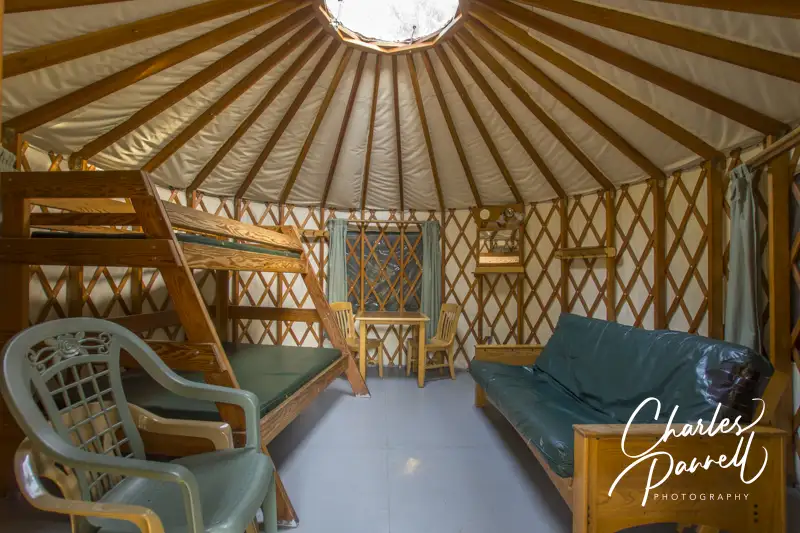
Inside the Winchuck Yurt
Although there’s a wide selection of wheelchair-accessible yurts to choose from, location is everything when it comes to yurt selection. The lion’s share of the accessible yurts are located in the large Cooper Ridge Campground, which also allows RVs with generators. And unfortunately that generator noise takes away from the whole outdoor experience.
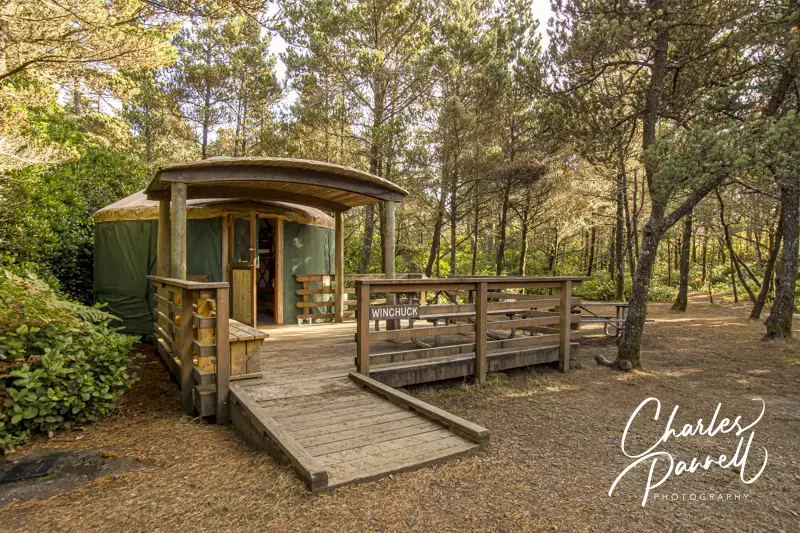
That said, there are four wheelchair-accessible yurts in tiny Cooper Ridge Village, which only has eight yurts. No RVs are permitted in this area, and as a result you’ll have a peaceful and quiet stay. Although any yurt in the village is a good choice, accessible yurt 8 offers the most privacy, as there are no neighbors on one side.
And in case you are a little fuzzy on the yurt concept, think of it as camping light. Yurts are round domed canvas structures that are set on wooden platforms. You don’t have to pitch a tent, but you do need to bring along linens or sleeping bags, as well as cooking supplies.
An Accessible Abode
There’s level parking on the hard-packed dirt pad in front of yurt 8, with an accessible path over to the ramped porch. This wheelchair-accessible yurt has a wide doorway and is furnished with a table and two chairs and a futon. It also has a a bunk bed with a double on the bottom and a single above. The futon and bottom bunk are 21 inches high, and the yurt also has electricity and a heater.
Although there are no cooking facilities inside the yurt, there’s plenty of room to set up a camp stove on the spacious front deck. There’s a picnic table and two chairs on the deck; and an accessible fire ring and another picnic table in a level area next to the yurt.
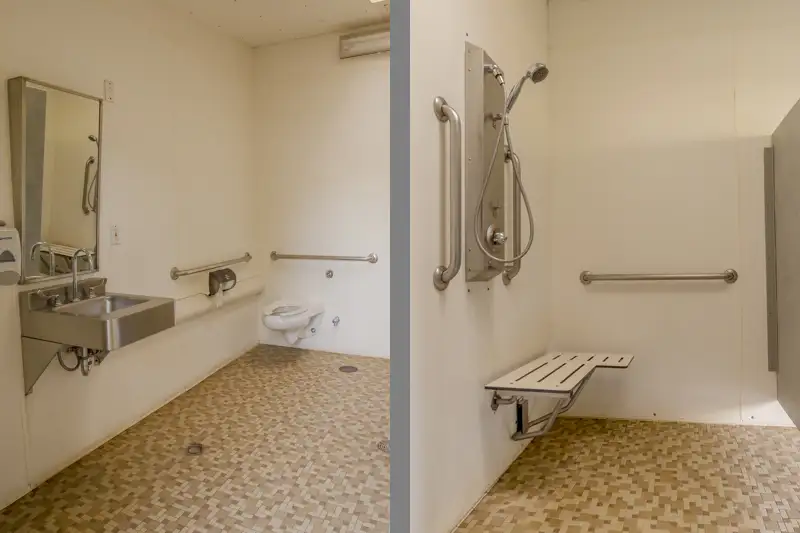
An accessible restroom is located in the yurt village, and showers can be found in the adjacent campground. There’s a level path with good signage leading to showers, and although it’s a bit bumpy in places, it’s doable for most folks. The accessible shower room features a wide doorway and plenty of room to maneuver a large power wheelchair or scooter. It’s equipped with a roll-in shower with grab bars, a hand-held showerhead and a fold-down shower bench. Toilet grab bars are located on the back and right walls (as seated), and there is also a roll-under sink with a lowered mirror in the spacious room.
Bath house in the Yurt Village
Take a Hike
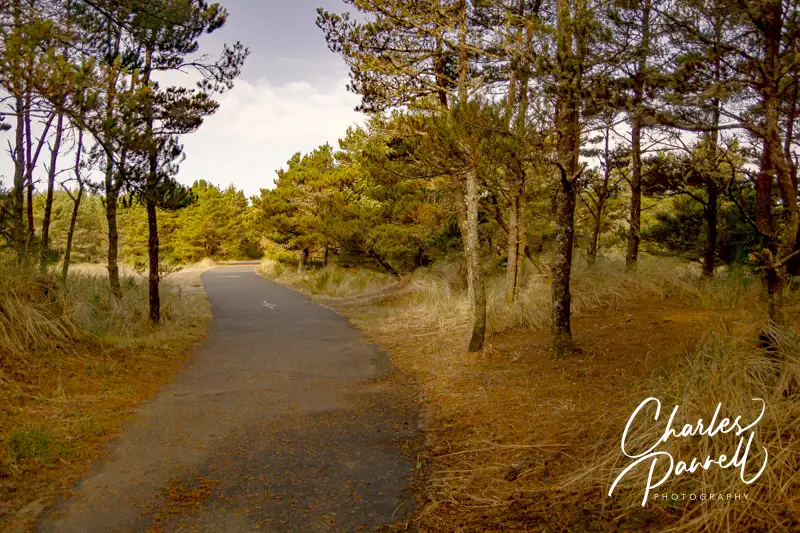
There are a number of accessible trails in South Beach State Park, but the best way to get out to the beach is to take the quarter-mile paved trail which begins next to campsite A 10 in the Cooper Ridge Campground. This wide level quarter-mile trail leads through a woodland area, then opens up to an accessible boardwalk over the dunes. Once you reach the beach overlook, there’s an accessible viewing platform with a bench to sit and enjoy the view.
South Beach Trail
You can also access the trail from the day use area, where there’s accessible parking with barrier-free access to some picnic tables on a level grassy area. There is also an accessible stall in the nearby restroom.
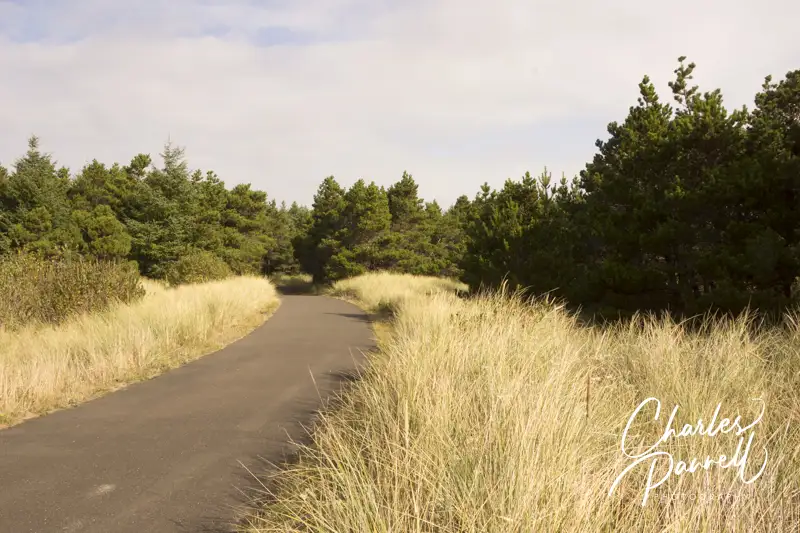
And finally, the South Jetty Trail runs from the day use area to the South Jetty. This mile-long multi-use trail is paved and level, and it’s a great choice for wheelers and slow walkers. Down at the South Jetty there is an accessible porta-potty, and plenty of room to roll around and enjoy the jetty views. And if you’d like to do the trail in reverse, you can also access the South Jetty area from the nearby parking lot. It’s a great accessible stroll no matter which trailhead you choose, and the perfect way to top off any South Beach State Park visit.
South Beach Jetty Trail
Barrier-Free Travel California National Parks Road Trips Travel Ideas for Wheelchair-users and Slow Walkers