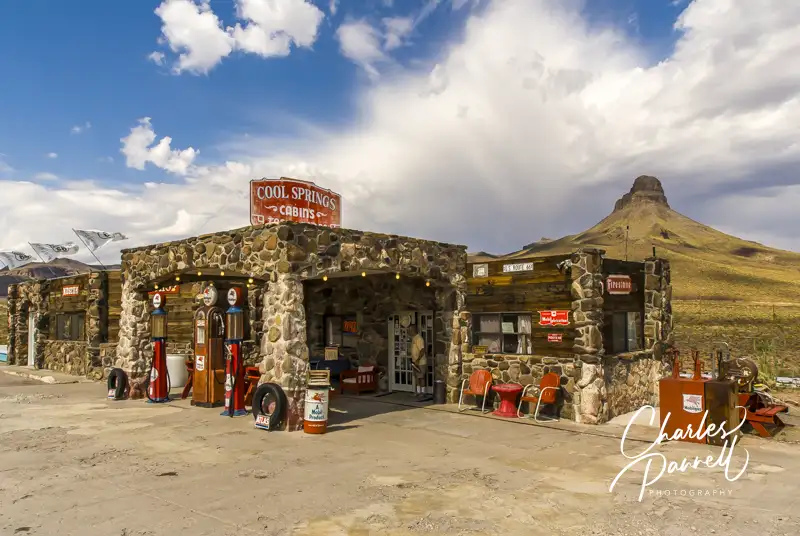
Cool Springs General Store
8275. W. Oatman Road
Golden Valley, AZ
Located west of Kingman, along an original patch of Route 66, Cool Springs General Store was a welcome sight to road weary travelers back in the day. Hollywood also discovered it in 1992, when it was used as a filming location for Jean-Claude Van Damme’s Universal Soldier. Sadly it was demolished in the final scenes of the movie; however it was later sold and rebuilt to resemble the original 1926 incarnation.
Today it’s worth a stop on any Route 66 road trip. Parking is available in a level dirt area, with barrier-free access to the main entrance of the gift shop and museum. And even though there is one step inside, there’s also access to the raised area of the building from a second accessible entrance.
The makeshift museum offers up a quirky collection of found objects that includes everything from an old gas pump and tools, to oil cans, photos, toys and even vintage post cards. There’s also a t-shirt shop, jewelry counter and a decent selection of Route 66 souvenirs peppered around the memorabilia. Outside, there’s an old 1935 rusted out Nash Sedan to the left of the store. And of course the old gas pump, which rests under a restored stone canopy.
Chloride, Arizona
Located off of Highway 93 about 25 miles north of Kingman, the Chloride Murals are a must-see on the way to Las Vegas or Grand Canyon West. Just take Road 125 (exit 53) and head east for four miles to reach the town proper. The murals are actually located on the other side of town in the hills. Continue along the main drag (Tennessee Avenue), cross a second cattle guard and then follow the dirt road 1.4 miles up to the murals.
A word of warning about the road — it’s not doable in a low-clearance vehicle, and there’s certainly ample evidence of oil pan damage along the route. A four-wheel-drive vehicle is not required though, and most SUVs and trucks will manage quite nicely. And once you arrive at the murals, there’s a wide level spot to park right next to the art work.
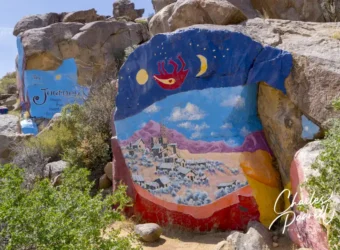
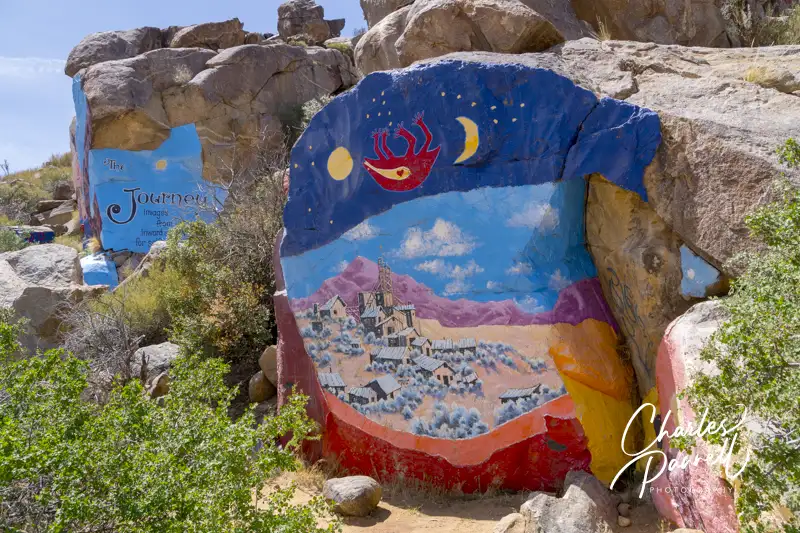
Artist Roy Purcell painted the boulder murals in the mid 60s, and the vibrant colors have definitely stood the test of time. Titled “The Journey” the murals include images of a snake eating the sun, a talon grabbing at Chloride, fertility images, pieces with a definite Yin and Yang side, astrological signs and many scenes that are open to interpretation. Take some time to study the murals, as the longer you look at them, the more hidden details you’ll spot.
Coondog Cemetery Road
Cherokee, AL
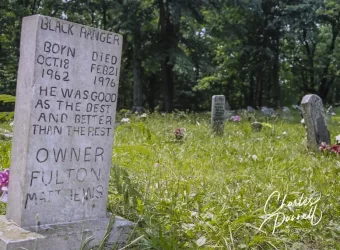
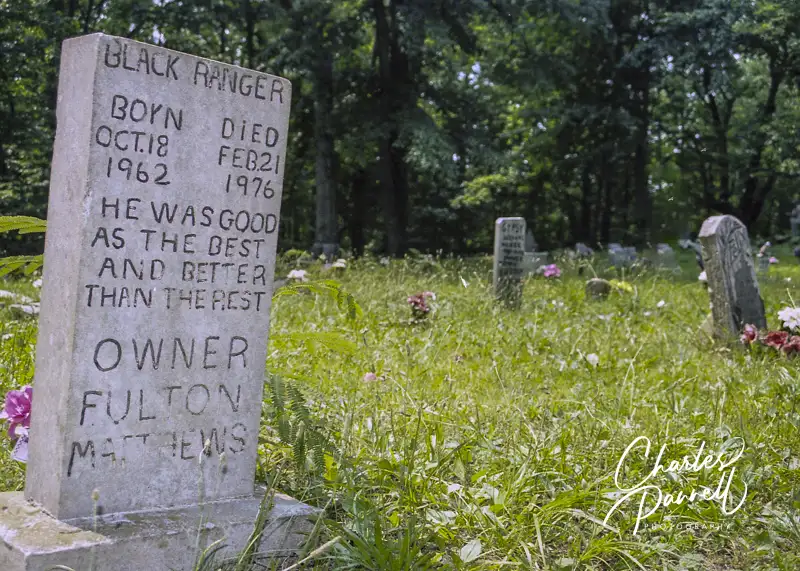
www.coondogcemetery.comEstablished in 1937 when Key Underwood laid his dog Troop to rest at his favorite hunting camp, the Key Underwood Coon Dog Memorial Graveyard now has more than 185 hounds buried there. It’s located in Northern Alabama about 30 miles from Tuscumbia, just 13 miles south of US Highway 72.
There is a small gravel parking area, and the terrain is fairly level and in dry weather it’s doable for most wheelers and slow walkers. You’ll see a little bit of everything at the graveyard, from marble monuments and wooden headstones to dog collars and even a plastic raccoon grave marker.
It’s still an active cemetery, as true coon dogs are eligible to be buried there. And they do stick to those restrictions. As the former caretaker elaborated, “A dog can’t run no deer, possum — nothing like that. He’s got to be a straight coon dog, and he’s got to be full hound. Couldn’t be a mixed up breed dog, a house dog.” All in all it’s a fun stop, and some of the headstones and memorials are priceless.
Population 177
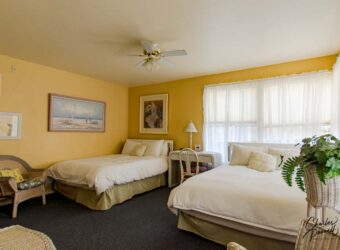
Last but certainly not least, Midpines makes a great stop on a Yosemite road trip — plus it’s the perfect home base for day trips to the park. And there are not one, but two wheelchair-accessible properties in town. The Yosemite Bug (www.yosemitebug.com) tops the list, as this rustic mountain resort offers a wheelchair-accessible room that’s furnished with two queen beds and has a bathroom with a roll-in shower.
And if you’d like to try something different, AutoCamp Yosemite (www.emerginghorizons.com/autocamp-yosemite-a-comfortable-wheelchair-accessible-home-base) offers several accessible glamping options. Their custom built wheelchair-accessible X Suite is reminiscent of an upscale RV. It’s furnished with a small galley, and includes a queen-sized bed and a bathroom with a roll-in shower. Alternatively they also have two accessible Classic Suites and an fully furnished accessible glamping tent. And the YARTS (yarts.com) shuttle stops at the Yosemite Bug in Midpines, which allows folks to sit back and enjoy the ride to the park, and skip the sometimes long entrance lines.
Located in Eastern Utah just five miles north of Moab, Arches National Park is known for its more than 2,000 natural stone arches. The main park road runs from the visitor center to the Devils Garden Trailhead, and connects with side roads to the Windows Section and Wolfe Ranch. And although the major sites are marked on the park map, there are also a number of unmarked pullouts along the way that offer spectacular windshield views of the beautiful red rock landscape.
Insider Tips
Don’t miss Balanced Rock – one of the most accessible sites in the park. It offers a nice .2-mile out-and-back accessible stroll around the seemingly precariously perched namesake rock, with a killer view from an overlook located midway along the route.
Although the main trail to Skyline Arch is not accessible, due to steps and rocks. wheelchair-users and slow walkers can easily access the other side of the arch from the Needles Campground. Just drive to the amphitheater, park in the accessible parking area, and take the level sidewalk over to the amphitheater. There’s an absolutely beautiful close-up view of Skyline Arch from just about anywhere in the amphitheater.
In addition to an entrance fee or a park pass, a day use vehicle entrance reservation is also required for Arches National Park, for visits from April through October between 7 AM and 4PM. Reservations are released in monthly blocks on recreation.gov beginning in January. Print out the reservation or do a screen capture, as cell phone service is spotty in the park. Entry reservation are not available at the park, and visitors who don’t have one will not be admitted.
If you don’t have an entrance reservation, consider entering the park before 7 AM. You’ll dodge the crowds and the park is absolutely beautiful as things begin to come to life for the day.
Located in Northwestern Virginia, Shenandoah National Park (www.nps.gov/shen) encompasses nearly 200,000 acres of protected lands, including 79,000 acres of wilderness, and a slice of the Appalachian Trail. Truly you don’t even have to get out of your car to enjoy Shenandoah’s majesty, as impressive windshield views can be had just about anywhere along the 105-mile length of Skyland Drive. That said, the park is worth more than a quick drive-through. The good news is, that if you’d like to stay and linger on, Skyland mountain lodge offers some nice wheelchair-accessible accommodations, close to one of the most accessible trails in the park.
A Room With a View
Located near milepost 41, Skyland (www.goshenandoah.com), which was originally known as Stony Mountain Camp, dates back to 1888. And although there have been a few changes to the property since George Freeman Pollock originally broke ground, the natural beauty of the surrounding forest remains unchanged. Listed on the National Register of Historic Places, this mountain lodge has also added numerous access upgrades over the years.
Accessible parking is located near the lodge office, with an accessible cement pathway down to the front door. Accessible room 14 is located near the office, with accessible parking nearby. This large corner room not only offers excellent access, but also boasts a lovely valley view.
Room 14 at Skyland in Shenandoah National Park
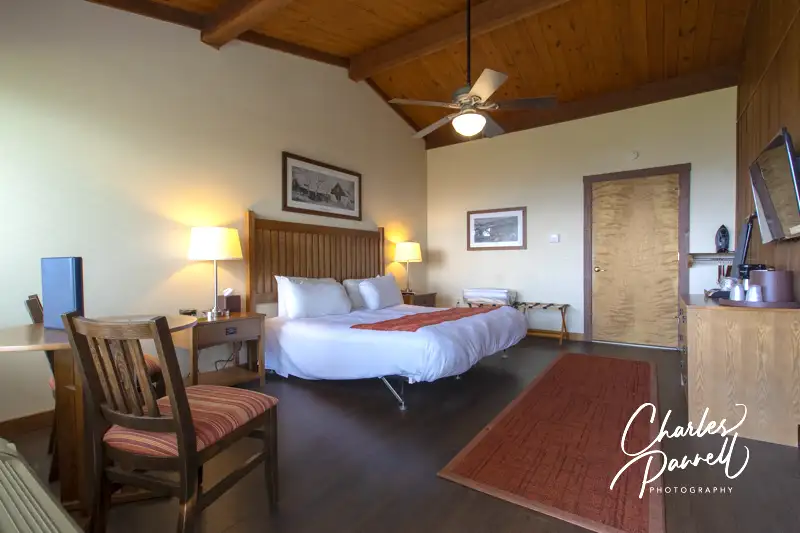
Access features include wide doorways, wood floors, lever handles, a lowered closet rod, and good pathway access. Furnishings include a 19-inch high open-frame king-sized bed with wheelchair access on both sides, two night tables, a chest of drawers and a table with two chairs. And if you want to catch up on the news, there’s also a television in the room.
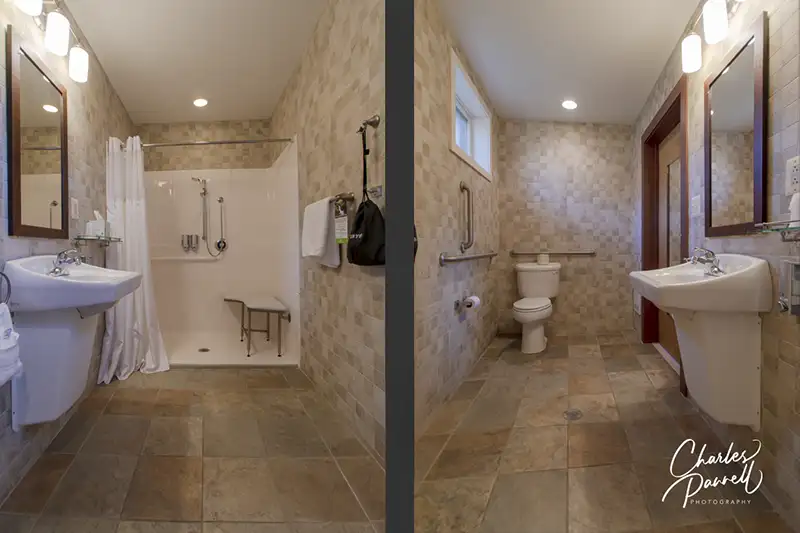
The bathroom features a full five-foot turning radius, and it’s equipped with a roll-in shower with grab bars, a hand-held showerhead, and a fold-down padded shower bench. The toilet grab bars are located on the back and right walls (as seated), and the bathroom also has a roll-under sink and a lowered mirror. Add in shower controls located within easy reach of the shower seat, and a lowered towel hook near the sink, and you have a very accessible room.
Bathroom in Room 14 at Skyland in Shenandoah National Park
And out on the semi-private front porch, there’s plenty of room to maneuver even the largest wheelchair or scooter. It’s the perfect place to sit back and enjoy the sunset, or to just relax after a busy travel day.
Take A Hike
Access to the public areas of Skyland — which are located next to the office — is equally impressive. There’s barrier-free access to the day lodge, with level access over to the Mountain Room taproom, gift shop and grab-and-go food kiosk. Accessible restrooms are located just off the lobby; and there’s ramp access down to the Pollock Dining Room, which also offers a great view of Shenandoah National Park. Not only is Skyland a great place to spend the night, but it’s also a very accessible spot to grab a bite to eat during the day.
Limberlost Trail in Shenandoah National Park
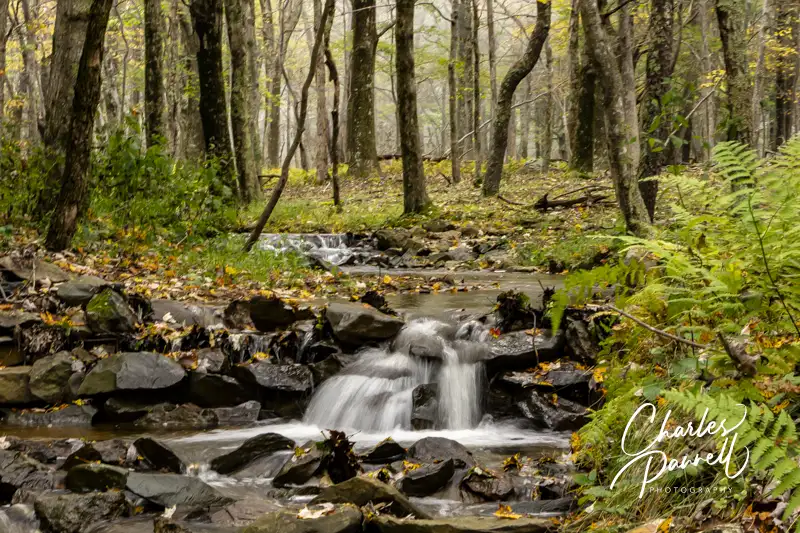
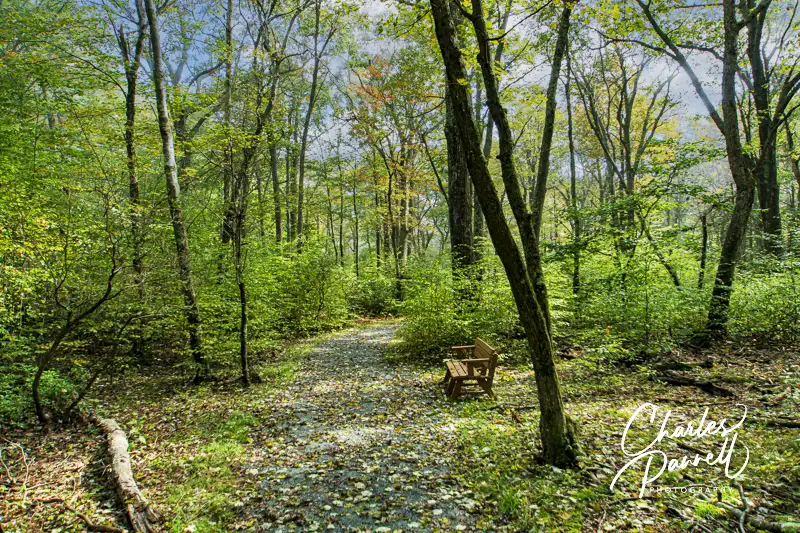
Additionally, Skyland is located close to the nicely accessible Limberlost Trail. There’s accessible parking near the trailhead, with level access over to this hard-packed dirt trail covered with decomposed granite. The 1.3-mile trail begins in an oak-filled wooded area with ferns and mountain laurels; before it transitions to a wetlands boardwalk, and then crosses the river and loops back to the trailhead.
This area is especially beautiful in June, when the mountain laurels are in bloom, but it also makes for a pleasant hike in the spring and fall. And you can enjoy all of this beauty, just steps from the lodge. It’s definitely worth an overnight stay at Skyland, on your next visit visit to Shenandoah National Park.
El Capitan, the southern-most point of the Guadalupe Mountains
Named for the mountain range that dominates the landscape, Guadalupe Mountains National Park (www.nps.gov/gumo/) contains the four highest peaks in Texas, and boasts an impressive share of backcountry acreage. If all that sounds a little foreboding for wheelchair-users and slow walkers, then think again.
The park also contains a historic stage stop as well as the ruins of an 1800s ranch — both of which are wheelchair-accessible. They can be easily reached from Highway 62/180, which runs from El Paso to Carlsbad and passes through the southwest section of the park. Not only is Guadalupe Mountains National Park a destination by itself, but it also makes a nice add-on to a Carlsbad Caverns visit. Either way, it’s a good choice for wheelchair-users and slow walkers who want to explore a bit of southwest history.
Pinery Stage Station
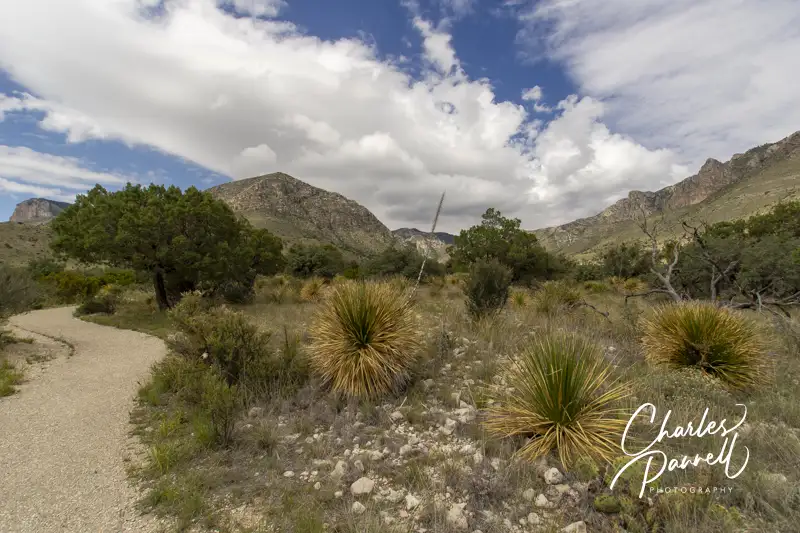
The Pinery Trail in Guadalupe Mountains National Park
The Pinery Visitor Center makes a good first stop in the park. Located just off the highway, there’s accessible parking in front, with barrier-free access to the building. Inside there’s plenty of room to maneuver a wheelchair around the exhibits and ranger information desk, and level access to the accessible restrooms.
But the real attraction — The Pinery Trail — starts just outside the visitor center and leads over to the site of the former Pinery Stage Station. The paved accessible trail is dotted with benches, while interpretive plaques that detail the desert plants line the walkway.
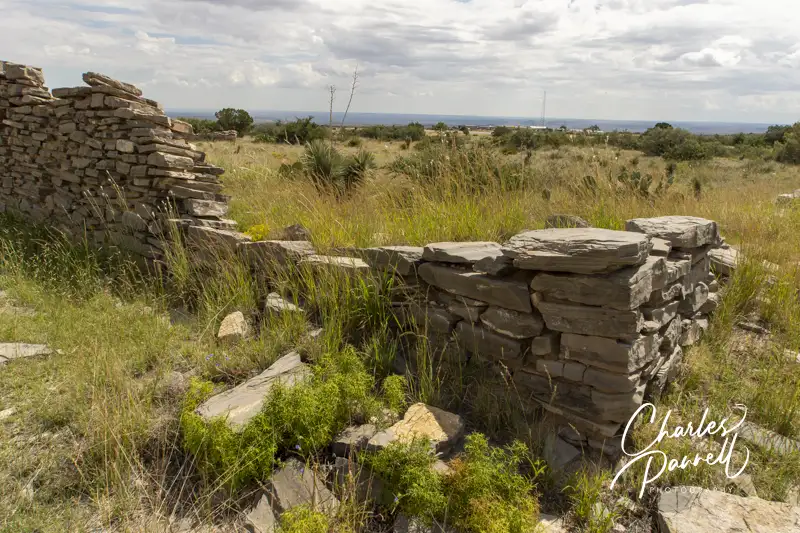
The trail ends at an interpretive plaque that explains the importance of this one-time stage stop. Built in 1858, the stop was named for a nearby stand of pines, and since it had an abundant water source it was one of the most favored stations along the 2,800-mile mail route from St, Louis to San Francisco. It’s about a .7-mile round trip hike from the visitor center, however if you can’t manage the distance, there’s also a pullout along the highway near the stage stop. Although the Butterfield Overland Mail Coach only operated for a little over two years, it should be noted that it never missed a run — even in adverse weather.
Ruins of the Pinery Stage Station
Frijole Ranch History Museum
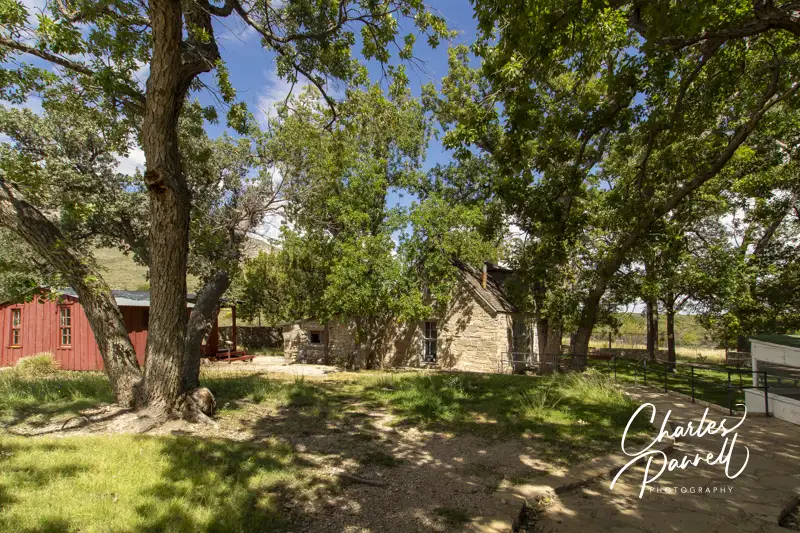
Frijole Ranch History Museum
Another must-see in Guadalupe Mountains National Park is the Frijole Ranch site, which is located just up the highway. Accessible parking is located near the accessible vault toilet. And since there are accessible picnic tables in a nearby covered pavilion, this stop is also a good spot for a lunch break.
The accessible Manzanita Spring Trail begins near the parking area, and leads over to the Frijole Ranch History Museum — an open-air exhibit which focuses on the history of this parcel, which was first settled by the Radar brothers in 1876. It was later acquired by the John Thomas Smith family in 1906. They grew apples, peaches, apricots and other fruits, and transported their harvest by wagon to Van Horn — a two-day ride away. The Smith farmhouse still stands, and it’s furnished as it would have been in the early 1900s. The Smith family operated the orchard until 1942, and it later served as a ranger residence, before it was added to the National Register of Historic Sites.
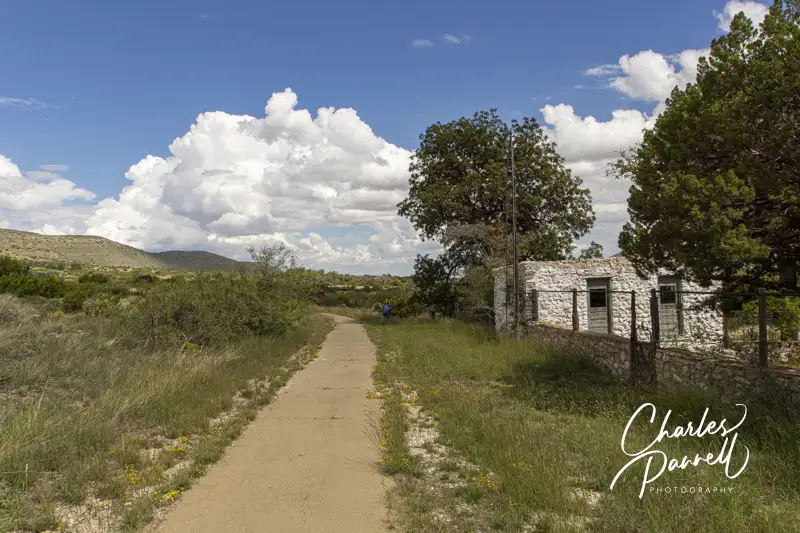
The paved undulating trail continues on past the old farmhouse and ends at Manzanita Spring. It should be noted that there’s a short 15-foot section of the trail that has rocks and dirt along it, from a washout. The good news is, that section is at the beginning of the trail, and if you can make it past that, you won’t have any problems completing the trail. On the other hand, if it’s been repaired, this trail is entirely passable for wheelchair-users and slow walkers. All it all, it’s a one-mile round trip hike that offers an interesting look at the farming history of the area.
The hottest, driest and lowest point in North America, Death Valley is the largest national park in the lower 48 states. And with over three million acres of wilderness area, there’s a huge diversity in the flora and fauna throughout the park. From majestic sand dunes and salt flats, to snow capped peaks, a lush oasis and even a massive crater, there’s something for just about everyone at this remote national treasure.
Insider Tips
A stop at Badwater – the lowest point in the US — is a must do on any Death Valley itinerary. There’s boardwalk access out to the salt flats, and from there you can roll as far as you like. It’s best to hit this area in the morning though, as it can get quite hot later in the day. Additionally, don’t forget the insect repellent, as the biting flies that are common in Death Valley really like this area of the park – especially in the summer.
Many visitors flock to Zabriskie Point and Dantes View, off of Highway 190; while most folks entirely pass up the scenic 20 Mule Team Canyon Drive, which is located between the two. This 2.5-mile scenic drive winds up and down the colorful eroded badlands, and offers an off-the-beaten-track experience without having to trek through the desert for days.
Although there’s no shortage of food offerings at Furnace Creek, head on over to Timbisha Shoshone land and try something different for lunch. Just follow the signs to Timbisha Village Tacos from highway 190, between the Furnace Creek Inn and Furnace Creek Ranch. There aren’t many choices on the menu – Indian tacos, burritos, taco salad and shaved ice – but the food is tasty and the prices are reasonable. And although their hours vary, they are usually open for lunch. To-go food is also available.
Located 2.5 hours northeast of Bryce Canyon National Park, Capitol Reef National Park is named for two of its prominent geological features. Take the name of a dome-like formation that resembles the US Capitol, and combine it with a massive rock wall that was likened to a barrier reef by early explorers, and voila, you have Capitol Reef. Today the 100-mile long Waterpocket Fold still presents a formidable reef-like obstacle, while Capitol Dome is one of the most recognizable park landmarks. Highway 24 bisects the park, which has a west entrance near Torrey and an east entrance 10 miles west of Caineville.
Insider Tips
If you have little ones in tow, be sure and stop in at the Ripple Rock Nature Center, which offers interpretive programs for children from Memorial Day to Labor Day. Activities include wool spinning, fossil identification and cornmeal grinding. Junior Ranger booklets and Family Fun Packs are also available there. Best of all, the nature center is wheelchair-accessible.
Most visitors completely miss Panorama Point, which offers one of the best views in the park. The turnout to the viewpoint is located west of the visitor center, at milepost 77 on Highway 24; and the overlook features a comprehensive and very scenic overview of the park. And although the trail to the upper viewpoint is steep and not wheelchair-accessible, there’s level access out to the lower viewpoint, and even a great windshield view from the parking lot.
Don’t miss the Petroglyph Boardwalk, which offers good views of the petroglyphs carved into the canyon walls along Highway 24. There’s level access to the viewing platform, which has an accessible scope trained on the canyon wall. The adjacent boardwalk also features level access, as it passes by another collection of petroglyphs believed to have been made by the Hopi and Paiute people.
Located on the east side of the state, about five hours from Zion, Canyonlands National Park is the largest of Utah’s “mighty five”. That said, it’s also a pretty rugged park, and you’ll need a four-wheel-drive vehicle to access some of the more remote areas. There are however two sections of the park that are easily accessible in a standard car or truck — the Needles District and the Island in the Sky District. Both of these areas offer scenic drives on paved roads, with overlooks and viewpoints along the route.
Insider Tips
Don’t miss Newspaper Rock which is located just outside the Needles District, about 12 miles from the intersection of Highway 191 and Highway 211. This massive rock contains an impressive collection of historic petroglyphs, which date back some 1,500 years. There’s a 30-foot long level trail next to the petroglyph panels that offer visitors an up-close-and-personal look at these Puebloan and Ute relics.
For the best view in the park, head over to Grand View Point Overlook. From there, you’ll get a very accessible view of the La Sal Mountains and the Colorado River Canyon, and you can even catch a gander of The Needles District in the distance.
Be sure and stop at Shafer Canyon Overlook on your way out of the park. Although there are also turnouts near this overlook on the way in, it’s best to catch the view as you head north– near where the final scene of Thelma and Louise was filmed. Impressive is an understatement.
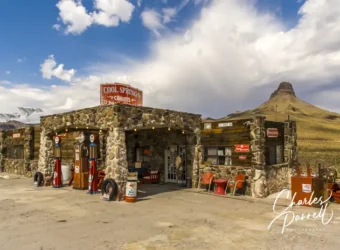

 Cool Springs General Store
8275. W. Oatman Road
Golden Valley, AZ
Located west of Kingman, along an original patch of Route 66, Cool Springs General Store was a welcome sight to road weary travelers back in the day. Hollywood also discovered it in 1992, when it was used as a filming location for Jean-Claude Van Damme’s Universal Soldier. Sadly it was demolished in the final scenes of the movie; however it was later sold and rebuilt to resemble the original 1926 incarnation.
Today it’s worth a stop on any Route 66 road trip. Parking is available in a level dirt area, with barrier-free access to the main entrance of the gift shop and museum. And even though there is one step inside, there’s also access to the raised area of the building from a second accessible entrance.
The makeshift museum offers up a quirky collection of found objects that includes everything from an old gas pump and tools, to oil cans, photos, toys and even vintage post cards. There’s also a t-shirt shop, jewelry counter and a decent selection of Route 66 souvenirs peppered around the memorabilia. Outside, there’s an old 1935 rusted out Nash Sedan to the left of the store. And of course the old gas pump, which rests under a restored stone canopy.
Cool Springs General Store
8275. W. Oatman Road
Golden Valley, AZ
Located west of Kingman, along an original patch of Route 66, Cool Springs General Store was a welcome sight to road weary travelers back in the day. Hollywood also discovered it in 1992, when it was used as a filming location for Jean-Claude Van Damme’s Universal Soldier. Sadly it was demolished in the final scenes of the movie; however it was later sold and rebuilt to resemble the original 1926 incarnation.
Today it’s worth a stop on any Route 66 road trip. Parking is available in a level dirt area, with barrier-free access to the main entrance of the gift shop and museum. And even though there is one step inside, there’s also access to the raised area of the building from a second accessible entrance.
The makeshift museum offers up a quirky collection of found objects that includes everything from an old gas pump and tools, to oil cans, photos, toys and even vintage post cards. There’s also a t-shirt shop, jewelry counter and a decent selection of Route 66 souvenirs peppered around the memorabilia. Outside, there’s an old 1935 rusted out Nash Sedan to the left of the store. And of course the old gas pump, which rests under a restored stone canopy.