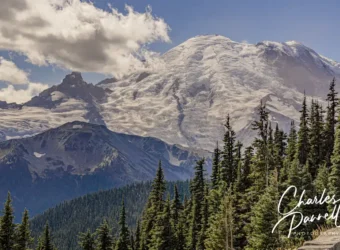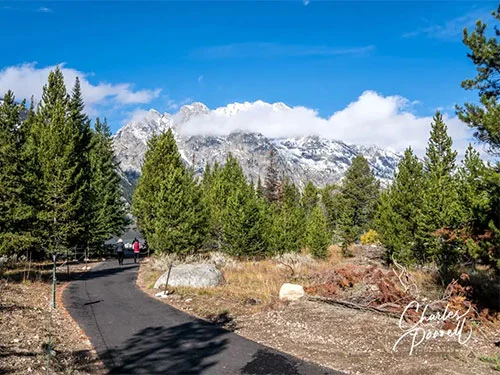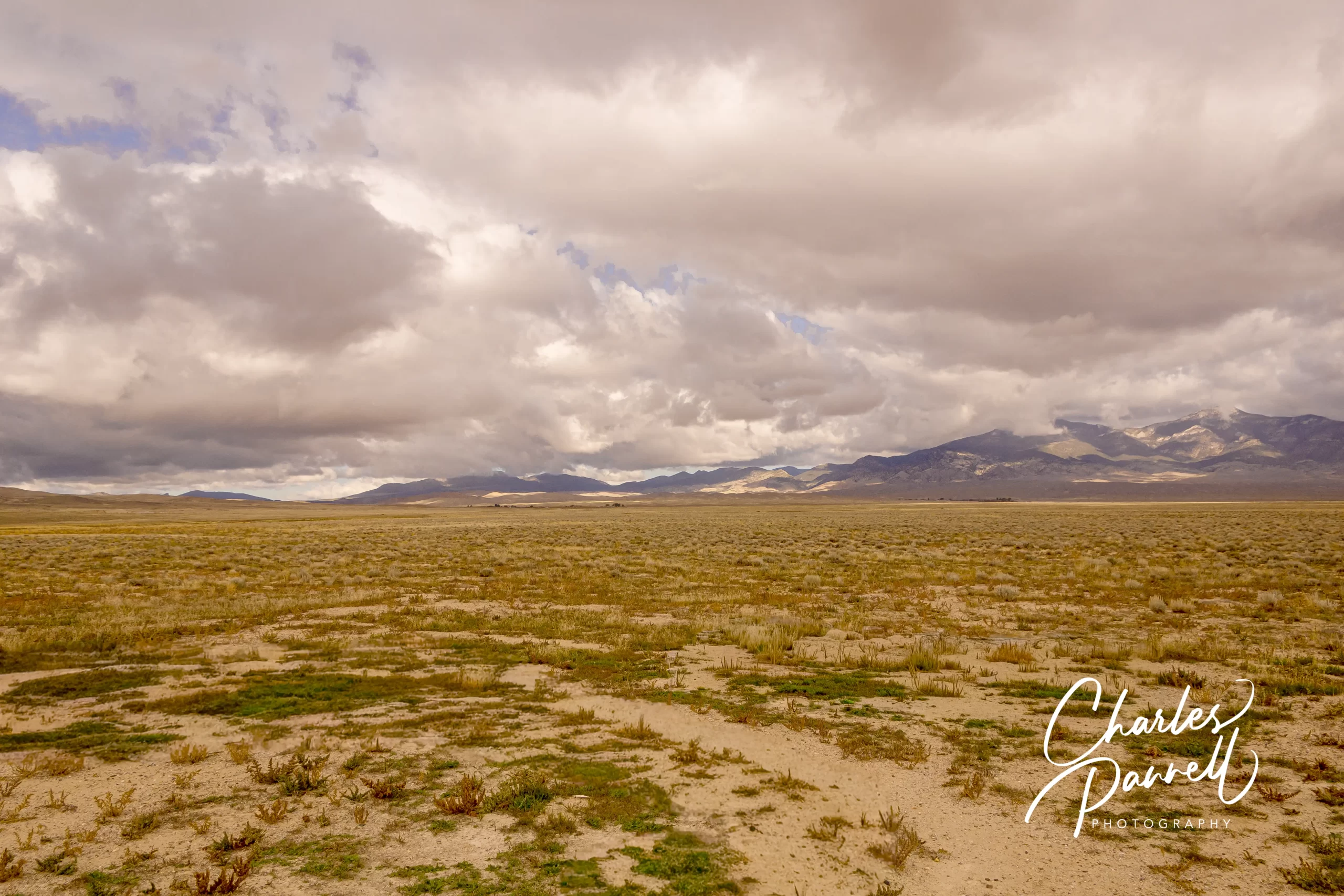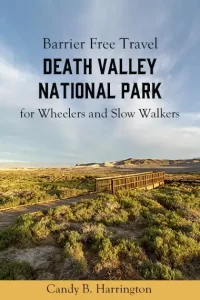
The hottest, driest and lowest point in North America, Death Valley is the largest national park in the lower 48 states. And with over three million acres of wilderness area, there’s a huge diversity in the flora and fauna throughout the park. From majestic sand dunes and salt flats, to snow capped peaks, a lush oasis and even a massive crater, there’s something for just about everyone at this remote national treasure.
Insider Tips
A stop at Badwater – the lowest point in the US — is a must do on any Death Valley itinerary. There’s boardwalk access out to the salt flats, and from there you can roll as far as you like. It’s best to hit this area in the morning though, as it can get quite hot later in the day. Additionally, don’t forget the insect repellent, as the biting flies that are common in Death Valley really like this area of the park – especially in the summer.
Many visitors flock to Zabriskie Point and Dantes View, off of Highway 190; while most folks entirely pass up the scenic 20 Mule Team Canyon Drive, which is located between the two. This 2.5-mile scenic drive winds up and down the colorful eroded badlands, and offers an off-the-beaten-track experience without having to trek through the desert for days.
Although there’s no shortage of food offerings at Furnace Creek, head on over to Timbisha Shoshone land and try something different for lunch. Just follow the signs to Timbisha Village Tacos from highway 190, between the Furnace Creek Inn and Furnace Creek Ranch. There aren’t many choices on the menu – Indian tacos, burritos, taco salad and shaved ice – but the food is tasty and the prices are reasonable. And although their hours vary, they are usually open for lunch. To-go food is also available.
Located on the east side of the state, about five hours from Zion, Canyonlands National Park is the largest of Utah’s “mighty five”. That said, it’s also a pretty rugged park, and you’ll need a four-wheel-drive vehicle to access some of the more remote areas. There are however two sections of the park that are easily accessible in a standard car or truck — the Needles District and the Island in the Sky District. Both of these areas offer scenic drives on paved roads, with overlooks and viewpoints along the route.
Insider Tips
Don’t miss Newspaper Rock which is located just outside the Needles District, about 12 miles from the intersection of Highway 191 and Highway 211. This massive rock contains an impressive collection of historic petroglyphs, which date back some 1,500 years. There’s a 30-foot long level trail next to the petroglyph panels that offer visitors an up-close-and-personal look at these Puebloan and Ute relics.
For the best view in the park, head over to Grand View Point Overlook. From there, you’ll get a very accessible view of the La Sal Mountains and the Colorado River Canyon, and you can even catch a gander of The Needles District in the distance.
Be sure and stop at Shafer Canyon Overlook on your way out of the park. Although there are also turnouts near this overlook on the way in, it’s best to catch the view as you head north– near where the final scene of Thelma and Louise was filmed. Impressive is an understatement.
If you’ve thought of visiting a Minnesota State Park, but felt you couldn’t navigate the terrain, then check out these loaner track chairs available at Minnesota State Parks. Unlike standard wheelchairs, these power track chairs have tank tracks rather than wheels, and they are excellent for use on inaccessible trails.
There’s no charge to borrow a track chair, but track chair-users will be required to sign a liability waiver. No verification of disability — such as an accessible parking placard or doctor’s note — is required. Although all locations have a transfer board, park staff are not allowed to assist with transfers, so if you can’t transfer independently you’ll need to bring along assistance. And don’t forget to pack along a water bottle and some snacks, as they are not usually available along the more rugged trails.
Advance reservations are required, so call the park directly to make sure the track chair is available on your desired date. Track chairs are available at the following Minnesota State Parks.
The Kansas Department of Wildlife, Parks and Tourism recently launched the Adaptive Sportsmen of Kansas (ASK) program in order to ensure that hunters and anglers with disabilities have better access to outdoor areas. Made possible with support from Bushnell Optics and the National Wild Turkey Federation, this program provides track chairs on a first-come basis at pre-approved events and conservation-based activities throughout the state. These Action Trackchairs are outfitted with tank tracks instead of wheels and are controlled by a joystick. They are also equipped with a four-point harness, a gun mount, a fishing rod holder, a LED headlight and a utility box for extra storage. For more information about this Kansas track chair program, visit https://www.ksoutdoors.gov/about-kdwp/accessibility/track-chairs.
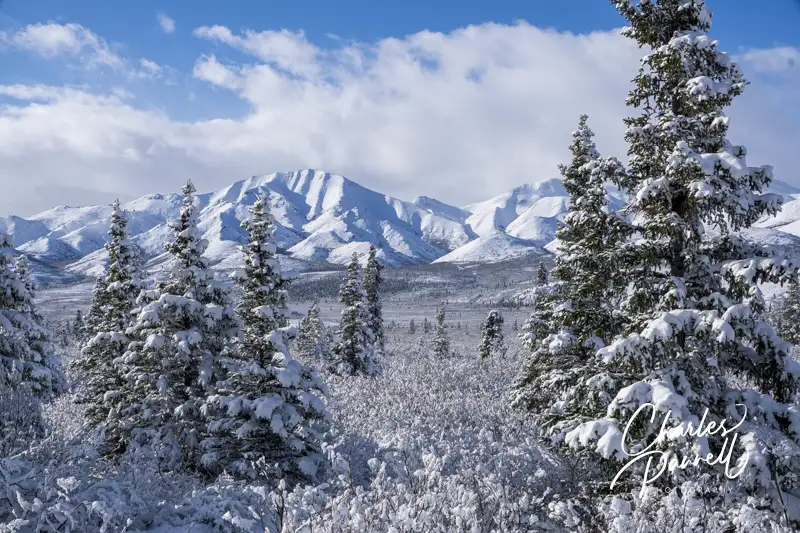
Located about 240 miles north of Anchorage and 120 miles south of Fairbanks, Denali National Park (www.nps.gov/dena/index.htm) is one of the crown jewels of the 49th State. One of Alaska’s eight national parks, Denali occupies just over six million acres of wild land bisected by a seasonal road. And if all that sounds a bit rugged for your taste, rest assured it is possible to plan a wheelchair-accessible Denali visit. Granted, scaling the 20,310 namesake mountain may not be on your to-do list; however the park also offers a nice selection of wheelchair-accessible trails, attractions and tours suitable for non-mountaineering visitors.
Getting There
A top concern about a wheelchair-accessible Denali National Park visit is actually getting to the park. Although there’s no airport there, Denali is easily accessible by rail and car. The peak visit time is from late May through early September, but that’s primarily because of the train schedules and the unpredictable weather. Still if you have a vehicle, and a bit of a sense of adventure, late spring and fall can also be beautiful times to enjoy Mother Nature’s majesty in Denali.
Alaska Railroad
Daily train service is available from Anchorage and Fairbanks on Alaska Railroad’s (www.alaskarailroad.com) Denali Star during the summer months. The northbound train departs from Anchorage, and takes three hours to get to Denali. It stops in Wasilla and Talkeetna along the way. The southbound Fairbanks to Denali nonstop route takes four hours to get to Denali. And the good news is, all the stations include lift boarding, and the GoldStar Dome Cars feature elevator access, accessible seating and accessible lavatories downstairs. Additionally, most of the major cruise lines also offer cruise tour packages that include a Denali stop, on their own accessible railcars.
If you’d prefer to drive, accessible rental vans are available in Anchorage from Alaska Mobility (www.alaskamobility.com). After you pick up your van, just hop on The George Parks Highway (Highway 3). Also designated as a National Scenic Byway, this well traveled route runs between Fairbanks and Anchorage, and offers access to the park. The drive on this well maintained paved road is doable in a day from Anchorage; but plan for extra time as there’s no shortage of viewpoints and roadside stops along the way. And for information on places to stop en route, visit themilepost.com, an excellent Alaska road trip resource.
Wheelchair-Accessible Denali Shuttles
Accessible shuttle bus
Another wheelchair-accessible Denali feature is the free accessible shuttle bus system. After the winter snow is cleared in late spring, the road into Denali National Park is open to private vehicles to the Savage River area. Transportation further into the park is only available from concessionaires, and it’s largely dependent on road conditions.
That said, the free shuttle bus system operates in the Riley River area near the park entrance, and in the Savage River area 15 miles down the road. And all of the shuttle buses and shuttle bus stops wheelchair-accessible. The Savage River Loop and the Riley Creek Loop shuttles run all day and stop at a number of trails and attractions along the way. The Sled Dog Demonstration Shuttle, which runs from the Denali Visitor Center to the sled dog kennels, departs 40 minutes prior to the demonstrations, and returns shortly after they are completed.
The shuttle bus schedule is available at www.nps.gov/dena/planyourvisit/courtesy-shuttle-buses.htm, and it’s also posted at all the shuttle stops. Printed schedules are not available in the park, and cell phone service is limited, so it’s best to save a screen shot of the schedule for planning purposes.
Riley Creek Hikes
McKinley Station Trail
If you’d like to try a hike in the Riley Creek area, then hop on the shuttle, get off at the Riley Creek Campground and explore the McKinley Station Trail. This 1.6-mile hard-packed dirt trail runs from the campground to the visitor center. Although it’s not completely level, it offers an undulating — and accessible — route through the forest. There are also a few accessible boardwalk sections along the way. Be forewarned though — there’s a short cut to the visitor center about half-way along the route, but it goes straight uphill. Stick to the original trail for a gradual accessible path to the visitor center.
If you’d prefer a shorter walk, check out the Spruce Forest Loop, which is located right behind the visitor center. This .15-mile trail meanders through the forest, and offers visitors a good introduction to the vegetation and wildlife found in the park. It’s also very convenient, as you can just take the shuttle to the visitor center and hop on the trail from there.
Sled Dog Demonstration
Sled dog demonstration
The Sled Dog Demonstration is another wheelchair-accessible Denali must-do. Although accessible shuttle service is available from the visitor center, you can also drive over to the kennels. There’s plenty of accessible parking available at the kennels; however it’s a longer jaunt from the parking lot than it is from the bus stop, so slow walkers might want to opt for the shuttle. It should also be noted that the Roadside Trail that runs from the visitor center to the kennels has a steep grade and numerous obstructions, and it’s definitely not an accessible option to get to the kennels.
The sled dog demonstration is fun to watch, as the team is hitched to a wheeled sled that speeds around a dirt track. Accessible seating for wheelchair-users and slow walkers is available in the front, so everyone is guaranteed a good view. A ranger is on hand to answer questions about the sled dogs — which are still used in the winter in the park — and folks can walk though the sled shed and around the kennels after the demonstration. Best of all, there’s no charge for this educational demonstration.
Savage River Hikes
Mountain Vista Trail
Last but not least, save some time to explore the Savage River area of the park, which offers a few accessible trails, and some great scenery. The shuttle stops at the Mountain Vista and Savage trailheads; and if Mount Denali is “out” (not obscured by cloud cover), you’ll get a great view from several vantage points along the way.
The Mountain Vista Trail is the most accessible trail in the area. This .6-mile hard-packed dirt trail begins near the shuttle stop, behind the accessible vault toilets and picnic shelter. It winds through the tundra, and offers several impressive views of the Alaska Range along the way. And you never know what wildlife you’ll run across, so keep your ryes peeled. Pack along a picnic lunch and enjoy it at one of the accessible tables at the picnic shelter, while you wait for the shuttle to Savage River.
Savage Cabin Trail
The shorter Savage Cabin Loop begins just to the left of the Savage River Campground shuttle bus stop, near the accessible vault toilet. The .3-mile loop is fairly level — with a few undulations — and is covered in compacted gravel. Midway along the route, you’ll find a historic cabin that was constructed by the Alaska Road Commission in 1924. It was originally used as a ranger cabin, but today it’s an interpretive site. Although the cabin isn’t accessible, you can still get a good glance at the inside from the doorway. And the docent programs are usually presented outside, in an accessible space. Even if there aren’t any docents at the cabin it still make a nice stop on this short jaunt.
Wheelchair-Accessible Denali Lodging Resource
Lobby at the Denali Princess near Denali National Park
Of course, the final piece of the access puzzle in Denali National Park is lodging. There are no hotels or lodges in the park, but the campground has accessible spaces, and there are a number of accessible lodging choices nearby. Visit emerginghorizons.com/wheelchair-accessible-denali-lodging-options for more information.