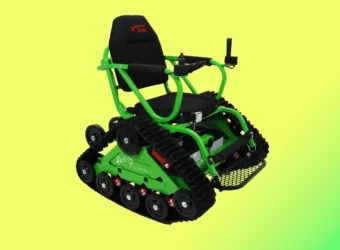
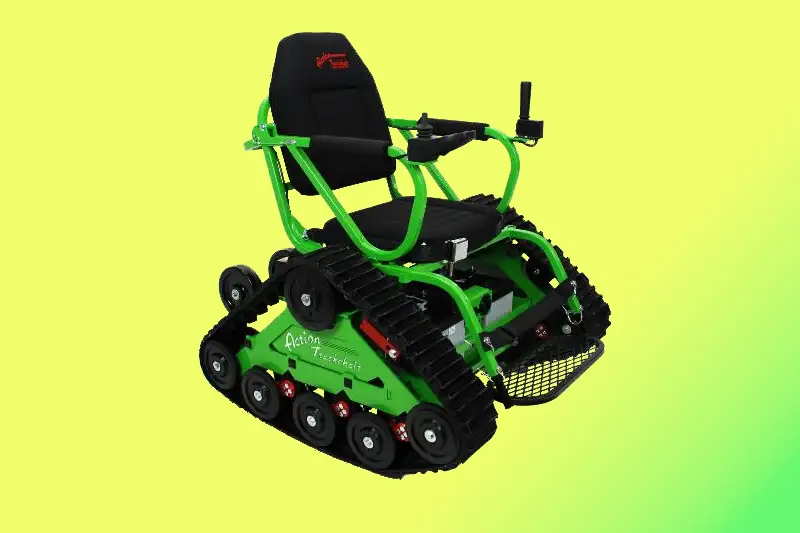
Bear Brook State Park (www.nhstateparks.org/find-parks-trails/bear-brook-state-park), which is located in Southeastern New Hampshire, has a loaner track chair available for visitors. The purchase of this track chair was made possible by a contribution from America’s State Park Foundation, with support from The Bronco Wild Fund. The track chair is available for use from 8 AM to 4 PM, with advance reservations. A volunteer will be available to give users a safety demonstration before the track chair is checked out. Reservations can be made by calling the park office at (603) 485-9869.
Barrier-Free Travel the Grand Canyon for Wheelchair-users and Slow Walkers
There’s a certain seductive allure to Sedona. Some folks come for the mystical experience, while others enjoy gallery hopping. And then there’s the scenery. You just can’t beat the red rock formations that literally surround this Northern Arizona enclave. And the good news is, a good chunk Sedona’s red rock beauty is accessible to wheelchair-users and slow walkers.
Red Rock Scenic Byway
Red Rock Scenic Byway
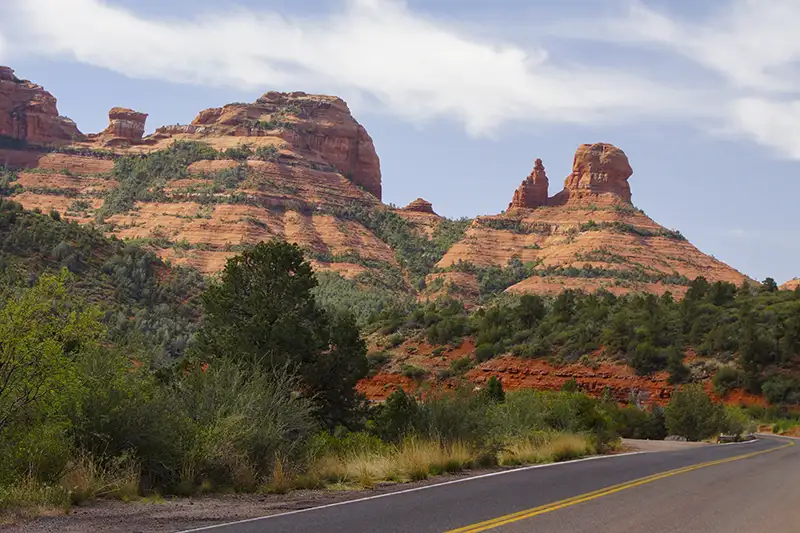
One of the best ways to enjoy Sedona’s red rock beauty is to take a drive on the Red Rock Scenic Byway. This popular route is located off of Interstate 17. Just take exit 298, and once you cross the Dry Beaver Creek bridge, the show begins.
The 7.5 mile scenic drive, which winds through the majestic landscape, is often referred to as a “museum without walls”. As you pass Oak Creek Village, the scenery becomes more dramatic. Bell Rock, one of Sedona’s four vortices, is located just past Oak Creek Village on the right. You can’t miss it. Bell Rock is one of the more accessible red rock formations, as the upper part of Bell Rock Trail is wide, level and made of hard-packed dirt. It’s doable for most wheelchair-users, however you can also get a great view of the iconic formation from the parking lot overlook.
Be sure to stop at nearby Courthouse Butte to admire the expansive scenery. And don’t miss the Chapel of the Holy Cross (chapeloftheholycross.com), which is built into the red rock buttes. There are a few accessible parking spots near the sanctuary, and golf cart transportation is available from the remote parking area. The chapel features ramp access, but some manual wheelchair-users may require assistance because of the pitch. Still it’s worth a stop even if it closed, just for a view of the impressive front facade.
Just up the road, the Red Rock Scenic Byway ends at Highway 89A. All in all it only takes 20 minutes to drive the route, but allow for extra time for lots of photo stops. And even though a Red Rock Pass is required for hikers, it’s not required for quick photo stops of 15 minutes or less.
Red Rock State Park
Mesquite Interpretive Loop
Red Rock State Park (www.azstateparks.com/red-rock), which is located on Highway 89A South is also worth a visit. There are a two accessible trails in the park, but they don’t offer much shade, so it’s best to go early in the day.
Accessible parking is located near the visitor center, with ramp access down to the building. Inside there’s plenty of room to maneuver a wheelchair around the gift shop, ranger information desk and interpretive exhibits. Accessible restrooms are located near the front door, and there’s also level access to the theater and classroom next door. And don’t miss the hummingbird garden on the back patio.
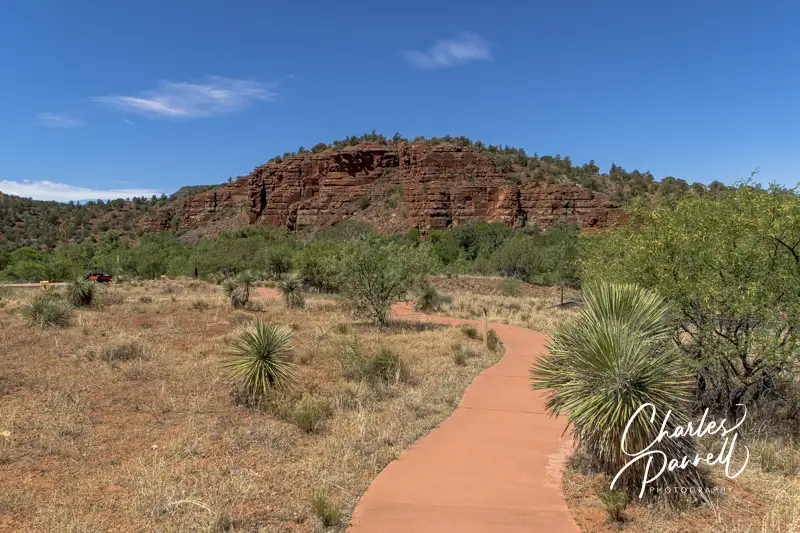
The accessible Mesquite Interpretive Loop begins near the parking lot. This short trail features a paved level pathway around garden filled with native plants. There’s a shaded picnic area with accessible tables near the trail; and there’s also a shade structure located in the middle of this quarter-mile trail.
The longer Bunkhouse Trail begins behind the visitor center. Although you can access it from the parking lot, that pathway has a steep grade. Alternatively, there’s level access to the trail from the hummingbird garden. The paved trail is fairly level, although there’s a bit of a grade in the beginning. Power wheelchair-users won’t have a problem, but some manual wheelchair-users may require assistance. There are also some cracks along the paved trail, but other than that it’s fairly smooth rolling.
At about the .2-mile mark there’s an accessible hard-packed dirt trail down to the Kingfisher Bridge, which provides a pleasant — and shaded — view of Oak Creek. From there a hard-packed dirt path follows the creek for another .2 mile before the trail loses its access. All in all it’s a pleasant mile-long out-and-back hike.
Slide Rock State Park
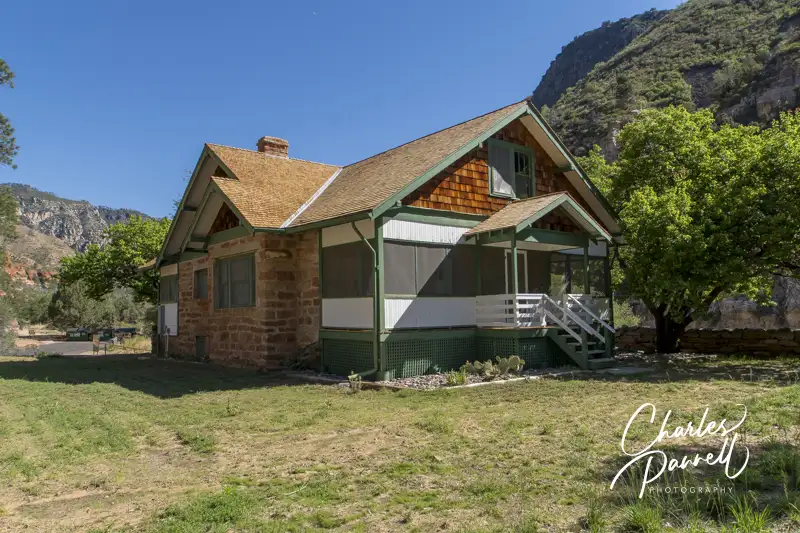
Pendley Homestead House on the Pendley Homestead Trail
Finally, if you’d like to hit a local favorite, head on over to Slide Rock State Park (azstateparks.com/slide-rock). It’s located 20 minutes north of Red Rock State Park on Highway 89A. This park provides access to Oak Creek, and it takes its name from the rocks that many folks use as slides to get into the water.
Unfortunately the path down to the creek is not accessible, but there is a short trail that offers a scenic overlook of the canyon. That said, the admission is pretty steep ($20 to $30 per car, depending on the season) for just that trail; however if you have an Arizona State Park Pass, this park makes a nice lunch stop.
There’s accessible parking near the shaded picnic area — which has several accessible tables — and barrier-free access over to the Pendley Homestead Trail. This paved level trail leads past a small store, and by a display of vintage farming equipment, over to the old homestead which features a tractor display in the adjacent barn.
The trail then connects with the Cliff Top Trail which has a 75-foot paved path out to an accessible overlook that offers an expansive view of Oak Creek Canyon. All in all it’s about a quarter-mile round trip, and it makes for a nice stroll before of after lunch. And if you’d prefer to skip the hike, this piece of Sedona’s red rock beauty is easily visible from the the picnic area.
Barrier-Free Travel the Grand Canyon for Wheelchair-users and Slow Walkers
Located along the St. Helena Highway, Bothe Napa State Park (napaoutdoors.org/parks/bothe-napa-valley-state-park/) is easy to overlook, especially if you’re winery hopping along this popular Napa County thoroughfare. That said, it’s not only a nice place to stop for a picnic or to enjoy a short hike; but if you’re up for an adventure, it’s also an excellent place to overnight. Although the park offers wheelchair-accessible campsites, it also boasts a comfortable wheelchair-accessible yurt. Granted, this yurt is pretty basic — some would even describe it as rustic — however it provides a quiet, off-the-beaten-path lodging option in what can often be described as a crowded and overly congested area of the state.
Sleeping in a Wheelchair-Accessible Yurt
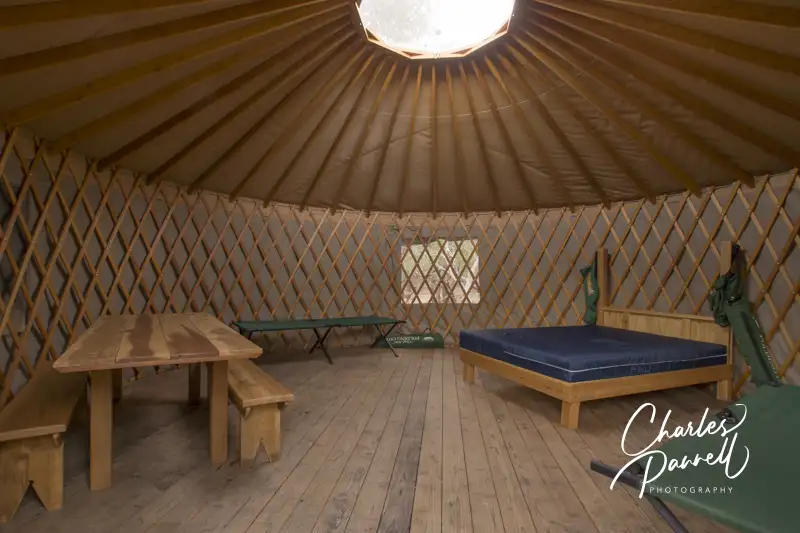
Inside Yurt 26 at Bothe Napa State Park
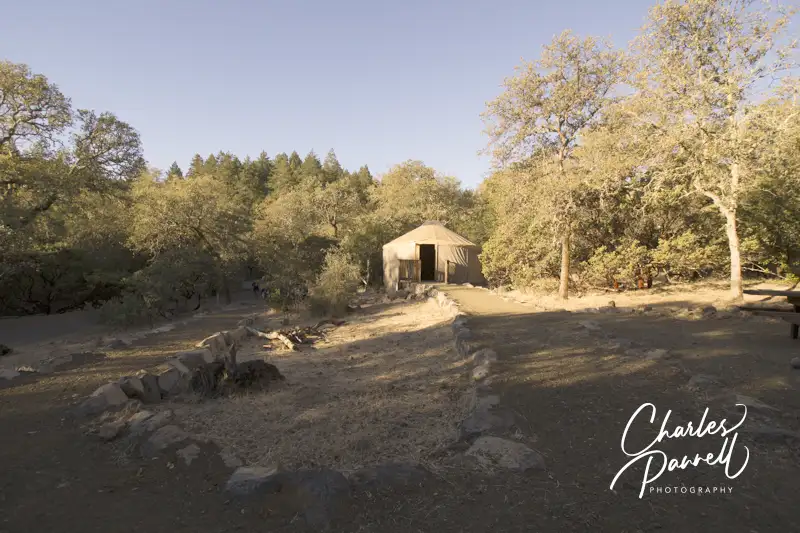
There are two campgrounds and yurt areas in the park, but this accessible yurt (26) is located away from the Group Campground, in the quieter Ritchey Creek Campground. There’s plenty of room to park on a level dirt pad in front of Yurt 26, with ramp access up to the front door. Access features inside the yurt include a wide doorway, wooden floors and ample space to navigate a wheelchair. Furnishings include a 21-inch high queen-sized bed with wheelchair access on both sides, four folding cots, and a table with two benches.
You’ll need to supply your own bedding, sleeping bags, pillows and towels; and since the yurt lacks electricity it’s also a good idea to pack along a lantern, flashlights and a camp stove. And although the mattress is certainly adequate, if you prefer more support you might also want to bring an air mattress.
Outside, there is a short accessible path over to a picnic table and a storage locker. It’s the perfect place to enjoy the outdoors, sip some wine, and relax as the sun sets. As an added bonus, it’s also very dark in the park, and with no ambient light you can really enjoy the night sky.
The bathhouse is just a short walk away. A family restroom with a roll-under sink and toilet grab bars is located in the front section of the bathhouse, while the private pay showers are located on the side. The accessible shower room includes a roll-in shower with grab bars, a built-in shower bench and a lowered showerhead. There’s plenty of room for an attendant in the large shower room, and it also features a spacious changing area with lowered hooks.
A Nice Picnic Stop
Picnic Grounds at Bothe Napa State Park
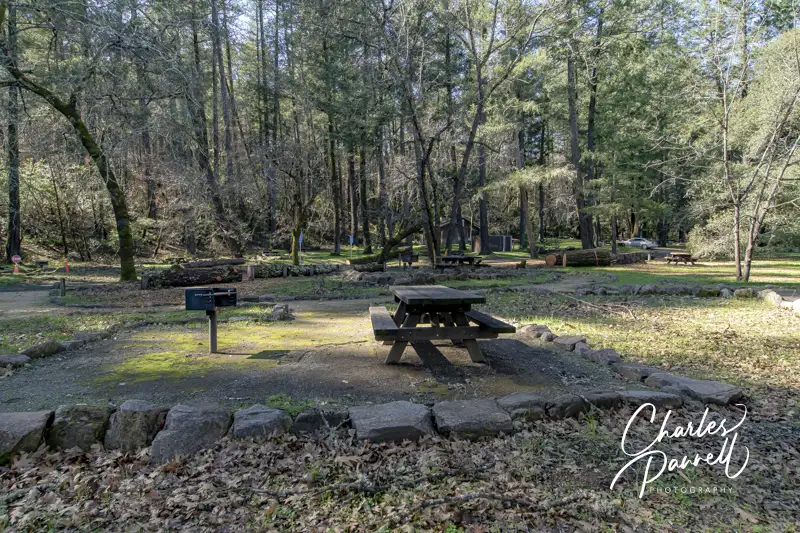
Even if you don’t spend the night in the wheelchair-accessible yurt, make plans to stop in for a picnic lunch and explore the park. The bulk of the accessible picnic tables are located in the day use area, which is located just down the park road from the visitor center. Accessible parking is located near the tables, with paved pathways to the tables and the accessible restrooms. If you’d prefer a more secluded repast, drive all the way to the end of the park road, park in the accessible parking spot, and feast at one the tables in the level shaded area.
Pioneer Cemetery at Bothe Napa State Park
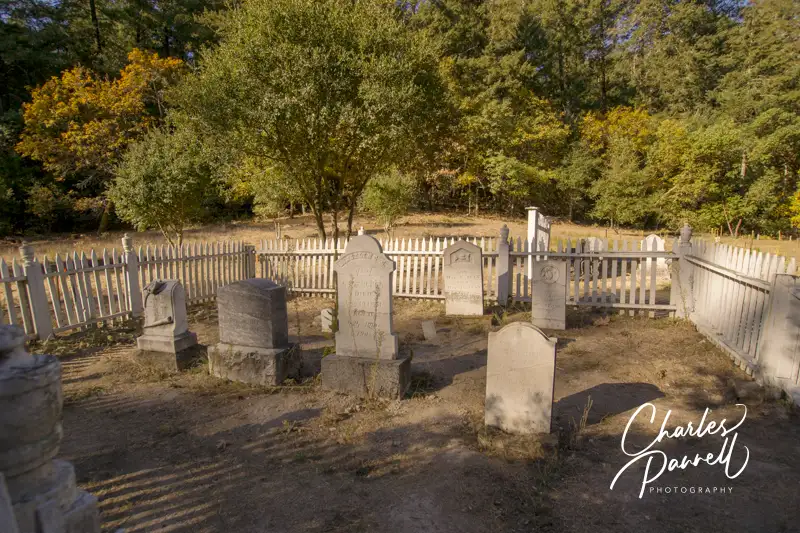
Save some time for a short walk to the Pioneer Cemetery on the accessible trail, which begins near the picnic tables at the end of the road. The hard-packed dirt loop winds around the restored graveyard, which dates back to the mid 1800s. There are benches to sit and rest along the way, while you gaze at the plots surrounded by quaint white picket fences. The trail then loops back through the woods to the site of the historic White Church, before it returns to the picnic area.
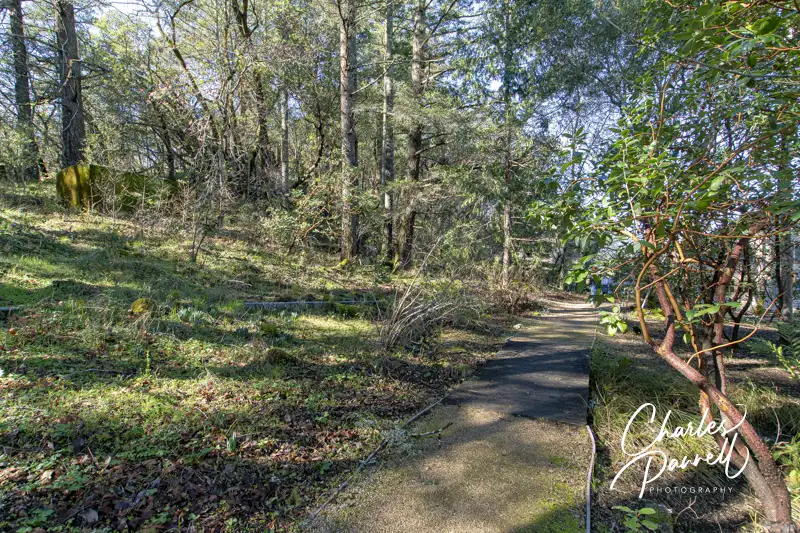
Last but not least, make sure and stop at the Native American Garden, which is located on the left side of the visitor center. The accessible pathway begins near the back of the building and winds through a natural garden filled with plants that were important to the first people of the area — the Wappo. Although a few of the species are labeled, the visitor center also has a plant guide to enhance your understanding of the native people. It’s just a short trail — only 150 yards or so — but it’s a pleasant stroll to top off your Bothe Napa State Park visit.
Trail to the Native American Garden at Bothe Napa State Park
Located three miles west of Superior, Boyce Thompson Arboretum (btarboretum.org) is Arizona’s oldest and largest botanical garden. The 323-acre parcel is filled to the brim with plants from deserts around the world, and offers visitors an up-close-and-personal look at desert flora and fauna in the a variety of landscapes. From sheer mountain cliffs to a streamside forest, there’s a wide selection of habitats for wheelchair-users and slow walkers to explore. And since the park is just 65 miles east of Phoenix, it makes an excellent day trip from the city, as well as a fun Arizona road trip stop.
Plan a Picnic
Butterfly in the Demonstration Garden
Access is relatively good throughout this popular Arizona botanical garden, with accessible parking in front and barrier-free access over to the visitor center. Inside, there’s plenty of room to maneuver a wheelchair around the exhibits, and to the accessible restrooms, which are located in the rear of the building. There’s also barrier-free access to the gift shop, which offers souvenirs, gifts, drinks, snacks and sandwiches.
If you’d prefer to bring you own picnic lunch, accessible picnic tables are located near the Demonstration Garden, across from the visitor center. Accessible parking is located nearby, with a level path over to the shaded tables. It’s a pleasant, peaceful spot to enjoy a noontime repast.
Save some time to visit the Demonstration Garden after lunch. There’s level access throughout the garden which offers design and plant selection ideas for a variety of landscapes. Before you set out to explore the rest of the botanical garden, make sure you have an ample supply of water and a hat, as shade is in short supply, and the midday sun can be harsh.
Explore the Main Trail
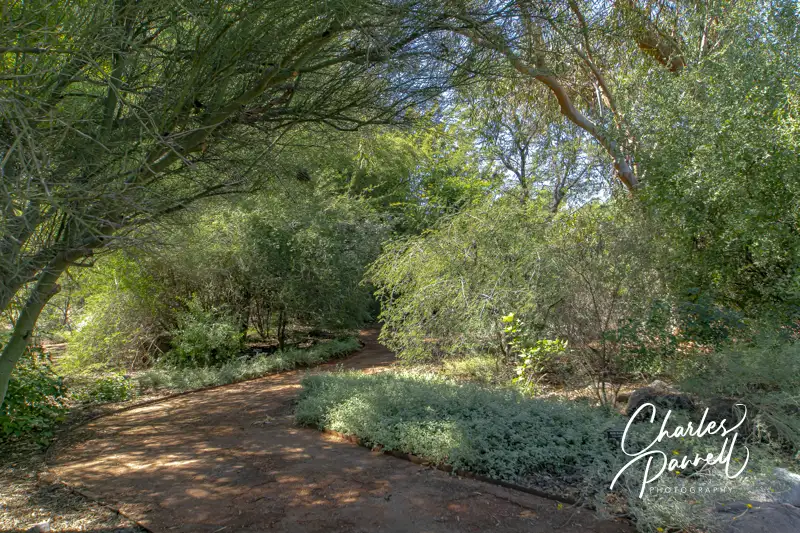
Most of the Main Trail through the botanical garden is doable for wheelchair-users and slow walkers, as this hard-packed dirt trail is wide and fairly level. It begins near the visitor center and allows visitors access to a number of other gardens along the route.
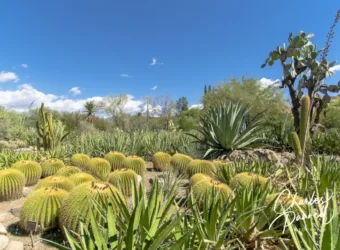
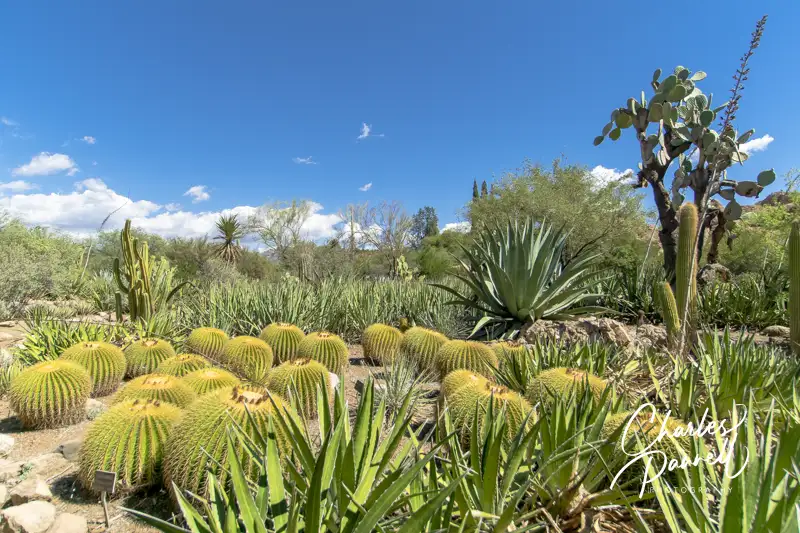
The nearby Heritage Rose Garden also level pathways, and even though they are made of brick they’re still manageable. And don’t miss the Children’s Garden which features level access and boasts a fun water feature. The Taylor Family Desert Legume Garden is another good choice, as it’s is paved and showcases plants from the pea family. And although the trails in the outdoor Cactus Garden are a bit steep and bumpy, there are a few areas near the Main Trail that are doable for wheelchair-users and slow walkers.
The accessible section of this part of the Main Trail ends in about a mile, near Ayer Lake. From there it travels through the Upper Sonoran Natural Area, which has steep grades and a rocky pavement.
Another Main Trail Branch
Along the Main Trail at Boyce Thompson Arboretum
Even though Ayer Lake is the end of the line for one accessible trail, there’s still more for wheelchair-users and slow walkers to explore. From Ayer Lake, you can also double back and explore another branch of the main trail. Just head back toward the Taylor Family Desert Legume Garden, and connect to the other part of the Main Trail loop.
This section of the trail first trail passes through a patch of eucalyptus forest, with level pathways around the trees. The Herb Garden, which is just up the trail, is also fairly level, with plenty of room for wheelchair-users and slow walkers to navigate around the aromatic herbs. Just past the Herb Garden there’s barrier-free access to the suspension bridge, but the High Trail on the other side of the bridge is not accessible. The access on the Main Trail ends just past the pumphouse, where the trail connects to the rugged Upper Sonoran Natural Area.
All in all it’s about a three-mile round trip jaunt from the visitor center to Ayer Lake, over to the the Main Trail branch, and back to the visitor center. That said, if that’s too long, you can always explore the gardens near the visitor center, which offer a good overview of desert habitats. Either way Boyce Thompson Arboretum makes a fun and educational day trip for wheelchair-users and slow walkers.
Barrier-Free Travel the Grand Canyon for Wheelers and Slow Walkers
Although it’s relatively easy to determine if a building is wheelchair-accessible (stairs vs. a level or ramped entry), it’s a bit more difficult to evaluate the accessibility of a trail. At first glance it might appear that if a wheelchair-user can manage a trail, then it must accessible, right? Well, not exactly, because not all wheelchair-users have the same ability. And then there are slow walkers. What if they can’t manage the trail.
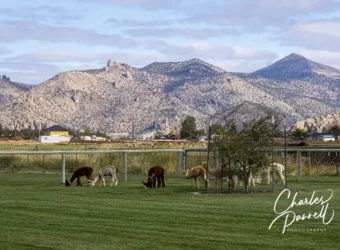
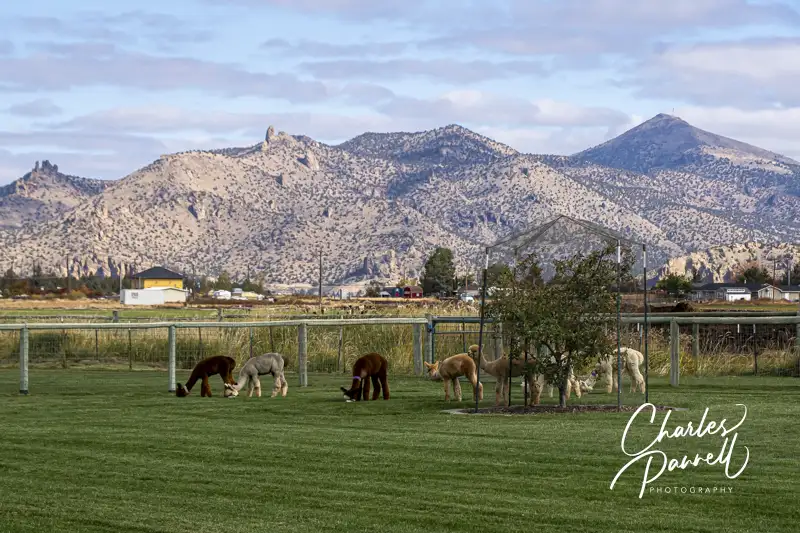
Crescent Moon Ranch is a working alpaca ranch, which is located on Highway 97 in Western Oregon, about 20 miles north of Bend. There’s accessible parking in front of the boutique — a required stop before you tour the grounds — with level access to the front door. Inside there’s plenty of room to roll around amongst the alpaca products, from socks and scarves to sweaters, shawls and even toys. And if you’d like to buy some food to feed to the alpacas, you can also find that there.
From there, you can wind around the barn and follow the marked path to the alpaca pens. The pathway is level, and a combination of dirt and grass. Although passable in a wheelchair, it’s muddy when it rains. The path winds arounds some large enclosures, and since the alpacas are used to getting fed, they’ll come up to you even if you don’t have any food. Along the way, you’ll get a little alpaca education from the informational signs posted on the pens. About half of the trail is doable for wheelchair-users; and after that the trail goes a bit uphill, crosses an irrigation pipe and bridge, and then heads over to the other side of the pasture. And the trail on that side is pretty uneven. So go in and enjoy the alpacas, and when the trail loses its access for you, just turn around. As an added bonus there are also some great views of the Three Sisters, Mt. Jefferson and Smith Rock from the ranch.
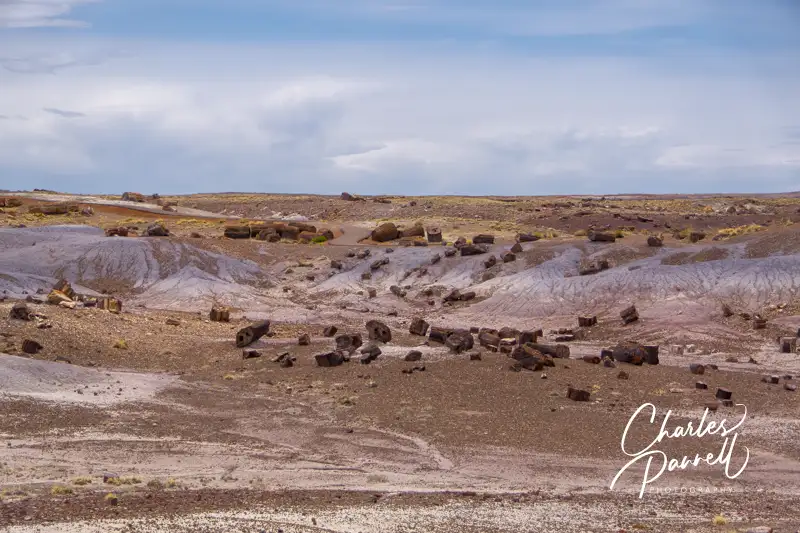
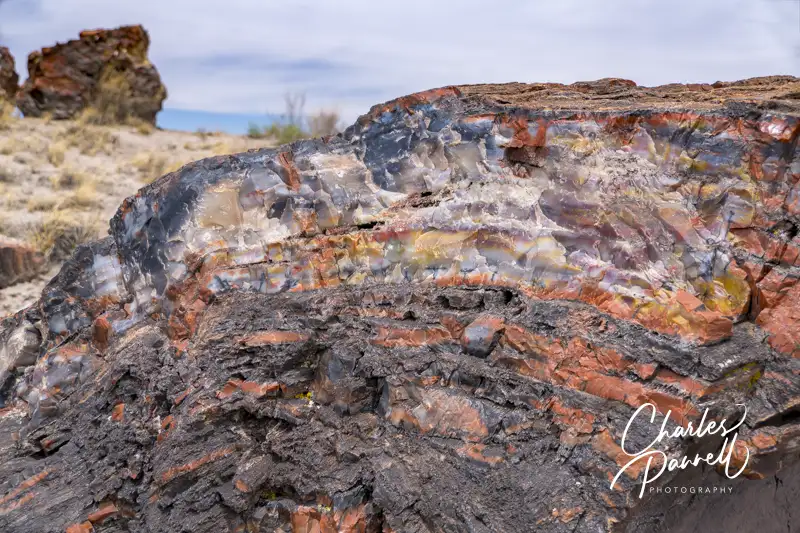
Located about an hour east of Winslow, Petrified Forest National Park (www.nps.gov/pefo/) boasts the largest concentration of petrified wood in the world. Not only does this Arizona gem offer some dazzling desert scenery, but it also includes a number of accessible trails and overlooks for wheelchair-users and slow walkers. And since the park is located right off Interstate 40, it’s an excellent addition to any Grand Canyon road trip.
The Basics
Windshield View on Highway 180
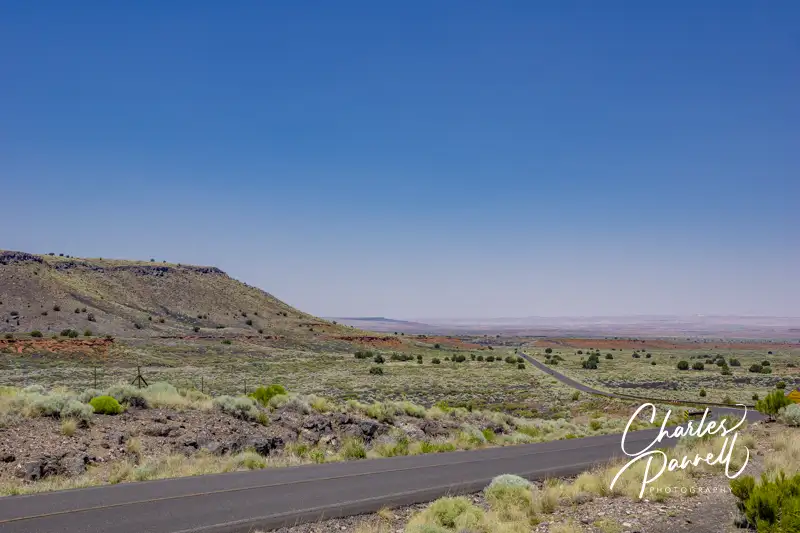
It’s easy to do a one-way jaunt through the park, stop at a few trails and viewpoints along the way, then reconnect to the highway and continue on your journey. If you’re traveling east, take the Highway 180 exit (exit 285) and use the south entrance of the park; and if you’re traveling west, take exit 311 and use the north entrance. Either way, after you’ve explored the 28-mile route, it’s simple to hop back on the interstate.
The whole drive takes an hour without any stops, and although there are some wonderful windshield views along the way, there are also some very scenic turnouts and sights that are definitely worth a stop. It should also be noted that the gates to this national park open at 8:00 a.m. and close at 5:00 p.m., so plan accordingly to avoid disappointment.
The Painted Desert Visitor Center, which is located near the north entrance, makes a good first stop in the park. Accessible parking is located near the entrance, with level access to the building. Inside there’s a small gift shop, a ranger information desk and accessible restrooms. Pick up a park map, then head out to explore this national treasure.
Views and More
View at Tawa Point
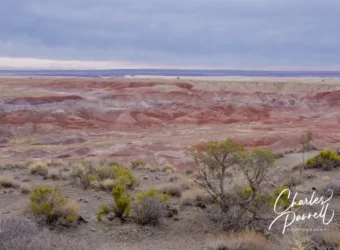
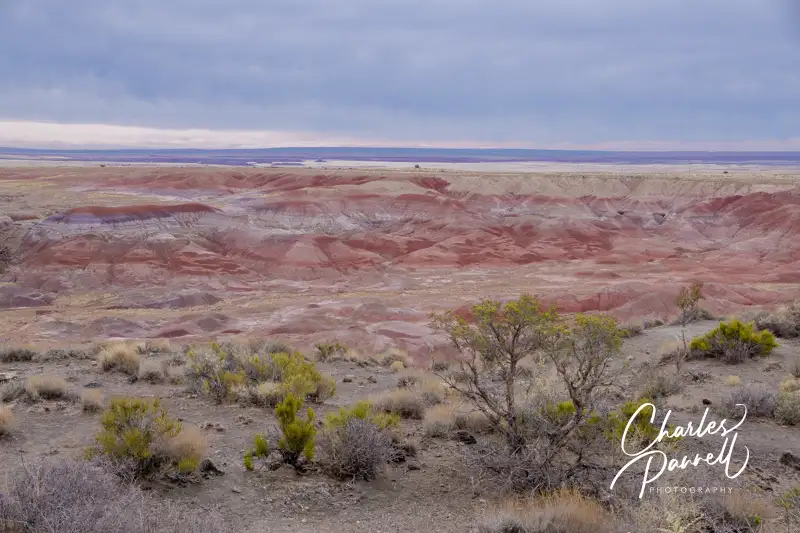
Although there are no shortage of scenic views in the Petrified Forest National Park, make sure and stop at Tawa Point, just past the north entrance, for that first expansive view of the Painted Desert. Accessible parking is located near curb-cut access up to a short .1-mile paved trail out to the viewpoint. The last 20 feet of this path is a bit steep for manual wheelchair-users; however you can get a good view of the colorful desert from any place along the trail, or even from the parking lot.
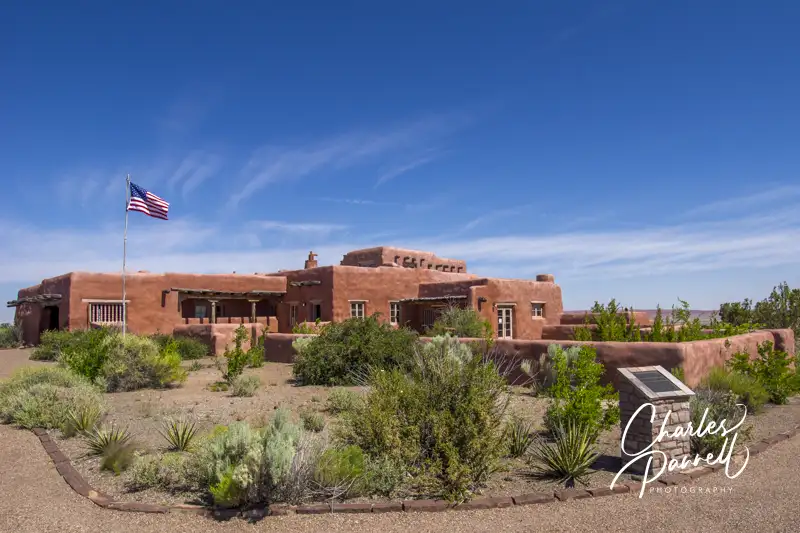
The Painted Desert Inn, which is located just a half-mile up the road, is also worth a stop. This former Harvey House features accessible parking, and level access to the building. There inn houses a number of historic exhibits, but you just can’t beat the panoramic desert view from the second floor of this split-level structure. Additionally, there’s a 300-foot paved level pathway out to nearby Kachina Point, which offers an equally impressive desert view.
Painted Desert Inn
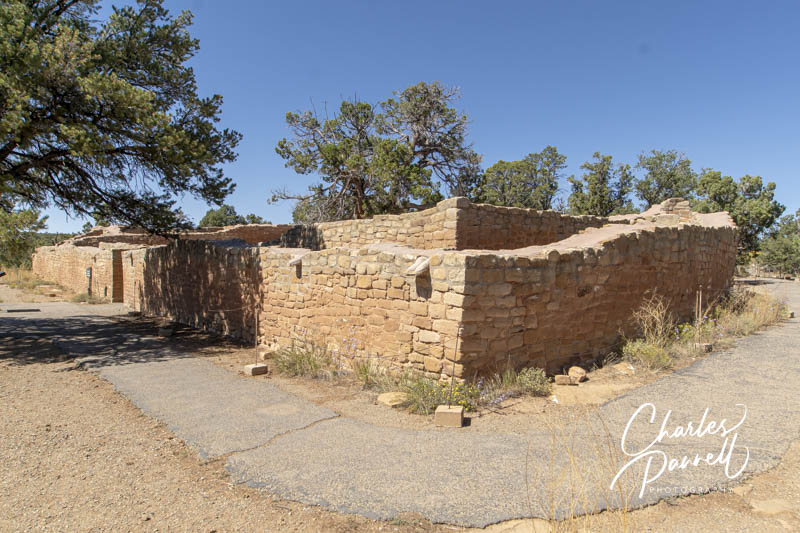
Another worthwhile stop is Puerco Pueblo, which is a few miles up the road, just past the railroad tracks. Accessible parking with curb-cut access up to the sidewalk is located near the accessible vault toilets. From there it’s about a 200-foot walk out to a .3-mile paved trail that circles the ruins of these ancestral Puebloan homes which were occupied from 1250 to 1380.
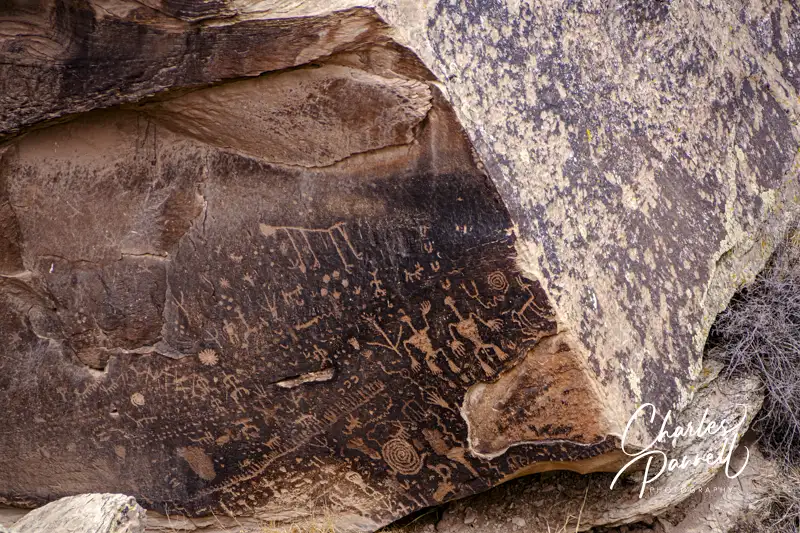
And don’t miss Newspaper Rock, which is short drive down the road. That site features a 200-foot paved level trail out to some Puebloan petroglyphs, which were created 2,000 years ago. There’s an accessible spotting scope at the overlook, which offers a good view of the 650-plus petroglyphs.
Petroglyphs on Newspaper Rock
Petrified Wood Galore
Crystal Forest
There’s also a substantial collection of petrified wood sites — such as the Crystal Forest — along the main park road. Although a paved .8-mile trail leads past the petrified logs at this site, it’s got a section or two of 20% grade, so it’s not a good choice for wheelchair-users and slow walkers. That said there is a 400-foot paved level path that leads out to the trailhead, that offers a good overview of the remains of this ancient forest.
Rainbow Forest Visitor Center
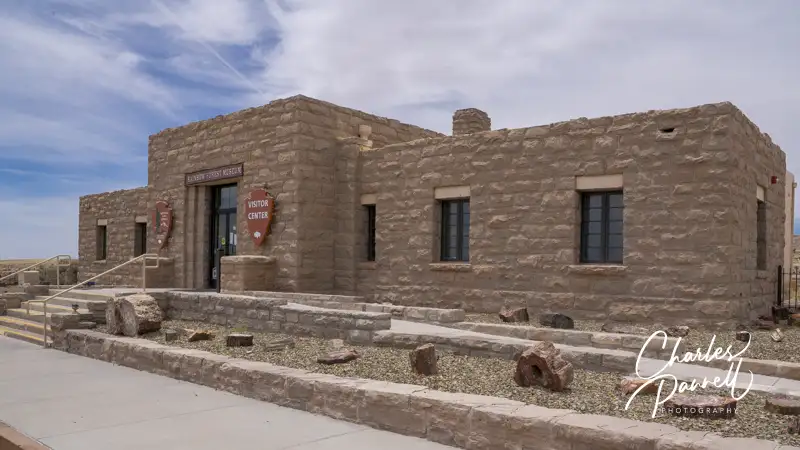
Finally, don’t miss the Rainbow Forest, which is located just north of the south entrance. There’s accessible parking near the Rainbow Forest Visitor Center, with ramp access up to the front door. Inside there’s barrier-free access to the interpretive exhibits, ranger information desk and accessible restrooms. There’s also plenty of room for wheelchairs and scooters in the theater, where a movie about the park is shown throughout the day.
The Giant Logs Trail is located out back, and although this paved trail starts out level, the access ends 600 feet later at the Mather plaque, where steps block the rest of the route. Still, there’s a good view of the site from this point, or even from the back of the visitor center.
And if you’d like to grab a bite to eat before you hit the road, stop in at the curio shop at the far end of the parking lot. There’s level access to the shop, which offers snack items, gifts and souvenirs. All in all, Petrified Forest National Park is well worth the short detour off the interstate.
Located about 20 miles southeast of Salem, Silver Falls State Park is the crown jewel of the Oregon State Park system. There’s no shortage of majestic waterfall views, and if you’d like to get a closer look, there are also several wheelchair-accessible trails to explore. Add in accessible picnic areas, restrooms, food service and visitor facilities, and you have the complete package. And if you’d like to spend a few nights, there’s a nice selection of wheelchair-accessible cabins nears the rivers edge. So pack the car and get ready to experience a cornucopia of natural beauty at Silver Falls State Park.
South Falls District
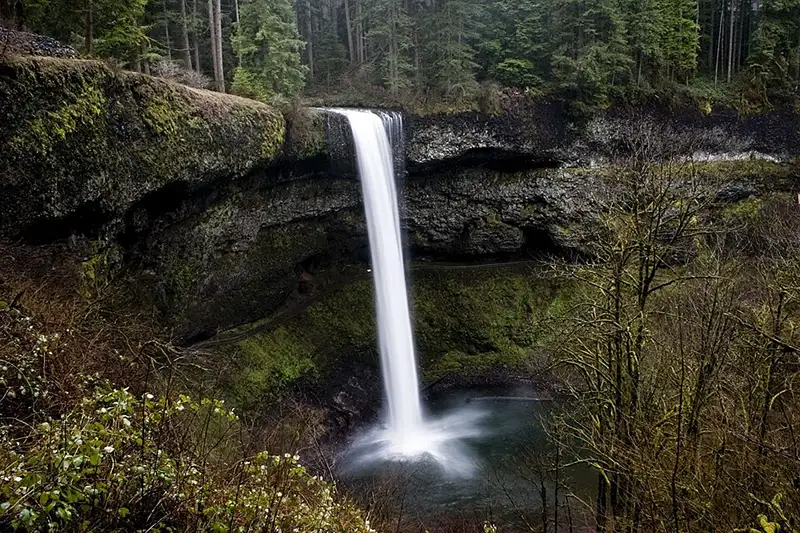
South Silver Falls
The South Falls District is the most developed area of the park. It features accessible parking in the main lot, near the accessible restrooms and the information board. A wide paved trail leads to the left past the South Falls Café to the stone circle. From there bear left and continue along past the Nature Store. Take the next left and follow the trail out to the viewpoint. This is the closest view of the South Falls, and it’s about .25 from the parking lot. There is a small wall along the rim, and depending on the season some foliage may obstruct your view, so continue along the paved trail for a better vantage point.
After you return to the main trail, take the next left for a better falls view. This viewpoint is about .3 from the parking lot, and a bit downhill, but there’s a bench and a clear view at the end.
The trail past this point is not accessible, but if you head back towards the parking lot you can see the other side of the area. This time, take the right trail from the parking area and wind around the back of the South Falls Cafe and past the second set of restrooms to the Stone Kitchen Shelter on the right. Constructed by the CCC in 1936, this community kitchen was renovated in 2005. There’s an accessible pathway that leads past a picnic area to the right and up to the kitchen, and bypasses the steps in front.
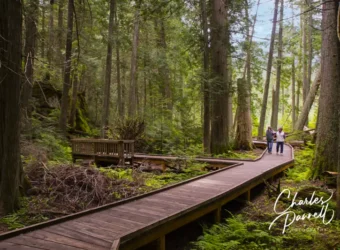
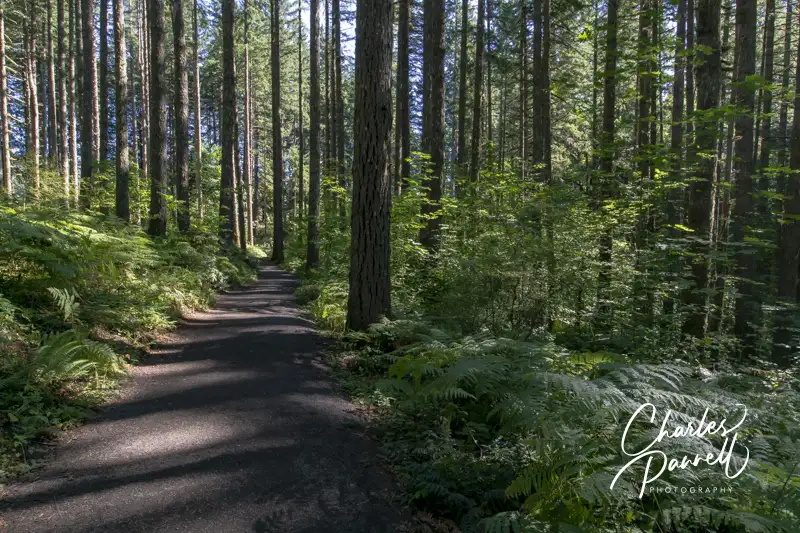
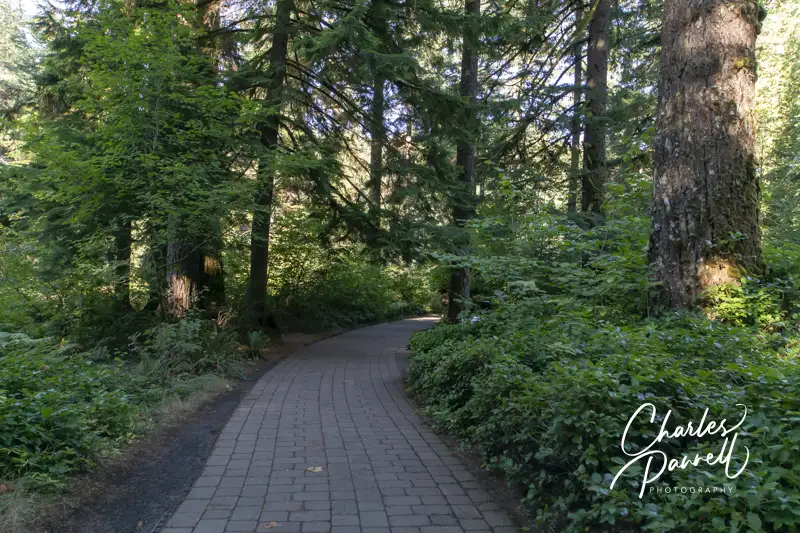
And just past the Stone Kitchen Shelter, there’s a nice accessible boardwalk that winds through the forest. The access ends after the boardwalk, but it’s still a nice little jog through the forest. And a pleasant place to have a picnic lunch.
North Falls District
The North Rim Trail in the North Canyon District
The North Canyon District also has some accessible features, as this area recently underwent a major renovation. It’s located just past the north entrance to the park, and it should not be confused with the North Falls parking area, which is located further south along the road.
There’s accessible parking in the large lot with level access to the accessible restrooms and picnic area. There are a number of tables on the grass under the trees, plus one accessible table near the parking lot with an accessible drop-off are nearby. There’s no shortage of picnic choices here.
The North Rim Trail begins just to the left of the restrooms. This wide hard-packed dirt trail is covered with crushed rock in the beginning, and then transitions to a dirt trail. It winds through the forest and passes the North Canyon Nature Play Area, where kids can play on nature-themed play equipment. There’s also another picnic area along the route, which is in a level dirt area and has room at the end of the tables for wheelchairs. It’s a more secluded option than the main picnic area.
The trail continues along through the forest, crosses a bridge and has a minimal elevation gain. At about the .6-mile point, there’s an accessible viewpoint with an interpretive plaque and a nice view of the North Falls. After that the trail loses its access, as there are steps, ruts, and elevation gains. Still it makes for a nice 1.2-mile out-and-back hike through the forest, and it offers a great view at the end.
A Taste of Mother Nature
South Falls Trail
The South Falls Campground also boasts a doable trail for many folks. You can access the trail in two places — near the campground entrance and campsite 2, or near the amphitheater and campsite 41. The entrance near campsite 2 has a bridge with about a three-inch step, but there is also an alternate entrance from the campground road.
The whole trail is about 1.25 miles long, but only the end sections are doable, as the middle has narrow pathways, rocks and other obstacles, steep sections and some overgrown foliage. From each entrance the trail is doable for about .4 mile. These sections boast a wide trail in good repair, that meanders along a stream and through the forest with a minimal elevation gain. It’s a good trail for birders, as there’s no shortage of wildlife along the way. Best bet is to take the trail as far as you can manage, and then double back. It’s a beautiful taste of nature.
And if you’d like to spend the night in the campground, accessible campsites 58, 60, 86 and 91 feature a paved driveway, a raised grill, an accessible picnic table and are near the accessible restrooms. As an added bonus, campsite 91 also has a covered picnic table. If you want to bring your rig, campsites 2, 3 and 4 are accessible sites with power. To be honest, this is a pretty level campground and most of the campsites are doable for wheelchair-users — the big difference is the distance from the bathrooms.
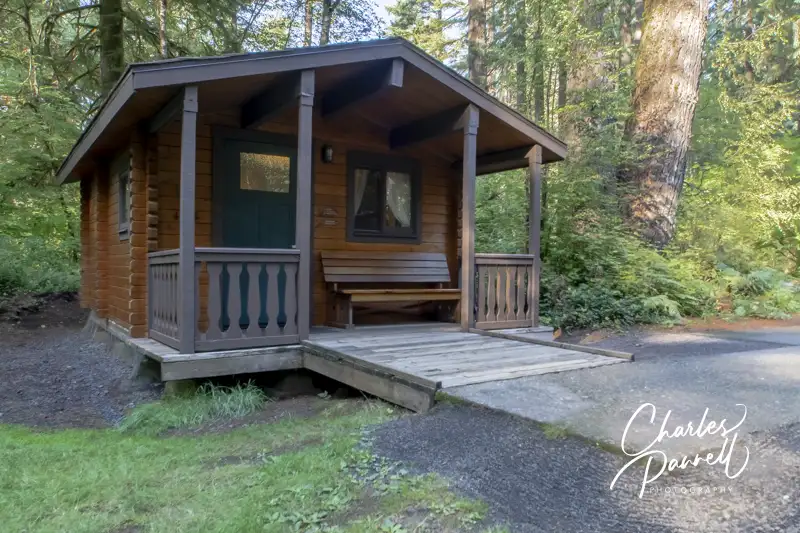
If you want to overnight in the park, but don’t really want to pitch a tent, then consider one of these wheelchair-accessible camping cabins. Located in the cabin village, Cabin 1 is the most private. It features a wide paved driveway and ramped access up to the front porch.
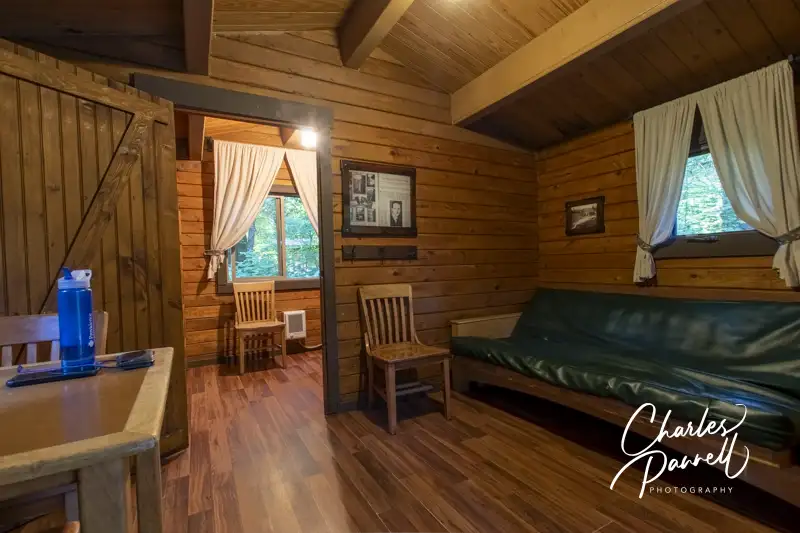
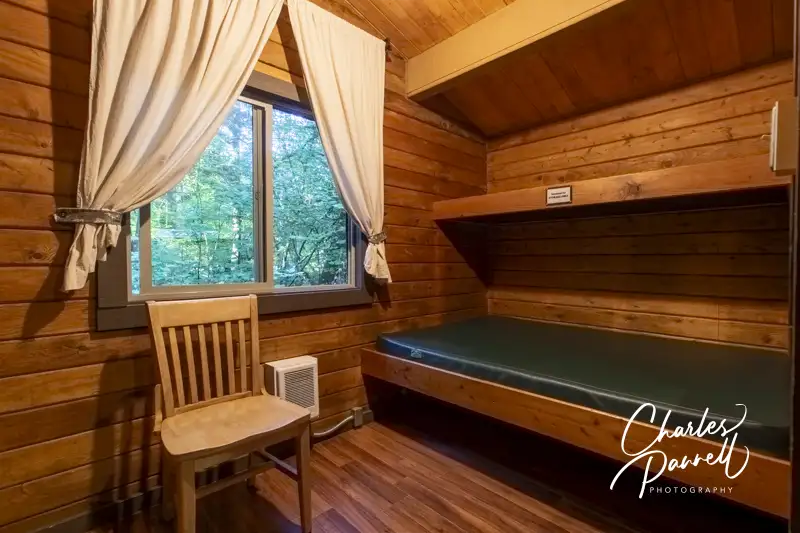
This two-room cabin features electricity, lights, a heater, and plenty of room to maneuver a wheelchair. The front room is furnished with a table with four chairs and a 19-inch high futon; while the other room includes a bunk bed (20-inch high bottom bunk) and a 24-inch high double bed. And outside there’s an accessible picnic table, a raised grill and plenty of room to roll around the level site. This cabin can sleep six, and does not allow pets.
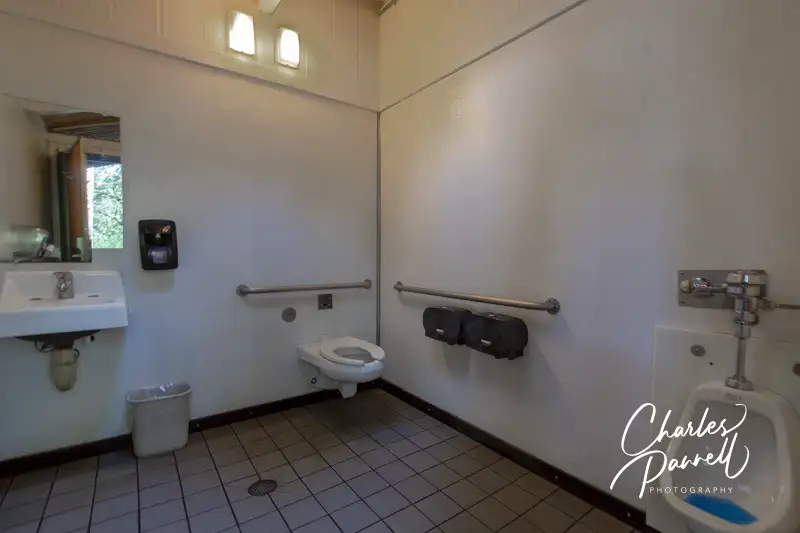
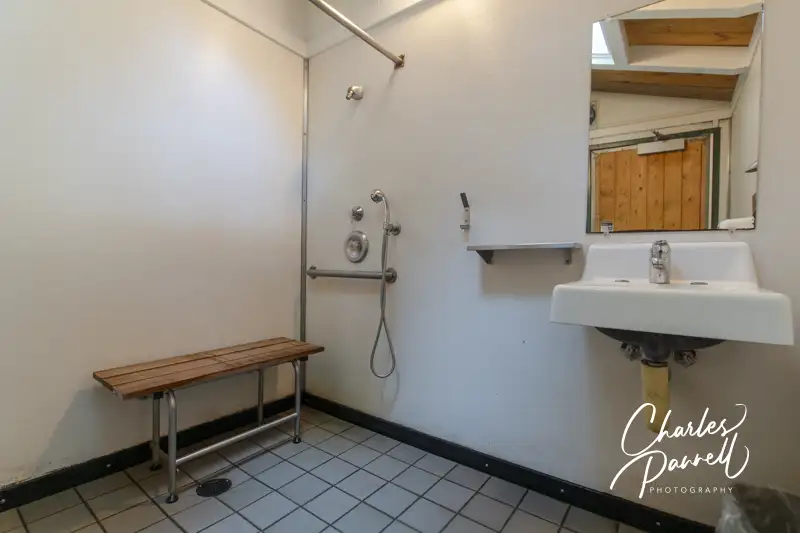
The shower house is about 120 feet away, and it includes a private room with a roll-in shower with grab bars, a fold down shower seat and a hand-held showerhead. It also has a small changing area and a roll-under sink with a lowered mirror. The bathroom is next door and includes a toilet with grab bars on the back and left walls (as seated), a urinal and a roll-under sink.
Cabin 1
Inside Cabin 1
Bedroom in Cabin 1
Toilet and sink in Showerhouse
Shower Room in Showerhouse
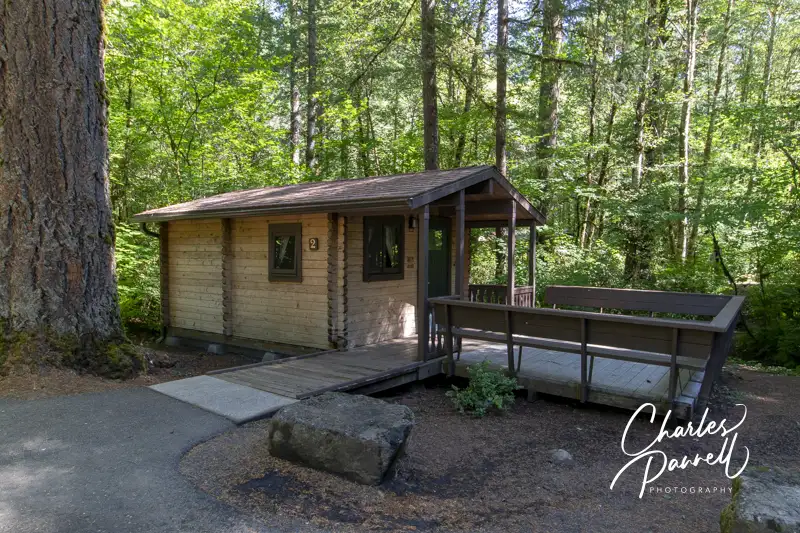
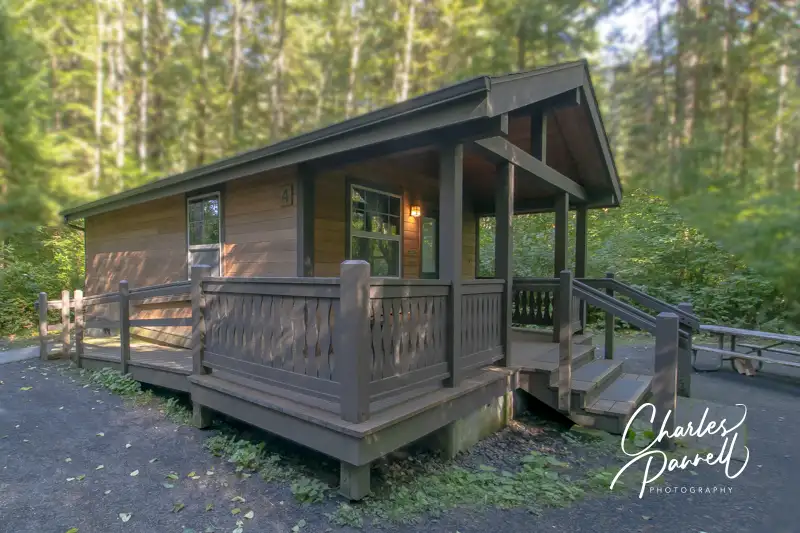
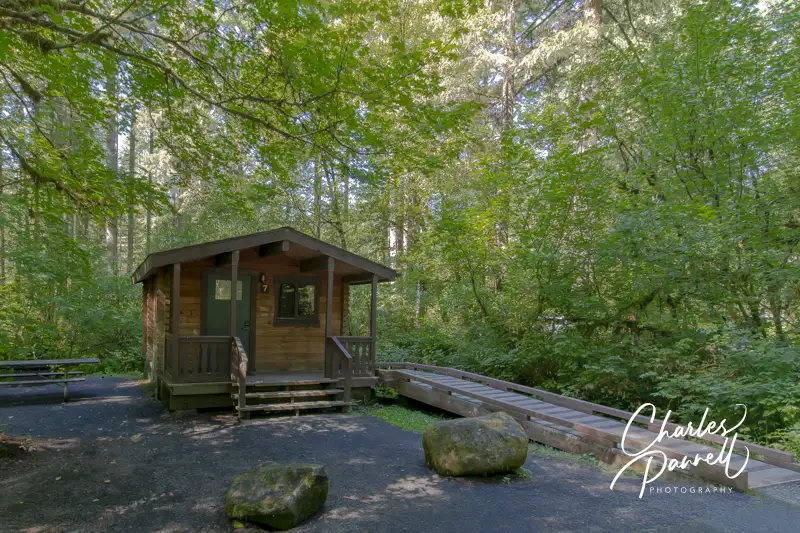
Cabins 3,4 and 7 are also accessible choices in the cabin village. They have the same access features as cabin 1, and they all sleep six and don’t allow pets. Cabin 3 has a large accessible deck, cabin 4 has a side ramp and a large porch, and cabin 7 is the closest to the bathroom.
Additionally, there’s an accessible cabin in the campground (19) which sleeps four people and accepts pets. It’s not as private as those in the cabin village but it’s still a nice accessible place to overnight in Silver Falls State Park.
Cabin 2
Cabin 4
Cabin 7
Barrier-Free Travel California National Park Road Trips for Wheelchair-Users and Slow Walkers
Located in Northeastern Oklahoma, the Keystone Ancient Forest (www.sandspringsok.gov/175/Keystone-Ancient-Forest) is home to 500-year old cedars, 330-year old majestic oaks and over 80 species of butterflies. As an added bonus the preserve is filled with eagles, migratory birds, deer and other wildlife. The 1,380-acre parcel has received recognition from The Nature Conservancy and it’s the first Oklahoma property to become a member of the Old Growth Forest Network. And although the forest has a few natural barriers for wheelchair-users and slow walkers, track chairs are now available for loan.
Track chairs have tank tires instead of standard wheels and they can navigate over obstacles that most wheelchairs can’t manage. The track chairs can be taken on the Childers Trail, the Fire Road and the Frank Trail. If you cannot transfer to the track chair on your own, you must bring somebody to help you. And while you’re in the preserve, all pets must be on a six-foot leash.
The track chairs are available by advance reservation at sandspringsok.org/FormCenter/Case-Community-Center-10/Track-Chair-Request-Form-98. After the form is completed and the waiver is signed, someone from the Keystone Ancient Forest will get back to you to confirm your reservation and to answer any questions. For more information, call (918) 246-7795.
Barrier-Free Travel National Park Lodges for Wheelers and Slow Walkers
Planning a family reunion can be quite a challenge, especially if it’s a multi-day event that requires overnight lodging. On the other hand, a large house or cabin allows folks to visit and reminisce for the entire weekend. And although finding a reunion house is one thing, finding one that is wheelchair-accessible can be an added challenge. And in that respect Stanford House (www.conservancyforcvnp.org/experience/plan-your-visit/retreats-lodging/) — which is located in Northeastern Ohio’s Cuyahoga Valley National Park (https://www.nps.gov/cuva/index.htm) — fills the bill perfectly.
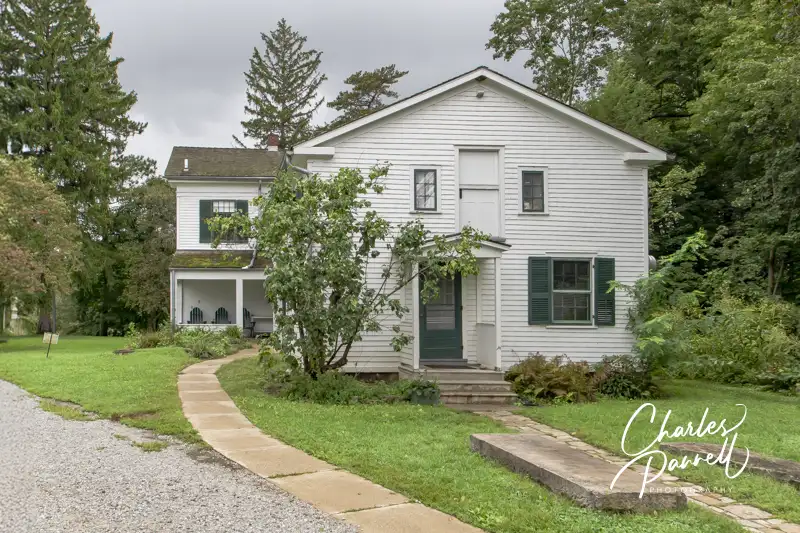
Historic Stanford House
Located near Boston Mills Visitor Center, Stanford House was built in 1843 and can accommodate up to 30 overnight guests. And the good news is, access features have been added over the years to this historic home, so today it’s a great multigenerational lodging choice.
There’s accessible parking in front of the two-story home, and a barrier-free pathway over to the front porch. The grand old home features wide doorways, wood floors, good pathway access and wheelchair access on the first floor. The home is decorated with vintage wallpaper, stately wood moldings and historic chandeliers; while several comfortable rocking chairs line the accessible front porch.
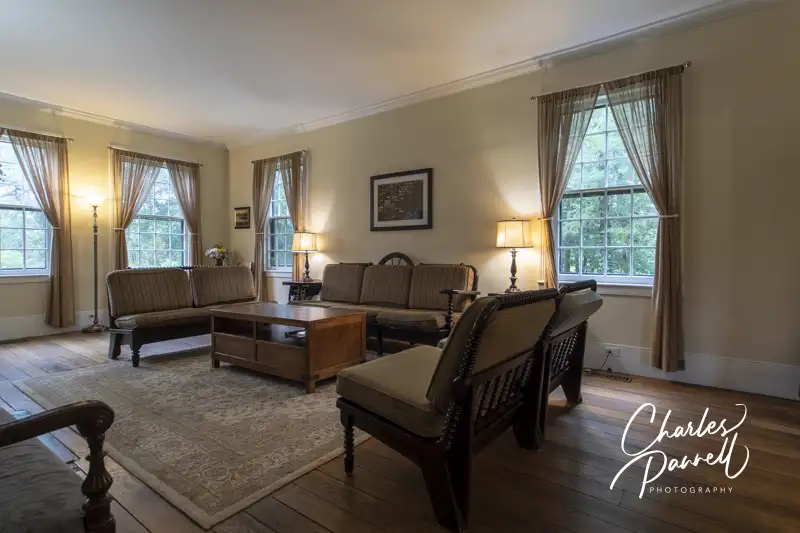
The living room is furnished with a sofa, two love seats, a settee and a few chairs; and there’s still plenty of room to maneuver a wheelchair or scooter around the period pieces and reproductions.
Living Room in the Stanford House
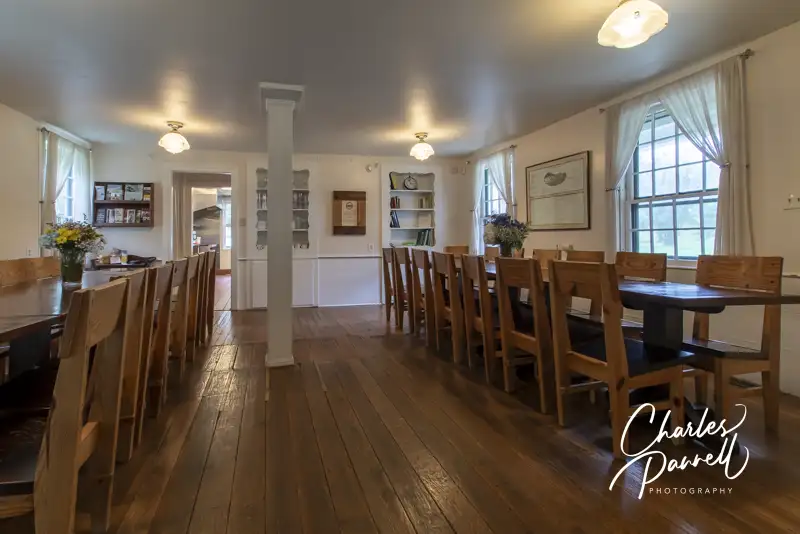
The dining room is massive and it includes two long wooden tables which each can each seat 30 people. There’s a small hutch which is filled with cups, plates, glasses and dishes; and the adjacent commercial kitchen is equipped with a refrigerator, freezer, microwave, and just about every small appliance and utensil you can imagine. And if you’d like to dine outside, there’s level access to a picnic table on the lawn, and the nearby fire circle.
Dining Room in the Stanford House
Access Features Galore
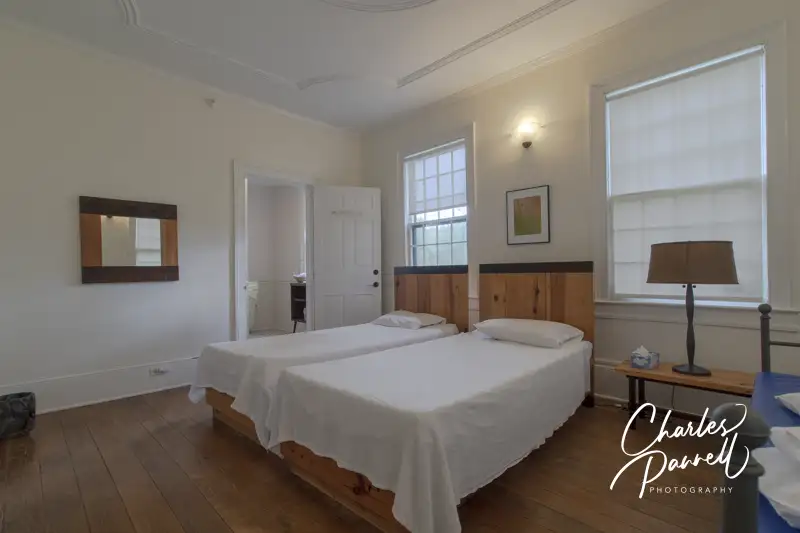
Although the bulk of the dormitory style sleeping areas are located upstairs, there’s also a wheelchair-accessible suite located on the first floor. It’s furnished with two 19-inch high twin beds (which can be pushed together) with access on both sides, as well as a trundle daybed. Truly wheelchair-users have their choice of beds in this home. Top it off with a lowered bedroom mirror and you have a nice accessible room.
Ground Floor Accessible Suite
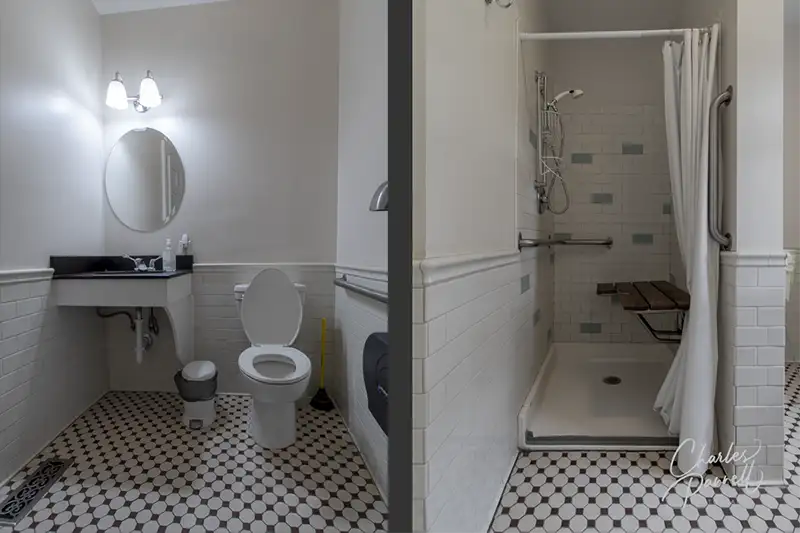
The adjacent bathroom features a full five-foot turning radius and is equipped with a 36-inch square transfer-type shower, with a fold-down shower bench, grab bars and a hand-held-showerhead. There’s ample floor space in front of the shower to transfer to the shower bench, and level access to roll-in to the unit. Other bathroom access features include a roll-under sink, and a toilet with a grab bar on the left side (as seated).
Bathroom in the Ground Floor Accessible Suite
The access features are well done, and truly this wheelchair-accessible suite will work for folks with a wide range of mobility disabilities. Additionally, the home is secluded and private, so your group will have the area all to yourself.
Explore Cuyahoga Valley National Park
Boarding the Cuyahoga Valley Scenic Railroad
Stanford House also makes perfect home base for daily jaunts to some of Cuyahoga Valley National Park’s accessible attractions. At the top of the list is the Canal Exploration Center, which is located on the north end of the park. There’s accessible parking with level access to the front entrance of this former 1800s tavern, which now houses a store and an information center. And since the paved wheelchair-accessible towpath runs right in front of the building, you can take an accessible hike in either direction.
Brecksville Nature Center, which is located near the Station Road Bridge, is also worth a stop. Accessible parking is located next to an accessible picnic table, so pack along a lunch and enjoy a midday break. From there it’s a .15-mile walk on an accessible trail to the nature center. Accessible restrooms are located next door, and there’s level access to the nature center, which features a number of interpretive exhibits. The building also boasts floor-to-ceiling windows that overlook the garden bird feeders. It’s an excellent place to sit back and enjoy some of the 200-plus different avian visitors that have been spotted in the park.
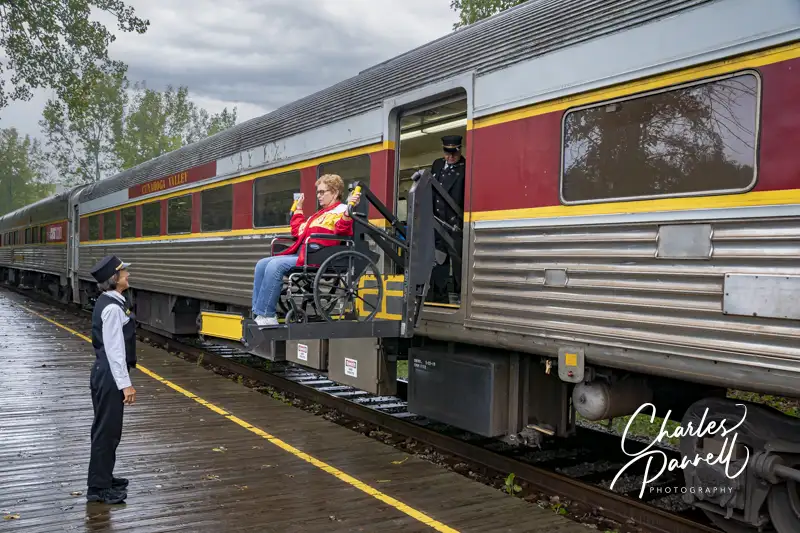
And don’t miss a ride on the Cuyahoga Valley Scenic Railroad (www.cvsr.org). The three-hour scenic excursion winds through the park, and offers visitors a good overview of the area. Even better, the train has a lift-equipped car with plenty of wheelchair seating, and an accessible restroom. The trip begins at the Rockside Station in Independence and heads south along the Cuyahoga River, before it winds its way down to the Akron Northside Station. After that, it turns around and heads back to the Rockside Station. It’s a great way to explore Cuyahoga Valley National Park, and you just can’t beat the views.

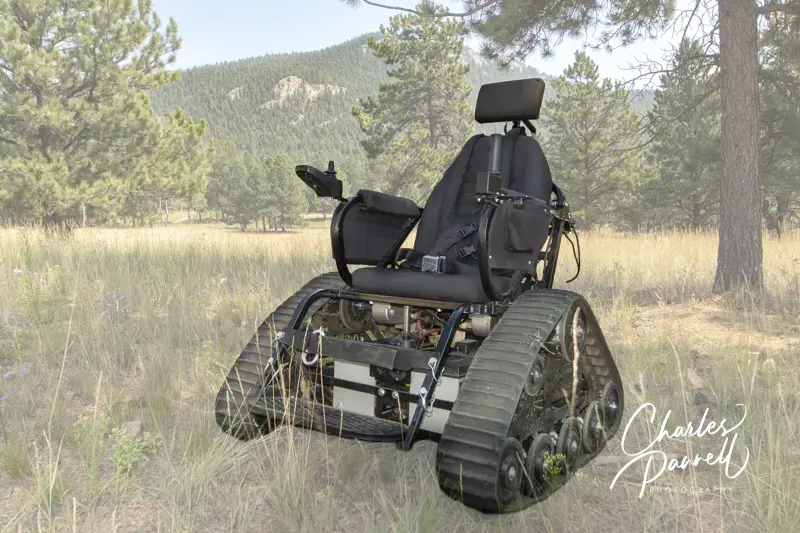 Bear Brook State Park (www.nhstateparks.org/find-parks-trails/bear-brook-state-park), which is located in Southeastern New Hampshire, has a loaner track chair available for visitors. The purchase of this track chair was made possible by a contribution from America’s State Park Foundation, with support from The Bronco Wild Fund. The track chair is available for use from 8 AM to 4 PM, with advance reservations. A volunteer will be available to give users a safety demonstration before the track chair is checked out. Reservations can be made by calling the park office at (603) 485-9869.