As a travel writer since 1977, Candy Harrington has been writing about accessible travel exclusively since 1996. She’s the founding editor of Emerging Horizons, and the author of the popular Barrier-Free Travel national park series. With thousands of bylines to her credit, Candy hits the road often, in search of new accessible travel finds. Candy and her travel photographer husband Charles Pannell reside in NE Washington, where they tend to their chicken flock and enjoy a rural lifestyle.
In order to make their natural areas more accessible to wheelchair-users and slow walkers, a number of Texas state parks offer loaner assistive wheelchairs . These manual and power models help folks navigate over sand, rocky areas and other obstacles that standard manual and power wheelchairs cannot handle. The following models are now available in select Texas State Parks. Visit tpwd.texas.gov/state-parks/park-information/accessibility/assistive-chairs for more information on the specific state parks that offer these loaner assistive wheelchairs, .
GRIT Freedom Chair
GRIT Freedom Chair
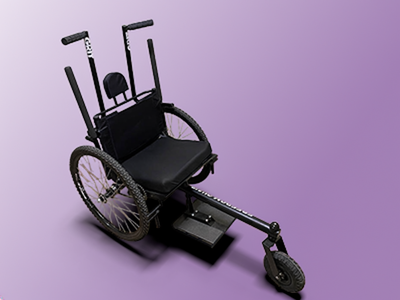
The GRIT Freedom Chair is a cross between a manual wheelchair and a mountain bike, and it allows wheelchair-users and slow walkers to access rugged terrain or sandy beaches. Built with mountain bike parts, the GRIT Freedom Chair has three wheels – two standard wheelchair wheels on the sides of the seat, and a smaller wheel in front of the chair. It’s easier to self-propel than a standard wheelchair, thanks to the lever handles installed on each side of the seat; however there are also push handles on the back of the chair for folks who need more assistance. Add in some all terrain tires, and you have a rugged wheelchair, built to tackle rougher terrain.
Motorized Track Chairs
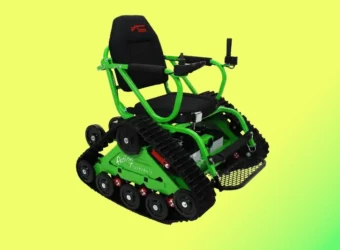
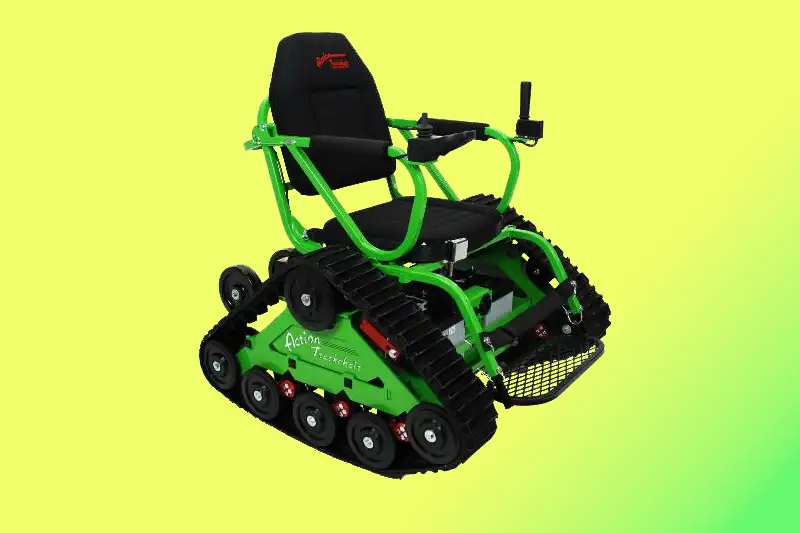
Action Track Chair
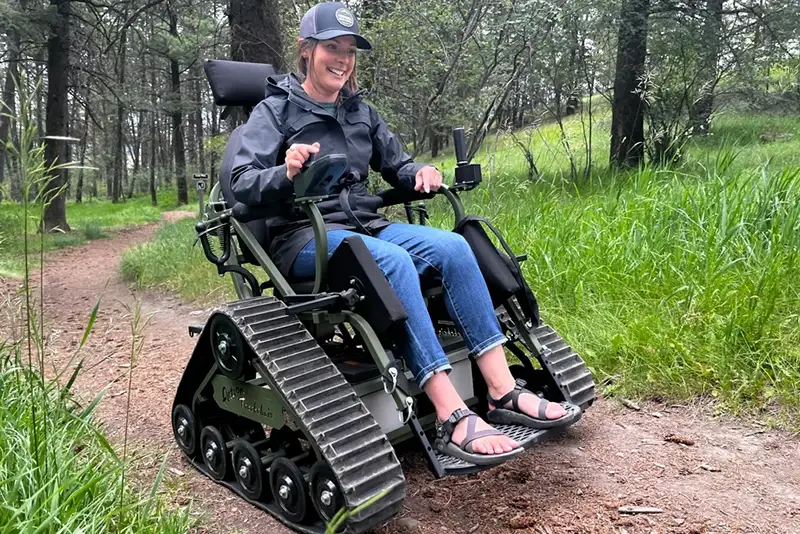
Several motorized track chairs models are also available at select Texas State Park. These rugged wheelchairs are outfitted with tank track instead of wheels and can traverse over rugged obstacles. They are user-operated, but there is also an option for a companion to operate the track chairs. The motorized track chair models that Texas State Parks offer include the Action Trackchair (weight capacity 400 pounds), the EcoRover (weight capacity 350 pounds), the X8 and the Terrain Hopper. These motorized track chairs can be used on designated park trails, and even though they can be operated independently a companion is suggested. You may also bring you own wheelchair-cushion to use on these models.
Tandem Hiking Carts
Cascade Tandem Hiking Cart
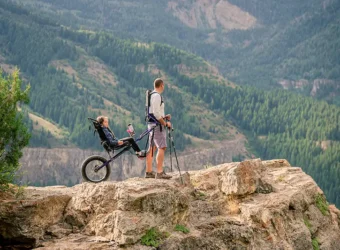
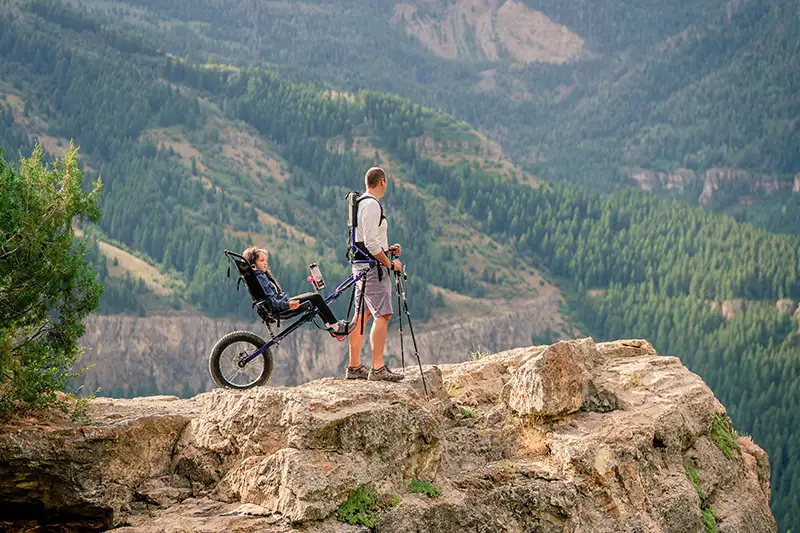
The Cascade Tandem Hiking Cart allows a “sherpa” (that the wheelchair-user provides) to pull a passenger in the cart which is attached to a backpack. These carts can traverse over sand, snow and singletrack trails, and they are built for backcountry access that some all-terrain wheelchairs can’t always reach. Although they are rated to carry passengers of up to 150 pounds, Texas State Parks sets the recommended passenger weight limit at no more than 100 pounds for “new users”. Additionally, the total weight of the passenger and the gear must not exceed 50 percent of the sherpa’s weight. A helmet is recommended for the rider; and cushions, adaptive supports and other comfort items can also be brought along. The sherpa should be in good physical condition, and it’s best to plan for a shorter hike on your first outing.
So make plans to enjoy a Texas State park with one of these loaner assistive wheelchairs. It’s a great – and very accessible – way to enjoy the outdoors.
Barrier-Free Travel
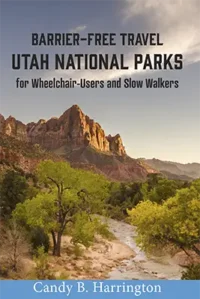
Utah National Parks for Wheelchair-users and Slow Walkers
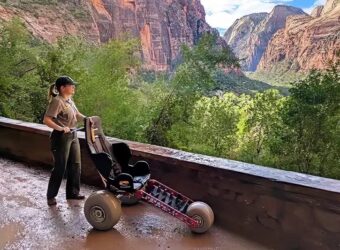
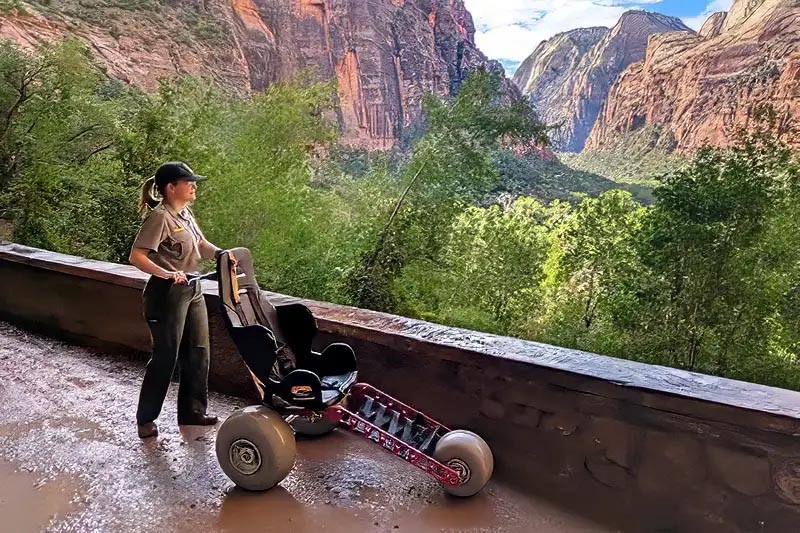
Slow walkers and wheelchair-users who want to explore a few of the more challenging trails in Zion National Park, can now borrow an Extreme Motus wheelchair. This wheelchair has a long wheelbase for maximum stability and is fitted with three balloon tires to absorb bumps on the rougher trails. It has a maximum user weight of 250 pounds and a maximum user height of 6 feet. And although the Extreme Motus gives folks a smoother ride over difficult terrain, it cannot be operated independently, so you’ll need someone to assist you if you borrow it.
The chair can be checked-out at the Zion Canyon Visitor Center on a first-come first-serve basis. A valid ID and proof of insurance is required to borrow the chair, and a brief training is provided to all users. Additionally, since the park shuttle cannot accommodate the Extreme Motus, visitors who borrow this all terrain wheelchair will also be given a pass to drive their own vehicle up Zion Canyon. And as an aside, if you have a disability that prevents you from taking the shuttle (larger wheelchair, oxygen, extra medical equipment) you can also get a pass to drive your personal vehicle up Zion Canyon (emerginghorizons.com/driving-passes-for-disabled-national-park-visitors/) even if you don’t borrow the Extreme Motus.
So where can you go with the Extreme Motus in Zion National Park? Well of course you can do the Pa’rus Trail, but to be honest you can do that in a regular wheelchair. You might want to try it on the Riverside Walk, as sometimes that trail gets rough from the extreme weather conditions. Other suggestions are the Weeping Rock Trail and Lower Emerald Pools, although you may want to have a little extra help on those. You can also give most of park’s inaccessible intermediate trails a try; however you cannot go on the more dangerous and challenging trails like the Zion Narrows or Angels Landing.
So give the Extreme Motus in Zion National Park a try on your next visit. You won’t be sorry!
Barrier-Free Travel
Utah National Parks for Wheelchair-users and Slow Walkers
Named by French Canadian fur traders for the stone islands in the middle of the treacherous rapids in the Columbia River, The Dalles is steeped in history. That said, although the town name comes from the French word for flagstone, there’s far more to see than a few river stones in this Northwestern Oregon city. From the history of early explorers to the impressive dam and even a vibrant if not eclectic downtown area, there’s plenty to see and do in this thriving Columbia River community. And the good news is, much of it is wheelchair-accessible.
A Downtown Stroll
One of the best ways to acquaint yourself with the history and character of The Dalles is to explore some of the 30-plus murals in the downtown area (explorethedalles.com/murals/). A project of the Dalles Mural Society these pieces depict the people and places that shaped the area. And along the mural walk, there are also a few must-see historic stops.
At the top of the list is The Dalles City Hall, which is located at 313 Court Street. Accessible street parking is located on Court Street; and although the outside of City Hall offers is nice photo op, there’s also a noteworthy display inside. The Dalles Fire Museum is located on the ground floor and is open during City Hall business hours. It offers a historic look at the local fire companies and honors the lifesaving actions of local firefighters. It’s a fun look at some vintage equipment. Best of all, there’s barrier-free access to this historic display/
And for more ideas of things to do in the downtown area, visit explorethedalles.com.
A Slice of History
Fort Dalles Museum
For a dive into the history of the area, make sure and stop at the Fort Dalles Museum (www.fortdallesmuseum.org). Despite the age of this historic structure, wheelchair-access was worked into the master plan, so today most folks can easily navigate the grounds.
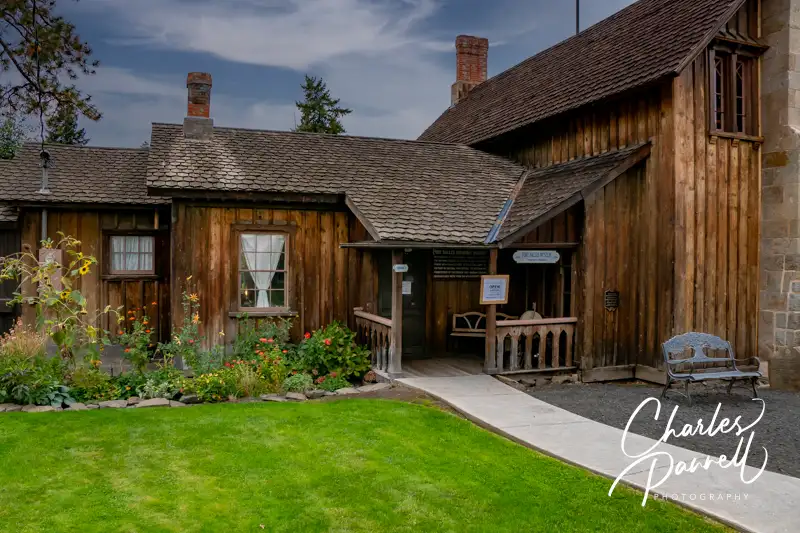
One of Oregon’s oldest museum buildings, the main house dates back to 1856, when it served as the surgeon’s quarters at the original fort. There’s parallel parking on the street in front of the fort, and a nice accessible pathway to the front door. Inside, there’s good access on their first floor, which has a large living area, a kitchen and dining room and a music room. There’s also a narrow stairway to the two small upstairs bedrooms. Still the first floor houses the bulk of the exhibits, which include old photos, furniture, rifles, dishes, surgeon’s tools, and a nice collection of Native American artifacts. And if you have any questions, just ask the helpful docent.
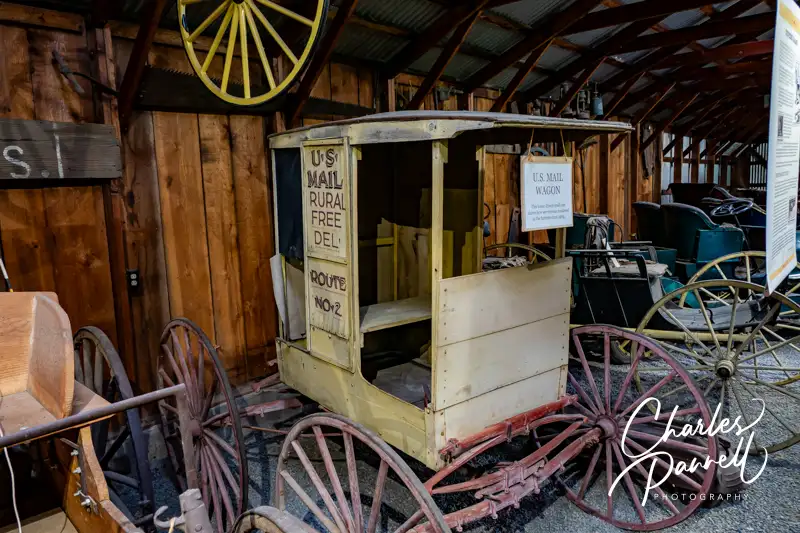
Out back there’s a gravel pathway down to the the antique vehicle building which houses a gaggle of historic cars. They are in various states or restoration and include a 1908 Knox touring car, a 1925 Ford roadster, an 1884 Hansom cab, a milk wagon and a few vintage hearses. Next door there’s an outside display of carriages, and although there’s a wide pathway, some folks may need assistance with the slight uphill slope.
Antique Vehicle Building at the Fort Dalles Museum
There are also a few picnic tables in a level area near the back of the house, with accessible restrooms just around the corner. And you can get a nice view of the historic Anderson House from the back of the property, so pack along a picnic lunch, take a break and enjoy the view.
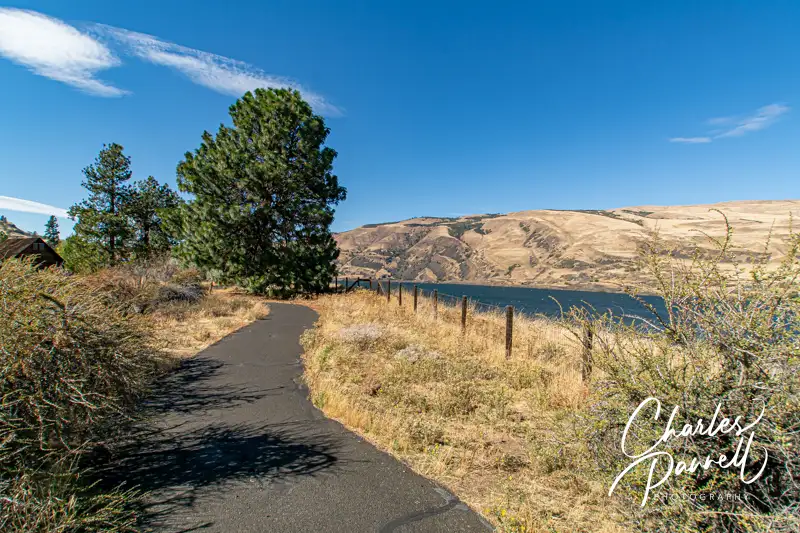
Riverside trail at the Columbia Gorge Discovery Center
And for a deeper dig into the history of the area, a stop at the Columbia Gorge Discovery Center (emerginghorizons.com/columbia-river-gorge-discovery-center/) is certainly warranted. This excellent museum celebrates the cultural and natural resources of the Columbia Gorge; and as an added bonus it also offers a nice accessible riverside trail.
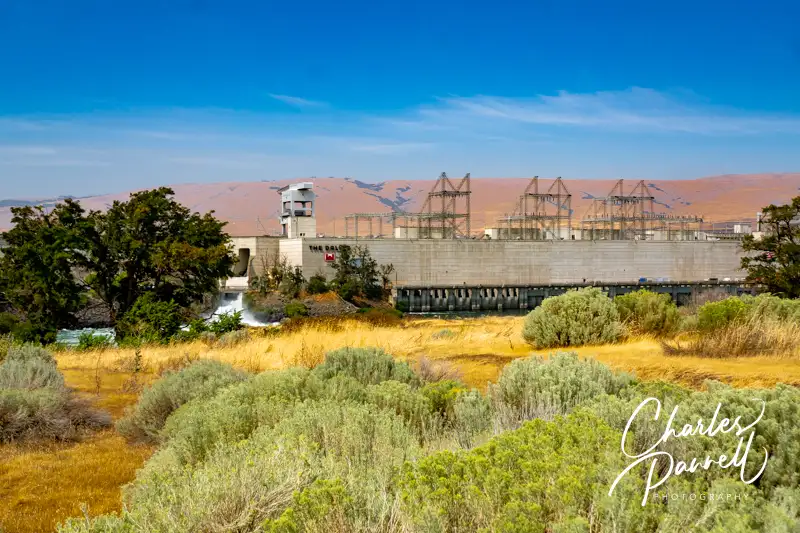
Dalles Dam viewed from the Dalles Lock & Dam Visitor Center
Don’t forget to stop at the Dalles Lock & Dam Visitor Center while you are in the area, as it offers a nice view of the dam. Just take exit 87 from Interstate 84 and follow the signs. There’s level access to the visitor center, but the hours are usually limited to summer and fall weekends. You can still get a good view of the dam from the accessible scope in the parking lot, and there are some covered accessible picnic tables next to the visitor center if you’d like to have lunch there.
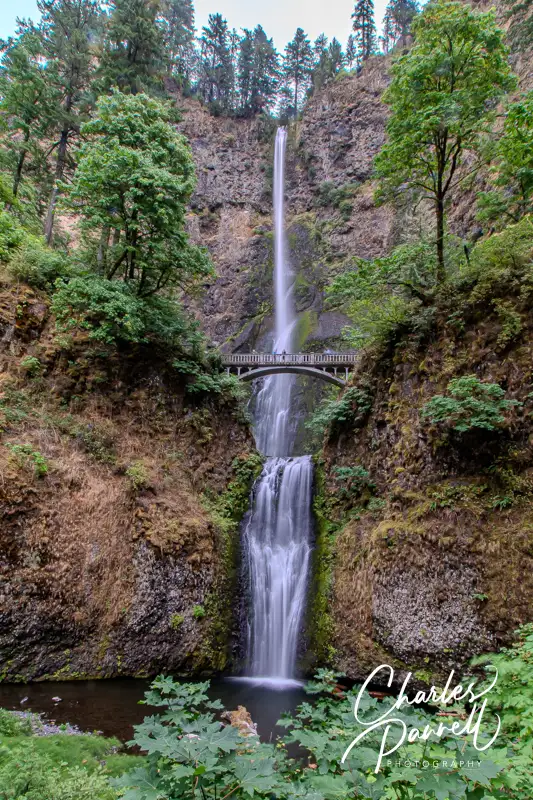
Multnomah Falls on the Columbia River Highway Waterfall Corridor
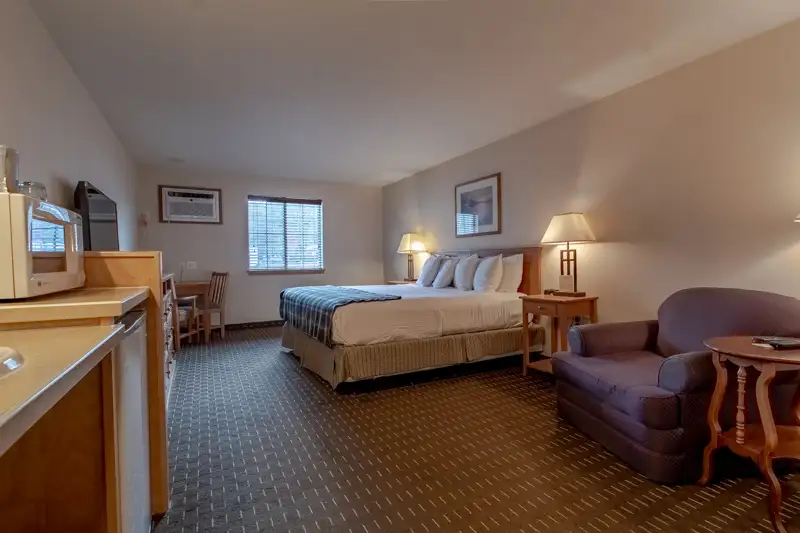
Of course, with all the things to see and do in the area, it’s best to spend a night or two. And in that respect, Cousins’ Country Inn (cousinscountryinn.com) is a comfortable and accessible choice.
There’s an accessible drop-off area in front of the office, with level access to the front desk, and the adjacent restaurant. From there, it’s just a short drive to accessible room 149. There’s accessible parking in front, with level access over to the front door.
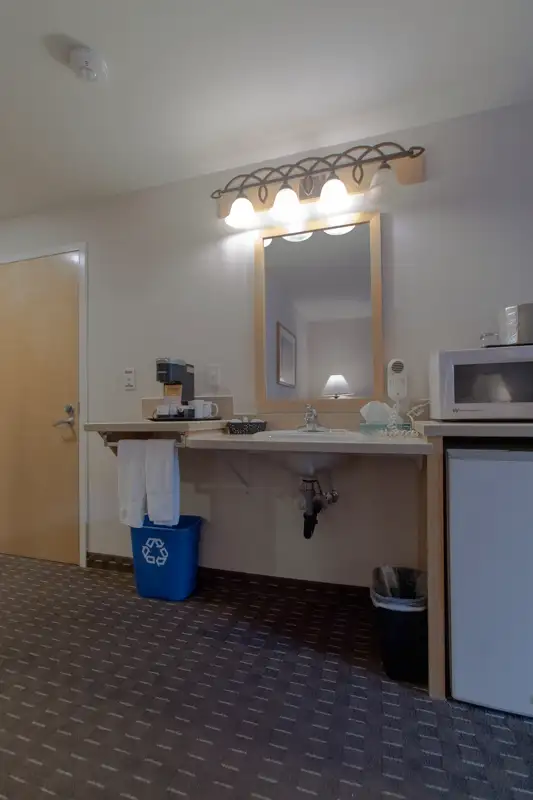
Access features in the room include wide doorways, lever handles, a lowered closet rod and low-pile carpet for easy rolling. It’s furnished with a 27-inch high king-sized platform bed with wheelchair access on both sides, two nightstands, a chest of drawers, an easy chair and a dining table with two chairs. And even with all that furniture, there’s still plenty of room to maneuver a wheelchair. The room also has a refrigerator and a microwave, and there’s a roll-under sink in the main room, next to the bathroom.
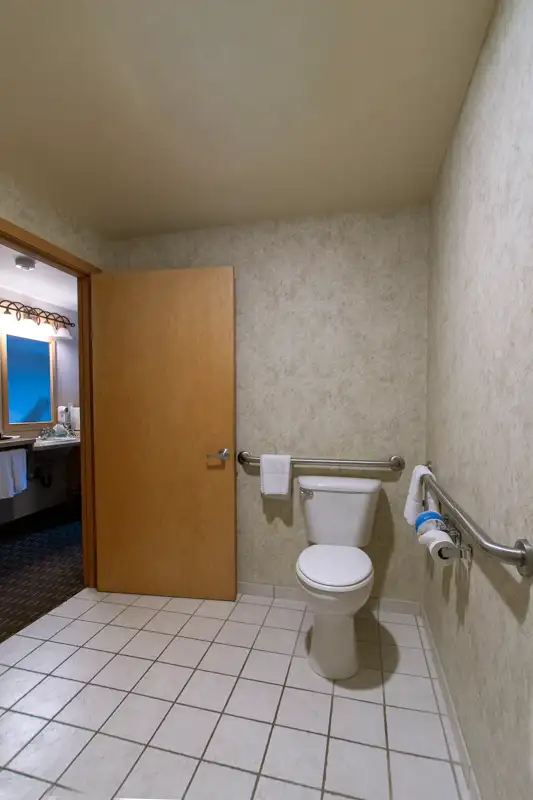
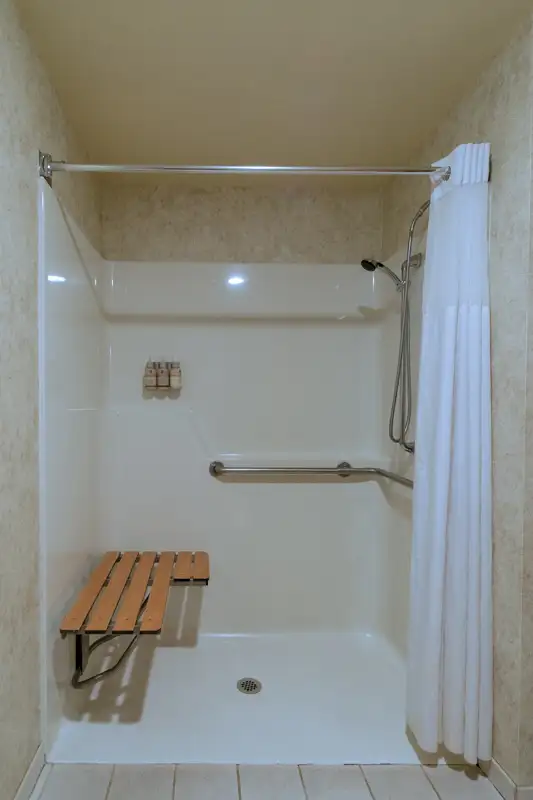
The bathroom has a full five-foot turning radius and is equipped with a roll-in shower with grab bars, a hand-held showerhead and a fold-down shower bench. Top it off with a toilet with grab bars on the back and left walls (as seated) and you have a very functional and accessible bathroom.
Overnight guests also get a discount on breakfast at Cousins’ Restaurant, which is located off the lobby. All in all, Cousins’ Country Inn is an affordable and accessible lodging choice.
(click for larger image)
Room 149
Toilet in Room 149
Shower in Room 149
Vanity in Room 149
Barrier-Free Travel California National Parks Road Trips Travel Ideas for Wheelchair-users and Slow Walkers
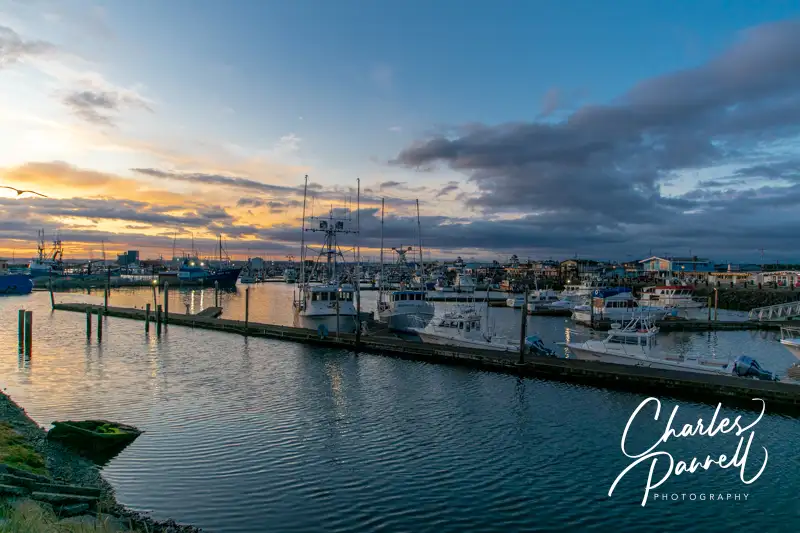
Marina Sunrise viewed from Westport Marina Cottages
Westport is the quintessential Pacific Northwest fishing village. Located 130 miles southwest of Seattle, it sports a one-lane main drag that’s dominated by the marina and dotted with a chowder house, a donut shack, a few souvenir shops, several fishing charter companies and the requisite local pub. With a population of only 2,300 it’s a laid back spot to escape, recharge and relax.
Of course, this quaint fishing village also has its fair share of must-see attractions, including some scenic trails, a historic lighthouse and a gaggle of picturesque ocean views. And although at first glance this out-of-the-way locale may not appear to be an ideal choice for wheelchair-users and slow walkers, a deeper dig reveals a number of accessible haunts. So pack the car and head over to the coast for a relaxing wheelchair-accessible Westport getaway.
Stroll along the Shore
View from the Lower Level of the Westport Viewing Platform
The Westport Light Trail and Viewing Station, which borders on Half Moon Bay and the Pacific Ocean, is a good first stop. There are several spots to access the 2.4-mile wheelchair accessible oceanside trail, but the viewing station is located at the intersection of Westhaven Drive and Neddie Rose Drive near the marina.
Part of Westport Light State Park (parks.wa.gov/find-parks/state-parks/westport-light-state-park), the viewing area offers accessible parking in front, with barrier-free access to the lighthouse-like viewing platform. There’s ramped access up to the first level of the viewing station, but only stairs to the upper levels. Still you can get a nice ocean view from the first level. And if you’d like to stop for lunch, there are some picnic tables on a level grassy area near the viewing station that also have a good ocean view.
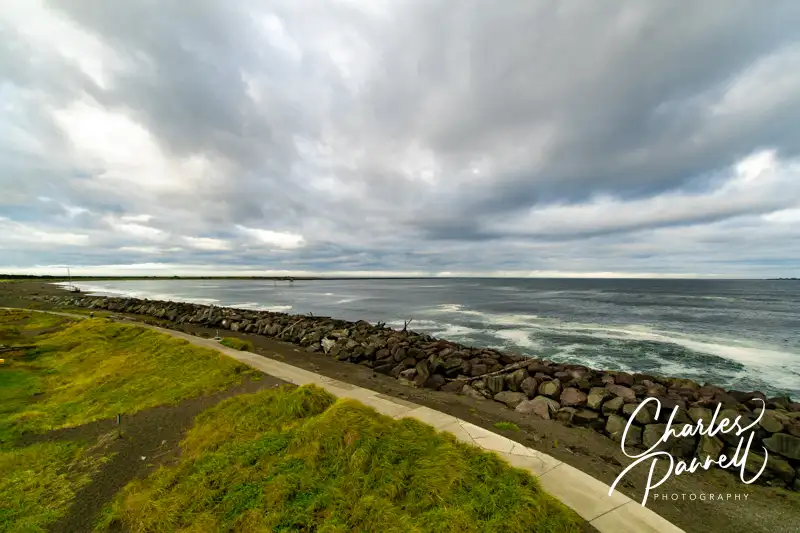
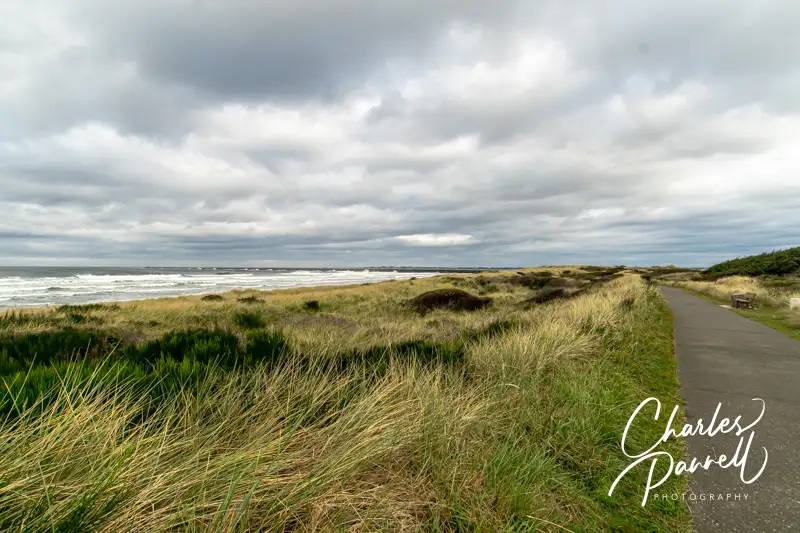
The viewing station also marks the north end of the Westport Light Trail, which winds along the beach and offers some more great views. This paved trail is wide and level, and it’s sheltered from the waves, but you can still see the breakers crash into the rocks. The whole length of the trail is wheelchair-accessible, but you can do as little or as much of it as you like.
You can also access the Westport Light Trail from two places along Jetty Haul Road. The Half Moon Bay Parking Area is located about .6 mile down the trail. There’s an accessible parking space there, with level access to the trail. Down the road another .6 miles in the Westhaven Parking Area, which is slightly more developed. There’s accessible parking with level access over to the accessible restrooms, and an accessible picnic table on a cement pad nearby. And of course, there’s level access to the Westport Light Trail.
The Historic Lighthouse
Grays Harbor Lighthouse
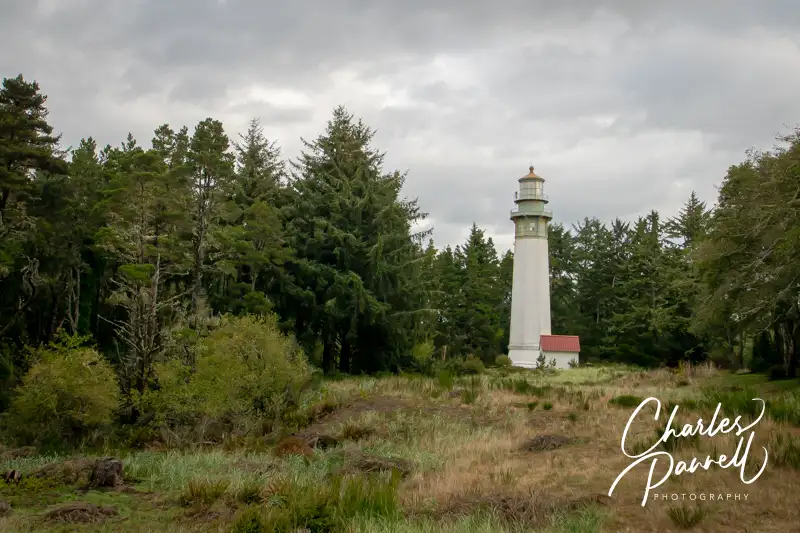
No trip to Westport is complete without a stop at the historic Grays Harbor Lighthouse. If you’re up for a hike, you can continue on along the Westport Light Trail for another 1.2 miles until you hit the terminus at the parking lot on Ocean Avenue. From there, just follow Ocean Avenue for another .4 mile to the lighthouse — you can’t miss it.
If, on the other hand, you’d prefer to drive, there are numerous parallel parking spots near the lighthouse along Ocean Avenue. From there it’s just a short roll to the lighthouse viewing platform. There’s a level cement pathway, with barrier-free access over to the platform, which offers an excellent view of the lighthouse.
If you’d like to get closer there’s a short dirt pathway over to the lighthouse, however it’s got a few ruts and bumps and after a rain it’s a muddy mess. Alternatively you can borrow a track chair from David’s Chair (davidschair.org/request-fixed-location-chair/). These heavy duty chairs have tank tracks for tires, and will easily navigate around the lighthouse area. Plan ahead though, as reservations must be made at least seven days in advance and the track chairs are not available every day.
Westport Light Trail ffrom the South Trailhead
And of course you can also access the south trailhead of the Westport Light Trail from the parking lot at the end of Ocean Avenue. There’s accessible parking near the accessible restrooms, with trail access just to the left of the parking area. Even if you already took a stroll on the north section of the trail, it’s still worth look here for more great ocean views.
Another Ocean Stroll
Trail at Bottle Beach State Park
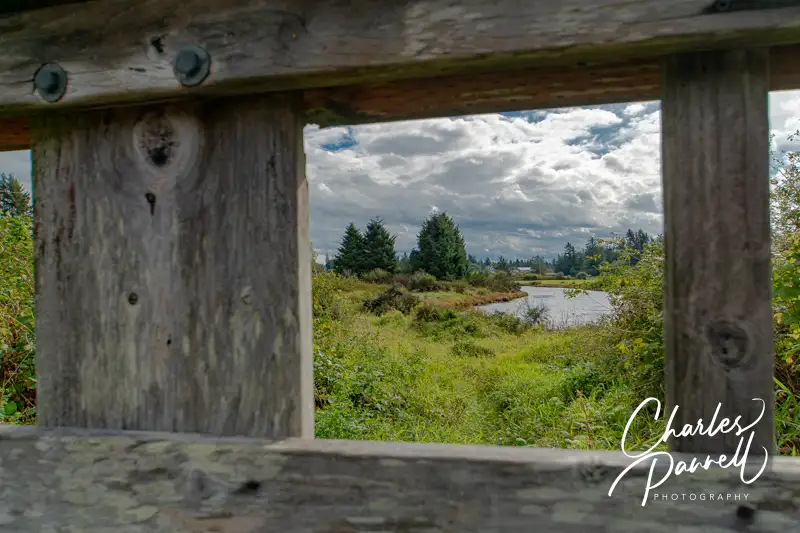
Bottle Beach State Park (parks.wa.gov/find-parks/state-parks/bottle-beach-state-park) is also worth a stop while you are in the Westport area. It’s just a short drive down Highway 105, about eight miles east of Westport. And it’s easy to find too, as it located right off the highway.
There’s accessible parking near the accessible vault toilet, and level access over to the .7-mile trail. The trail begins as a boardwalk through the wetlands, which was formerly the site of the boomtown of Ocosto. Originally the railroad terminus, the town later failed and subsequently became known as Bottle Beach, because of the trash left behind by the residents. Today, there’s nary a trace of the old town; however this site is an excellent birding venue. Be on the lookout for chickadees, warblers, wrens, woodpeckers and finches as you make your way along the trail.
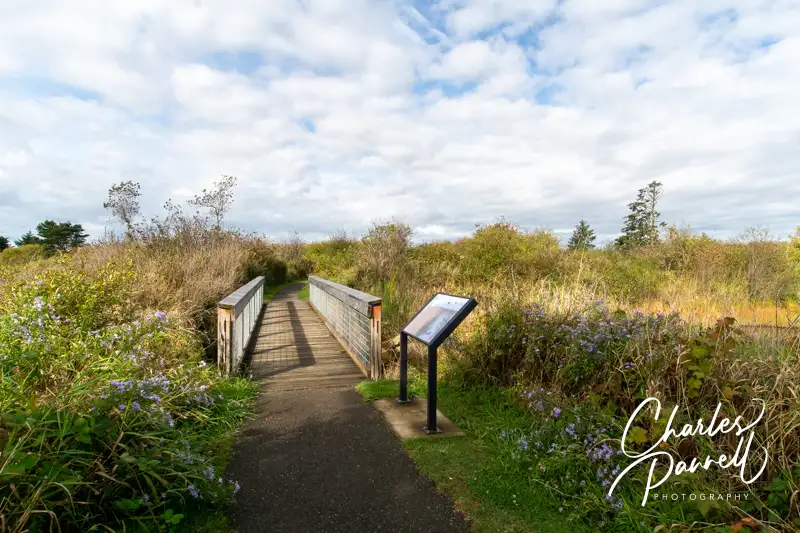
After the boardwalk ends, make a right turn and continue on the paved trail to the beach. The trail crosses a bridge, which is also a good place to spot the avian residents. When you reach the beach, make another right to continue on the hard-packed dirt trail through the wetlands. Along the way, you’ll find benches and interpretive plaques, as well as an accessible viewing blind over the marsh.
There’s also a nice ocean view along the way. At the end of the trail is another blind, with benches to sit and take a break. There’s a good view of the beach from the blind, so be on the look for peregrine falcons who like to hunt along the shoreline. This short trail makes for a pleasant stroll, and it’s a must-do for birders.
Viewing Blind at the End of the Trail
Camping Cabins at the Beach
Located about four miles south of Westport, Twin Harbors State Park (parks.wa.gov/find-parks/state-parks/twin-harbors-state-park) offers a nice picnic area as well as some wheelchair-accessible camping cabins and a yurt. It’s a nice spot for an alfresco lunch, or the perfect place to bed down for a few nights.
If you’d like to enjoy a picnic there is a small picnic area off of Schafer Road. There’s accessible parking in the lot and level access over to several accessible picnic tables on cement pads. And there’s also an accessible restroom nearby.
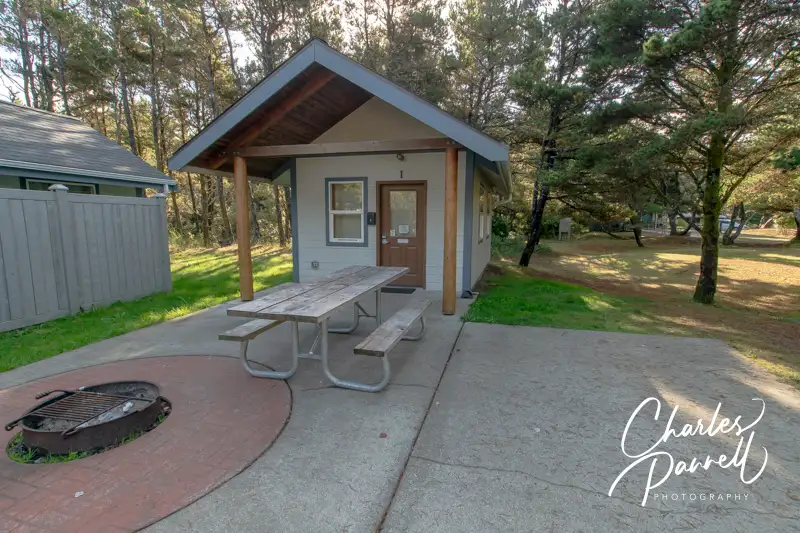
Loop A of the campground, which is located off of Highway 105, offers a few accessible overnight options that don’t involve pitching a tent. At the top of the list are five wheelchair-accessible camping cabins. Each cabin includes a level entrance and good maneuvering space, and is furnished with a queen-sized futon, a bunk bed with a single on top and a double on the the bottom, a table with four chairs and and end table. The cabins also include a heater, and outside they each have an accessible picnic table and a fire grill. They also all have a nice front porch.
Cabin 1 at Twin Harbors State Park
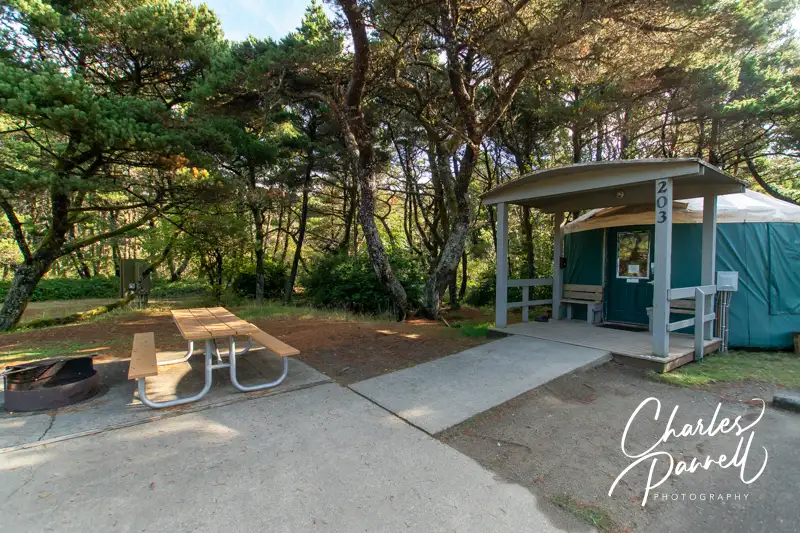
Yurt 203 is also a wheelchair-accessible choice. It has level access and is furnished with a queen-sized futon, and a bunk with a double on top and a twin on the bottom. And like the cabins it also has an accessible table and grill in front. Additionally, there’s a nearby concrete pad with a hookup for a RV that can be reserved for an extra fee.
Yurt 203 at Twin Harbors State Park
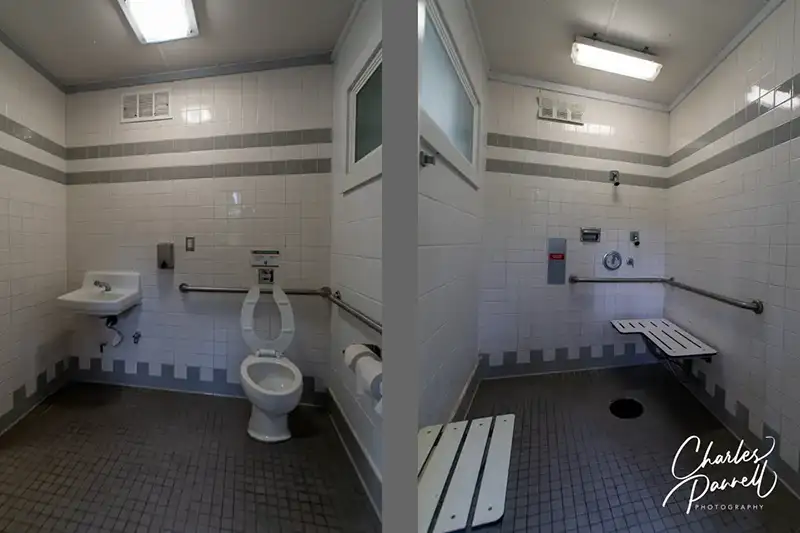
Top it off with an accessible shower house with a toilet with grab bars and a roll-in shower with a fold-down shower bench, a lowered showerhead and grab bars, and you have all the comforts of home.
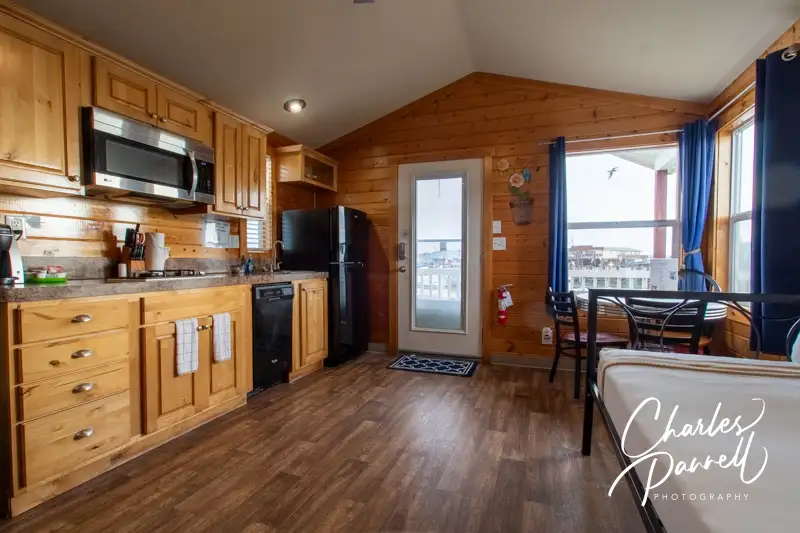
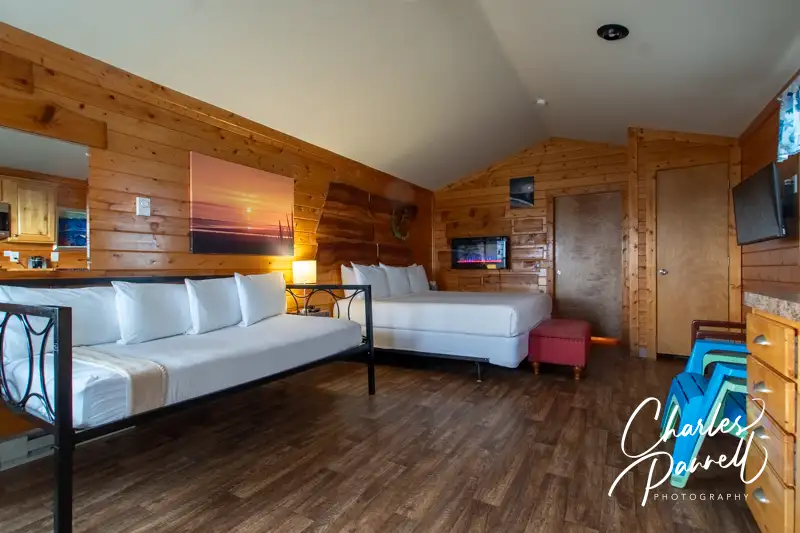
This comfy cottage (#1) features ramp access, wide doorways and good maneuvering space. The main room is furnished with a 25-inch high open-frame bed with wheelchair access on the right side (which can be moved a tad for left side access), a 20-inch high twin daybed, two side tables, and a comfy electric fireplace. There’s a dining table by the front window with a perfect marina view, and a full kitchen including a stove microwave, refrigerator and a dishwasher. Add in all the dishes and utensils you could possibly need, and you’re all set.
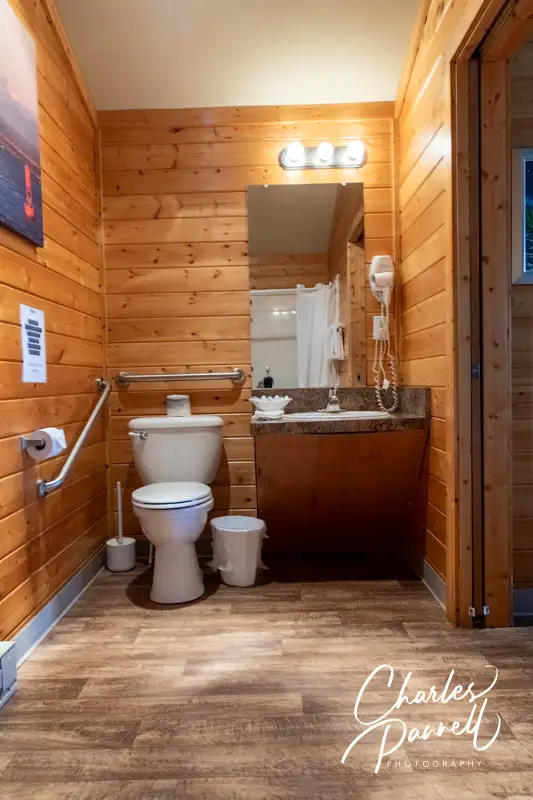
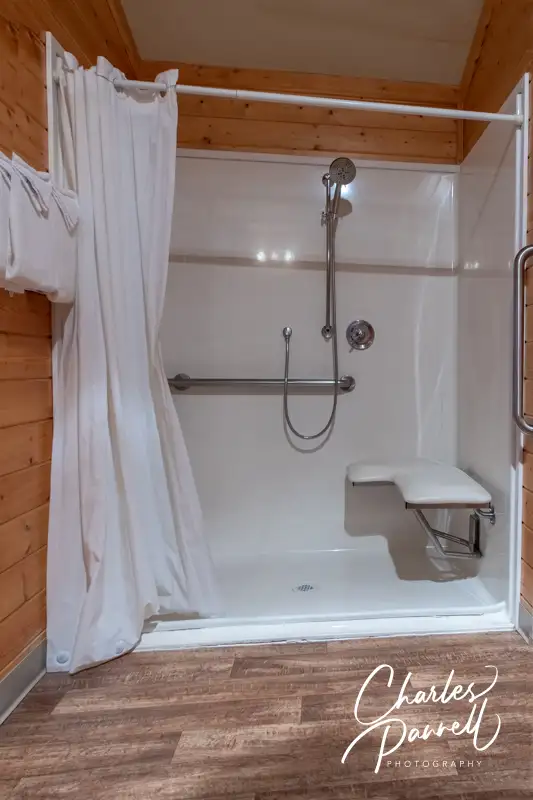
There’s a wide sliding door to the roomy bathroom, which has a full five-foot turning radius. It’s outfitted with a large roll-in shower with grab bars, a hand-held showerhead and a fold-down shower bench. Add in a toilet with grab bars on the the back and right walls (as seated) and also a roll-under sink with a lowered mirror, and you have a nicely accessible bathroom.
There are also two deck chairs that you can take outside to enjoy the marina view. And it’s a fabulous view, with fisherman filing in every morning, and then returning in the late afternoon. Add in a dog or two to assist them, and a few fish jumping out of the water and you have the quintessential waterfront view. It’s the perfect spot to relax at the end of the day, or to enjoy your coffee in the morning. With all the comforts of home, this wheelchair-accessible cottage is an ideal choice for a comfortable and accessible Westport getaway.
Westport Marina Cottages (#1)
Kitchen Area in Cottage 1
Kitchen Area in Cottage 1
Living Space and Bedroom in Cottage 1
Living Space and Bedroom in Cottage 1
Sink and Toilet in Cottage 1
Sink and Toilet in Cottage 1
Shower in Cottage 1
Shower in Cottage 1
Barrier-Free Travel Washington National Parks for Wheelers and Slow Walkers
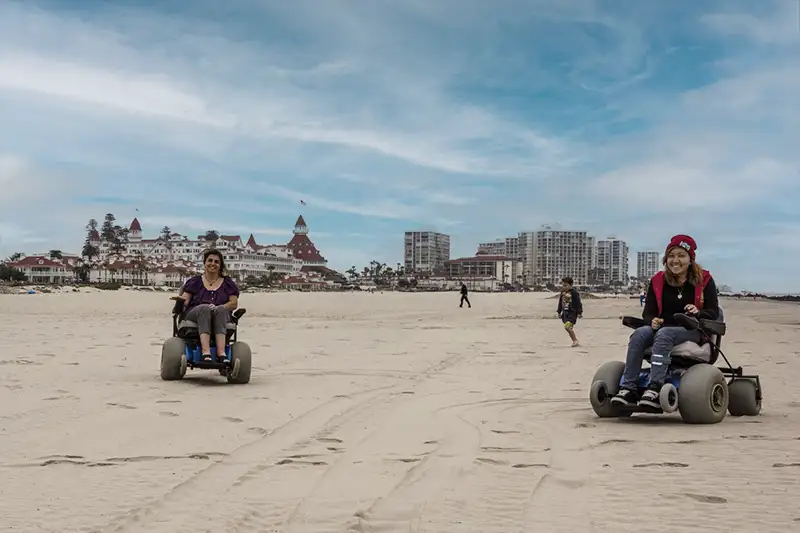
Power beach wheelchairs at Coronado Beach in San Diego, California
If a trip to a California beach is in your future, then check out this list of loaner California beach wheelchairs at www.coastal.ca.gov/access/beach-wheelchairs.html#text. Compliments of the California Coastal Commission. the list is organized by county, and it contains contact information and some brief details about the wheelchairs available. Although there’s no charge to borrow the beach wheelchairs, customers are usually asked to leave a drivers license as a deposit. The beach wheelchairs are most commonly found at life guard stands or at entrance kiosks. As always, it’s best to call in advance, just to make sure you don’t need to make advance arrangements, especially on busy holiday weekends.
Barrier-Free Travel California National Parks Road Trips Travel Ideas for Wheelchair-users and Slow Walkers
Trails Without Limits in Westchester County, New York allows slow walkers and wheelchair-users to explore the county parks on guided track chair hikes. The program runs from March to November and the venue changes each month. Volunteers lead participants on a one to two-mile guided hike through one of the scenic county parks. The track chair allows users to easily wheel over rough terrain and other obstacles that would be impassable in a standard wheelchair.
There’s no charge for the hikes, but participants must complete a registration form online at www.thewpf.org/trailswithoutlimits. Family and friends are also invited to attend. It’s important to note that the staff and volunteers who lead the hikes are not allowed to help with transfers; so if you cannot transfer to the track chair independently, you must provide your own assistance. And if you’d prefer to cycle though the parks, Trails Without Limits also offers bicycle rides with handcycles. Either option is a great way to get out and enjoy the Westchester County Parks.
Barrier-Free Travel National Park Lodges for Wheelchair-users and Slow Walkers
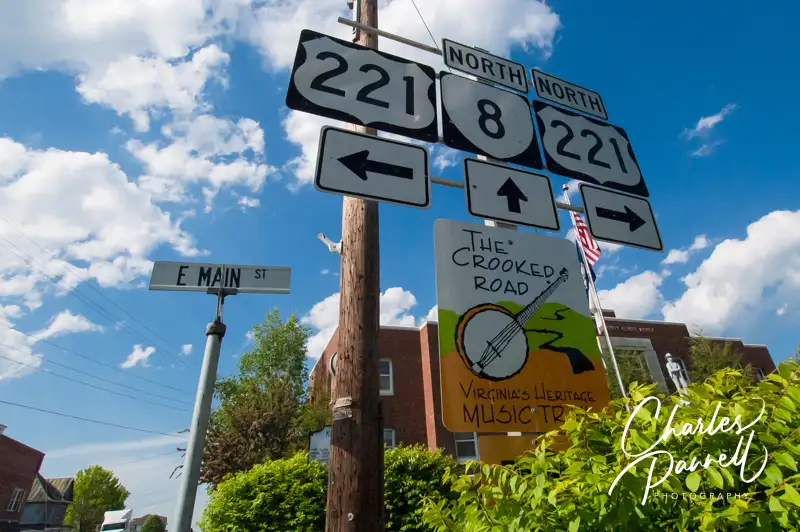
Located in Southwest Virginia, the Crooked Road (thecrookedroadva.com) is more than just a driving route. This 330-mile heritage music trail winds through the Appalachian Mountains and connects major music venues and heritage sites which highlight the traditional music of the region. Along the way you’ll find stage shows, outdoor concerts, festivals and jam sessions.
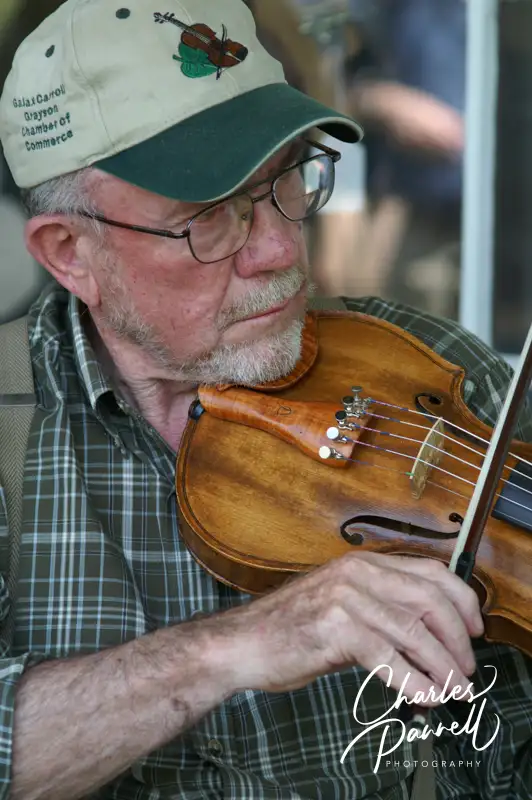
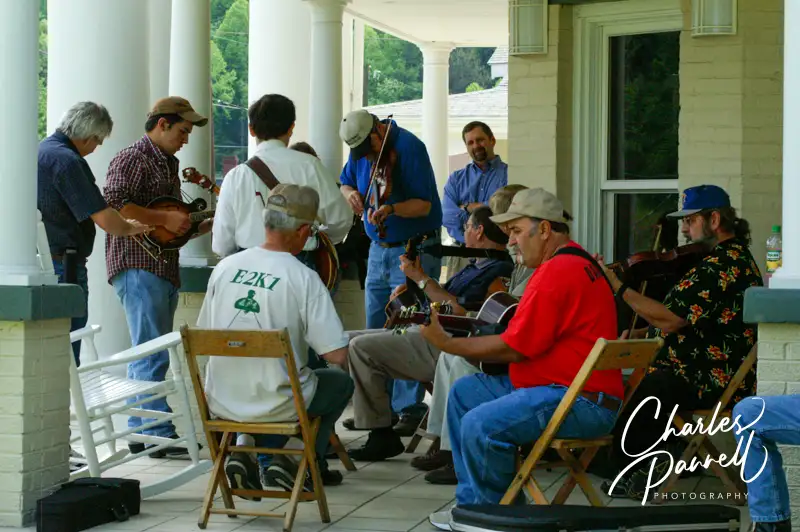
Fiddler on The Pickin’ Porch
That said, the music is only half the draw. As one local banjo player noted, “Music is a living tradition here. It evolves as people evolve. Folks come here to experience this living heritage and to meet the people involved in it.” So in the end, the Crooked Road is just as much about the people as it is about the music. And not only is it a great spot to hop off-the-beaten-path and experience some local culture, but it also boasts a number of wheelchair-accessible sites.
A Great Road Trip!
Although you can hop on the Crooked Road just about anywhere along the route, a good starting point is at its eastern terminus – Rocky Mount. And it’s conveniently located just 25 miles south of Roanoke. From there, just take VA 40 west towards Ferrum and follow the Crooked Road signs. Not only is this the easiest access point, but Ferrum makes a great first stop; as the Blue Ridge Institute and Museum (www.ferrum.edu/brim/home) offers a good overview on the regional heritage.
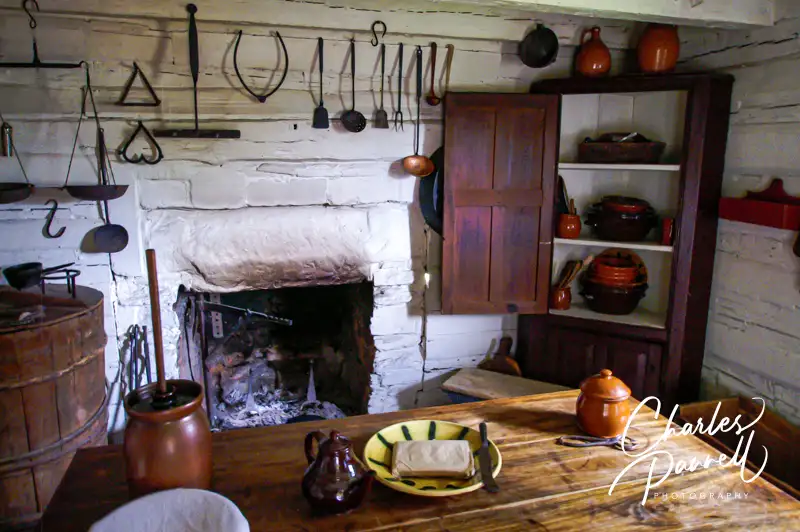
Blue Ridge Institute Heritage Farm Museum
Located on the campus of Ferrum College, the Blue Ridge Institute and Museum features indoor gallery space plus an outdoor heritage farm museum. The gallery space hosts exhibitions which highlight the people and heritage of the region. There is level access to the museum, barrier-free access throughout the exhibits, and plenty of accessible parking outside.
Save some time to look around the Farm Museum, which is located just across the street There are level dirt and gravel pathways throughout this open-air farmstead, with ramps up to the barns and a few steps up into the farmhouse. The pathways are doable for most people in dry weather; and even though you can’t access every display, you can still get a good feel for what Virginia farm life was like back in 1800.
And don’t miss the Blue Ridge Folk Life Festival, held at the Blue Ridge Institute on the fourth Saturday in October. This annual event is billed as the largest celebration of Virginia’s folkways and includes live music, old time food, a quilt show, a moonshiners’ storytelling stage, coon dog contests and a mule jumping contest. It’s a great way to really experience the heritage of the area.
Friday Night at the Rex
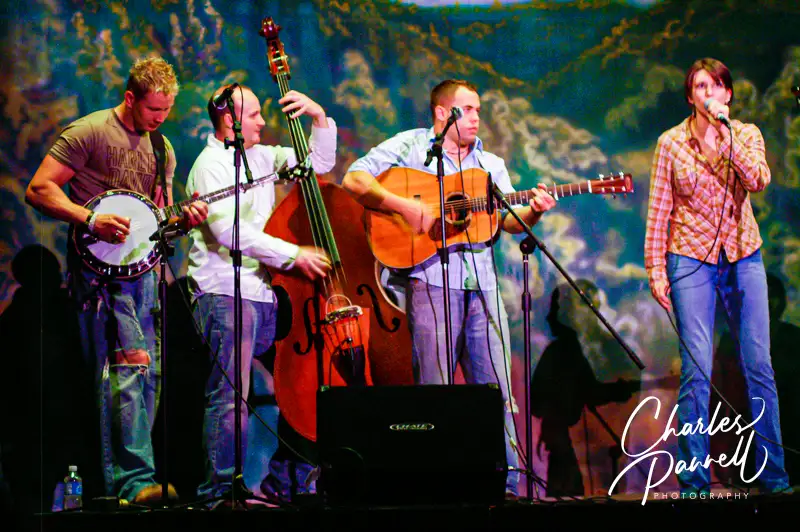
No Speed Limit Playing at the Rex Theater
Located about 60 miles east of Ferrum, Galax is another must-stop; more specifically it’s a must-stop on a Friday night. Galax is known as the world’s capital of old time mountain music, and on Friday nights everyone heads over to the historic Rex Theater (www.rex.theater) for the weekly installment of Blueridge Backroads Live.
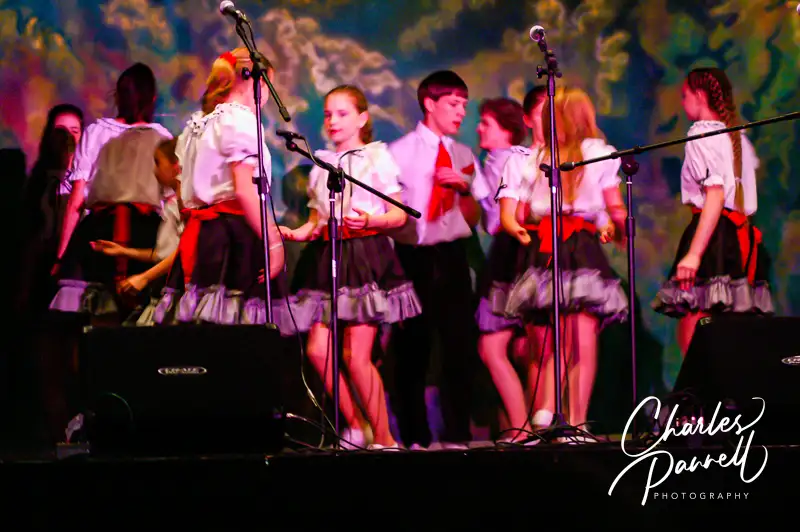
School Children Clogging at the Rex Theater
This entertaining radio show features local musicians, and is broadcast live on WBRF 98.1. It’s kind of the Crooked Road version of the Grand Old Opry. The show features fiddle, mandolin, acoustic guitar, autoharp and banjo music along with local dancers. The wheelchair access at the Rex is good too, as even though the theater was built in 1938, it features level access, an accessible unisex family restroom in the lobby, and wheelchair seating. Even better – tickets for the accessible seats can be purchased online.
Birthplace of Country Music
Bristol, which is located just 115 miles west of Galax, is a required stop on any Crooked Road itinerary. Known as the Birthplace of Country Music, it’s where Victor Talking Machine talent scout, Ralph Peer made recordings of local artists like Jimmie Rodgers and the Carter Family in 1927. And with those recordings (known as the Bristol Sessions), he introduced the world to the music of Appalachia.
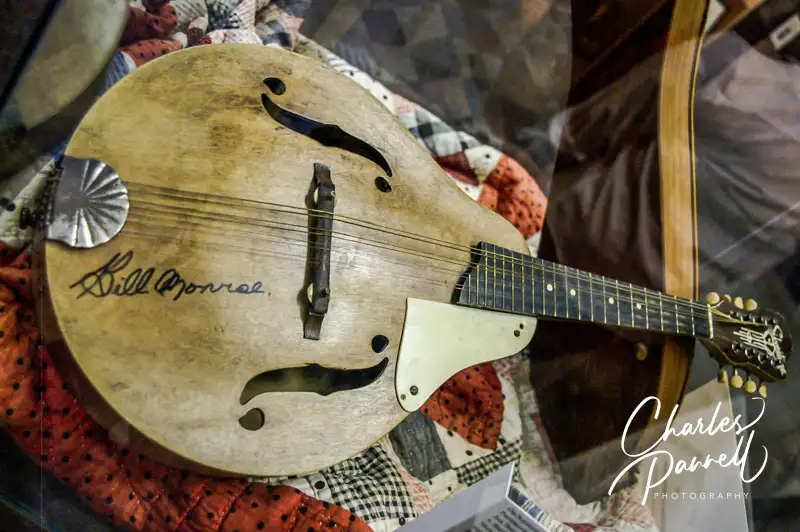
Bill Monroe’s Mandolin at the Birthplace of Country Music Alliance Museum
Today, Bristol’s Birthplace of Country Music Alliance Museum (birthplaceofcountrymusic.org) focuses on the history of country music, with emphasis on the period after the Bristol Sessions. This unique museum contains exhibits about the roots of country music and the musicians that helped shape the genre, including an extensive exhibit about Tennessee Ernie Ford, Bristol’s native son. It’s a good primer on the music, and it helps put the whole Crooked Road experience in the proper perspective. Access is excellent throughout the museum, with a level entrance and barrier-free access to all the exhibits.
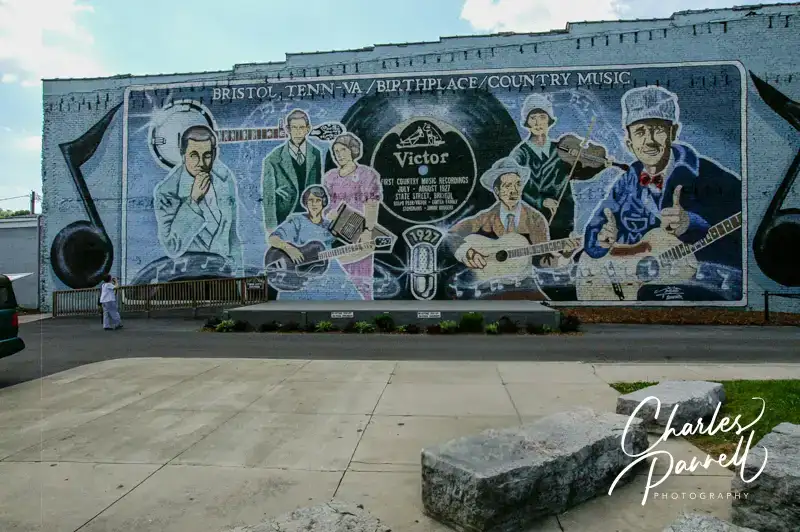
The Bristol Mural
There’s plenty of live music to be had in Bristol too, with weekly concerts at the Birthplace of Country Music Mural. And as far as access goes, there is good wheelchair-access to the seating area at the mural.
White Top Mountain at The Carter Family Fold
Then on Saturday night, be sure and head to the Carter Family Fold (carterfamilyfold.org), which is located in Hiltons, about 20 minutes from Bristol. The AP and Sara Carter homestead is home to a long standing weekly concert, where only acoustic instruments are allowed and no alcohol is served. There’s accessible parking near the entrance and accessible seating up front. It’s truly a Crooked Road highlight.
A Man And His Music
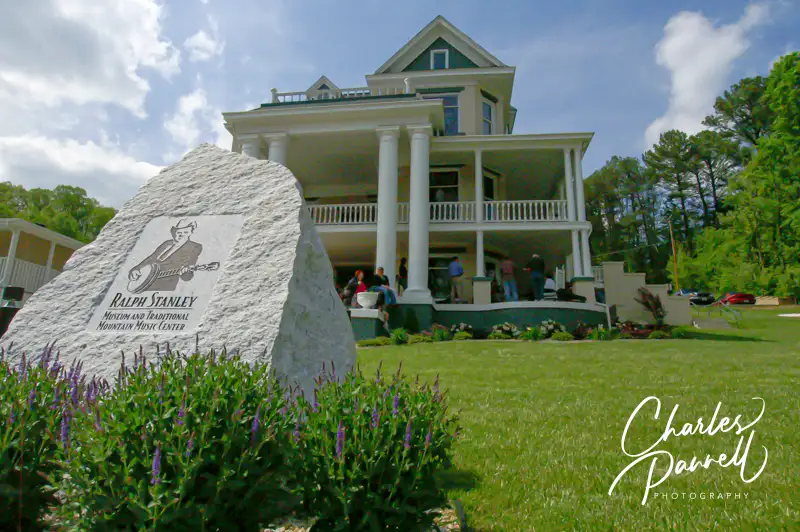
Ralph Stanley Museum
No Crooked Road trip is complete with out a visit to the Ralph Stanley Museum (ralphstanleymuseum.com) located in Clintwood, near the western terminus of the route. Also known as the “Man of Constant Sorrow”, Ralph achieved national fame when he recorded the soundtrack for O Brother Where Art Thou.
Although stairs grace the front entrance of the museum, there is level access in back, near the accessible parking. Inside there’s elevator access to all floors, accessible restrooms, and barrier-free access to all the exhibits. The museum gives a good history of Ralph Stanley and traditional mountain music through interactive displays, audio and video clips and personal memorabilia.
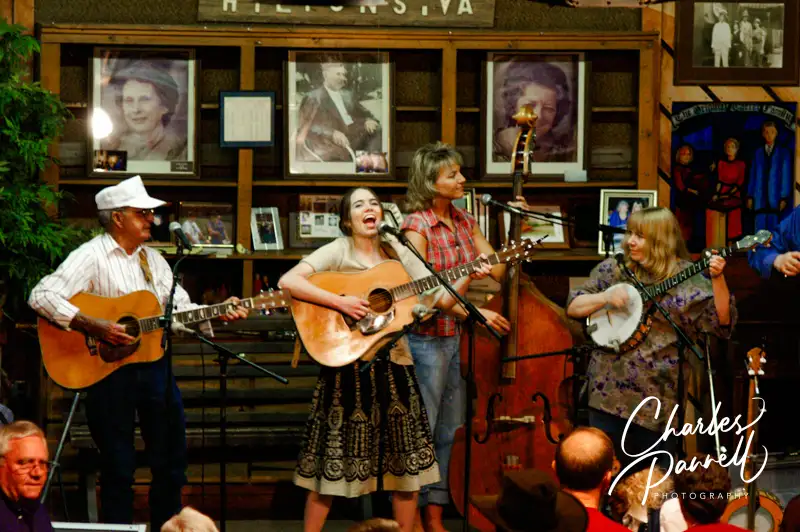
Local Musicians Jamming at the Ralph Stanley Museum
But the exhibits are only half the draw of the museum. Save some time to sit a spell on the front porch and listen to the locals jam. Either way, it’s well worth the trip and the perfect way to end this Virginia road trip.
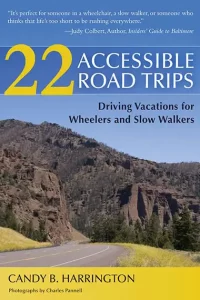
Barrier-Free Travel 22 Accessible Road Trips Driving Vacations for Wheelers and Slow Walkers
“Shapes” balloons at the Albuquerque Balloon Fiesta
Slated to run from October 3-11, 2026, the 54th Albuquerque Balloon Fiesta (balloonfiesta.com) will feature morning skies dotted with colorful balloons, special shaped balloon rodeos and evening balloon glows. Add in some fun exhibits, flavorful food and a variety of vendors and you have all the ingredients for a fun-filled event. And the good news is, access hasn’t been overlooked at the Fiesta; in fact organizers have gone above and beyond to make sure that wheelchair-users and slow walkers can enjoy this colorful event.
The Basics
The Albuquerque Balloon Fiesta takes place in Balloon Fiesta Park, which is located close to Interstate 25 in the northern part of the city. That said, allow plenty of extra travel time, as traffic congestion is the norm in this area during Fiesta time.
General admission tickets are available on the Balloon Fiesta website or on site. A general admission ticket is good for admission to one session — morning or evening — on any day of the Fiesta. Accessible parking is available for $20 per session, and it is available on a first-come first-serve basis. Accessible parking is available in the Green, Blue, Turquoise, Brown and Yellow lots. Free accessible shuttles are also available from these lots to the entrance.
If you have an accessible parking placard, you can request a free reflective one, so the attendants can easily see you and direct you to the accessible parking section. To obtain one, send a copy of your placard to:
AIBF 4401 Alameda NE Albuquerque, NM 87113 ATTN: ADA Placard Request
You can also request a reflective placard by e-mailing a copy of your placard to balloons@balloonfiesta.com, with “ADA Placard Request” in the subject line. Reflective placards are mailed out in late August.
Park and Ride
If you’d prefer to dodge the traffic, then take a Park and Ride bus from one of four remote lots. The busses are wheelchair-accessible but they cannot accommodate scooters. Tickets can be purchased at balloonfiesta.com/Park-Ride, and they also include general admission to the Fiesta. Park and Ride Shuttle tickets are not available at the parking lots, so plan ahead to avoid disappointment. If you encounter problems purchasing your tickets online, call 505-227-8737 for assistance.
There are four Park and Ride locations.
Hoffmantown Church 8888 Harper Road NE Park in the northeast lot only.
Cottonwood Mall 10000 Coors Bypass NW Park in the northeast parking lot near Seven Bar Loop and Coors Bypass NW.
Coronado Center 6600 Menaul Blvd. NE Park at the southwest corner near San Pedro Dr. and Uptown Blvd.
Intel 1600 Rio Rancho Dr. SE, Rio Rancho, NM Park in the southeast lot only. This route only runs on weekends. Park in the northeast lot.
The Park and Ride buses run from Thursday to Sunday during the morning and evening events. Morning service begins from the remote lots at 4:00 a.m. and ends at 7:00 a.m. Service from Balloon Fiesta Park to the remote lots begins at 8:00 a.m. and ends at 11:00, with straggler buses following until 11:30.
Evening service from the remote lots runs from 3:00 p.m. to 6:00 p.m., with return service from 7:00 p.m. to 9:30 p.m., and straggler buses following until 10:00 p.m.
VIP Packages
Although there’s certainly adequate access to the Fiesta grounds; if you have problems with crowds, you might want to consider one of the VIP packages. For an extra fee, you’ll be able to sit or stand in a private viewing area, and enjoy a few other extra perks. If you have problems standing for long periods of time, or find it difficult to navigate through crowds, this might be just the ticket for you.
The Gondola Club offers barrier-free access to a private viewing area with outdoor seating and a good view of the field. Private accessible restrooms and VIP parking are also included. Additionally, patrons are treated to a breakfast or dinner buffet and an open bar, and they also receive a Gondola Club lapel pin and a special souvenir gift.
Alternatively, you can choose the the Chasers’ Club, which features guaranteed seating in a private patio next to the landing field. Patrons also have access to private accessible restrooms. Food and non-alcoholic beverages are included in the package, with alcoholic beverages available for purchase in the adjacent Chase Lounge. And like the Gondola Club, it’s completely barrier-free.
Last, but not least, the Albuquerque Balloon Museum Foundation, offers a fully catered breakfast or dinner and a spectacular view of the Mass Ascension or Balloon Glow from the museum balcony. There is elevator access to the observation deck, and accessible indoor restrooms are available to patrons. For more information, visit www.balloonmuseum.com.
In the end, no matter what package you pick at the Albuquerque Balloon Fiesta, you’ll be treated to a great show. But make plans early, as some of the more popular packages have been known to sell out.
Balloons Galore
Mass Ascension
Each day brings a different schedule to the Albuquerque Balloon Fiesta, but no matter when you visit, there are a few must-sees. On most days the Fiesta is divided into a morning session and an evening session, with a break in the action mid-day. The morning sessions usually start around 6:00 am, while the evening ones begin twelve hours later. It should also be noted that some mid-week days lack an evening session.
Make plans to see at least one mass ascension. They usually begin around 6:30 a.m., but get there early as traffic is very heavy, especially on the weekends. During this time hundreds of colorful balloons take to sky in two waves. It’s really a site to behold and a great photo opportunity. Although you can see the ascensions from many places around Albuquerque, there’s really nothing quite like seeing it from Balloon Fiesta Park.
The grassy area which serves as the launch field is level and easy to walk or roll over, and there is an asphalt pathway along the border. Alternatively, wheelchairs and scooters are available for rent on a limited basis near the information booth.
Shapes Balloons
The special shapes rodeo is also a must-see. This morning event began in 1989 and it’s now the most popular event at the Fiesta. You’ll see everything from enchanted castles and dragons to bumble bees, cows and even a scuba diver.
Balloon Glow
The evening sessions are largely devoted to balloon glows, where the pilots inflate the balloons, but do not launch them. Seeing the balloons glow en mass, is only topped by the spectacular afterglow fireworks show presented at the end of the evening.
End of the Day Fireworks Show
The Extras
There’s more to the Albuquerque Balloon Fiesta than the colorful balloons. For starters, there’s the food. Most of the food vendors are located along Main Street, which features level access and plenty of room to navigate a wheelchair. Food choices include everything from New Mexican cuisine to fair food, with a little bit of something for everyone. ATMs are also located along Main Street, and there are plenty of accessible porta-potties throughout the park.
Main Street is also home to the merchandise vendors, which offer t-shirts, pins, calendars and other souvenirs. And don’t miss the chainsaw carvers booth, which is located at the north end of Main Street. The Balloon Discovery Center, which is also located at the north end of Main Street, offers visitors a good primer on the sport of ballooning, with lots of hands-on activities. And don’t forget to stop by the Main Street Stage, which is located near the center of Main Street, to enjoy a wide variety of musical entertainment,
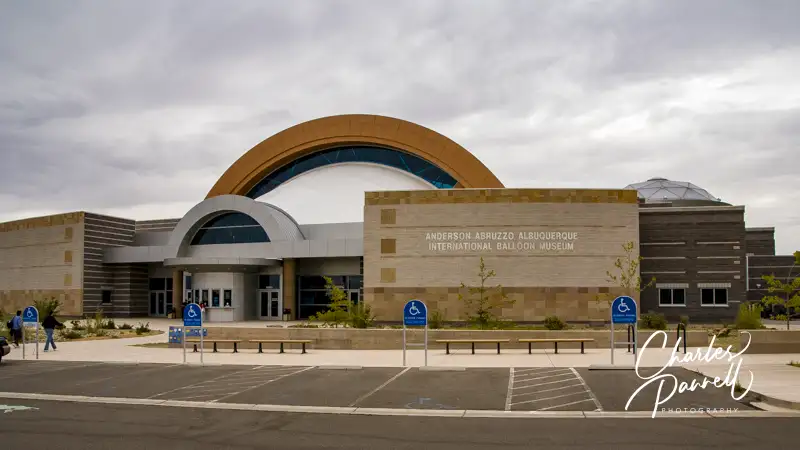
Finally save time for a visit to the Balloon Museum (balloonmuseum.com). Located next door to Balloon Fiesta Park, this fun and educational museum features accessible parking, loaner wheelchairs, level access to the building and elevator access to all levels. And it’s filled with exhibits about everything from weather balloons to airship models, videos, balloon equipment and even balloon pins. It’s the perfect way to top off your Albuquerque Balloon Fiesta experience.
International Balloon Museum in Albuquerque, New Mexico
Barrier-Free Travel Utah National Parks for Wheelchair-users and Slow Walkers
California is home to numerous Giant Sequoia groves. That said, some are more tranquil than others. The good news is, it is possible to spend the night just steps from these stately giants, in a rustic wheelchair-accessible yurt at a peaceful Central California campground. Not only is this remote campground pleasantly bereft of the summertime crowds, but it’s right across the street from a wheelchair-accessible Trail of 100 Giants (www.fs.usda.gov/r05/sequoia/recreation/trail-100-giants-long-meadow-grove). So pack up the car, and get ready to enjoy this wheelchair-accessible Giant Sequoia getaway.
On the Road
Whoever said that getting there is half the fun, most likely took a road trip to the Trail of 100 Giants. The best advice is to turn off your GPS on your wheelchair-accessible Giant Sequoia adventure. It won’t do you any good and will most likely take you in the wrong direction; but more importantly, you’ll miss the scenery along the way if your eyes are glued to a screen.
From Highway 99, take exit 65 A in Earlimart, which is about a half-hour south of Visalia. Continue on through town and head east on Road 56 for about 30 miles, past Ducor, Fountain Springs and California Hot Springs. When the main road makes a sharp turn to the right just past California Hot Springs, turn left on Parker Canyon Road (M 50). If you end up in Pine Flat, turn around — you’ve missed the turn.
Continue along Parker Canyon Road for about 13 miles, but watch for livestock, as it’s open range up there. At the stop sign make a left turn on M 90 and continue along for two miles. You’ll pass the day use parking lot on the right, with access to the Trail of 100 Giants across the street. Just up the road the Redwood Meadow Campground (www.recreation.gov/camping/campgrounds/232825?q=Redwood%20Meadow) is on the right.
A Yurt in the Forest
Yurt 2 in the Redwood Meadows Campground
The Redwood Meadows Campground has just 12 campsites, but the good news is, half of them have wheelchair-accessible yurts. And although the accommodations are pretty basic, you just can’t beat the location. Additionally, you’ll never feel crowded at this small campground.
Yurt 2 is a top wheelchair-accessible choice. It’s close enough to the facilities, yet it has a lot of privacy, and there’s a beautiful picnic area behind the yurt. Parking is available in a level dirt area in front of the yurt; and although the yurt is ramped, there is a one-to-two inch lip at the head of the ramp because of erosion. That’s also the case for the other accessible yurts in this campground. Still, with a little help, it’s doable. On the plus side, the yurt has a wide doorway, a level threshold and plenty of maneuvering room.
Furnishings include a bunk with a 20-inch high double bed on the bottom and a twin bed on the top, as well as a 16-inch high queen-sized bed. There’s also a large chair in the yurt, but other than that there’s no furniture. It’s important to note that there’s no electricity in the yurt, and you’ll also need to bring your own bedding and water. Accessible vault toilets are located nearby, close to the campground entrance, with accessible parking next to them. And although they are cleaned regularly, it’s best to bring your own toilet paper as sometimes it’s in short supply.
It should also be noted that this seasonal campground in closed in the winter. It’s usually open from mid-May through October, so plan ahead to avoid disappointment.
Inside Yurt 2 in the Redwood Meadows Campground
Explore the Giant Sequoias
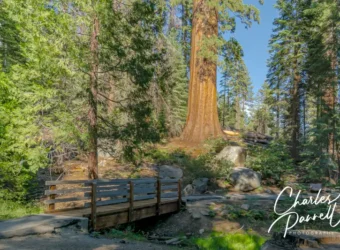
Trail of 100 Giants
From the Redwood Meadows Campground, cross the street to explore the trails in Long Meadow. This secluded grove features approximately 125 giant sequoias, the largest of which is 220 feet tall and has a diameter of 20 feet.
The trail forks off in two directions shortly after the main trailhead; and the path to the right leads to the Trail of 100 Giants. The half-mile trail is paved and has a six percent maximum grade, but it’s best to take the loop in a clockwise direction to dodge most of the uphill sections. There are interpretive signs along the way, as well as benches to sit and rest and enjoy the forest. And one of the best parts of this trail is that you can get amazingly close to the giant trees.
Once you circle back to the beginning of the loop, follow the signs to the Fallen Giants Loop to the left. At one time there was only one trail through the grove, but on September 30, 2011 two massive trees fell and blocked a portion of the existing trail. Since then an elevated boardwalk has been constructed alongside the fallen trees, which connects back to the original trail. The whole loop is just over a mile long, and it gives visitors an up-close-and-personal look at the downed trees. And although there are few a dips in the paved trail, it’s well maintained, and the bad sections are easy to dodge. It’s a nice meander through the forest, and this trail is also easy to access from the day-use parking area.
Both trails make for a beautiful summertime stroll, and although the grove is a bit hard to find, it’s definitely worth the effort.
Barrier-Free Travel Yosemite, Sequoia and Kings Canyon National Parks for Wheelchair-users and Slow Walkers
Mount Hood is a popular Oregon landmark. To locals, the appearance of this 11,249-foot high giant is a sign of nearing home; and to visitors it’s a sight to behold at first glance. You can drive up to Timberline, ski down the slopes of this active volcano, or even attempt to scale the popular mountain. On the other hand, there are also a number of accessible ways to enjoy this scenic area. So pack your bags and leave the crowds behind, as you explore these wheelchair-accessible nearby Mount Hood stops on your next Western Oregon road trip.
Trillium Lake
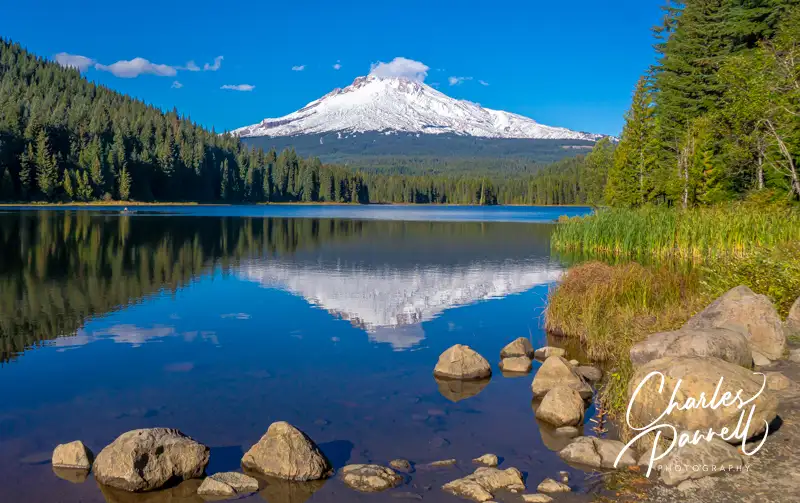
Mount Hood Viewed from the Dam at Trillum Lake
At the top of the list is Trillium Lake, which is a 10 minute drive south of Government Camp off of Highway 26. You’ll need a Northwest Forest Pass (www.fs.usda.gov/r06/passes) to access this site, or you can pay the $10 day-use fee. National parks passes are not accepted.
Before you settle in for a walk on the improved boardwalk system, take some time to drive to the dam for an unforgettable Mount Hood view. There’s accessible parking near the dam, and level access over to a great Mount Hood viewpoint. And although the Trillium Lake Trail lake passes through this area, this section is rocky and bumpy, and not really a good choice for wheelchair-users..
The best place to access the Trillium Lake Trail is from the day-use area. There’s accessible parking near the boat ramp and the picnic area. There’s also an accessible vault toilet near the ramp. The accessible portion of the Trillium Lake Trail trail begins just to the right of the boat ramp, and moves towards the campground. You can also access this trail from the campground; however that area is usually only open to registered campers.
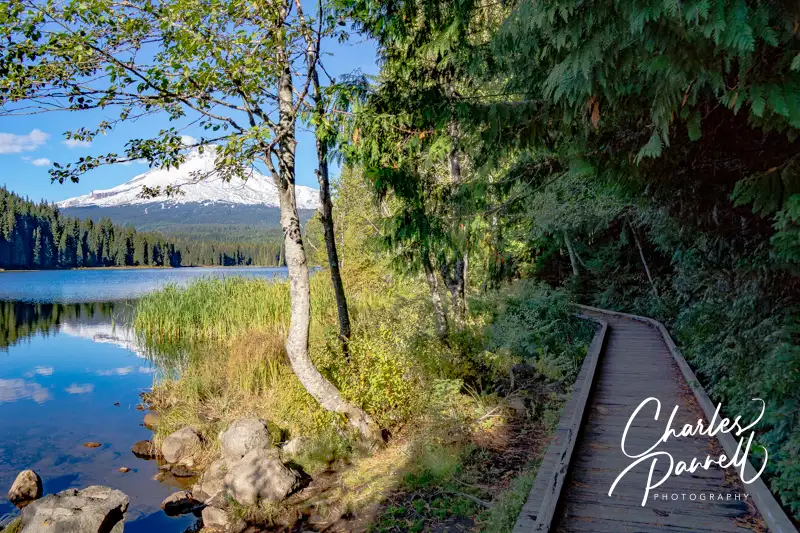
The two-mile lakeside trail begins as a hard-packed dirt trail, with older boardwalk sections here and there. After it passes the campground amphitheater, there’s a sizable new section of boardwalk with plenty of room for even the largest wheelchair. The trail continues over to the east shore of the lake for a great Mount Hood view, but loses its access due to bumps and rocks shortly after that, at about the 1.25-mile point. Still it’s a beautiful out-and back stroll.
And if you’d like to spend the night in Trillium Lake Campground, check out wheelchair-accessible campsite 35, which offers paved access to the Trillium Lake Trail.
Along the Trillium Lake Trail
Little Crater Lake
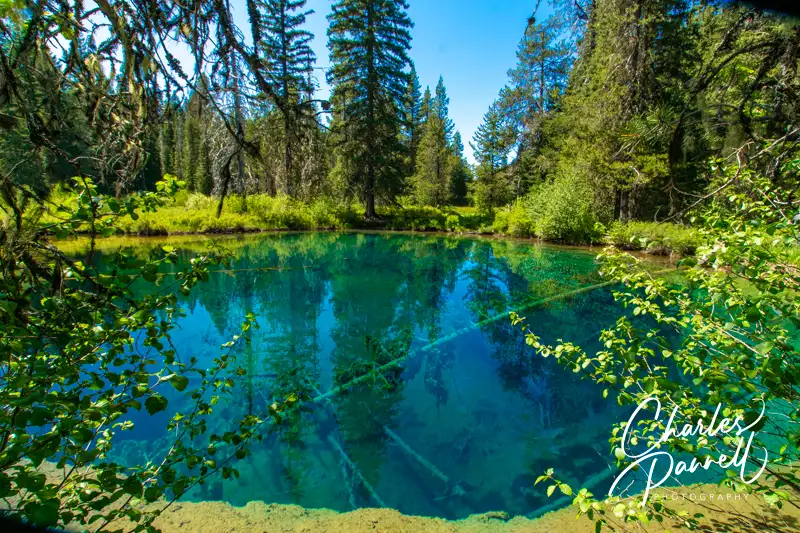
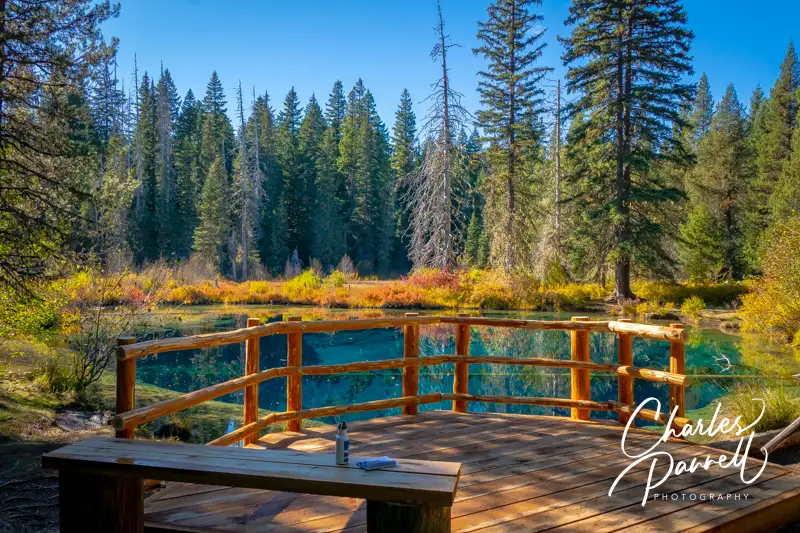
Little Crater Lake
Next up on the list of accessible scenic stops is Little Crater Lake. It’s located about 20 miles south of Trillium Lake. Just take Highway 26 and turn right on Oregon Skyline Road (NF 42). Then make another right on Abbott Road, and follow the signs to Little Crater Lake Campground. This site also only accepts the Northwest Forest Pass.
The lake is located on the far side of the campground — just follow the road around until you see the small parking area. The lot is unstriped, but there’s usually room to parallel park an adapted van. There’s an accessible vault toilet across the road, and level access over to the trailhead to Little Crater Lake.
The 250-yard paved level trail leads through the meadow, crosses a bridge, then winds through the forest. There are a few bumps along the way, but it’s definitely passable in a wheelchair. There’s a large viewing deck at the end of the trail that offers a nice view of crystal clear Little Crater Lake. It’s not a busy trail, so the viewing platform is a pleasant spot to just sit and enjoy the space.
And although the trail continues past the lake, it’s not wheelchair-accessible. The path winds through the forest for a quarter-mile, with a few roots to dodge along the way, and a step up to the bridge near the end. It may be doable for some slow walkers, as it’s level; however there are too many obstructions for wheelchair-users to dodge. Still the trek out to the viewing platform is worth the trip. And if you’d like to spend the night, most of the campsites in the adjacent campground are level.
Viewing Platform on Little Crater Lake
Another Lodging Choice
On the other hand, if you’d like to spend the night but you don’t want to pitch a tent, you can still explore the area and then spend the night in comfort at the nearby Best Western Mount Hood Inn. It’s conveniently located in Government Camp, just off Highway 26, about five miles northwest of Trillium Lake.
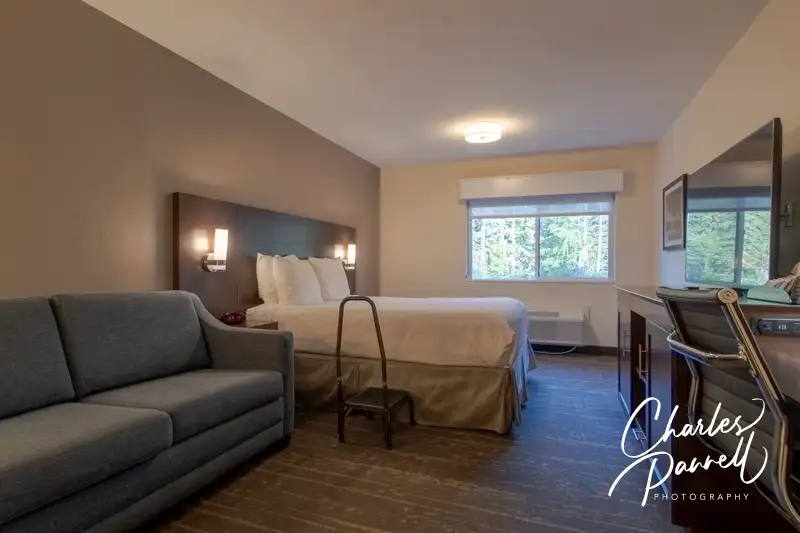
There’s accessible parking in front with level access into the spacious lobby. The property features good pathway access throughout the lobby area, and elevator access to all floors. Accessible room 217 features wide doors, lever handles, good pathway access, a lowered clothing rod, and laminate flooring and low-pile carpet for easy rolling.
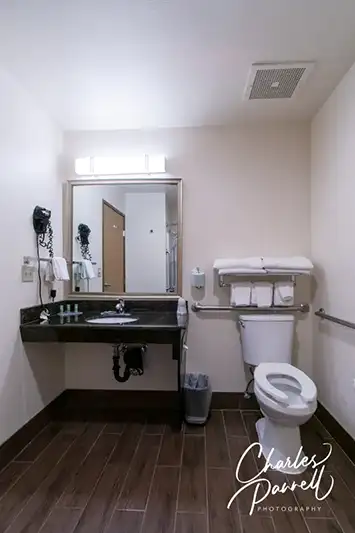
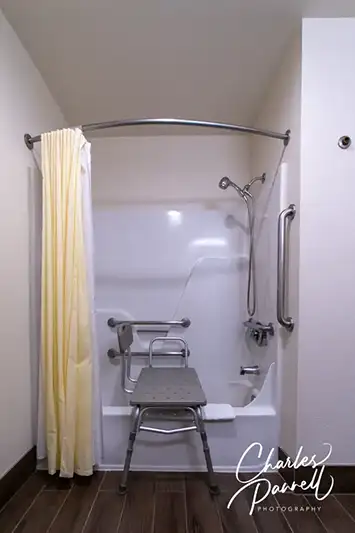
It’s furnished with a 29-inch high open-frame queen-sized bed with wheelchair access on both sides, a desk with a chair, a microwave and a refrigerator. There’s also a 13-inch high sleeper sofa in the room; and if you’d prefer two standard beds, there also an accessible room with two queens. The bathroom includes a tub/shower combination with grab bars, a hand-held showerhead and a portable shower bench . The toilet grab bars are located on the back and left walls (as seated), and there’s also a roll-under sink with a lowered mirror in the bathroom.
A full self-serve buffet breakfast is included each morning; and there’s good access to the breakfast room, which is located near the elevator. The Best Western Mount Hood Inn is a comfortable spot to overnight, after a full day of exploring the accessible outdoor areas near Mount Hood.
Room 217 at the Mount Hood Best Western
Sink and Toilet in Room 217 at the Mount Hood Best Western
Shower in Room 217 at the Mount Hood Best Western
Barrier-Free Travel Glacier, Yellowstone and Grand Teton National Parks for Wheelers and Slow Walkers