Known as the “Crown of the Continent” because the Continental Divide bisects the park, Glacier National Park encompasses more than a million acres of coniferous forests, alpine meadows, pristine lakes and glacier-carved peaks. The wildlife in the park is just as diverse at the landscape that supports it, and it includes elk, bighorn sheep, moose, and one of the largest remaining grizzly populations in the lower 48 states.
Insider Tips
A well kept secret along Going-to-the-Sun Road, Red Rock Point offers a beautiful view of McDonald Creek cascading down over the massive red rocks. The turnout is located about a mile north of the Trail of the Cedars on the left side of the road. Keep your eyes peeled when you get close, as there is absolutely no signage to mark the overlook. There’s accessible parking near a hard-packed dirt path that leads .06 miles out to a boardwalk viewing platform.
Although the historic Red Buses of Glacier National Park are not wheelchair-accessible, Xanterra Parks and Resorts has two wheelchair-accessible vehicles in their. The lift-equipped buses have roll-up plastic flaps on the windows, and passengers get a full view of everything around them, thanks to an on-board camera and monitors Even better — the accessible vehicle is booked solely for your party, so you get a private tour at the regular tour price.
In addition to an entrance fee or a park pass, a day use entrance reservation is also required for Glacier National Park visitors during peak visitation periods in the summer. Entrance reservations are currently required for the West Entrance Station, the Camas Entrance Station and Many Glacier Valley. That said the park adjusts the system annually, so check the park website for the most current information. Entrance reservations are not available at the park. They must be purchased at recreation.gov in advance. Visitors without an entrance reservation will not be admitted.
Although California’s Central Valley can be dreary during winter, the migrant Sandhill Cranes have an entirely different view of it. To them it’s paradise; as it boasts abundant food, a temperate climate and a suitable habitat. It has everything a Sandhill Crane could want. That’s why every September they hit the Pacific Flyway in droves, and head south to their winter nirvana – the marshes and wetlands near Lodi, California. And although they have specific habitat requirements, they’re easy to find if you know where to look.
Consumnes River Preserve
Sandhill Cranes at the Consumnes River Preserve
Located between San Francisco and Stockton, just off Interstate 5, the Consumnes River Preserve (www.cosumnes.org) is an excellent place to spot the wintering cranes. It makes a great day trip from San Francisco or even a nice diversion on a longer road trip.
If you’re traveling south on Interstate 5, take the Twin Cities exit, turn east and drive for a mile until you reach Franklin Boulevard. Turn south on Franklin Boulevard, drive 1.7 miles and look for the visitor center on your left. Northbound traffic should take the Walnut Grove -Thornton Road exit, turn east on Thornton Road and drive for about 2 miles. You’ll spot the visitor center on your right, just after you cross the Thornton-Franklin Bridge.
There’s plenty of accessible parking in the upper lot next to the visitor center, and ramped access to the front entrance. Inside you’ll find a number of interpretive exhibits, along with an information desk. The building itself overlooks a wetlands area, and there are also several accessible picnic tables on the deck.
Wetlands Walk
Wetlands Walk at the Consumnes River Preserve
Directly behind the visitor center, you’ll find the trailhead for the Wetlands Walk. This one-mile loop begins with a boardwalk though the wetlands, then continues on a paved level trail. There are several viewing areas along the way, and also a secluded accessible picnic table after the first boardwalk. Near the end of the loop, a half-mile boardwalk branches off to the right. It’s wide, level and nicely accessible, with a large viewing platform that overlooks the marsh. It’s an excellent place to spot Great Egrets, Northern Pintails, Red Winged Blackbirds, Turkey Vultures and — in season — Sandhill Cranes.
And if you just want to enjoy the boardwalk, but can’t manage the Wetlands Walk, there’s also accessible parking by the boardwalk next to an accessible pit toilet. This parking area is located north of the Visitor Center on the opposite side of Franklin Boulevard.
It should be noted that the rangers close the boardwalk at dusk, as it’s a favorite night roosting spot for the Sandhill Cranes. That said, the best time to visit this area is early evening, just before dusk, as it’s a beehive of activity then. Visitors are welcome to bring lawn chairs and just sit back and enjoy the show.
After the boardwalk, the Wetlands Walk winds past one final viewing platform and returns to the visitor center. Alternatively, if you’d just like to check out the last viewing platform, there’s also accessible parking and an accessible vault toilet in the lower parking lot at the visitor center. From there, a level sidewalk leads across Franklin Boulevard to the platform.
Woodbridge Ecological Reserve — The Basics
Another good place to get a look at the Sandhill Cranes is at Woodbridge Ecological Reserve (www.wildlife.ca.gov/Lands/Places-to-Visit/Woodbridge-ER ), which is located just south of the Consumnes River Preserve. To get there, follow Franklin Road south to Woodbridge Road, then turn east. The reserve is divided into two sites, across the street from each other — the North Unit and the South Unit.
The South Unit is open to the public, but the North Unit can only be visited on docent-led tours. A CDFW Lands Pass is required to visit either unit, for all visitors 16 years of age and older. You do not need a pass if you have a valid California hunting or fishing license. You can purchase a CDFW Lands Pass online at ca.wildlifelicense.com/internetsales/, then print it out prior to your visit.
Visit Woodbridge Ecological Reserve
The South Unit of the Woodbridge Ecological Reserve has accessible parking near the entrance gates, and a short cement path out to a viewing area that overlooks a wetlands area. It’s a great vantage point to spot the cranes, and there are also a few benches there; however for the optimal Sandhill Crane viewing experience, try to visit right before dusk. For the best daytime crane viewing, continue along Woodbridge Road, and look for the birds feeding in the surrounding farmland.
The North Unit of the reserve can only be seen on guided tours, which are held during the Sandhill Crane wintering season. Advance reservations are required for these docent-led tours, which begin 90 minutes before sunset. The tours begin at the South Unit, with a brief presentation. Afterwards, participants drive to the North Unit in their own vehicles, to view the birds from an accessible shelter. Since there’s very little walking involved, it’s a great option for wheelchair-users. Slow walkers, or folks who have trouble standing for a few hours may want to bring a camp chair. More information about these tours — when available — can be found on the reserve website.
Finally, if you happen to be in the area in early November, be sure and check out the Lodi Sandhill Crane Festival (emerginghorizons.com/enjoy-the-lodi-sandhill-crane-festival/). It’s a full weekend filled with presentations, art, speakers and tours. Not only will you learn more about the Sandhill Cranes, but you’ll also be able to take special tours to see the cranes descend en masse to their overnight roosts. It’s a great addition to any Central Valley birdwatching visit.
Barrier-Free Travel California National Park Road Trips for Wheelchair-Users and Slow Walkers
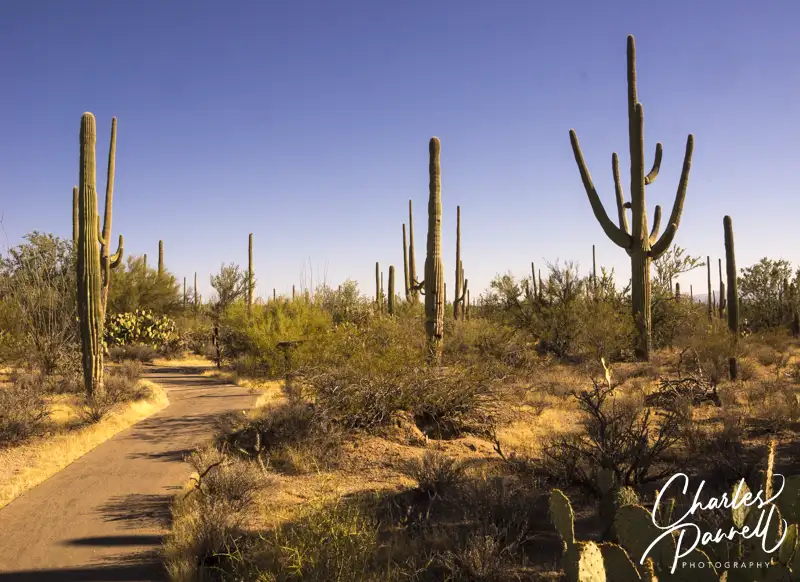
Known as the symbol of the American West, the giant saguaro cactus can only be found in the Sonoran Desert in the Southwestern US and Mexico. These large columnar cacti are covered in spines and develop branches (arms) as they age. There’s nothing like seeing a forest of saguaros framed by a colorful desert sunset. And the best place to do that is at Saguaro National Park (nps.gov/sagu), near Tucson, Arizona. Divided in two sections — with the city of Tucson in between — this scenic desert area offers several accessible trails for wheelchair-users and slow walkers.
Saguaro East
Ecology Trail in Saguaro East
Located in the Rincon Mountain District, Saguaro East is about 10 miles off Interstate 10. Just take exit 27 and follow the signs to the Rincon Mountain Visitor Center in Saguaro National Park. Accessible parking is located near the visitor center, which offers level access and houses a collection of interpretive exhibits. There’s also plenty of room for a wheelchair in the theater, which shows an introductory film throughout the day. And outside there’s level access around the small native garden, and over to a covered shelter with benches.
The eight-mile Cactus Forest Drive scenic loop begins just east of the visitor center. This one-way drive travels through the heart of a saguaro forest, and boasts fabulous windshield views of the gigantic cacti. There are a number of pullouts along the way, all of which have accessible parking. And if you visit in May, you’ll be treated to an eyeful of showy white booms on the giant cacti.
The first accessible trail is located midway along the drive. There’s accessible parking at the Mica View Picnic Area, with level access over to accessible tables and an accessible vault toilet. Although the entire length of the Mica View trail is not not accessible, the first .7 mile is fairly level and is covered in stabilized granite. The Desert Ecology Trail, which is located just up the road, is also worth a stop. This quarter-mile trail features a paved pathway with benches to sit and rest along the way.
When you reach the end of the scenic loop drive, turn left at the stop sign and head through the Javalina Picnic Area. After you leave the picnic area, look to the right as the road curves, for a view of a tall saguaro with a magnificent crown.
Javalina Picnic area in Saguaro National Park East
Saguaro West
Desert Discovery Trail in Saguaro National Park West
Saguaro West is located in the Tucson Mountain District, which is on the west side of the city, just up the road from the Arizona Sonora Desert Museum. From interstate 10, head west on Gates Pass Road, then make a right on Kinney Road. The Red Hills Visitor Center will be on the right, just past the park entrance.
There’s accessible parking in front with level access to the building. Inside there are a number of interpretive exhibits as well as accessible restrooms. Outside there’s a short accessible paved trail that focuses on the ecology of the Sonoran Desert.
The highlight of this section of the park is the Desert Discovery Trail, which is located just a mile past the visitor center, on the left side of the road. This half-mile paved trail features interpretive plaques along the way that describe the plants and animals of the Sonoran Desert. There are benches to rest along the trail, and it’s a favorite spot to catch a spectacular sunset view amidst the cactus forest.
This section of the park also boasts a scenic drive. The 5-mile Bajada Loop Drive winds through the saguaro forest, with plenty of pullouts along the way. Although the road is not paved, it’s still doable in a low clearance vehicle. And if you’d like to pack along a snack, there are two picnic areas along the loop.
Last but not least, don’t forget to ask about the free ranger programs at either visitor center. Offered in the peak winter season, many of the programs are held at accessible areas or trails in or near the visitor centers. These interpretive programs, which focus on the Sonoran Desert and the Saguaro Cactus, greatly enhance any visit to Saguaro National Park.
Barrier-Free Travel the Grand Canyon for Wheelers and Slow Walkers
Make no mistake about it, Staunton State Park (cpw.state.co.us/placestogo/parks/Staunton) includes some challenging physical access barriers for folks with mobility issues. That doesn’t mean you should cross it off your “to visit” list though. Quite the contrary, as track chairs are now available at this Colorado park. These all terrain wheelchairs make inclusive access a possibility for wheelchair-users and slow walkers. Says Track Chair Program Manager Natalie Bostow, “The goal of our program is to help everyone experience the outdoors, and to enable wheelchair-users and slow walkers to enjoy hikes with friends and family. And the Staunton State Park track chairs are our means to accomplish that.”
An Innovative Program
The Staunton State Park track chairs are the result of a collaborative partnership. The Friends of Staunton State Park (friendsofstauntonstatepark.org) raised the funds to buy the track chairs, while the state park manages the program. To date, a robust group of volunteers have conducted more than 1,000 track chair hikes
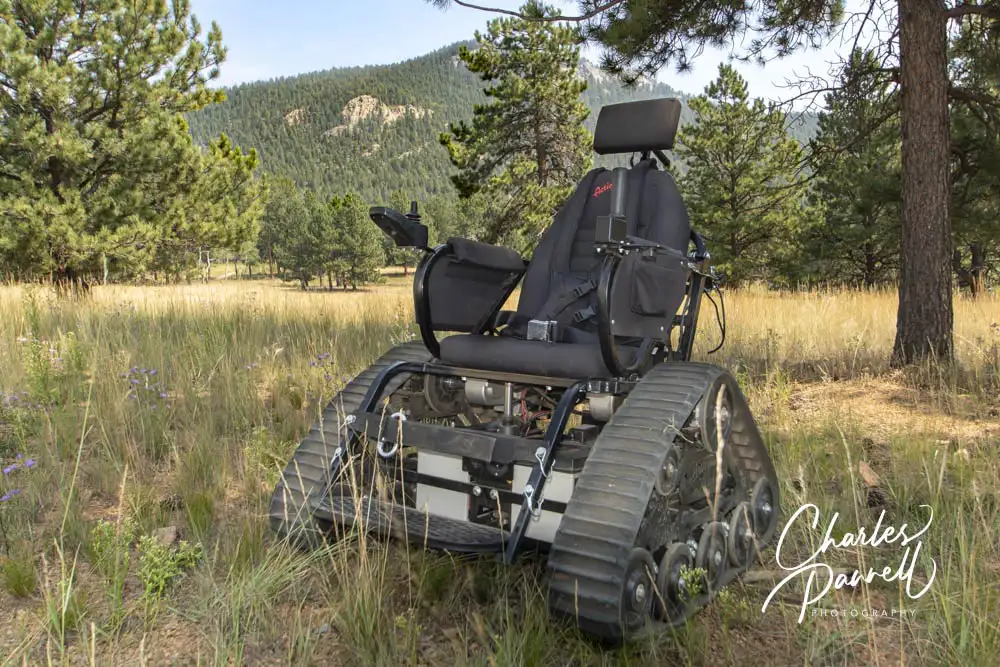
The track chairs have tank tracks instead of wheelchair tires, which makes it possible to explore terrain that’s off-limits to standard wheelchairs. They can be operated with a joystick — either a golf ball, a tennis ball or a t-bar — which can be mounted on either side of the track chair. You do need some hand dexterity to operate these chairs; however if you can operate a power wheelchair, you can probably operate a track chair.
Suspension and non-suspension track chairs are available, but the suspension models offer much smoother rides. A car seat is also available, so small children over the age of two can utilize the track chairs. The track chairs can accommodate up to 350 pounds, and there are variety of transfer boards and a sling lift on hand to facilitate safe transfers. The track chairs will work for almost everyone; however because of safety issues they are not appropriate for someone who is 100% ventilator-reliant.
And the track chair rules are pretty simple. All track chair users must be accompanied by a companion as well as a volunteer. After a short orientation the volunteer will walk behind the track chair, so they can jump in to help out if the user can’t manage things. Generally speaking though, the volunteers are there for support and they try to let users be as independent as possible.
Take a Hike
The Staunton State Park track chairs are free, but reservations are required. They can be made online on the Staunton State Park reservation form. They are available from June to October on Fridays, Saturdays and Sundays. Reservations open for the season on May 1, so plan ahead as they fill up quickly. And if you have any questions, just call (303) 816-0912.
When you get to the park, follow the signs to the Meadow Parking Lot. There’s accessible parking in front of the track chair garage, and an accessible picnic table next to it. There’s also an accessible vault toilet in the parking lot.
The track chairs have a battery range of about eight miles, but volunteers usually keep the hikes to four or five miles, just to be on the safe side. All of the track chair trails depart from the Meadow Parking Lot.
The most popular track chair trail is the Davis Ponds Trail, which is a 2.7-mile beginner trail with some stream crossings. There’s an accessible fishing pier and a picnic table at the mid-point, and adapted fishing poles are available at the track chair garage.
The more advanced 2.3-mile Mason Creek Trail includes some rock obstacles, but it also includes a peaceful meadow and stone house ruins. The longest and most difficult track chair trail is the 3.5-mile Staunton Ranch Trail, which travels through aspen filled meadows and offers a great view of Pikes Peak.
The track chairs also come with a backpack that has rain gear, additional water, tools and a blanket, but track chair-users are asked to bring water, medication, additional clothing layers, a seat cushion, a hat, sunblock and glasses. And don’t forget to pack along a lunch as there are a number of pleasant picnic spots to stop for a break throughout the park.
Barrier-Free Travel Glacier, Yellowstone and Grand Teton National Parks for Wheelchair-Users and Slow Walkers
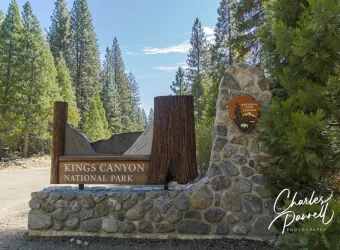
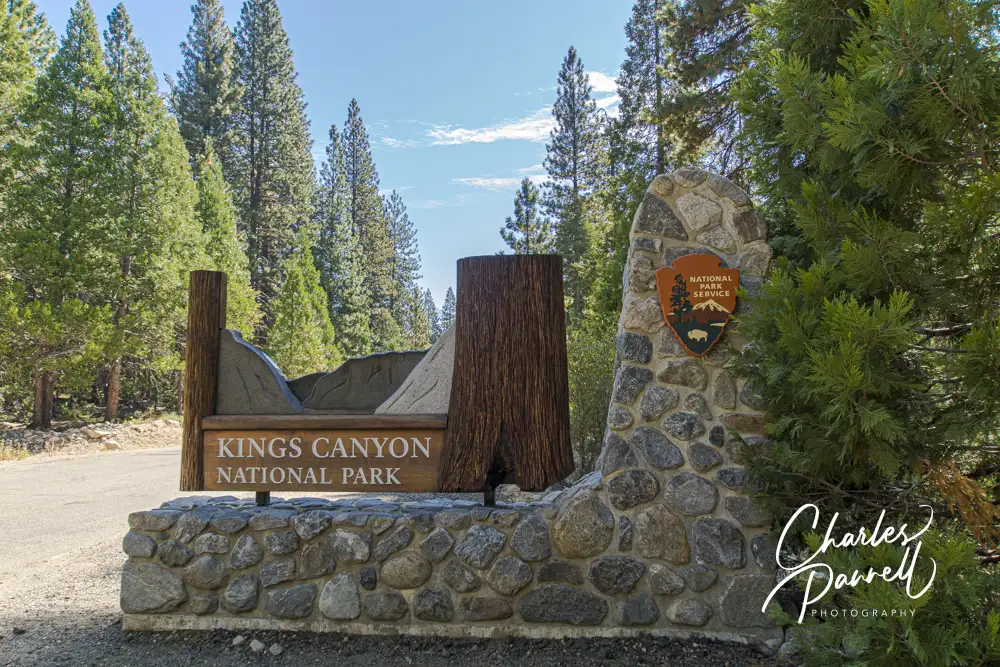
If a trip to the giant sequoias is on your spring travel agenda, then look no further than Kings Canyon National Park . Often overshadowed by the Giant Forest in nearby Sequoia National Park, the Kings Canyon section of the park offers an equally impressive stand of Giant Sequoias. And like its Sequoia National Park counterpart, the Kings Canyon grove boasts an accessible trail for wheelchair-users and slow walkers. So pack a picnic lunch, hit the road, and enjoy a visit to the Kings Canyon sequoias this spring.
Get Your Bearings
Known as the gateway to Kings Canyon National Park, Grant Grove is home to Giant Sequoia groves that were logged back in the 1800s, as well as stands of timber that were preserved for future generations. From Fresno, it’s just an hour drive on Highway 180 to the Big Stump Entrance of the park. From there it’s just a short drive to the Kings Canyon Visitor Center.
Accessible parking is located next to the Kings Canyon Visitor Center, with curb-cut access up to the sidewalk and level access over to the building. Inside, there’s plenty of room to maneuver a wheelchair around the ranger information desk, small book store and interpretive exhibits. There’s also level access to a small theater where a film about the park runs throughout the day.
From the visitor center, head over to Grant Grove Drive, which is located off Highway 180, across the street from the road to Crystal Springs Campground. This short but scenic route leads through a Giant Sequoia grove and terminates in the General Grant Tree parking lot. Even if you are unable to navigate any of the trails in the grove, this drive is a must-do, as it boasts several pullouts and offers some excellent windshield views of the grove. It’s a good way to get an up-close-and-personal look at the Giant Sequoias, even if you are unable to get out of your vehicle. The view from the General Grant Tree parking lot isn’t bad either.
Hike Around the Kings Canyon Sequoias
Trail to the General Grant Tree
One of the main attractions in this grove is the impressive General Grant Tree. This 1,700 year-old stately giant is 40 feet wide and towers 268 feet above the grove. And for a closer look, there’s a half-mile loop trail that leads out to the iconic tree.
The paved trail first passes a grove of young sequoias, then circles the gigantic Fallen Monarch sequoia, before it reaches the General Grant Tree midway along the route. Although the trail isn’t entirely level, it’s generally doable for most folks, with plenty of benches to sit and take a rest along the way. That said, the trail that leads around the back of the General Grant Tree is steep and not accessible, but you can still get a nice view from in front of the tree.
After the trail passes the General Grant Tree, it winds around the Gamlin Cabin, which was built in 1872 by a pair of brothers who grazed sheep in the area. The trail then edges by the Centennial Stump (a 16-foot section of this tree was displayed at the 1876 Centennial Exhibition in Philadelphia), and passes by the other end of the Fallen Monarch, before it returns to the parking area. As an added bonus, the grove is shaded, so it makes for a nice stroll even in the midday sun. And it’s the perfect way to top off a springtime visit to the Kings Canyon sequoias.
Barrier-Free Travel Yosemite, Sequoia and Kings Canyon National Parks for Wheelers and Slow Walkers
Located on the Monterey Peninsula, Asilomar Conference Center (visitasilomar.com) dates back to 1913, when it opened its doors as a YWCA leadership camp. Over the years the 107-acre beachfront campus morphed into a full service conference facility. That said, remnants from the past remain, as 11 of the original Julia Morgan buildings dot this refuge by the sea. And although the venue is an excellent choice for a conference, reunion or retreat, Asilomar is also a good pick for a leisurely seaside getaway. As an added bonus, since Asilomar Conference Center is located on a state beach (www.parks.ca.gov/?page_id=566), a good deal of attention has been paid to access, so it’s also a great option for wheelchair-users and slow walkers.
Spend the Night
The “Stuck-Up” Inn at Asilomar Conference Center
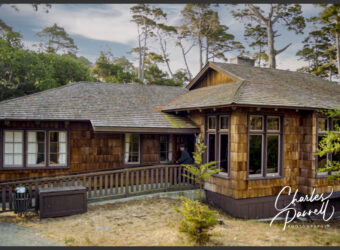
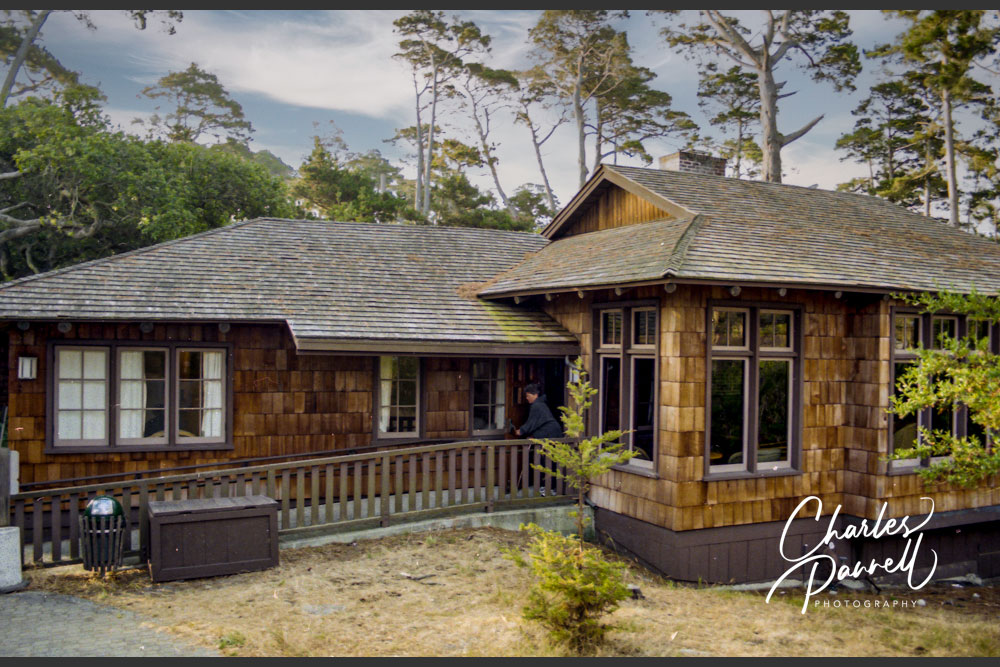
Built in 1913, the Phoebe Apperson Hearst Social Hall originally housed a classroom, the library and a gift shop. Today this Julia Morgan building serves as a lobby, front desk and information center for this favorite Monterey Peninsula lodging choice.
There’s accessible parking in the adjacent lot with barrier-free access to the building. Inside there’s plenty of room to roll around the thick redwood floor to the front desk. Although the building serves a utilitarian purpose, take some time to admire the architecture; from the massive stone fireplace to the exposed redwood beams.
Although Asilomar has added some modern rooms over the years, two of the accessible rooms are located in a historic building, close to the social hall. Nicknamed the Stuck-Up Inn, this building was once home to a group of college women who thought the menial work they were hired to do was beneath them. Accessible parking is located near the front entrance and there is ramped access up to the front door. The large common area features plenty of room to wheel around, and it has an accessible public restroom.
Accessible rooms 401 and 413 both feature good pathway access, and hardwood floors for easy rolling. One room is furnished with a full bed, while the other offers two twin beds. And both bathrooms are nicely equipped with a roll-in shower with a hand-held showerhead, grab bars and a fold-down shower bench. Other access features include plenty of room to maneuver a wheelchair, and toilet grab bars. A plastic shower bench, and a toilet seat riser with attached grab bars can also be added to these — or any other — rooms upon request.
Inside the Stuck-Up Inn
Explore the Area
Asilomar is definitely the place to reflect and commune with nature; in fact it’s not unusual to look out your window and see deer grazing in the surrounding woodlands. That said, take some time to get out and discover what the conference center itself has to offer.
Although the property is hilly in places, an accessible shuttle service is available. This ramp-equipped van is available 24 hours a day to transport guests and their luggage anywhere on the property. Just Dial 0 on any house phone or call the front desk (831-372-8016) from your cell phone.
Merrill Hall at Asilomar Conference Center
Several of the historic Julia Morgan buildings now boast modern access features. These include Merrill Hall, the Crocker Dining Complex and the Chapel. And if you work up an appetite while exploring the grounds, Phoebe’s Cafe in the social hall offers a selection of sandwiches, salads, beverages and sweet treats. There’s also an accessible picnic and campfire area, as well as a lift-equipped pool on the grounds.
Dune boardwalk at Asilomar Conference Center
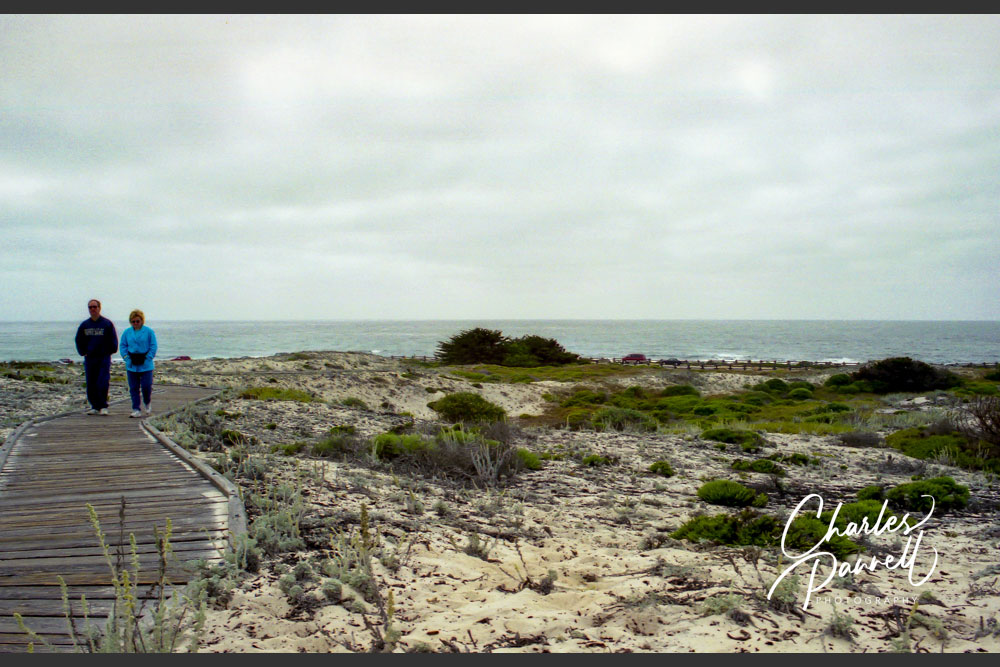
Of course the best thing to do at Asilomar is to enjoy the natural surroundings. The accessible Dunes Boardwalk begins near the Crocker Dining Complex and travels over the dunes for a quarter-mile to the rocky ocean shore. And if you’d like a longer hike, the Coast Trail begins just north of the conference center. This accessible one-mile trail runs along the coast and offers some gorgeous ocean views. If, on the other hand, you’d like to explore the beach, a beach wheelchair is available for loan at the front desk. In the end, there’s no shortage of ways to enjoy this accessible slice of the Monterey Peninsula.
Barrier-Free Travel California National Park Road Trips for Wheelchair-Users and Slow Walkers
Located east of the Salinas Valley between Hollister and King City, Pinnacles is California’s newest national park. Formed by an ancient volcanic eruption, the extruded magma was further sculpted over time by the wind and rain. Today these pinnacle-like geological features seem to magically rise out of the chaparral-covered ground. A healthy chunk of backcountry occupies the center section of the park, and serves as a divider between the more developed east and west sections. Wildlife – including everything from the common black-tailed dear to the endangered California condor – thrives in this rural location. And you just can’t beat the night skies, as the park is located miles away from the light pollution of the metropolitan cities.
Insider Tips
Pinnacles National Park is a prime site to spot some of the still endangered California condors. One location they seem to favor is the ridge just southeast of the campground. The best times to look for them are in the early mornings and late afternoons when they like to catch the thermals, or in the evenings when they come in to roost in the trees. And if you’d like a closer look at them, there’s an accessible viewing scope just across the street from the East Pinnacles Visitor Center.
The longest accessible trail in the park — the Prewitt Point Trail — is located on the West Side. This one-mile loop begins off the patio of the West Pinnacles Visitor Contact Station, and winds along the hillside and offers excellent mountain views. There’s about a 70-foot elevation gain along the way, with level spots to rest after each uphill stint. This hard-packed dirt trail passes the trailhead to the Jawbone Trail, then continues on to the Pinnacles Overlook, before it winds back down to the start. It’s best to take this trail in the morning though, as there’s precious little shade along the way.
Pinnacles Campground boasts 10 accessible tent cabins in loop B. They all have a ramped entry, as well as steps up to the wide front door. There’s level access over the thresholds and all of the tent cabins include two singles and a queen-sized bed, with ample room to maneuver a wheelchair inside. The solar powered units also include a fan and a light. Outside there are two Adirondack chairs, an accessible picnic table, a grill and a bear box at each site. And although the cabins contain beds with mattresses, guests must provide their own bedding.
Located on Washington’s Olympic Peninsula, Olympic National Park occupies nearly one million acres filled with sub-alpine forests, wildflower-filled meadows, rainforest habitat and a rugged coastal shore. The entire park can be accessed from Highway 101, which circumnavigates the Olympic Peninsula; and each area of the park features a small visitor center or ranger station which offers exhibits on the local ecosystem and the history of the area.
Insider Tips
Save some time for a soak at Sol Duc Hot Springs when you visit the park. There’s ramp access to the Sol Duc Hot Springs front office, with barrier-free access to the pools in back. The mineral wading pool is reserved for children under three, but the Large Mineral Fountain Pool and the Freshwater Pool feature ramp access. There is also a portable pool lift available for these pools or for the Medium Mineral Pool, which isn’t ramped.
One of the most accessible waterfalls in the park — Madison Falls — is located on Olympic Hot Springs Road, just south of Highway 101. A .1-mile paved level trail leads from the picnic area through the forest to the base of Madison Falls. The overlook features lowered railings for optimal wheelchair viewing, as well as a bench for slow walkers.
For a very comfortable – and romantic – overnight in the park be sure and book a cabin at Kalaloch Lodge, which is located on the Pacific Coast. This remote lodge offers an accessible cabin, with a great coastal view, as well as a small restaurant and grocery store. Everything you want and need for a blissful getaway!
Located in northern Ohio, Maumee Bay State Park is a nature lovers dream; but that doesn’t mean you have to rough it when you overnight there. Quite the contrary, as Maumee Bay Lodge (www.maumeebaylodge.com/) offers a comfortable and accessible alternative. Not only can you spend the night in this wheelchair-accessible Maumee Bay cabin, but you’re also just a stone’s throw away from some great accessible trails.
Spend the Night
Billed as Ohio’s premier resort, this family friendly lakeside property features accessible parking in the lodge lot, with a barrier-free path to the lobby door. Alternatively, there’s a large drop-off area directly outside the lobby entrance. Inside, there’s wheelchair access to all the public areas, including the Water’s Edge Restaurant and the Icebreaker Lounge; and plenty of room to maneuver a wheelchair or scooter to the front desk.
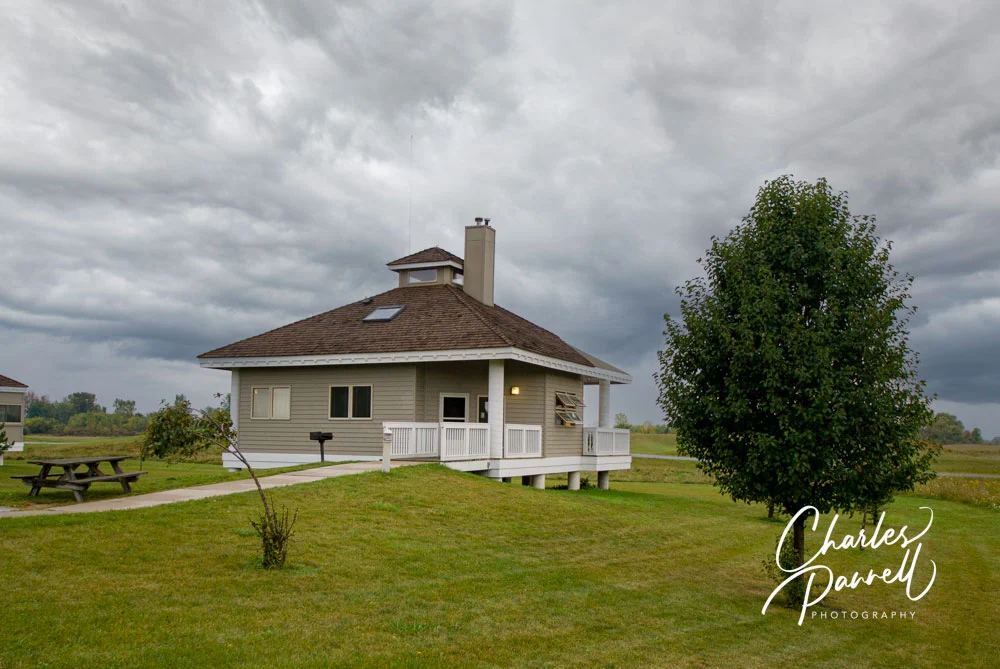
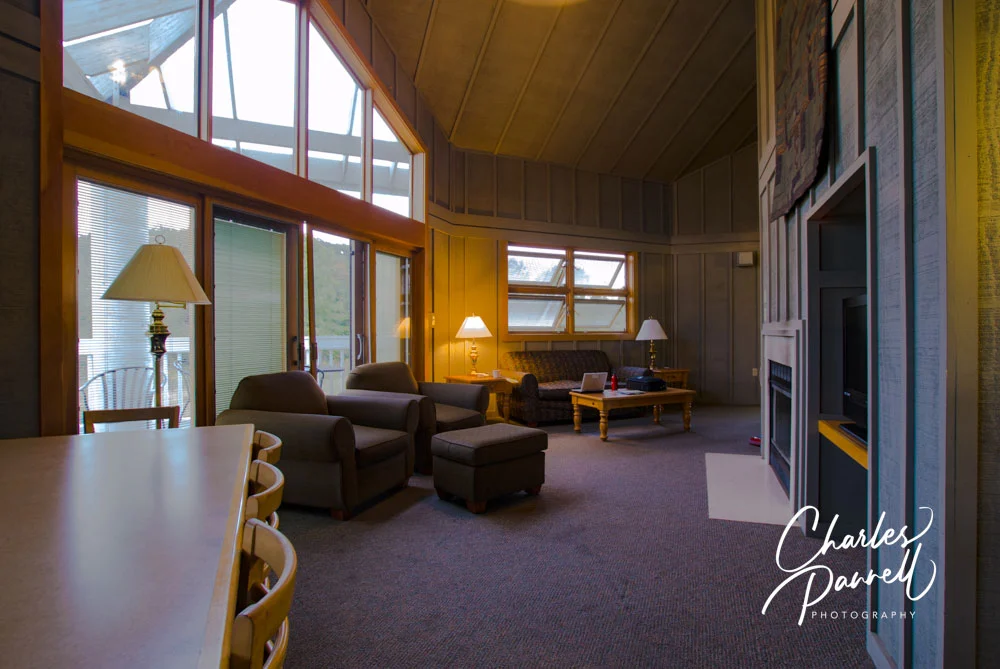
Accessible Cabin 17 is located a short drive away, along a road that overlooks the adjacent marsh. Accessible parking is available in a paved area in front of the cottage, with a wide level walkway up to the front porch. Although there’s a small lip at the transition from the walkway to the porch, it’s doable for most folks with a little assistance. The four-bedroom deluxe cottage features wide doorways and excellent pathway access to all the first-floor rooms, with stairway access to the two upstairs bedrooms.
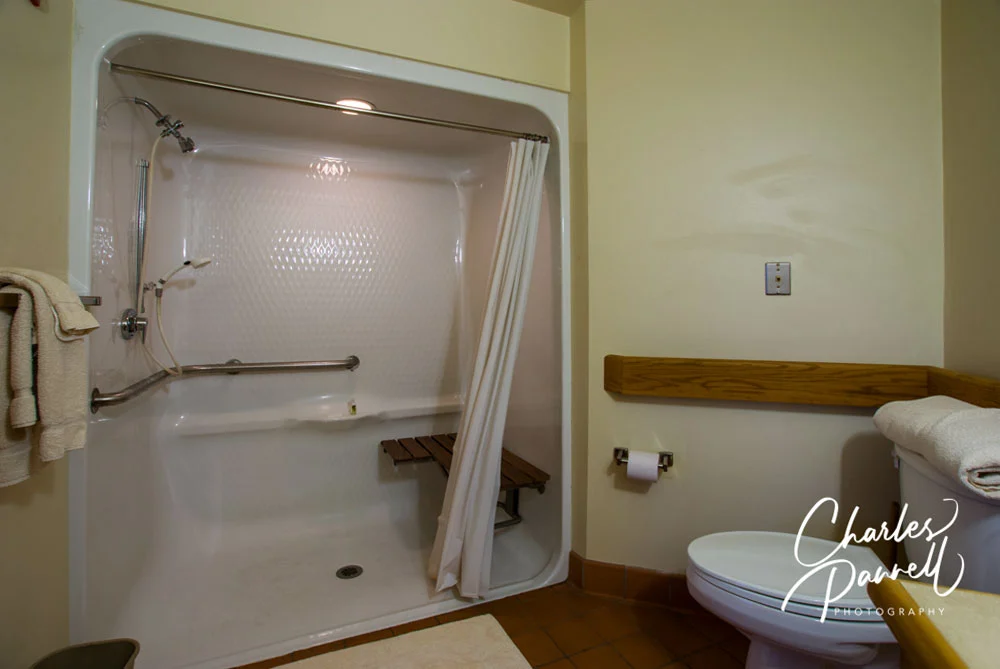
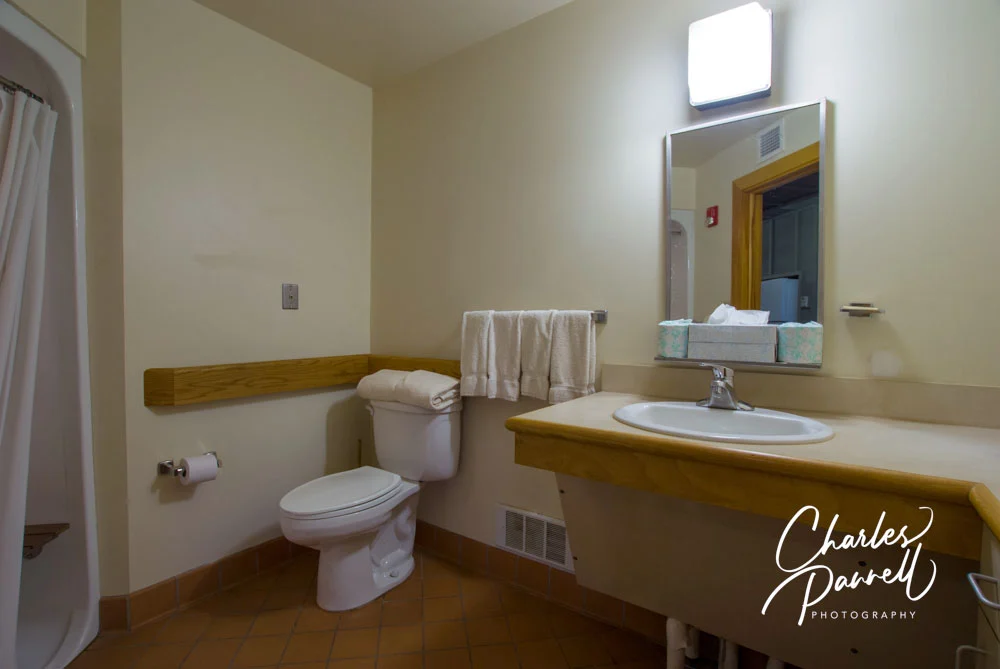
One downstairs bedroom is furnished with a bunk bed and a twin bed, while the other bedroom has a 24-inch high king-sized bed. Upstairs, one bedroom has a bunk bed and a double bed, and the other bedroom has a double bed. The ground floor bathroom is equipped with a roll-in shower with a fold-down shower bench, grab bars and a hand-held showerhead. Other access features include a roll-under sink and toilet grab bars on the back and right walls (as seated). The second-floor bathroom has a low-step shower, but it lacks grab bars or the space to maneuver a wheelchair.
Shower in cabin 17 on the ground floor
Toilet and sink in Cabin 17 on the ground floor
Downstairs you’ll also find a gas fireplace, a washer and dryer, a spacious deck and a standard hot tub. Top it off with a well equipped kitchen and you have everything you need for a family getaway at this wheelchair-accessible Maumee Bay cabin.
Ground floor of cabin 17 at Maumee Bay Lodge
Explore Maumee Bay Lodge
There’s certainly no shortage of recreational activities at Maumee Bay Lodge, many of which are accessible and can be enjoyed by the whole family. There is barrier-free access to the indoor splash area, which includes seven splash features, as well as a waterfall that spills into the pool. There is also an accessible locker room nearby, which is equipped with roll-in showers.
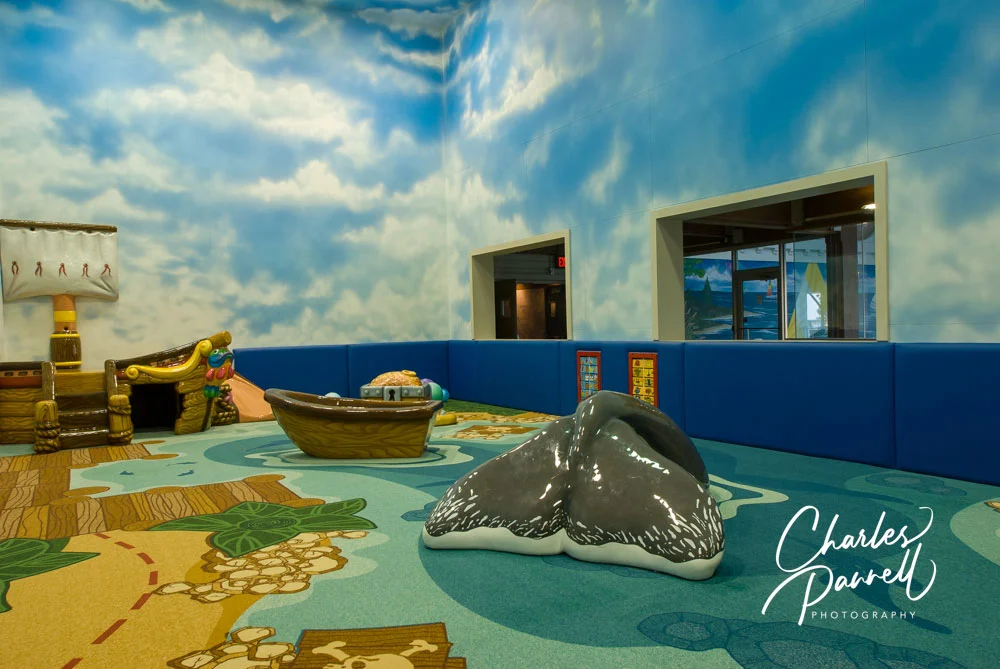
Soft Play Area at Maumee Bay Lodge
If you’d prefer to keep your little ones active but dry, then check out the soft play area for children, which includes pirate-themed climbing features on a cushioned floor. There is level access to this brightly colored indoor play area, and plenty of room to roll around the climbing features.
Outside, there are a number of accessible options, including bicycling or hiking on one of the many bicycle trails throughout the park. Although the trails weren’t specifically designed to be accessible, most of them are level and very doable for wheelers and slow walkers.
If you want to learn a little about the native flora and fauna, head over to the Trautman Nature Center, located next to the lodge. There is barrier-free access to the building, which houses a number of interpretive exhibits detailing the nature and history of the area.
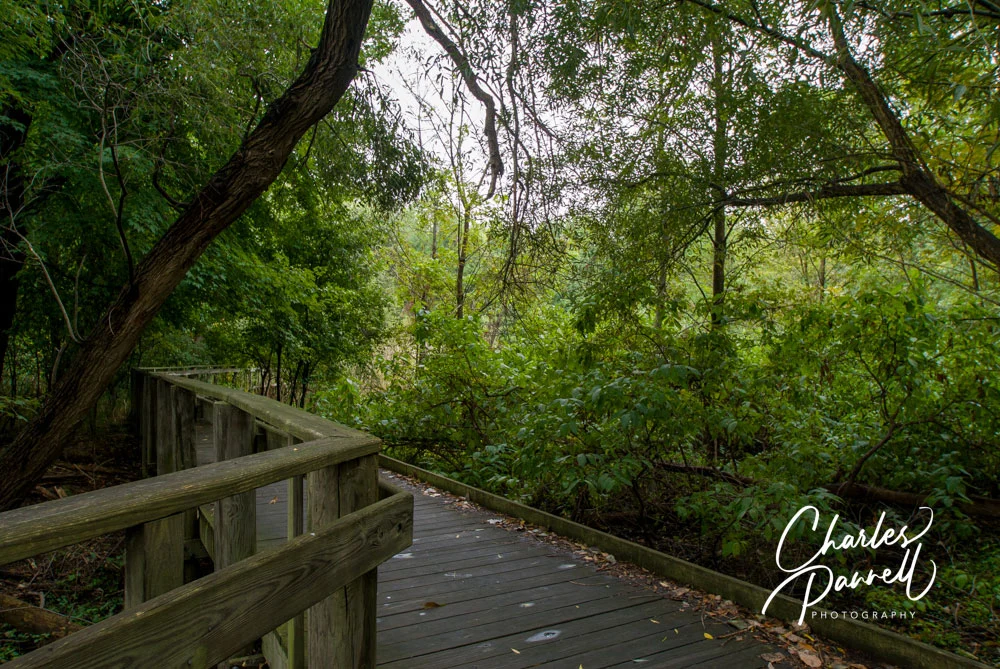
Maumee Bay Lodge boardwalk
Finally, save some time for a first-hand look at the local inhabitants on the two-mile boardwalk, just east of the lodge. There is barrier-free access to this excellent loop trail, and interpretive signs along the way. Best of all, one side of the boardwalk is pleasantly devoid of railings, so wheelers can enjoy unobstructed views of the surrounding wetlands. It’s the perfect way to top off your wheelchair-accessible Maumee Bay cabin stay.
Barrier-Free Travel National Park Lodges for Wheelers and Slow Walkers






 Make no mistake about it, Staunton State Park (