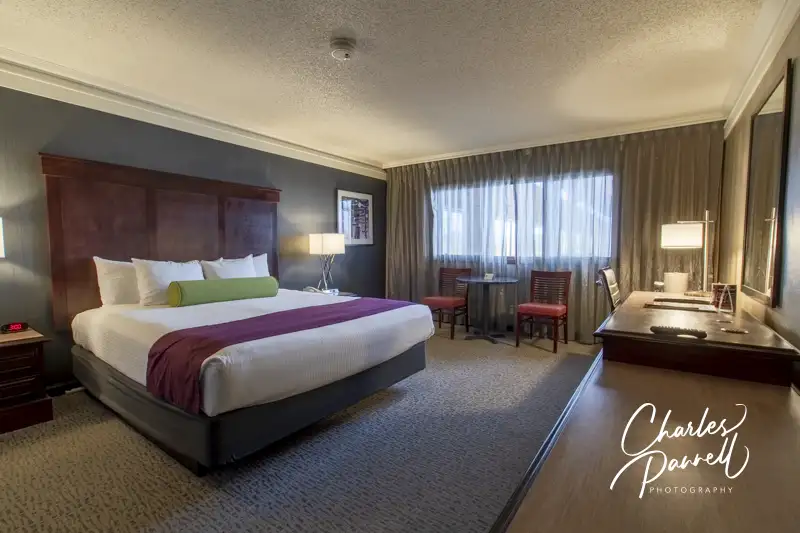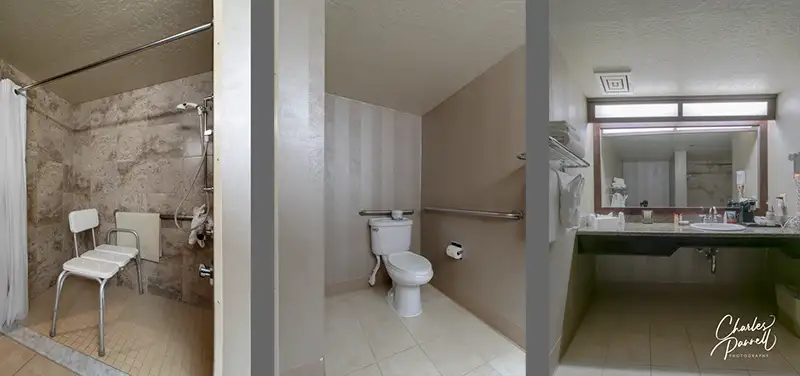
Due to a break in the Transcanyon Waterline, which supplies potable water to the South Rim of the Grand Canyon, all South Rim Grand Canyon lodges will be closed from August 29, 2024 to September 4, 2024. The closure will allow crews to make emergency repairs to the water system, which has had 85 major breaks since 2010.
Easy Rider is the quintessential road trip movie; and although much of it was filmed on Hollywood back lots, a good chunk of the scenes were shot on location in the Southwestern US. Even though many of the sites have substantially changed since Peter Fonda and Dennis Hopper first climbed on their Harleys for their exotic and erotic adventure, you can still catch a glimpse of this classic 1969 movie at a few key sites. So hop off the beaten path and enjoy a blast from the past at these Easy Rider filming sites on your next Southwestern road trip. Oh yes, and don’t forget to watch or re-watch the movie before you begin your own adventure.
Park Moabi
Located about 10 miles east of Needles off Interstate 40, Park Moabi Road is the site for some of the opening credits of Easy Rider. Billy and Wyatt ride along the road, which borders the Colorado River, as they begin their fateful journey. Although there’s now a Zip line and a large marina at the intersection of Park Moabi Road and National Trails Highway (Route 66), you can still drive a short distance down both sections of the Mother Road before it dead ends. Then after you get back on Interstate 40, you’ll cross the bridge that’s also featured in the opening credits.
La Contenta
One of the most popular Easy Rider filming sites is located near Taos New Mexico. The opening segment of the flick — where Billy and Wyatt scored their Mexican coke — was filmed in El Prado. Formerly the home of the Red Arrow Emporium – which has since relocated down the road – this site is located at 1302 Paseo Del Pueblo Norte, just north of Cisneros Street on the west side of the street. Today the building is used by the Red Arrow as warehouse space, so it’s usually deserted. There’s a level spot to park in the front, and barrier-free access around the building. Although the La Contenta sign was added for filming – and since removed — you can still recognize the facade of the building. It’s worth a quick stop, especially if your road trip takes you up the road to the Rio Grande Bridge.
Ballarat, CA
Ballarat Ghost Town
Next up on our Easy Rider filming sites is the ghost town of Ballarat in Southern California. This is where the key scene where Wyatt tossed his Rolex out in the desert was filmed. This former boom town was founded in 1897 following the discovery of gold at the nearby Radcliff Mine, and fittingly named for the famous gold city in Victoria, Australia. It’s located about 45 miles east of Ridgecrest in the middle of the desert, between Trona and Stovepipe Wells. There’s a graded dirt road that leads from Highway 178 to the town site, and although it’s passable in a low-clearance vehicle in dry weather, it’s prone to flooding when it rains. There’s no designated parking, but there’s plenty of room to pull over on the dirt and explore the area. A nearby sign welcomes visitors and reminds folks, “You learn nothing sitting in your car.” There’s plenty of room to wander around the level town site, which is more accurately described as a ruins. There are a few buildings still standing, including the jail and a trading post, but other than that it’s you and the desert. Still it makes a pleasant scenic drive, and there’s even a picnic shelter at the far end of town where you can enjoy a secluded lunch break.
Pine Breeze Inn
One of the most memorable scenes in Easy Rider — where Billy and Wyatt stop at a motel, only to have the “no vacancy sign” quickly illuminated when the owner takes a gander at the duo — was filmed in Bellemont, Arizona, about 12 miles west of Flagstaff. Take exit 185, and continue south for a block, then turn left on Old Route 66. The vintage gas station — which served as the office in the scene — is located about a mile down the road on the left. There’s a nice level area to pull over and take a few photos of the building; however if you want to see the original “No Vacancy” sign, you’ll have to double back to the Route 66 Roadhouse Bar and Grill near exit 185.
Lumberjack Café
Lumberjack at Northern Arizona University
The Route 66 scene where Bill and Wyatt passed the Lumberjack Cafe — marked by a 220-foot tall lumberjack statue — was actually filmed in Flagstaff. The filming site was on Milton Street, near Tucson Street; however that lumberjack statue has since been moved to Northern Arizona University (go Lumberjacks!). Currently the building that was the Lumberjack Cafe is vacant, and a smaller lumberjack statue sits in the parking lot. There are several places to pull in and get a look at the storefront and the statue; however the better photo op is at the university, where the original lumberjack sits outside the Walkup Skydome (1701 S. San Francisco Street). Accessible parking is located directly in front of the statue, so you don’t even have to get out of your car to enjoy it.
Loop Road
Another Flagstaff filming site is located on Highway 89 about 13 miles north of downtown, near the turnoff to Sunset Crater Volcano National Monument on Loop Road. This is where Billy and Wyatt picked up the hitchhiking stranger. Save some time to explore Sunset Crater too while you’re in the neighborhood, as there’s a quarter-mile wheelchair-accessible section of the Lava Flow Trail that offers a good look at the mountain that erupted over 900 years ago. Sunset Crater also make a good lunch stop, as the site includes accessible picnic tables and restrooms.
Wuputaki Pueblo
Wuputaki Pueblo, which is located about 35 miles up Loop Road from Sunset Crater, is where the camping scene in the deserted ruins was filmed. And although camping is prohibited at Wuputaki Pueblo, the half-mile wheelchair-accessible trail gives visitors a good view of this 100-room pueblo which was occupied by 85 to 100 people in 1182. And although this sacred site is not physically occupied today, the Hopi people believe their ancestors remain there as spiritual guardians. It does have a certain energy to it.
Sacred Mountain Gas Station
Sacred Mountain gas station
Sacred Mountain Gas Station — where the hitchhiker refuses to let Billy and Wyatt pay for gas — is located nearby. Just take Loop Road back to Highway 89 and head south. You’ll spot the now deserted gas station on the right side of the road, just past milepost 437 at 150 Road. There’s not much else there — just a level spot to pull off and admire the relic — but it does have a certain following.
Las Vegas, New Mexico
The building that once housed Tito’s Gallery was the jail in Las Vegas, NM
Las but not least on our tour of Easy Rider filming sites is Las Vegas, New Mexico. This is where things start to go downhill for Billy and Wyatt. After they join a parade headed down the main drag they are unceremoniously thrown into jail for parading without a permit. Ultimately, that’s where they meet up with (a very young) Jack Nicholson. The parade route is located downtown, on Plaza Street between Hot Springs Boulevard and Gonzales Street. The jail, which was formerly Tito’s Gallery, is on nearby Bridge Street. Just follow Plaza Street past Gonzales and look for 157 Bridge Street on the right. There’s no accessible parking, but parallel parking is available on the street. The sidewalks have a few bumps here and there, but they are doable. As you head back to Plaza Park there’s a slight uphill grade, but street parking is also available near the parade route. And don’t forget to pop in at the Plaza Hotel, across from the park. Also included in the flick, the hotel has been lovingly restored to its former grandeur and now features ramp access. It’s definitely a must-see on any Las Vegas stop.
Barrier-Free Travel
Utah National Parks for Wheelchair-users and Slow Walkers
If a cruise to Alaska is in your future, then you’re in luck if you’re a wheelchair-user or slow walker. Although most of the larger cruise lines have made great efforts to make their ships more accessible, the same cannot be said of shore excursions outside the US. On the other hand, not only will you find accessible transportation in most Alaska ports, but there’s also an interesting collection of accessible attractions to choose from. With that in mind, consider these accessible Alaska shore excursions on your next Inside Passage cruise.
Juneau
Gold Belt Tram
www.goldbelttram.com
Juneau boasts several accessible options, including the Gold Belt Tram, which is a short level walk from the cruise ship dock. The tram features roll-on access and the six-minute ride climbs 2,000 feet from the waterfront station up to the Mt. Roberts observatory. It should be noted that although the view from the top is spectacular, it’s difficult for wheelchair-users to see much on the ride up the mountain. A restaurant, theater, and retail shop are located at the top of the tramway. And although most cruise lines offer shore excursion to this site, you can also walk up to the Waterfront Station and purchase your tickets on the spur of the moment.
Mendenhal Glacier
Mendenhal Glacier
If you’d prefer to book an organized shore excursion, the most accessible choice is a ship tour to Mendenhall Glacier. All the cruise lines offer at least one tour to this attraction. Billed as Alaska’s drive-up glacier, Mendenhall Glacier features excellent access with level pathways and a barrier-free visitor center. For a great view of the glacier, take a short walk on the Photo Point Trail; a .3 mile asphalt trail which terminates at a prime glacier viewing area on Mendenhall Lake.
Coastal Helicopters
coastalhelicopters.com
Coastal Helicopters gives folks a birds eye view of the area on their glacier flightseeing tours. They have lift access to their helicopters, and the employees will assist with transfers. The lift has a capacity of 250 pounds, and passengers may leave their wheelchair at the terminal during their tour. After they land on the glacier employees will give wheelchair-users a good overview of the area and answer any questions, but due to the difficult terrain — and no assistive devices — they must stay on the aircraft. Still it’s an exhilarating experience to land on a glacier.
Allen Marine Tours
Whale breaching on Allen Marine Tours
allenmarinetours.com
Last but not least on the list for accessible Alaska shore excursions in Juneau is Allen Marine Tours. They offer a four-hour whale watching expedition aboard their deluxe catamaran, with a naturalist on board. Snacks, coffee and tea are provided along the way. The catamaran is accessible, but the combined weight of the assistive device and the passenger cannot exceed 600 pounds. Additionally, mobility devices are limited to a maximum length of 48 inches, a maximum width of 32 inches and a minimum ground clearance of 3.5 inches.
Skagway
Skagway is a great tourist town, with plenty of shops, a small visitors center, renovated storefronts and a Yukon gold rush atmosphere. Access-wise it’s very nicely done with curb cuts on nearly every corner, wide walkways and a good selection of accessible shops and restaurants. Although it’s a level roll into town, it can as far as a mile away, depending on where your ship docks.
White Pass & Yukon Route Railroad
wpyr.com
The most popular attraction in Skagway is the White Pass & Yukon Route Railroad, which offers a three-hour rail excursion from Skagway to White Pass summit and back. The restored rail cars are pulled by vintage diesel locomotives and the fully narrated tour passes alongside ice fields, over trestles and through gorges before arriving at the 2,865 foot summit. Some of the cars have lift access, but you must book this in advance. You can buy your ticket directly from the railway, but it will depart from the depot in town. If however, you book through the cruise line you will get dockside boarding from your ship. Be sure and pack your binoculars for this trip, as there are many wildlife viewing opportunities along the way.
Sitka
Previously a tender port, Sitka was once a no-go for most wheelchair-users. That all changed with the addition of new docks and a cruise ship terminal at Halibut Point. Completed in 2022, the Halibut Point facilities are located about seven miles north of downtown Sitka. There’s level access to the cruise ship terminal, which houses a number of shops and restaurants. There’s also a free accessible shuttle to downtown. And if slow walkers need some help making it to the bus stop, cart service is available. This new terminal is a huge improvement for wheelchair-users and slow walkers. Even if you don’t want to go into town, you can still have a bite to eat and do some shopping at the dock. And if you do go downtown, most of the area is accessible with curb-cuts and sidewalks, although a few shops do have a step or two.
St. Michaels Russian Orthodox Cathedral
St. Michaels Russian Orthodox Cathedral in Sitka
www.stmichaelcathedral.org
If you do take the shuttle downtown, make sure and have a look at St. Michael’s Russian Orthodox Cathedral. Built it 1848, St. Michael’s features a large collection of Russian icons which date back to the 1600s. Access is excellent throughout the sanctuary with wide doorways, ramped access and good pathway access.
The Alaska Raptor Center
Bald Eagle at the Raptor Center
www.alaskaraptor.org
Although the Alaska Raptor Center is just a short walk from the shuttle bus stop, it’s an uphill trek and not a good option for most wheelchair-users. That said most cruise lines offer shore excursions to this attraction, but make sure to request a wheelchair-accessible transfer. The Alaska Raptor Center rehabilitates injured raptors of all kinds. There is level access to the flight conditioning center, where raptors are acclimated before their release, and plenty of room to navigate a wheelchair throughout the center. Outside there are accessible pathways to enclosures which house more raptors. It’s really a fascinating place.
Ketchikan
Creek Street in Ketchikan
Ketchikan offers a number of shops, restaurants and galleries near the dock. Creek Street is also within walking distance. Here you’ll find buildings perched on pilings and connected by wooden boardwalks in what was once the red light district of Ketchikan. Today local merchants cater to travelers of a different sort as the brothels and saloons have been replaced by souvenir shops and specialty restaurants. Dolly’s House is one of the main Creek Street attractions, and although there are steps at the entrance of this renovated bordello, it’s still fun to sit outside and watch the floozies entice the passing tourists.
The Great Alaskan Lumberjack Show
www.lumberjacksports.com
The Great Alaskan Lumberjack Show is also located in the waterfront area, just a short walk from the cruise ship pier. The show features lumberjack classics such as log rolling, sawing, chopping, axe throwing and speed climbing. Shows are presented three times a day in a covered grandstand area, just around the corner form the Alaska Discovery Center. There is level access to the venue, with wheelchair seating up front. Tickets are available on cruise ships, at the Ketchikan Visitors Bureau, on the Great Alaskan Lumberjack Show website or at the door.
Saxman Totem Park
Totem at the Saxman Totem Park
www.alaska.org/detail/saxman-totem-park
Rounding out our list of accessible Alaska shore excursions is Saxman Totem Park. Although it’s a good drive from the waterfront area, it’s worth a visit if you can find a shore excursion provider that offers accessible transportation. This unique park features 25 restored totems that were retrieved from abandoned villages. There is ramp access to the visitor center and level access to the carving shed. Some of the pathways in the park are only do-able with assistance, but most people will are able to see the majority of the carvings. The accessible route through the park begins just to the right of the carving shed. And you can tour the park on your own or sign up for a guided tour.
Barrier-Free Travel Washington National Parks for Wheelers and Slow Walkers
Although the America the Beautiful Passes (emerginghorizons.com/how-to-get-a-lifetime-national-park-pass) grant free admission to US national parks, not everybody qualifies for them. Of course you can always purchase a yearly pass that will get you in any national park; however if you only visit a few parks that’s not very cost effective. On the other hand, not all national parks charge an admission fee. With that in mind, here are six national parks you can visit for free.
North Cascades National Park
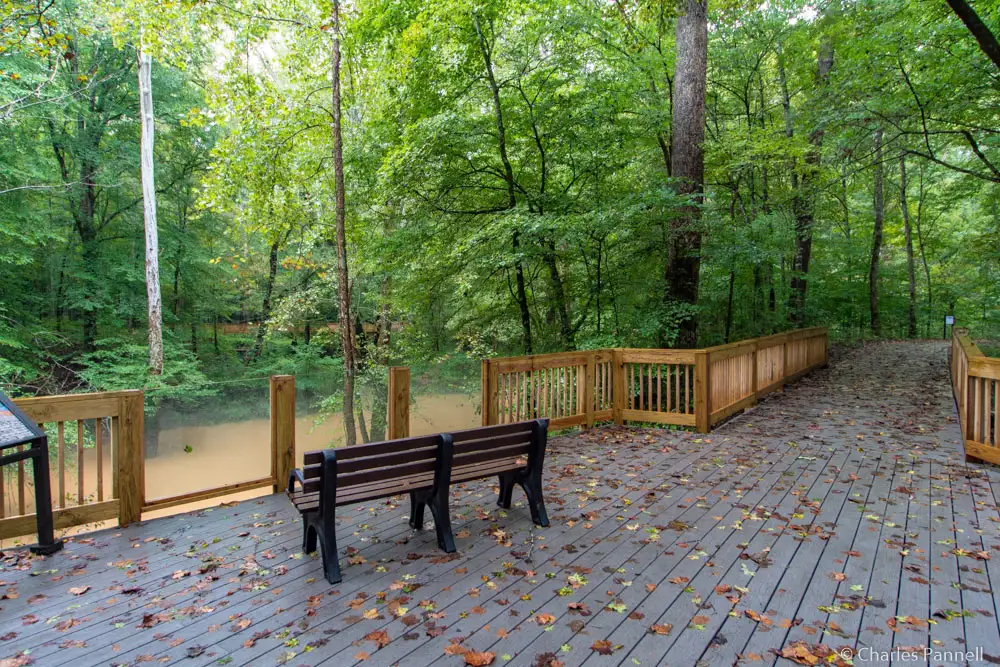
Accessible pier on Diablo Lake in North Cascades National Park
emerginghorizons.com/north-cascades-national-park
Located in Northern Washington, North Cascades National Park, not only offers free admission, but it also boasts nearly three miles of wheelchair-accessible trails. Enjoy a short jaunt on the .3-mile Trail of the Cedars, or go for a longer hike on the 1.4-mile accessible section of the River Loop. Or just enjoy the scenic drive on the State Route 20 Corridor.
Redwood National & State Parks
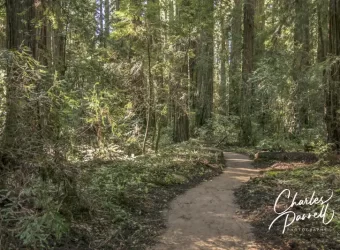
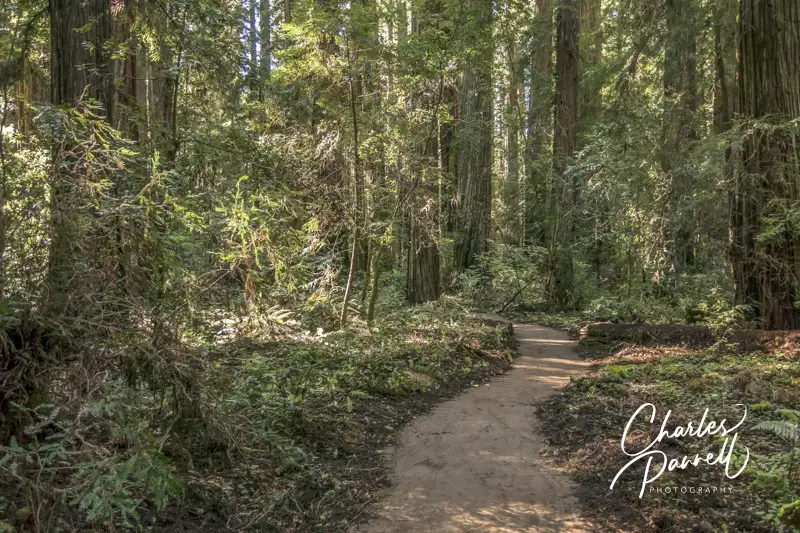
Prairie Creek trail in Prairie Creek Redwoods State Park
emerginghorizons.com/redwood-national-and-state-parks
Nothing beats the majesty of Northern California’s coastal redwoods in this mixture of federal and state lands. There are numerous wheelchair-accessible trails, campsites and attractions in both the original national park, and the three additional state parks. And if you’d like to spend the night, two of the state parks offer wheelchair-accessible camping cabins.
Great Basin National Park
Wheeler Peak Overlook in Big Basin National Park
A bit off-the-beaten-path in Eastern Nevada, Great Basin National Park is one of America’s least visited national parks. And that makes it a great place to get away from the crowds. There are numerous accessible overlooks on the Wheeler Peak Scenic Drive that offer excellent views of the “great basin”. And if you’d like to stretch your legs, the wheelchair-accessible Island Forest trail makes a .4-mile loop through a pine and fir forest.
Great Smoky Mountains National Park
Cades Cove in Great Smokey National Park
Although there’s no entrance fee to this popular national park, there is a parking fee if you stop for longer than 15 minutes. That said, the Roaring Fork Motor Trail begins just outside of Gatlinburg, and winds 5.5 miles through a hardwood forest filled with chestnuts, oaks, maples and magnolias. You can stop along the way and snap a few photos, and still visit without a parking pass. And it’s an absolutely beautiful fall foliage drive.
Cuyahoga Valley National Park
Everett Covered Bridge in Cuyahoga National Park
This Ohio national park offers a scenic drive along the Cuyahoga River, plus several accessible trails and attractions. Save some time to stop at the Canal Exploration Center and the Breckville Nature Center, and don’t miss the Everett Covered Bridge. And if you’d like a little hike, then take the wheelchair-accessible Ohio & Erie Canal Towpath to the Beaver Boardwalk.
Kenai Fjords
View of Exit Glacier
Wrapping up our list of national parks you can visit for free is Kenai Fjords National Park. Although you can certainly visit this Alaska national park by taking a cruise to see some of the nearly 40 glaciers in the Harding Icefield, you can also get a good view of Exit Glacier from the shore. Located three miles north of Seward, Kenai Fjords National Park boasts a one-mile wheelchair accessible loop trail that leads through a cottonwood forest to an accessible viewing area. And you just can’t beat the sight of Exit Glacier, as it seemingly spills down the mountain.
Barrier-Free Travel Washington National Parks for Wheelers and Slow Walkers
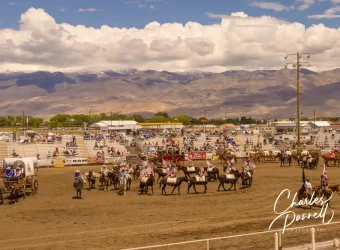
Buffalo Roundup in Custer State Park, South Dakota
Although it sounds like something straight out of an old western movie, an honest to goodness buffalo roundup takes place every fall in Custer State Park. Granted, it’s the precursor to the fall buffalo sale, but it’s also a fun stand-alone event that’s open to the general public. Held on the last Friday in September, the Custer Buffalo Roundup (https://www.custerresorts.com/activities/buffalo-roundup) attracts wranglers from across the west who skillfully corral some 1,500 head of buffalo that reside on a 71,000 acre swath of Custer State Park. And it’s a sight to see — and hear — for sure. Even though this rustic event takes place in an open pasture, accommodations have also been made for wheelchair-users and slow walkers. So grab your cowboy hat, and get ready to hit the trail to see the Custer Buffalo Roundup.
Round ’em Up
Although the big round up officially begins at 9:30, you’ll want to get an early start. The two viewing locations along Wildlife Loop Road open at 6:15 AM. It should be noted that you need to choose your viewing area before you set out, as Wildlife Loop is closed to through traffic at the corrals. If you want to use the North viewing Area, then head south from the State Game Lodge on Wildlife Loop Road; and if you want to use the South Viewing Area, head east of Wildlife Loop Road near Blue Bell Campground.
Spectators at the Buffalo Roundup in Custer State Park, South Dakota
Be sure and display your parking placard as you enter the lot, so you will be directed to the accessible parking area. From there, it’s just a short walk to a level viewing space, and accessible porta-potties. And if you are a slow walker, it’s a good idea to pack along a camp chair, as there’s no seating. Patrons are required to stay in the viewing areas until the buffalo are safely contained, which is usually around 11:30.
So what do you do while you wait for the roundup to begin? Well there’s the pancake breakfast for one. It’s held in a level area near the accessible parking, and to be honest, it’s nice to have a hot breakfast instead of a granola bar. There’s no seating, so you just take your meal back to your area. And then you can always chat and get to know your neighbors until you see the wranglers emerge on the horizon.
And then, there’s a great ruble over the plains, a bit of telltale dust, and with that the buffalo are herded past the crowd into their corrals. After that they are branded, examined and sorted, which the public is invited to watch.
Wranglers at the Buffalo Roundup in Custer State Park, South Dakota
Art, Music & More
After the buffalo are all rounded up, it’s time to head over to the Game Lodge area for the Buffalo Roundup Arts Festival. It actually runs from Thursday to Saturday, but it makes a good post-roundup choice. Here you’ll find hundreds of arts and crafts vendors, music and food.
Parking is available in a remote parking lot that is about a half-mile from the arts festival. That said, it’s a level walk on a paved sidewalk, so it’s doable for many wheelchair-users. Alternatively, there’s a wheelchair-accessible shuttle that runs from the remote parking lot to the arts fair. And there’s also a small accessible parking area close to the vendors, for anyone who just can’t manage the distance.
There’s level access around the 175 vendor tents, that have a wide range of art work, including many native made products. And at the end of the line there’s a place you can chow down on a bison burger and the fixins. Then, take some time to listen to some music for a relaxing afternoon.
Save some time to drive back down to the corrals later in the day, or even the next day. There’s accessible parking near the Bison Center, with level access to the dirt paths around the corrals. And although personal vehicles are prohibited in this area on roundup day, people with accessible parking placards are permitted to drive there. Alternatively, you can visit the corrals on the next day for a close look at the whole vaccination and examination process, as it takes about four days for staff to work the entire herd. It’s a good — and safe — opportunity for a close look at the resident buffalo during the Custer Buffalo Roundup.
Barrier-Free Travel National Park Lodges for Wheelers and Slow Walkers
Let’s face it, all yurts are not created equal. These round canvas structures with wooden floors are popping up at state parks and campgrounds across America; and let’s just say some offer more creature comforts than others. Some are pretty basic, with just the roof over your head and a pair of bunk beds. Others, such as this wheelchair-accessible Umpqua yurt, offer a bevy of deluxe features, including a private bathroom, a kitchen and electricity. And you just can’t beat the location — in the heart of Umpqua Lighthouse State Park (oregonstateparks.org/index.cfm?do=parkPage.dsp_parkPage&parkId=83). So pack you car and hit the road to the Oregon coast, and spend the night in this deluxe wheelchair-accessible Umpqua yurt.
Sleeping in Style
Located in a secluded enclave just north of the campground, the Yurt Village includes six yurts, including the wheelchair-accessible model (yurt 16). Accessible parking is located in a small parking lot near the yurt village, which is a short level roll to the wheelchair-accessible Umpqua yurt. The yurt is is surrounded by vegetation for maximum privacy, and there’s level access to the covered front porch.
Great room in Yurt 16 at Umpqua Lighthouse State Park
There’s plenty of room to maneuver a wheelchair around the great room, which is furnished with two 18-inch high futons and a 21-inch high bunk bed (bring your own linens), with a double on the bottom and a single on the top. There’s also a DVD player and a TV in the unit, and although there’s no TV reception, it’s a good entertainment option if you bring along your own DVDs. As an added bonus the yurt also comes equipped with lights, electric outlets and even a heater.
Kitchen in Yurt 16 at Umpqua Lighthouse State Park
The adjacent kitchen is equipped with full size refrigerator, a microwave, and a sink. There’s also a table with four chairs next to the kitchen. It’s a simple set-up, but quite functional, although you do need to pack along dishes, cookware and utensils.
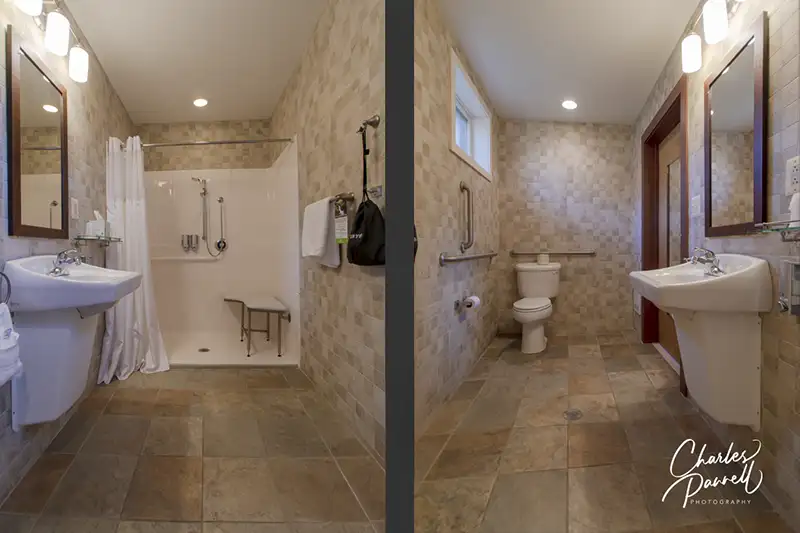
The bathroom has a wide sliding door, and it features a full five-foot turning radius. It’s equipped with a roll-in shower with grab bars, a hand-held showerhead and a fold-down shower bench. Other access features include toilet grab bars on the back and right walls (as seated), and a roll-under sink.
Bathroom in Yurt 16 at Umpqua Lighthouse State Park
And if you’d like to grill your dinner, there’s also a propane BBQ near the front porch. Top it off with an accessible picnic table and a fire ring, and you have everything you need.
Reservations for this wheelchair-accessible Umpqua yurt can be made up to nine months in advance at www.reserveamerica.com.
Whale Watching and More
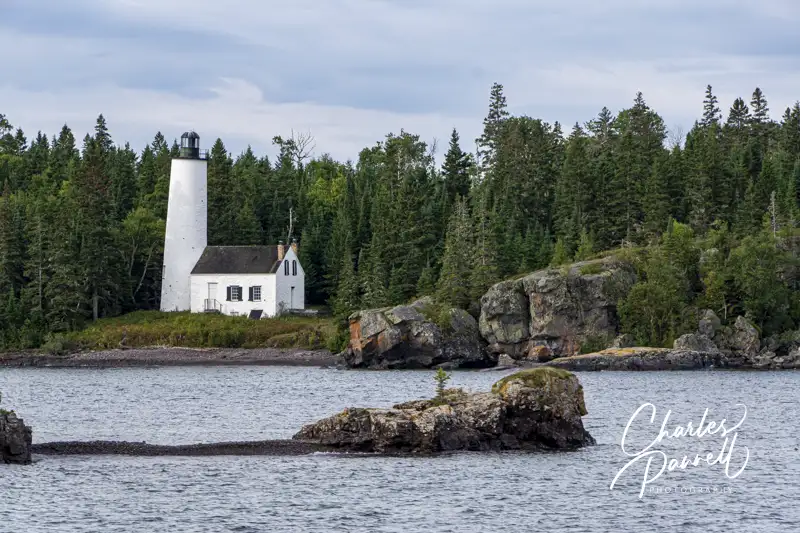
While you’re in the area, be sure to take a short drive over to the Umpqua River Lighthouse. Built in 1857, this 65-foot tall tower sits at the entrance to Winchester Bay. There’s accessible parking near the lighthouse, with level access over to the adjacent museum. Even though the museum is accessible, admission is only offered as part of the lighthouse tour, which is not accessible. Still it’s worth a stop just to get a look at the outside of the historic lighthouse. And if you have a picnic lunch, there’s also a few accessible picnic tables in front of the museum.
Save some time to stroll across the street, where you’ll find an accessible overlook which offers a nice view of the Umpqua River and the Pacific Ocean. And although the scenery by itself is splendid, during the winter months it’s also possible to spot migrating gray whales in the distance. Be on the lookout for these massive giants from late November to early January, when the pregnant females head south from Alaska, to give birth in the warm waters off of Baja California. Of course whale watching is a matter of luck and timing, but to increase your odds, visit during the peak migration in early January. And don’t forget to bring along your binoculars.
Whale watching platform at Umpqua Lighthouse State Park
Dean Creek Detour
For more wildlife viewing, take a short detour to Dean Creek Elk Viewing Area (www.blm.gov/visit/dean-creek-elk-viewing-area). Just follow highway 38 east from Reedsport for about three miles, and keep your eyes peeled for Roosevelt Elk on the right side of the road.
Interpretive display at Dean Creek Elk Viewing Area
There are several spots along the road that have accessible viewpoints and overlooks, and there’s even a small interpretive display near one popular viewing area. Access is good at all the viewing areas, with accessible parking, level access out to the overlooks, and accessible restrooms. There’s also a pullout on the right side of the road at about the 4.5-mile mark that offers some incredible windshield views.
The good news is that because of mild winter temperatures and abundant food supplies, the elk remain in the area year-round. The not so good news is that, like most wildlife viewing opportunities, spotting these animals depends a lot on luck. That said, you can increase your odds by visiting in the early morning, or just before dusk. On the plus side, the Dean Creek Elk Viewing Area is close to Umpqua Lighthouse State Park, so it’s possible to make several return visits during your stay.
Elk at Dean Creek Elk Viewing Area
Barrier-Free Travel California National Park Road Trips for Wheelchair-Users and Slow Walkers
Edge of the Cedars State Park MuseumNamed for its unique location, Edge of the Cedars State Park (stateparks.utah.gov/parks/edge-of-the-cedars is a hidden gem in a state filled with natural beauty. In fact it’s easy to miss if you are zipping down Highway 191 from Canyonlands and heading over to Monument Valley. This Blanding attraction is a must-see, as not only does it boast an impressive collection of Ancestral Puebloan pottery; but it also includes a partially excavated Puebloan village. And the diversity of the artifacts is only surpassed by the accessibility of the site for wheelchair-users and slow walkers.
Edge of the Cedars — The Museum
Pottery from the Four Corners in the Edge of the Cedars MuseumThere’s accessible parking near the front entrance of the museum, with a level sidewalk that winds past a sculpture garden to the front door. Take some time to linger on in the garden and enjoy the pieces that were inspired by rock art. Inside there’s level access to the front desk, gift shop, accessible restrooms and gallery space, and elevator access up the second floor. For a good primer on the site, be sure and watch the 15-minute movie in the adjacent adjacent auditorium, which features barrier-free access and plenty of room for wheelchairs and scooters.
The downstairs gallery includes rotating exhibits, but the upstairs gallery houses the real gems. The Puebloan Pathways exhibit features interpretive panels that outline the different styles of housing, masonry and crops, and includes a time lime of the rise and fall of the civilization. And there’s a good sampling of pottery, baskets, dart tips and other items that were excavated in Southeastern Utah. The Visible Storage exhibit, which is behind glass, showcases some of the prized artifacts including a large collection of Ancestral Puebloan pottery and an impressive macaw feather sash that dates back to 1150 AD.
There’s also an entire room devoted to artifacts that were unearthed at the Edge of the Cedars Pueblo. Actually there were several villages that were superimposed on one another that occupied the site from 800 AD to 1225 AD. Part of the pueblo has been excavated, but the rest will remain intact out of respect for the descendants of the Ancestral Puebloans. And if you’d like to get a good overview of the site, there’s also ramp access up to a viewpoint with a large window.
Edge of the Cedars — The Pueblo
Pueblo at the Edge of the Cedars State ParkThere’s level access to the ruins out back, with a sidewalk out to the great house and kiva. The sidewalk circles the excavated structures, and although you can’t go inside the great house, you can certainly get a good view from the sidewalk. Visitors are allowed to access the kiva, but that requires stepping up on the structure and climbing down a ladder. Still the ruins are impressive, and there are a number of interpretive panels explaining the significance of the structures. All in all, it’s about a quarter-mile level walk around the pueblo, but if that distance is a problem, you can do a shorter out-and-back hike.
Don’t miss the Sun Marker sculpture by Joe Pathak, which is located down a 300-foot dirt path near the kiva. This is a modern interpretation of prehistoric archeoastronomy sites that were found in the southwest, and it’s designed to interact with the sun. Throughout the year sunlight shines through the cutouts on the sculpture and casts shadows and images on other parts of the sculpture. No two days are ever the same, so you can see it many times and it will seem like an entirely different piece.
Edge of the Cedars State Park also makes a good lunch stop. There’s sidewalk access over to a covered picnic area with accessible picnic tables near the front parking lot. It’s a great way to top off a visit to this one-of-a kind Southeastern Utah archaeological find.
Barrier-Free Travel Utah National Parks for Wheelchair-users and Slow Walkers
Located about 240 miles north of Anchorage and 120 miles south of Fairbanks, Denali National Park (www.nps.gov/dena/index.htm) is one of the crown jewels of the 49th State. One of Alaska’s eight national parks, Denali occupies just over six million acres of wild land bisected by a seasonal road. And if all that sounds a bit rugged for your taste, rest assured it is possible to plan a wheelchair-accessible Denali visit. Granted, scaling the 20,310 namesake mountain may not be on your to-do list; however the park also offers a nice selection of wheelchair-accessible trails, attractions and tours suitable for non-mountaineering visitors.
Getting There
A top concern about a wheelchair-accessible Denali National Park visit is actually getting to the park. Although there’s no airport there, Denali is easily accessible by rail and car. The peak visit time is from late May through early September, but that’s primarily because of the train schedules and the unpredictable weather. Still if you have a vehicle, and a bit of a sense of adventure, late spring and fall can also be beautiful times to enjoy Mother Nature’s majesty in Denali.
Alaska Railroad
Daily train service is available from Anchorage and Fairbanks on Alaska Railroad’s (www.alaskarailroad.com) Denali Star during the summer months. The northbound train departs from Anchorage, and takes three hours to get to Denali. It stops in Wasilla and Talkeetna along the way. The southbound Fairbanks to Denali nonstop route takes four hours to get to Denali. And the good news is, all the stations include lift boarding, and the GoldStar Dome Cars feature elevator access, accessible seating and accessible lavatories downstairs. Additionally, most of the major cruise lines also offer cruise tour packages that include a Denali stop, on their own accessible railcars.
If you’d prefer to drive, accessible rental vans are available in Anchorage from Alaska Mobility (www.alaskamobility.com). After you pick up your van, just hop on The George Parks Highway (Highway 3). Also designated as a National Scenic Byway, this well traveled route runs between Fairbanks and Anchorage, and offers access to the park. The drive on this well maintained paved road is doable in a day from Anchorage; but plan for extra time as there’s no shortage of viewpoints and roadside stops along the way. And for information on places to stop en route, visit themilepost.com, an excellent Alaska road trip resource.
Wheelchair-Accessible Denali Shuttles
Accessible shuttle bus
Another wheelchair-accessible Denali feature is the free accessible shuttle bus system. After the winter snow is cleared in late spring, the road into Denali National Park is open to private vehicles to the Savage River area. Transportation further into the park is only available from concessionaires, and it’s largely dependent on road conditions.
That said, the free shuttle bus system operates in the Riley River area near the park entrance, and in the Savage River area 15 miles down the road. And all of the shuttle buses and shuttle bus stops wheelchair-accessible. The Savage River Loop and the Riley Creek Loop shuttles run all day and stop at a number of trails and attractions along the way. The Sled Dog Demonstration Shuttle, which runs from the Denali Visitor Center to the sled dog kennels, departs 40 minutes prior to the demonstrations, and returns shortly after they are completed.
The shuttle bus schedule is available at www.nps.gov/dena/planyourvisit/courtesy-shuttle-buses.htm, and it’s also posted at all the shuttle stops. Printed schedules are not available in the park, and cell phone service is limited, so it’s best to save a screen shot of the schedule for planning purposes.
Riley Creek Hikes
McKinley Station Trail
If you’d like to try a hike in the Riley Creek area, then hop on the shuttle, get off at the Riley Creek Campground and explore the McKinley Station Trail. This 1.6-mile hard-packed dirt trail runs from the campground to the visitor center. Although it’s not completely level, it offers an undulating — and accessible — route through the forest. There are also a few accessible boardwalk sections along the way. Be forewarned though — there’s a short cut to the visitor center about half-way along the route, but it goes straight uphill. Stick to the original trail for a gradual accessible path to the visitor center.
If you’d prefer a shorter walk, check out the Spruce Forest Loop, which is located right behind the visitor center. This .15-mile trail meanders through the forest, and offers visitors a good introduction to the vegetation and wildlife found in the park. It’s also very convenient, as you can just take the shuttle to the visitor center and hop on the trail from there.
Sled Dog Demonstration
Sled dog demonstration
The Sled Dog Demonstration is another wheelchair-accessible Denali must-do. Although accessible shuttle service is available from the visitor center, you can also drive over to the kennels. There’s plenty of accessible parking available at the kennels; however it’s a longer jaunt from the parking lot than it is from the bus stop, so slow walkers might want to opt for the shuttle. It should also be noted that the Roadside Trail that runs from the visitor center to the kennels has a steep grade and numerous obstructions, and it’s definitely not an accessible option to get to the kennels.
The sled dog demonstration is fun to watch, as the team is hitched to a wheeled sled that speeds around a dirt track. Accessible seating for wheelchair-users and slow walkers is available in the front, so everyone is guaranteed a good view. A ranger is on hand to answer questions about the sled dogs — which are still used in the winter in the park — and folks can walk though the sled shed and around the kennels after the demonstration. Best of all, there’s no charge for this educational demonstration.
Savage River Hikes
Mountain Vista Trail
Last but not least, save some time to explore the Savage River area of the park, which offers a few accessible trails, and some great scenery. The shuttle stops at the Mountain Vista and Savage trailheads; and if Mount Denali is “out” (not obscured by cloud cover), you’ll get a great view from several vantage points along the way.
The Mountain Vista Trail is the most accessible trail in the area. This .6-mile hard-packed dirt trail begins near the shuttle stop, behind the accessible vault toilets and picnic shelter. It winds through the tundra, and offers several impressive views of the Alaska Range along the way. And you never know what wildlife you’ll run across, so keep your ryes peeled. Pack along a picnic lunch and enjoy it at one of the accessible tables at the picnic shelter, while you wait for the shuttle to Savage River.
Savage Cabin Trail
The shorter Savage Cabin Loop begins just to the left of the Savage River Campground shuttle bus stop, near the accessible vault toilet. The .3-mile loop is fairly level — with a few undulations — and is covered in compacted gravel. Midway along the route, you’ll find a historic cabin that was constructed by the Alaska Road Commission in 1924. It was originally used as a ranger cabin, but today it’s an interpretive site. Although the cabin isn’t accessible, you can still get a good glance at the inside from the doorway. And the docent programs are usually presented outside, in an accessible space. Even if there aren’t any docents at the cabin it still make a nice stop on this short jaunt.
Wheelchair-Accessible Denali Lodging Resource
Lobby at the Denali Princess near Denali National Park
Of course, the final piece of the access puzzle in Denali National Park is lodging. There are no hotels or lodges in the park, but the campground has accessible spaces, and there are a number of accessible lodging choices nearby. Visit emerginghorizons.com/wheelchair-accessible-denali-lodging-options for more information.
Barrier-Free Travel Glacier, Yellowstone and Grand Teton National Parks for Wheelers and Slow Walkers
Road trips are a great way to travel. You can take things at your own pace, pack along all the gear you need, and you don’t have to worry about the airline losing your luggage. And there’s no better way to see some Western US national parks than on a road trip. This epic itinerary begins and ends in Las Vegas and visits nine national parks along the way. The whole route is 1880 miles long, but the longest drive is only 4.5 hours. You can do the whole itinerary, or just tackle a portion of this national park road trip. Either way, it’s a great spring, summer or fall travel choice
The Basics
Although this national park road trip begins in Las Vegas, you don’t have to be a local to give it a try. If you live close you can drive and spend a few days in town before hitting the road. Alternatively, you can grab a flight to Las Vegas and rent an accessible van to explore the national parks.
The good news is, accessible taxis are widely available in Las Vegas. At the airport just join the taxi queue, and the dispatcher will get an accessible cab for you. It’s a quick and easy process, and you don’t have to arrange for accessible transportation ahead of time. If you plan to spend a few days in the city prior to your road trip, most hotels will call for an accessible taxi for you.
Next, order an accessible van from one of these companies in advance, and you’re all set to hit the road.
For an easy first-day drive, just take Interstate 15 to Hurricane, and then follow Highway 9 to Zion National Park (emerginghorizons.com/zion-national-park/). The drive takes about 2.5 hours, and there’s some great scenery along the way. Hop on the wheelchair-accessible park shuttle at the Zion Visitor Center and explore the park, and then spend the night at a wheelchair-accessible cabin at Zion Lodge.
Zion National Park to Bryce Canyon National Park
Shared use trail in Bryce Canyon National Park
From Zion, take Highway 9 to Mt. Carmel Junction and then hop on Highway 89 north to Highway 12 east. Save some time to stop along Highway 12 at the Red Canyon Visitor Center and take a stroll along the accessible Red Canyon Bicycle Trail. Continue on Highway 63, and follow the signs to Bryce Canyon National Park (emerginghorizons.com/bryce-canyon-national-park). If you drive it straight through, it will take about two hours. And there’s no shortage of accessible things to do in the park, including a roll or stroll along along the Bryce Multiuse Trail.
Bryce Canyon National Park to Capitol Reef National Park
Visitor Center in Capitol Reef National Park
To continue along on your national park road trip, backtrack on Highway 63 and make a right on Johns Valley Road, which becomes Highway 22. Next, make a right on Highway 62, and another right on Browns Lane, then head east on Highway 24 through Torrey to Capitol Reef National Park (emerginghorizons.com/capitol-reef-national-park). It’s a scenic two-hour drive. Pick up a map at the visitor center, then take a driving tour of the park. And don’t miss the petroglyphs along Highway 24.
Capitol Reef National Park to Canyonlands National Park
Vista in Canyonlands National Park
The next leg of your national park road trip is about a 4.5-hour drive. From Capitol Reef continue east on Highway 24, then take Interstate 70 east, and Highway 191 south to Highway 63. This will lead you to the Islands in the Sky section of Canyonlands National Park (emerginghorizons.com/canyonlands-national-park). This large mesa “island” rises 1,000 feet above the adjacent land and is surrounded by the Colorado River and Green River. And if you don’t fancy camping out in the park, Field Station Moab (emerginghorizons.com/field-station-moab-a-breath-of-fresh-air) has some comfortable accessible rooms, and it’s just a 30-minute drive away.
Canyonlands National Park to Arches National Park
Devil’s Garden Trail in Arches National Park
For the next leg of your national park road trip, take Highway 313 back out to Highway 191 and continue south to Arches National Park (emerginghorizons.com/arches-national-park). It’s a short 35 minute drive. Stop at the visitor center, then take a driving tour of this beautiful park. Don’t miss the trail at Balanced Rock, Wall Street, the trail to the petroglyphs at Wolfe Ranch, and the Windows Section of the park. Although this park offers some spectacular scenery, advance planning is a must, as timed entry reservations are now required (emerginghorizons.com/national-park-entrance-reservations-required-in-2024). And remember, reservations are not available onsite — you need to purchase them online, ahead of your visit.
Arches National Park to Black Canyon of the Gunnison National Park
Black Canyon of the Gunnison
The next segment of your national park road trip takes about 2.5 hours. From Arches National Park backtrack north on Highway 191 to Interstate 70 east, then take Highway 50 east to Highway 92 in Delta, to the Black Canyon of the Gunnison National Park (www.nps.gov/blca/index.htm) entrance. There’s no shortage of scenic views on the seven-mile scenic drive along the south rim of the canyon. Even better — most of the viewpoints are wheelchair-accessible. And when it’s time to bed down for the night, there’s a comfy accessible yurt in Ridgeway State Park, which is about a half-hour away.
Black Canyon of the Gunnison National Park to Mesa Verde National Park
Mesa Verde National Park
To continue your national park road trip, take Highway 50 east to Interstate 550 to Ridgeway. From there take Highway 60 to Highway 145 south to Cortez. To complete this four-hour journey follow Highway 160 to Mesa Verde National Park (www.nps.gov/meve/index.htm). Highlights at Mesa Verde include the scenic Mesa Top Loop Drive, Chapin Mesa Archeological Museum, and the ruins at the Far View Sites. And if you’d like to spend the night in the park, Far View Lodge has some nice accessible rooms with roll-in showers.
Mesa Verde National Park to Petrified Forest National Park
The Crystal Forest in Petrified Forest National Park
From Mesa Verde, backtrack on Highway 160 to Cortez, then head south on Highway 491 to Interstate 40. Go west on the interstate and take exit 311 to reach Petrified Forest National Park (www.nps.gov/pefo/index.htm). The Painted Desert is located near the north entrance, and it features expansive views and a former Harvey House (The Painted Desert Inn). The Crystal Forest is worth a stop near the central part of the park, and don’t miss the Rainbow Forest near the South Entrance. And when you’re done, just exit the south entrance and head north to rejoin Interstate 40.
Petrified Forest National Park to Grand Canyon South Rim
Grand Canyon National Park
After you rejoin Interstate 40, head west and take exit 165 in Williams, then follow Highway 64 to Grand Canyon National Park (emerginghorizons.com/grand-canyon-national-park). It’s a scenic three-hour drive. There’s no shortage of accessible things to do on the South Rim, but for a scenic overview of the whole park, take a wheelchair-accessible flightseeing tour on Grand Canyon Scenic Airlines (www.scenic.com). The 45-minute flight departs from Tusayan, and features ramp access and plenty of room to transfer to a seat. And with the large windows on the plane, you won’t miss a thing. For another great view, check-in to Thunderbird Lodge — the only property in the park that offers wheelchair-accessible rooms with canyon views.
Grand Canyon South Rim to Grand Canyon North Rim
View from the North Rim Grand Canyon Lodge
The last stop on your national park road trip is just a four-hour drive away. From the Grand Canyon Visitor Center, follow the South Entrance Road to Desert View Drive and head east. In Cameron go north on Highway 89, and connect to Highway 89A in Jacob Lake, then just follow Highway 67 south to the Grand Canyon North Rim (www.nps.gov/grca/planyourvisit/north-rim.htm). The great thing about the North Rim is that it doesn’t attract as many visitors as the South Rim. And after the day visitors are gone, it’s just you and the other lodge guests. Grand Canyon Lodge North Rim has a variety of accessible cabins, many which are equipped with roll-in showers. So plan to spend a few days and enjoy the beauty of the North Rim.
Grand Canyon North Rim to Las Vegas
Fabulous Downtown Las Vegas
To complete your national park road trip, take Highway 67 back out to Highway 89A and head north. Next, travel west across the Kaibab Reservation on Highway 389, which turns into Highway 59 when you cross into Utah. Finally, take Highway 9 to Interstate 15 west and circle back to Las Vegas. It’s just a 4.5 hour drive, with lots of great scenery along the way.
Barrier-Free Travel
Utah National Parks for Wheelchair-users and Slow Walkers
Driving along Prison Road the sight of the massive granite walls of Folsom State Prison are unmistakable, as you approach the nation’s first maximum-security prison. Interestingly enough, the granite for the walls was quarried by the prisoners, and the imposing structure was later built by inmates back in the early 1900s. That’s just one of the fun facts you’ll learn on a visit to the Folsom Prison Museum (www.bighouseprisonmuseum.org).
To be honest, visiting the museum is a tad bit intimidating, as it’s located just inside the prison grounds. That said, I timidly approached the guard after following the “museum” signs that led to the prison entrance, and hesitantly stammered, “I’m looking for the museum”. I heaved a giant sigh of relief when the guard cracked a smile and enthusiastically directed me to the museum entrance, located just beyond the checkpoint.
Accessible parking is located across the street from the checkpoint, and there’s a level pathway over to the ramped museum. Inside, quarters are a bit tight in the historic structure, however there’s still room enough to maneuver a wheelchair around the exhibits. The tiny restroom is not accessible — so plan ahead — and there’s about a half-inch step down to the Johnny Cash room, but again it’s all quite manageable.
The Folsom Prison Museum
Folsom Prison Museum
Operated by retired correctional officers, the museum features an impressive collection of weapons, shackles and confiscated items. Highlights include a hand-crank Gatling gun, a substantial number of inmate-crafted firearms, and even a homemade bomb. Add in some old gas masks, an operating table and Rick James’ guitar, and you have a very eclectic collection. There’s also a sizable display of things made from everyday items by the inmates, including a purse made from potato chip bags, a Ferris wheel crafted from a quarter-million toothpicks, a hangman’s noose made from toilet tissue and a number of creative soap bar carvings. A large collection of California license plates also adorn one wall in this room, just to remind folks where they are all manufactured today.
There’s also a room devoted to Johnny Cash, who visited the prison and recorded a live album there in 1968. There’s a load of photographs of Cash and his wife at the prison, along with his own “gag” mug shot and even some stationary from the Sacramento hotel where he stayed. It’s definitely a must-see for any Cash fan.
Granted this small museum doesn’t warrant a dedicated trip to Folsom; however if you’re heading to South Lake Tahoe on Highway 50, it’s definitely worth a stop. Just take the Folsom Boulevard exit, turn left and then make a right on Natoma Street. From there turn left on Prison Road which dead-ends in the visitor parking lot. And when you’re back on your way to Lake Tahoe, take note of the granite mileage markers along the road, as those were also crafted by Folsom Prison inmates.
Barrier-Free Travel Yosemite, Sequoia and Kings Canyon National Parks for Wheelers and Slow Walkers