A project of the Paris Convention and Visitor Bureau, this online resource offers information on visiting Paris in a wheelchair.
It includes a detailed section about getting around, including information on wheelchair-accessible bus, metro, tramway and RER routes in the City of Lights. Also included is a list of adapted taxi companies, information about hiring a wheelchair-accessible vehicle with a driver, adapted van rental resources, and even the low-down on wheelchair-accessible airport transfers. Additionally there are links to local providers that can provide personal travel assistance, as well as information on accessible car parks.

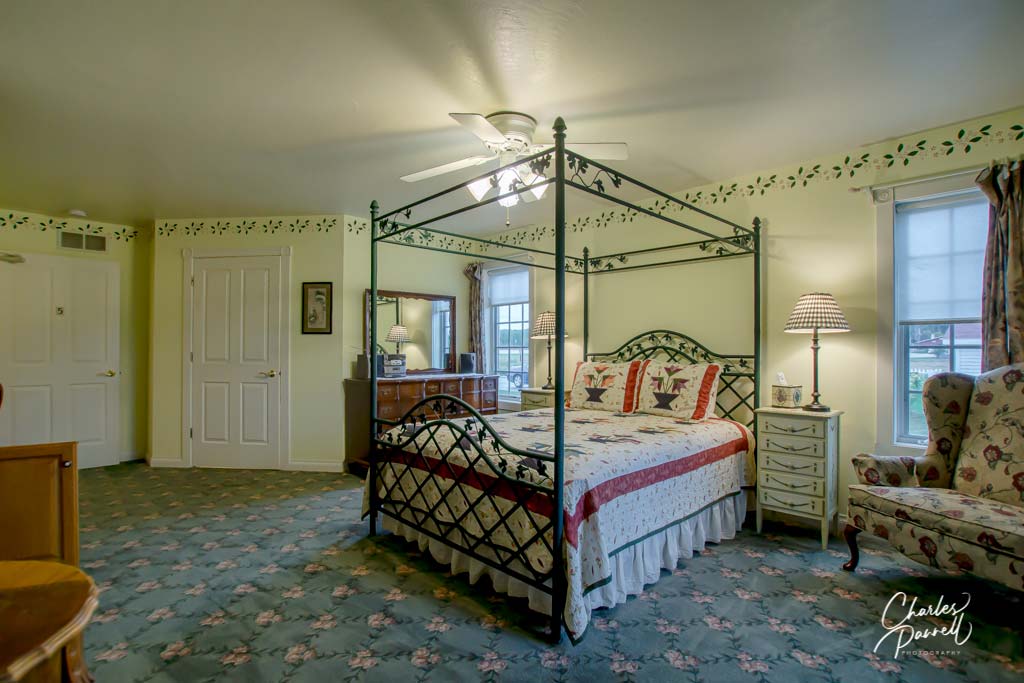
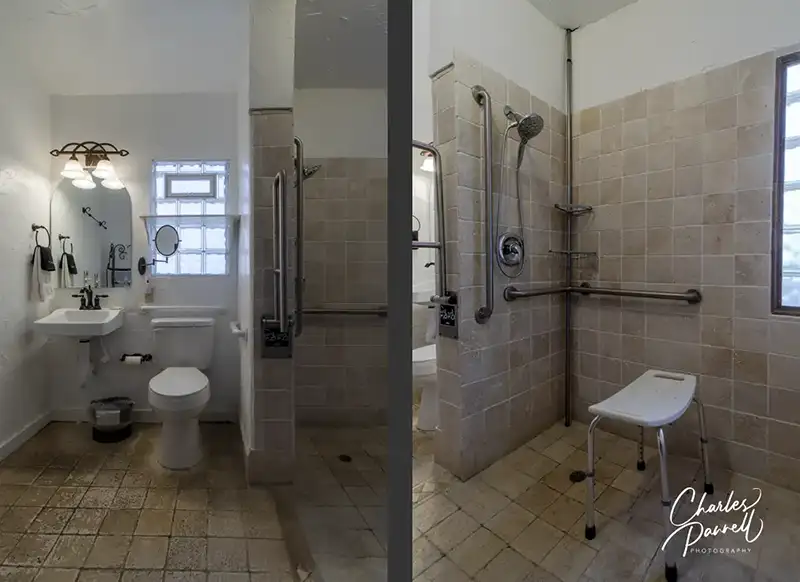
Also included is detailed information about accessible lodgings, restaurants, tours, attractions and even self-guided walks. And if you still have questions, visit their comprehensive FAQ page. This well researched guide is an excellent resource for visiting Paris in a wheelchair. parisjetaime.com/eng/article/accessibility-a646
Barrier-Free Travel Yosemite, Sequoia and Kings Canyon National Parks for Wheelers and Slow Walkers
Although some welcome access updates to the Air Carrier Access Act (ACAA) were released in December 2024, there’s been a slight glitch in the implementation of these new regulations. It seems that the airlines have commenced legal action to prevent the ACAA updates from being enacted.
The Airlines Argument
These new ACAA updates (https://emerginghorizons.com/2025-air-carrier-access-act-updates/), which were released by the Department of Transportation (DOT) on December 17, 2024, include stricter guidelines for the repair of damaged wheelchairs and improvement of communication with passengers who check their mobility devices. They also include some general regulations for insuring the prompt return of checked wheelchairs, informing passengers of the dimensions of the aircraft hold and generally updating the policies regarding flying with a wheelchair. Collectively they were seen as a huge improvement for wheelchair-users and slow walkers who take to the skies.
But the airlines didn’t exactly share the enthusiasm for these ACAA updates that was generated by the disabled community. In fact, five American airlines — United, American, Delta, JetBlue and Southwest — have filed a petition in the Fifth Circuit Court of Appeals for a review of the new ACAA updates. Also included as a plaintiff is Airlines for America, an organization that includes the above carriers as well as Alaska Airlines, Hawaiian Airlines and Atlas Air. In short, these airlines have asked the court to set aside the new rule because the provisions in it exceeded the DOT’s statutory authority.
Specifically they claim that the rule violates the Administrative Procedure Act. (APA) This act requires a reviewing court to set aside agency actions that are found to be “arbitrary, capricious, an abuse of discretion or otherwise not in accordance with the law”.
Venue Could Make a Difference
I find it interesting that this petition was filed in the Fifth Circuit Court of Appeals, which is headquartered in New Orleans. The Fifth Circuit includes Louisiana, Texas and Mississippi. Two of the plaintiff airlines — American Airlines and Southwest Airlines — are headquartered in that district. American Airlines home offices are in Fort Worth, while Southwest Airlines calls Dallas home.
On the surface it would seem logical to file in the district where two of the plaintiffs are located. On the other hand, it left me scratching my head a bit because the attorneys are located in New York. And not only is New York located a fair distance from New Orleans, but JetBlue also has its home office in New York. So why didn’t the plaintiff’s attorneys file in New York? It seems like that would be easier for everyone.
Then I looked at the recent court decisions of the Fifth Circuit, and one really stood out. It was another DOT case. On January 28, 2025 the Fifth Circuit Court of Appeals ruled that the DOT failed to comply with the APA in their fare disclosure regulation. That regulation was then remanded back to the DOT so they could make appropriate changes to comply with the law
In other words, the court ruled against the DOT. And if they did that once, then perhaps the attorneys for the plaintiffs were hoping that’s how it would go with this case.
What Happens Next?
Now that the papers have been filed we basically have to wait until the plaintiffs present their case to the Fifth Circuit Court of Appeals. And then the court will either rule that it stands, or it will throw it out; or like in the fare disclosure regulation, it will be sent back to the DOT with instructions to fix it.
Time will only tell. Until then the new ACAA updates are on hold, and because the regulation has been challenged they will not go into effect as previously outlined.
And so we wait. Hopefully this issue will be resolved soon.
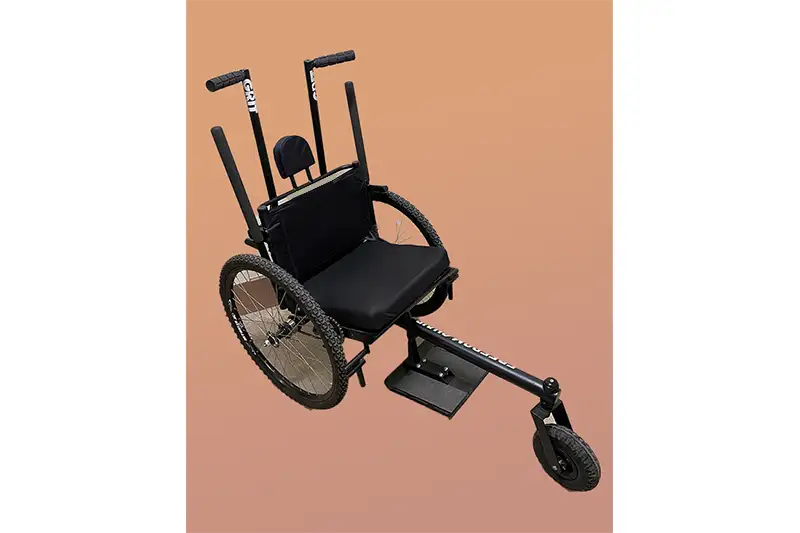
Thanks to Friends of Sleeping Bear Dunes, the Sleeping Bear Dunes National Lakeshore offers three loaner track chairs for use by wheelchair-users and slow walkers. The Mama Bear Chair and the Baby Bear Chair can be used on the Bay View Trail. The Mama Bear Chair is 24 inches wide between the armrests and can carry up to 350 pounds; while the Baby Bear Chair is 18 inches wide between the armrests and can carry up to 300 pounds. The newest track chair, The Platte Bear Chair, is 22 inches wide between the armrests and can carry up to 300 pounds. It can be used on the Platte Plains Trail.


Reservations are required to borrow the Sleeping Bear Dunes track chairs, and they are available Friday through Monday, during the summer season. A waiver of liability must also be signed. Minors are required to be accompanied by an adult. Track chair-users must be able to transfer independently or bring a companion to assist with transfers. After a short orientation a volunteer host will accompany the track chair-user on a hike.
The hottest, driest and lowest point in North America, Death Valley is the largest national park in the lower 48 states. And with over three million acres of wilderness area, there’s a huge diversity in the flora and fauna throughout the park. From majestic sand dunes and salt flats, to snow capped peaks, a lush oasis and even a massive crater, there’s something for just about everyone at this remote national treasure.
Insider Tips
A stop at Badwater – the lowest point in the US — is a must do on any Death Valley itinerary. There’s boardwalk access out to the salt flats, and from there you can roll as far as you like. It’s best to hit this area in the morning though, as it can get quite hot later in the day. Additionally, don’t forget the insect repellent, as the biting flies that are common in Death Valley really like this area of the park – especially in the summer.
Many visitors flock to Zabriskie Point and Dantes View, off of Highway 190; while most folks entirely pass up the scenic 20 Mule Team Canyon Drive, which is located between the two. This 2.5-mile scenic drive winds up and down the colorful eroded badlands, and offers an off-the-beaten-track experience without having to trek through the desert for days.
Although there’s no shortage of food offerings at Furnace Creek, head on over to Timbisha Shoshone land and try something different for lunch. Just follow the signs to Timbisha Village Tacos from highway 190, between the Furnace Creek Inn and Furnace Creek Ranch. There aren’t many choices on the menu – Indian tacos, burritos, taco salad and shaved ice – but the food is tasty and the prices are reasonable. And although their hours vary, they are usually open for lunch. To-go food is also available.
Named for Ebenezer Bryce, a Scottish immigrant who settled in the Paria Valley in 1875, Bryce Canyon National Park is known for the spire-like hoodoos that seem to magically rise from the canyon floor. Created by a combination of freezing, thawing and erosion, these unusual limestone formations were sculpted over millions of years. Today, this Utah national park is often described as a cave without a ceiling; as the hoodoos bear a striking resemblance to stalagmites found on cavern floors.
Insider Tips
Free wheelchair-accessible shuttle bus transportation through the park amphitheater is available from April through the end of September. Although cars are allowed along this route, parking is at a premium during the busy summer season, so taking the shuttle bus is the easiest way to see the park.
Don’t miss the Bryce Canyon Shared Use Path – the longest accessible trail in the park. This paved trail begins outside of the park at the shuttle staging area at Ruby’s in Bryce Canyon City, and travels 2.4 miles to the park entrance, then continues another 2.6 miles to Inspiration Point. It also connects with the shuttle system at the visitor center, general store, lodge, Sunset Point, Sunset Campground and Inspiration Point, so you can do as much of the trail as you like, then hop on the accessible shuttle to return to your car.
The historic Lodge at Bryce Canyon, which dates back to 1925, offers four wheelchair accessible rooms – two with roll-in showers and two with tub/shower combinations. This rustic property was the brainchild of Gilbert Stanley Underwood who also designed Old Faithful Lodge at Yellowstone, the Ahwahnee at Yosemite, and Jackson Lake Lodge at Grand Teton National Park.
National park lodges are more than just places to rest your head. Not only are they part of the essential infrastructure of our national parks, but they’re also filled with history . In fact, more than a few national park lodges are listed on the National Register of Historic Places. And the good news is, the bulk of these historic properties have added access upgrades over the years, so wheelchair-users and slow walkers can also enjoy them. Thinking about staying in a national park lodge on your next road trip? Here are a few more benefits of staying “in park”.
Beat the Crowds
The best way to beat the crowds at national parks is to arrive early in the morning, and that’s much easier to do if you stay overnight in the park. The crowds drastically increase after 10 AM, when a lot of tour buses also appear. For example in Grand Canyon National Park, it’s almost impossible to enjoy Hermit Road during peak season in the afternoons. The shuttle buses are full and private vehicles are not permitted along the route. If however you get an early start, you’ll have a much more pleasant experience. Even better, it’s just a short walk to a shuttle bus stop from any of the park lodges, and five of the lodges have wheelchair-accessible rooms.
Nature Surrounds You
There’s just no comparison between staying at a chain hotel in a gateway city and bedding down in a national park lodge surrounded by nature. How can you beat opening your drapes to a view of Half Dome, or enjoying the red rock beauty of Zion Canyon from your front porch?
And Then There’s the Wildlife!
No place is off limits to the native wildlife in national parks. For example, at Mammoth Hot Springs Hotel in Yellowstone National Park, it’s not unusual to see the resident elk graze outside the accessible cabins. It’s an especially impressive sight during the rut, when the large bulls heard their harems. And you’ll never forget the bugling cry of the bulls.
First Dibs on Dinner Reservations
The more popular restaurants in some national parks require dinner reservations, and first dibs on those go to lodge guests. For example in Yellowstone, reservations at the Old Faithful Inn, Grant Village and the Lake Yellowstone Hotel are available 60 days in advance to lodge guests; while folks staying elsewhere can only make same day reservations.
Location, Location, Location
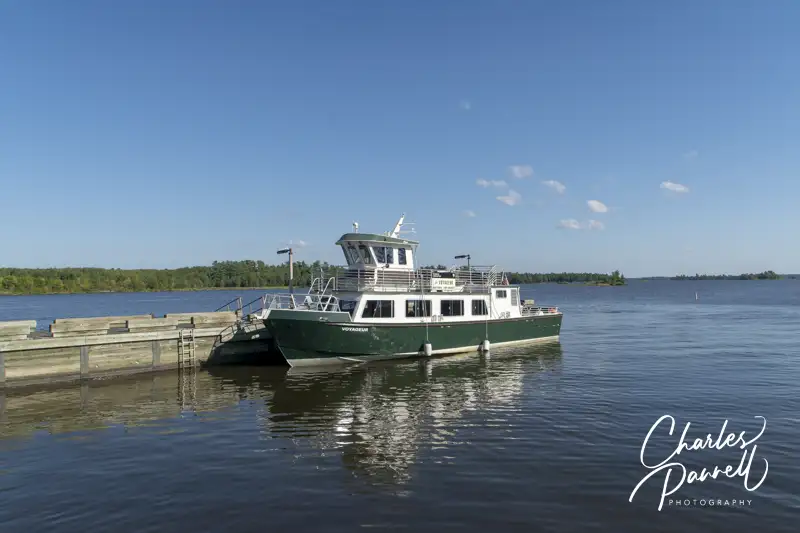
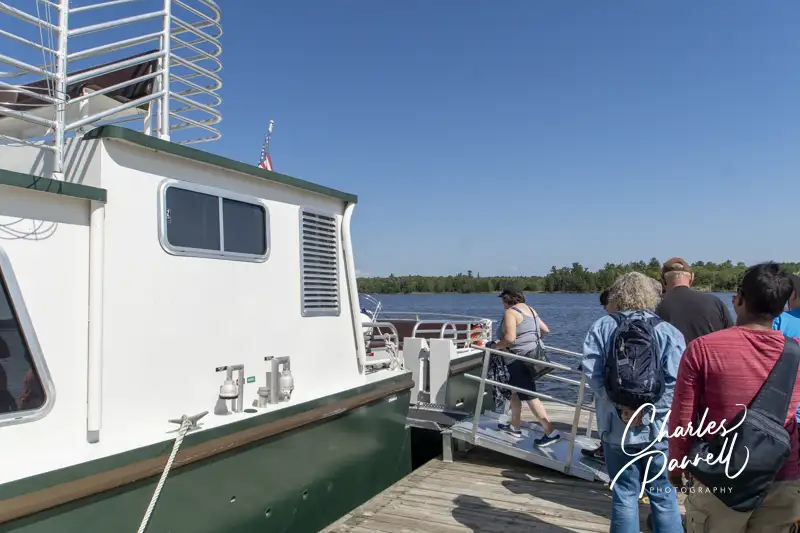
Let’s face it, some national parks are just too far from the city to make a daily commute, so staying at an in-park lodge is the only option. Take Isle Royale National Park for example. It’s located on an island in the middle of Lake Superior, and since it’s a four-hour ferry ride from the mainland, staying overnight just makes sense. Fortunately Rock Harbor Lodge has a comfortable wheelchair-accessible room.
Competitive Pricing
Last but certainly not least, most of the popular national parks have rooms in all price ranges, and some national park concessionaires even have programs in place that offer competitively priced rooms. For example, Curry Village in Yosemite National Park offers affordable family accommodations, while the luxurious Ahwahnee offers high end rooms with prices to match. And over in Yellowstone National Park, the Xanterra Travel Collection prices a good chunk of their in-park rooms at rates comparable to those found in the surrounding gateway communities. So yes, you can book a national park lodge at gateway community prices, but you do have to book early to take advantage of these great bargains.
Located 100 miles southwest of Boston, Mystic, Connecticut was a major shipbuilding center during the 1600s. Today the streets of this quintessential New England village are dotted with an eclectic mix of boutiques, galleries, souvenir shops and eateries. But Mystic is more than just a spot to load up on tourist tchotchkes. This coastal village is also home to two top attractions — both of which focus on the ocean. The Mystic Seaport Museum highlights the maritime and shipbuilding history of the area, while the Mystic Aquarium focuses on creatures and ecology of the sea. And the good news is, both of these popular attractions offer good access for slow walkers and wheelchair-users.
The Historic Seaport
Historic Buildings at the Mystic Seaport Museum
The Mystic Seaport Museum (www.mysticseaport.org) is a required stop on any Mystic visit. This 19-acre open-air museum focuses on maritime history and is filled with shipyard exhibits, historic vessels and maritime galleries. And it’s all built around a replica of a 19th century seafaring village.
Accessible parking is available in the south lot, with ramped access to the Sanger Visitor Reception Center across the street. Wheelchairs are available for loan at the front desk, and a large accessible restroom is located in this building. And the good news is, disabled guests and one companion receive a 50 percent discount on admission.
The seafaring village is filled with over 40 historic and reconstructed buildings. The roads through the village are mostly unpaved but level. The one exception is the area around the Children’s Museum and the Treworgy Planetarium, which has a slight incline. About a third of the village buildings feature level access but many have a step or two at the entrance, narrow doorways and very tight quarters inside. That said, there’s still lots to see for wheelchair-users and slow walkers.
Take some time to roll through the shipyard, and have a look at the drug store, chapel and shipsmith shop, all of which are accessible. There’s also an accessible path out to the replica of the Brant Point Lighthouse at Lighthouse Point. And don’t miss the Charles W. Morgan Whaleship. Although there’s only stairway access to the vessel, you can still get a good look at it from the dock.
There’s also barrier-free access to most of the inside exhibits, which feature everything from ship carvings and folk art to silver trophies, shop figures and even a rare carousel hippocampus. There’s plenty to see and do — for everyone — in Mystic Seaport.
Under the Sea
Beluga Whale at the Mystic Aquarium
For a slightly different perspective of the sea, head on over to the Mystic Aquarium (www.mysticaquarium.org), where you’ll find everything from sharks and manta rays, to seals, sea lions and even Beluga whales.
There’s barrier-free access to the aquarium, with level access over to the Gift Store and the Saltwater Cafe. Accessible family restroom are located next to the Saltwater Cafe, and loaner wheelchairs are available at the front gate. And, if you are visiting with a personal care assistant, there’s no charge for their admission. Contact the admissions office for more information.
There is good access throughout the campus, with accessible pathways outside, and barrier-free access to the inside exhibits. The spacious indoor gallery features a 35,000-gallon tank filled with eels, pufferfish, sharks and rays. There’s also a ray touch pool, an interesting Amazon exhibit and a large collection of jellyfish. Best of all, you can wheel right up to the glass tank in the main gallery for an up-close-and-personal look at the inhabitants.
Outside, there’s also an impressive collection of marine exhibits. At the top of the list is the Beluga whale exhibit. You can roll right over and get an eye level look at these giants. And don’t miss the incredibly cute African penguins. The excellent Roger Tory Peterson Penguin Pavilion offers visitors an up-close-and-personal look at these comical creatures, both above and below the water.
Finally, check out the 200-foot Marsh Trek accessible boardwalk, for a close look at a variety of freshwater species including mallards, herons, bullfrogs and turtles. And make sure and stop at the seal pup play space on your way out. They are almost as entertaining as the African penguins, and it’s the perfect way to top off any Mystic Aquarium visit.
Barrier-Free Travel 22 Accessible Road Trips for Wheelers and Slow Walkers
Known as the “Crown of the Continent” because the Continental Divide bisects the park, Glacier National Park encompasses more than a million acres of coniferous forests, alpine meadows, pristine lakes and glacier-carved peaks. The wildlife in the park is just as diverse at the landscape that supports it, and it includes elk, bighorn sheep, moose, and one of the largest remaining grizzly populations in the lower 48 states.
Insider Tips
A well kept secret along Going-to-the-Sun Road, Red Rock Point offers a beautiful view of McDonald Creek cascading down over the massive red rocks. The turnout is located about a mile north of the Trail of the Cedars on the left side of the road. Keep your eyes peeled when you get close, as there is absolutely no signage to mark the overlook. There’s accessible parking near a hard-packed dirt path that leads .06 miles out to a boardwalk viewing platform.
Although the historic Red Buses of Glacier National Park are not wheelchair-accessible, Xanterra Parks and Resorts has two wheelchair-accessible vehicles in their. The lift-equipped buses have roll-up plastic flaps on the windows, and passengers get a full view of everything around them, thanks to an on-board camera and monitors Even better — the accessible vehicle is booked solely for your party, so you get a private tour at the regular tour price.
In addition to an entrance fee or a park pass, a day use entrance reservation is also required for Glacier National Park visitors during peak visitation periods in the summer. Entrance reservations are currently required for the West Entrance Station, the Camas Entrance Station and Many Glacier Valley. That said the park adjusts the system annually, so check the park website for the most current information. Entrance reservations are not available at the park. They must be purchased at recreation.gov in advance. Visitors without an entrance reservation will not be admitted.
If you follow accessible travel at all, you’ve probably noticed an uptick of articles about the possibility of staying in your own wheelchair to fly. A few airlines have released prototypes of “accessible” flip up seating units with wheelchair tie-downs; and a number of disability rights organizations have championed the “flying in your wheelchair” movement.
Enacted in 1986, the Air Carrier Access Act, covers access-related travel issues on all US airlines, and on foreign airlines on flights to and from the US. And as with many regulations, it’s continually updated. The 2025 Air Carrier Act updates include minor wording changes and definitions, updated training requirements, and some specific changes in existing regulations. This update of the regulations focuses mainly on preventing and mitigating wheelchair damage, and providing timely and appropriate repairs when it does occur. Here are the highlights of what to expect in 2025. These 2025 Air Carrier Access Act Updates will take effect January 16, 2025 unless otherwise noted.
Notification upon Loading Wheelchair
As of December 17, 2025, airlines covered by the Air Carrier Access Act will be required to notify passengers when their assistive devices have been loaded and unloaded from the cargo hold.
Publication of Cargo Hold Dimensions
Airlines will be required to publish the dimensions of their cargo holds — and any limitations they may have — on their websites. This applies to all the aircraft in their fleet.
Prompt Return of Delayed Assistive Devices
As of June 6, 2025 airlines will be required to deliver delayed assistive devices within 24 hours for a domestic flight, 12 hours for an international flight, and 30 hours for a long international flight (more than 12 hours). The passenger will have the choice of picking up the delayed assistive device at the airport or having it delivered to a reasonable location.
Reimbursement For Accessible Ground Transportation
Passengers will be reimbursed for accessible ground transportation should they decide to pick up their delayed assistive device at the airport.
Prompt Repair or Replacement of Damaged Assistive Devices
As of March 17, 2025 carriers must offer passengers a choice in regards to repair or replacement of damaged assistive devices. Passengers can opt to have the carrier arrange for repair or replacement, or the passenger can arrange for repair or replacement at their chosen vendor. If the latter option is chosen, the carrier will transport the assistive device to the repair location and pay for the needed repairs.
It should be noted that the Montreal Convention still remains in effect for the liability limits for assistive devices damaged or lost on international flights. The carrier liability limit for this is $1731.
Appropriate Loaner Wheelchairs
If the airline provides a loaner assistive device because of loss or damage, and it does not meet the passenger’s needs, the passenger can find an appropriate substitute elsewhere. If this happens, the airline must reimburse the passenger for the rental within 30 days. The airline can require receipts, invoices or other documentation.
Rebooking Requirements for Service Failures
If a passenger’s assistive device will not fit into the cargo hold, the airline must book the passenger on the next available flight that can accommodate it. This will be done at no additional charge, even if a partner carrier is used.
New Onboard Wheelchair Standards
Finally, the 2025 Air Carrier Access Act updates include requirements for new safety standards and accessibility features for on-board wheelchairs. These include adequate padding, locking wheels, restraints and new size requirements. They go into effect for new aisle chairs purchased on twin aisle aircraft and aircraft with over 60 seats on October 2, 2026. And they go into effect for all other covered aircraft on October 2, 2031.