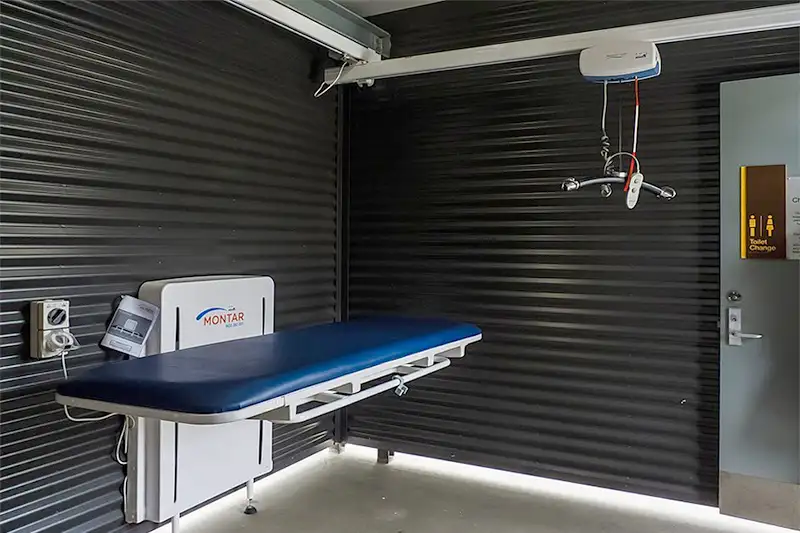
At first glance, defining an accessible toilet is pretty simple. Basically you have to be able to get in the door and use the facilities. In the US, the Americans with Disabilities ACT (ADA) spells out the specifics of restroom access, from toilet height and stall dimensions to grab bar placement and even sink specifics. But what if you need to change an adult child who wears a diaper? How do you accomplish that in a wheelchair in a standard accessible restroom?
Well to be honest, some people have to get creative, and it may involve doing undignified things like laying on the restroom floor or trying to accomplish the task in the back seat of a car. Well Changing Places (www.changing-places.org) is a UK organization that set out to remedy that problem, and make public restrooms really accessible to everyone.
What is Changing Places?
The Changing Places Consortium was established in 2005, and their mission is to encourage public and private spaces to install toilets that are truly usable to everyone with a disability. The organization also offers advice to places that want to install these toilets – sometimes called universal changing stations — and offers referrals to funding sources.
Ideally, Changing Places toilets provide changing tables and hoists so that caregivers can safely change their loved ones. They also have adequate floor space for one or two caregivers, have an accessible toilet and sink, and include adequate directional signage.
There’s no charge to use these public facilities, and the Changing Places website has a searchable directory of these universally accessible toilets throughout the UK. Each listing has a photo of the facility, and includes details about the access features. The complete address and hours are also listed, and details about the availability of nearby accessible parking is included in each listing. Additionally, there’s a helpful Changing Places Toilet Finder app that’s free to download. And the good news is, the database of Changing Places toilets has now grown to over 2,600 locates throughout the UK.
Other Accessible Toilet Resources
It should also be noted that some of the Changing Places Toilets are locked to prevent vandalism, and you need a RADAR toilet key to gain access to them. More information about the RADAR scheme and the toilet keys can be found at emerginghorizons.com/do-i-need-a-radar-toilet-key-for-my-london-trip. And although some venues do have a key on hand, it’s always prudent to carry a RADAR key just in case.
The Changing Places concept has also caught on in other countries, including the United States. To that end the Changing Spaces Campaign was created to encourage public spaces to install universally accessible toilet facilities. And although it pales in comparison to the UK effort, many airports, amusement parks and other community venues now have these facilities installed. You can search their US database for a universal changing facility near you on the Changing Spaces website at www.changingspacescampaign.com.
In the end, thanks to Changing Places and Changing Spaces, more universally accessible toilet facilities are now available throughout the world. So don’t forget to check the websites and download the app before your next trip.
Barrier-Free Travel 101 Accessible Vacations: Travel Ideas for Wheelchair-users and Slow Walkers
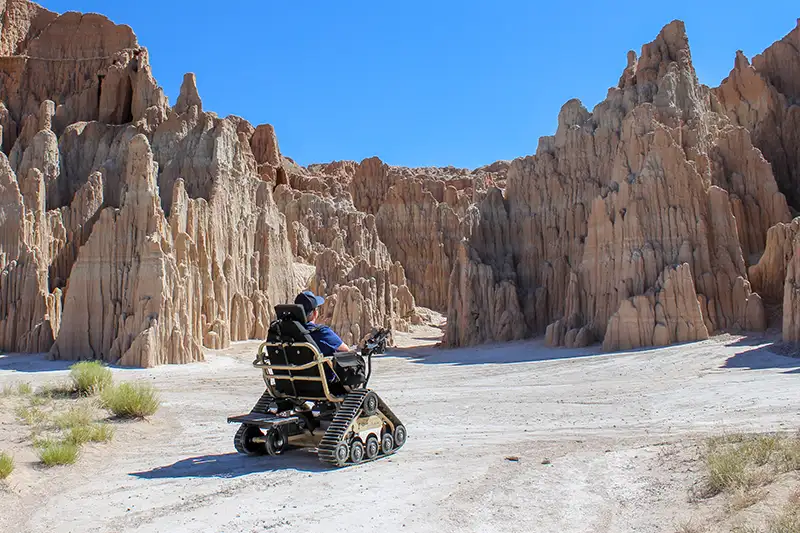
Located in Southeastern Nevada, Cathedral Gorge State Park (parks.nv.gov/parks/cathedral-gorge) is home to a long narrow valley filled with cathedral-like spire formations that were crafted by wind and rain over the years. At first glance, it’s doesn’t exactly look like a wheelchair-friendly environment. On the other hand, thanks to modern technology, wheelchair-users and slow walkers can now explore this rugged region on a loaner track chair.
The power Action Trackchair has tank tank tracks instead of wheels, and it will easily wheel over obstacles that are inaccessible in a standard wheelchair. The track chair is available for loan upon advance reservation. Once you arrive at the park, the staff will brief you on how to operate the chair and answer any questions that you may have. And after that, you are off on your own adventure in the park. For more information about the track chair or to make reservations, call (775) 728-8101. Plan ahead though, as this loaner track chair is bound to book up quickly.
Barrier-Free Travel California National Parks Road Trips Travel Ideas for Wheelchair-users and Slow Walkers
I’d like to plan a trip to the Big Island of Hawaii with my brother who has Cerebral Palsy. He uses a large manual wheelchair, and we have an adapted van at home. Do you know where I can find a wheelchair-accessible rental van on the Big Island for a week? I will do the driving, so hand controls are not necessary. Thanks for any information you can provide.
It sounds like you are planning a wonderful trip, as the Big Island is a beautiful place. It also doesn’t get as many tourists as more popular Honolulu. And yes, you can rent a wheelchair-accessible van on the Big Island.
Wheelers of Hawaii (wheelersofhawaii.com/) can provide a wheelchair-accessible rental van on the Big Island.They offer Dodge and Toyota minivans with manual side ramps. The rental vans must be booked in advance, and they can be delivered to Kona International Airport upon your arrival.
Alternatively, if you would like someone else to do the driving, and not have to rent a van for the full week, then check out the accessible services of Go Hawaii Transportation (www.bigislandlimousine.net/services/wheelchair-service/). They can provide accessible ramped vans with a driver at both Hilo and Kona airports, as well as provide connections to anywhere on the Big Island.
In the end, you may want to do a combination of both private transportation and a wheelchair-accessible rental van on the Big Island. Have a great trip!
Have a Question for the Expert?
Barrier-Free Travel
101 Accessible Vacations: Travel Ideas for Wheelchair-users and Slow Walkers
I’m often asked what I think is the most important element of an accessible travel destination or facility. That’s a tough call for sure, because I truly believe all access elements are important, no matter how small or inexpensive. That said, there’s one critical building block that’s consistently overlooked, when it comes to accessibility – signage.
Accessible signage seems simple enough when it’s in place, but it can lead to a lot of confusion, and maybe even injury when it’s overlooked. Here are some examples of where a little signage could of gone a long way to improve the accessibility and overall visitor experience.
Where’s the Entrance?
Accessible entrances are one of the basic building blocks for inclusion; however even in this day and age, not all businesses have them. I’ll skip the debate of why so many things are not “readily achievable” and get to the meat of the matter here – signage at inaccessible entrances.
Sure, I’ve gone to plenty of places with wheelchair-users, only to find a step or two at the entrance. For me, it’s not problem, as I can just go in and ask about the location of the accessible entrance for my friends. Sometimes they pull out a portable ramp, while other times I’m directed to an alternate entrance, usually in back. It’s time consuming, but it works. Everybody gets in the door.
But what if you’re not there with someone that can navigate the inaccessible entrance and go inside to inquire about things? That’s where accessible signage comes in. I’ve seen way too many inaccessible buildings that lack any signage as to where the accessible entrance may be. Oh, and if you’re going to put a phone number on your sign, make sure it goes to a phone that you actually answer. Don’t even get me started on that one.
You’ve Got to Be Kidding!
And then there was this shopping center in Philadelphia that had stairs up to the front entrance. Two flights of stairs, mind you. So I walked around the large building several times, but I just couldn’t see any type of accessible entrance. It was puzzling for sure, as this seemed like an establishment that had enough money to make things accessible.
So I tromped up those two flights of stairs to the entrance. And what do I find at the entrance? A sign with a phone number that says to call for information about the accessible entrance. OK, folks, this isn’t rocket science – if a person needs an accessible entrance then they are most likely not going to be able to read the sign at the top of two flights of stairs that gives them the magic phone number. Put the sign on the ground level where a person who uses a wheelchair can actually find it.
And yes, I did call the phone number. It went to voice mail and I never received a return call. Again, put a phone number that you routinely answer on all access signs, because the person that’s calling probably needs immediate assistance.
Scratching My Head
Signage is good, but to be honest, sometimes it makes me scratch my head. I’ve visited more than one place that just has blue wheelchair signs intermittently scattered around the grounds. Not at entrances, or facilities, but just haphazardly scattered. It’s like they purchased a set amount signs and they were determined to use them all. I guess it really didn’t harm anything, except it made me scratch my head. It also made me wonder if they were suppose to be used somewhere else, like an accessible entrance or a path of travel.
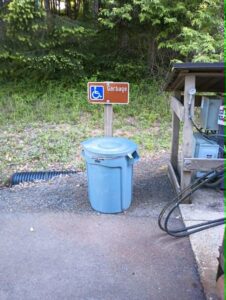
And then there was the garbage can. We were camping in Oregon and on our way out of the campground we stopped to throw out our trash. Some public garbage cans can be very complicated. At this location there was one can for plastic, one for paper, one for refuse, and the list went on. To be honest it was confusing because there was also a list of things you couldn’t put in each can. And then at the very end there was a trash can standing alone, and it had the blue wheelchair sign on it. I guess it was accessible, but so were the other 20 cans that I just passed. And to be honest, a quad would have a really difficult time getting the lid off – it was hard for me. So, I couldn’t really figure out what it was for, but since I didn’t understand the other cans either, I just put all our trash in that one.
And then there are signs, that make absolutely no sense, but have nothing to do with access. We were driving down the highway on a road trip a few weeks ago and we saw a sign that read, “Intermittent Road Work for the Next 52 Miles”. Really? Talk about being non-committal.
Don’t Forget Printed Material
And although accessible signage is important out in the real world, it’s also equally important in printed material. You want to let folks know about access to your place of business in all your printed material. Otherwise, if accessibility isn’t listed, many folks will assume your business is not accessible. And you will lose out on business; and it won’t be just wheelchair-users, but also their friends and family who want to go to an inclusive place.
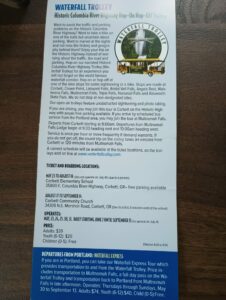
Case and point is a brochure I picked up the other day about a new shuttle service to some Oregon waterfalls. It’s a great service, as it can be difficult to find parking at some of the scenic waterfalls on the route; however there wasn’t one word about accessibility mentioned in the brochure.
They took the time – and space — to describe the routes, make notes of all the stops, and include information about bus connections to neighboring cities, but there wasn’t one word about wheelchair access. So I went to their website and it did state that they were wheelchair-accessible, and told folks to be sure and note their needs when they made reservations so appropriate vehicles could be dispatched. How hard would that be to include in the brochure? Just saying.
Where Am I?
One of the most frustrating things about accessible signage, or lack thereof, is that it can turn a nice outing into a frustrating challenge. I’ve looked at hundreds of accessible trails, because it’s something that interests my readers. My goal is to give folks solid and accurate information so that they can easily access and enjoy accessible trails. But sometimes that’s a challenge for me.
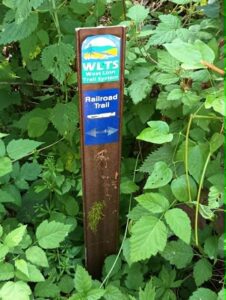
Charles and I were out exploring some accessible possibilities one day, and after a nice picnic lunch we set out to find this accessible trail. It was mentioned on the park website, but the directions to the trailhead were unclear. When we got to the park we followed several signs to nowhere, and then one to a trail that branched off in three different directions, with no signage whatsoever. We then found a sign for the trail on the other side of the park, and figured if we followed it, it would lead back to the start. Wrong, it led to a a trail that wasn’t even on the map. In the end I gave up, and so will most other people.
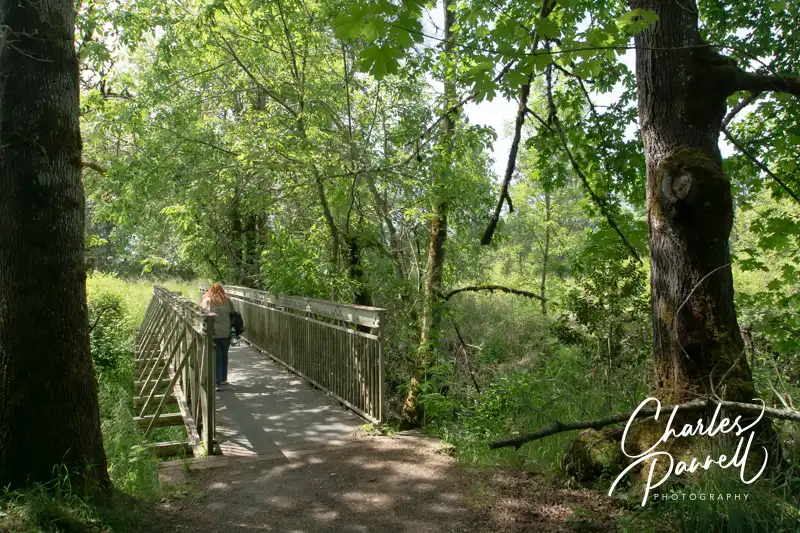
The same is true, when we set out to find this new accessible boardwalk on a lake. Some people said it went around the lake, but we couldn’t find it. Turns out the trail goes around the lake, but the accessible boardwalk is only a portion of that trail. And with zero signage it was just by luck we found it. Now at least we can tell others where to look, as it’s a pretty cool trail. But a little signage would of helped.
The reserve is owned and maintained by the Tillamook County Pioneer Museum, and it’s funded through donations, grants and membership dues. And even with this limited funding, their signage is excellent. Additionally, all of their trails of wheelchair-accessible.
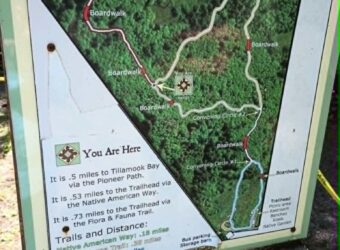
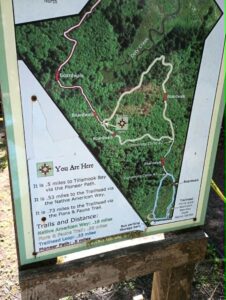
They way I look at things, if this small reserve can provide such excellent signage on a limited budget, then anyone can do it. It’s a beautiful preserve and you always know exactly where you are, and what trail leads where. At the trailheads there’s a large map, showing your location, and listing the length of all the trails. And every time you cross another trail, it’s clearly marked. You have absolutely no doubt where you are at any point in Kilchis Point Reserve. It’s really a great place to visit.
Finally, I’d be remiss if I didn’t also give a shoutout to the National Park Service for their excellent trail signage. They not only list the location of the trails, but also include the length, width, slope and cross-slope. So not only can you determine the accessibility of a trail, but again, you always know exactly where you are.
So see, it is possible to get the signage right. I’d really like to see more of that in the future.
National Parks are a popular vacation choice. Unfortunately that means some of the more popular ones are now more crowded than ever. So how do you beat the crowds? Well you can always get an early start or visit in the off season, but to be honest that’s not always possible. Alternatively you might want to visit one of these lesser known national parks for a more relaxed experience. Not only do they all offer some scenic natural beauty, but they are also good choices for wheelchair-users and slow walkers.
Isle Royale National Park
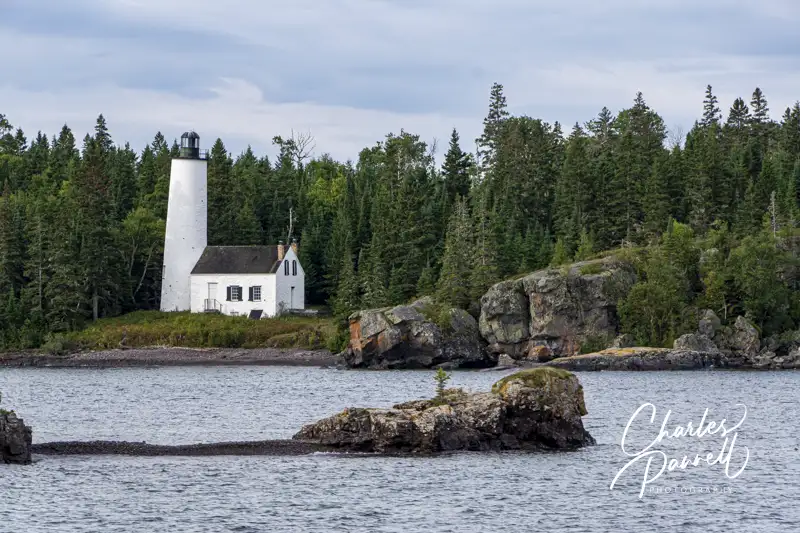
Rock Harbor Lighthouse in Isle Royale National Park
emerginghorizons.com/an-isle-royale-wheelchair-accessible-retreat At the top of the list of lesser known national parks for wheelchair-users is Isle Royale National Park. Located in the middle of Lake Superior, there’s a wheelchair-accessible ferry that takes visitors to this remote national park. And once you get to Isle Royale National Park there’s even a cozy lodge with a wheelchair-accessible room.
North Cascades National Park
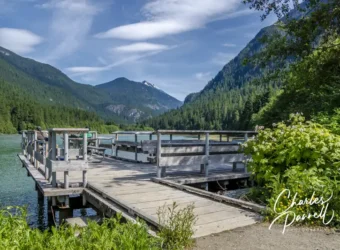
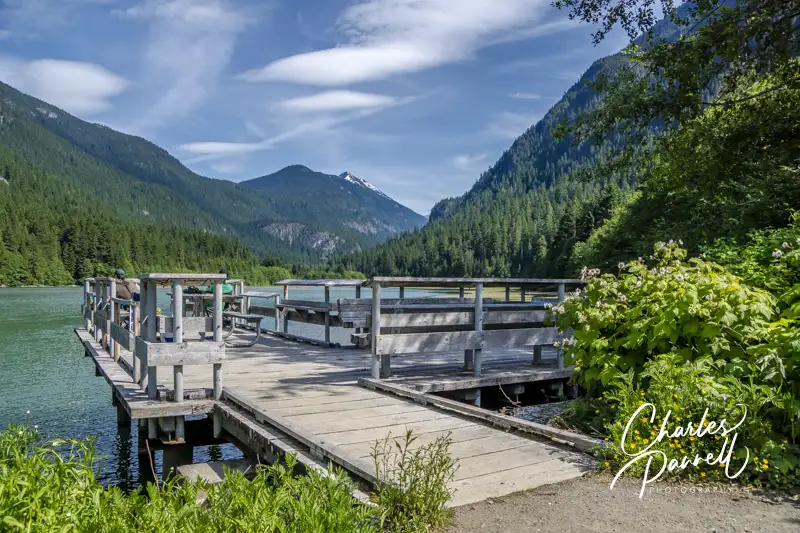
Accessible Pier on Diablo Lake in North Cascades National Park
emerginghorizons.com/the-freestone-inn-a-wheelchair-accessible-north-cascades-retreat Located in far Northern Washington, North Cascades National Park offers some scenic drives, a couple of accessible trails and even a campground with an accessible campsite. And although there’s no lodging in the park, there’s an upscale lodge with a spacious wheelchair-accessible room located near the eastern gateway.
Great Basin National Park
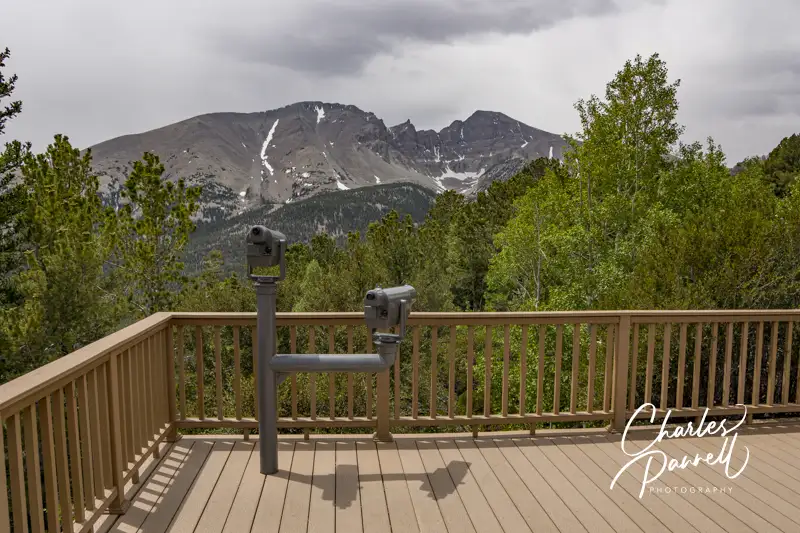
Wheeler Peak Overlook in Big Basin National Park
emerginghorizons.com/escape-the-crowds-in-great-basin-national-park Definitely one of the lesser known national parks, Great Basin National Park is located just off the “loneliest road in America” in Eastern Nevada. Enjoy the scenic drive with accessible overlooks, take a hike on a forest boardwalk or explore Lehman Caves on an accessible tour.
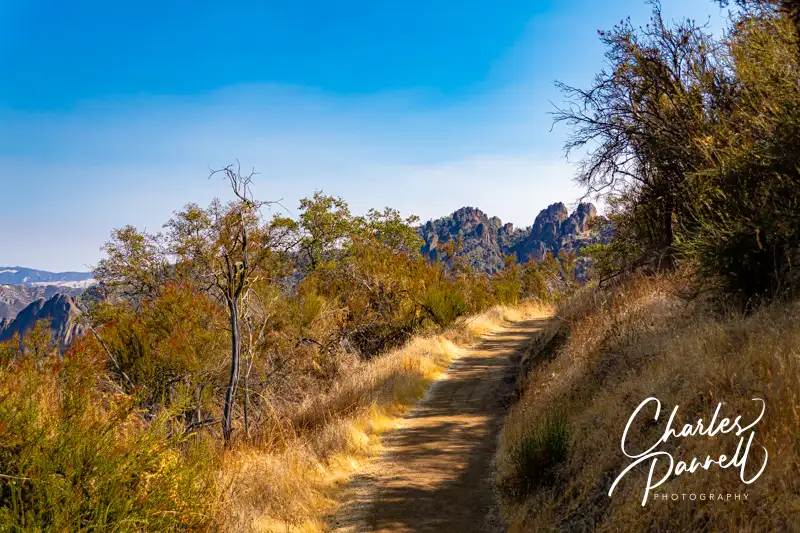
Pinnacles National Park
Prewett Point Trail in Pinnacles National Park
emerginghorizons.com/pinnacles-national-park/ Pinnacles National Park is a great place to spot the endangered California Condor. There are also a few accessible trails, scenic drives and some comfortable accessible tent cabins at this California national park.
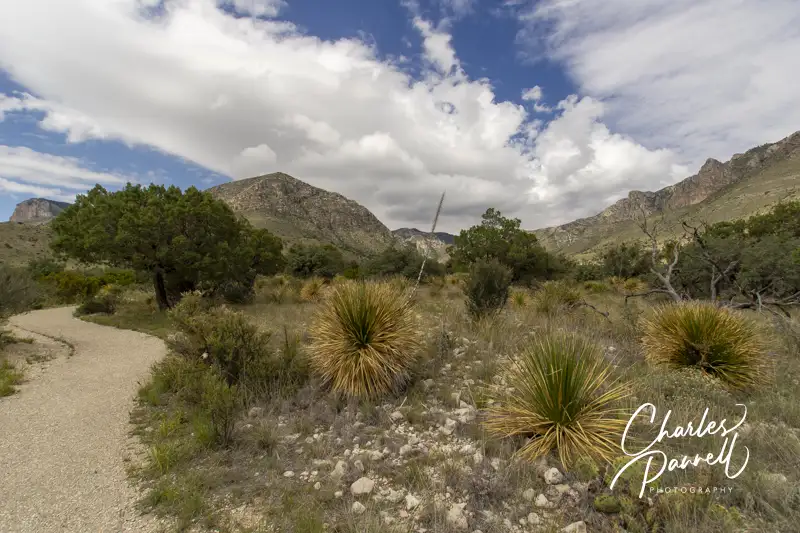
Guadalupe Mountains National Park
The Pinery Trail in Guadalupe Mountains National Park
emerginghorizons.com/discover-historic-guadalupe-mountains-national-park/ Located halfway between El Paso and Carlsbad Caverns, Guadalupe Mountains National Park is the site of the historic Pinery Stage Stop. There are a few accessible trails in the park, and the Frijole Ranch site is also worth a visit.
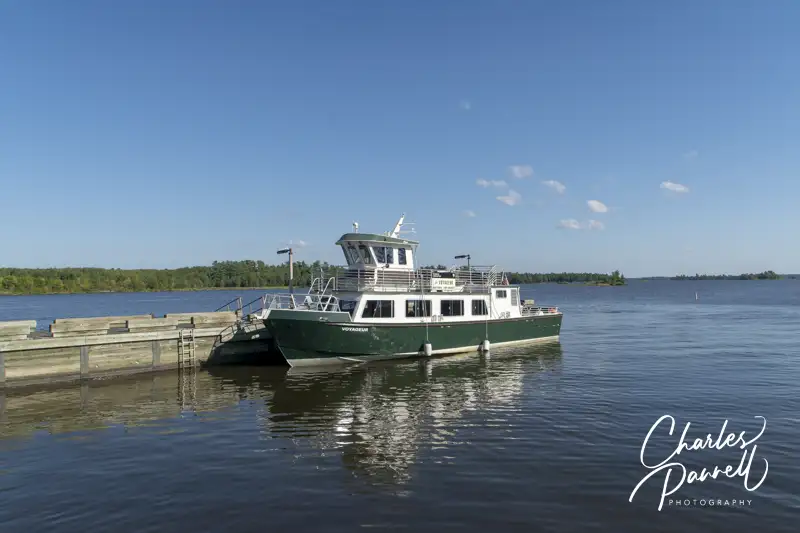
Voyageurs National Park
Tour Boat on Rainy Lake in Voyageurs National Park
emerginghorizons.com/wheelchair-accessible-voyageurs-national-park Voyageurs National Park is located in Northern Minnesota, just shy of the Canadian border. It’s filled with accessible trails, but one of the best ways to see the park is to take an accessible boat tour on Rainy Lake.
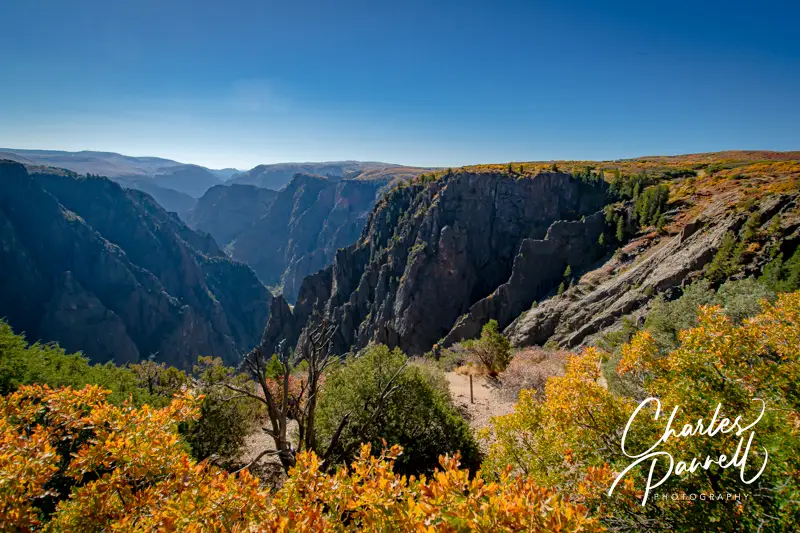
Black Canyon of the Gunnison National Park
Tomichi Point in Black Canyon of the Gunnison National Park
emerginghorizons.com/wheelchair-accessible-black-canyon-of-the-gunnison/ Known as America’s Other Grand Canyon, Black Canyon of the Gunnison National Park has far fewer visitors than its Arizona counterpart. It offers a scenic drive with some gorgeous views, and a campground with a wheelchair-accessible campsite.
Big Bend National Park
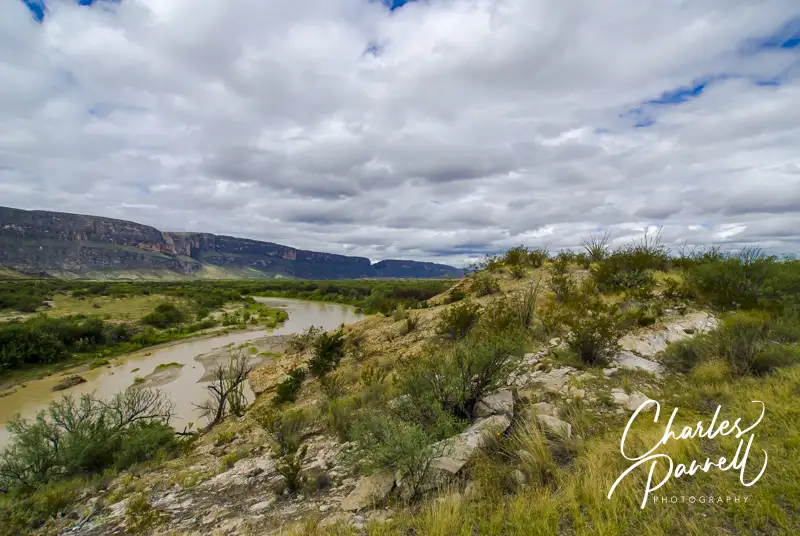
The Rio Grande in Big Bend National Park
emerginghorizons.com/enjoy-a-spring-road-trip-to-big-bend-national-park/ Billed as being more than 100 miles from the nearest freeway, shopping center or hospital, Big Bend National Park is bordered by the Rio Grande on the south. This expansive park features scenic drives, accessible desert trails, drop dead gorgeous views and an accessible in-park lodge.
Redwood National and State Parks
The Lost Man Creek Trail in Redwood National Park, California
emerginghorizons.com/redwood-national-and-state-parks/ This California national park also includes three state parks. Its easy to spend a week exploring trails lined with giant redwoods.. Additionally, there’s a loaner track chair available at Kuchel Visitor Center for use on Freshwater Beach. They also have accessible campsites and cabins in several of the parks, so it’s easy to sleep under the redwoods.
Lassen National Park
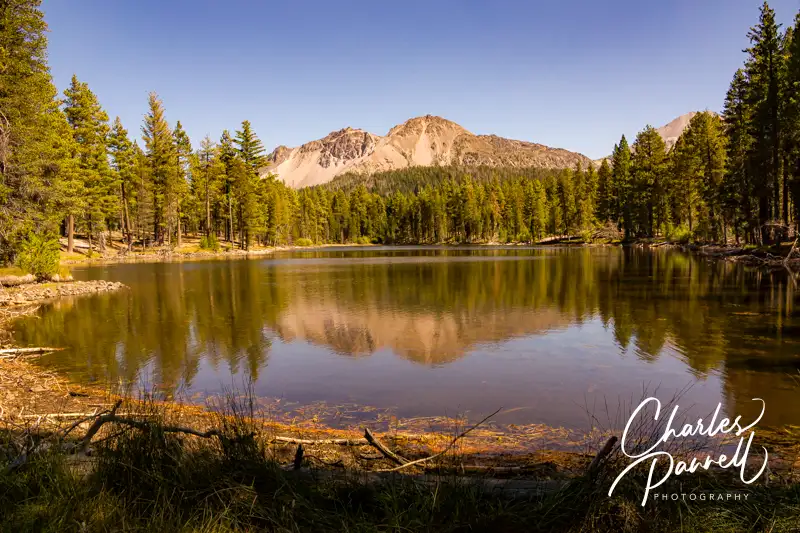
Lilly Lake in Mount Lassen National Park
emerginghorizons.com/lassen-volcanic-national-park/ Last but not least on our list of lesser known national parks for wheelchair-users is Lassen Volcanic National Park. Located in Northern California, this remote gem offers a variety of accessible trails and thermal features, as well as some accessible camping cabins. It’s a great place to get away from the city and truly enjoy Mother Nature.
Barrier-Free Travel National Park Lodges for Wheelchair-users and Slow Walkers
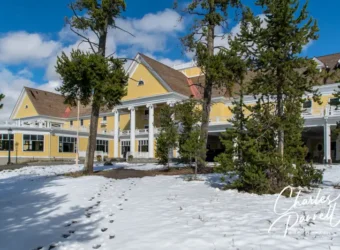
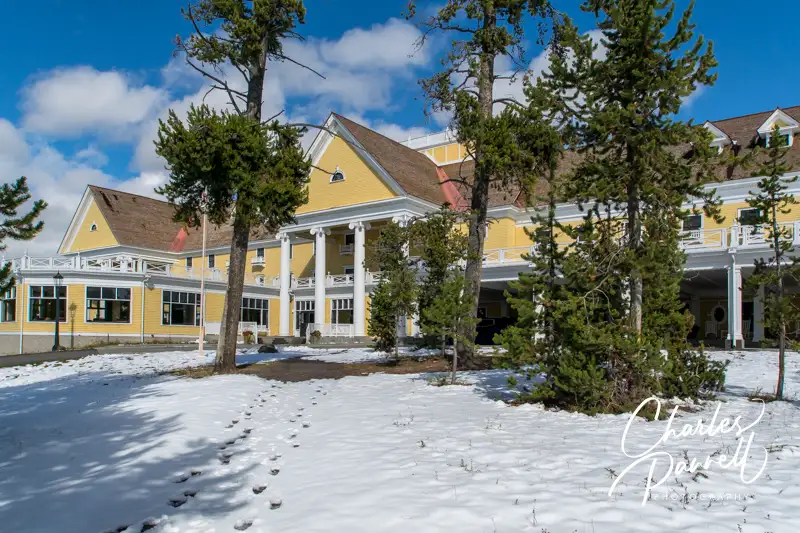
Located on the scenic lakeshore, the Lake Yellowstone Hotel (www.yellowstonenationalparklodges.com) is the oldest property in Yellowstone National Park. That said, old doesn’t necessarily equate with shabby, as this 1891 gem has undergone massive renovations over the years. The result is not only a comfortable, modern and luxurious place to rest your head, but also a property that boasts excellent wheelchair access. Top off your stay with a meal in the luxurious Lake Hotel Dining Room and you have all the ingredients for the perfect wheelchair-accessible Lake Yellowstone stay.
A Variety of Wheelchair-Accessible Rooms
The good news is that variety is the key word at the Lake Yellowstone Hotel. Not only does this property offer good wheelchair access in the public areas, but it also has a variety of accessible rooms – 18 to be exact, including seven which have roll-in showers.
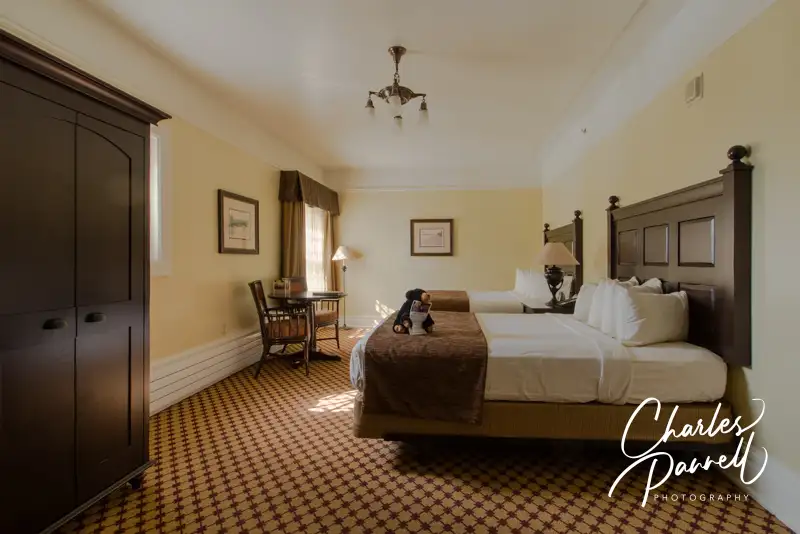
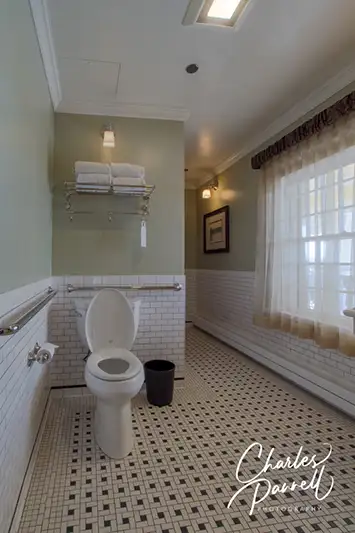
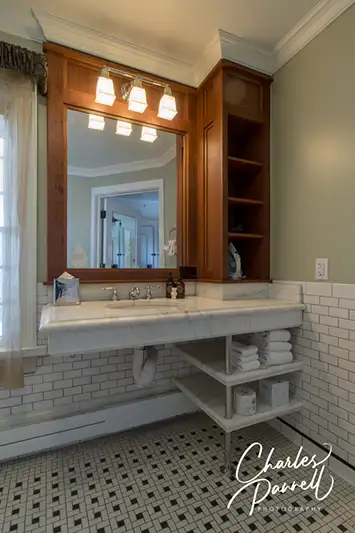
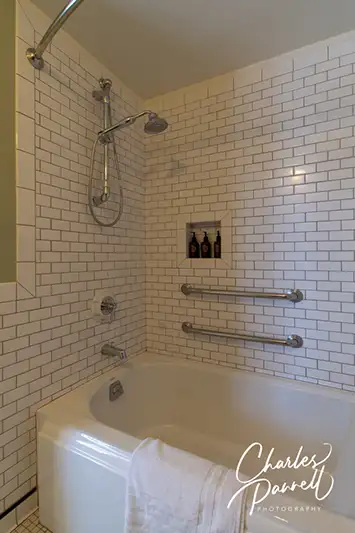
Room 226 has two queen-sized beds and is equipped with a bathroom with a tub/shower combination, grab bars, a hand-held showerhead and a portable shower chair. If you’d prefer a shower instead of a tub, then room 126 is just your cup of tea. It offers the same bed configuration as room 226, except the bathroom includes a roll-in shower.
Bedroom in Room 226
Toilet in Room 226
Vanity in Room 226
Shower in Room 226
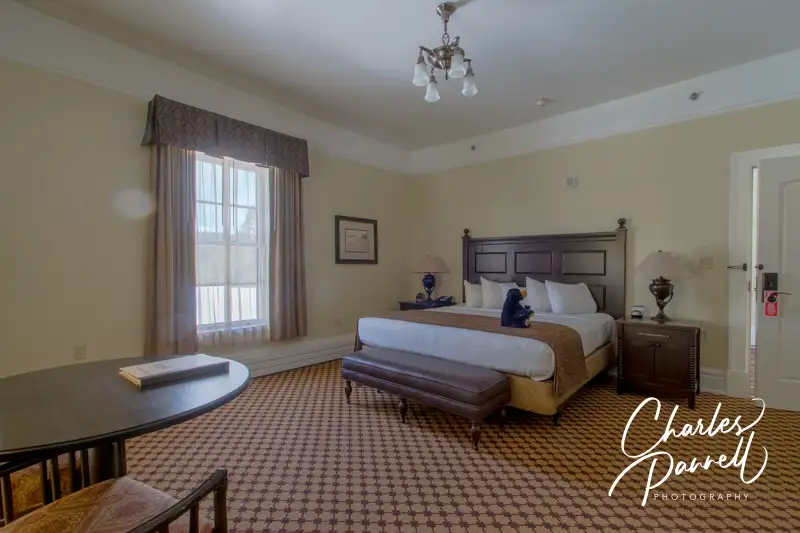
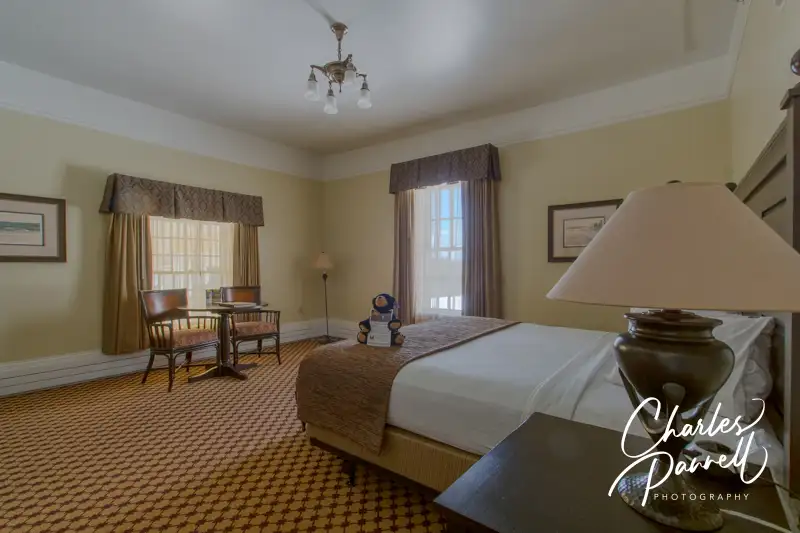
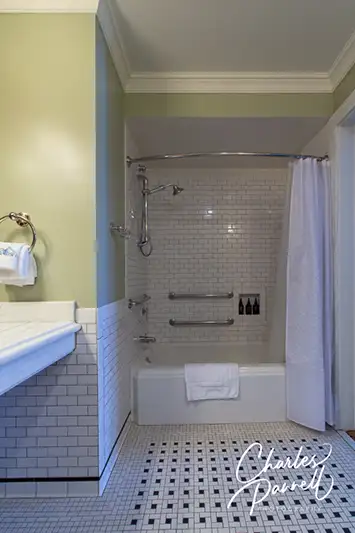
Room 202, on the other hand, is a spacious corner accessible room. It’s furnished with a king-sized bed with wheelchair access on both sides, two chairs, an armoire and two bedside tables. The bathroom, which features a full five-foot turning radius, is equipped with a tub/shower combination with grab bars, a hand-held showerhead and a portable shower bench. Other bathroom access features include toilet grab bars on the back and left walls (as seated), and a roll-under sink.
Room 202 (view 1)
Room 202 (view 2)
Shower in Room 202
Vanity in Room 202
Toilet in Room 202
And if you’d like even more room, then check out room 446 – an accessible suite. The living area is furnished with a sleeper sofa, and it also includes a wet bar with a refrigerator. The separate bedroom includes a king-sized bed, and the spacious bathroom boasts a roll-in shower.
Living Area in Suite 446
Bedroom in Suite 446
Vanity in Suite 446
Toilet in room 446
Bathtub in Suite 446
Shower in Suite 446
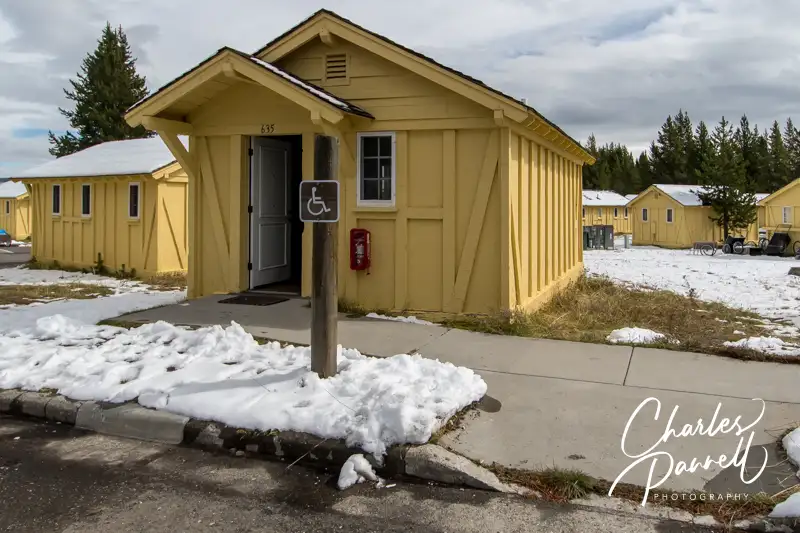
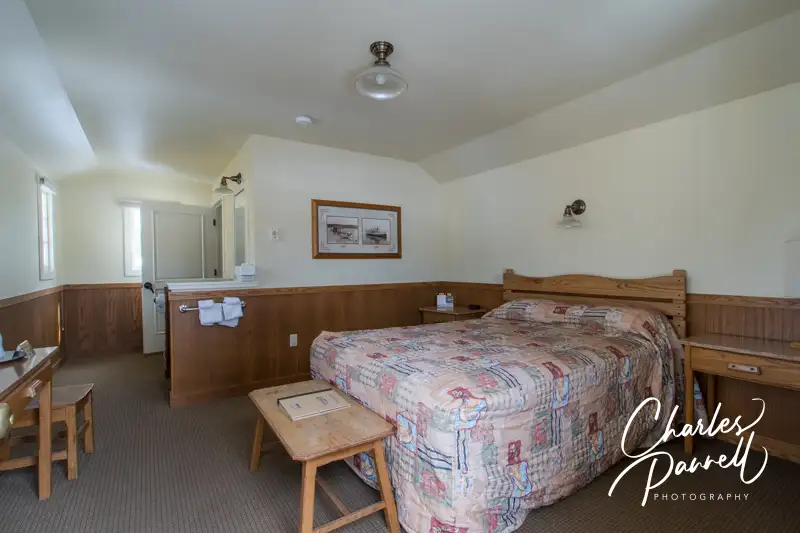
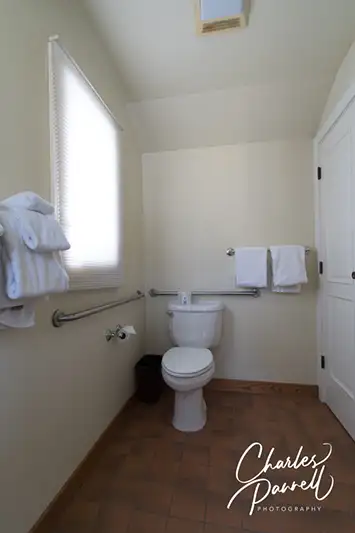
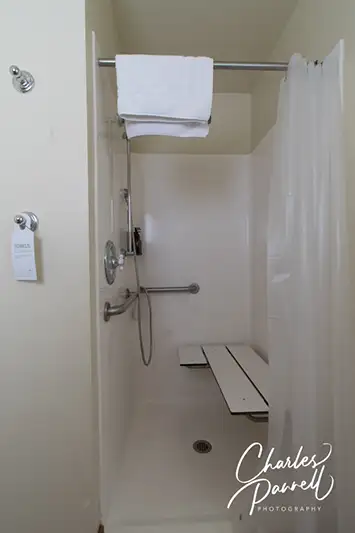
Finally if you’d like something a bit different, then try cabin 635. It’s furnished with a double bed, and the bathroom is equipped with a roll-in shower with grab bars, a hand-held showerhead and a fold-down shower bench. The toilet grab bars are located on the back and right walls (as seated), but if you’d prefer them on the other side, cabin 636 has that configuration.
Cabin 635
Bedroom in Cabin 635
Toilet in Cabin 635
Shower in Cabin 635
Vanity in Cabin 635
Public Spaces and Beautiful Views
There’s also good wheelchair access to the public spaces at this lakeside property, which offers a wide variety of beautiful views. Let’s start with the spacious lobby, which features nice views of the lake. And then there’s a large porch where you can get an equally enticing view. And if you’d like to get a closer look, there’s ramp access to a paved pathway down to the lakeshore.
There’s also level access to the Lake Hotel Dining Room, with plenty of room to maneuver a wheelchair between the tables. Open for breakfast, lunch and dinner, this popular eatery offers a relaxed dining experience, and features a beautiful lake view. Plan ahead though, as reservations are required for dinner. And if you’d prefer some lighter fare, then check out the Lake Hotel Deli. The menu includes a variety of soups, salads, pastry items and hot and cold drinks. It’s also a good place to pick up a picnic lunch to enjoy in the park.
In the end, the wheelchair-accessible Lake Yellowstone Hotel makes a great home base for any visit. You can enjoy scenic Lake Yellowstone at your leisure; and the Grand Canyon of the Yellowstone River is just a short drive away. You can explore the rugged scenery in the canyon area by day, and return to a placid lake view each evening. Truly it’s the best of both worlds.
Barrier-Free Travel Glacier, Yellowstone and Grand Teton National Parks for Wheelers and Slow Walkers
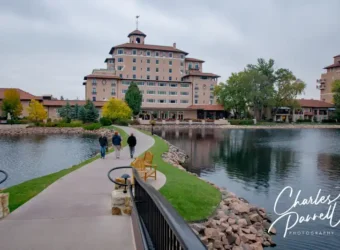
Built in 1918 by Spencer Brown, The Broadmoor (www.broadmoor.com) has long been know as a five-star luxury retreat. Over the years this Grand Dame of the Rockies has undergone numerous additions and upgrades, and today this historic property also offers excellent access for wheelchair-users and slow walkers. Add in a very attentive staff that offers top notch service, and you can see why this property is a favorite choice for folks who want to explore all that Colorado Springs has to offer.
Spend the Night
With nearly 800 rooms, two iconic golf courses, a stunning array of of restaurants and some of the most beautifully manicured grounds in the state, you won’t want for anything once you check-in to The Broadmoor. There’s level access to the main lobby, and you don’t have to worry about parking as the valet takes care of that.
The most accessible rooms are located in the west section of the property, one of the newer areas at the resort. Accessible room 4259 is on the second floor, a short walk away from the main lobby. There’s elevator access up to the room, and good pathway access in the hallway.
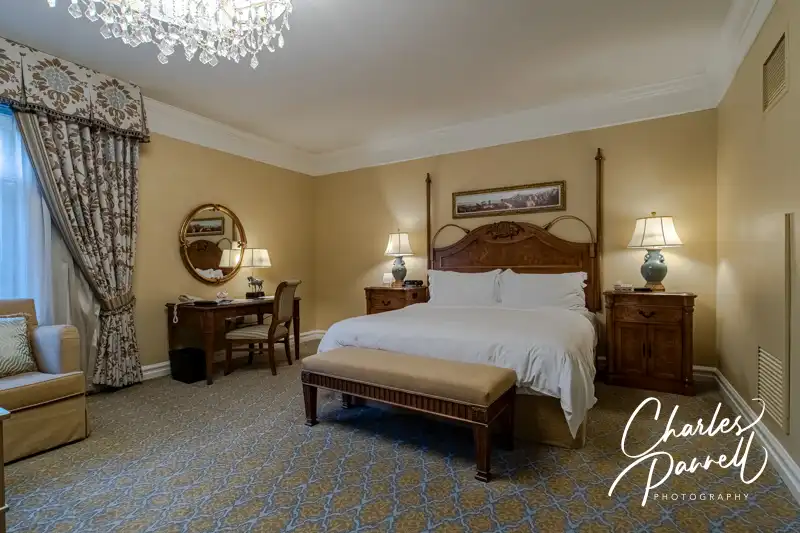
Access features in the room include wide doorways, lever handles and excellent pathway access. It’s furnished with a 25-inch high king-sized bed with wheelchair access on both sides, two nightstands, a dresser, a desk with a chair, a sofa and two side chairs. And even with all that furniture there’s still plenty of room to maneuver the largest wheelchair or scooter in the room.
The bathroom features a full five-foot turning radius and includes a roll-in shower with grab bars and a hand-held showerhead. And if you need a portable shower chair, just let them know when you make your reservation, and it will be there when you arrive. The toilet grab bars are located on the back and right walls (as seated), and there’s also a a roll-under sink in the bathroom.
Add in a large walk-in closet, a separate vanity area and a small refrigerator, and you have a very comfortable and accessible room. And with the surrounding garden framing the room, it’s also a verdant retreat.
Room 4259 at the Broadmoor
Room 4259 at the Broadmoor (view 2)
Toilet and Shower in Room 4259 at the Broadmoor
Vanity in Room 4259 at the Broadmoor
Explore the Grounds
There’s no shortage of amenities on-site, including a wide variety of dining choices. Grab a steak at La Taverne, enjoy some fish and chips at the Golden Bee Pub, or chow down on Italian fare at Ristorante Del Lago. If you’d like a family friendly venue, check out Play at the Broadmoor which offers casual fare fun games and bowling. And then there’s the Lake Terrace Dining Room for a relaxed breakfast, and a number of casual cafes and lounges for a quick bite. No matter what you crave, rest assured all the on-property eateries are wheelchair-accessible.
Both the indoor pool and the outdoor infinity pool have lifts, and there is also level access to the spa. The beautiful manicured grounds feature paved wheelchair-accessible pathways; and there’s also an accessible footbridge which crosses Cheyenne Lake and connects the east and west wings of the property. There are lots of little nooks and crannies to explore, with benches, tables and lounge chairs dotted throughout the property
Best of all, you just won’t want for anything during your stay. The staff is quite accommodating, and they can arrange for additional medical equipment with advance arrangements. They truly have gone above and beyond in the access department at this property. And that’s reason enough to choose The Broadmoor.
Barrier-Free Travel Utah National Parks for Wheelchair-users and Slow Walkers
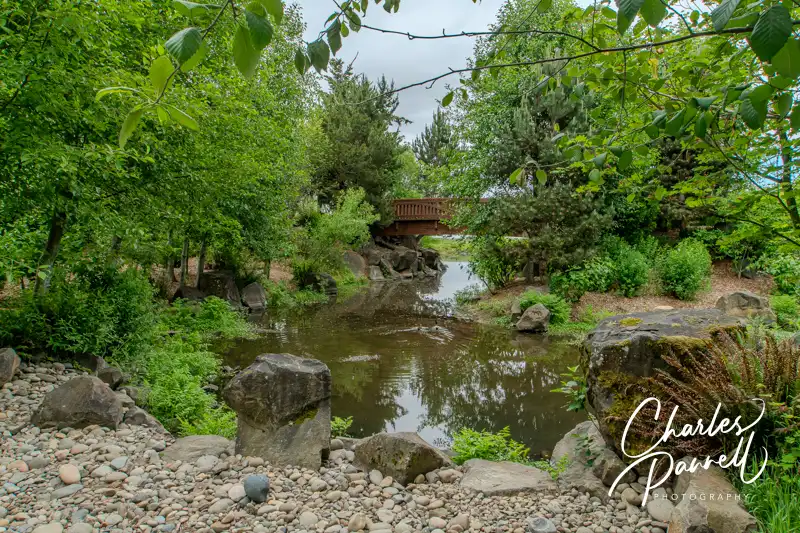
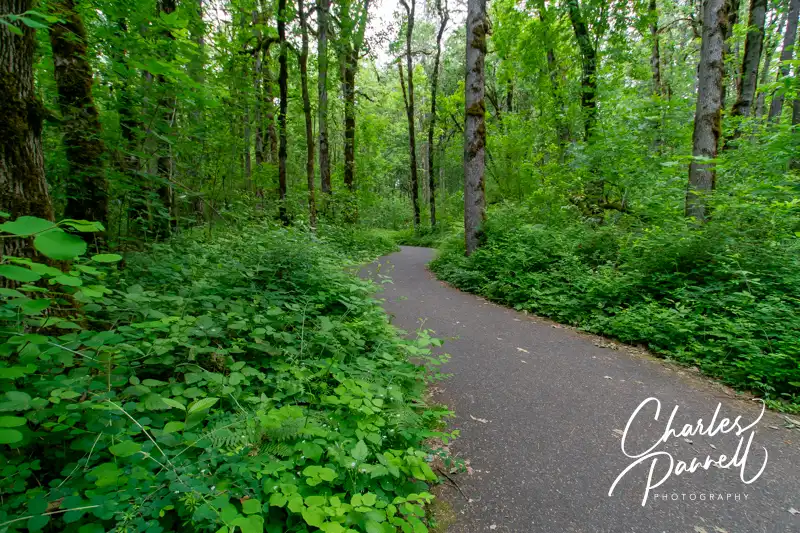
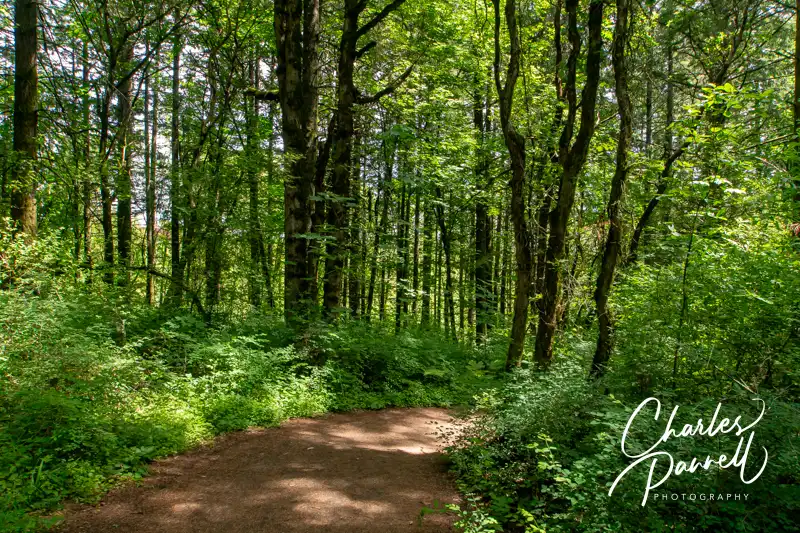
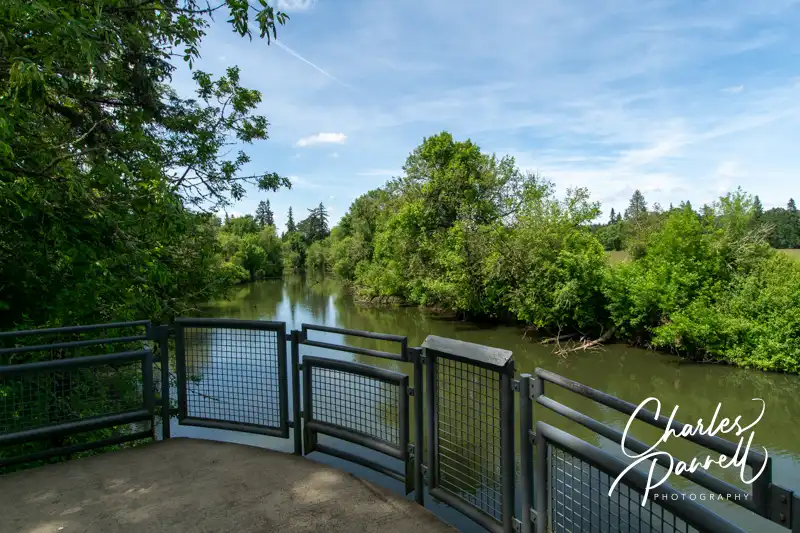
Variety is the key word for wheelchair access in Oregon’s Tualatin Valley. Located in the northwestern corner of the state, this lush area is filled with wetlands and woodlands, and crowned with a Rails to Trails bicycle and pedestrian pathway. Aptly described as a Mecca for wheelchair-users who enjoy the outdoors, this region offers a hearty supply of accessible trails, picnic areas and spectacular views. Add in some great wildlife viewing opportunities and you have all the ingredients for a great outdoor getaway. So pack your bags and get ready to enjoy the wheelchair-accessible Tualatin Valley.
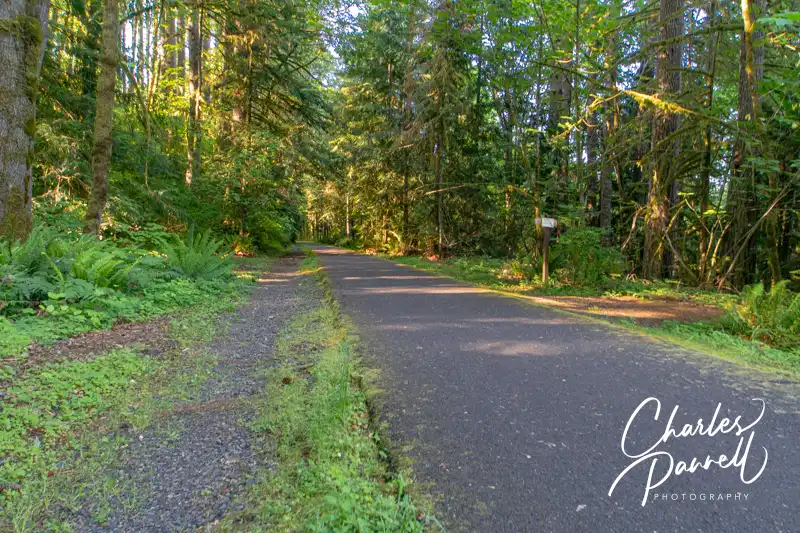
First up on the Tualatin Valley list is the Banks-Vernonia Rail Trail. Constructed along an abandoned rail corridor, this 21-mile trail features an easy grade along a paved trail. The trail is six-to-eight-feet wide, and for the most part has a grade of less than 5%. The most accessible parts of the trail are near the Banks trailhead in the south and around L.L. Stub Stewart State Park.
The Banks Trailhead marks the beginning of the trail, and it’s located near the intersection of Highway 26 and Northwest Banks Road. There’s accessible parking in the lot and an accessible restroom near the parking area. The parking lots for the Banks Verononia Rail Trail are operated by the state, and you can either buy a day pass at the trailhead, or use your Oregon State Parks Annual Permit (stateparks.oregon.gov/index.cfm?do=visit.day-use).
From the Banks Trailhead the trail heads north, as it passes through agricultural lands and riparian areas. It’s a fairly level ride through this area, and you can do as little or as much of it as you like. There’s also a nice section of the trail in L.L. Stubb Stewart State Park. Accessible parking is located near the trailhead, and there’s even a lone picnic table near the trail. This part of the trail is lined with trees and wildflowers and it makes for a pleasant mountain hike. And any part of the trail is great for handcyclists.
Killin Wetlands, which is located near the Banks Trailhead, has two nice accessible trails. This rare peat moss wetlands area is home to a large variety of bird life as well as beaver, river otters and elk. And the scenic rolling hills that surround the wetlands offer some great photo ops.
Accessible parking is located near the barn, with an accessible vault toilet near the trailhead. There are also some accessible picnic tables behind the barn, and some benches that look out onto the wetlands area. It’s a great spot for birders who don’t want to hike into the wetlands.
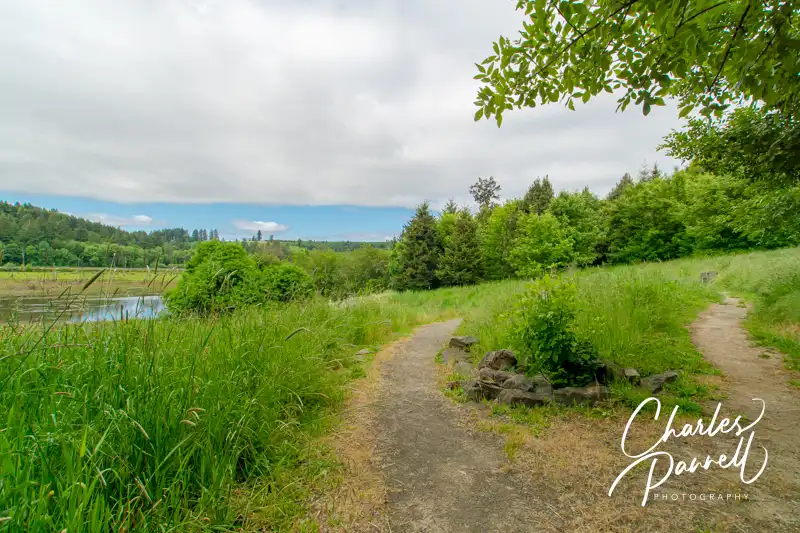
The .4-mile Peat Swamp Trail begins on the far side of the picnic area. This hard-packed dirt trail does narrow a bit to about two feet in places in the beginning, and there can be a lot of tall grass on the side of this part of the trail. That said, once you wind around to the forest canopy the trail opens up, so if you can manage the first stint, you’re good to go.
About halfway along the Peat Swamp Trail intersects with Waterfowl Way, which is a .2-mile loop through the wetlands. This is a great area for wildlife viewing and birding, so don’t pass it up. The trail reconnects to the Peat Swamp Trail, and then winds back up to the other side of the picnic area. It’s a short trail but definitely worth a stop, as you’ll find lots of bird life on the trail and wading birds in the wetlands.
Fernhill Wetlands
1399 SW Fern Hill Road Forest Grove, OR 97116 fernhillnts.org
Fernhill Wetlands Trail
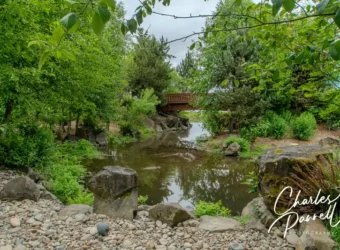
Another good Tualatin Valley birding site is located over in Forest Grove, at Fernhill Wetlands. The area is owned by Clean Water Services and the trails are managed in cooperation with City of Forest Grove Parks Department. It’s a very pleasant area, with great access.
There’s accessible parking near the visitor center (which is sporadically open) and level access over to a spacious covered picnic area. There’s plenty of waterfowl viewing spots near the parking area, but for the best experience take the .6-mile Water Garden Loop.
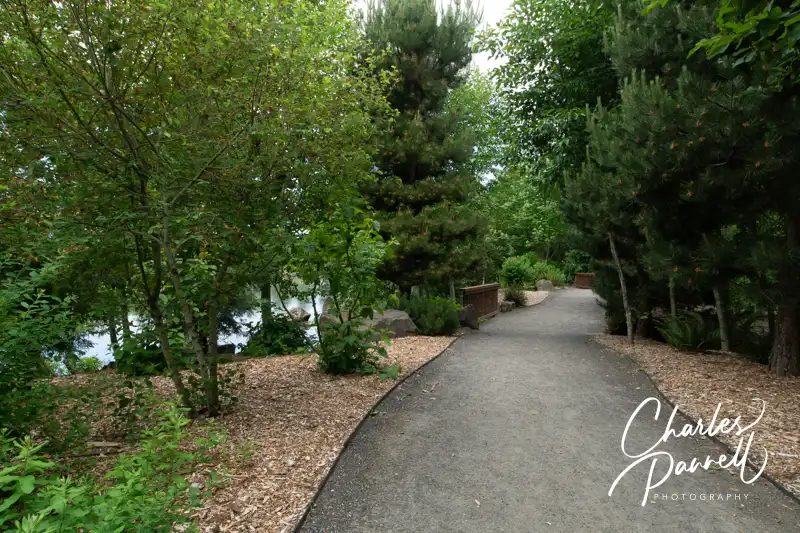
There are two ways to get to the Water Garden. You can follow the paved path along the water, or you can take the shaded trail on the right. The latter option is the most scenic choice, as the hard-packed dirt trail winds through the gardens and is sheltered from the sum by bordering trees. And although the water attracts a good amount of birds, the trees are filled with an equally diverse avian population.
Once you get to the Water Garden, take your time to wind around the pathways, cross the bridges and enjoy the waterfalls. The area is home to 200 kinds of birds, so save time to enjoy the view of Fernhill Lake and catch a glimpse of the local residents.
Over in Beaverton, Tualatin Hills Nature Park is also worth a stop. And the good news is, the park boasts two accessible trails.
There’s accessible parking near the entrance, with level access to the Nature Center, accessible restrooms, and the two accessible trails. The Oak Trail heads off the the right, while the Vine Maple trail is on the left. The Oak Trail makes a nice 1.4-mile out-and-back hike, through a hardwood forest, with lots of wildlife viewing opportunities. The equally lush Vine Maple trail, which leads through the forest, over Cedar Mill Creek and out to the Lily Pond, offers an equally enjoyable 1.4-mile round trip hike. Both trails are wide, level and paved, and they make an excellent choice for manual or power wheelchair-users and slow walkers.
Another Beaverton stop, Cooper Mountain Nature Park offers a pleasant accessible nature trail. There’s accessible parking in the large lot, with barrier-free access over to the playground and the picnic area with accessible tables. Accessible restrooms are located near the Nature Center, on the far side of the playground, and there’s level access over to the accessible Little Prairie Loop.
This .75-mile trail is wide and level, with a hard-packed dirt surface. It winds through the forest, and as you move along the trail there’s more forest growth, which results in a nicely shaded route. The forest also provides shelter for the abundant bird population in the park. The trail heads out around a wildflower-filled meadow and then circles back to the start. There are several switchbacks along the last leg of the trail, and although it’s not entirely level it’s still doable for most folks. It’s a pleasant escape into nature.
Wildlife Viewing Deck In Back Of The Tualatin River National Wildlife Refuge Visitor Center
Last but not least, don’t miss the excellent Tualatin River National Wildlife Refuge on your Tualatin Valley adventure. Although there’s parking near the park entrance, it’s best to park in the top lot near the Visitor Center for best access to the trails. There’s accessible parking near the visitor center, and good access to the restrooms and exhibits inside the building.
There are two accessible trails in the refuge; however one is seasonal. The year-round River Trail begins to the right of the Visitor Center and winds out a mile to the Wetland Observation Deck and the photo blind. This wide shaded pathway travels through the forest, and the hard-packed dirt trail is fairly level. It’s a 1.5-mile trek out to the end, but you can always double back if you want a shorter hike
The River Trail at Tualatin River National Wildlife Refuge
At times the River Trail parallels the equally accessible Wetland Trail, which is only open between May 1 and September 30. This dirt trail is level and begins to the left of the Visitor Center. This 3.66-mile loop travels around the wetlands near Chicken Creek, and offers ample wildlife and waterfowl viewing opportunities.
And if hiking is not your thing, there’s a nice accessible wildlife viewing deck in back of the Visitor Center. Additionally, you can reserve a track chair to explore the refuge. Reservation slots are limited, so plan ahead and reserve your track chair online at www.davidschair.org. In the end if you roll, stroll or just sit and enjoy the view, the Tualatin River National Wildlife Refuge has something for just about everyone.
Barrier-Free Travel Washington National Parks for Wheelers and Slow Walkers
OI get a lot of questions about flying with lithium-ion wheelchair batteries. There is a lot of misinformation and confusion out there, and many folks are concerned about their first flight with their wheelchair or other assistive device that has lithium ion batteries. So let me try and clear things up for you.
Lithium-Ion Battery Rules for Assistive Devices
So who sets the rules for lithium-ion batteries? Well in the US, these safety rules are set by the Federal Aviation Administration (FAA). That agency sets minimum guidelines for the safe transport of lithium-ion batteries on US aircraft; however individual airlines may set stricter standards or even disallow them altogether.
The magic number for lithium-ion batteries in mobility devices for air travel in 300 watt hours (Wh). If you have a wheelchair or assistive device with a lithium-ion battery of 300 Wh or less that does not have a protective housing, then it must be removed and carried on the plane with you. On the other hand, if the lithium-ion battery (still 300 Wh or less) is installed on an assistive device and it does have a protective housing, then it will need to be carried as checked luggage. If this is the case, you need to notify the airline, as additional protective measures and an inspection may be required.
As for spare batteries, the magic number is also 300 Wh. One spare battery of up to 300 Wh or two spares of 160 Wh each are allowed. The spare batteries must be carried on the aircraft, as they cannot be carried in the cargo hold. Spare batteries should be carried in protective pouches or covered with non-conductive tape to prevent short circuits. Airline personnel will likely inspect all batteries before boarding.
Additional Information
It’s also a good idea to bring a copy of the battery’s Material Safety Data Sheet with you in case there are any questions from the flight crew. You also need to check with the airline in advance (at least 48 hours prior to departure) to see what the specific requirements are, as they do vary from airline to airline. Again, the airlines may have stricter requirements than the FAA minimum guidelines.
Additionally, foreign airlines (non US-airlines) may have different safety regulations and requirements, so it’s best to check with them well in advance of your flight. Most airlines have detailed information listed on their websites. It’s important that you check the airline website before booking because some airlines may not allow them at all,
Additionally, lithium metal (nonrechargeable lithium) batteries are forbidden with assistive devices. That means the airlines will not take them.
And here are a few good resources about traveling with lithium-ion wheelchair batteries, .
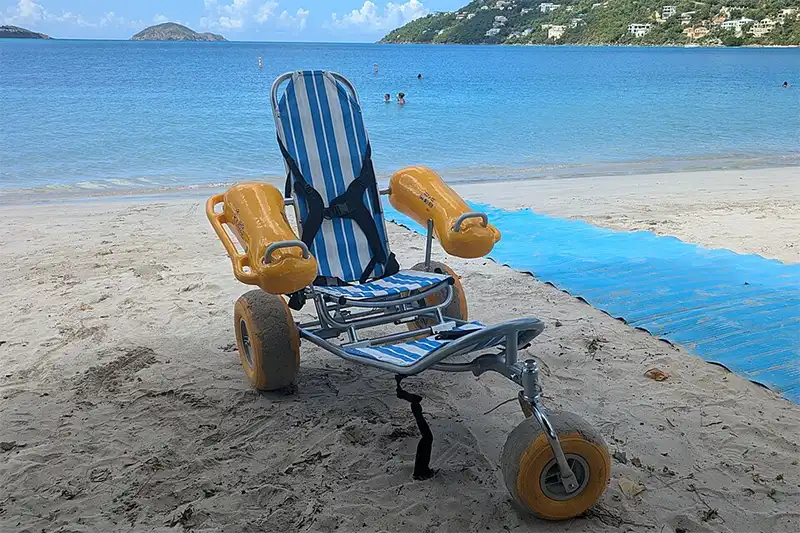
Beach Wheelchair and Beach Mat at Megans Bay, St. Thomas
Located along the northern coast of St. Thomas, about 15 minutes from Charlotte Amalie, Megans Bay is the first accessible beach in the US Virgin Islands. It’s the result of legislation to help make local beaches more accessible for disabled visitors. Megans Bay includes accessible parking, restrooms and changing rooms, as well as good pathway access to the concession area. There’s also a paved pathway from the parking area out to a beach mat, which allows wheelchair-users to roll out on the sandy beach. Additionally, a Waterwheels floating wheelchair is available for loan. This specialized wheelchair can roll over the sand and into the water, and allows wheelchair-users to safely enjoy the ocean. For more information about the wheelchair-accessible beach at Megans Bay, visit www.friendsmagens.org/focus-areas/traffic-accessibility/disability-access.
Barrier-Free Travel
101 Accessible Vacations: Travel Ideas for Wheelchair-users and Slow Walkers