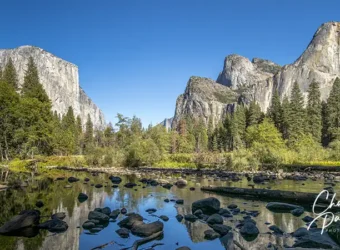
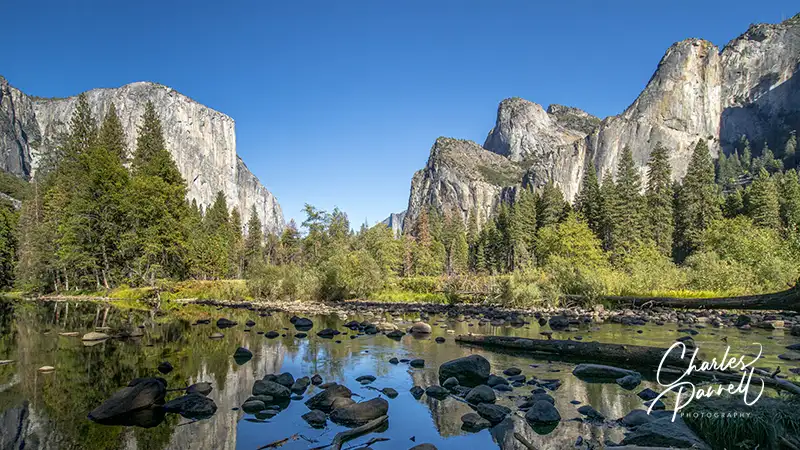
The powers that be just announced that Yosemite entrance reservations will not be required for the popular national park 2026. What does this mean? Well although visitors won’t have to buy a special entrance reservation permit for a specific time to gain entrance to the park, there will still be a few restrictions.
2026 Yosemite Entrance Plan
Although you will be able to pass through the entrance gate to Yosemite National Park without any additional documentation in 2026, the park will “will continue to utilize strong traffic management strategies to support visitor safety, access, and resource protection.” More specifically, “If Yosemite Valley reaches capacity, vehicles will be redirected to other areas of the park, including Wawona, the Mariposa Grove, Tuolumne Meadows, and Glacier Point Road.”
So what does that mean? Even though you will be able to get in the gate, you may not be able to access Yosemite Valley (where the bulk of the favorite attractions are) if there’s too much traffic. And with Yosemite Valley being a favorite destination, this could be a daily occurrence.
So, the best advice to visitors is to get an alpine (early) start if you are planning to visit Yosemite Valley. To be honest, that’s the best plan of action anyway, as the afternoon crowds tend to detract from the Yosemite experience. And if you want a real time update on parking , text YOSEMITE to 333111. Additionally, for information about wheelchair-accessible things to do in Yosemite, visit Accessible Yosemite.
And although it hasn’t been officially announced, it’s assumed that folks with campground and lodging reservations will be allowed access to their accommodations.
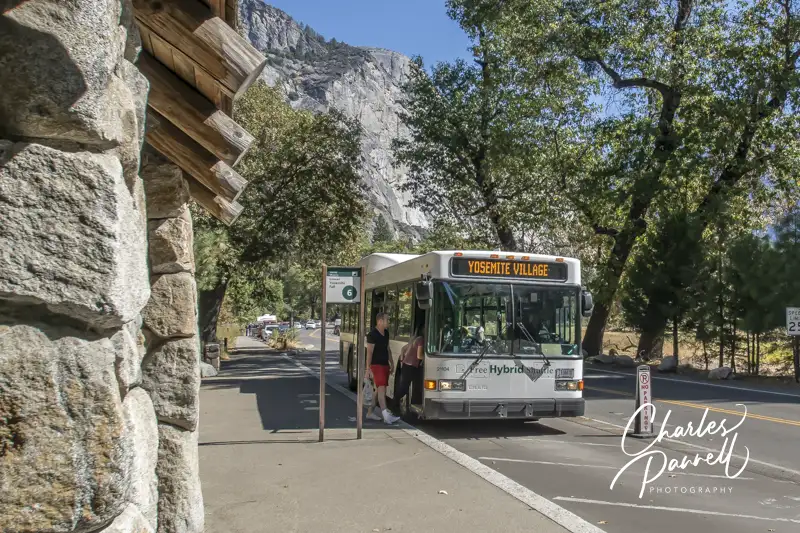
So, get there early, park your car and take the wheelchair-accessible Yosemite shuttle to enjoy Yosemite Valley.
Romantic retreats come in all shapes and sizes, From a secluded cabin in the woods to a lakeside lodge, or even a Moroccan retreat, there’s something out there for just about everyone. And today slow walkers and wheelchair-users don’t have to be left out, as many of these choices are now accessible. So with Valentines Day just around the corner, here are some wheelchair-accessible romantic retreats to share with your sweetheart.
Skamania Cabin
Cabin 744 at Skamania Lodge
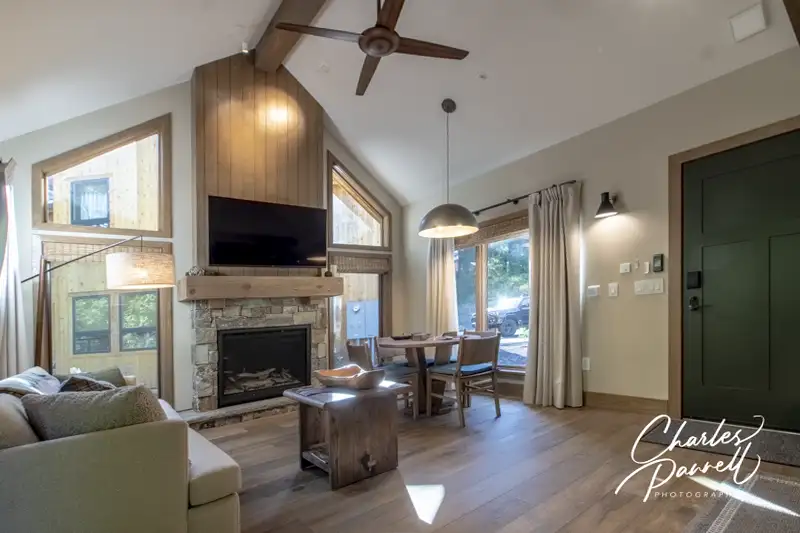
emerginghorizons.com/relax-in-a-skamania-lodge-wheelchair-accessible-cabin Located on the fringe of Skamania Lodge in Southwestern Washington, this cozy cabin is perfect for a romantic getaway. It’s got a nice fireplace in the living room, a compact kitchen, a large bedroom, and a bathroom with a roll-in shower. And you can even order room service and enjoy it on the private deck.
Mendocino Retreat
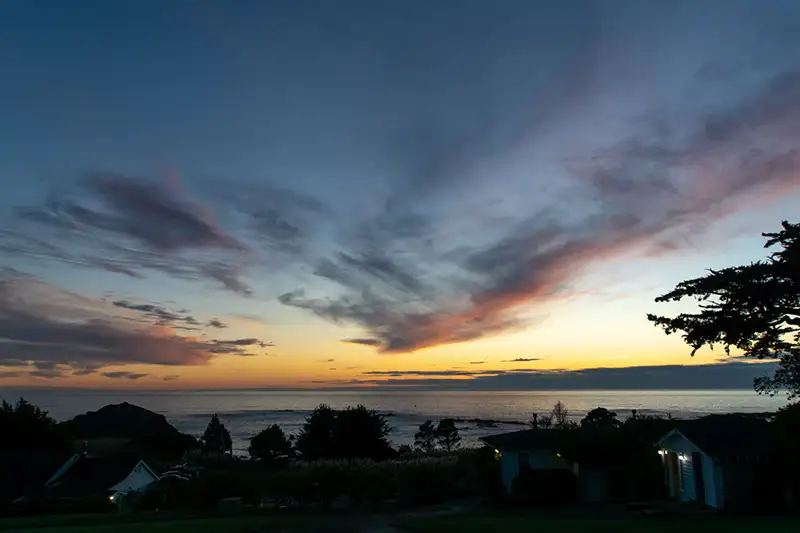
Sunset View from Room 166 at the Little River Inn
emerginghorizons.com/a-wheelchair-accessible-mendocino-coast-retreat Next up on our list of wheelchair-accessible romantic retreats is The Little River Inn on California’s Mendocino Coast. This wheelchair-accessible room overlooks the ocean and has a luxurious bathroom with a roll-in shower. And if you get a little chilly, there’s also a cozy fireplace in the front room. A great choice for folks who love the coast.
Tenaya Lodge Cabin
Cabin 9 at Tenya Lodge
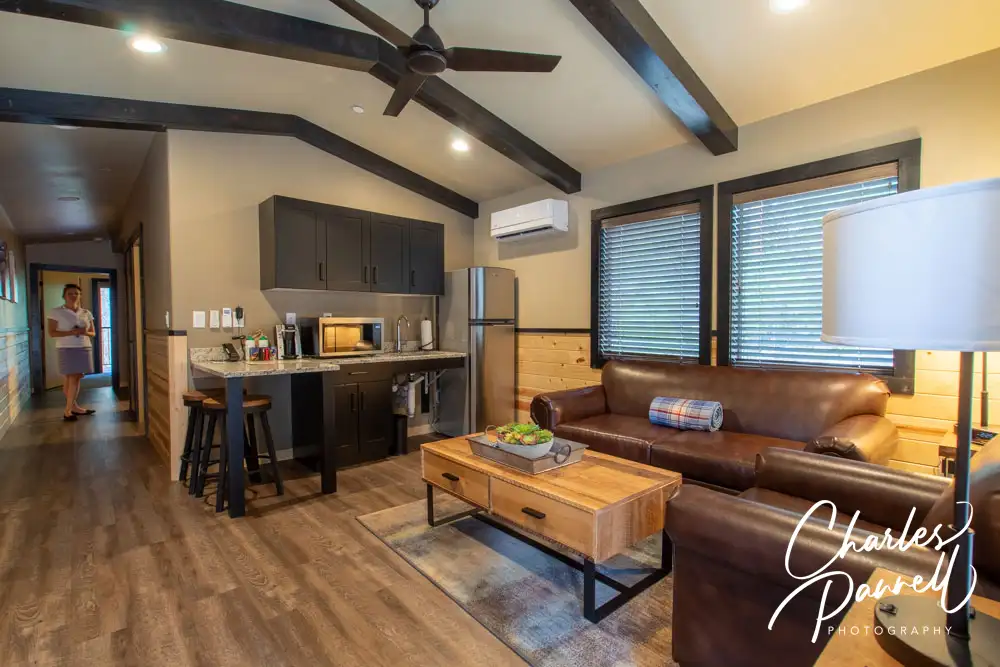
emerginghorizons.com/wheelchair-accessible-explorer-cabins-at-tenaya-lodge If you prefer the mountains, then head up to Yosemite and spend a few nights in this accessible Explorer Cabin at Tenaya Lodge. The cabin is located on a remote slice of the lodge property, which is just a short drive from the national park. And it has two bedrooms, a compact kitchen and a living area with a fireplace. The bathroom is nicely accessible with a roll-in shower, and there’s also a cozy private deck off the master bedroom.
Historic Harvey House
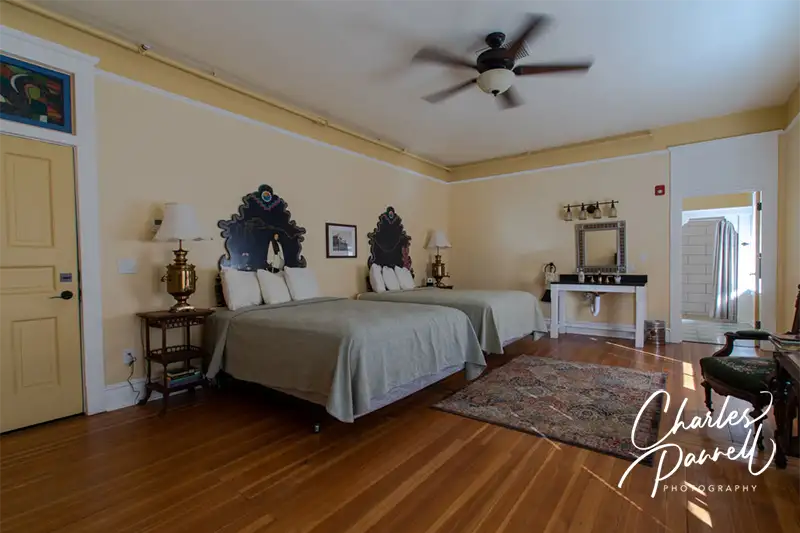
Room 204 at the Castaneda Hotel
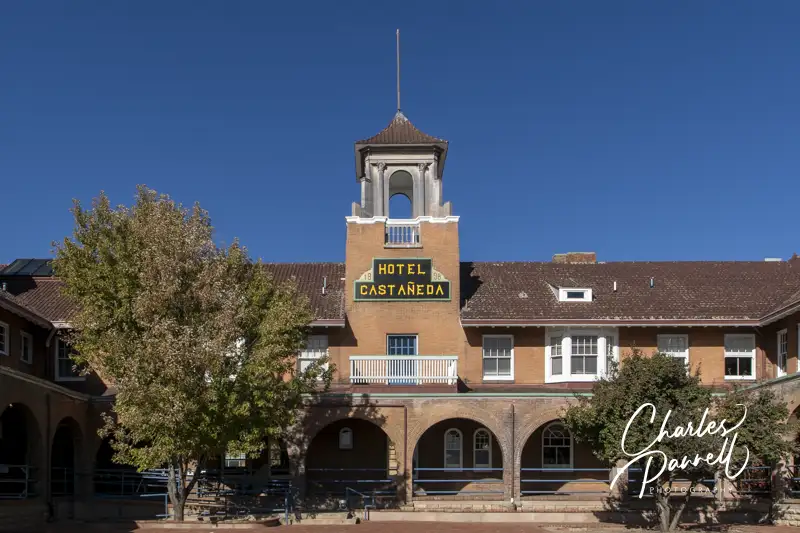
emerginghorizons.com/the-castaneda-hotel-a-wheelchair-accessible-harvey-house History buffs with love this former Harvey House property, which is located in Las Vegas, New Mexico. The Castaneda Hotel, which was originally opened in 1898, was restored and reopened in 2019. And although access wasn’t really a thing back in the days of the Harvey Girls, the new rendition has a nice accessible room with a roll-in shower. It’s a fun property in a historic town.
Crater Lake Lodge
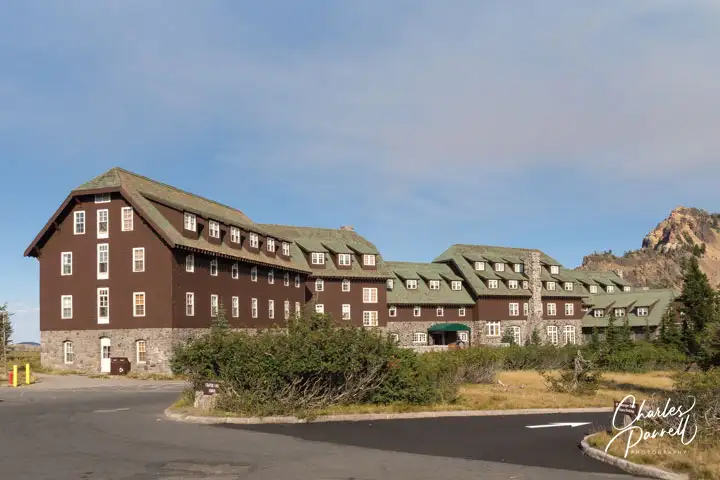
Crater Lake Lodge
emerginghorizons.com/spend-the-night-at-wheelchair-accessible-crater-lake-lodge Next up on our list of wheelchair-accessible romantic retreats is a rustic lodge that sits on the shore of a mountain lake – Crater Lake to be more specific. The historic lodge is a great place to spend a romantic weekend. The spacious wheelchair-accessible room is located on the ground floor, just steps from the lobby, dining room and terrace. After a day of exploring the lake, settle in for a nice dinner and top it off with drink on the terrace. You just can’t beat the lake view. It’s also a great spot to enjoy a romantic sunset.
A Desert Oasis
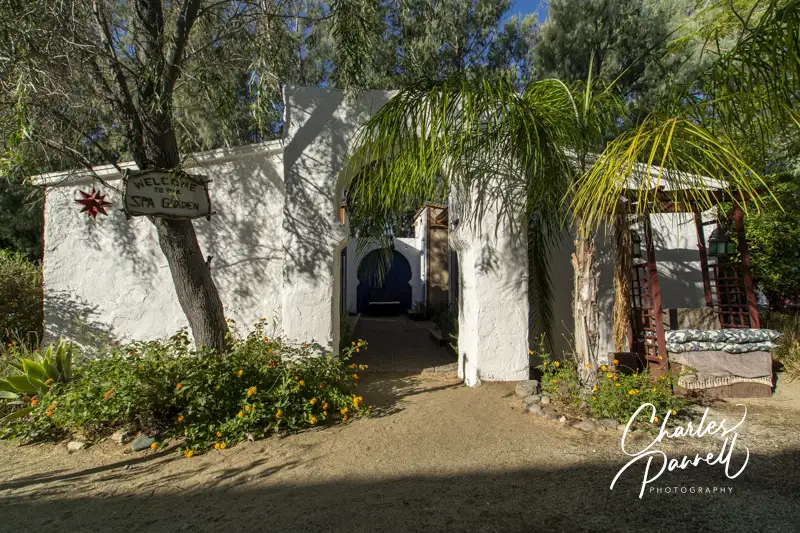
Spa Garden at the El Morocco Inn
emerginghorizons.com/the-el-morocco-inn-a-wheelchair-accessible-oasis-in-the-california-desert For a taste of Morocco without leaving the US, check out the El Morocco Inn in the California desert. Located in Desert Hot Springs, this accessible oasis includes a nice wheelchair-accessible room with a roll-in shower. There’s also good access to the public areas, including the swimming pool and the spa. And if you’d just like to chill, you can kick back in the library and enjoy a book or DVD. Truly there’s something for everyone at this relaxing retreat.
Santa Fe Suite
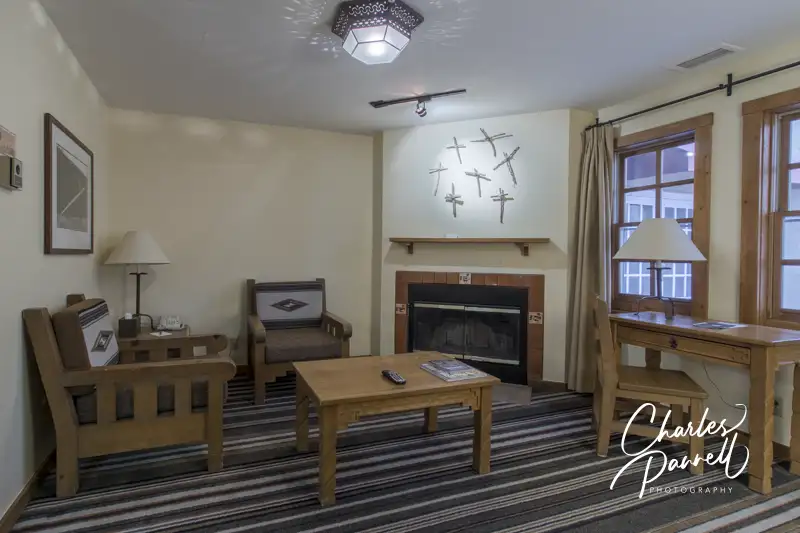
Suite 102 at the Chimayo Hotel
emerginghorizons.com/a-wheelchair-accessible-santa-fe-lodging-choice This Santa Fe Hotel offers a nice wheelchair-accessible suite, just steps from the historic Plaza. The Hotel Chimayo features a spacious accessible suite with a large bathroom and a roll-in shower. And there’s also a cozy fireplace in the living room to snuggle up with your sweetheart. Don’t forget to stop in at the Low n’ Slow Bar while you are there. Not only do they have a wide selection of beverages and snacks, but you just can’t beat the retro low rider décor.
Red Canyon Cabin
Cabin 12 at Red Canyon Village
emerginghorizons.com/spend-the-night-in-red-canyon-village Last but not least on the list of wheelchair-accessible romantic retreats is this Bryce Canyon cabin at Red Canyon Village. Located just a few miles from the national park entrance along scenic Highway 12, this log cabin is just a short walk from the office. It includes a king-sized bed, a compact kitchen and a large bathroom with a roll-in shower. And if you’d like to dine al fresco there’s a picnic table outside and a few chairs on the front porch. A perfect Red Canyon getaway.
Barrier-Free Travel California National Parks Road Trips Travel Ideas for Wheelchair-users and Slow Walkers
Located across the country, presidential museums and libraries (https://www.archives.gov/presidential-libraries) not only contain an archive of presidential photos and documents, but they also offer exhibits about the former presidents and the eras of their presidency. In most cases they are funded by private foundations and donations; and they are located in the former presidents’ home state or in a state where they had close ties or spent the majority of their life. And the good news is, since these museums serve as visible faces of the former presidents, most of them go well beyond the letter of the law as far as wheelchair access is concerned. So check out these favorites in your future travels.
Dwight D. Eisenhower Presidential Museum
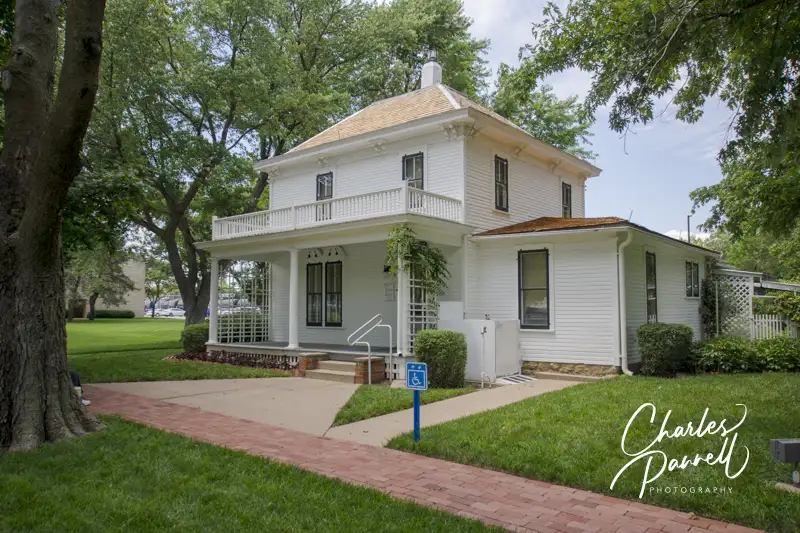
President Eisenhower’s boyhood home at the Eisenhower Presidential Library, Museum & Boyhood Home
eisenhowerlibrary.gov Located in Abilene, Kansas the Eisenhower museum complex includes a visitors center, the Place of Meditation, Ike’s boyhood home, the museum and the library. There is level access to the visitors center, where you can pick up a loaner wheelchair. Just to the left of the visitors center you’ll find Ike’s boyhood home. Although there are three steps at the front, there is also a wheelchair lift on the side. The first floor of the house is open to the public and it features original furnishings, photographs and personal items of the Eisenhower family.
The museum itself is just a short walk from the home and it features barrier-free access and a wheelchair-lift at the front entrance. It’s really a must-see for anyone interested in World War II history, as the excellent Military Gallery features documents, photographs and artifacts from the war. It also includes a gallery devoted to Mamie Eisenhower, and one that presents a comprehensive overview of President Eisenhower’s life and achievements.
Last but not least, save some time to visit the Place of Meditation, where President Eisenhower was buried on April 2, 1969. There is level access to the chapel and good pathway access inside. The stained glass windows, which were designed by Odell Prather, are particularly striking.
The LBJ Library
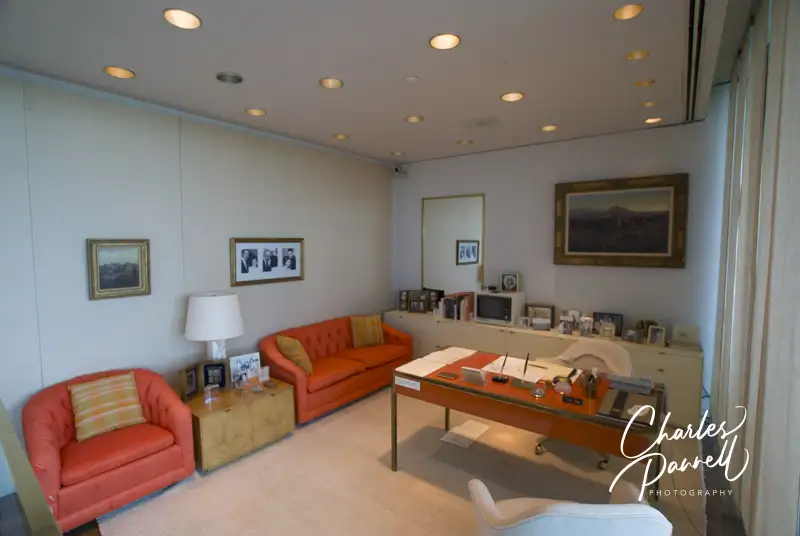
Replica of Lady Bird’s office at the LBJ Presidential Library
lbjlibrary.org This presidential museum is located on the campus of the University of Texas at Austin. Free accessible parking is available in lot 38, which is just a short walk from the museum entrance. Access is excellent throughout the museum too, with elevator access to all floors, accessible restrooms, loaner wheelchairs and plenty of space to wheel around the galleries.
As with all presidential museums, a good chunk of the exhibits chronicle the lives of the first family. And along the way you’ll learn some interesting tidbits. For example, Lady Bird got her nickname from a nurse who declared that she was “as pretty as a lady bird”. Add in a reproduction of the Oval Office, as well as Lady Bird’s office, and the official presidential limousine and you have a well-rounded representation of presidential life.
Like the other presidential museums this one also focuses on the events of the times — in this case the 1960s and the 1970s — so if you happened to grow up in those decades it will be especially interesting to you.
Richard Nixon Presidential Library and Museum
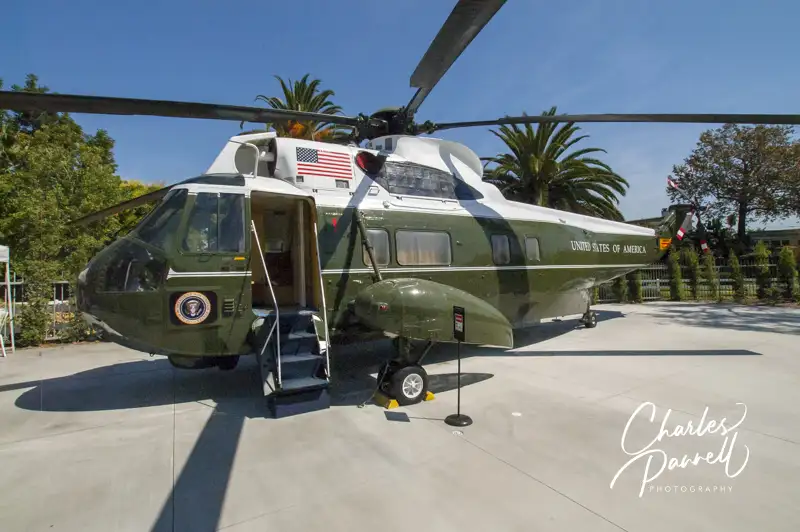
Sikorsky VH-3A “Sea King” helicopter Richard Nixon used for his final departure from the White House after resigning in 1974 at the Richard Nixon Presidential Library and Museum
nixonlibrary.gov Although the Richard M. Nixon Presidential Library and Museum tends to focus more on Mr. Nixon’s long political career, this Yorba Linda museum also includes some small exhibits on Watergate, the Middle East and Nixon’s farewell speech. The Vietnam Gallery also offers some interesting insights on the conflict, as well as an exhibit of items collected by the POWs. Outside, there’s the Richard Nixon birthplace and the presidential helicopter, which was used by presidents Kennedy, Johnson, Nixon and Ford.
Access is good throughout the museum with plenty of accessible parking, ramped access to the front entrance and barrier-free access throughout all the galleries. There is an accessible path from the museum to the birthplace, and a ramped entrance at the back door of the birthplace. There are several steps up to the helicopter; however there is a wide level space around it, with plenty of room to navigate a wheelchair. And it’s an excellent photo op.
Gerald R. Ford Presidential Museum
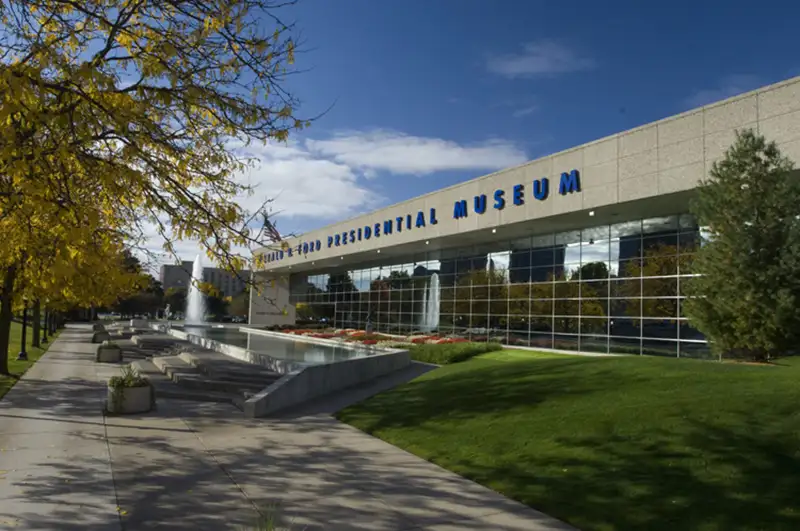
Gerald R. Ford Presidential Library and Museum
fordlibrarymuseum.gov Located in Grand Rapids, Michigan, this presidential museum gives visitors a good dose of 1970s history. No matter what your political party affiliation, if you lived through the Watergate years, you’ll love this museum. That’s because the former president wanted the museum to be more about history and less about him.
There is level access to the front entrance of the museum, elevator access to all floors and ample room to wheel around in all of the galleries. Part of the museum focuses on the 38th President’s career, family and military life; however the bulk of it is dedicated to events that occurred just prior to and during his presidency, or those that were influenced by his presidency. Must-sees include the tools used in the Watergate break in and a fascinating exhibit about the Nixon pardon.
Jimmy Carter Library and Museum
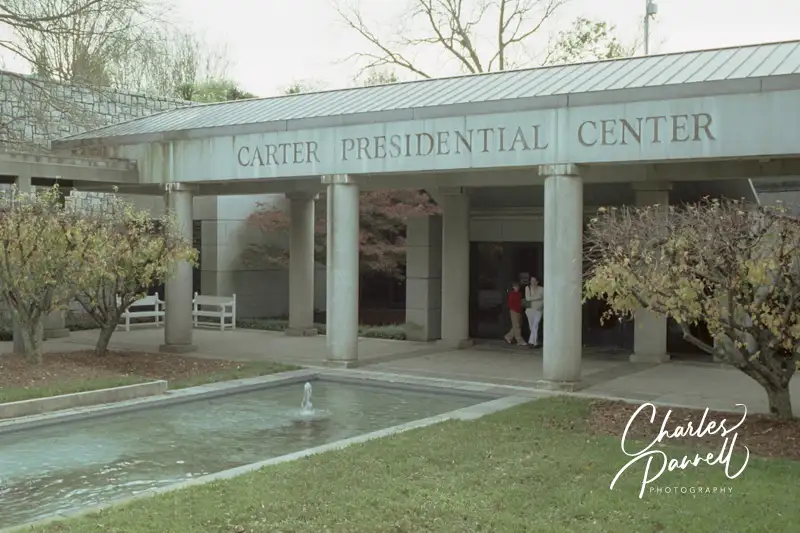
Jimmy Carter Presidential Library and Museum
jimmycarterlibrary.gov The Jimmy Carter Library and Museum is located about five minutes from downtown Atlanta, on a 35-acre wooded parcel dotted with ponds. Highlights of this museum include a replica of the Oval Office, photographs and memorabilia from the Carter Presidency, and an interesting Camp David exhibit. And of course, don’t miss the gallery filled with Head of State gifts.
Accessible parking is located near the museum, with ramp access to the entrance. Inside there’s plenty of room to wheel around the spacious galleries, with ramp access to some exhibits. Outside, paved pathways lead around the spacious grounds, with wheelchair access to most areas.
Ronald Regan Library & Museum
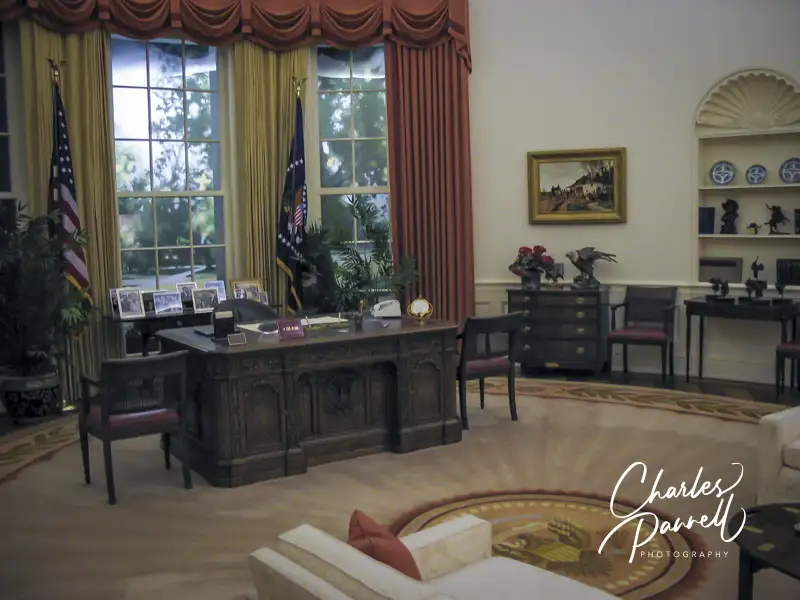
Replica of the Oval Office at the Ronald Regan Presidential Foundation & Institute
reaganlibrary.com Located in Simi Valley, California, the Ronald Regan Library & Museum features hundreds of artifacts that chronicle the former-president’s life, career and political accomplishments. There’s a drop-off area for wheelchair-users and slow walkers in front of the museum, with barrier-free access to the entrance and good pathway access inside. A loaner wheelchair is also available at the front desk.
The museum features 125,000 square-feet of gallery space that highlights Regan’s family life, movie career and life in the White House. It also includes a replica of the Oval Office and a section of the Berlin Wall. As an added bonus, many of the exhibits are interactive, so visitors can act in a movie with Ronald Regan or set a table for a White House dinner.
One of the highlights of the museum is Air Force One. There is elevator access down to the tarmac in the Air Force One Pavilion, where you can walk and roll around the plane. Although stairs lead up to the plane, there is also a lift available. That said the airplane aisle is only 28-inches wide, so it may be too narrow for some wheelchair-users. Still it’s fun to great a peek inside.
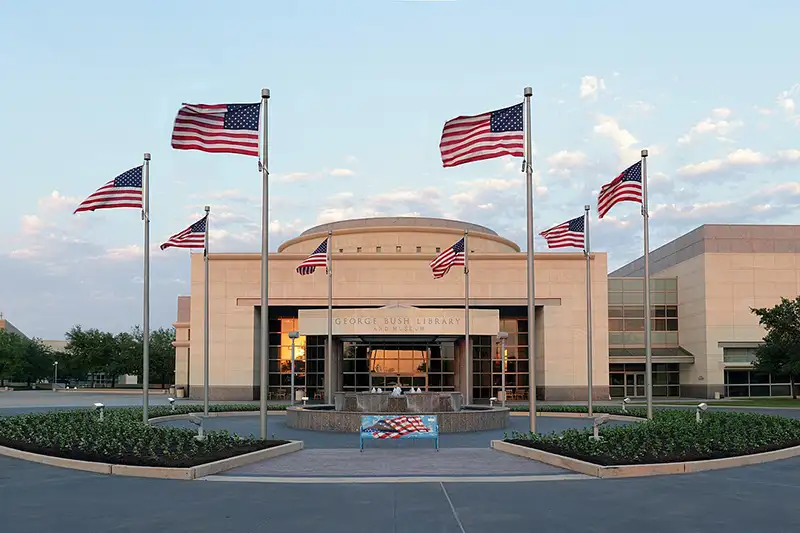
George H.W. Bush Presidential Library and Museum
George H.W. Bush Presidential Library and Museum
bush41.org Located about 100 miles east of Austin, College Station is the site of the George H. W. Bush Presidential Library and Museum. More specifically, the museum is located on the Texas A&M University Campus.
There’s plenty of accessible parking near the museum, with level access through the plaza to the front lobby. Wheelchairs are available for loan at the front desk, and there’s elevator access to all floors, with barrier-free pathways though the galleries.
Exhibits focus on the life of the former president, and include some reflections of Mr. Bush’s time in the Navy. As one of the Navy’s youngest pilots, he was shot down in the Pacific, and his rescue was recorded on a hand-held movie camera. Today that film clip is on display in the museum. Other exhibits focus on Mr. Bush’s presidential campaigns, his oil business and his stint as a United Nations Ambassador.
Several exhibits focus on events that had an impact on the Bush presidency, with video screens playing back snippets of history. Then there’s the replica of the Oval Office, the collection of state gifts and even the president’s reaction to Watergate. And of course there is a gallery dedicated to the First Lady, as well as one which focuses on the life of President and Mrs. Bush after leaving the White House.
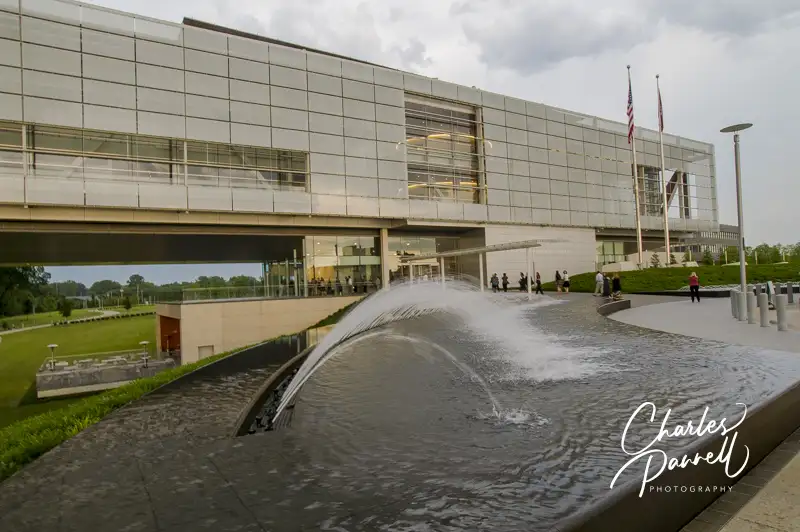
Clinton Presidential Center
Clinton Presidential Center
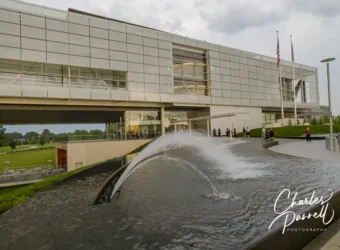
clintonfoundation.org/clinton-presidential-center Last but certainly not least in our roundup of presidential museums is the Clinton Presidential Center, located in the River Market District in Little Rock, Arkansas. The 20,000 square-foot exhibit space features excellent access to all galleries, sleek wood floors and level access to the front entrance. And if you don’t think you can manage this massive space on foot, loaner wheelchairs are available.
The exhibits chronicle the Clinton presidency, and include a replica of the Oval Office (complete with a moon rock), items from Bill’s childhood, and even a collection of Saturday Night Live clips featuring Clinton impersonations. There’s also a wing that features the splendor of the White House during the holidays and shows how the Clinton’s gave the presidential residence special touches to really make it their home.
All in all the Clinton Presidential Center houses one of the best presidential collections, and it’s definitely worth a visit. Plan to spend the whole day there though, as there’s definitely a lot to see.
Barrier-Free Travel 22 Accessible Road Trips Driving Vacations for Wheelers and Slow Walkers
Fred Harvey is a bit of a legend in the hospitality industry. Back in 1876, long before railroad dining cars were part of the rolling stock, he realized the need for restaurants along the major rail routes. To remedy the situation, he negotiated a contract with the Santa Fe Railroad, and opened the first of many Harvey Houses in Topeka, Kansas along the rail line. These restaurants were known for their generous portions and quality furnishings, and of course the Harvey Girls, who fed hungry passengers in the time it took to service the trains and change the crews. As time went on, Harvey expanded his empire to include hotels and resorts, and at the time of his death he operated 47 restaurants and 15 hotels.
And although many of these historic properties have faded into oblivion, you can still find remnants of the Harvey empire throughout the Southwestern US. Some buildings are in ruins, while others have been renovated; and there are even a select few where you can spend the night. And although access wasn’t a consideration during Fred Harvey’s lifetime, thanks to some access upgrades, today wheelchair-users and slow walkers can enjoy some of the remaining properties. So check out these historic Harvey Houses on your next road trip through the Southwestern US.
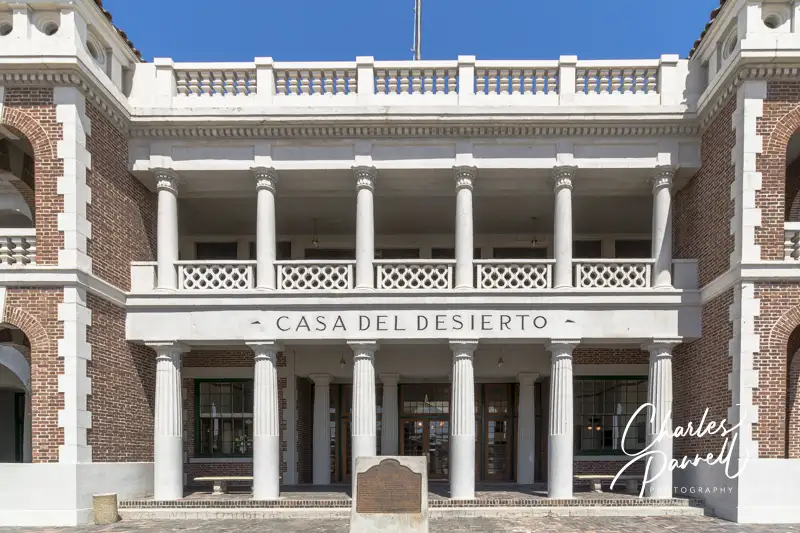
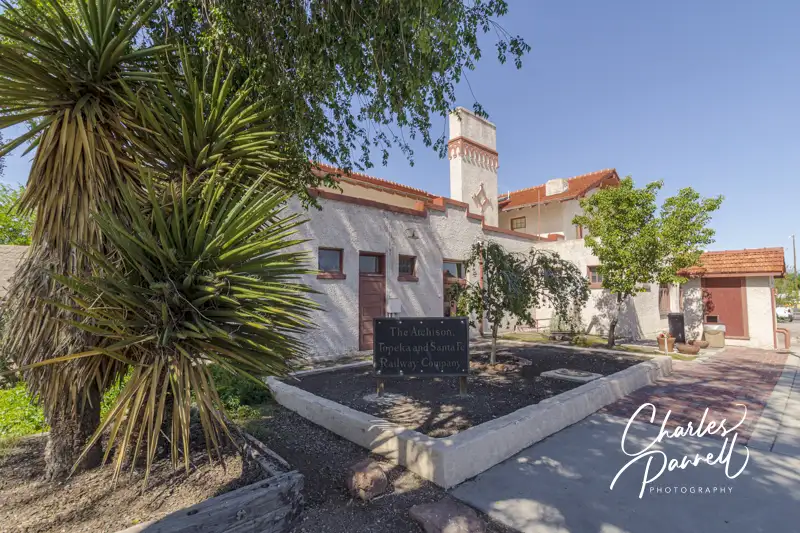
Casa Del Desierto Barstow, CA
Casa Del Desierto in Barstow, California
Located in Southern California, Casa Del Desierto was considered the crown jewel of the Harvey House chain. It opened its doors in 1911, and not only did it house a restaurant, but it also provided comfortable overnight accommodations for passengers on the the Atchison Topeka and Santa Fe Railway. The building was renovated in 1999, and today it houses the local visitor center as well as the excellent Western America Railroad Museum (emerginghorizons.com/western-america-railroad-museum/) – both of which have good wheelchair access. And if you’d just like to stop by and glance at the exterior of the historic structure, you can do that too.
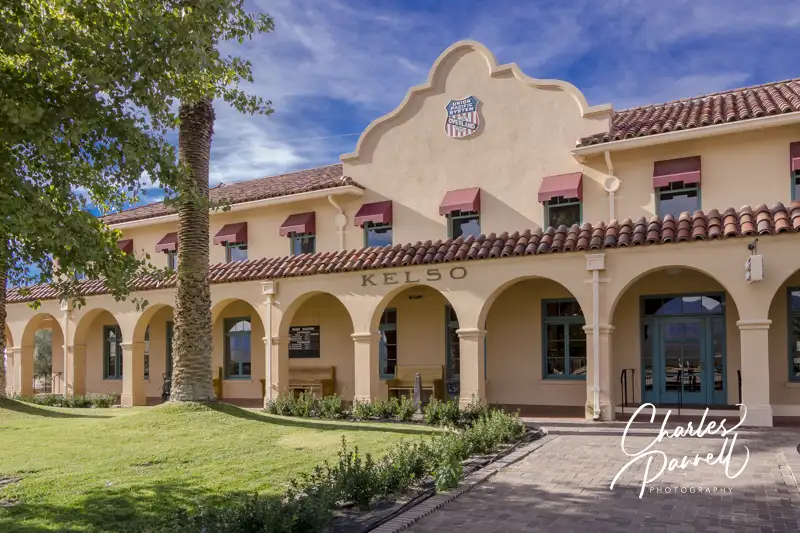
Kelso Depot Kelso, CA
Kelso Depot in Mojave National Preserve, California
Located in the Mojave National Preserve, Kelso Depot (nps.gov/moja/planyourvisit/visitorcenters.htm wasn’t a Harvey House, but it’s definitely worth a mention. It was constructed in 1924 by the Los Angeles & Salt Lake Railroad as competition for the popular Harvey Houses operated by the Santa Fe Railroad. Today it houses the visitor center for the Mojave National Preserve. It also has several restored rooms that are open to the public. These include the baggage room, ticket office and two dormitory rooms. Accessible parking is available in the parking lot, with level access to the depot buildings. And even if the building isn’t open, you can still get a gander at the lunch counter, vintage desks and old equipment through the large front windows. Additionally, the restrooms are always open, so it’s a good spot to take a rest break.
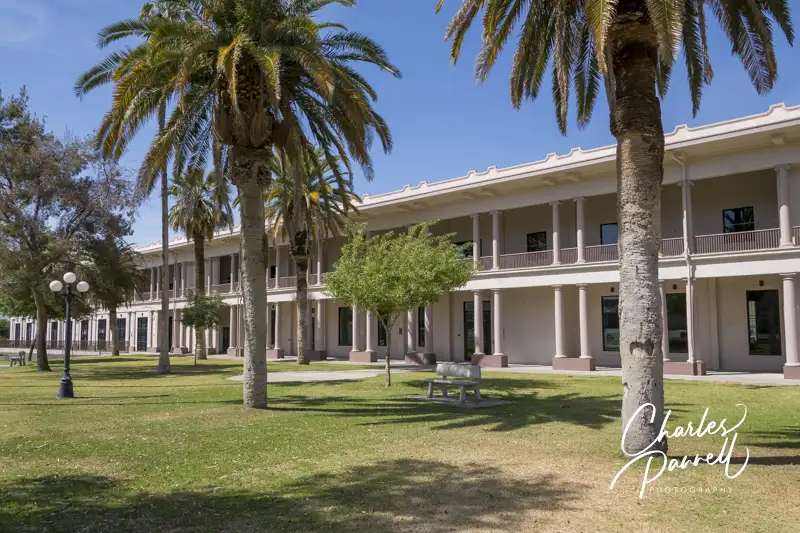
El Garces Needles, CA
El Garces Intermodal Transportation Facility in Needles, California
Named for Father Francisco Garces — the first European to cross the Mojave Desert — El Garces (nps.gov/places/el-garces.htm) was once said to resemble a Greek temple. This Southern California train depot housed a hotel and restaurant. After the depot was closed, it fell into disrepair and was subsequently shuttered. Fortunately the City of Needles came to the rescue in 1999, and purchased the building; which was added to the National Register of Historic Places in 2002. In 2014 the city embarked on an ambitious $5 million renovation project to restore this Needles landmark to its former glory. Today the finished project transports visitors back to the golden age of rail travel, and makes a nice stop on an Route 66 road trip.
There’s accessible parking on the side with level access over to the front of the depot, which is surrounded by tall palms and flanked by stately white columns. Although the building is only sporadically open, visitors can still get a look at the restored interior through the large glass windows. There’s also barrier-free access around to the back — track side — of the building, and level access to the back door. A majestic fountain dominates the courtyard near the back door, and it’s a pleasant spot to rest and admire the building. And like the front, large windows line the back of the building, so it’s easy to get a peek inside.
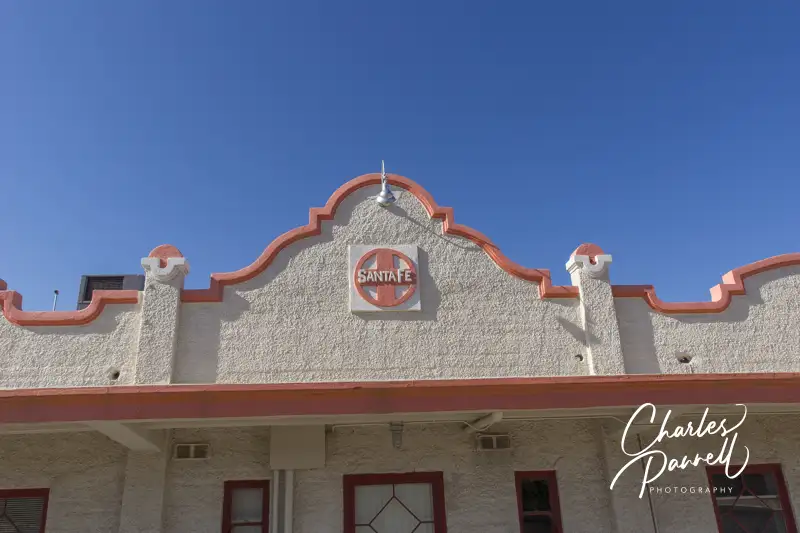
Santa Fe Depot Kingman, AZ
Santa Fe Depot in Kingman, Arizona
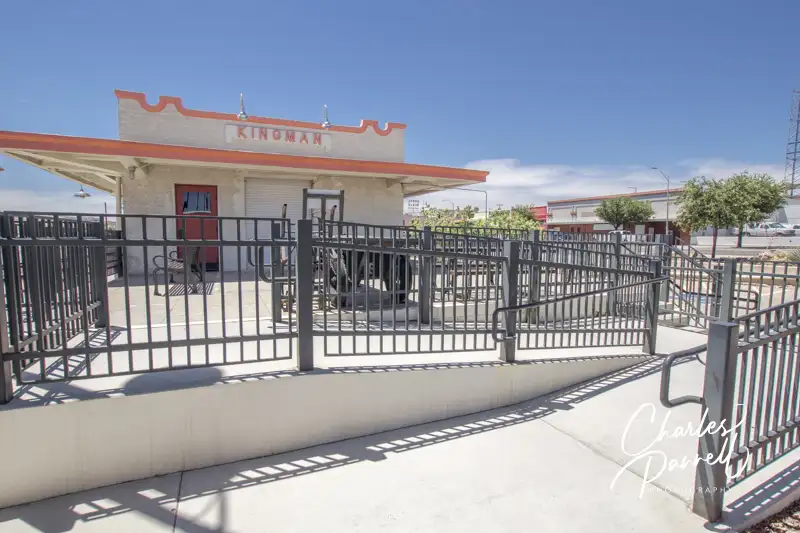
The beautifully restored Santa Fe Depot is located on the corner of 4th Street and Andy Divine Avenue in downtown Kingman. Unfortunately the Santa Fe Eating House, which was staffed by Harvey Girls, has been demolished. It once sat across from the Santa Fe Depot, but today all that’s left of it are a few remnants of the foundation. Still it’s worth a stop to see the depot.
Accessible Entrance Near Parking
There’s accessible parking in the small lot, with ramp access up to the 1907 depot. The Kingman Railroad Museum (kingmanrailroadmuseum.com) is located on one side of the building, while the Amtrak waiting room is located on the other side. There’s level access to the depot and the museum, and there are accessible restrooms inside the depot. It’s definitely worth a stop for history buffs, as the building is on the National Register of Historic Places.
Fray Marcos Hotel Williams, AZ
Depot at the Fray Marcos Hotel in Williams, Arizona
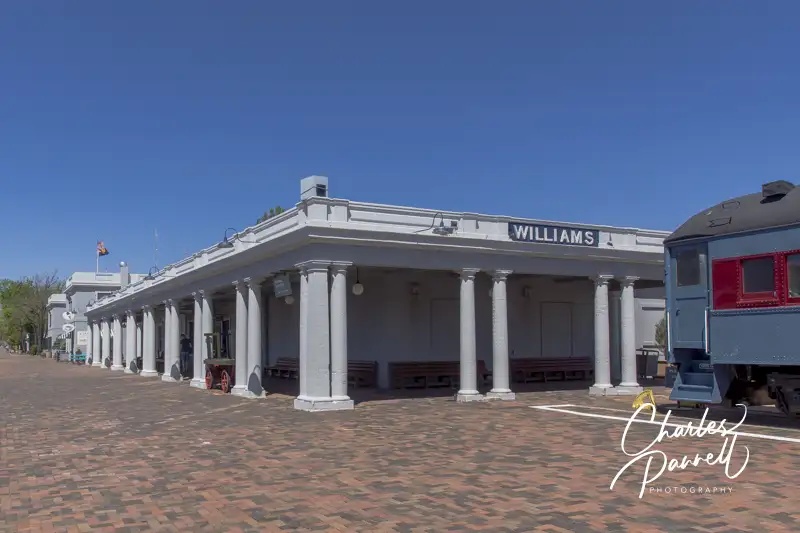
The Fray Marcos Hotel, and the adjoining depot were opened in 1908. This Harvey House had 43 guest rooms at its peak. Today the depot is still in operation, while the former hotel houses the Grand Canyon Railway (thetrain.com) administrative offices. Accessible parking is located near the Williams Depot, with level access to the track side of the station. Take some time to admire the exterior, then pop inside for a look at the former Indian Building — you can’t miss it, as it’s the room with the massive fireplace.
The old hotel lobby is adjacent to the Indian Building, next to the stairs that lead up to the Grand Canyon Railway offices. There are some old photographs in the lobby, and the room exudes a definite historic vibe. Although the depot is deserted most of the day, traffic picks up when the daily Grand Canyon train arrives and departs. Still with a little advance planning, you’ll have the place to yourself.
El Tovar & Bright Angel Lodge Grand Canyon National Park, AZ
El Tovar
Grand Canyon National Park, which is located north of Williams, is home to two historic Harvey Houses. Perched on the south rim of the canyon, El Tovar and Bright Angel Lodge both feature Mary Colter’s signature southwestern touches.
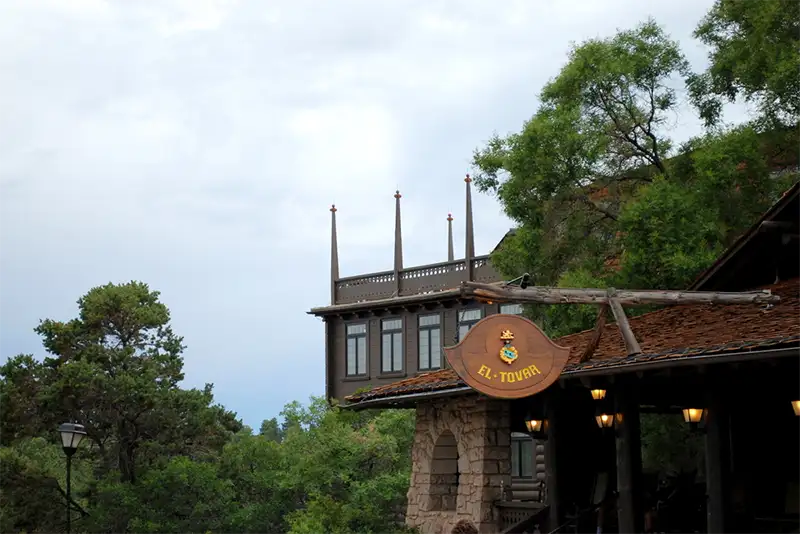
El Tovar (grandcanyonlodges.com/lodging/el-tovar-hotel) first opened in 1905, and although it was considered a luxury hotel, guests still shared one bathroom at the end of the hall. Today the property boasts modern access features, including a ramped accessible entrance on the canyon side, and several wheelchair-accessible guest rooms.
Harvey House Exhibit in the Bright Angel History Room
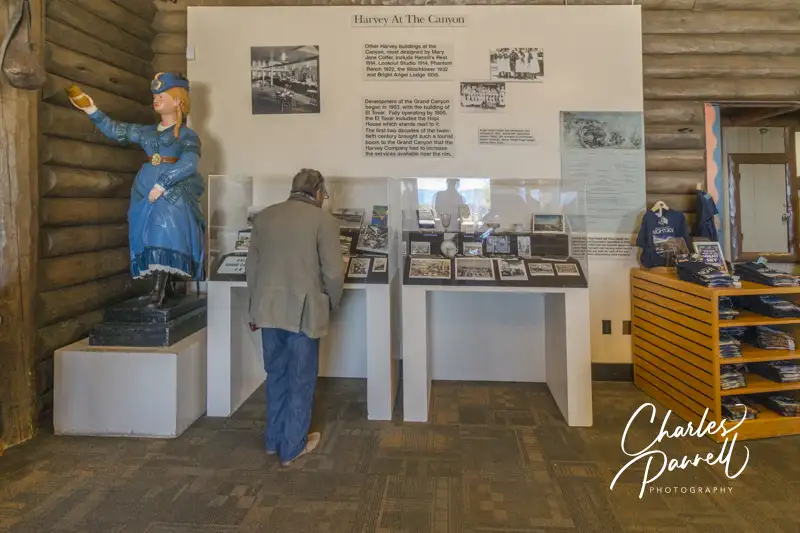
Bright Angel Lodge (grandcanyonlodges.com/lodging/bright-angel-lodge-cabins) was constructed in 1935 as a budget alternative to the El Tovar. Although there are no accessible rooms at the Bright Angel Lodge, it’s still worth a visit to see the Harvey House exhibit in the Bright Angel History Room. There’s good wheelchair access throughout the Bright Angel History Room, which features artifacts from the two Harvey Houses, as well as old photos, an 1880 Harvey House dinner gong, and even a vintage Harvey Girl uniform. It also includes information and photos from a Harvey Indian Detours excursion, which took train passengers on overnight trips to nearby Native American sites.
La Posada Winslow, AZ
The La Posada Hotel in Winslow, Arizona
Over in Winslow, Arizona, La Posada (laposada.org) was added to the Harvey family in 1929. And although Mary Colter received wide recognition for her Grand Canyon buildings, she always considered La Posada her masterpiece. Access is good throughout this historic property, with accessible parking in front, and a level sidewalk to the front entrance.
Even if you don’t overnight there, make sure to stop and enjoy a short walking tour, as the property is filled with lots of nooks and crannies that contain historic photos and artifacts. Although the building lacks an elevator, the majority of the artifacts are located on the first floor. Out back, the Affeldt Mion Museum is housed in the 1930 depot, and contains exhibits about the history of the Las Posada, Fred Harvey and Mary Colter.
The Turquoise Room, which faces the railroad tracks, once served as the Harvey House lunch room. Today the menu offers a good selection of southwestern and traditional favorites. And for a real nostalgic feel, the waitresses are even dressed in in traditional Harvey House uniforms. Additionally, if you’d like to spend the night at the Las Posada, they also have a nice wheelchair-accessible guest room on the first floor.
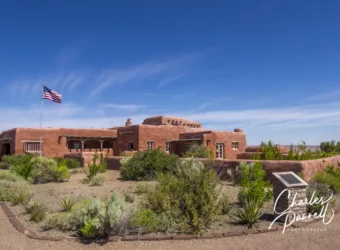
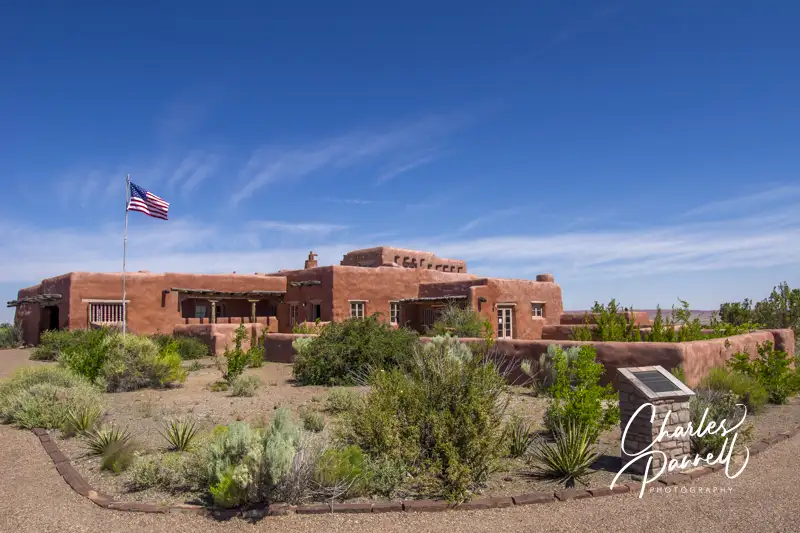
Painted Desert Inn Petrified Desert National Park, AZ
Painted Desert Inn in Petrified Forest National Park, Arizona
Located east of Winslow, the Painted Desert Inn (nps.gov/pefo/learn/historyculture/pdi.htm) officially opened in 1940 on the site of the former Stone Tree House, which once provided Route 66 travelers with food, souvenirs and lodging. Sadly the war brought an end to the boom days and the Painted Desert Inn was closed in 1942. Five years later the Fred Harvey Company took over management and hired Mary Colter to renovate the property; and the legendary Harvey Girls were brought to the Petrified Forest.
The property operated until 1963, but the inn was saved from the wrecking ball due to a massive public outcry. Finally in 1987 it was declared a National Historic Landmark, and the property was rehabilitated and returned to its former glory. Today you can see the old dining counter and lunch room, complete with vintage place settings. Access has also been improved over the years, with level access to most areas of the inn, and plenty of room for wheelchairs and scooters. After you’re done browsing through the inn, don’t miss the colorful desert view from the accessible viewpoint in back of the inn.
Belen Harvey House Belen, NM
Belen Harvey House in Belen, New Mexico
This 1910 Belen Harvey House (harveyhousemuseum.org) once contained a large lunch room, a formal dining room, a newsstand and an upstairs Harvey Girls dormitory. Today it houses a museum and an adjacent restaurant. There’s good access throughout the museum which contains lots of Harvey House memorabilia, including old photos, dishes, uniforms and even menus. There’s also a number of exhibits about the history of the railroad, and even some old railroad equipment on display. There’s no elevator access to the second floor, but the bulk of the exhibits up there focus on Belen history, rather than the Harvey Houses. As an added bonus the museum is staffed by volunteers who love to talk about the Harvey House heyday.
The Whistle Stop Café is also worth a stop while you are there. This casual eatery includes home made treats like muffins, carrot cake, cobbler and a variety of soups. Everything is delicious, and all proceeds from the café go to help support the museum.
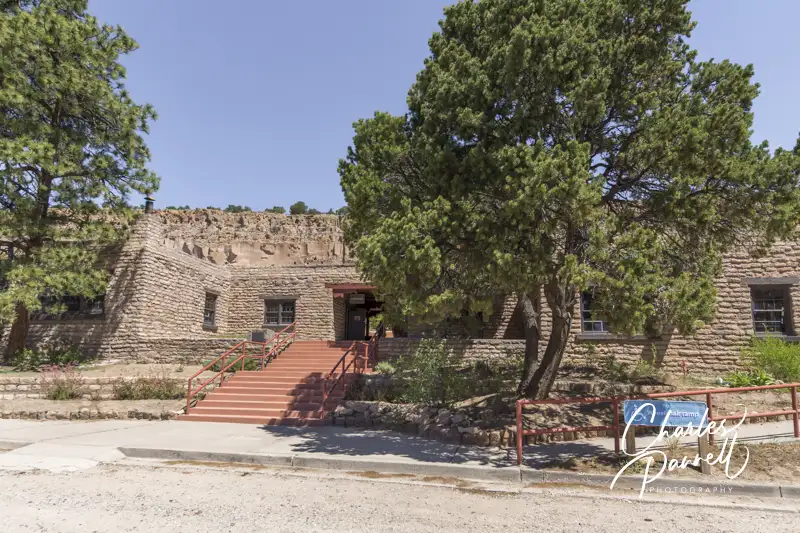
Puye Rest House Espanola, NM
Puye Rest House in Espanola, New Mexico
Located well off the main train line in the Santa Clara Pueblo, this Harvey House was part of the Indian Detours program. Built on tribal land in the 1920s, the Puye Rest House (puyecliffdwellings.com/tours/harvey-house) hosted guests who traveled on the “Chili Line”, and were then transferred to the Santa Clara Pueblo in covered wagons in the early years, and in Model Ts in later years. The tours operated from 1925 to 1939, and the big attraction of this location was the hilltop cliff dwellings in back of the hotel.
Today the two buildings that made up the Harvey House are now an interpretive center and a gift shop, and although the cliff dwellings aren’t accessible, the buildings are very doable for wheelchair-users and slow walkers. Most of the exhibits in the interpretive center are focused on the history of the Santa Clara Pueblo, and the excavation of the cliff dwellings in 1907. Still it’s a chance to go inside the historic Harvey House building. There’s also a nice view of the cliff dwellings from the back porch. And if you just want to look at the outside of this historic building, it’s definitely worth the drive.
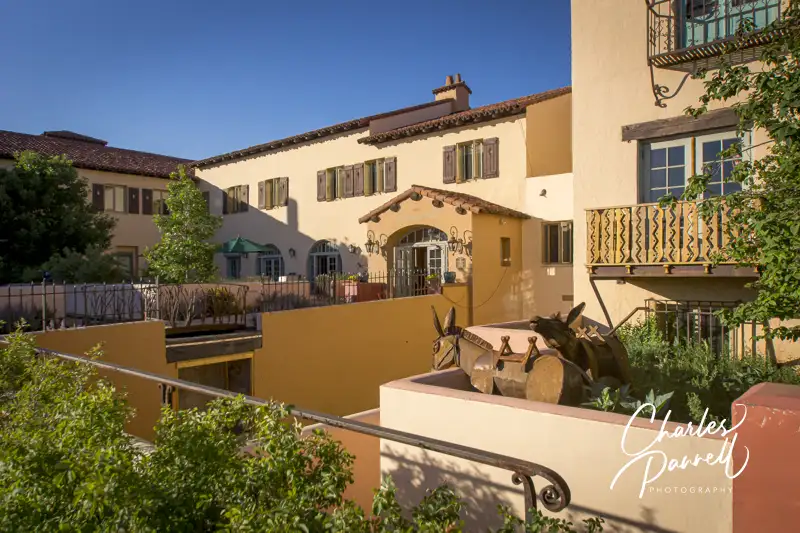
Castaneda House Las Vegas, NM
The Castaneda Hotel In Las Vegas, New Mexico
Last but certainly not least on our Harvey Houses of the Southwest tour is the Castaneda House (emerginghorizons.com/the-castaneda-hotel-a-wheelchair-accessible-harvey-house/), which opened in 1898. It closed in 1948 and was shuttered until a local investor purchased it in 2019. Today the restored property has the ambience of yesteryear, with the access features of modern times.
The Mission Revival style building once housed 37 guestrooms, a 108-seat dining room a 51-seat lunch counter, and a cluster of railroad offices. Today the renovated property has 22 suites; and if you look carefully in the rooms, you can see vague outlines of the former room borders on the floors. The hallway doors to the original rooms were also left intact — some now go to storage rooms, while others are merely decorative. And there’s also a nice wheelchair-accessible guest room with a roll-in shower. All in all, the Castaneda Hotel features the charm of the yesteryear, and the comforts and access features of today.
Barrier-Free Travel the Grand Canyon for Wheelchair-users and Slow Walkers
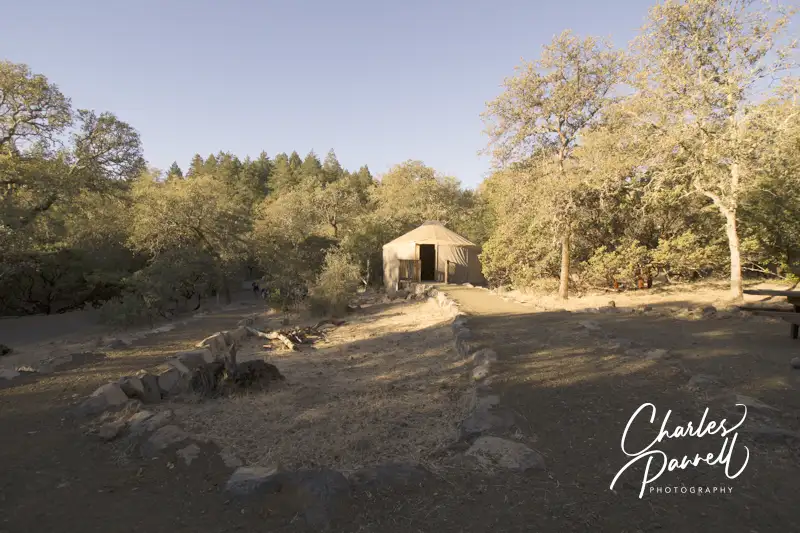
Located along the St. Helena Highway, Bothe Napa State Park (napaoutdoors.org/parks/bothe-napa-valley-state-park/) is easy to overlook, especially if you’re winery hopping along this popular Napa County thoroughfare. That said, it’s not only a nice place to stop for a picnic or to enjoy a short hike; but if you’re up for an adventure, it’s also an excellent place to overnight. Although the park offers wheelchair-accessible campsites, it also boasts a comfortable wheelchair-accessible yurt. Granted, this yurt is pretty basic — some would even describe it as rustic — however it provides a quiet, off-the-beaten-path lodging option in what can often be described as a crowded and overly congested area of the state.
Sleeping in a Wheelchair-Accessible Yurt
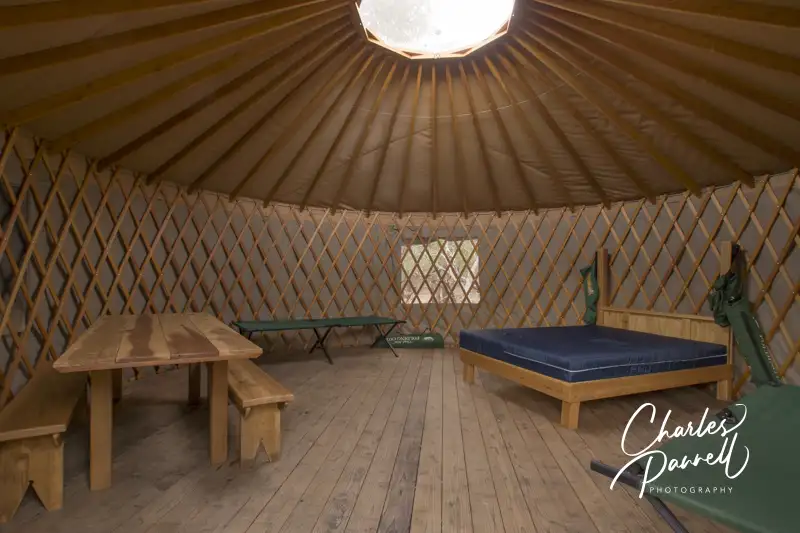
Inside Yurt 26 at Bothe Napa State Park
There are two campgrounds and yurt areas in the park, but this accessible yurt (26) is located away from the Group Campground, in the quieter Ritchey Creek Campground. There’s plenty of room to park on a level dirt pad in front of Yurt 26, with ramp access up to the front door. Access features inside the yurt include a wide doorway, wooden floors and ample space to navigate a wheelchair. Furnishings include a 21-inch high queen-sized bed with wheelchair access on both sides, four folding cots, and a table with two benches.
You’ll need to supply your own bedding, sleeping bags, pillows and towels; and since the yurt lacks electricity it’s also a good idea to pack along a lantern, flashlights and a camp stove. And although the mattress is certainly adequate, if you prefer more support you might also want to bring an air mattress.
Outside, there is a short accessible path over to a picnic table and a storage locker. It’s the perfect place to enjoy the outdoors, sip some wine, and relax as the sun sets. As an added bonus, it’s also very dark in the park, and with no ambient light you can really enjoy the night sky.
The bathhouse is just a short walk away. A family restroom with a roll-under sink and toilet grab bars is located in the front section of the bathhouse, while the private pay showers are located on the side. The accessible shower room includes a roll-in shower with grab bars, a built-in shower bench and a lowered showerhead. There’s plenty of room for an attendant in the large shower room, and it also features a spacious changing area with lowered hooks.
A Nice Picnic Stop
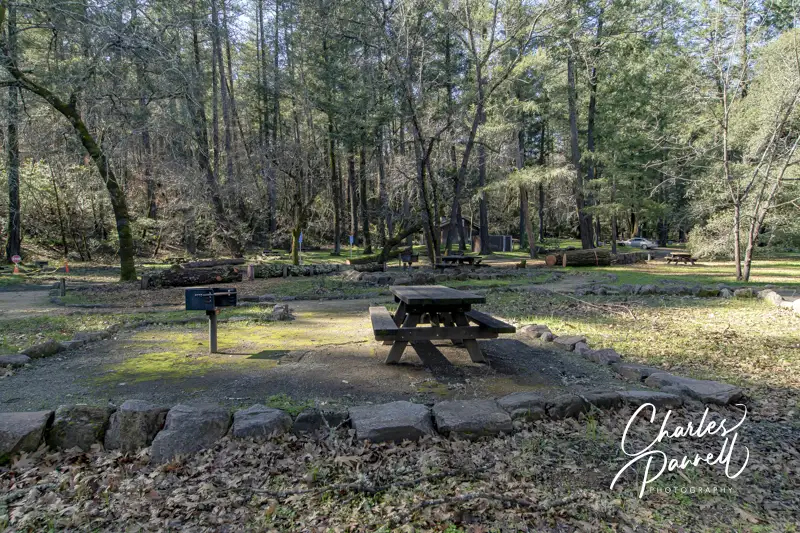
Picnic Grounds at Bothe Napa State Park
Even if you don’t spend the night in the wheelchair-accessible yurt, make plans to stop in for a picnic lunch and explore the park. The bulk of the accessible picnic tables are located in the day use area, which is located just down the park road from the visitor center. Accessible parking is located near the tables, with paved pathways to the tables and the accessible restrooms. If you’d prefer a more secluded repast, drive all the way to the end of the park road, park in the accessible parking spot, and feast at one the tables in the level shaded area.
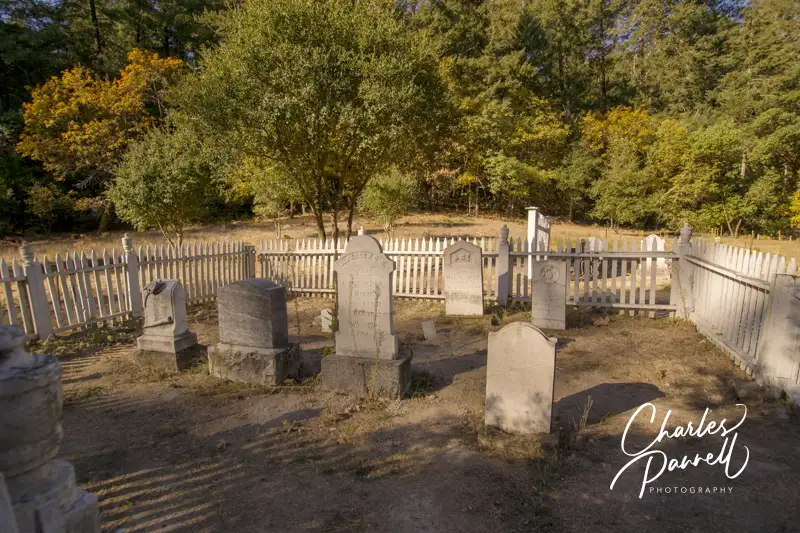
Pioneer Cemetery at Bothe Napa State Park
Save some time for a short walk to the Pioneer Cemetery on the accessible trail, which begins near the picnic tables at the end of the road. The hard-packed dirt loop winds around the restored graveyard, which dates back to the mid 1800s. There are benches to sit and rest along the way, while you gaze at the plots surrounded by quaint white picket fences. The trail then loops back through the woods to the site of the historic White Church, before it returns to the picnic area.
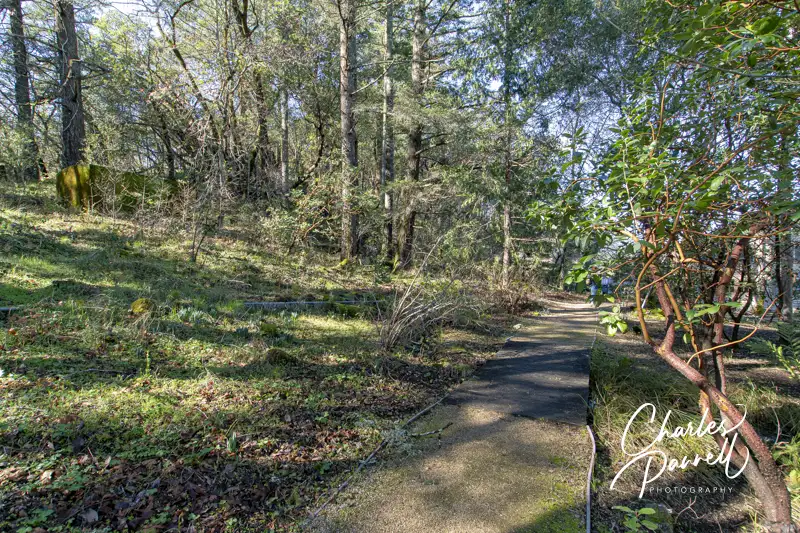
Last but not least, make sure and stop at the Native American Garden, which is located on the left side of the visitor center. The accessible pathway begins near the back of the building and winds through a natural garden filled with plants that were important to the first people of the area — the Wappo. Although a few of the species are labeled, the visitor center also has a plant guide to enhance your understanding of the native people. It’s just a short trail — only 150 yards or so — but it’s a pleasant stroll to top off your Bothe Napa State Park visit.
Trail to the Native American Garden at Bothe Napa State Park
Barrier-Free Travel California National Parks Road Trips Travel Ideas for Wheelchair-users and Slow Walkers
Although there’s no train station in Yosemite National Park, with a little advance planning it is possible to plan a wheelchair-accessible Yosemite rail excursion. Here’s what you need to know to ride the rails to Yosemite National Park.
Hop Aboard Amtrak
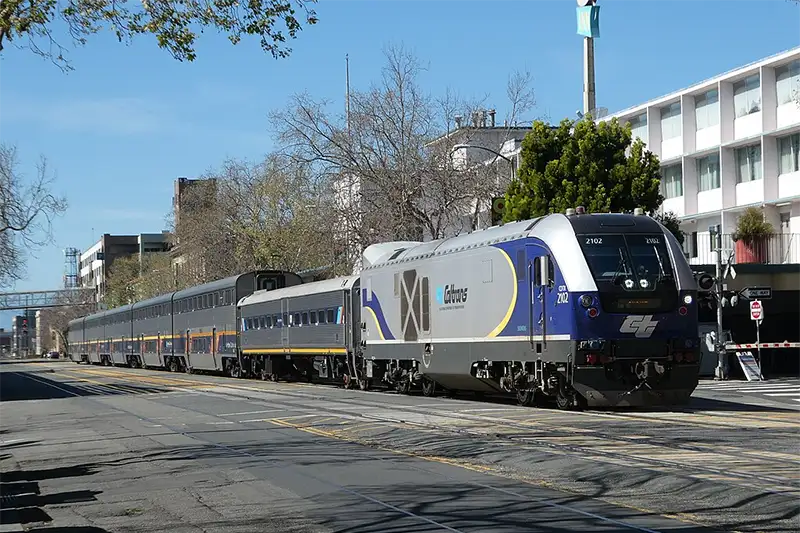
Amtrak Gold Runner
The best way to take a wheelchair-accessible Yosemite rail excursion is to hop aboard Amtrak’s Gold Runner. This route runs through the Central Valley from Oakland to Bakersfield, and offers bus connections from Los Angeles, Sacramento and San Francisco. The train also stops in Emeryville, Richmond, Martinez, Antioch, Lodi, Stockton, Modesto, Denair, Merced, Madera, Fresno, Hanford, Corcoran and Wasco. And it’s easy to transfer to Yosemite via YARTS at the Merced Amtrak Station.
All Amtrak trains feature ramp or lift boarding, wheelchair-accessible seating and large accessible restrooms. Wheelchair-users can remain in their own wheelchair or transfer to a coach seat for the journey. The Gold Runner can accommodate manual and power wheelchairs up to a maximum width of 29.5 inches, and an occupied weight of up to 600 pounds. Special accessibility requests can be submitted at www.amtrak.com/contact-us/email.html (click on accessibility request) at least 72 hours prior to travel, or by calling (800) 872-7245. On-the-spot accessibility requests can usually be accommodated if they do not present a safety issue.
The Gold Runner route features coach seating, free WI-FI, and food for sale on board. Amtrak offers a 10% discount to passengers with a disability and one companion. For more information about Amtrak’s Gold Runner route, visit www.amtrak.com/san-joaquins-train.
Take YARTS to Yosemite
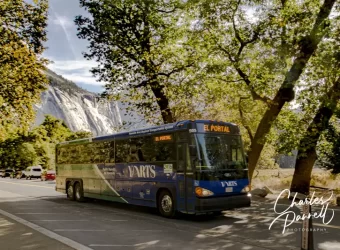
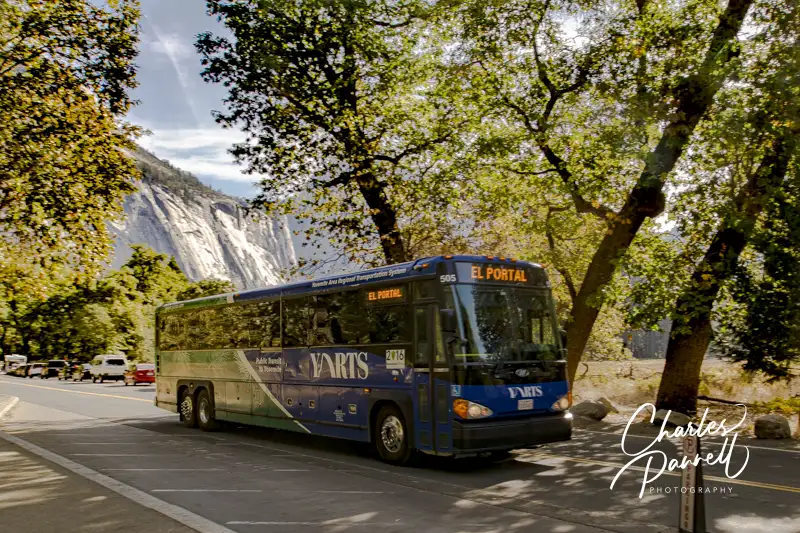
YARTS bus in Yosemite Valley
It’s about a three-hour trip from Oakland to Merced, and a two-hour trip from Bakersfield; plus an additional, 3.5-hour bus connection from Bakersfield to Los Angeles. Amtrak has partnered with YARTS to provide a bus connection from the Merced Amtrak Station to Yosemite, and that transfer is included with your Amtrak ticket.
All YARTS buses feature lifts and accessible seating; however it’s important to note on your Amtrak reservation that wheelchair-accessible seating is required. Alternately, call (877) 989-2787 at least 48 hours in advance to secure an accessible seat. Additionally, reduced fares are available to people with a disability and seniors over 62 years old.
The Highway 140 YARTS route runs from the Merced Amtrak Station to Yosemite Valley with stops in Catheys Valley, Mariposa, Midpines and El Portal. Stops in Yosemite Valley include the Yosemite Valley Visitor Center, Yosemite Valley Lodge and Curry Village. This route runs year-round, and it takes 2.5 hours to get from the Merced Amtrak station to Yosemite Valley.
The Highway 140 YARTS route is an excellent choice for folks with lodging reservations at Yosemite Valley Lodge or Curry Village; however this route also stops at accessible properties outside of the park. Two excellent accessible lodging choices on the route are the Yosemite Bug and AutoCamp Yosemite.
The Yosemite Bug (www.yosemitebug.com/) is located in Midpines and features a large wheelchair-accessible guest room with a roll-in shower. Located nearby, AutoCamp Yosemite (autocamp.com/location/yosemite/) offers wheelchair-accessible accommodations in custom designed luxury travel trailers. And both properties have daily YARTS connections to the national park.
Getting Around Yosemite
Yosemite Shuttle
Passengers who take a wheelchair-accessible Yosemite rail excursion have several options to get around the park. First and foremost is the free Yosemite shuttle system.
There are currently two shuttle routes in the valley — the Valleywide Shuttle and the East Valley Shuttle. The former stops at Yosemite Valley lodges, campgrounds, restaurants and trailheads, while the latter calls on Yosemite Village, Curry Village, the Pines Campgrounds and the eastern Yosemite Valley trailheads. All shuttle buses are equipped with wheelchair lifts and tie-downs, and can accommodate wheelchairs up to 24 inches wide and 46 inches long. The lifts have a weight limit of 750 pounds.
Aramark (www.travelyosemite.com) — a Yosemite lodging concessionaire — also operates several tours. The popular Valley Floor Tour is conducted in an open-air tram and offers good views of the surrounding landscape. Although not all trams are accessible, wheelchair-users can request a lift-equipped one with 48 hours notice. And if you’d like to explore more of the park, opt for four-hour Glacier Point Tour or the day-long Yosemite Grand Tour. Accessible buses for these tours are also available with 48 hours advance notice.
Finally, if you’d like to get a little exercise, then rent a handcycle at the bike stands at Yosemite Valley Lodge or Curry Village and explore the 12 miles of bicycle paths in Yosemite Valley. Most of the bicycle paths are wheelchair-accessible except for a short patch near Housekeeping Camp.
So leave the car at home, and get out and ride the rails to Yosemite National Park. It’s a fun and wheelchair-accessible way to travel.
Barrier-Free Travel Yosemite, Sequoia and Kings Canyon National Parks for Wheelers and Slow Walkers
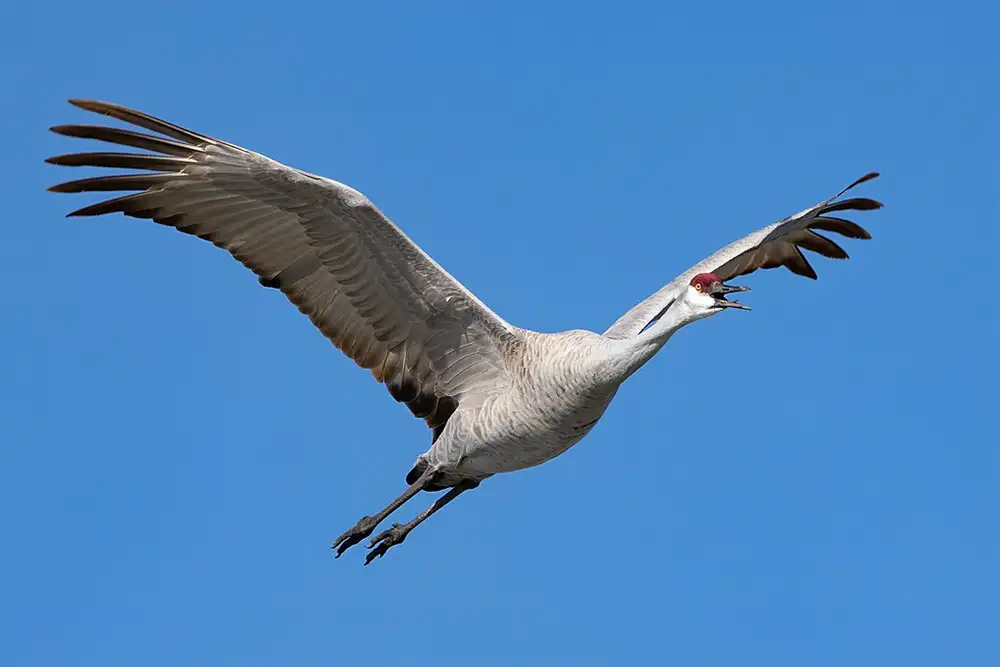
Every fall Sandhill Cranes take to the Pacific Flyway in a mass migration from their breeding grounds in Alaska and British Columbia, to travel to their wintering areas in California. And one of their favorite places to winter is in the California Delta near Lodi. In fact, from October to February masses of these majestic birds can be seen feeding in the fields that line the roads of this rural agricultural area.
And to celebrate their yearly return, the Lodi Sandhill Crane Association presents the annual Lodi Sandhill Crane Festival. Now in its 27th year, the 2025 event will run from Friday November 7 to Sunday November 9, with most of the events happening over the weekend. And the good news is, not only are the festival venues wheelchair-accessible, but there’s no admission charge to many of the festival events.
Exhibits, Presentations and More
The bulk of the festival events take place at the Hutchins Street Square Community Center in downtown Lodi. There’s barrier-free access to the building, with plenty of room for wheelchairs and scooters to maneuver. For a full schedule of the downtown exhibits and educational presentations, visit lodisandhillcrane.org.
The festival kicks off with the opening night reception on Friday evening. Attendees can nosh on hors d’oeuvres and beer and wine, while enjoying a program that includes the presentation of the Lodi Sandhill Crane Association Conservation Award. Top it off with a silent auction and for a fun opening event.
The educational presentations about the life and habits of the Sandhill Cranes are a perennial favorite of festival attendees. These weekend sessions include speakers, videos, and hands-on projects. And there’s even a few activities for kids. Additionally there’s a variety of vendors and exhibitors that focus on birding, wildlife, and of course the Sandhill Cranes. Box lunches will be for sale in the exhibit hall, while snacks will be available to purchase in the rotunda.
One of the highlights of the Lodi Sandhill Crane Festival is the Art Show. There are two divisions. One division is photography and the other is fine arts, which includes oils, watercolors, pastels and sculptures. There are two subject areas within each division — Sandhill Cranes in California and other California wildlife in their natural habitat. There are lots of creative entries, and the best part is that the winners are picked by the attendees. So be sure and stop by and vote for your favorites.
Take a Tour
A more remote aspect of the Lodi Sandhill Crane Festival are the local tours. Led by naturalist guides, these tours cover all aspects of the migratory cranes, and include a variety of landscapes. Although some tours are not a good choice for wheelchair-users and slow walkers because of the rough terrain, several other tours are doable.
At the top of the list is the Consumnes River Preserve Guided Wetlands Walk. Led by Mary DuBose, this three-hour morning walk begins at the Consumnes River Preserve Visitor Center. It includes a one-to-two-mile walk over a smooth level trail and some boardwalks. You’ll not only see the Sandhill Cranes on this walk, but also find a nice selection of ducks, geese, raptors and woodland birds along the way. There is a $20 charge for this tour.
The Crane Fly-In tours are also good choices for wheelchair-users and slow walkers. They take place at the North and South Units of the Woodbridge Ecological Preserve. These offerings include a short presentation, before the Sandhill Cranes descend en masse to their nightly resting spots. It’s quite a sight to see! Both the North and South Units have level access to a wheelchair-accessible viewing area for the program. The South Unit Tours are priced at $30, while the North Unit tours are $40. And if you’d like to get up early, there’s also a Fly-Out tour at the North Unit that’s priced at $45.
It’s also important to note that all participants in the North and South Unit tours must also posses a current hunting or fishing license, or purchase a Lands Pass at wildlife.ca.gov/licensing/lands-pass.
From historic museums to wine tasting, and even a grove of giant sequoias, there’s a definite diversity in California’s Calaveras County. And if you’d like to spend a night or two, there’s also a good selection of comfortable inns and lodges. The good news is, many of the lodgings, attractions and trails are excellent choices for slow walkers and wheelchair-users. So pack your suitcase, gas up the car and check out this Calaveras County Wheelchair Travel Guide for a fun weekend in the California Gold Country.
What’s not to like about a road trip? After all you get to set your own pace, explore a few off-the-beaten-track sights, and take in some gorgeous scenery. And although the highways and byways across the US offer a plethora of gorgeous windshield views, these seven western drives top my must-do list. Not only are they all easily doable in one day, but each route also features one don’t-miss wheelchair-accessible scenic highlight, where you can get out of the car and get up-close-and-personal with Mother Nature.
Tioga Road
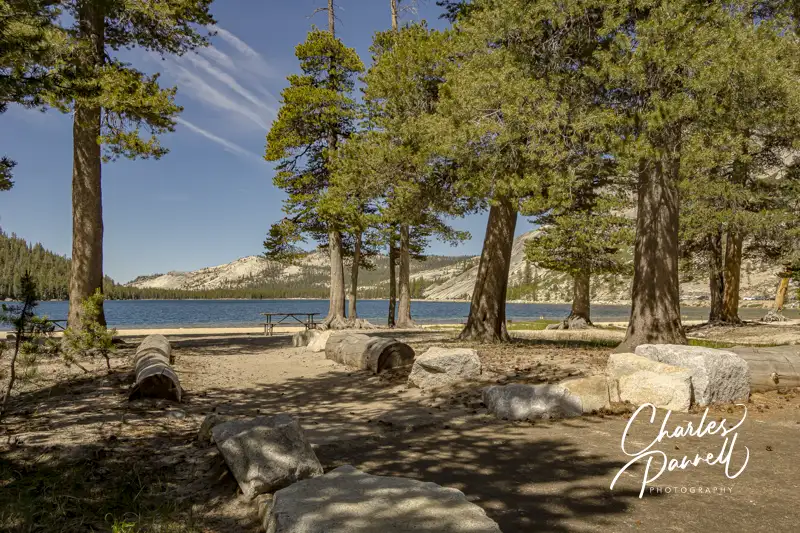
Tenaya Lake on the Tioga Road in Yosemite National Park, California
At the top of the Western road trips list is Tioga Road. This classic drive across the high country of Yosemite National Park (emerginghorizons.com/barrier-free-travelyosemite-sequoia-and-kings-canyon-national-parksfor-wheelers-and-slow-walkers/#itins), connects Crane Flat near Yosemite Valley with Highway 395 in Lee Vining. Along the way you’ll be treated to some great views of Tenaya Lake and Tuolumne Meadows, as you pass by isolated snowfields and travel over the 9,943-foot high mountain pass.
Take some time to get out of your car at the east end of Tenaya Lake. Located at 8,150 feet, this alpine lake offers a short wheelchair-accessible path down to the lakeshore, where you’ll find an accessible picnic table on an asphalt pad. It’s the perfect spot for a secluded picnic lunch.
Keep in mind that timing is extremely important along this route though, as heavy snow makes the road impassable during the winter months. Fall is a lovely time on Tioga Road, but try and hit it before the end of October. Mountain weather is unpredictable and this road has closed as early as mid-October.
Kings Canyon Scenic Byway
Grizzly Falls Picnic Area on the Kings Canyon Scenic Byway in Kings Canyon National Park, California
Located in the National Forest just outside of Kings Canyon National Park, The Kings Canyon Scenic Byway begins just north of Grant Grove on Highway 180. This scenic route travels through a pine forest before it descends alongside granite walls deep into magnificent Kings Canyon. After the road reaches the canyon floor, it follows the roaring Kings River and then it re-enters the park just past Grizzly Falls Picnic Area.
There are several viewpoints with interpretive plaques along the way, and although none of them have striped parking, all of them are paved and level, with plenty of room to deploy a ramp when parked parallel. McGee View offers a look at the destruction and rebirth of the forest since the 2015 Round Fire, while Yucca Point and Junction View give visitors a close look at the massive canyon walls. The Boyden Cave site is worth a stop too, as even though the cave tours haven’t operated for many years (and they are not accessible), you’ll still get a good view of the mighty Kings River from either side of the road.
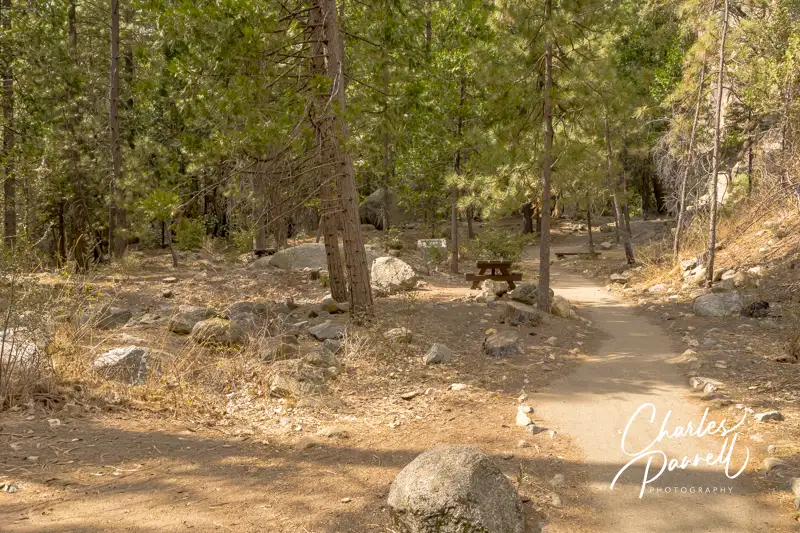
And don’t miss the Grizzly Falls Picnic Area . A short paved loop leads from the parking area, up around several accessible picnic tables on cement pads. It’s about 100 feet up to the interpretive plaque near the base of the falls, but after that you’ll have to scramble over the rocks to get any closer. Still, there’s a great view of the falls from the plaque, the picnic tables and even the parking area. Even if you don’t stop for lunch, be sure and pop in for the view.
Newton B. Drury Parkway
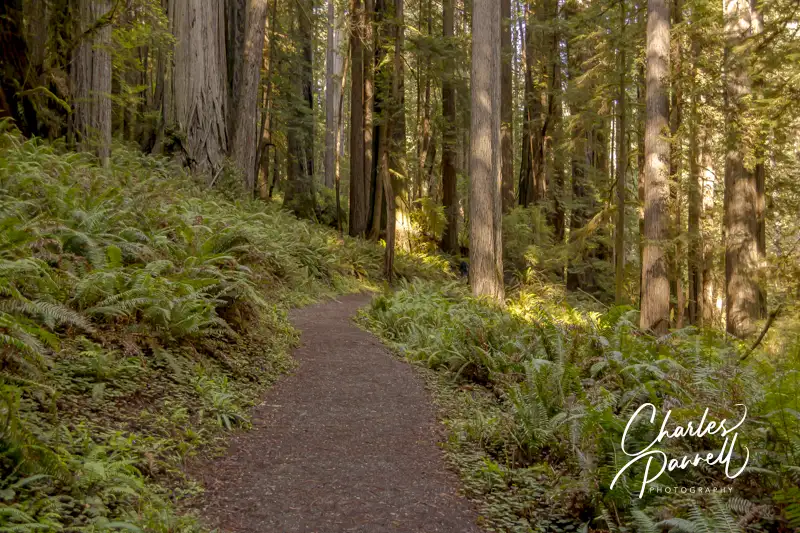
Prairie Creek Foothill Trail in the Newton B. Drury Parkway in Prairie Creek Redwoods State Park, California
Next up on our Western road trips list is a drive through some old growth redwoods on the Newton B. Drury Parkway, which bisects Prairie Creek Redwoods State Park (www.parks.ca.gov/?page_id=415) in Northern California.
Although there are some nice windshield views along the 10-mile route, you’ll definitely want to stop for a close look at the Big Tree, near the visitor center. There’s accessible parking and restrooms near this wayside exhibit, and a 100-yard paved path to the tree. There’s also ramp access up to this 304-foot giant, which towers over the surrounding forest.
If you’d like to take a hike through the grove, the accessible Prairie Creek Foothill Trail is the perfect choice. This 2.3-mile loop trail starts just to the right of the visitor center and follows fern-lined Prairie Creek for 1.2 miles. The trail is hard-packed dirt, and although it’s not totally level, the grade is up to code and there are level spots every 30 feet, with benches to rest along the way.
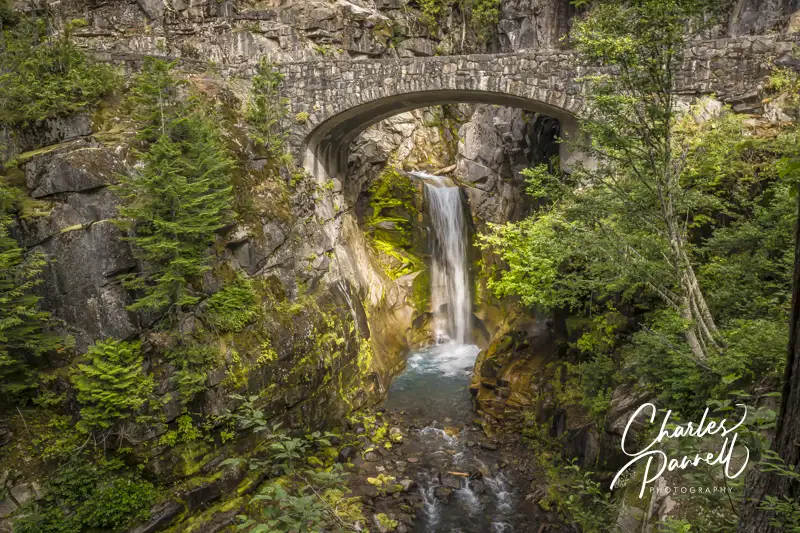
Christine Falls on the Longmire to Sunrise Drive in Mount Rainier National Park
One of the most accessible things to do in Mount Rainier National Park (emerginghorizons.com/barrier-free-travel-washington-national-parks-for-wheelers-and-slow-walkers/#itins) is to take the 56-mile scenic drive from Longmire to Sunrise. Although the drive takes about two-and-a-half hours straight through, it’s best to allow a whole day for it, as you’ll want to stop and enjoy the views along the way, as well as spend some time on top. And although the windshield views are breathtaking on the drive up, they are even more spectacular on the trip back down the hill.
Highlights along the way include Ricksecker Point Loop Drive, Narada Falls and Reflection Lakes; however, the pièce de résistance is Christine Falls. It’s located on the left side of the road, just past Longmire; but if you take time to admire it from your car, you’ll completely miss the parking area on the right side.
Up at the top, be sure and stop in at the Sunrise Visitor Center. The front entrance has steps, but there’s good signage to the accessible side entrance. Inside, there’s plenty of room to navigate a wheelchair around the interpretive exhibits. Best of all, you can get an absolutely amazing view of Mt. Rainier from the scope that’s trained on the mountain inside the visitor center.
Scenic Byway 12
Roadside View in Red Canyon on Scenic Byway 12, Utah
Located in Southern Utah, Scenic Byway 12 travels west from Torrey to Highway 89, and offers views of Kodachrome Basin, Grand Staircase-Escalante National Monument, Glen Canyon National Recreation Area and the Dixie National Forest. And although this byway was a dirt road until 1985, the 124-mile route has been repeatedly described as one of the most diverse, remote and ruggedly beautiful landscapes in the country.
From Torrey to Boulder the road winds through a Ponderosa Pine and Aspen forest, where the fall foliage show is second-to-none. And from Boulder west, the route passes through Grand Staircase-Escalante National Monument and offers a breathtaking canyon view.
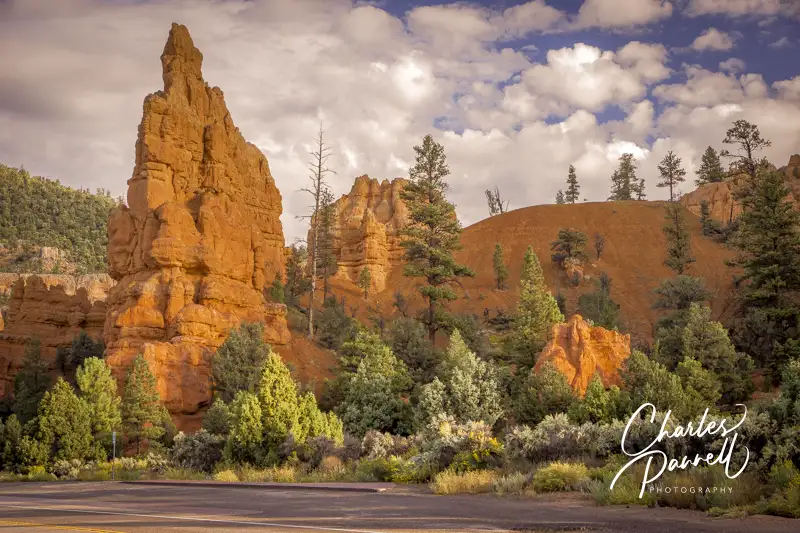
One of the most striking sights along the route is Red Canyon (emerginghorizons.com/spend-the-night-in-red-canyon-village/) , which is located near Highway 89. Often called “Little Bryce”, Red Canyon is filled with pullouts, and there’s even a nice paved bicycle trail on the south side of the highway. The eight-mile bicycle trail is paved and fairly level for most of the way, but there are also a few undulating and steeper sections. It’s not technically wheelchair-accessible because of the grade, but some handcyclists and manual wheelchair-users with good upper body strength may be able to manage it. That said, since a good chunk of the trail is level, it’s worth a try, and you can always turn back if it becomes too steep.
And just off Highway 12 in Boulder, there’s the scenic Burr Trail which offers a lovely drive through Grand Staircase-Escalante National Monument. And as with most scenic drives, the view is entirely different on the return trip.
Historic Route 66
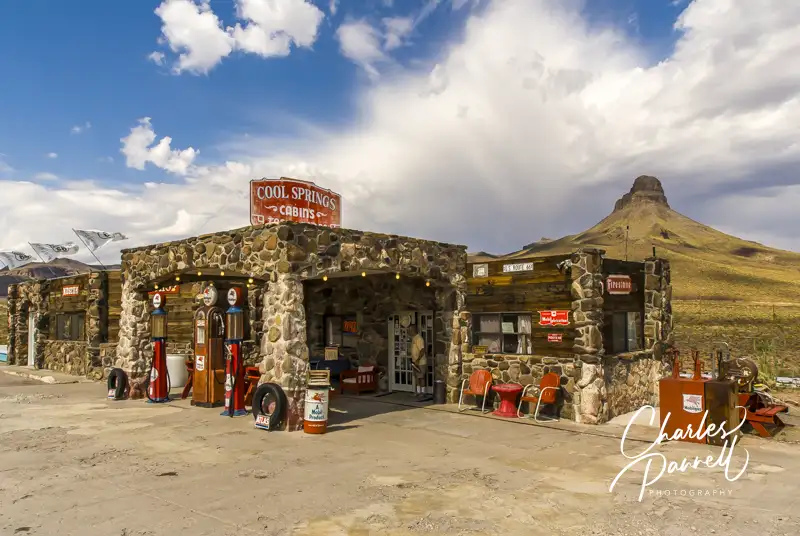
Cool Springs, Arizona on Route 66
Rounding out our Western road trips is Historic Route 66. Fondly known as the Mother Road, Route 66 (www.historic66.com) began as a series of dirt trails and unnamed roads cobbled together to create America’s first interstate highway. Today, the road has been replaced by Interstate 40; however you can still jump off the interstate and explore sections of the old road (emerginghorizons.com/wheelchair-accessible-route-66-a-great-grand-canyon-side-trip/). And one of the best places to begin this drive is in Kingman, Arizona.
Take the West Beale Street exit from Interstate 40, bear right at the Y, and follow the signs through Kingman to Oatman on Historic Route 66. Once outside of town, you’ll notice a pleasant lack of traffic as you make your way across the Sacramento Wash to Cool Springs, which is scantily more than a wide spot in the road.
From Cool Springs the Mother Road climbs up Gold Hill to Sitegreaves Pass. Hairpin turns and sheer drop-offs are commonplace on this stretch of the road, and there’s a noticeable lack of guard rails along the way. On the plus side, there’s no shortage of awesome views, including a great one near the 30-mile marker. After you reach the summit, the downhill drive is just as exhilarating, with plenty of twists and turns along the way. As you breathe that final sigh of relief, you’ll roll into Oatman. Years ago, the miners used burros to work the gold mines, and today their descendants roam the streets. Take an apple or two to feed them and you’ll be the center of attention.
From Oatman it’s another 26 miles to Topock, where you can rejoin Interstate 40. Although this Route 66 detour is just 140 miles long, it’s a wonderful opportunity to turn back the clock and step into the past.
Barrier-Free Travel Yosemite, Sequoia and Kings Canyon National Parks for Wheelers and Slow Walkers
With 63 parks in the US National Park System, it’s really hard to choose a favorite. That said, wheelchair-access plays a big part in my top choices. But there has to be more than just access to a visitor center or a few overlooks to make my list. Diversity also plays into my choices, but so does the quality of the visit. Accessible overnight lodging has to be in that mix too.
And let’s not forget about the price of popularity. Sadly, with so many visitors flocking to some of these national treasures, sometimes it feels like you are lined up for a popular ride at an iconic theme park at some national parks. That definitely takes away from the natural experience. So taking that all these factors into consideration, here are my five favorite wheelchair-accessible national parks .
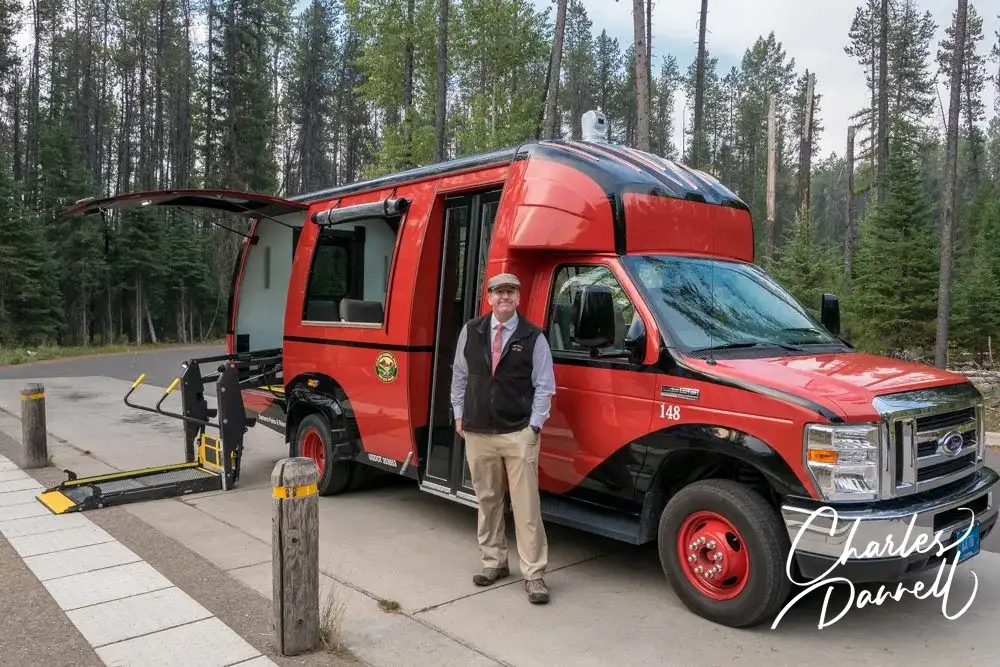
Glacier National Park (emerginghorizons.com/barrier-free-travel-glacier-yellowstone-and-grand-teton-national-parks-for-wheelchair-users-and-slow-walkers/#itin-1) tops my list of wheelchair-accessible national parks, not only for the beautiful scenery and variety of accessible lodging choices, but for its ease of access without a vehicle. That’s right, you can take the Amtrak Empire Builder to this iconic national park, and then hop on the visitor shuttle to your in-park lodge and then book a Red Bus tour to see the park. And the good news is, that all of these transportation options are wheelchair-accessible. Plus, you don’t have to worry about getting an entrance reservation (emerginghorizons.com/national-park-entrance-reservations-required-in-2024/) if you stay in the park. So ditch your car and visit this Montana gem this summer!
Big Trees Loop at Mariposa Grove in Yosemite National Park
Yosemite (emerginghorizons.com/barrier-free-travelyosemite-sequoia-and-kings-canyon-national-parksfor-wheelers-and-slow-walkers/#itins holds a special place in my heart, as I grew up near there and spent a good chunk of my adult life in the area. Nothing beats the grandeur of Yosemite Falls or Half Dome; however Yosemite Valley can get extremely crowded, even in the off season. One way to dodge some of the crowds is to plan an excursion to a non-valley site. And my top pick for that is Mariposa Grove. Located near the South Entrance of the park, Mariposa Grove is home to over 500 mature giant sequoias. And thanks to upgrades over the years, there are two wheelchair-accessible trails through this often overlooked corner of the park.
Next up on my list of favorite wheelchair-accessible national parks is Shenandoah National Park. This Northwestern Virginia national park is chocked full of beautiful views, and the wildflower blooms in the summer are absolutely gorgeous. There’s also a beautiful 1.3-mile accessible trail that runs through a wooded area and over a boardwalk. And the trail is close to Skyland, an excellent choice for wheelchair-accessible lodging. The property boasts a spacious accessible room with a roll-in shower and the restaurant offers more great views. It’s the perfect spot to unwind and spend a night or two.
Forces of the Northern Range Boardwalk in Yellowstone National Park
I love Yellowstone National Park (emerginghorizons.com/barrier-free-travel-glacier-yellowstone-and-grand-teton-national-parks-for-wheelchair-users-and-slow-walkers/#itin-1), and I’m not alone with that opinion. It’s an incredibly busy national park. That said, if you get there early you can enjoy a somewhat uncrowded experience at Old Faithful, one of the park’s biggest draws. But there’s much more to see beyond the iconic geyser, and even a few places that are a little off-the-beaten-path. Some of my wheelchair-accessible favorites are West Thumb Geyser Basin, Frying Pan Spring and the Forces of the Northern Range Boardwalk. And one of my friends even had an accessible hunting adventure there (emerginghorizons.com/a-disabled-hunting-adventure-stalking-big-game-out-west/). Truly, they sky’s the limit as far as accessible things to do in the nation’s first national park.
Rounding out my list of favorite wheelchair-accessible national parks is and oldie but goodie — Grand Canyon National Park (emerginghorizons.com/the-grand-canyon-for-wheelers-and-slow-walkers/#itin-1). More specifically, the South Rim of this iconic national park. I love it not only because of the accessible canyon views and lodging options, but also because it’s another national park that you can see without a car. You can take Amtrak’s Southwest Chief to Flagstaff and connect with an accessible shuttle to the park. Alternately, you can take an Amtrak thruway bus to Williams and hop on the equally accessible Grand Canyon Railway and ride it to the park. Add in an overnight at the Grand Canyon Railway Hotel, and you have a truly accessible car-free Grand Canyon package. And once you’re in the park, there’s an accessible shuttle that stops at the most popular South Rim sites. Enjoy the scenery and leave the driving to someone else in this beautiful national park.
Barrier-Free Travel National Park Lodges for Wheelers and Slow Walkers