Population 318
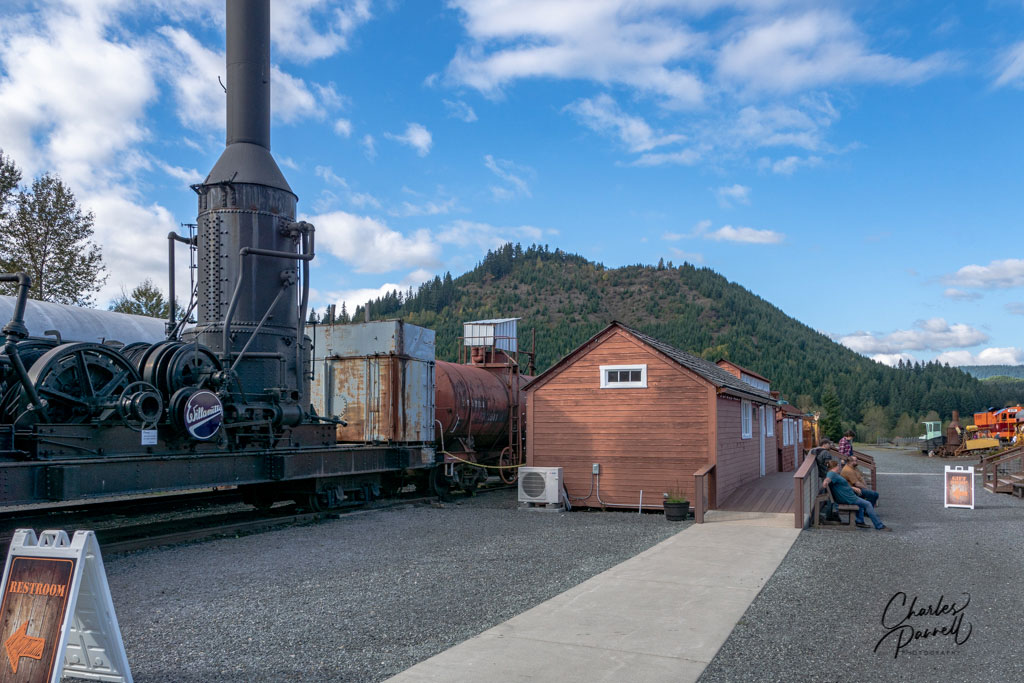
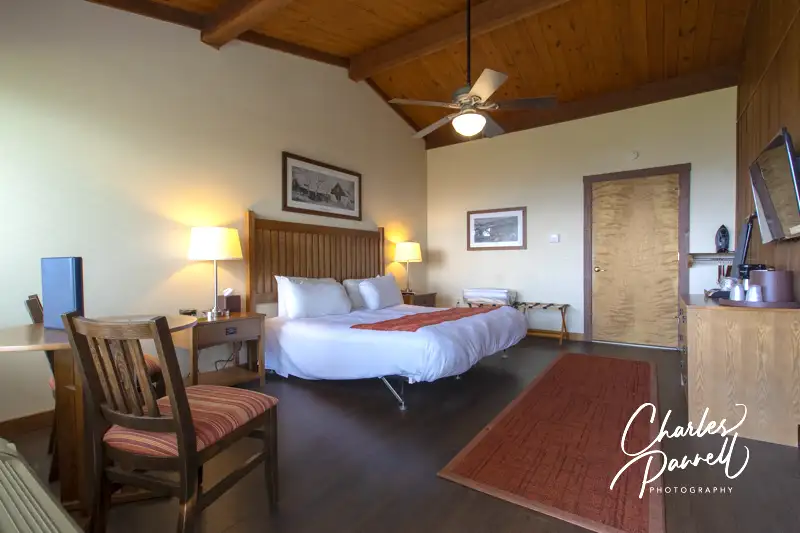
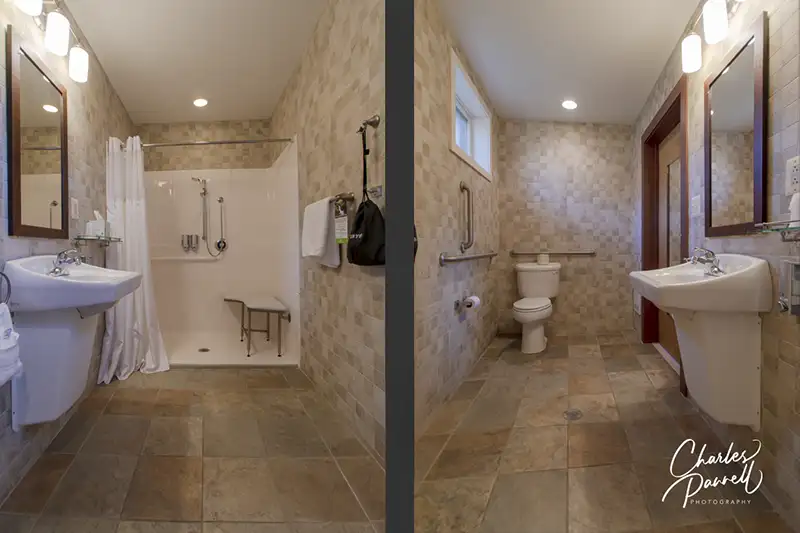
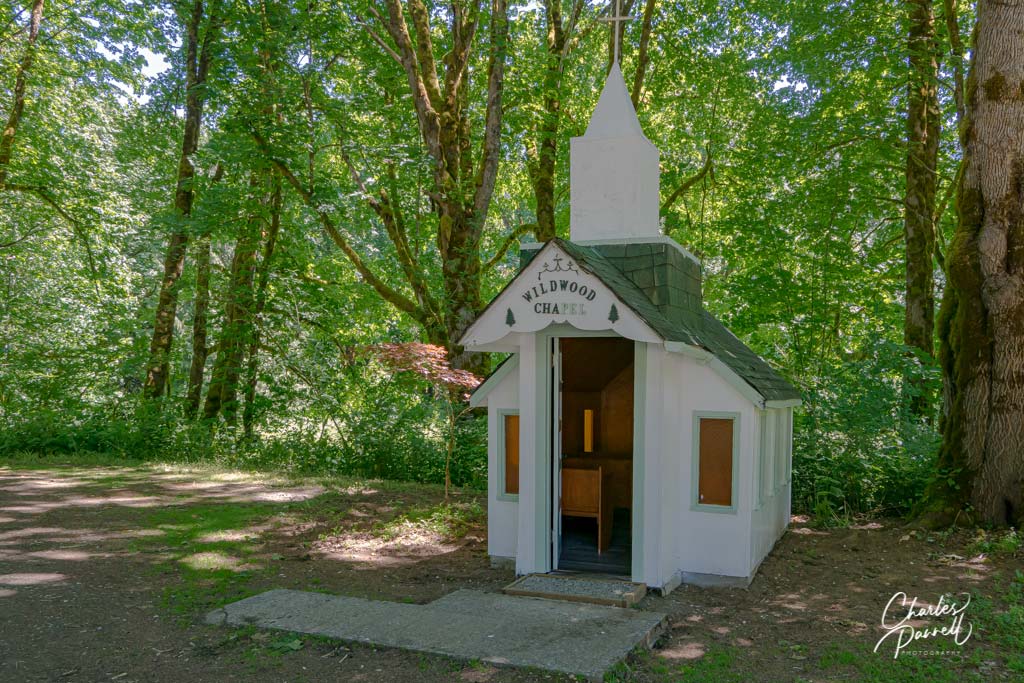
Located near North Cascades National Park (emerginghorizons.com/barrier-free-travel-washington-national-parks-for-wheelers-and-slow-walkers/), Marblemount is a good place to stop on a Washington state road trip. And since there are no hotels in the park, it’s also a good place to spend the night. The North Cascades Inn has a wheelchair accessible room that’s furnished with a queen-sized bed, and includes a bathroom with a roll-in shower. And although there is a two-inch lip on the shower, because of the placement of the built-in shower bench, it’s still possible to transfer. While you’re in the area, be sure to check out the accessible trails in the park near Newhalem. Top picks include the Sterling Munro Boardwalk (.5 mile), To Know a Tree Nature Trail (.5 mile) and the Trail of the Cedars (.3 mile). And don’t miss one of Marblemount’s most unusual attractions — the Wildwood Chapel. This tiny chapel seats just nine people, and it’s a scenic photo op.
Population 1,005
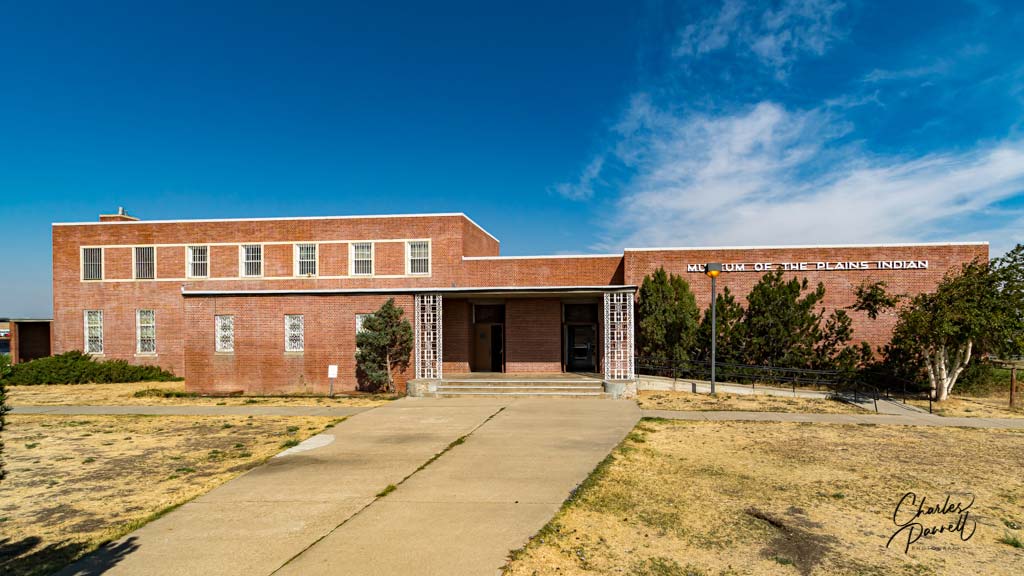
Browning is located about an hour southeast of the Saint Mary Entrance to Glacier National Park, and it makes a nice stop on the way to or from the park. Although there’s really not much to the town, the excellent Museum of the Plains Indian (www.doi.gov/iacb/museum-plains-indian) is definitely worth a visit. Although the exterior of the museum is unimpressive, don’t be dissuaded by the lackluster front façade, as the artifacts inside are first-rate. There’s barrier-free access to the galleries that are filled with everything from cradleboards and toys, to weapons, ceremonial clothing, toys and lots of jewelry. The unusual bag made from a cow hoof, the buffalo hunt mural and the collection of woven cornhusk bags definitely stand out. There’s also accessible seating in the theater, where a short movie about the Plains Indians is shown. And don’t miss the excellent gift shop, the artist demonstrations, and the gallery filled with works by tribal artists.
Population 43
Elbe makes a good stop on the way to Mount Rainier National Park, as it’s just 13 miles from the Nisqually Entrance. One of the big attractions in town is the Mount Rainier Railroad (https://mtrainierrailroad.com/), which operates daily excursions. The Elbe Depot features accessible parking with level access to the ticket office. Lift access is available to the train, which travels through the forest and gives passengers an excellent view of Mount Rainier — if it’s not obscured by clouds. It’s a fun, scenic and educational excursion; and a must-do for train buffs.
Located near the Canadian border, Voyageurs National Park (www.nps.gov/voya/) was named for the Canadian oarsmen who once navigated the nearby waterways with beaver pelts in tow, on their way to the remote northern trading posts. Largely undeveloped, this secluded national park has a wide variety of natural environments, from hardwood forests and marshes, to rocky outcroppings and pristine lakeshores. The good news is, that even though there are physical obstacles in some areas, it’s still possible to enjoy a wheelchair-accessible Voyageurs National Park getaway.
A Wheelchair-Accessible Voyageurs National Park Cruise
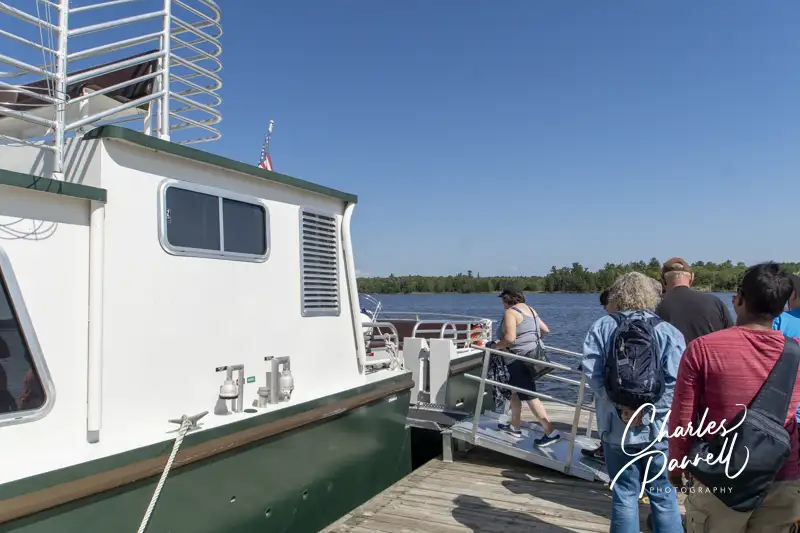
Boarding the cruise boat at Voyageurs National Park, Michigan
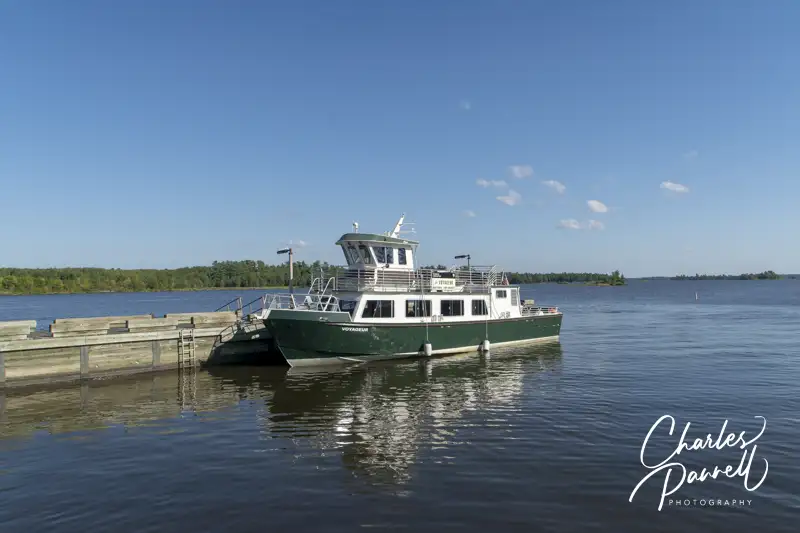
Since 40% of the park is composed of water, a good way to see Voyageurs National Park is on a cruise. And although there are several day cruise choices, the Grand Tour, is the best option for wheelchair-users and slow walkers.
This cruise departs from Rainy Lake Visitor Center. Accessible parking is available at the visitor center, with ramp access up to the front door. Inside there’s plenty of room to maneuver a wheelchair around the ticket counter, ranger information desk, gift shop and interpretive exhibits. There’s also barrier-free access to the theater, where a film about the park is shown. Accessible restrooms are located at the far end of the building, and there’s level access to the back deck, which is outfitted with several standard picnic tables.
The dock is located behind the visitor center, at the end of a short level path. There’s ramp access up to the first deck of the boat, but only stairway access to the top deck. Still you get a great view from below as large picture windows line both sides of the boat. There’s also a large accessible head (restroom) on the lower deck.
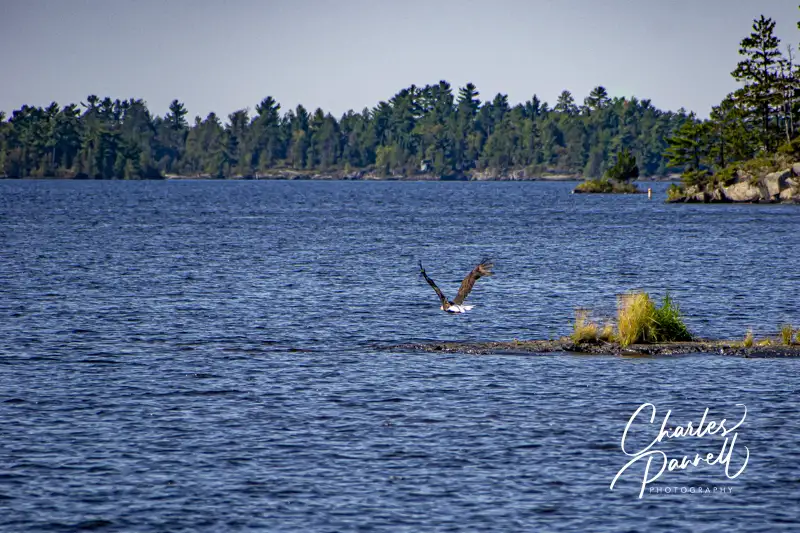
The 2.5-hour cruise includes lots of wildlife viewing, as the captain cruises close to the shore near bald eagle nests. There’s also a short stop on Little America Island, where gold was discovered in the 1890s. There’s one step down from the boat, and although most of the quarter-mile crushed gravel trail is wide and level, there is a steep section near the end. That said, if you’d like to sit out the short hike, shaded benches are available near the dock.
The Ethnobotanical Garden Trail at Voyageurs National Park
Another way to enjoy a slice of wheelchair-accessible Voyageurs National park is to take a hike on one of several accessible trails. The Ethnobotanical Garden Trail, which is just a quarter-mile long, is the shortest accessible trail in the park. This hard-packed dirt trail is located between the Rainy Lake Visitor Center and the dock, so it’s a good post-cruise option. This pleasant trail, which is lined with native plants, has a few undulations, but for the most part is fairly level. Best of all, there are several shady nooks along the route, which offer a welcome respite from the midday sun.
The longer Rainy Lake Recreation Trail begins across the street from the visitor center. This 1.7-mile paved multiuse trail parallels County Road 96, and connects to the bicycle trail at the intersection of Highway 11. From there it’s about a 10-mile hike to International Falls. That said, you can get a perfectly lovely view of Rainy Lake from the quarter-mile point, so give it a try even if you can’t do the whole length.
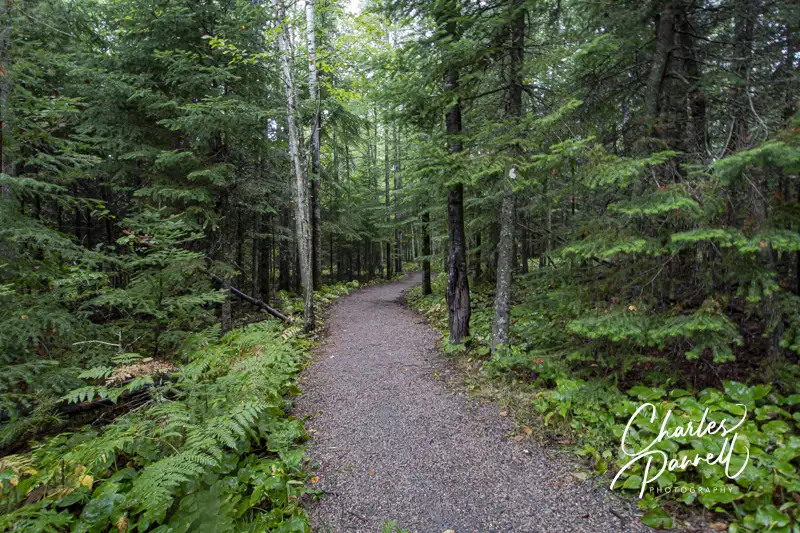
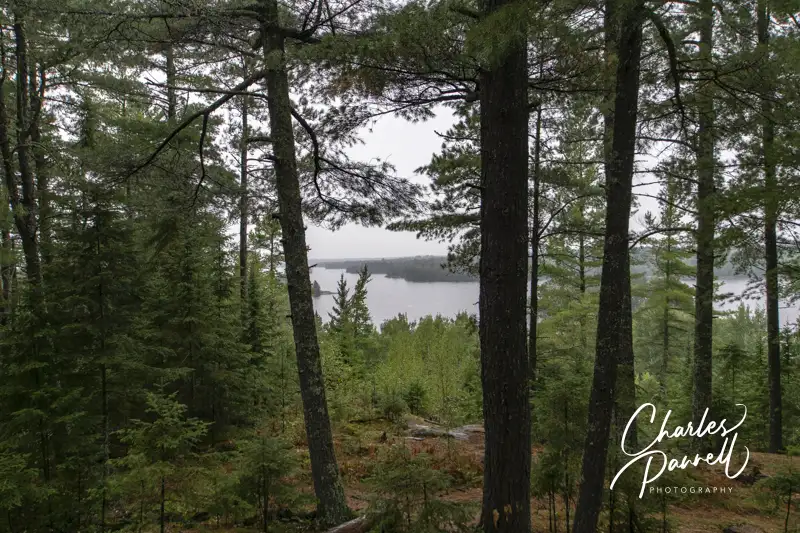
The final accessible trail is located just south of the Ash River Visitor Center on Kabetogama Lake. There’s accessible parking in the small lot, with barrier-free access to the hard-packed dirt trail that leads out to the Kabetogama Lake Overlook. This undulating trail has plenty of level patches, and there are several benches to sit and rest along the way. It’s a beautiful northwoods jaunt along a fern-lined route, and it just a .3-mile round trip hike. You just can’t beat the serene lake view at the overlook; and as an added bonus the drive along County Road 129 out to the trailhead is quite scenic. It’s the perfect way to top off a wheelchair-accessible Voyageurs National Park visit.
View from Kabetogama Lake Overlook at Voyageurs National Park
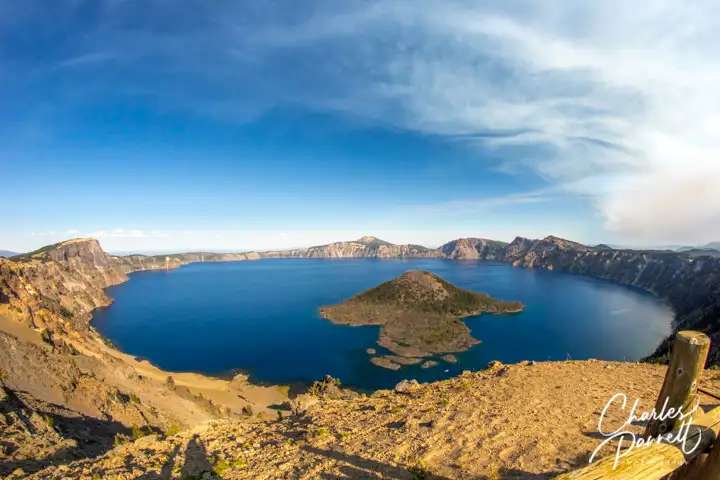
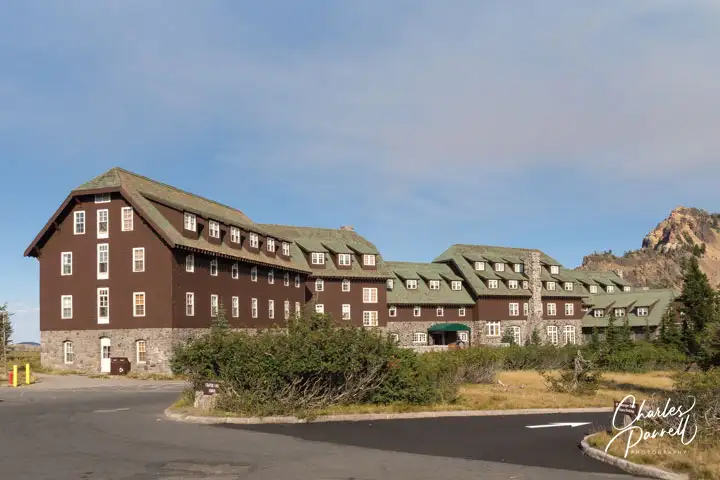
Perched high above the namesake mountain lake, Crater Lake Lodge (explorecraterlake.com) has been welcoming visitors since 1915. And although the historic lodge evokes memories of a kinder and gentler time, this National Register property also boasts modern-day access upgrades. As a result this lakeside retreat is the perfect overnight choice for wheelchair-users and slow walkers who want to extend their stay in this scenic national park. So pack your bags and get ready to explore Crater Lake, with an overnight or two at wheelchair-accessible Crater Lake Lodge.
Wheelchair-Accessible Crater Lake Lodge
Crater Lake Lodge
Although steps grace the front entrance, there’s ramp access on the left side of Crater Lake Lodge. Accessible parking is located around the corner near the side door, which is just steps from the accessible room. And there’s also a drop-off area in front, for folks who can’t manage distances.
Inside, there’s plenty of room to navigate a wheelchair around the cavernous lobby, which is dominated by a massive stone fireplace. There’s also a barrier-free pathway to the front desk, and to the accessible room just down the hall.
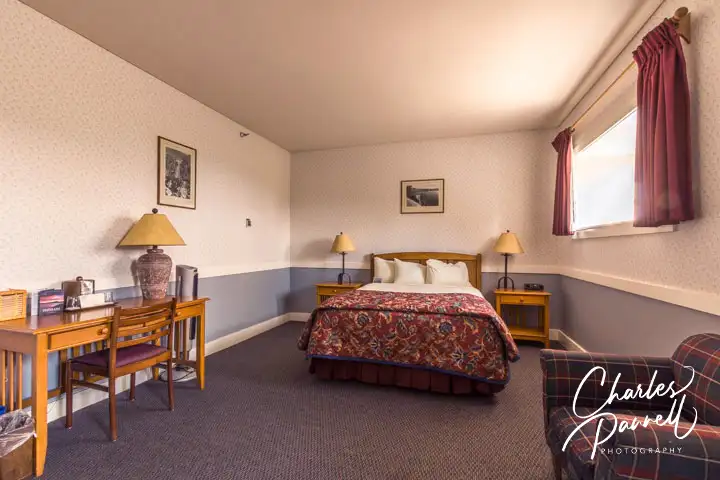
Accessible room 107 features a wide door with a lowered peephole, and plenty of room to navigate a wheelchair or scooter inside. It’s furnished with a 26-inch high queen-sized bed with wheelchair access on both sides, a desk with a chair, and a side chair.
Room 107 at Crater Lake Lodge
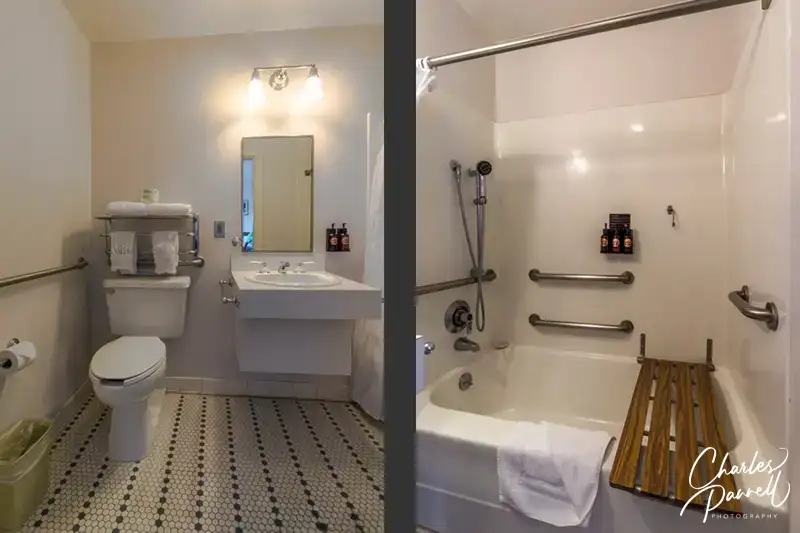
The bathroom is equipped with a tub/shower combination with grab bars, a hand-held showerhead and a fold-down tub bench. The toilet grab bars are located on the back and right walls (as seated), and the bathroom also has a roll-under sink. And like the bedroom, the bathroom is very spacious, with plenty of room for a wheelchair or scooter.
Bathroom in room 107 at Crater Lake Lodge
Additionally, in keeping with the ambiance of days gone by, the guest room is pleasantly devoid of a phone and a television — as are the remaining guest rooms.
Pleasant Public Areas
There’s also good access to the public areas of the lodge, including the great hall, the terrace and the dining room. Guests can enjoy a selection of beverages, appetizers, soups, salads and desserts in the great hall or on the terrace; or indulge in a full menu of Northwest specialties in the dining room.
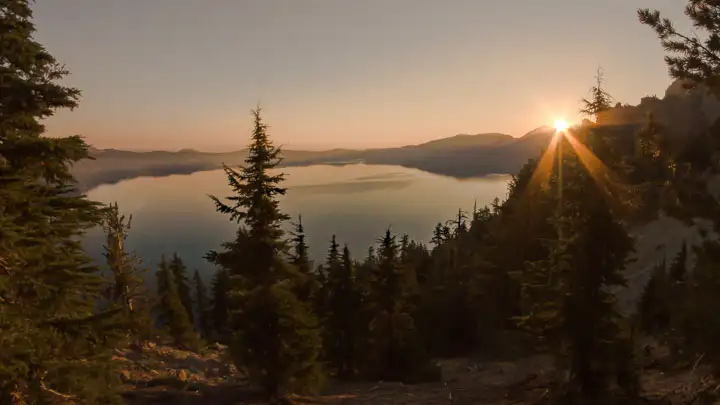
The terrace offers the best views of the lake, but you’ll also get an eyeful if you snag a window table in the dining room. And for an even better view of the lake, take a stroll on the accessible paved trail behind the lodge. Just take the ramp down from the terrace, and you’re good to go.
Even if you don’t spend the night, Crater Lake Lodge is definitely worth a stop. Sit back and enjoy a cocktail on the terrace and watch the sunset over the lake. It’s the perfect — and very accessible — way to end a day at this scenic Oregon national park. Keep in mind though that wheelchair-accessible Crater Lake Lodge is only open from May to October, so plan ahead to avoid disappointment.
Sunset view from the terrace at Crater Lake Lodge
Barrier-Free Travel Washington National Parks for Wheelers and Slow Walkers
Located in Northwestern Virginia, Shenandoah National Park (www.nps.gov/shen) encompasses nearly 200,000 acres of protected lands, including 79,000 acres of wilderness, and a slice of the Appalachian Trail. Truly you don’t even have to get out of your car to enjoy Shenandoah’s majesty, as impressive windshield views can be had just about anywhere along the 105-mile length of Skyland Drive. That said, the park is worth more than a quick drive-through. The good news is, that if you’d like to stay and linger on, Skyland mountain lodge offers some nice wheelchair-accessible accommodations, close to one of the most accessible trails in the park.
A Room With a View
Located near milepost 41, Skyland (www.goshenandoah.com), which was originally known as Stony Mountain Camp, dates back to 1888. And although there have been a few changes to the property since George Freeman Pollock originally broke ground, the natural beauty of the surrounding forest remains unchanged. Listed on the National Register of Historic Places, this mountain lodge has also added numerous access upgrades over the years.
Accessible parking is located near the lodge office, with an accessible cement pathway down to the front door. Accessible room 14 is located near the office, with accessible parking nearby. This large corner room not only offers excellent access, but also boasts a lovely valley view.
Room 14 at Skyland in Shenandoah National Park
Access features include wide doorways, wood floors, lever handles, a lowered closet rod, and good pathway access. Furnishings include a 19-inch high open-frame king-sized bed with wheelchair access on both sides, two night tables, a chest of drawers and a table with two chairs. And if you want to catch up on the news, there’s also a television in the room.
The bathroom features a full five-foot turning radius, and it’s equipped with a roll-in shower with grab bars, a hand-held showerhead, and a fold-down padded shower bench. The toilet grab bars are located on the back and right walls (as seated), and the bathroom also has a roll-under sink and a lowered mirror. Add in shower controls located within easy reach of the shower seat, and a lowered towel hook near the sink, and you have a very accessible room.
Bathroom in Room 14 at Skyland in Shenandoah National Park
And out on the semi-private front porch, there’s plenty of room to maneuver even the largest wheelchair or scooter. It’s the perfect place to sit back and enjoy the sunset, or to just relax after a busy travel day.
Take A Hike
Access to the public areas of Skyland — which are located next to the office — is equally impressive. There’s barrier-free access to the day lodge, with level access over to the Mountain Room taproom, gift shop and grab-and-go food kiosk. Accessible restrooms are located just off the lobby; and there’s ramp access down to the Pollock Dining Room, which also offers a great view of Shenandoah National Park. Not only is Skyland a great place to spend the night, but it’s also a very accessible spot to grab a bite to eat during the day.
Limberlost Trail in Shenandoah National Park
Additionally, Skyland is located close to the nicely accessible Limberlost Trail. There’s accessible parking near the trailhead, with level access over to this hard-packed dirt trail covered with decomposed granite. The 1.3-mile trail begins in an oak-filled wooded area with ferns and mountain laurels; before it transitions to a wetlands boardwalk, and then crosses the river and loops back to the trailhead.
This area is especially beautiful in June, when the mountain laurels are in bloom, but it also makes for a pleasant hike in the spring and fall. And you can enjoy all of this beauty, just steps from the lodge. It’s definitely worth an overnight stay at Skyland, on your next visit visit to Shenandoah National Park.
El Capitan, the southern-most point of the Guadalupe Mountains
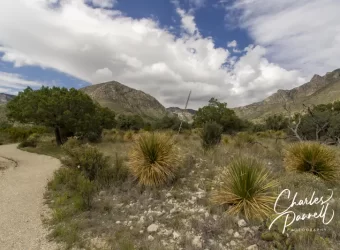
Named for the mountain range that dominates the landscape, Guadalupe Mountains National Park (www.nps.gov/gumo/) contains the four highest peaks in Texas, and boasts an impressive share of backcountry acreage. If all that sounds a little foreboding for wheelchair-users and slow walkers, then think again.
The park also contains a historic stage stop as well as the ruins of an 1800s ranch — both of which are wheelchair-accessible. They can be easily reached from Highway 62/180, which runs from El Paso to Carlsbad and passes through the southwest section of the park. Not only is Guadalupe Mountains National Park a destination by itself, but it also makes a nice add-on to a Carlsbad Caverns visit. Either way, it’s a good choice for wheelchair-users and slow walkers who want to explore a bit of southwest history.
Pinery Stage Station
The Pinery Trail in Guadalupe Mountains National Park
The Pinery Visitor Center makes a good first stop in the park. Located just off the highway, there’s accessible parking in front, with barrier-free access to the building. Inside there’s plenty of room to maneuver a wheelchair around the exhibits and ranger information desk, and level access to the accessible restrooms.
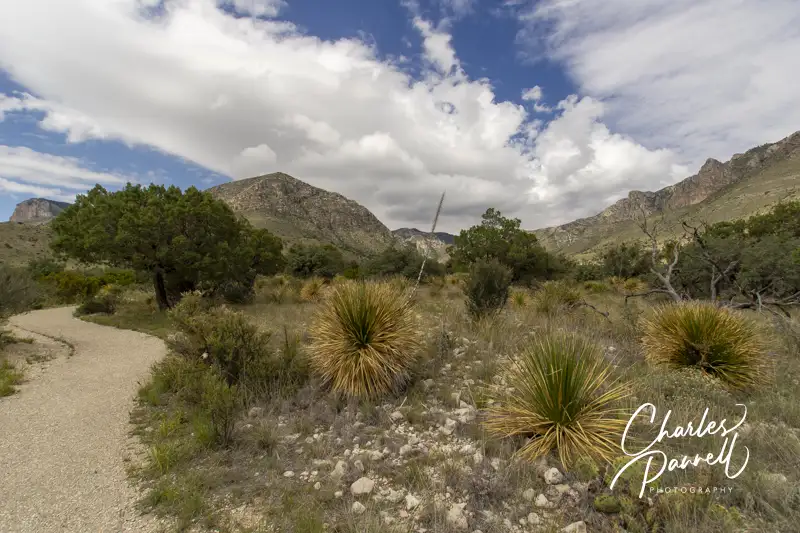
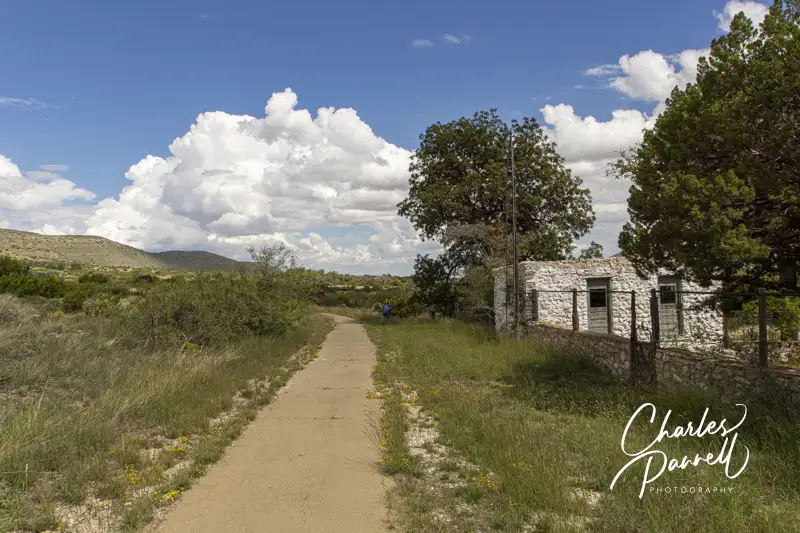
But the real attraction — The Pinery Trail — starts just outside the visitor center and leads over to the site of the former Pinery Stage Station. The paved accessible trail is dotted with benches, while interpretive plaques that detail the desert plants line the walkway.
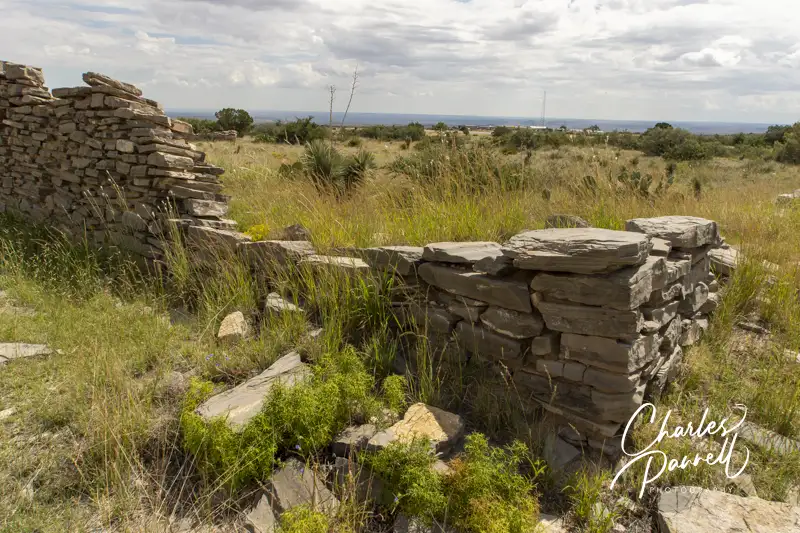
The trail ends at an interpretive plaque that explains the importance of this one-time stage stop. Built in 1858, the stop was named for a nearby stand of pines, and since it had an abundant water source it was one of the most favored stations along the 2,800-mile mail route from St, Louis to San Francisco. It’s about a .7-mile round trip hike from the visitor center, however if you can’t manage the distance, there’s also a pullout along the highway near the stage stop. Although the Butterfield Overland Mail Coach only operated for a little over two years, it should be noted that it never missed a run — even in adverse weather.
Ruins of the Pinery Stage Station
Frijole Ranch History Museum
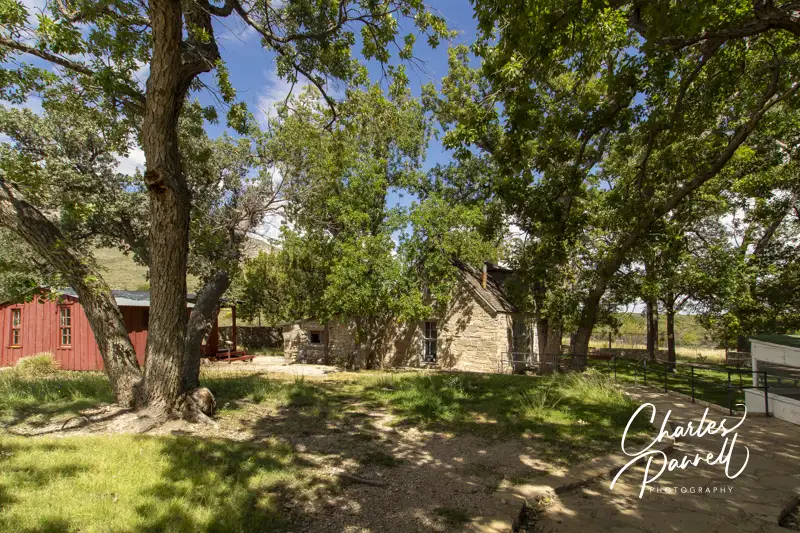
Frijole Ranch History Museum
Another must-see in Guadalupe Mountains National Park is the Frijole Ranch site, which is located just up the highway. Accessible parking is located near the accessible vault toilet. And since there are accessible picnic tables in a nearby covered pavilion, this stop is also a good spot for a lunch break.
The accessible Manzanita Spring Trail begins near the parking area, and leads over to the Frijole Ranch History Museum — an open-air exhibit which focuses on the history of this parcel, which was first settled by the Radar brothers in 1876. It was later acquired by the John Thomas Smith family in 1906. They grew apples, peaches, apricots and other fruits, and transported their harvest by wagon to Van Horn — a two-day ride away. The Smith farmhouse still stands, and it’s furnished as it would have been in the early 1900s. The Smith family operated the orchard until 1942, and it later served as a ranger residence, before it was added to the National Register of Historic Sites.
The paved undulating trail continues on past the old farmhouse and ends at Manzanita Spring. It should be noted that there’s a short 15-foot section of the trail that has rocks and dirt along it, from a washout. The good news is, that section is at the beginning of the trail, and if you can make it past that, you won’t have any problems completing the trail. On the other hand, if it’s been repaired, this trail is entirely passable for wheelchair-users and slow walkers. All it all, it’s a one-mile round trip hike that offers an interesting look at the farming history of the area.
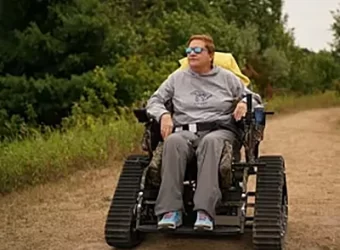
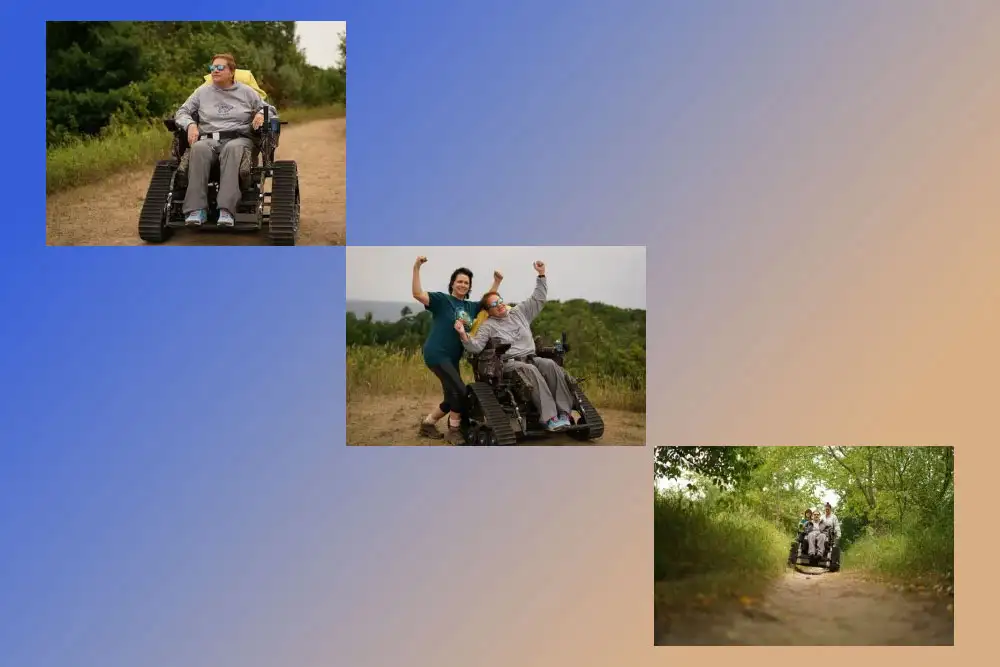
Thanks to Friends of Sleeping Bear Dunes, the Sleeping Bear Dunes National Lakeshore offers three loaner track chairs for use by wheelchair-users and slow walkers. The Mama Bear Chair and the Baby Bear Chair can be used on the Bay View Trail. The Mama Bear Chair is 24 inches wide between the armrests and can carry up to 350 pounds; while the Baby Bear Chair is 18 inches wide between the armrests and can carry up to 300 pounds. The newest track chair, The Platte Bear Chair, is 22 inches wide between the armrests and can carry up to 300 pounds. It can be used on the Platte Plains Trail.
Reservations are required to borrow the Sleeping Bear Dunes track chairs, and they are available Friday through Monday, during the summer season. A waiver of liability must also be signed. Minors are required to be accompanied by an adult. Track chair-users must be able to transfer independently or bring a companion to assist with transfers. After a short orientation a volunteer host will accompany the track chair-user on a hike.
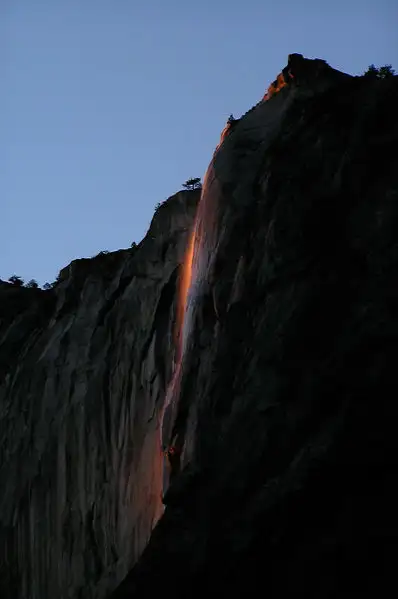
In days of yore, visitors would flock to Yosemite on summer evenings to witness the splendor of the Yosemite Firefall. A naturalist’s nightmare in this day and age, the 1960s firefall was created by park concessionaires tossing a burning rubbish pile off of Glacier Point. And to the delighted crowd gathered below, it appeared as if a fire waterfall was tumbling down over the rock face. For obvious reasons this ritual is no longer performed.
That said, today park visitors can experience a more natural — and just as spectacular — version of a firefall at Horsetail Fall. Every February when this waterfall is backlit near sunset, a vibrant orange glow emanates and mimics the appearance of a waterfall on fire — minus the rubbish pile. And although conditions have to be just right to witness this natural phenomenon, the firefall attracts visitors in droves for the possible opportunity. Of course whenever there are crowds, there are also rules and regulations. So here’s what you need to know — including where to find the accessible viewing areas — to experience the Horsetail Fall lightshow.
Yosemite Firefall Basics
There are several basic requirements for a good Yosemite Firefall. First and foremost you have to have water. A good fall rainfall is helpful for a robust firefall. And Central California has certainly had its share of rain this year!
Second, you need clear skies so the sun can reflect off the granite behind the waterfall. And although this is up to Mother Nature, it also helps to keep an eye on the weather. If it’s overcast, cloudy or foggy, it will probably be a no-go. Of course you have to hit it at the right time of day — sunset — for an optimum firefall experience. The days for the optimum Yosemite Firefall experience in 2026 are February 12 to February 28. And sunset times for those days range from 5:40 PM to 5:47 PM.
Finally, there’s the location. The best place to view Horsetail Fall is near the El Capitan Picnic Area. Best bet is to try and snag a parking spot at Yosemite Falls, and walk 1.5 miles on Northside Drive to the viewing area. If Yosemite Falls parking is full, park in Yosemite Village or Curry Village and take the free shuttle to Yosemite Falls.
Even if you can’t manage the level walk, you can still enjoy this majestic show. Although one lane of Northside Drive will be closed to accommodate the large number of pedestrians, people with an accessible parking placard are allowed to drive to and park in the El Capitan Picnic Area in turnouts on the north side of Northside Drive. That said, it’s important to note that on busy weekends, Northside Drive may close completely for about an hour after the firefall. And if nature calls, remember there’s an accessible vault toilet in the El Capitan Picnic Area.
No Reservations in 2026
Due to the popularity of the Yosemite Firefall, park entrance reservations were required in previous years. This will not be the case in 2026. No reservations will be required to enter the park during the February firefall days.
Southside Drive will be open to vehicles, but parking, stopping, and unloading passengers will be prohibited between the El Capitan Crossover (the road connecting Northside and Southside Drives near El Capitan) and the Swinging Bridge Picnic Area. The area from the Cathedral Beach Picnic Area to the Sentinel Beach Picnic Area, and the area between the road and the Merced River (including the river) will also be closed to all entry.
El Capitan Crossover will “generally” be open, but stopping and parking will be prohibited. And in order to manage congestion, access into Yosemite Valley at the El Capitan Crossover will be controlled. Once the valley is full, vehicles will be diverted out of the valley.
So the best advice for the 2026 Yosemite Firefall is to get there early and bundle up. Visitors are also encouraged to sign up for Yosemite text alerts by texting “Yosemite” to 33311 for real time up dates.
So, plan ahead and have fun at the 2026 Yosemite Firefall.
Barrier-Free Travel Yosemite, Sequoia and Kings Canyon National Parks for Wheelers and Slow Walkers
National parks make a great multigenerational vacation choice. Grandparents can spend time with their grandkids and help them earn their junior ranger badges, while mom and dad can take the afternoon off and enjoy mother nature. And nothing beats a family campfire in the evening. That said, planning a multigenerational national park adventure can be a challenge, as you to need consider a wide range of ages, abilities and interests. And then there’s the lodging issue. On the plus side, if your itinerary includes Rocky Mountain National Park, Estes Park Center (ymcarockies.org/Locations/Estes-Park-Center) makes the perfect wheelchair-accessible home base for the whole family.
Spend the Night
Located just outside of Estes Park, Estes Park Center is about three miles from the Beaver Meadows Entrance to Rocky Mountain National Park. The hotel-style lodge rooms are the perfect choice for several families traveling together, or even a family reunion. Each family can have their own lodge room, and there’s also a comfortable lobby with a fireplace in each building. So you can have you privacy, or be a social butterfly — the choice is entirely yours. And although this property is open to everyone, YMCA of the Rockies members get a discount.
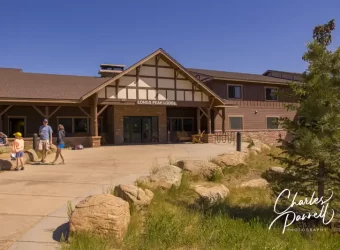
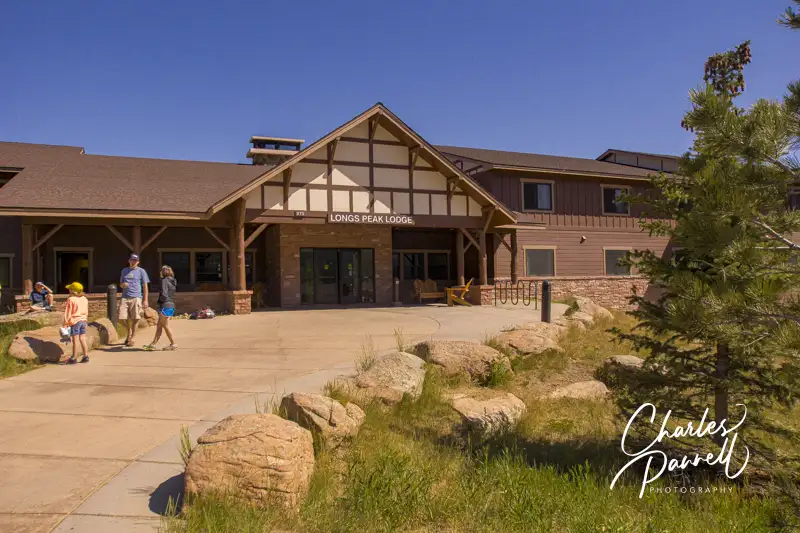
Longs Peak Lodge, which is just a short drive from the office, is one of the most accessible lodge choices. There’s plenty of accessible parking in front, with level access up to the lodge entrance. Accessible Room 8101 is located one floor down and is accessible by elevator.
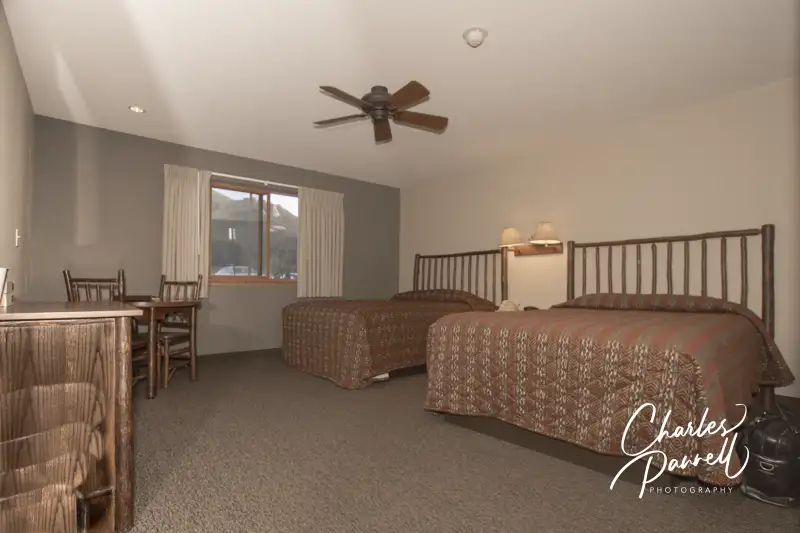
Room 8101 at Longs Peak Lodge
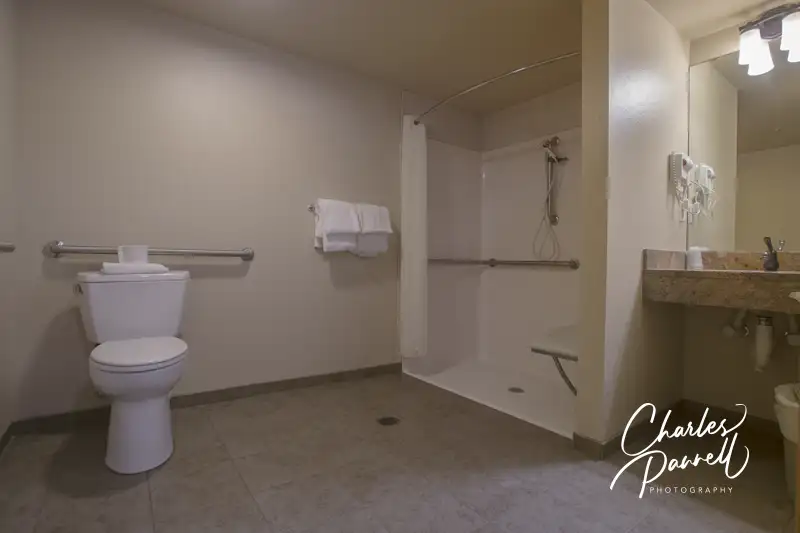
The room features wide doors and good pathway access, and it’s furnished with two 26-inch high queen-sized beds, with an access aisle between them. A table and two chairs are also included; and a floor futon mattress is available upon request. There’s level access through a wide door to the oversized bathroom, which is equipped with a roll-in shower with a hand-held showerhead, grab bars and a fold-down shower bench. Toilet grab bars are located on the back and right walls (as seated), and there’s also a roll-under sink in the bathroom.
Bathroom in room 8101 at Longs Peak Lodge
And for a nice family meal, head over to the Aspen Dining Room. Although there’s a path down to it from Longs Peak Lodge, it’s a bit steep and rocky. Best bet is to drive down if you have mobility issues. There is level access to the dining room, which offers a breakfast, lunch and dinner buffet. There are also a lot of large tables, so it’s a great family dining option. Even better — breakfast for two is included with each room.
Activities Galore
Part of Estes Park Center is located on 860 pine-studded acres, and surrounded on three sides by Rocky Mountain National Park. A popular reunion venue, this family oriented lodge has plenty of activities for all ages.
Lodge guests can take advantage of the Day Camps, which includes a variety of programs for kids of all ages, as well as a substernal menu of offerings for the whole family. And with advance notice, they are usually able to accommodate children with access needs. It’s a good opportunity for kids to bond, learn a little bit about nature, and get some exercise.
If, on the other hand, you’d prefer to strike out on your own, then check out the wheelchair-accessible Enger Family Nature Trail. It begins at the Boone Family Mountain Center and loops through the surrounding forest, with interpretive panels about the forest ecosystem along the way. It makes for a nice inclusive one-mile walk through the forest.
Finally, you can also take a day trip to Rocky Mountain National Park. Sprague Lake and Bear Lake are good choices, as they they are close and they both have wheelchair-accessible trails. Plan ahead though, as entrance reservations are now required for Rocky Mountain National Park (emerginghorizons.com/national-park-entrance-reservations-required-in-2024/)
The bottom line is, Estes Park Center makes an excellent home base for a Rocky Mountain National Park visit. The park is just a stones throw away, and there’s really no shortage of fun activities for Estes Park Center guests, where the motto is, “boredom is simply not an option.”
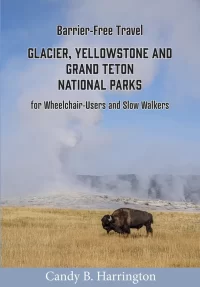
Barrier-Free Travel Glacier, Yellowstone and Grand Teton National Parks for Wheelchair-Users and Slow Walkers

 Population 318